In This Guide
- Can You Drive an RV in Japan? License & Age Rules
- Road Conditions & Terrain in Japan
- RV Size Limits, Bridges & Restricted Zones
- Fuel: Diesel vs. Petrol & Cost per 100 km
- Tolls, Vignettes & Border Rules
- Driving Tips for RV Rental for Seniors Travelers
- Recommended RV Class for Japan Roads
- Should I Choose a Compact Van Instead of a Large RV in Japan?
- Can I Park Anywhere? Free & Wild Camping Rules in Japan
- Can I Drive an RV Into the City Center? Heights, Tunnels & Local Signage
- How to Use Michi-no-Eki for RV Travel in Japan?
- What Are the Total Costs for RV Travel in Japan?
- What Cultural Etiquette Should RVers Observe in Japan?
- What Apps and Tech are Essential for RV Travel in Japan?
- How to Prepare for Emergencies During an RV Trip in Japan?
- How Much Does it Cost to Buy an RV in Japan?
- What Are Recommended RV Itineraries for Seniors in Japan?
Can You Drive an RV in Japan? License & Age Rules
Yes, you can drive a rented RV in Japan with the correct documentation. Foreign visitors typically need a valid domestic driver's license and a 1949 Geneva Convention International Driving Permit (IDP) to legally operate a rented RV. The IDP must be valid for the entire duration of your trip and presented alongside your original license; photocopies are not accepted by rental companies or authorities. The minimum age for RV rental is generally 20 or 21, though some rental companies may require drivers to be 25, particularly for larger RV classes. A standard car driver's license (Category B) is usually sufficient for most rental RVs up to 3.5 metric tons, which covers the majority of Bandana's semi-integrated and camper van fleets suitable for exploring Japan.
Road Conditions & Terrain in Japan
Japan's road infrastructure is generally excellent and well-maintained, ensuring a comfortable RV travel experience. You'll find wide expressways and major roads that are smooth and easy to navigate. However, as you venture into more rural or mountainous areas, roads can become winding, narrower, and occasionally feature gravel sections, especially near natural attractions. For seniors and all RV travelers, adopting a slower, scenic driving pace is highly recommended. This allows for frequent stops to appreciate the diverse landscapes, from lush forests to dramatic coastlines, and reduces fatigue. During winter months, particularly in regions like Hokkaido or the Japan Alps, the use of snow tires on your rented RV is essential for safe travel due to icy and snowy conditions.
RV Size Limits, Bridges & Restricted Zones
While most standard rental RVs, such as those offered by Bandana's partners, can navigate the majority of Japanese roads, drivers must remain vigilant for specific height and width restrictions. These are particularly common in urban areas and on older routes or within tunnels. Many urban underpasses, tunnels, and multi-story parking garages feature height limits, often between 2.1 meters and 2.5 meters, which larger or taller RVs may exceed. Always pay close attention to signage (usually marked with vehicle silhouettes and height measurements). Weight restrictions are seldom an issue for typical rental RVs but should be considered if planning to use smaller inter-island ferry services or crossing older, less robust bridges. Japan does not typically implement environmental zones that restrict RV access to city centers based on emissions, offering greater freedom in urban exploration compared to some European cities.
Fuel: Diesel vs. Petrol & Cost per 100 km
The majority of Japan's RV rental fleet, including many Bandana partner vehicles, runs on petrol (gasoline), which is widely available at numerous service stations across the country. Diesel (Keiyu) is significantly less common in rental RVs. Fuel consumption for most rental RV classes typically ranges from 8 to 12 liters per 100 km. For example, Class B Camper Vans often consume around 8-10 L/100 km, while larger Class SI Semi-integrated or Class C Alcove RVs might use 10-12 L/100 km. Based on current global averages, you should budget for fuel costs of approximately 150-200 Japanese Yen (JPY) per liter. While specific fuel discount cards are uncommon for rentals, consider using credit cards with travel rewards that offer fuel benefits. Keeping your RV's fuel tank topped up is advisable, especially when traveling through more remote areas. On the routes offered through RV PLANET routes, you can itemize and track every expense along the way for easy budgeting.
Tolls, Vignettes & Border Rules
Japan operates an extensive toll road network, primarily consisting of expressways, where payment is typically handled electronically. While vignettes are not used, an ETC (Electronic Toll Collection) card is crucial for seamless travel and often available for rent with your RV. This card, used in conjunction with an ETC onboard unit, allows for non-stop passage through toll gates and can provide discounts compared to manual cash transactions, especially on weekends or during off-peak hours. Budgeting for tolls is essential as they can accumulate quickly; a journey like Tokyo to Kyoto can incur several thousand JPY in expressway costs. For extensive travel, exploring options like the Japan Expressway Pass (JEP) can offer significant savings and convenience. As an island nation, Japan has no land borders for RV travel. Inter-island transport is facilitated by ferries, which charge tolls based on vehicle size and length.
Driving Tips for RV Rental for Seniors Travelers
Planning your RV journey in Japan with seniors in mind means prioritizing comfort and a relaxed pace. **Pace Yourselves:** Aim for shorter daily driving segments, perhaps 2-3 hours, to allow for frequent rest breaks and spontaneous stops at scenic viewpoints or interesting roadside attractions. This helps reduce fatigue and enhances overall enjoyment. **Prioritize Automatic Transmission:** Fortunately, most rental RVs in Japan feature automatic transmissions, significantly simplifying driving on varied terrain and within busy urban traffic, contributing to a more relaxed experience. **Night Driving Caution:** It's generally advisable to avoid extended night driving, especially in rural and mountainous areas, due to narrower roads, reduced visibility, and the potential for encountering wildlife. **Navigation & Signage:** Utilize reliable GPS systems and apps like Google Maps, which are highly effective for navigation and identifying points of interest. Familiarize yourself with common Japanese road signs, many of which are pictorial or include English translations. **Parking Strategy:** Research parking options in advance, particularly for cities and popular attractions. Prioritize using designated RV parking areas, Michi-no-Eki, or official RV parks for secure and legitimate overnight stays.
Recommended RV Class for Japan Roads
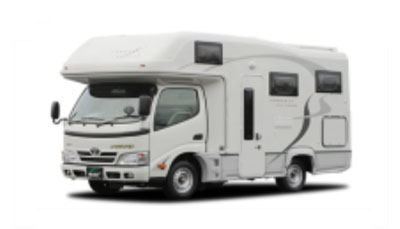
For seniors planning an RV adventure in Japan, a Class B Camper Van or a Class SI Semi-integrated RV offers an optimal balance of maneuverability and comfort. Class B Camper Vans, with an average length of around 5.8 meters in Bandana's global fleet, are highly maneuverable, making them suitable for narrower roads and easier city parking, while still providing ample space for 2-3 adults. The Class SI Semi-integrated RVs, typically around 6.9 meters long, offer more spacious interiors, better amenities like dedicated dining areas, and often full bathrooms, comfortably accommodating 3-4 adults. These represent a great compromise between living space and handling on Japan's diverse road network. While larger Class C or Class A RVs provide maximum living space, their increased length (averaging around 7.5 meters) might present more challenges in very tight urban or mountain environments, making the mid-size options the most practical choice for senior travelers.
Should I Choose a Compact Van Instead of a Large RV in Japan?
While a compact campervan offers enhanced maneuverability, the comfort and indoor space of a larger RV, such as a semi-integrated model, often provide a superior overall experience for seniors traveling in Japan. Most standard rental RVs can navigate Japanese roads without significant issues, meaning the perceived difficulty of driving a larger vehicle is often less than anticipated. Compact vans (like Class B Camper Vans) excel in very historic centers or extremely narrow mountain passes and are easier for city parking, typically offering lower fuel consumption (around 8-10 Liters/100 km). However, larger RVs, such as Class SI Semi-integrated models, provide significantly more living space, dedicated dining areas, larger kitchens, and often full bathrooms, which are key considerations for comfort on longer trips, especially for seniors who value these amenities. The trade-off in space and convenience usually favors a semi-integrated RV for a more comfortable senior travel experience in Japan.
Can I Park Anywhere? Free & Wild Camping Rules in Japan
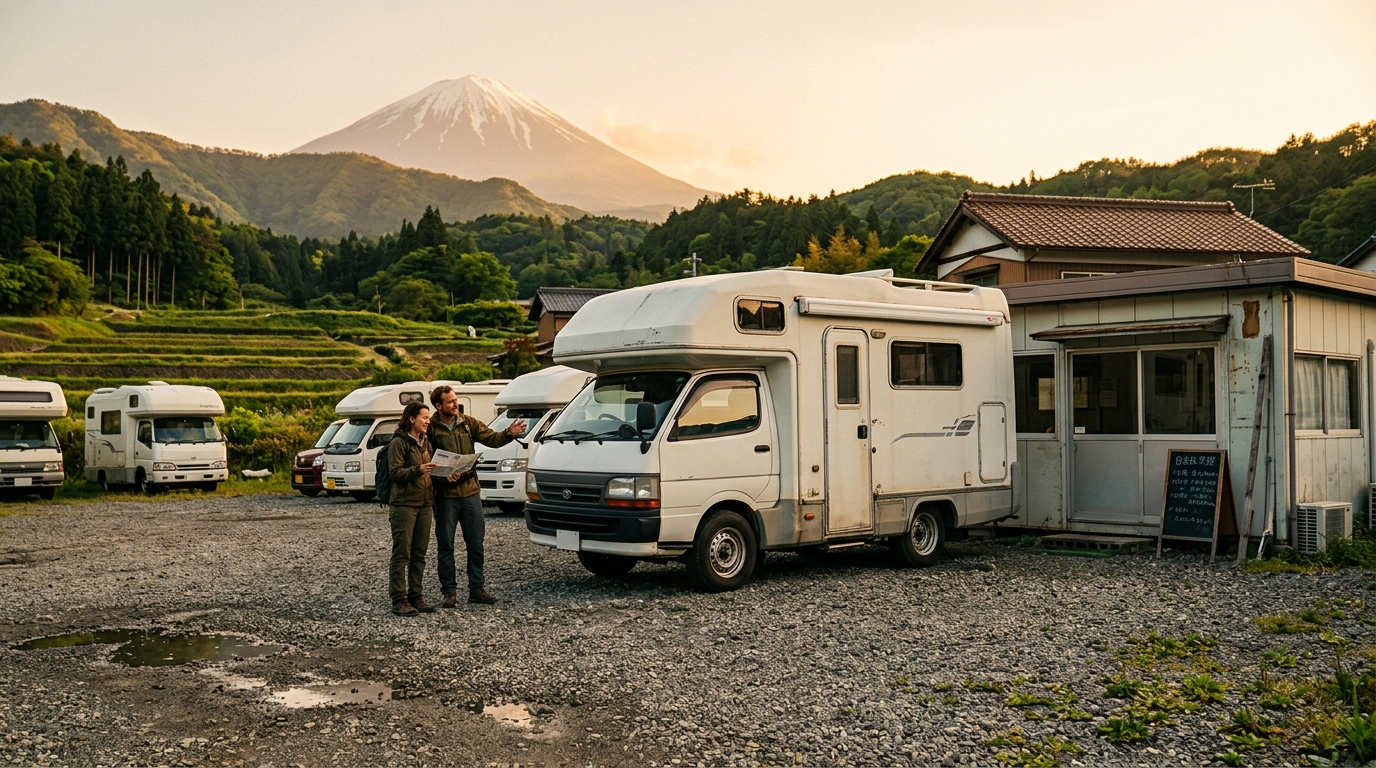
Wild camping or 'free camping' in undesignated areas is generally not permitted and can be viewed as trespassing in Japan. Therefore, Michi-no-Eki (roadside stations) and dedicated campgrounds are the primary legal and recommended options for overnight RV parking. Michi-no-Eki stations often offer safe, free overnight parking, equipped with amenities like restrooms, vending machines, and local markets. However, it's crucial to understand that these are primarily for resting, not full camping; avoid setting up awnings, cooking outdoors, or making excessive noise. Dedicated campgrounds are the only locations offering full camping facilities, including utility hook-ups (water, electricity), waste disposal, and often showers, providing the most legitimate and comfortable camping experience. Overnight parking in random roadside pull-offs or city parking lots is generally prohibited and can lead to fines or being asked to move. Always check local regulations and follow local laws before parking overnight. For ideas you can prep on the road, watch our RV-friendly recipes playlist on YouTube.
Can I Drive an RV Into the City Center? Heights, Tunnels & Local Signage
Yes, you can generally drive an RV into city centers in Japan, as most main roads and city arteries accommodate standard vehicle sizes. However, careful attention must be paid to local signage, especially concerning height restrictions and available parking. Be highly vigilant for signs indicating height limits (車高制限 – 'shakō seigen') on older tunnels, urban underpasses, and multi-story parking garages, which can often be as low as 2.1 to 2.5 meters. While Japan doesn't impose environmental zones restricting RV access based on emissions, navigating extremely narrow streets in historic districts or finding suitable parking for an RV in dense city centers can be challenging. It's advisable to plan routes that avoid very narrow areas and to look for larger public parking areas (駐車場 – 'chūshajō') outside the immediate city core, from which you can then utilize public transport for exploration.
How to Use Michi-no-Eki for RV Travel in Japan?
Michi-no-Eki are government-designated roadside stations found across Japan, serving as invaluable hubs for RV travelers by offering essential amenities, local goods, and sanctioned overnight parking. These stations typically feature clean restrooms, markets selling regional products, restaurants, and information centers, with some even providing hot springs (onsen) or shower facilities, making them much more than basic rest stops. For overnight parking, it is crucial to understand that Michi-no-Eki are intended for resting, not full camping activities; avoid setting up awnings, cooking outdoors, or making excessive noise. The best way to utilize them is to rest, resupply with local produce and food, gather local information, and enjoy a safe, free, and legitimate overnight stay while adhering to local etiquette, such as proper waste disposal (often requiring you to take your trash with you until appropriate disposal points are found).
What Are the Total Costs for RV Travel in Japan?
Beyond the RV rental fee itself, a comprehensive budget for an RV trip in Japan must account for significant additional expenses. These include tolls on Japan's extensive expressway network, fuel costs, city parking fees, campground charges, and daily living expenses such as food and hot spring (onsen) entry. Tolls are a major consideration; budget several thousand JPY per day if you plan extensive highway use, and an ETC card is highly recommended for convenience and potential discounts. Fuel costs, based on Bandana's fleet averages of 8-12 Liters/100 km, should be budgeted at approximately 150-200 JPY per liter. City parking can be quite expensive, often ranging from 300-600 JPY per hour, while dedicated campgrounds typically cost 2,000-5,000 JPY per night for full facilities, with Michi-no-Eki offering free overnight parking. Daily food and attraction expenses, including onsen entry (hundreds to 2,000 JPY), will also add to your budget; cooking in the RV and utilizing Michi-no-Eki can help manage these costs effectively.
What Cultural Etiquette Should RVers Observe in Japan?
RV travelers in Japan should prioritize respect for local customs, meticulous waste management, and polite interaction with residents to ensure a harmonious and enriching experience in this hyper-clean and orderly society. Waste management is rigorous in Japan; be prepared to meticulously sort trash (burnable, non-burnable, plastic, etc.) and often carry it until appropriate disposal points are found, never leaving refuse at Michi-no-Eki or roadside stops. Always respect private property, avoiding parking or camping without explicit permission, and maintain low noise levels, especially during late hours at Michi-no-Eki or in residential areas. Polite interaction with locals, using basic Japanese phrases like 'Arigato gozaimasu' (thank you) and a slight bow, is greatly appreciated. Embrace cultural experiences like public baths (onsen/sento) by following strict etiquette, such as washing thoroughly before entering the bath and never wearing swimwear. Remember to remove shoes before entering homes, some traditional establishments, and often even your RV, to maintain cleanliness.
What Apps and Tech are Essential for RV Travel in Japan?
Essential technology for RV travel in Japan includes reliable navigation apps, translation tools, and portable Wi-Fi solutions to enhance route planning, communication, and access to crucial amenities. Google Maps is highly effective for navigation, traffic updates, and locating points of interest, including Michi-no-Eki, while apps like MAPS.ME offer offline map capabilities, which are invaluable in areas with limited connectivity. Translation apps such as Google Translate (with its offline and camera translation features) or DeepL are indispensable for deciphering signs, menus, and facilitating communication with locals. A pocket Wi-Fi device or a local SIM card with a data plan is crucial for consistent internet access, as public Wi-Fi is less common outside major urban centers, ensuring reliable navigation and communication throughout your journey. Consider specialized apps or websites for finding Michi-no-Eki, onsen, and LPG (propane) filling stations, and download emergency apps for earthquake warnings (like Yurekuru Call) or local weather alerts.
How to Prepare for Emergencies During an RV Trip in Japan?
Preparing for emergencies during an RV trip in Japan involves understanding specific procedures for vehicle breakdowns, accessing medical help, and being aware of the protocols for natural disasters common in the region. Ensure your RV rental includes comprehensive roadside assistance with English support, and keep the rental company's emergency contact number readily accessible in your vehicle. Carry travel insurance that covers medical emergencies, and have a list of nearby hospitals or clinics prepared. Know the emergency numbers: ambulance and fire services are reached by dialing 119, and the police by dialing 110. Be aware of Japan's seismic activity; download early warning apps for earthquakes and follow official guidance. During an earthquake, pull over safely and follow instructions; for tsunami warnings, move to higher ground. During typhoons, seek sturdy shelter. Always keep a basic emergency kit in your RV, including a first-aid kit, flashlight, portable power bank, sufficient water, and non-perishable food items.
How Much Does it Cost to Buy an RV in Japan?
Buying an RV in Japan is a significant investment, with costs ranging from approximately 2 million JPY for a used, compact camper to over 10 million JPY for a new, larger model. This option is primarily suitable for long-term residents or those planning exceptionally extended stays. The second-hand market offers more affordable entry points, with smaller 'kei' (mini-truck) campers starting around 2 million JPY, while new camper vans and semi-integrated models typically range between 5 million and 8 million JPY. Beyond the purchase price, anticipate additional costs such as mandatory vehicle inspections (shaken), compulsory and optional insurance, annual road taxes, and parking fees, which can accumulate significantly. For most tourists, even those planning trips of several months, renting an RV remains a more practical and cost-effective solution due to the complexities and expenses associated with registration, insurance, and eventual resale for non-residents.
What Are Recommended RV Itineraries for Seniors in Japan?
Seniors traveling by RV in Japan can enjoy a variety of specialized itineraries focusing on relaxation, cultural immersion, and scenic beauty. Consider an "Onsen Hopping" route, exploring regions famous for hot springs like Hakone, Izu, or Kyushu, staying at Michi-no-Eki or campgrounds near onsen towns to enjoy daily soaks and local cuisine at a leisurely pace. Alternatively, embark on a "Coastal Exploration" drive along picturesque coastlines, such as the Seto Inland Sea or the Pacific Coast, visiting charming fishing villages, historic sites, and enjoying fresh seafood. For seasonal beauty, plan a "Cherry Blossom (Sakura) or Autumn Leaves (Koyo) Route" to follow the bloom or foliage through mountainous regions, incorporating visits to castles, parks, and traditional gardens. A "Cultural Immersion" itinerary could focus on regions like Kansai (Kyoto, Nara) or Chubu (Shirakawa-go) for historical and cultural sites, using Michi-no-Eki outside major cities as bases and allowing ample time for exploration. All recommended itineraries for seniors should prioritize ample rest, shorter driving days, and flexibility for spontaneous stops to ensure maximum comfort and enjoyment.
Final Thoughts
Embarking on an RV adventure in Japan offers a unique blend of freedom, cultural immersion, and breathtaking scenery. By choosing the right vehicle, understanding the local driving customs, and utilizing resources like Michi-no-Eki, seniors can experience the wonders of Japan at their own pace. The journey itself becomes as memorable as the destinations, offering a comfortable and engaging way to explore this fascinating country.
Remember, planning is key, but so is embracing the unexpected. Whether you're drawn to the serene beauty of a hot spring town or the vibrant energy of a city, your rented RV is your ticket to an unforgettable Japanese road trip. For finding the perfect RV and comparing options, explore Bandana Caravan's extensive network. For discovering campsites and planning your route, RV PLANET (rvplan.net) is an excellent resource to ensure your journey is as smooth as possible.
Get inspired for your next trip! Discover top destinations, planning tips, all in one place, and plan a trip itinerary in advance with minimal effort and maximum enjoyment. We're confident that with Bandana Caravan, your RV rental for in Japan will be an exceptional experience.