In This Guide
- Can You Drive an RV in Iceland? License & Age Rules
- Road Conditions & Terrain in Iceland
- RV Size Limits, Bridges & Restricted Zones
- Fuel: Diesel vs. Petrol & Cost per 100 km
- Tolls, Vignettes & Border Rules
- Driving Tips for RV Rental for Seniors Travelers
- Recommended RV Class for Iceland Roads
- Should I Choose a Compact Van Instead of a Large RV in Iceland?
- Can I Park Anywhere? Free & Wild Camping Rules in Iceland
- Can I Drive an RV Into the City Center? Heights, Tunnels & Local Signage
- What are the Ethical Guidelines for RV Wild Camping in Iceland?
- Do I Need a 4x4 Campervan for Iceland's F-Roads and Highlands?
- What are the Challenges and Opportunities for RVing in Iceland's Winter and Shoulder Seasons?
- How to Prepare for Emergencies and Remote RV Travel in Iceland?
- What are Sustainable RV Travel Practices for Iceland?
- What RV Comfort Factors are Important in Iceland, including Heating and Water?
- How Can RVers Experience Unique Cultural Immersion in Iceland?
- What You Shouldn't Miss
- Why Book with Bandana Caravan
- Final Thoughts
- Frequently Asked Questions
Iceland, with its dramatic landscapes, bubbling hot springs, and endless opportunities for adventure, is an extraordinary destination for a motorhome rental vacation. For seniors seeking a comfortable yet immersive travel experience, renting an RV offers unparalleled freedom and flexibility to explore this stunning island at your own pace. Imagine waking up to the views of a glacier, enjoying breakfast with a waterfall as your backdrop, and then setting off on a gentle drive to discover charming villages or geothermal wonders. This guide will provide all the essential information for seniors to confidently plan and enjoy a memorable RV trip in Iceland, focusing on comfort, safety, and an authentic experience.
Can You Drive an RV in Iceland? License & Age Rules
Most seniors with a valid national driving license can comfortably drive an RV in Iceland, provided they meet specific age requirements and possess an International Driving Permit (IDP) if their license isn't in a Roman alphabet. A standard car driver's license (Class B equivalent in Europe) is generally sufficient for all motorhome classes, including Class A, Class B, and Class C vehicles, as long as the gross vehicle weight is under 3,500 kg (7,700 lbs). The minimum rental age for RVs in Iceland is typically 21 years old, with some premium models from certain suppliers requiring drivers to be 25 or older. It's always best to confirm these details with your chosen rental supplier. For visitors from non-English speaking countries, an International Driving Permit (IDP) is highly recommended in conjunction with your original license, though it is not mandatory in all cases. Always ensure your license remains valid for the entire duration of your rental period to avoid any complications. For live availability and current prices, start with our RV Rental Iceland - Complete Guide 2026 guide.
We believe in full transparency, ensuring there are no hidden fees or surprises when you're comparing rv rental options for your journey. We handle the details, so you can focus on living the journey, from your initial inquiry to confirming your booking. Our goal is to make your planning as smooth as possible, backed by real people ready to assist you before, during, and after your booking process.
Road Conditions & Terrain in Iceland
Iceland's road conditions vary significantly, from the mostly paved Ring Road (Route 1) to gravel secondary roads and challenging F-roads, offering a diverse driving experience for seniors. The main artery, Route 1, which encircles the island for 1,322 km, is predominantly paved, but some sections, particularly in the East, can be unpaved gravel. Secondary roads often consist of gravel surfaces, requiring slower and more careful driving. These roads are generally well-maintained but can be dusty in dry conditions or slippery when wet.
F-roads, which access the rugged Highlands, are unpaved, often narrow, and may include unbridged river crossings, strictly requiring 4x4 vehicles for safe and legal passage. Weather conditions in Iceland can change rapidly and unpredictably, leading to sudden ice, snow, heavy rain, or extremely high winds. It is crucial to check official websites like vedur.is (for weather) and road.is (for road conditions) frequently throughout your trip. We encourage slow, scenic driving, averaging a maximum of 100-150 km per day, to fully appreciate Iceland's stunning landscapes and ensure safety and comfort. This pace allows you to truly feel the place, connect to the culture, the food, and the scenery without feeling rushed.
RV Size Limits, Bridges & Restricted Zones
While Iceland generally accommodates RVs, drivers should be aware of height and weight restrictions, particularly on older bridges, and local signage in urban areas. Most rented RVs, such as Bandana Caravan's Class SI (average 6.9m length) or Class C (average 7.5m length) motorhomes, are perfectly suitable for the main roads, including the Ring Road and popular tourist routes. Drivers should always observe signage for small, single-lane bridges, which may have explicit weight or width limits, and navigate them slowly and carefully.
There are no widespread 'environmental zones' with specific RV restrictions in Iceland's towns; however, it's always wise to check local signage in larger urban centers like Reykjavik or Akureyri for any parking or access limitations. Driving slowly and carefully, you can drive almost anywhere without issues. No need to stress - just use common sense and pay attention. For any ferry services you might consider, such as to the Westman Islands, checking RV length and weight limits in advance is essential as these will vary by service. We offer a selection of vehicles suitable for various travel styles; you can compare Cheap RV Rental in Iceland - Budget Guide 2026 options to find one that fits your comfort and maneuverability preferences.
Fuel: Diesel vs. Petrol & Cost per 100 km
Most RVs in Iceland, including Bandana's typical fleet offerings from suppliers like Apollo and Britz, run on diesel fuel, which is widely available at service stations across the country, though often more expensive than petrol. Always confirm your specific RV's fuel type at pickup to avoid costly mistakes. Fuel prices in Iceland are higher than in many other countries and fluctuate regularly, so budgeting for this expense is crucial for your trip. Based on Bandana's global fleet averages, a compact campervan like a Class I Van typically consumes around 9-11 Liters/100 km, while a Class SI RV or a larger Class C motorhome like the EcoLine 2 generally consumes 10-12 Liters/100 km. Many rental companies offer fuel discount cards for use at major service station chains, which can provide small but helpful savings over a week-long trip. On the routes offered through RV PLANET routes, you can itemize and track every expense along the way for easy budgeting.
When planning your route, remember to factor in fuel stops, especially in more remote regions where stations may be sparse. For finding campsites and campgrounds during your trip, we recommend using RV PLANET (rvplan.net) - a great resource for locating available spots along your route. You can also track every expense along the way on RV PLANET routes for easy budgeting, which helps avoid any surprises regarding your total trip cost.
Tolls, Vignettes & Border Rules
Iceland simplifies road trip planning significantly compared to continental Europe by having very few tolls and no land border crossings relevant to RV travel. Currently, there is only one significant toll tunnel, Vaðlaheiðargöng, located near Akureyri in North Iceland. This tunnel can be paid online either before passing through or shortly after, typically within 24 hours. The cost for vehicles over 3,500 kg (like most larger RVs) is approximately €1,500-€2,500. There are no vignette systems or general road tolls anywhere else in Iceland.
As an island nation, Iceland has no land borders, meaning RV travelers do not need to worry about border rules, customs checks, or green cards that are often required when crossing borders in Europe. This makes for a more straightforward and relaxed travel experience. Some rental companies may offer options to pre-pay for the Vaðlaheiðargöng tunnel or will handle post-payment and bill you later, adding to your peace of mind. We pride ourselves on full transparency with our pricing, ensuring you understand all potential costs, including tolls, upfront, with no hidden fees or surprises.
Driving Tips for RV Rental for Seniors Travelers
Senior RV travelers in Iceland should prioritize safety and comfort by driving cautiously, planning shorter daily distances, and being prepared for rapid weather changes. Embracing the pace of slow travel, aiming for a maximum of 100-150 km per day on average, allows ample time for spontaneous stops, photos, and truly connecting with the stunning scenery, without feeling rushed. Continuous weather awareness is key: check vedur.is for the latest forecasts and road.is for up-to-date road conditions, especially concerning wind and ice.
Be prepared for strong wind gusts, particularly on bridges, open stretches of road, and when opening doors. Holding doors firmly is important to prevent wind damage. It is also legally required to drive with headlights on at all times, regardless of daylight conditions. For overnight stays, utilize designated campgrounds which are abundant across Iceland, offering necessary facilities like waste disposal, fresh water, and electricity hook-ups, providing a relaxed and legal spot. Remember, you can always upgrade to a top-level deductible reimbursement for extra peace of mind, a popular choice among our customers, including those exploring Iceland.
Recommended RV Class for Iceland Roads
For seniors traveling Iceland, a Class SI (Semi-integrated) or Class B (Camper Van) RV is often recommended, as they strike an excellent balance between comfort, maneuverability, and suitability for the country's diverse road network. Class SI Semi-integrated RVs, such as a 2 Berth Tamar with an average length of 6.9m, offer a good amount of living space, a proper kitchen, and an integrated bathroom, making them very comfortable for week-long trips. They handle the Ring Road well while still being manageable to drive. Class B Camper Vans, like a Juliette 2-3, averaging 5.8m in length, are more compact and maneuverable, making them ideal for couples who prioritize ease of driving and parking over extensive living space.
These classes are generally sufficient for paved roads and well-maintained gravel roads. However, it's crucial to remember that standard 2WD RVs, regardless of their class, are not permitted on F-roads. Dedicated 4x4 campervans are the only vehicles legally allowed for Highland access. When comparing RV Rental Deals in Iceland - Latest Offers 2026, consider your comfort needs and the types of roads you plan to explore. We are true RV specialists, not a travel agency side department, meaning our advice is genuinely rooted in extensive RV travel experience, helping you pick the perfect rig for your adventure.
Should I Choose a Compact Van Instead of a Large RV in Iceland?
While a compact van offers slightly more maneuverability, larger RVs like semi-integrated or alcove models generally provide superior comfort and indoor space, which often outweighs the marginal maneuverability benefits on Iceland's main roads. A larger rented motorhome, such as a 4 Berth Adventurer or a Category Family 5, provides significantly more living space, a fully equipped kitchen (ideal for preparing RV-friendly recipes playlist on chilly evenings), and an integrated bathroom, enhancing comfort, especially during extended trips or unpredictable Icelandic weather. Iceland's Ring Road and major routes are wide enough to comfortably accommodate most RV sizes, so concerns about navigating narrow streets are often overstated. Drive slowly and carefully, and you can drive almost anywhere without issues. No need to stress - just use common sense and pay attention.
Neither standard large RVs nor compact 2WD vans are suitable for Iceland's F-roads, which explicitly require 4x4 vehicles. Many seniors prioritize comfort and amenities, such as a larger bed, more storage, and a proper dining area, making the added space of a larger RV a worthwhile trade-off for a more relaxed and enjoyable vacation. Consider a longer rental duration, like a two-week adventure, to truly settle in and appreciate the comforts of your chosen motorhome.
Can I Park Anywhere? Free & Wild Camping Rules in Iceland
No, wild camping or free parking overnight in an RV is largely illegal in Iceland, with strict regulations mandating the use of designated campgrounds for overnight stays. This rule is in place to protect Iceland's incredibly fragile environment, which can be easily damaged by vehicles going off-road, and to ensure minimal disruption to local communities. Overnight parking outside official campsites is prohibited for RVs and campervans unless specific permission from the landowner has been explicitly obtained, which is rare.
Designated campgrounds are fortunately abundant across Iceland, especially along the Ring Road, offering necessary facilities like waste disposal points, fresh water refills, and electricity hook-ups. These facilities are essential for responsible RV travel. While many national and state parks reserve only 25-30% of spots for advance booking, the rest are often first-come-first-serve. You'll find a spot; if not at the first campground, then the next one. It's always a good idea to call ahead before driving a long distance, especially during peak season. Penalties for violating wild camping laws can be substantial, often exceeding €200. Always respect the local laws and environmental protection efforts. For campground options, check out RV Camping in Iceland - Best Campgrounds 2026 for detailed recommendations.
Can I Drive an RV Into the City Center? Heights, Tunnels & Local Signage
Yes, you can generally drive an RV into most Icelandic city centers, including Reykjavik, but it's crucial to pay close attention to local signage regarding height limits, parking restrictions, and potential environmental zones. Icelandic cities are typically RV-friendly on their main thoroughfares; however, older areas, narrow streets, or underground parking garages may have height and width restrictions. Always observe signs for low bridges or tunnels, particularly when navigating into city centers.
Parking can be a challenge in busy city centers; look for designated RV parking lots or consider utilizing public transport if you plan to spend a significant amount of time exploring downtown areas. Be mindful of 'residents-only' streets or any specific environmental zones if they exist in a particular municipality, though these are not widespread for RVs in Iceland. Remember, driving slowly and carefully, and using common sense and attention to signage will ensure you can navigate city environments without issues. Our comprehensive comparison platform offers RV Rental in Iceland - Prices and Best Deals 2026 for vehicles suitable for both scenic routes and city excursions.
What are the Ethical Guidelines for RV Wild Camping in Iceland?
Ethical RV wild camping in Iceland, beyond adhering to strict legal requirements, involves practicing Leave No Trace principles, respecting private property, and minimizing environmental impact. It is crucial to understand that wild camping with an RV or campervan is largely illegal in Iceland. Even if you find an unposted spot, it's essential to follow strict ethical guidelines to preserve the pristine nature of the country. Always pack out all trash, including food scraps, and leave any potential campsite cleaner than you found it. Never park overnight on private land without explicit, prior permission from the landowner; doing so can result in fines and upset local residents.
Avoid driving or parking off-road under any circumstances, as this causes irreversible damage to delicate vegetation and fragile ecosystems, particularly sensitive moss fields. Utilize designated dump stations at official campgrounds for greywater and blackwater disposal; never discharge wastewater into nature. Keep noise levels low and minimize light pollution to respect wildlife and other visitors, especially in remote areas where the Northern Lights might be visible. Sustainable RV travel is about preserving the beauty you came to enjoy, ensuring Iceland remains pristine for future generations. For finding detailed information on campgrounds and planning your stops, explore RV PLANET (rvplan.net).
Do I Need a 4x4 Campervan for Iceland's F-Roads and Highlands?
Yes, a 4x4 campervan is absolutely necessary and legally required for driving on Iceland's F-roads and accessing the Highlands, as standard 2WD RVs are prohibited and unsuitable for the rugged terrain and numerous unbridged river crossings. F-roads are designated mountain roads, characterized by unpaved surfaces, loose gravel, steep ascents, and often require navigating through shallow rivers. Attempting these roads in a 2WD vehicle is not only illegal but extremely dangerous and will void most rental insurance policies.
If exploring the interior or venturing off the main Ring Road into the more remote and untouched landscapes is a priority for your Iceland trip, you must specifically rent a 4x4 campervan. Vehicles like a 4x4 Camper B - THOR or a 5 Person 4WD Camper are built for this purpose, offering higher ground clearance and robust tires. Standard RV rental insurance policies typically do not cover damage incurred while driving on F-roads unless explicitly specified for a 4x4 rental. Always confirm with your supplier if your chosen 4x4 campervan is approved for F-road travel and review your insurance coverage. Our selection includes options for those seeking a rugged adventure, including Luxury RV Rental in Iceland - Premium Prices 2026 4x4 models.
What are the Challenges and Opportunities for RVing in Iceland's Winter and Shoulder Seasons?
RVing in Iceland during winter (October-April) and shoulder seasons (April-May, September-October) presents challenges like unpredictable weather and road closures, but offers unique opportunities such as fewer crowds and stunning landscapes, including the Northern Lights. Winter travel demands significant flexibility, as road conditions can change rapidly from clear to icy or snow-covered, leading to frequent closures, especially in the North and Highlands. Daylight hours are also very limited during the winter months, requiring careful planning of driving times.
Challenges include the need for adequate RV heating systems (many of our winter-ready rentals come equipped with powerful diesel heaters) and preparing for water tanks and pipes to freeze; some campgrounds may have limited water access or be fully closed. However, shoulder seasons offer a fantastic balance: fewer tourists at popular sites like the Golden Circle (which features 5 natural features and 2 spas according to our
How to Prepare for Emergencies and Remote RV Travel in Iceland?
Preparing for emergencies and remote RV travel in Iceland involves carrying essential safety gear, establishing reliable communication strategies, and understanding how to react to extreme weather. Pack a comprehensive emergency kit including a first-aid kit, warm blankets, extra food and water (enough for at least 24-48 hours in remote areas), jump starter cables, a sturdy shovel, and high-visibility clothing. Always carry a fully charged mobile phone, and for Highland or very remote travel, consider renting a satellite phone or carrying a Personal Locator Beacon (PLB), as mobile phone coverage can be intermittent.
Regularly check road.is for the latest road status and vedur.is for weather updates, especially wind warnings. Inform your rental company, a trusted contact, or leave your itinerary with local authorities before venturing into very remote areas. If caught in extreme weather, the safest course of action is to pull over to a safe spot, stay in your vehicle, and wait for conditions to improve rather than attempting to drive through. Bandana offers top-level deductible reimbursement, an optional upgrade for extra peace of mind, which can be invaluable in unexpected situations. With 24/7 support available before, during, and after your booking, you'll always have real people behind you, ready to help with coordination and advice.
What are Sustainable RV Travel Practices for Iceland?
Sustainable RV travel in Iceland focuses on minimizing your environmental footprint through responsible waste management, efficient water and energy use, and respecting natural and cultural sites. Always separate and properly dispose of all waste at designated recycling points and dump stations found at official campgrounds; never, under any circumstances, leave trash in nature. Be mindful of your water usage, as fresh water can be a precious resource in some areas, and manage your greywater and blackwater responsibly by only using designated disposal facilities.
Staying on marked roads and trails is paramount; driving off-road is illegal, causes irreversible damage to the fragile ecosystem, and is strictly prohibited by rental agreements and Icelandic law. To support the local economy sustainably, purchase local products, eat at local restaurants, and choose locally owned services. For example, the "
What RV Comfort Factors are Important in Iceland, including Heating and Water?
Key RV comfort factors for travel in Iceland, particularly for seniors, include reliable heating systems, efficient water sourcing and waste management, and practical local provisioning strategies. Given Iceland's often chilly and unpredictable weather, even in summer, ensuring your rented RV has a robust heating system, such as a diesel heater, is essential for comfort. Diesel heaters are generally very efficient and will keep your motorhome cozy, allowing you to relax after a day of exploring.
Planning your route to include regular stops at campgrounds or designated service stations for refilling fresh water tanks is crucial, as is understanding how to responsibly manage greywater and blackwater disposal. Only use designated dump stations to protect the environment. For provisioning, plan grocery stops in larger towns (like Reykjavik or Akureyri) and stock up on essentials before heading into more remote areas where options are limited. Consider an RV with easily accessible, permanent beds, like those found in a MH2 - IDUNN or a V3, rather than convertible dining areas, for maximum comfort and ease of use, especially on a longer trip. Many of our vehicles, including options from our leading RV suppliers, are equipped with features like powerful heating and efficient water systems for a comfortable experience.
How Can RVers Experience Unique Cultural Immersion in Iceland?
RVers can experience unique cultural immersion in Iceland by venturing beyond popular tourist routes, engaging with local communities, participating in traditional activities, and exploring hidden gems accessible by vehicle. Instead of only visiting major attractions, spend time in smaller towns and fishing villages off the main Ring Road to experience authentic Icelandic life and connect with locals. Research local festivals or events happening during your travel dates, such as summer solstices celebrations or cultural weeks.
Seek out local restaurants, bakeries, or farmers' markets for traditional Icelandic dishes, connecting with the country's unique culinary heritage. Our longer route plans, such as the "
What You Shouldn't Miss
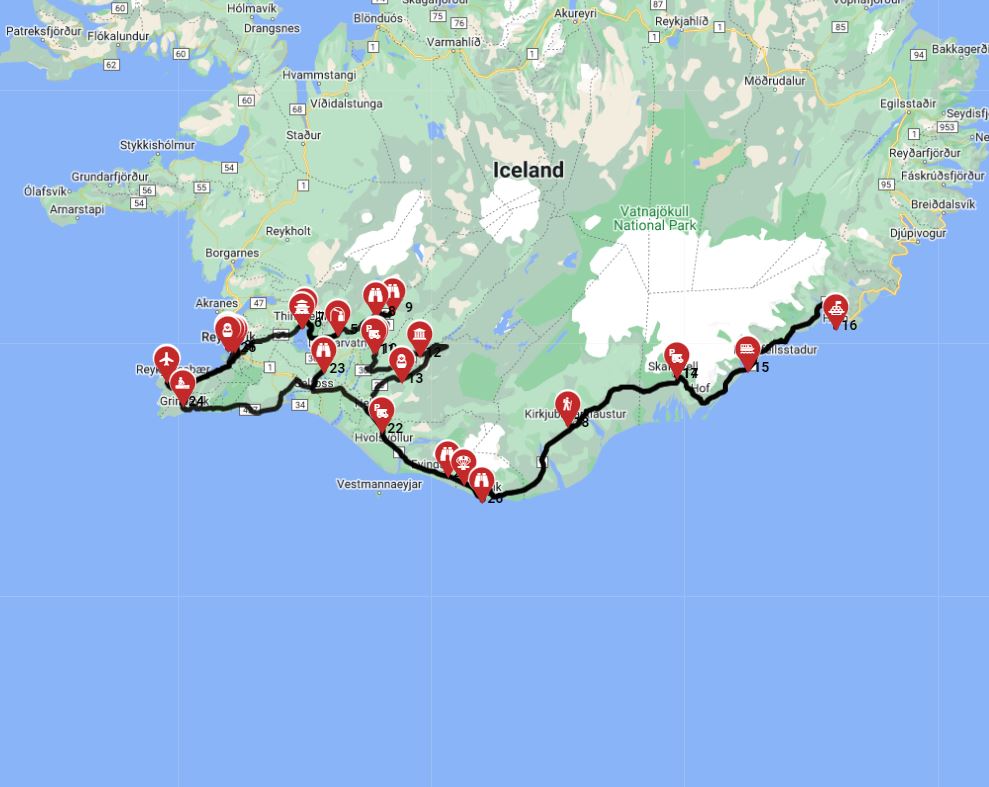
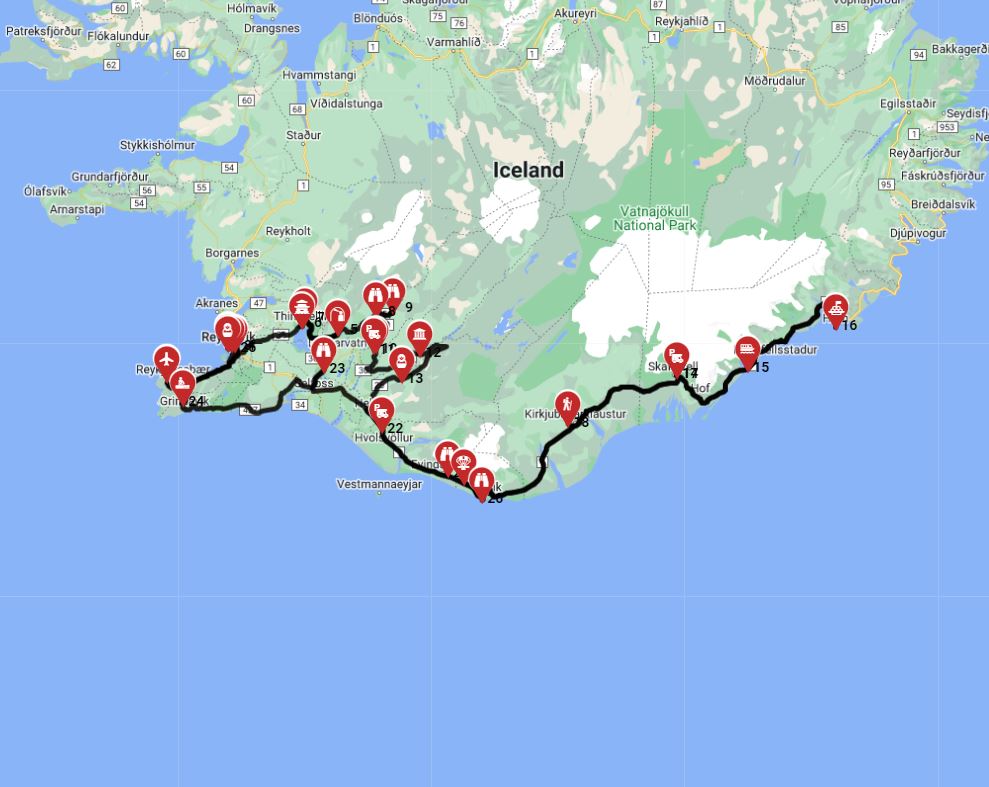
- Explore the Golden Circle's Wonders: Drive through Þingvellir National Park, witness the powerful Gullfoss waterfall, and experience the geothermal activity of the Geysir area. Our Iceland Golden Circle - South West route plan covers these iconic spots and more, including a cave and multiple natural features, across 9 days and 1,438 km.
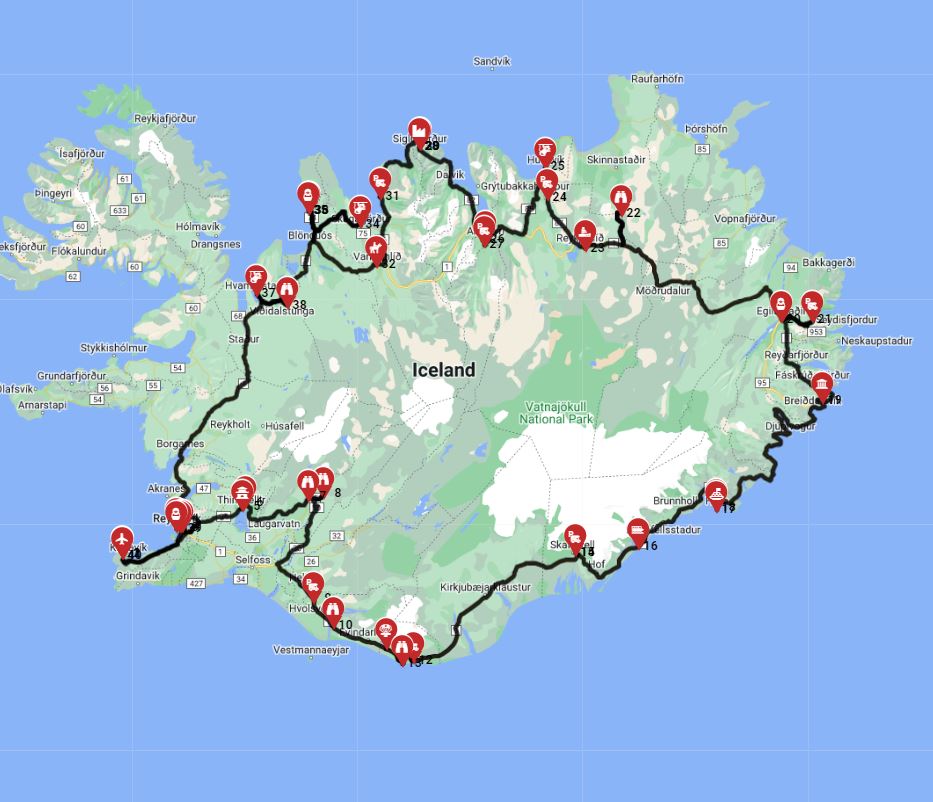
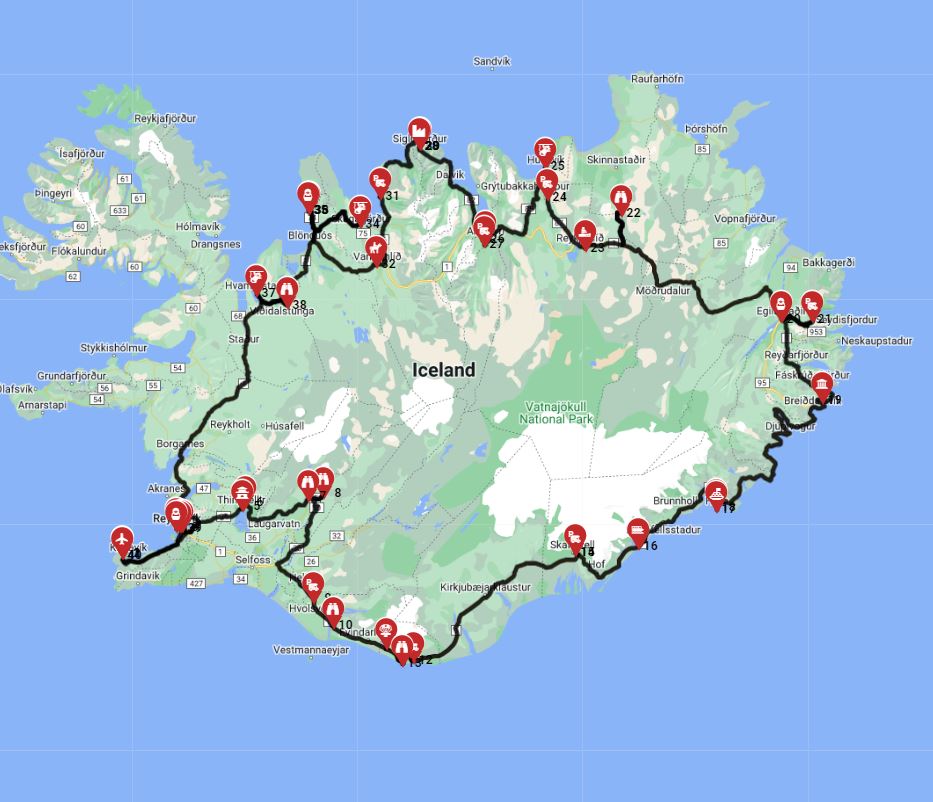
- Circle the Island on the Ring Road: Embark on the ultimate 1,322 km road trip, discovering waterfalls, black sand beaches, glaciers, and charming coastal towns. The Iceland - Full ring road itinerary guides you through this 15-day, 2,045 km adventure, featuring 6 natural features and 4 traditional visits.
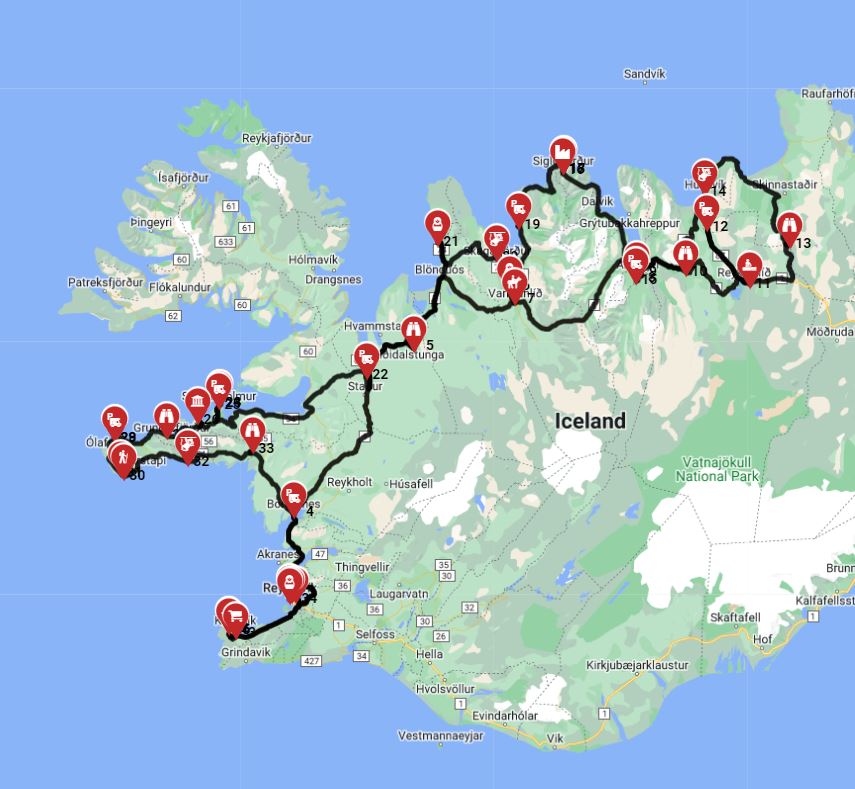
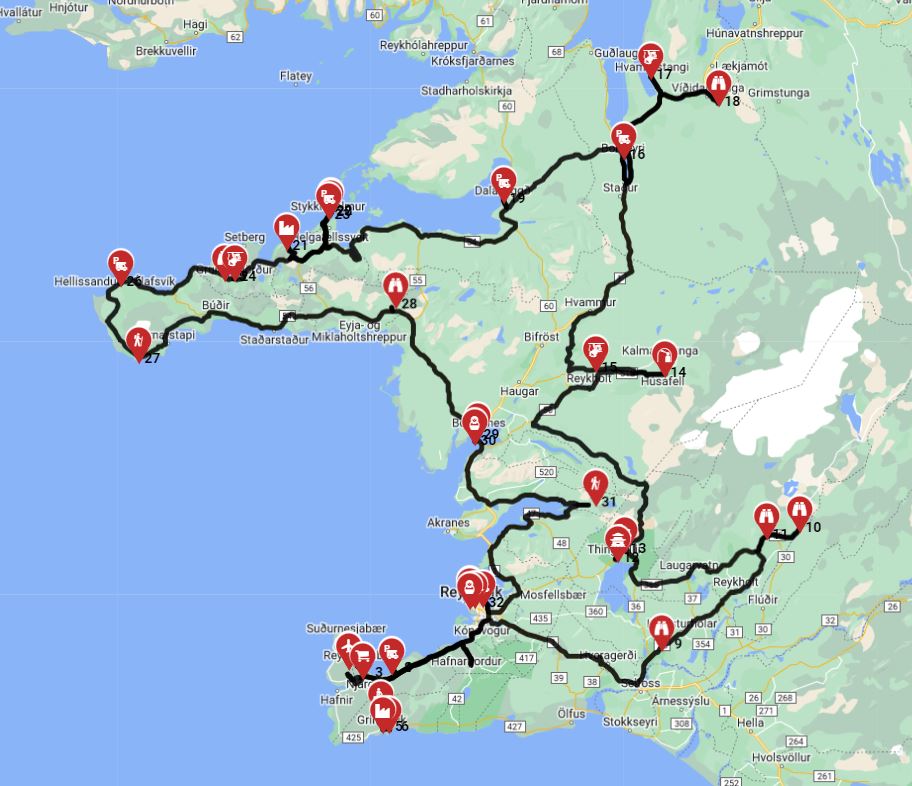
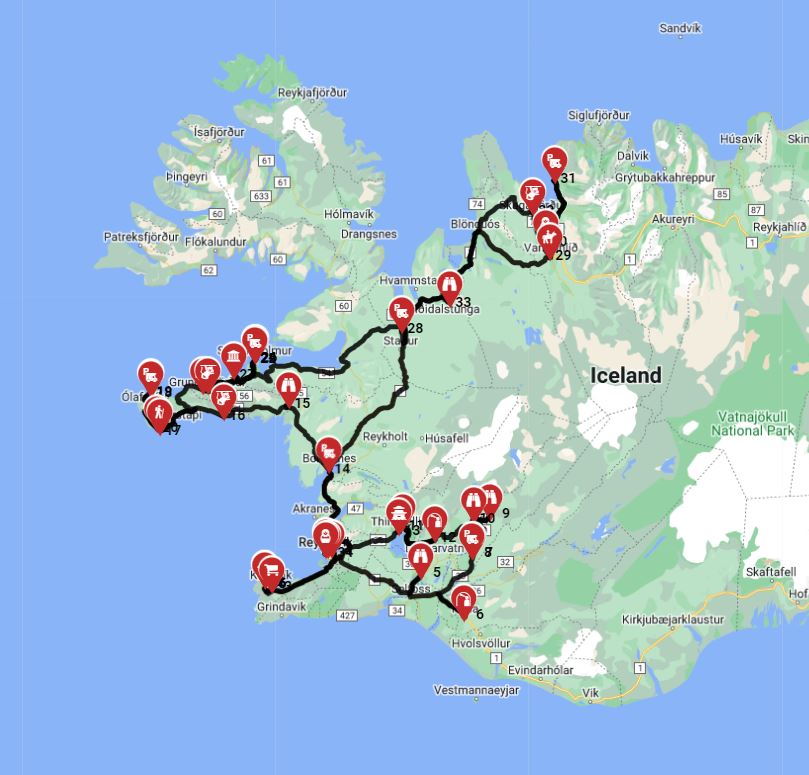
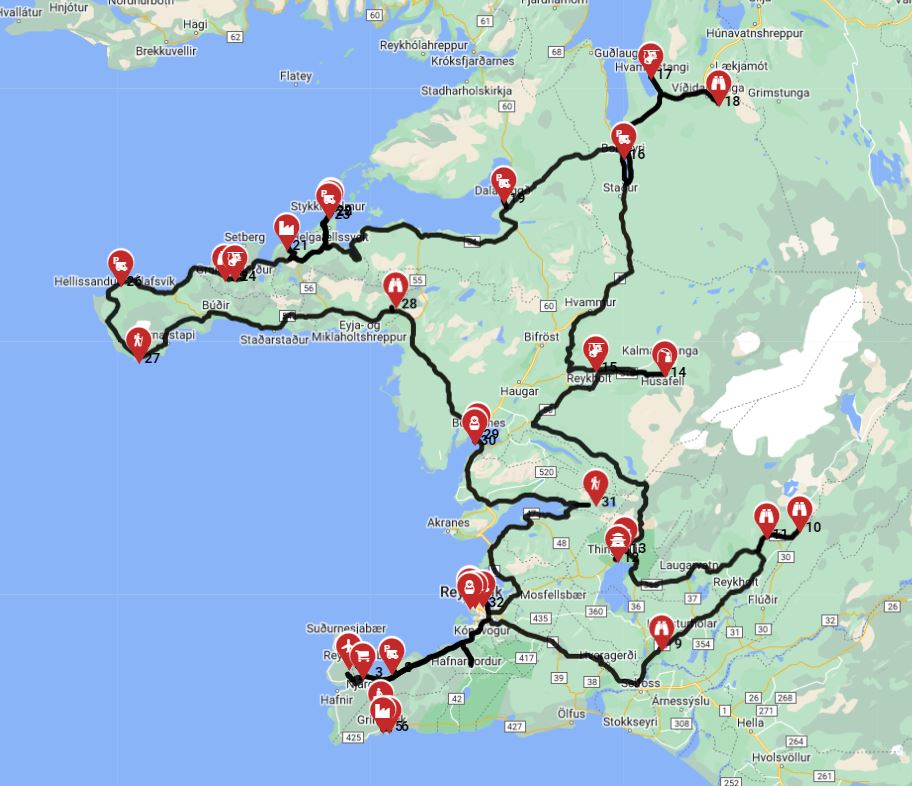
- Delve into the North West: Explore the Snæfellsnes Peninsula and the Westfjords, areas known for their dramatic cliffs, basalt columns, and rich birdlife. Our Iceland - North West route plan offers an 11-day, 1,244 km journey through this captivating region, including 6 natural features and 2 local industry stops.
- Soak in Geothermal Baths: Experience Iceland's unique geothermal energy by visiting various hot springs and natural baths, from the famous Blue Lagoon to smaller, tranquil local pools.
- Hunt for the Northern Lights: If traveling during the shoulder or winter seasons, plan your evenings to chase the Aurora Borealis, an unforgettable natural spectacle best viewed away from city lights.
Looking for expert insights from Avi Bandana? Top 5 Adventures - recommendations from Avi Bandana
🎬 Video coming soon
Final Thoughts
Renting an RV in Iceland for seniors offers an incredible opportunity for a comfortable, flexible, and deeply immersive travel experience. Imagine the freedom of having your accommodation, kitchen, and transport all in one, allowing you to chase the Northern Lights, explore a new hiking area, or simply savor a quiet moment overlooking a fjord, without the hassle of daily hotel check-ins. While Iceland's unique driving conditions and strict camping laws require a bit of preparation, with the right knowledge and a reliable rental, your journey will be nothing short of spectacular.
Remember to embrace the slow travel philosophy, allowing yourself time to truly connect with Iceland's breathtaking nature and vibrant culture. Whether you're seeking the tranquility of remote landscapes or the charm of local villages, an RV provides the perfect mobile base. We are here to support you every step of the way, helping you compare final prices across 50+ suppliers so you don't have to, ensuring you get the easiest, safest, and most affordable way to rent an RV. Get inspired for your next trip and discover top destinations, planning tips, all in one place!