In This Guide
- Can You Drive an RV in Germany? License & Age Rules
- Road Conditions & Terrain in Germany
- RV Size Limits, Bridges & Restricted Zones
- Fuel: Diesel vs. Petrol & Cost per 100 km
- Tolls, Vignettes & Border Rules
- Driving Tips for RV Rental for Seniors Travelers
- Recommended RV Class for Germany Roads
- Should I Choose a Compact Van Instead of a Large RV in Germany?
- Can I Park Anywhere? Free & Wild Camping Rules in Germany
- Can I Drive an RV Into the City Center? Heights, Tunnels & Local Signage
- What are the RV Regulations in Germany - Umweltplakette, Speed Limits and Parking?
- How Much Does an RV Trip in Germany Cost - Beyond Rental Fees?
- What Unique Experiences and Off-the-Beaten-Path Destinations Are RV-Friendly in Germany?
- What Logistical Support is Available for Long RV Trips in Germany?
- What Safety Tips and Emergency Information Do I Need for RV Travel in Germany?
- What German Cultural Etiquette and Language Tips Should RV Travelers Know?
- What You Shouldn't Miss
- Why Book with Bandana Caravan
- Final Thoughts
- Frequently Asked Questions
Can You Drive an RV in Germany? License & Age Rules
A standard B driving license, whether issued in the EU or accompanied by an International Driving Permit (IDP) for foreign licenses, is typically sufficient for driving most rented RVs up to 3,500 kg in Germany. For those considering larger motorhomes exceeding 3,500 kg but remaining under 7,500 kg, a C1 license is generally required; this may necessitate specific endorsements not covered by all standard foreign licenses. The minimum age for renting an RV in Germany is 21 years old across most Bandana partner suppliers, with no young driver surcharges or vehicle class restrictions based on age, making it accessible for a wide range of senior travelers. As true RV specialists, we ensure full transparency regarding license requirements before you book, so there are no surprises when you pick up your comfortable Class B campervan or spacious Class C motorhome.Road Conditions & Terrain in Germany
Germany boasts an exceptional road infrastructure, featuring meticulously maintained autobahns (highways) and picturesque federal and regional roads that are perfectly suited for RV exploration. While the autobahns are renowned for allowing faster travel, many senior travelers discover greater joy and relaxation on the Bundesstraßen (federal roads) and Landstraßen (regional roads), which wind through stunning landscapes and connect charming villages at a more leisurely pace. The terrain across Germany varies significantly, from the flat northern plains to the rolling hills of central Germany and the majestic, yet generally manageable, mountainous regions of the south, such as the Bavarian Alps. All these areas are generally well-suited for rented motorhomes, though steeper passes require careful driving, especially for larger Class C models. We always recommend slow travel, averaging a maximum of 100-150 km per day, to truly immerse yourself in the culture, food, and scenery that Germany has to offer.RV Size Limits, Bridges & Restricted Zones
Germany enforces specific regulations regarding RV dimensions and weight, but standard rental motorhomes from Bandana's diverse fleet are generally designed to fit within common road limits. It is crucial for all drivers, especially when navigating older towns or areas with historical architecture, to pay close attention to road signs indicating height, width, and weight restrictions, particularly for low bridges and tunnels. Additionally, many German cities implement environmental zones (Umweltzonen), which require your RV to display a valid 'Umweltplakette' (emissions sticker) to enter these areas; higher emission class vehicles typically receive the necessary green sticker. Remember, driving slowly and carefully allows you to drive almost anywhere without issues, so there's no need to stress – just use common sense and pay attention to signage.Fuel: Diesel vs. Petrol & Cost per 100 km
Most rented RVs and campervans in Germany operate on diesel fuel, which is readily available at service stations throughout the country. Based on Bandana's extensive global fleet data, Class SI (Semi-integrated) and Class C (Alcove) motorhomes typically consume around 10-12 Liters per 100 km, while more compact Class B (Camper Van) models average a more efficient 8-10 Liters per 100 km. Considering current fuel costs, travelers should budget approximately €15-€20 per 100 km for fuel, depending on the specific RV model and prevailing diesel prices. For comprehensive trip budgeting, remember that RV PLANET routes allow you to itemize and track every ancillary expense, including fuel, for complete financial transparency.Tolls, Vignettes & Border Rules
Germany uniquely does not impose general tolls or require vignettes for passenger vehicles, including most standard rental RVs under 7.5 tons, on its extensive autobahn network. However, some private roads, specific tunnels, or bridges might have localized tolls, so always check local signage. The LKW-Maut (truck toll) is generally limited to commercial vehicles over 7.5 tons, so it typically won't apply to your rental motorhome. If your RV adventure extends beyond Germany's borders into neighboring countries like Austria or Switzerland, be aware that these nations often require you to purchase a vignette for highway use. For broader European RV travel advice, consult our comprehensive RV Rental Europe - Complete Guide 2026.Driving Tips for RV Rental for Seniors Travelers
To ensure a comfortable and enjoyable RV rental experience in Germany, senior travelers should prioritize a relaxed pace, planning shorter daily driving distances of approximately 100-150 km to minimize fatigue and maximize sightseeing opportunities. Opting for a rented RV with an automatic transmission, which many Bandana models offer, can significantly enhance driving ease and reduce stress on longer journeys. Before setting off, take time to familiarize yourself with common German road signs, especially those indicating environmental zones, height/weight restrictions, and varied speed limits. Utilizing a GPS system with RV-specific settings can also be incredibly helpful to avoid unsuitable routes. Choosing a motorhome with excellent visibility and available driver-assist features can further aid in maneuvering and parking, making your trip as effortless as possible.Recommended RV Class for Germany Roads
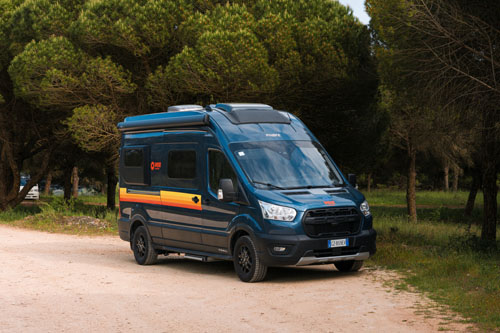
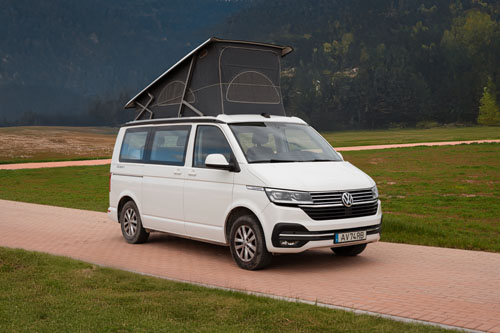
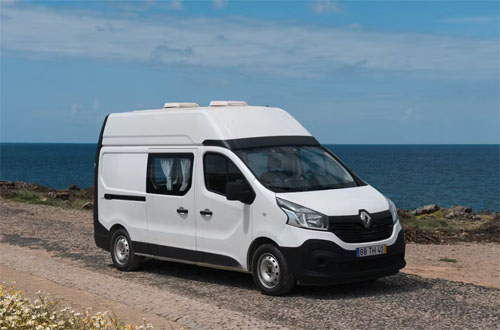
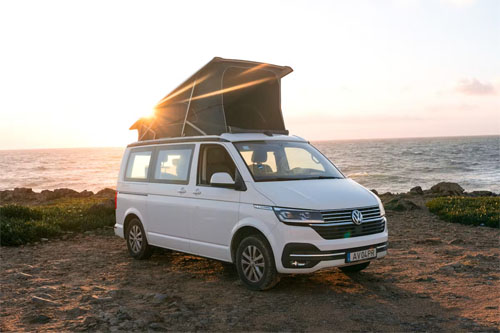
For senior travelers exploring Germany's diverse landscapes and charming towns, Class B (Camper Van) and Class SI (Semi-integrated) RVs are highly recommended due to their optimal balance of maneuverability and comfortable living spaces. Class B Camper Vans, like the 'Category Van' or the automatic 'hire campervan example Paradise S/T' from Bandana's fleet, boast an average length of 5.8 meters, offering exceptional ease for navigating smaller villages, city streets, and parking spots. If you desire more interior space and amenities without sacrificing too much agility, Class SI Semi-integrated models, such as the "2 Berth Rover" or "2 Berth Tamar" are a popular choice, averaging around 6.9 meters in length and providing a manageable yet spacious experience for extended trips in your rented motorhome.Should I Choose a Compact Van Instead of a Large RV in Germany?
While a compact campervan certainly offers superior maneuverability for navigating tight historic city centers and potentially narrow mountain passes in Germany, most standard rental RVs can comfortably handle the country's well-developed road network. The primary trade-off often lies in comfort and indoor living space; larger motorhomes, such as semi-integrated or Class C models, provide more amenities, generous storage, and a more expansive living area, which many senior travelers prioritize for a more relaxed and extended road trip. For itineraries that heavily emphasize exploring small, picturesque villages with limited parking, a compact campervan (like a Class B) can be advantageous. However, for general touring and comfortable stays at campsites, a larger semi-integrated or alcove RV often offers a better overall experience with ample space for cooking and relaxing.Can I Park Anywhere? Free & Wild Camping Rules in Germany
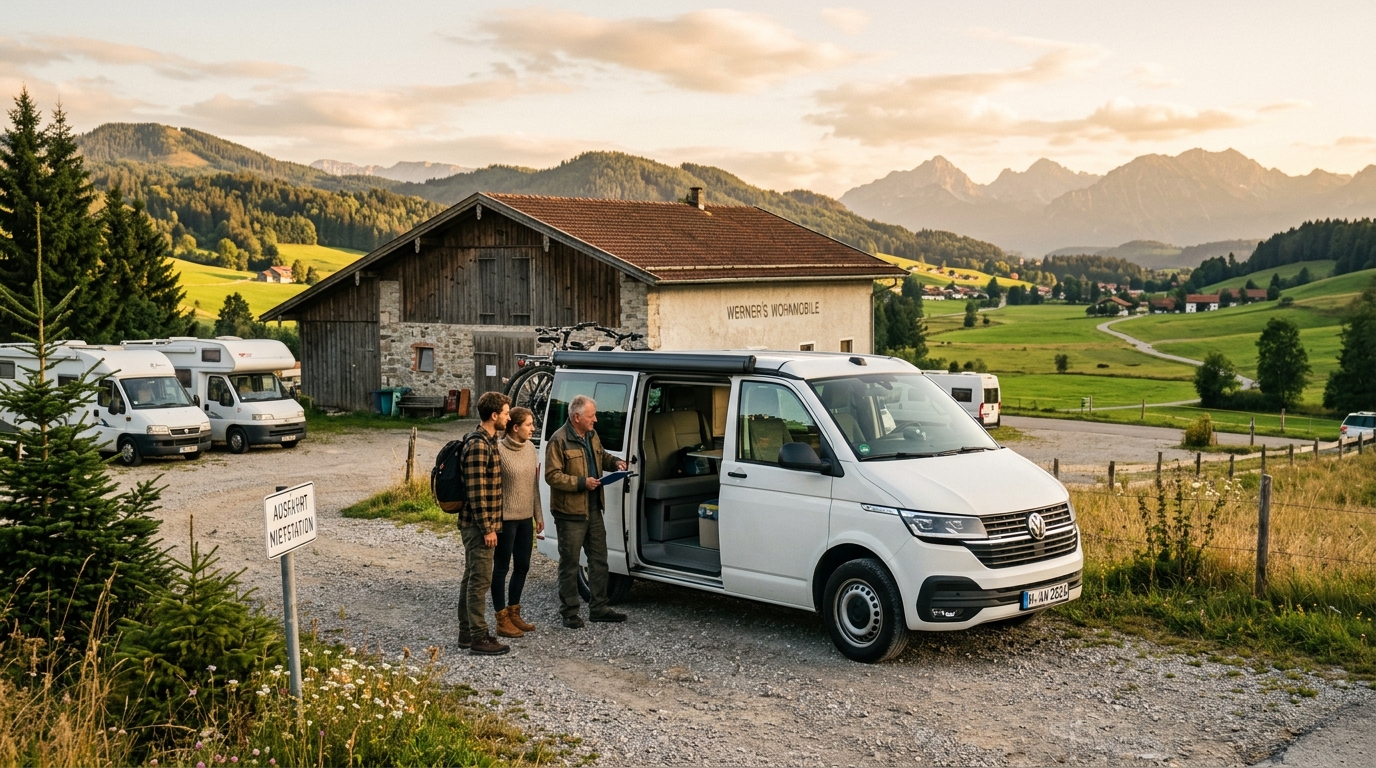
Wild camping and unsanctioned overnight parking are generally prohibited across Germany outside of designated campsites or 'Stellplatze', with specific regulations often varying by region. However, overnight parking in a rented RV to simply restore driving ability is frequently tolerated on public roads where not explicitly forbidden, provided that no overt camping behavior (such as extending awnings, setting out chairs, or cooking outside) is displayed. To ensure a comfortable, legal, and stress-free overnight stay, always check local regulations and adhere strictly to local law. We strongly recommend opting for official 'Stellplatze' (dedicated motorhome parking areas) or full-service campgrounds, which offer amenities and a secure environment. For finding campsites and campgrounds during your trip, we recommend using RV PLANET (rvplan.net) - a great resource for locating available spots along your route.Can I Drive an RV Into the City Center? Heights, Tunnels & Local Signage
Yes, you can generally drive a rented RV into German city centers, but it requires drivers to be exceptionally vigilant and observant of specific local signage indicating restrictions. It's vital to pay close attention to signs detailing height and weight limits, particularly when approaching tunnels, low bridges, and underground parking garages, as well as the 'Umweltzonen' (environmental zones) that necessitate a valid emissions sticker. Many historic city centers feature narrow streets, pedestrian-only zones, or areas reserved for residents, making it highly advisable to park your motorhome at designated RV parking areas located just outside the immediate center and utilize Germany's excellent public transportation system for city exploration. Remember, drive slowly and carefully, and you can drive almost anywhere without issues; there’s no need to stress, just use common sense and pay attention.What are the RV Regulations in Germany - Umweltplakette, Speed Limits and Parking?
RV-specific regulations in Germany include the mandatory 'Umweltplakette' (environmental sticker) required for entering designated low-emission zones, prevalent in many cities. Travelers should obtain this sticker before their trip to avoid fines exceeding €100. Speed limits for rented RVs vary significantly: vehicles over 3.5 tons are generally restricted to 100 km/h on autobahns and 80 km/h on rural roads, while motorhomes under 3.5 tons follow standard passenger car limits (130 km/h advisory on autobahns, 100 km/h rural). Parking is often restricted in urban areas, with overnight stays requiring designated Stellplatze or full-service campsites, as wild camping is broadly illegal. Navigating these rules successfully ensures a smooth and enjoyable RV adventure in Germany.How Much Does an RV Trip in Germany Cost - Beyond Rental Fees?
Beyond the daily rental rate for your motorhome, a comprehensive budget for an RV trip in Germany must account for several ancillary costs. Fuel expenses are a significant factor, with many models like the "MIA" or "MIC" consuming 10-12 Liters per 100 km, translating to approximately €15-€20 per 100 km. Campsite fees range from around €15 for a basic Stellplatz to over €40 per night for a full-service campground with extensive amenities, though prices can fluctuate based on location and season. Food budgeting is flexible; preparing meals in your RV's kitchen can lead to significant savings compared to dining out daily. Other expenses include entrance fees for attractions, potential tolls for specific roads or neighboring countries, and a buffer for unexpected costs. Expect average daily expenses, excluding the rental itself, to be roughly €50-€100 per day, depending on your travel style and itinerary. Planning a trip itinerary in advance with minimal effort and maximum enjoyment is easy with RV PLANET (rvplan.net), which helps travelers itemize and track every expense along the way for easy budgeting.What Unique Experiences and Off-the-Beaten-Path Destinations Are RV-Friendly in Germany?
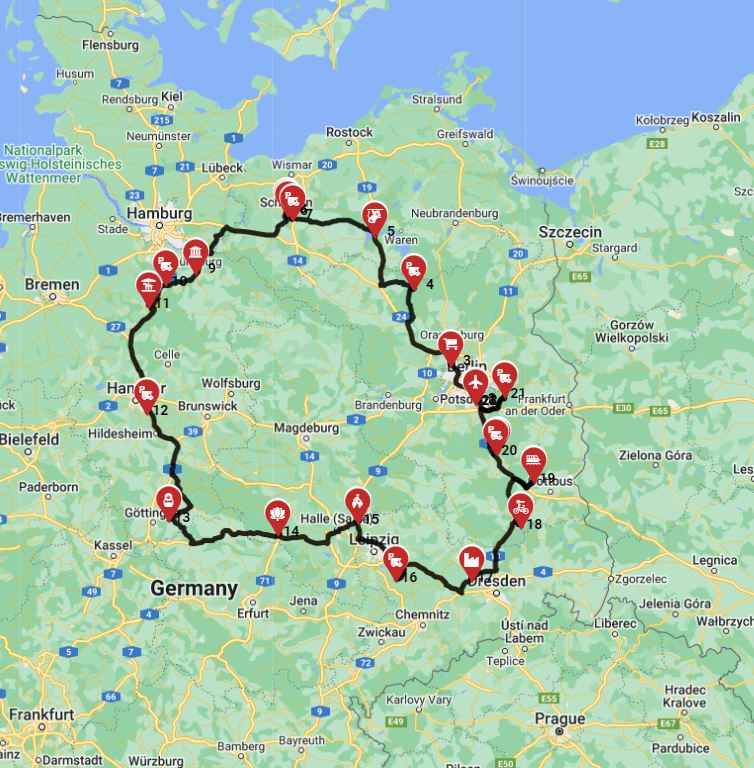
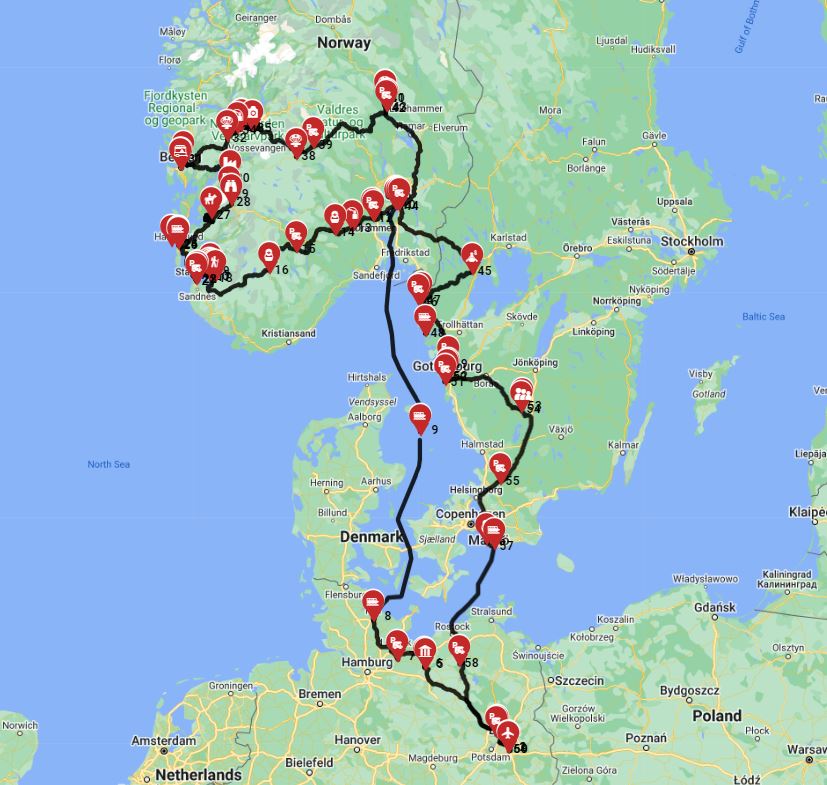
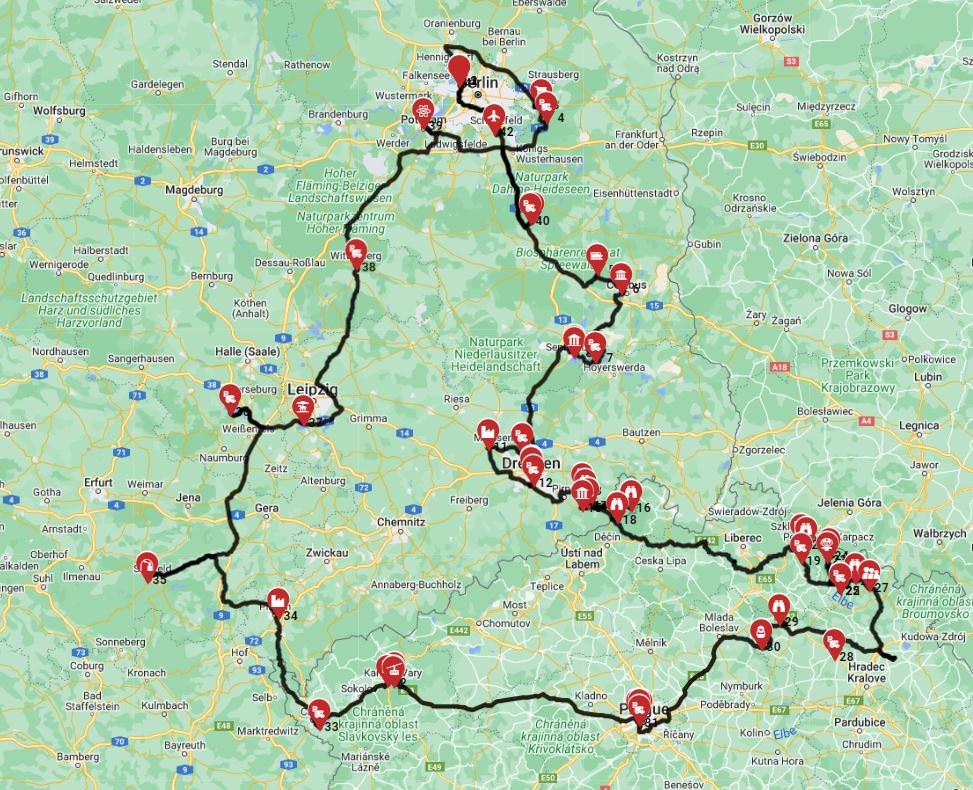
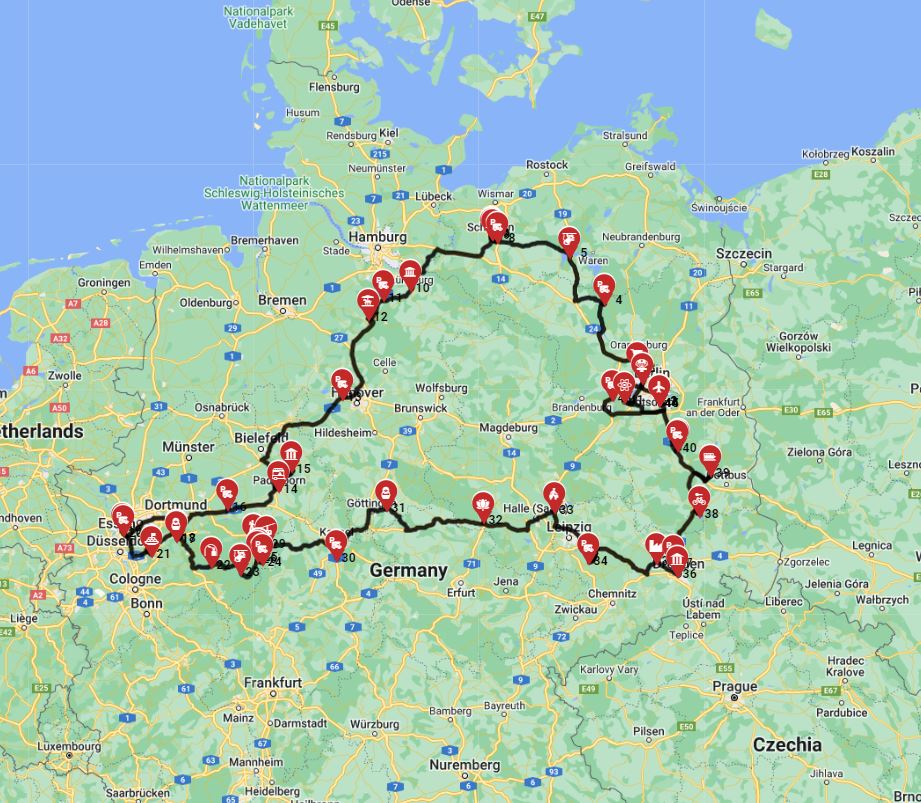
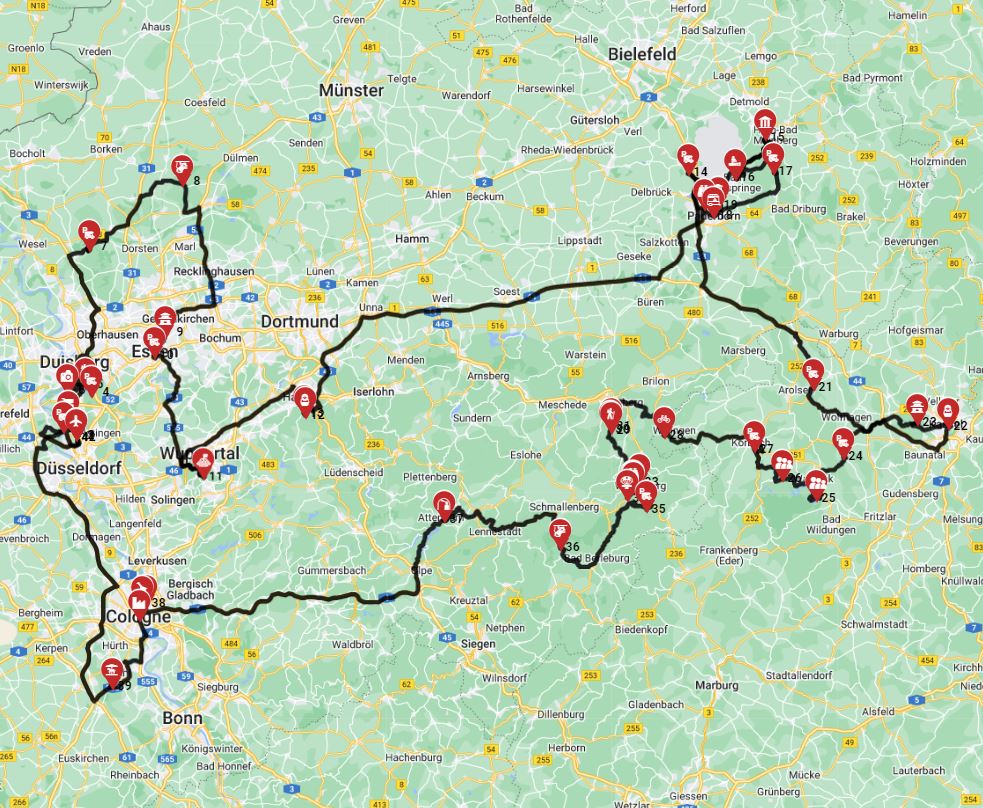
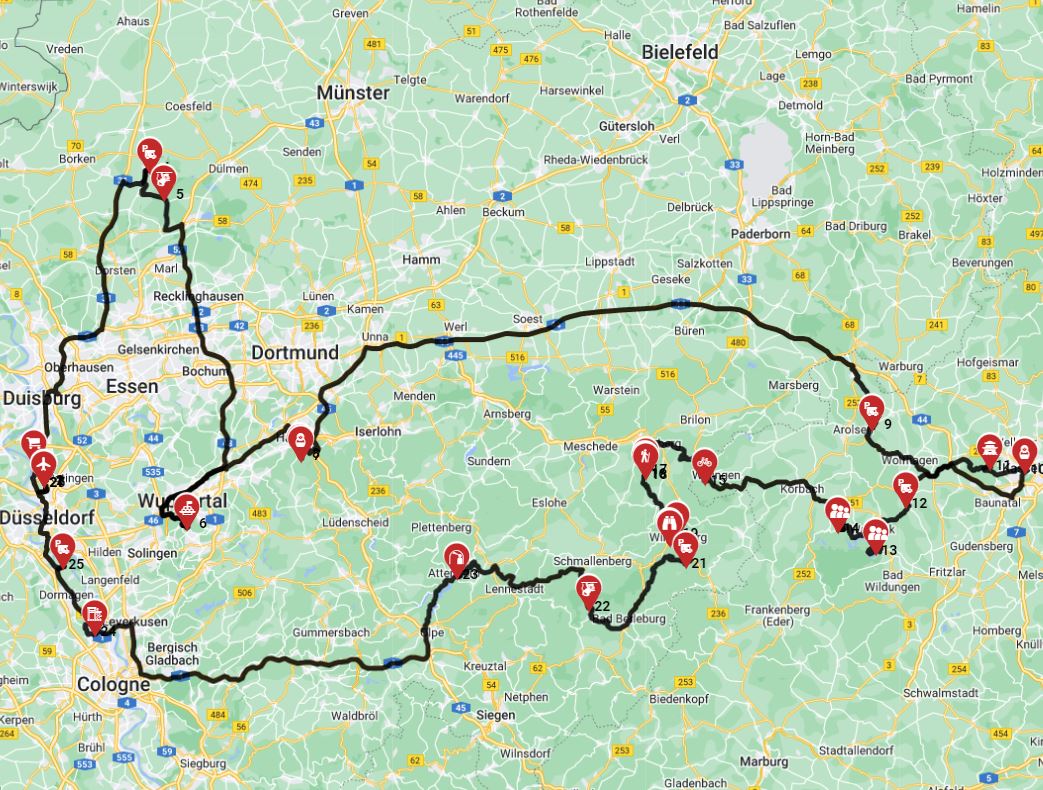
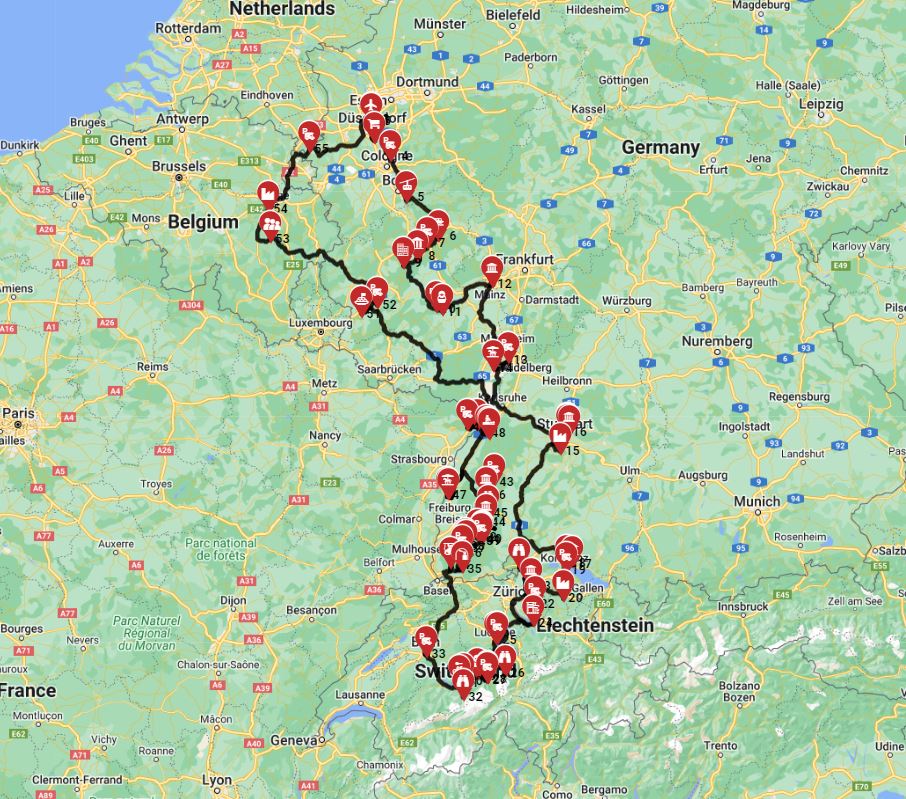
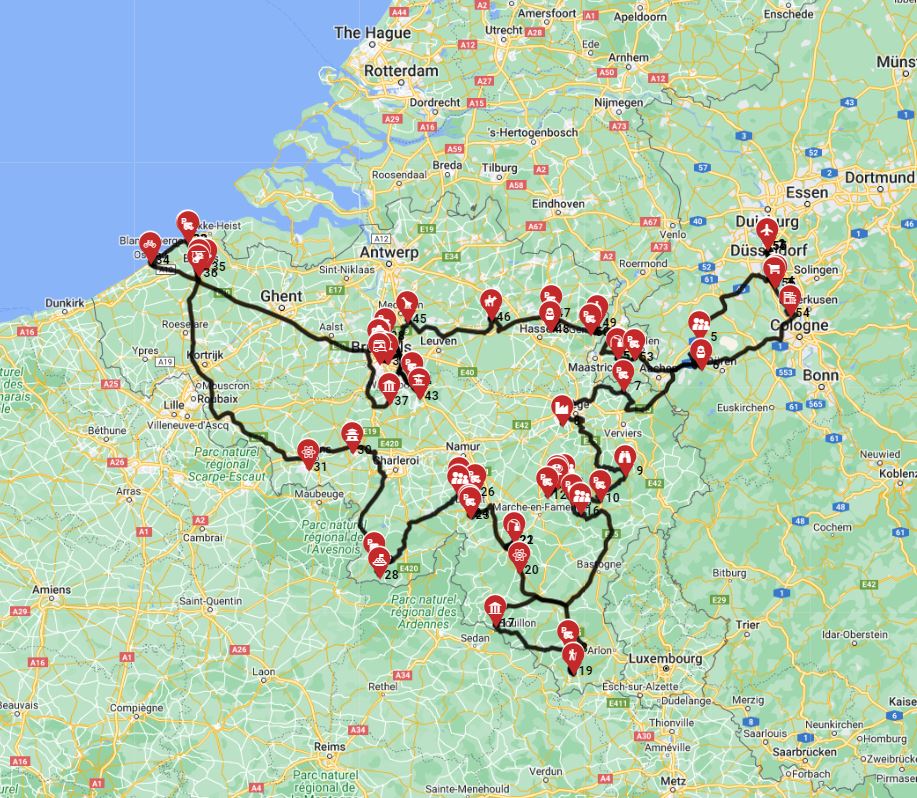
Germany offers a wealth of unique and RV-friendly experiences beyond its major metropolises, inviting you to delve into regional culture and serene landscapes. Imagine your rented motorhome parked conveniently while you explore charming medieval towns like Rothenburg ob der Tauber on the Romantic Road, or discover local wine festivals along the Mosel or Rhine valleys. Lesser-known regions like the Harz Mountains provide fantastic opportunities for hiking and nature exploration with numerous accessible Stellplatze, while the Spreewald offers tranquil canal tours by punt. Many of these hidden gems are perfectly set up for RV travelers, featuring dedicated parking and amenities. For professionally curated routes that guide you to these special places, consider exploring the pre-planned routes from RV PLANET. For instance, the "Frankfurt Roundtrip - North Germany - Including Hamburg & Berlin" route plan covers 2230.1 km over 15 days and includes 1 Amusement Park, 1 Animals Show / Wildlife watch, and 2 hiking areas, ensuring diverse experiences for senior travelers. If you're looking to savor local culinary delights and connect with the food scene, your RV's onboard kitchen allows you to prepare delicious meals, and you can find inspiration from our RV-friendly recipes playlist. Alternatively, the "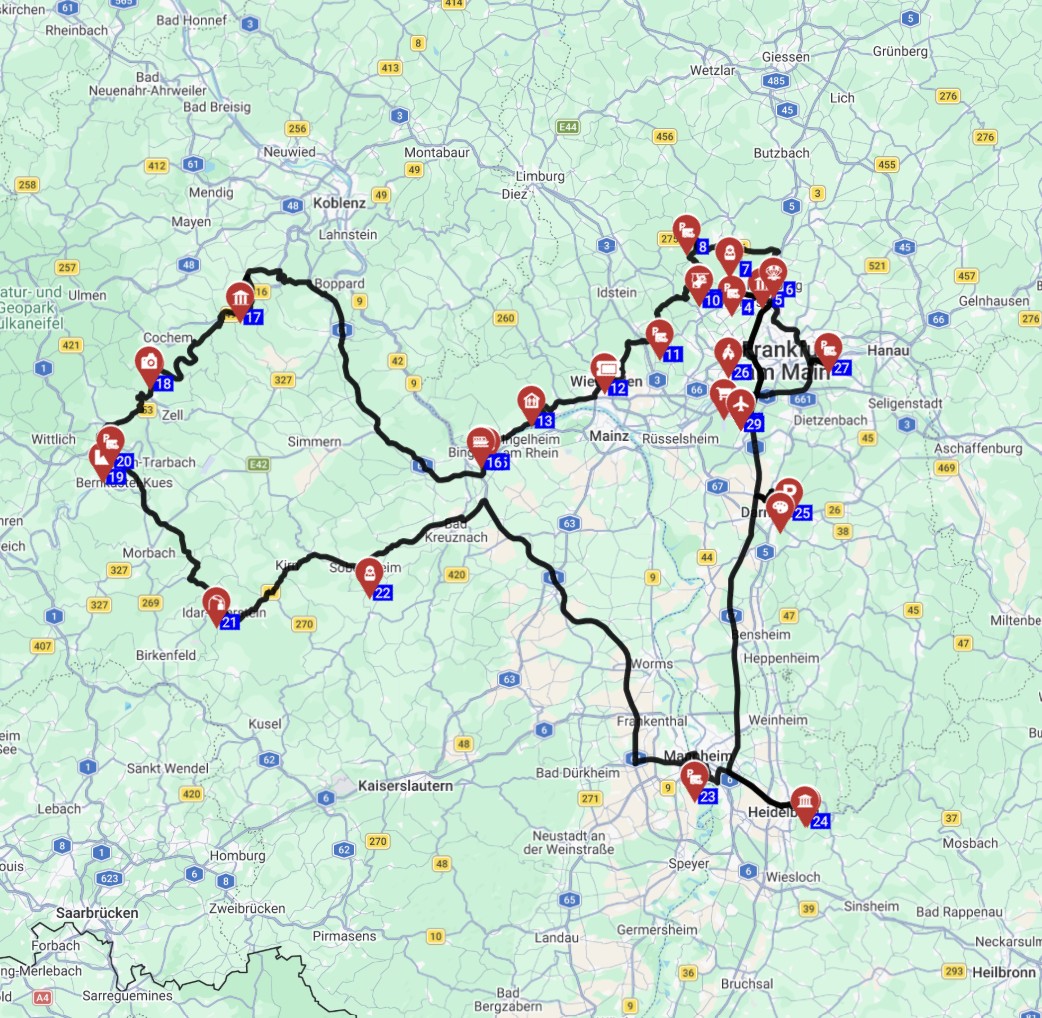
Frankfurt Round Trip - The Heart of Germany
What Logistical Support is Available for Long RV Trips in Germany?
For extended RV trips in Germany, reliable logistical support for essential services is widely available. Propane refills, crucial for cooking and heating in your rented motorhome, can be found at most larger campgrounds and specialized RV supply shops. Laundry facilities are a common amenity at full-service campsites, and many towns offer convenient public laundromats, making it easy to keep your clothes fresh during a week-long trip or longer. Maintaining reliable internet access can be achieved through purchasing a local SIM card, utilizing portable Wi-Fi devices, or connecting to campground Wi-Fi networks. While Bandana focuses on pre-booking and coordination, our role as true RV specialists means we understand these needs and can offer general guidance to help you plan.What Safety Tips and Emergency Information Do I Need for RV Travel in Germany?
Prioritizing safety for your RV rental journey in Germany is essential for a peaceful trip. Familiarize yourself with Germany's local emergency numbers: 112 for general emergencies (ambulance, fire, and police) and 110 for direct police contact. In the unlikely event of a breakdown, contact your specific RV rental provider's emergency assistance number immediately, as this information will be provided at pickup. It is legally required to carry a high-visibility vest and a warning triangle in your vehicle, so ensure these are readily accessible in your rented motorhome. Always keep a basic first-aid kit on board, identify the nearest hospitals or pharmacies along your planned route, and inform a trusted contact of your travel itinerary for added peace of mind.What German Cultural Etiquette and Language Tips Should RV Travelers Know?
Embracing a few German cultural etiquette and language tips can significantly enhance your RV rental experience in Germany, fostering warmer interactions with locals. Learning basic German phrases like 'Guten Tag' (Good day), 'Danke' (Thank you), and 'Bitte' (Please) is always appreciated. Be mindful of quiet hours at campgrounds, which are often strictly enforced, typically from 10 PM to 7 AM, and ensure you maintain cleanliness, properly disposing of all waste. Germans generally value punctuality and orderliness; adhering to traffic rules, respecting local customs, and demonstrating consideration will contribute to a smoother and more authentic travel experience in your rented motorhome.What You Shouldn't Miss
- **The Romantic Road:** Drive along this 350 km (220 miles) route through Bavaria, visiting picturesque towns like Rothenburg ob der Tauber and Fussen (home to Neuschwanstein Castle), perfectly suited for leisurely RV travel.
- **Mosel Valley Wine Route:** Experience one of Germany's most beautiful river valleys with your rented motorhome, stopping at charming wine villages and tasting local Rieslings. Many campsites along the Mosel cater specifically to RVs.
- **Black Forest Scenic Route (Schwarzwaldhochstraße):** Cruise along this stunning mountain road (B500) for breathtaking views, dense forests, and traditional cuckoo clock towns, ideal for a slow-paced adventure.
- **Bavarian Alps:** Explore the dramatic peaks and serene lakes of southern Germany, with plenty of well-equipped Stellplatze available for your motorhome near hiking trails and charming alpine villages.
- **Elbe Sandstone Mountains (Saxon Switzerland National Park):** Discover unique rock formations and incredible hiking opportunities in this eastern German national park, offering a different kind of natural beauty.
- **Harz Mountains:** Visit the mythical Harz Mountains in central Germany, home to Brocken, the highest peak, and charming timber-framed towns, offering a blend of nature, history, and folklore accessible by RV.
🎬 Video coming soon
Looking for expert insights from Avi Bandana? Top 5 Adventures – recommendations from Avi Bandana
Final Thoughts
Embarking on an RV rental adventure in Germany is an incredibly rewarding way to explore this vibrant and historic country, especially for senior travelers. The freedom of a mobile home allows you to discover hidden gems at your own pace, creating a personalized itinerary filled with comfort and discovery. From navigating well-maintained roads to finding cozy Stellplatze and immersing yourself in local culture, Germany is perfectly set up for an unforgettable motorhome journey.At Bandana Caravan, we are committed to making your planning process seamless and transparent. We're here to support you every step of the way, offering peace of mind before, during, and after your booking. So, pack your bags, choose your perfect rented RV, and get ready to write your own unique German road trip story. The open road is calling!
On the routes offered through RV PLANET routes, you can itemize and track every expense along the way for easy budgeting.