For live availability and current prices, start with our RV Rental France - Complete Guide 2026 guide.
In This Guide
- Can You Drive an RV in France? License & Age Rules
- Road Conditions & Terrain in France
- RV Size Limits, Bridges & Restricted Zones
- Fuel: Diesel vs. Petrol & Cost per 100 km
- Tolls, Vignettes & Border Rules
- Driving Tips for RV Rental for Seniors Travelers
- Recommended RV Class for France Roads
- Should I Choose a Compact Van Instead of a Large RV in France?
- Can I Park Anywhere? Free & Wild Camping Rules in France
- Can I Drive an RV Into the City Center? Heights, Tunnels & Local Signage
Can You Drive an RV in France? License & Age Rules
Most standard driver's licenses (Category B) are sufficient for driving RVs up to 3,500 kg in France, which covers many popular models ideal for seniors. For RVs exceeding 3,500 kg, a C1 license or equivalent is generally required, so it’s crucial to verify the vehicle’s Gross Vehicle Weight (GVW) before renting. Foreign drivers from outside the EU/EEA typically need their national license along with an International Driving Permit (IDP) to legally drive in France. Minimum rental ages commonly range from 21 to 25, and some rental companies may impose an upper age limit or require specific insurance for drivers over 70.
It's essential to confirm the specific requirements with your chosen rental provider, as these can vary. Bandana RV, for instance, aims for straightforward processes, but understanding these legalities upfront ensures a smooth start to your French RV adventure. Remember to check the rental company's policies regarding driver experience and any potential surcharges for younger or older drivers.
Road Conditions & Terrain in France
France boasts an excellent and diverse road network, featuring well-maintained autoroutes (motorways) alongside charming, often winding, departmental roads. The terrain varies significantly, encompassing flat agricultural plains, rolling hills, and more challenging mountainous regions like the Alps and Pyrenees, which demand careful driving and constant attention to road signs. Seniors will generally appreciate the clear signage and high road quality across most major routes, which encourages a relaxed and scenic driving pace.
While main roads are RV-friendly, be aware that navigating the narrower streets found in many historic villages or particularly steep mountain passes might be more manageable with smaller RVs or by utilizing designated parking areas outside these centers and exploring on foot.
RV Size Limits, Bridges & Restricted Zones
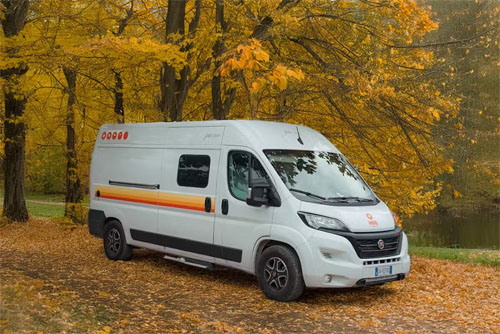
RV travelers in France must remain vigilant about specific height and weight restrictions, as well as environmental zones, to ensure a seamless journey. Height limits are clearly marked on low bridges, tunnels, and certain urban underpasses; always be aware of your RV's exact clearance. For example, a Bandana Class C Alcove RV, while averaging around 7.5m in length, can have a significant height that requires careful consideration.
Many historic city centers and smaller villages feature narrow streets and, at times, weight-restricted bridges, which can make larger motorhomes challenging to navigate. Additionally, environmental zones (Zones à Faibles Émissions - ZFE) are in place in major French cities, requiring vehicles, including RVs, to display a Crit'Air vignette to enter these designated areas, regardless of their size or foreign registration.
Fuel: Diesel vs. Petrol & Cost per 100 km
The vast majority of RVs available for rent in France, including those in Bandana's fleet, run on diesel ('Gazole'), which is widely accessible at service stations nationwide. Petrol ('Essence,' specifically 'SP95'/'SP98') is also readily available but less common for larger RV models. Bandana's global fleet averages for common fuel consumption indicate roughly 8-10 Liters/100 km for Class B Camper Vans and 10-12 Liters/100 km for Class SI Semi-integrated and Class C Alcove RVs, though this can vary with driving style and conditions.
To estimate costs, consider the current diesel price (often around €1.80 per liter) in conjunction with these consumption rates. Some rental companies may offer fuel discount cards, which can help manage expenses effectively.
Tolls, Vignettes & Border Rules
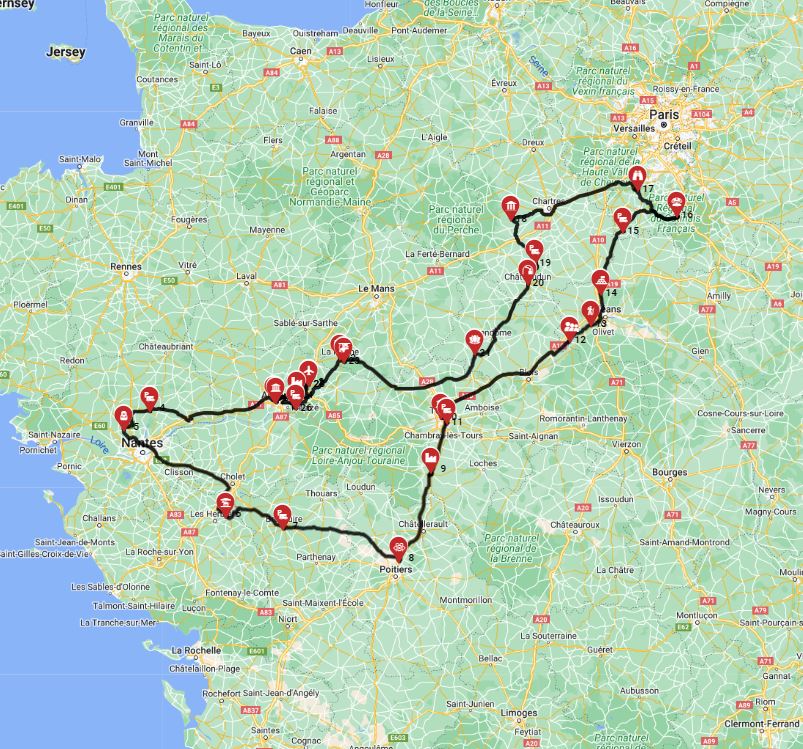
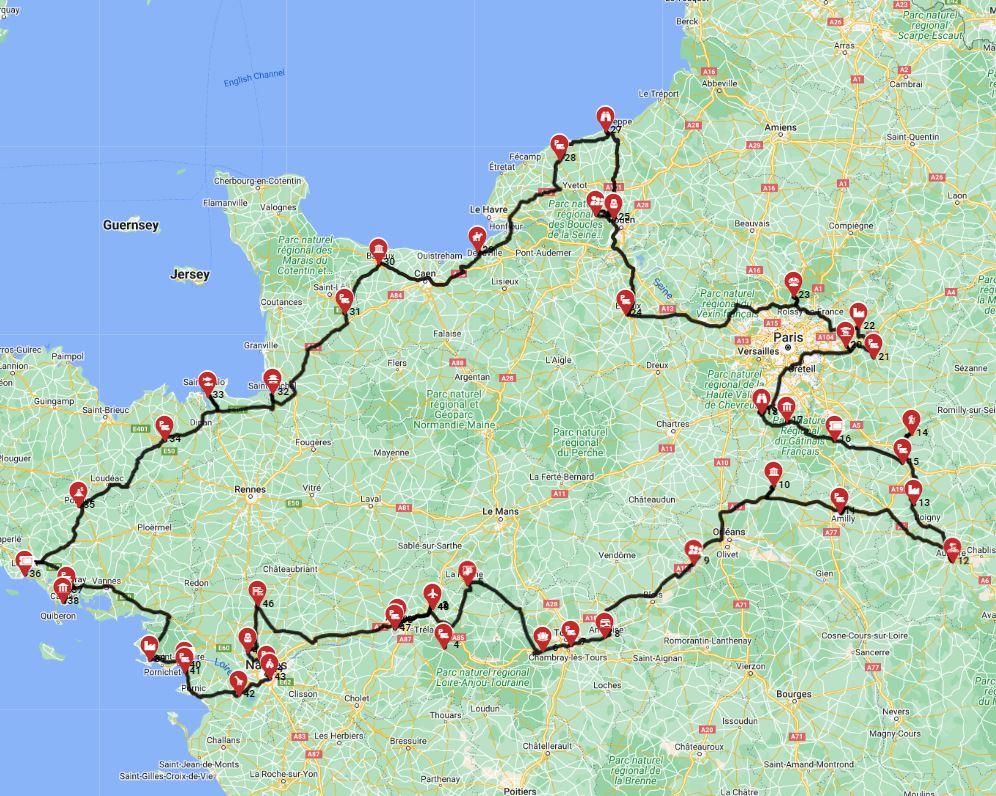
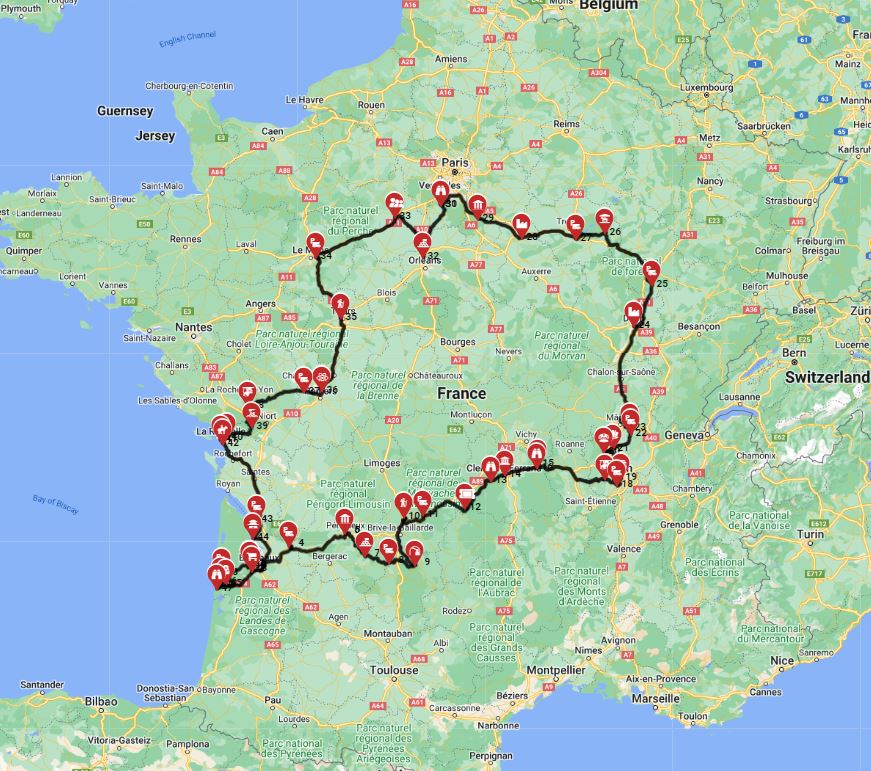
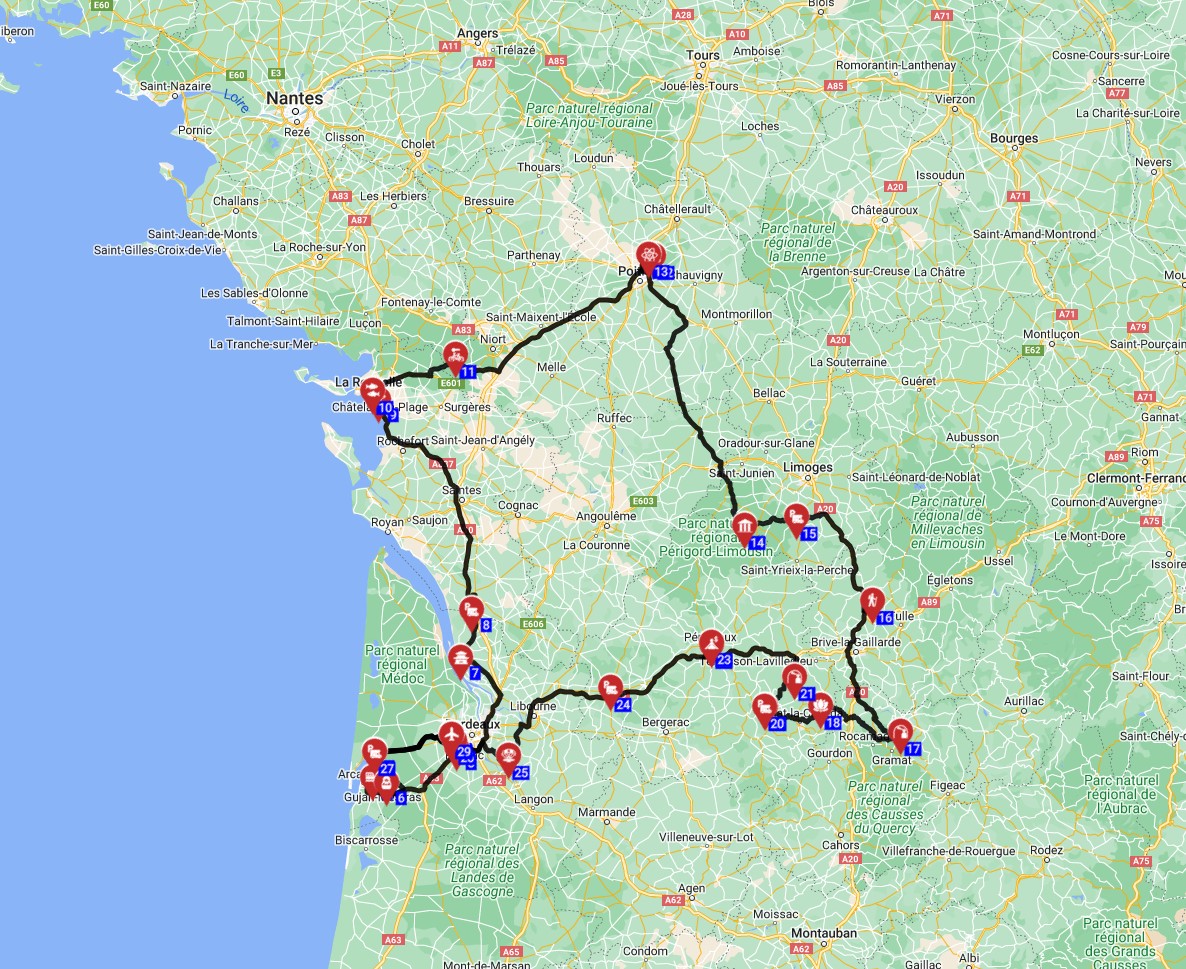
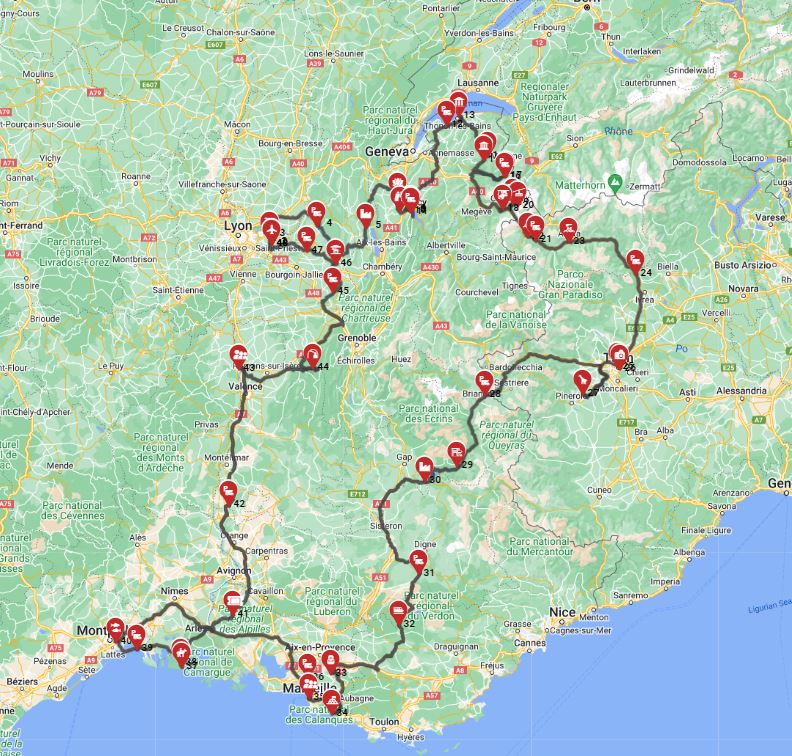
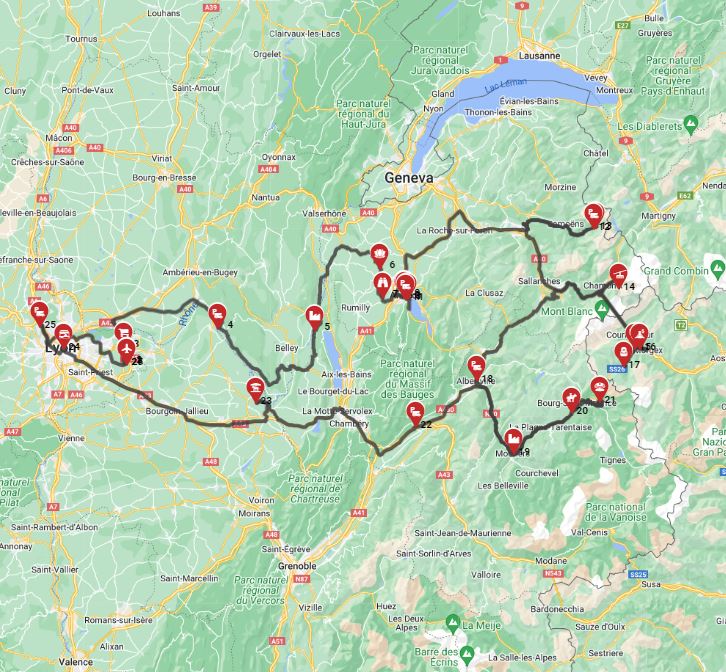
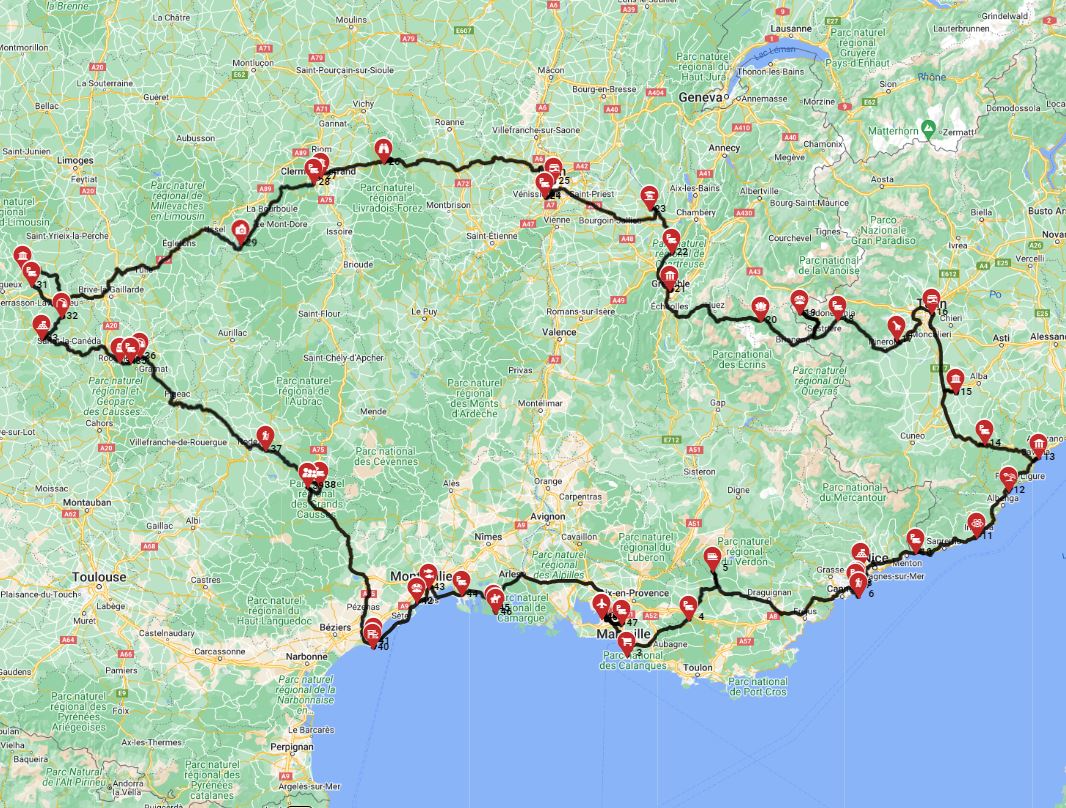
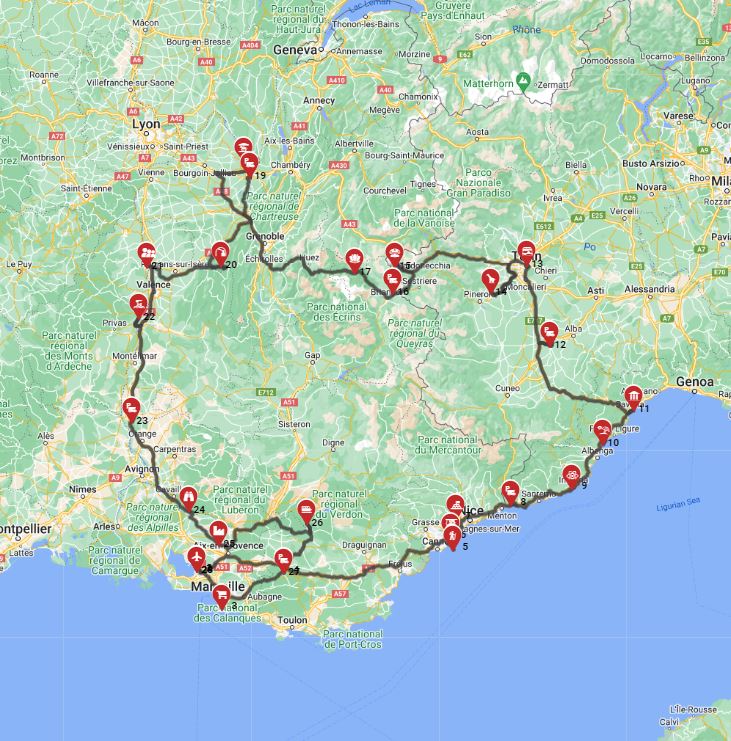
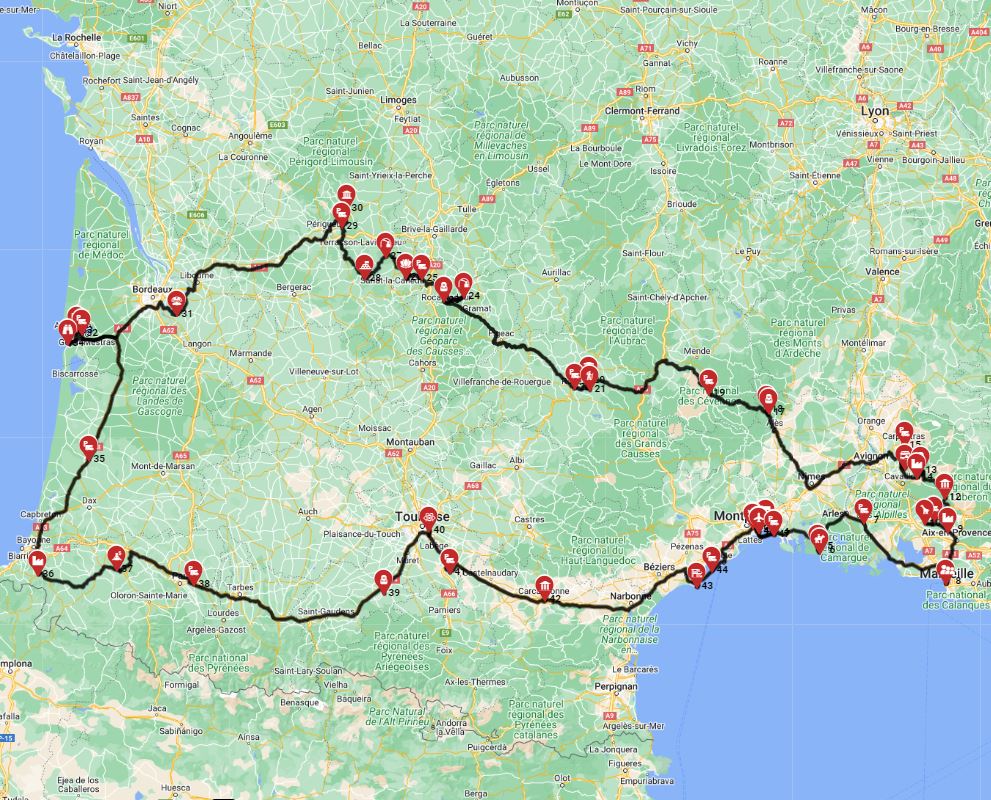
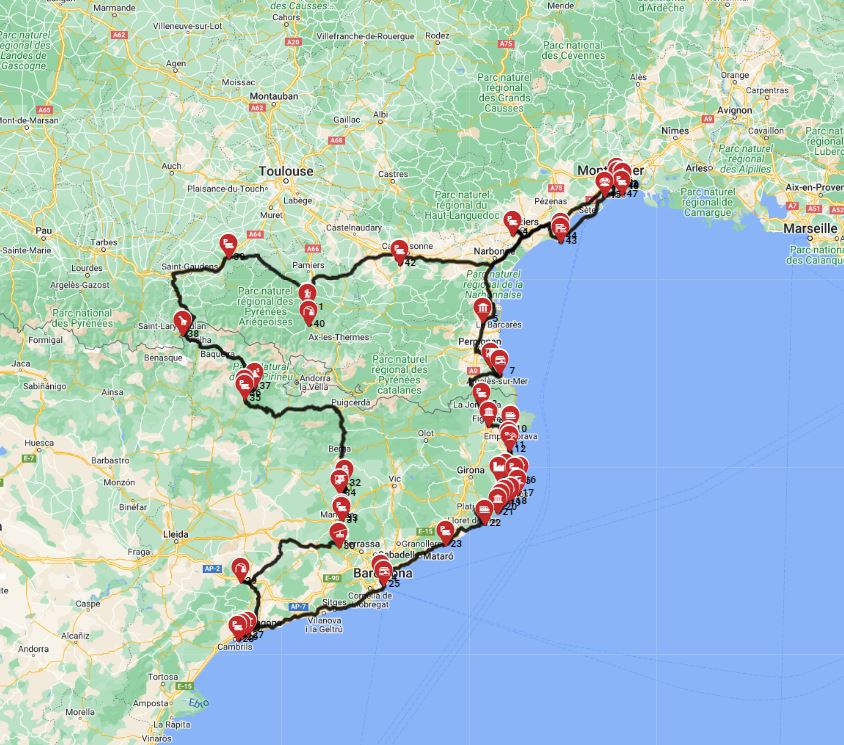
France utilizes a comprehensive toll system (péage) for its autoroutes, with charges based on distance traveled and vehicle classification, rather than requiring a national vignette like some neighboring countries. RVs are typically classified as Class 2, 3, or 4 for toll purposes, depending on their height, weight, and number of axles, which generally results in higher costs than for standard cars. On the routes offered through RV PLANET routes, you can itemize and track every expense along the way for easy budgeting.
Payments at toll booths can be made with cash or credit card, but for maximum convenience and to avoid potential queues, pre-purchased electronic toll passes ('télépéage' badge) are highly recommended. These badges can sometimes be rented through motorhome rental companies to streamline your journey and potentially avoid fines. When traveling to neighboring countries, always research their specific toll or vignette requirements, as these can differ significantly (e.g., Switzerland requires a vignette).
Driving Tips for RV Rental for Seniors Travelers
Prioritize comfort and ease of driving by considering RVs with automatic transmissions and modern driver-assist features, which are often available within Bandana's diverse fleet. Planning your daily routes with shorter driving legs and incorporating frequent, leisurely stops will allow you to truly savor France's landscapes and prevent driver fatigue.
Familiarize yourself with unique French road signs and rules, particularly ‘priorité à droite’ (priority to the right) at unmarked intersections, which is crucial for safe navigation. Utilizing a GPS system, ideally one with RV-specific settings, can help you navigate away from roads unsuitable for your vehicle’s dimensions, especially when exploring quaint villages. For ultimate efficiency and convenience, consider obtaining a ‘télépéage’ badge for automatic toll payments, which significantly reduces stress at toll booths and streamlines your entire journey.
Recommended RV Class for France Roads
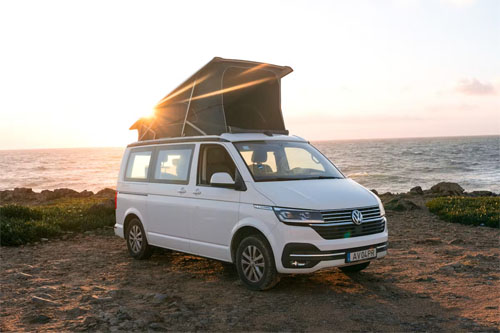
For seniors exploring France, a Class B - Camper Van or a Class SI - Semi-integrated RV generally offers the optimal blend of driving ease, interior comfort, and accessibility. Class B Camper Vans, typically around 5.8m in length in Bandana's fleet, are highly maneuverable, making them excellent for navigating narrow country roads and finding parking in charming villages or even on city outskirts.
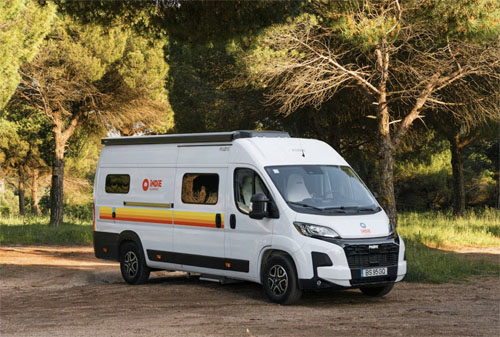
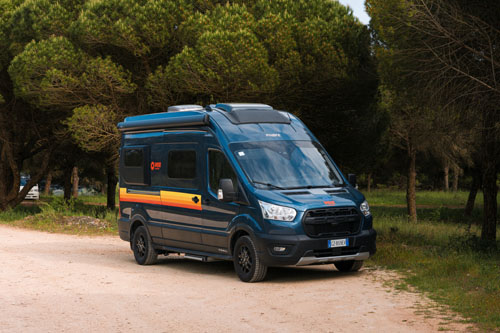
Class SI Semi-integrated RVs, averaging about 6.9m in length, provide significantly more interior living space, dedicated sleeping areas, and often more comprehensive amenities, while still remaining manageable on French main roads and at most campsites. Both classes are designed to facilitate a comfortable travel experience, avoiding the potential challenges that can arise with larger Class C Alcove (average 7.5m) or Class A Integrated (average 7.5m) RVs in more congested or historic areas.
Should I Choose a Compact Van Instead of a Large RV in France?
The decision between a compact van and a larger RV in France hinges on your personal travel priorities, as both types can be comfortably driven across the country. A compact van, such as a Class B Camper Van, truly excels in maneuverability, making it an ideal choice for navigating very tight historic city centers, narrow mountain passes, and finding smaller parking spots.
However, for many seniors, the superior indoor living space, dedicated sleeping areas, more extensive kitchen facilities, and comfortable bathroom amenities found in a larger RV (like a Class SI Semi-integrated) often provide a more relaxed and enjoyable long-term travel experience. Consider if your itinerary heavily involves frequent city center entries or remote, winding roads; if so, a compact van is beneficial. But for overall comfort on an extended tour, the advantages of a larger RV typically outweigh the marginal driving challenges, especially when you factor in parking on city outskirts and utilizing public transport for central exploration. For ideas you can prep on the road, watch our RV-friendly recipes playlist on YouTube.
Can I Park Anywhere? Free & Wild Camping Rules in France
Wild camping ('camping sauvage') in France is generally restricted or prohibited in national parks, protected coastal areas, and near specific attractions, with rules often enforced at the local commune level. Thankfully, France boasts an extensive and well-regarded network of 'Aires de Service' and 'Aires de Camping-Car,' which are designated motorhome stopovers. Many of these offer free or low-cost overnight parking, along with essential services like water and waste disposal.
It is generally permissible to park an RV on public roads or in public parking lots as long as no local signage explicitly prohibits it, treating it essentially as any other vehicle for temporary parking. Always adhere to local signage, respect private property, and utilize dedicated apps like Park4Night or Campercontact to locate legal and safe overnight parking spots and service areas, ensuring you comply with local laws.
Can I Drive an RV Into the City Center? Heights, Tunnels & Local Signage
Yes, you can often drive an RV into French city centers, but exercising extreme caution and paying close attention to local signage regarding vehicle dimensions and environmental restrictions is critical. Major French cities, including Paris, Lyon, Marseille, and Strasbourg, operate Crit'Air environmental zones (ZFEs), requiring a specific emissions sticker for all vehicles, including RVs, to enter certain areas.
Drivers must be extremely vigilant for explicit height limits posted for tunnels, underpasses, and multi-story car parks, as well as weight restrictions on certain historic bridges or streets. For cities like Paris, it is often more practical and less stressful for seniors to park their RV on the outskirts or at dedicated park-and-ride facilities, then utilize the efficient public transport system to explore the central attractions, such as viewing the Eiffel Tower or the Louvre.
What You Shouldn't Miss
- Explore the fairytale castles and vineyards of the Loire Valley, easily accessible with any RV size.
- Discover the D-Day landing beaches and historic towns of Normandy, with ample parking for motorhomes near key sites.
- Wander through the charming villages along the Alsace Wine Route, perfect for a leisurely RV exploration.
- Experience the dramatic scenery of the French Alps and Pyrenees via the 'Route des Grandes Alpes' (seasonal access).
- Visit local markets in regions like Brittany or Provence to sample regional delicacies and practice your French.
- Marvel at the engineering feat of the Millau Viaduct, a spectacular drive on the A75 motorway.
Final Thoughts
Embarking on an RV journey through France offers a unique blend of freedom, comfort, and immersive cultural experiences, perfect for seniors seeking an enriching adventure. By understanding the nuances of driving, parking, and local regulations, you can ensure a smooth and enjoyable trip.
Choosing the right RV class, planning your routes with comfort in mind, and embracing the local lifestyle, from visiting markets to enjoying scenic drives, will make your French RV holiday truly unforgettable. Bandana Caravan is here to help you find the perfect vehicle and navigate the booking process with ease, so you can focus on the joy of discovery.
Get inspired for your next trip! Discover top destinations, planning tips, all in one place! Plan a trip itinerary in advance with minimal effort and maximum enjoyment.
For finding campsites and campgrounds during your trip, we recommend using RV PLANET (rvplan.net) — a great resource for locating available spots along your route.