In This Guide
- Can You Drive an RV in East Canada? License & Age Rules
- Road Conditions & Terrain in East Canada
- RV Size Limits, Bridges & Restricted Zones
- Fuel: Diesel vs. Petrol & Cost per 100 km
- Tolls, Vignettes & Border Rules
- Driving Tips for RV Rental for Seniors Travelers
- Recommended RV Class for East Canada Roads
- Should I Choose a Compact Van Instead of a Large RV in East Canada?
- Can I Park Anywhere? Free & Wild Camping Rules in East Canada
- Can I Drive an RV Into the City Center? Heights, Tunnels & Local Signage
- Can you rent an RV to drive across Canada?
- What license do I need to drive an RV in Canada?
- Can you walk around in a motorhome while driving in Canada?
- Can Americans RV in Canada?
- Can you take a rented RV across the border?
- Do they search your RV at the Canadian border?
- Can you rent an RV with a regular license?
- How Much Does It Cost To Rent An RV For A Week In East Canada?
- What is the cheapest way to rent an RV?
- What You Shouldn't Miss
- Why Book with Bandana Caravan
- Final Thoughts
- Frequently Asked Questions
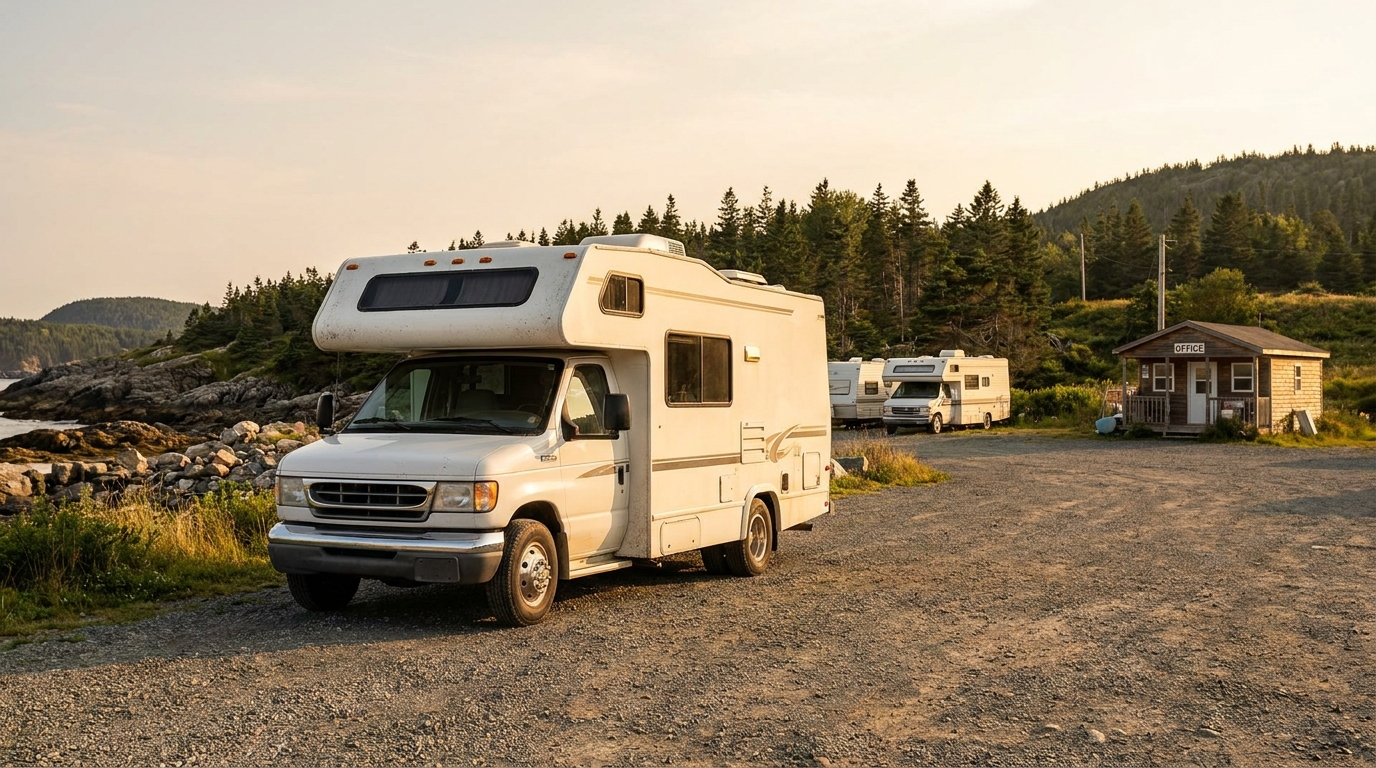
East Canada offers an incredible landscape for senior travelers seeking comfort and adventure in a rented RV. Imagine the freedom of waking up to a breathtaking coastal sunrise, savoring freshly brewed coffee from your cozy campervan, and setting off on a leisurely drive through charming fishing villages or vibrant cities. At Bandana RV, we specialize in helping you find the perfect motorhome rental for your East Canada adventure, ensuring full transparency in pricing with no hidden fees, so what you see is truly what you pay.
Can You Drive an RV in East Canada? License & Age Rules
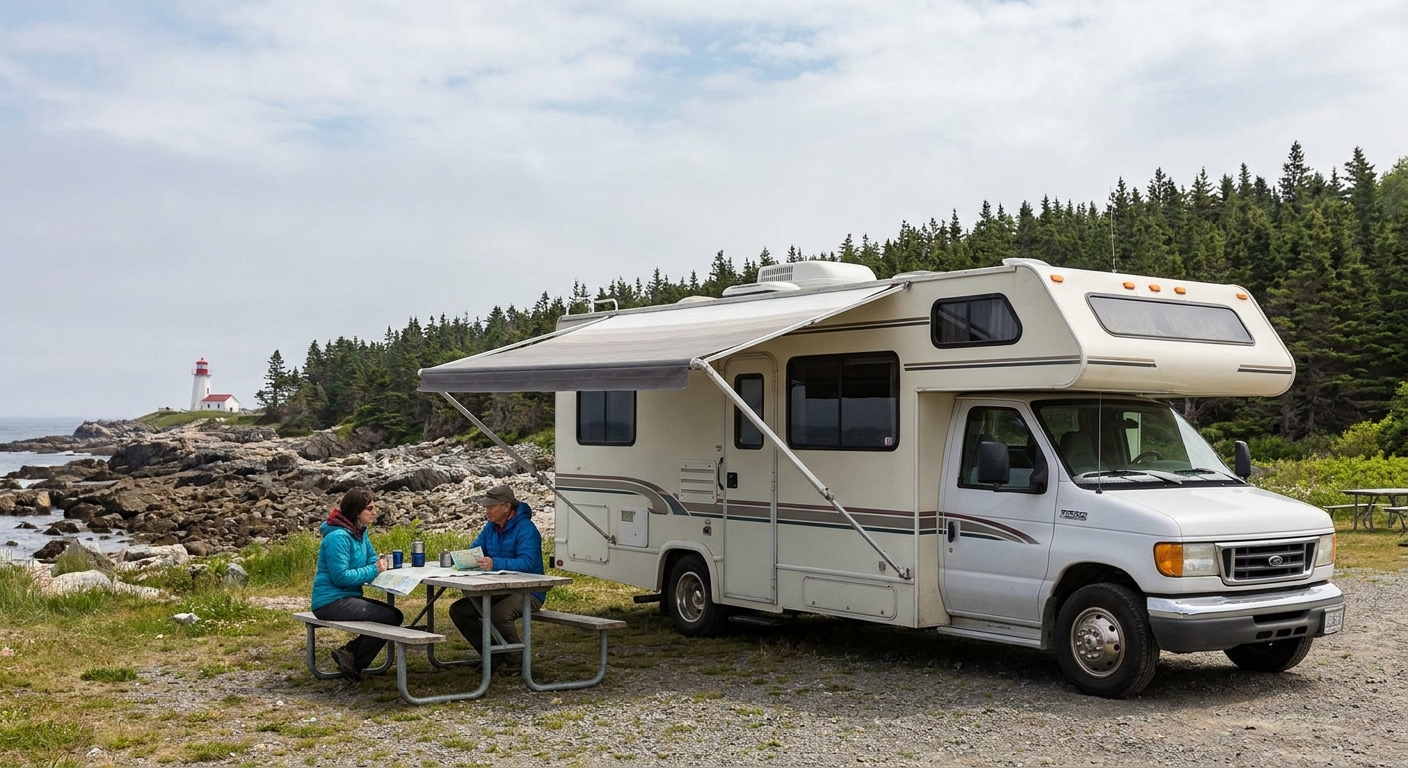
Yes, you can absolutely drive a rented RV in East Canada with a standard Class 5 (passenger vehicle) driver's license for most recreational vehicles up to 11,000 kg (approximately 24,250 lbs). Rental companies typically require drivers to be at least 21 years old, not 25, and hold a valid, full-privilege license for at least one year, with no young driver surcharges or vehicle class restrictions based on age. Foreign visitors are welcome to use their home country's driver's license for up to three months, though an International Driving Permit (IDP) is strongly recommended for licenses not in English or French to avoid any language barriers. For live availability and current prices, start with our RV Rental East Canada - Complete Guide 2026 guide.
Planning your journey is simpler when you know the requirements upfront. Bandana Caravan is dedicated to making your booking process smooth and supportive, providing clear information before, during, and after your reservation. Whether you're considering a spacious Class C motorhome or a nimble Class B campervan, rest assured that your existing driver's license will likely be all you need to explore the stunning provinces of Nova Scotia, New Brunswick, Prince Edward Island, and Newfoundland and Labrador.
Road Conditions & Terrain in East Canada
East Canada presents a fascinating mix of road conditions and terrain, ranging from impeccably maintained major highways to charmingly winding coastal routes and even occasional gravel roads in more rural or remote areas. The terrain varies notably, from the gentle, rolling hills found in Nova Scotia and Prince Edward Island to the more dramatic, mountainous landscapes of western Newfoundland and scenic stretches along the Cabot Trail in Cape Breton.
Overall, East Canada's roads are generally well-suited for a rented RV, though some breathtaking scenic routes naturally call for slower speeds and more careful navigation. This makes them particularly ideal for seniors seeking a relaxed journey where the drive itself is part of the experience, rather than a race. We always recommend travelers embrace slow travel, averaging a maximum of 100-150 km per day, allowing ample time to feel the place, connect to the culture, the food, and the scenery. Be mindful that frost heaves or potholes can occur, especially during the spring thaw, so planning your routes with current road conditions in mind ensures a more comfortable trip.
RV Size Limits, Bridges & Restricted Zones
East Canada generally does not enforce widespread RV size limits or have specific environmental zones that restrict rented RVs, unlike some European regions. However, drivers of a rented motorhome must remain vigilant for specific height and weight restrictions that apply to older bridges, underpasses, and ferry services. This is particularly crucial when traveling to island destinations such as Prince Edward Island or Newfoundland.
For example, ferries serving PEI or Newfoundland utilize length-based pricing tiers, which can significantly influence the overall travel costs for larger Class C or Class A RVs. Always prioritize paying close attention to local signage, especially when navigating charming, historic town centers. These areas may feature narrow streets or limited access points that are less suitable for larger vehicles, though careful driving allows access almost anywhere. Rest assured, you can find the perfect size for your adventure in our RV Rental East Canada - Prices and Best Deals 2026 guide.
Fuel: Diesel vs. Petrol & Cost per 100 km
Rented RVs in East Canada predominantly operate on either diesel or petrol (gasoline), both of which are widely available at service stations across the region. Based on Bandana's extensive global fleet averages, Class SI (Semi-integrated) motorhomes typically consume around 10-11 Liters per 100 km, while Class C (Alcove) RVs average 10-12 Liters per 100 km. Smaller Class B campervan models are generally more fuel-efficient, offering averages of 8-10 Liters per 100 km.
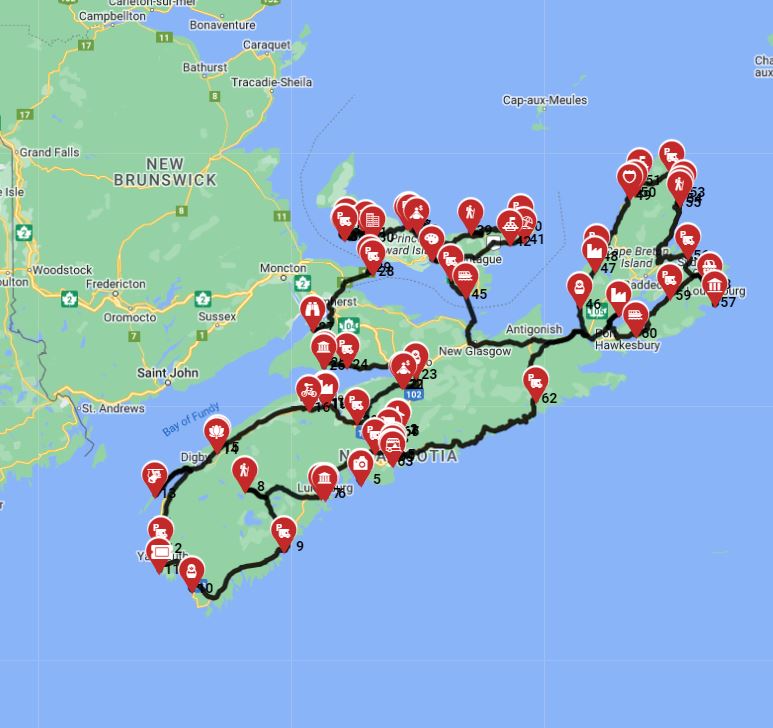
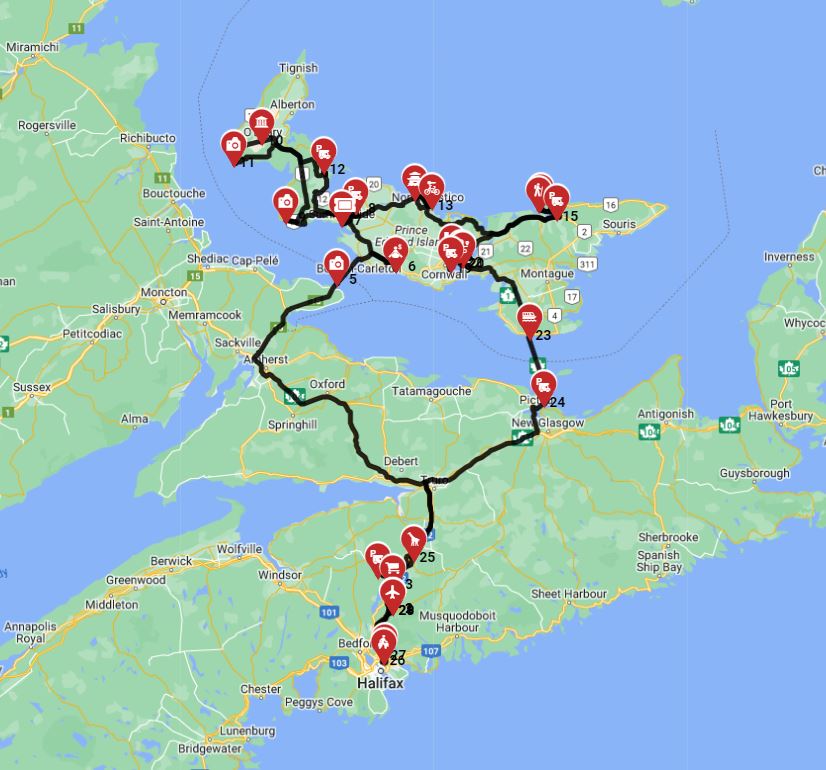
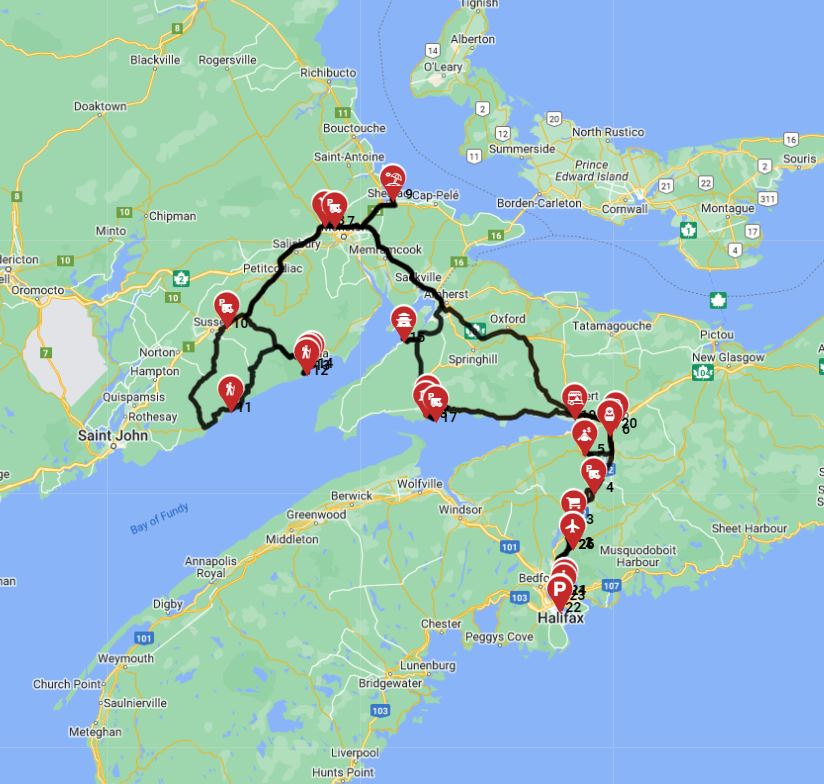
It's important for travelers to budget for fuel, as prices in East Canada can be higher than in certain parts of the United States or other regions. You should anticipate budgeting approximately CAD $18-25 per 100 km, assuming current average fuel costs of CAD $1.80-$2.00 per liter for either diesel or petrol. For comprehensive trip planning that includes detailed expense tracking, explore RV PLANET routes, where you can itemize and monitor every cost along your journey, from fuel to campground fees, making budgeting much easier. On the routes offered through RV PLANET routes, you can itemize and track every expense along the way for easy budgeting.
Tolls, Vignettes & Border Rules
East Canada features minimal tolls, primarily limited to specific infrastructure like the Confederation Bridge leading to Prince Edward Island (which is paid upon leaving PEI, not entering) and the Cobequid Pass in Nova Scotia. Unlike some European countries, no general vignettes or road use stickers are required for RV rental travel within East Canada.
For American citizens, re-entering the United States from Canada requires standard customs procedures. Ensure all travel documents for your rented RV and its passengers are meticulously organized, including valid passports, driver's licenses, and the RV rental agreement. Some RV rental companies may offer convenient electronic toll passes, which can help streamline your journey by avoiding stops at toll booths and contribute to a more relaxed pace. For detailed insights on cross-border travel, consider our "RV Rental USA - Complete Guide 2026".
Driving Tips for RV Rental for Seniors Travelers
To ensure a comfortable and enjoyable RV rental experience in East Canada, senior travelers should prioritize pacing themselves by planning shorter daily driving segments, ideally no more than 3-4 hours maximum. This strategy minimizes fatigue and allows ample time to enjoy the region's abundant scenic stops and attractions. Another crucial tip is to be extremely vigilant for large wildlife, especially moose and deer, which are prevalent on rural roads, particularly at dawn, dusk, and nighttime, as collisions can be severe.
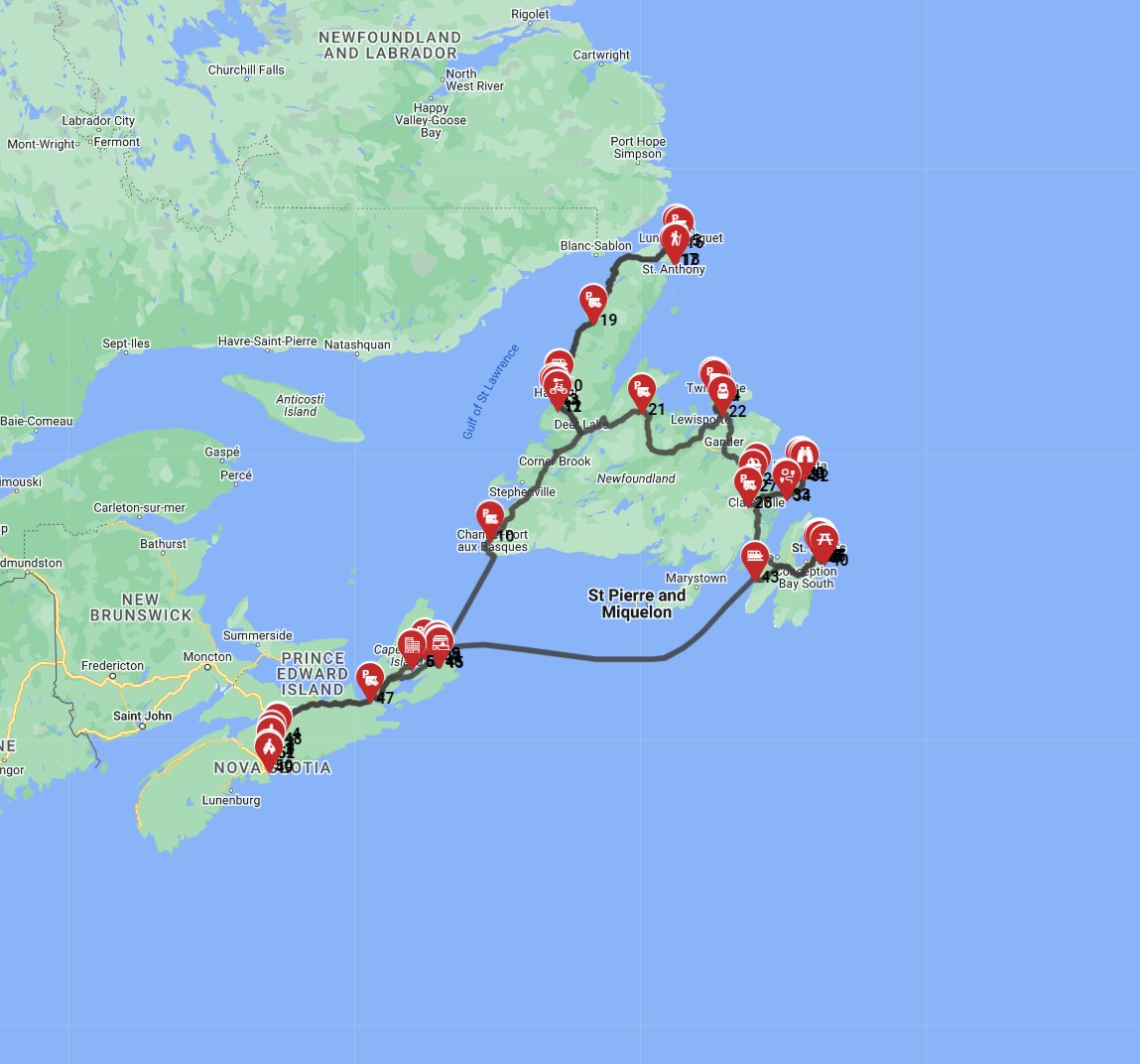
If your adventure includes island destinations, such as Newfoundland or Prince Edward Island, securing ferry reservations well in advance is essential, especially during the peak summer season (July and August), as RV spots are limited and can sell out quickly. Additionally, be aware that cellular service can be intermittent or completely unavailable in remote areas of East Canada; downloading offline maps or carrying a satellite communicator for emergencies is a wise precaution. Finally, ensure your campground bookings are made early, particularly for popular national and provincial parks, to guarantee availability and your preferred sites. Our "RV Travel Guide to East Canada - Tips and Top Spots 2026" offers more comprehensive advice.
Recommended RV Class for East Canada Roads
For comfortable and manageable RV rental travel for seniors in East Canada, Class SI (Semi-integrated) and Class C (Alcove) motorhomes are highly recommended as ideal choices. Bandana's Class SI RVs, averaging 6.9 meters (22.6 feet) in length, offer an excellent balance of interior space and maneuverability, making them suitable for navigating diverse roads, including East Canada's charmingly winding coastal routes.
Class C RVs, with an average length of 7.5 meters (24.6 feet), provide even more spacious living and storage areas. This makes them perfect for longer trips or for those who simply prefer extra comfort without the larger footprint of a Class A motorhome. These popular classes are generally easy to handle on East Canada's highways and scenic byways, facilitating easier parking and more relaxed navigation through the region's picturesque towns and cities.
Should I Choose a Compact Van Instead of a Large RV in East Canada?
While East Canada's road infrastructure is generally well-equipped to support various RV sizes, making it unnecessary to avoid larger models, a compact Class B campervan might offer specific advantages for some senior travelers. A Class B campervan, with Bandana's global fleet averaging 5.8 meters in length, provides nimble handling and easier parking in very tight historic city centers or when exploring smaller, potentially unpaved provincial park roads. For couples, a campervan like our "hire campervan example Paradise S/T" with automatic transmission, front air condition, and shower and toilet is an excellent choice. If you want to explore prices for different sizes, refer to our "Cheap RV Rental in East Canada - Budget Guide 2026" and "Luxury RV Rental in East Canada - Premium Prices 2026" guides.
However, the trade-off with a smaller campervan is significantly less indoor living space, storage capacity, and fewer amenities compared to more spacious Class C or Semi-integrated motorhomes. For extended week-long trips or longer where comfort, a dedicated private bathroom, a full kitchen for preparing RV-friendly recipes playlist, and ample lounge space are priorities, a larger RV often provides a superior overall experience. Drive slowly and carefully, and you can drive almost anywhere without issues. No need to stress - just use common sense and pay attention.
Can I Park Anywhere? Free & Wild Camping Rules in East Canada
While the concept of "wild camping" or dispersed camping is generally restricted or prohibited within East Canada's national and provincial parks, some municipalities or private landowners may permit overnight RV parking in designated areas. Many highway rest areas might allow short overnight stays for self-contained RVs, though it's crucial to understand these are not official campgrounds and facilities are usually limited. For finding campsites and campgrounds during your trip, we recommend using RV PLANET (rvplan.net) - a great resource for locating available spots along your route.
To ensure security, access to amenities, and compliance with local laws, it's always best to prioritize established campgrounds. Always seek explicit permission if you are considering parking on private land, as trespassing can lead to fines. Rules for overnight parking vary significantly by region and specific jurisdiction, so always check local regulations before stopping for the night. This approach helps avoid any unexpected issues and ensures a peaceful and enjoyable RV rental experience.
Can I Drive an RV Into the City Center? Heights, Tunnels & Local Signage
Yes, you can generally drive a rented RV into most city centers across East Canada, as primary routes are designed to accommodate a diverse range of vehicle sizes. The main challenge often lies in finding suitable parking, particularly for larger motorhomes, rather than navigating the streets themselves. Drivers must pay close attention to local signage, especially for height restrictions on tunnels, underpasses, and parking garages, which are frequently the primary limiting factors for larger RVs.
While environmental zones are uncommon in East Canada, and residents-only streets may occasionally be encountered in historic districts, always observe posted signs to avoid infractions. Navigating major cities like Halifax, Charlottetown, or St. John's with your rental motorhome is certainly feasible; however, parking larger RVs within their historic cores can be challenging. It often requires finding peripheral parking or utilizing public transit from areas outside the immediate city center to explore on foot. Remember: Drive slowly and carefully, and you can drive almost anywhere without issues. No need to stress - just use common sense and pay attention.
Can you rent an RV to drive across Canada?
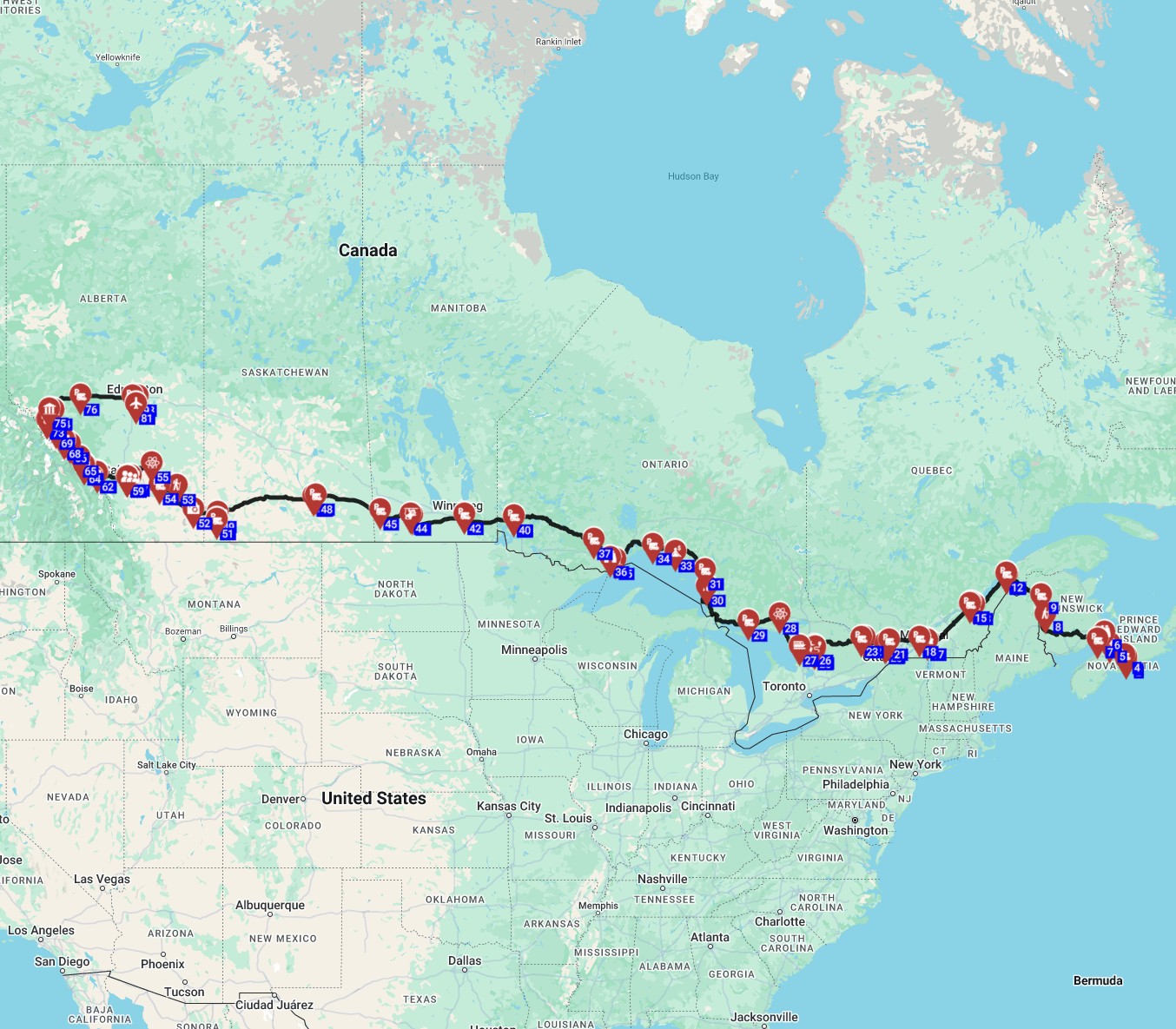
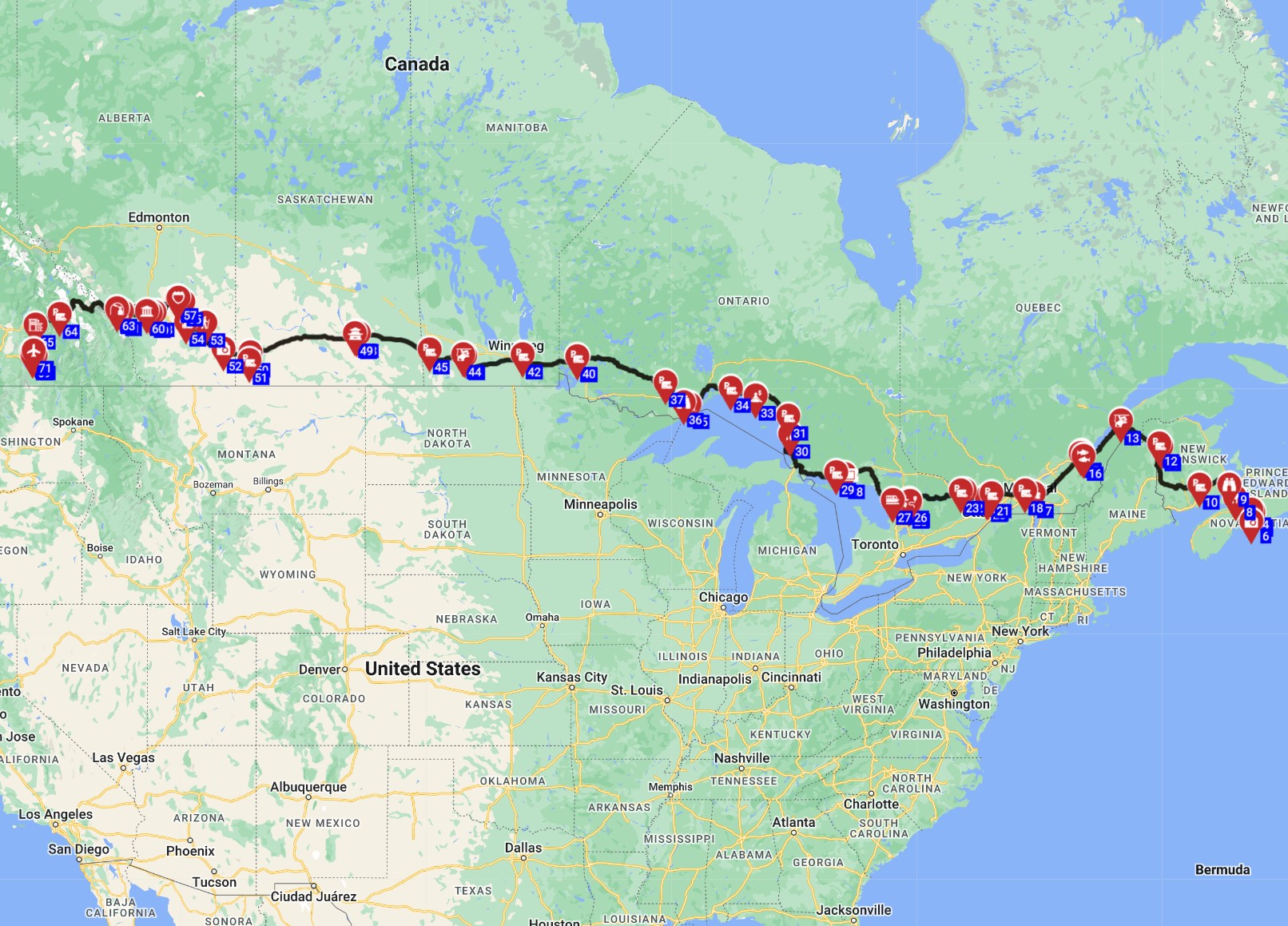
Yes, it is entirely possible to rent an RV in East Canada and embark on an incredible journey to drive it across the vast Canadian landscape. However, travelers should be fully aware of potential one-way rental fees and any mileage restrictions that commonly apply to such extensive cross-country trips. Many rental companies, including Bandana's partners like El Monte and Cruise America, do offer one-way options, although these typically incur an additional surcharge for returning the vehicle to a different location than where it was picked up.
Before booking your long-distance adventure, it is crucial to confirm the mileage allowances with your specific rental provider, as exceeding these limits can result in extra charges that significantly impact the overall cost of a cross-Canada trip. You can find more details in our "One-Way RV Rental in East Canada - Price Guide 2026". Planning ahead with these considerations in mind ensures a smooth and memorable experience from the Atlantic to the Pacific.
What license do I need to drive an RV in Canada?
For the vast majority of RVs available for rent in Canada, including all common Class B campervans, Class C alcove motorhomes, and Class SI semi-integrated models, a standard Class 5 (or equivalent) Canadian driver's license, which is the basic license for passenger vehicles, is perfectly sufficient. You do not need a special commercial driver's license for these recreational vehicles, as they typically fall below the 11,000 kg (24,250 lbs) gross vehicle weight threshold that would require one.
For international visitors planning an RV rental adventure, a valid driver's license from your home country is usually acceptable for short stays. However, carrying an International Driving Permit (IDP) is strongly recommended, especially if your license is not in English or French, to prevent any potential language barriers with law enforcement or rental agencies. Our friendly and supportive Bandana team can guide you through any specific requirements for your chosen rental. Remember, the minimum rental age is 21, with no additional surcharges for young drivers.
Can you walk around in a motorhome while driving in Canada?
No, it is both illegal and highly unsafe for passengers to walk around in a motorhome while it is in motion anywhere in Canada. Canadian traffic laws, which are consistent across all provinces including those in East Canada, strictly mandate that all occupants must be properly seated in designated positions and wearing their seatbelts whenever the vehicle is being driven.
Ignoring this critical safety regulation not only carries the risk of significant fines but, more importantly, poses a severe danger of injury in the event of a sudden stop, turn, or collision. Ensuring everyone is safely secured in their seatbelts is paramount for the safety and well-being of all travelers in your rented RV. Always prioritize safety to have a relaxed and enjoyable trip.
Can Americans RV in Canada?
Yes, Americans are warmly welcomed to explore Canada by RV, provided they have the necessary travel documents and adhere to Canadian customs and immigration regulations. Essential documents for entry include a valid U.S. passport (or NEXUS card), a valid driver's license from your home state, and crucial proof of vehicle registration and insurance that explicitly covers travel in Canada. While some U.S. insurance policies extend coverage, it's always wise to confirm this or consider supplementary travel insurance for your RV rental.
Be prepared to truthfully declare all goods you are bringing into Canada, with particular attention to food items, as well as being aware of prohibited items like firearms and certain agricultural products. A smooth border crossing largely depends on cooperation and honesty with border service officers. For broader North American RV planning, check out our "RV Rental USA - Complete Guide 2026" guide.
Can you take a rented RV across the border?
Yes, you can typically take a rented RV across the US-Canada border, but it is absolutely crucial to obtain prior permission from your specific rental company. Many rental agreements include explicit clauses regarding international travel, and some companies, like our partners Apollo or Britz, may require prior notification or specific documentation for border crossings.
Ensure you carry all necessary documents for border officials, including your valid passport, driver's license, the official RV rental agreement, and comprehensive proof of insurance that unequivocally covers travel in Canada. Failure to secure the rental company's permission or possess the correct documentation could lead to refusal at the border, significant fines, or even voiding your rental contract and insurance. Our team at Bandana RV is here to support you in comparing these options and coordinating your booking to ensure a hassle-free cross-border adventure.
Do they search your RV at the Canadian border?
Yes, Canadian border services officers have the full legal authority to search your RV upon entry, just as they can with any other vehicle, to ensure compliance with customs, immigration, and agricultural laws. You should anticipate being asked about your purpose of visit, the planned duration of your stay, and any goods you are bringing into the country. Always declare all items truthfully and completely.
Officers may conduct inspections of your rented RV for prohibited items such as firearms, certain food items (e.g., fresh fruits, vegetables, and meats), and excessive quantities of alcohol or tobacco. Cooperation, honesty, and a respectful demeanor are key to a smooth border crossing. Be prepared to open cupboards or storage areas if requested, and remember that straightforward answers are always best.
Can you rent an RV with a regular license?
Yes, for the vast majority of motorhomes and campervans available for rent in East Canada, including all popular Class B (Camper Van), Class C (Alcove), and Class SI (Semi-integrated) models, a regular, non-commercial Class 5 (or equivalent) driver's license is entirely sufficient. These rented recreational vehicles are specifically designed to be driven by individuals with standard car driver's licenses, as their gross vehicle weight rating (GVWR) typically falls well below the threshold that would necessitate a specialized commercial license.
The primary requirements from rental companies are usually that you hold a valid, full-privilege license for a certain period (e.g., one year) and meet the minimum age requirement, which is typically 21 years old across our suppliers. This means that for most travelers, the path to an RV rental adventure in East Canada is straightforward and accessible.
How Much Does It Cost To Rent An RV For A Week In East Canada?
The base rental cost for a motorhome for a week in East Canada typically ranges from CAD $800 to $2,500, though this figure can vary significantly depending on the RV class, the season (peak summer months of July and August are generally the highest), and how far in advance you book. Beyond the initial rental fee, travelers should realistically budget for fuel, which, given Canadian gas prices, can cost approximately CAD $18-25 per 100 km for common RV classes like Class C or Class SI.
Campground fees add another layer to your budget, ranging from CAD $30-70 per night for serviced sites in provincial or national parks; booking these spots well in advance is essential during peak season. Additional expenses to consider include optional insurance upgrades (like our top-level deductible reimbursement for peace of mind), potential ferry costs for travel to islands (e.g., over CAD $100 for an RV to Newfoundland), activity passes, and your personal groceries and dining. Always budget for potential extra costs such as generator usage, propane refills, or mileage overage charges, which can influence the total trip cost. Remember, prices are dynamic, much like flight tickets, changing daily based on availability and demand.
What is the cheapest way to rent an RV?
The cheapest way to secure an RV rental often involves strategic planning, such as booking significantly in advance or choosing to travel during the off-peak seasons, like spring or fall, when demand and rental rates are generally lower. For example, our "Weekly RV Rental in East Canada - Pricing 2026" guide offers insights into seasonal variations. Opting for smaller, more fuel-efficient models, such as a Class B campervan, which averages 8-10 Liters per 100 km, can substantially reduce both your initial rental cost and ongoing fuel expenses.
Additionally, keep an eye out for special offers from suppliers like El Monte or Cruise America, such as early bird discounts, last-minute deals, or relocation specials, where rental companies offer reduced rates for moving RVs between depots. To minimize overall trip costs, plan to cook most of your meals in your rented RV (you can find inspiration in our RV-friendly recipes playlist), explore free or low-cost municipal/private campgrounds where permitted, and diligently adhere to mileage limits to avoid incurring extra fees.
What You Shouldn't Miss
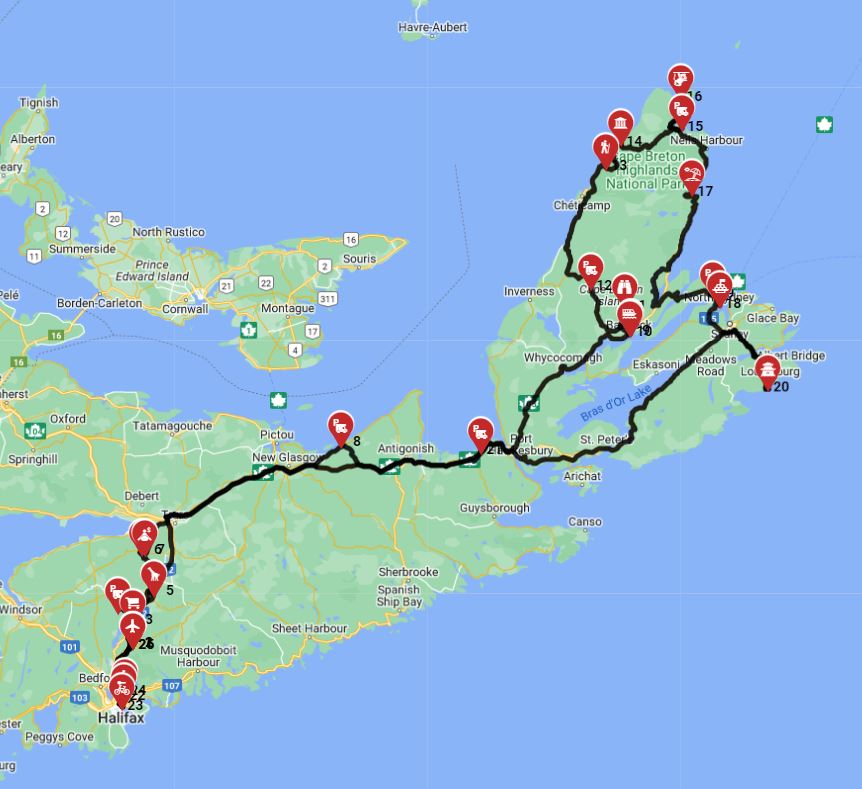
- Cape Breton Highlands National Park, Nova Scotia: Drive the iconic Cabot Trail, a 298 km (185-mile) scenic highway renowned for its ocean and mountain vistas. This route is perfect for slow travel, allowing time for numerous photo stops and short, accessible hikes.
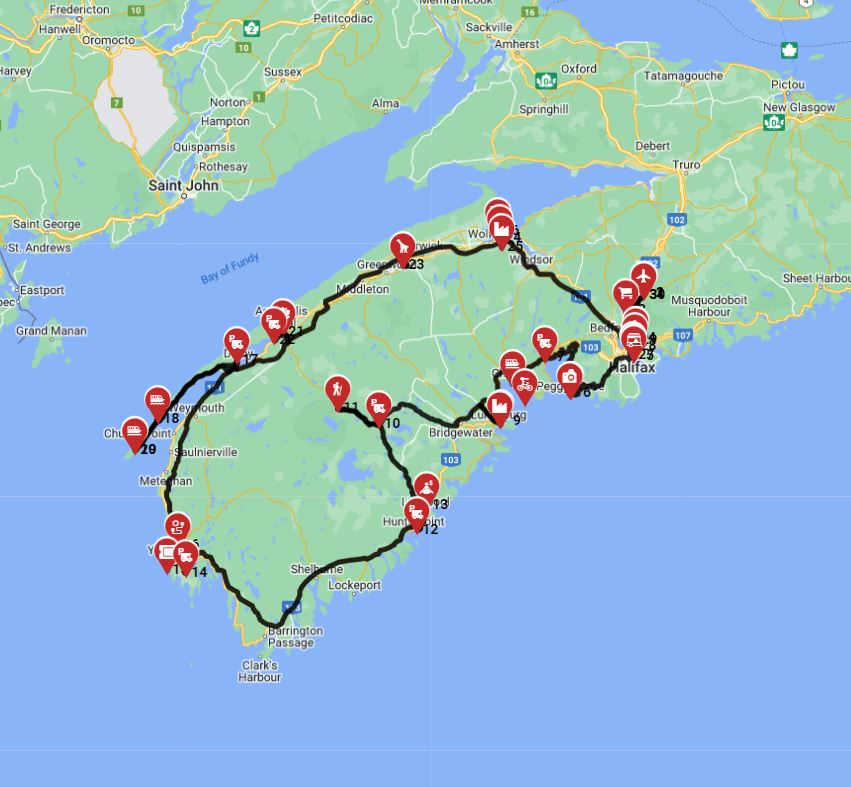
- Bay of Fundy, New Brunswick & Nova Scotia: Witness the world's highest tides by parking your RV at a coastal campground. Explore the ocean floor at low tide and marvel as the water returns, rising up to 16 meters (50 feet).
- Gros Morne National Park, Newfoundland: Discover a UNESCO World Heritage site with dramatic fjords, glacier-carved valleys, and unique geological formations. Take a boat tour through Western Brook Pond fjord for an unforgettable experience.
- Charlottetown, Prince Edward Island: Immerse yourself in Canadian history at the birthplace of Confederation. Enjoy charming Victorian architecture, local seafood, and the vibrant arts scene, easily accessible from nearby RV camping.
- Signal Hill, St. John's, Newfoundland: Drive up to this historic site for panoramic views of St. John's harbor and the Atlantic Ocean. It's also where the first transatlantic wireless signal was received in 1901.
Looking for expert insights from Avi Bandana? Top 5 Adventures - recommendations from Avi Bandana.
Final Thoughts
Exploring East Canada by RV rental offers an unparalleled sense of freedom, especially for senior travelers looking for comfort and manageable adventures. With its stunning coastal drives, charming towns, and incredible natural wonders, the region is perfectly suited for those who appreciate slow travel, taking in every moment without rushing.
At Bandana RV, we’re here to ensure your journey is as smooth and joyful as the destinations themselves. From transparent pricing to helping you choose the ideal motorhome, our goal is to support you every step of the way, making your dream East Canada RV adventure a reality. Get inspired for your next trip and discover why so many travelers trust us for their unforgettable road trips!
Ready to discover the magic of the Maritimes and Newfoundland? Compare Motorhome Prices for East Canada and find your perfect rental today!