For live availability and current prices, start with our RV Rental Central South US - Complete Guide 2026 guide.
In This Guide
- Can You Drive an RV in Central South US? License & Age Rules
- Road Conditions & Terrain in Central South US
- RV Size Limits, Bridges & Restricted Zones
- Fuel: Diesel vs. Petrol & Cost per 100 km
- Tolls, Vignettes & Border Rules
- Driving Tips for RV Rental for Seniors Travelers
- Recommended RV Class for Central South US Roads
- Should I Choose a Compact Van Instead of a Large RV in Central South US?
- Can I Park Anywhere? Free & Wild Camping Rules in Central South US
- Can I Drive an RV Into the City Center? Heights, Tunnels & Local Signage
- What is the 3-3-3 rule for RV?
- How much is it to rent a drivable RV for a month?
- Can you rent an RV to drive across America?
- What are the requirements for renting an RV?
- What state is most RV friendly?
- Can you take a rented RV across the border?
- What is the 4-4-4 rule for RV?
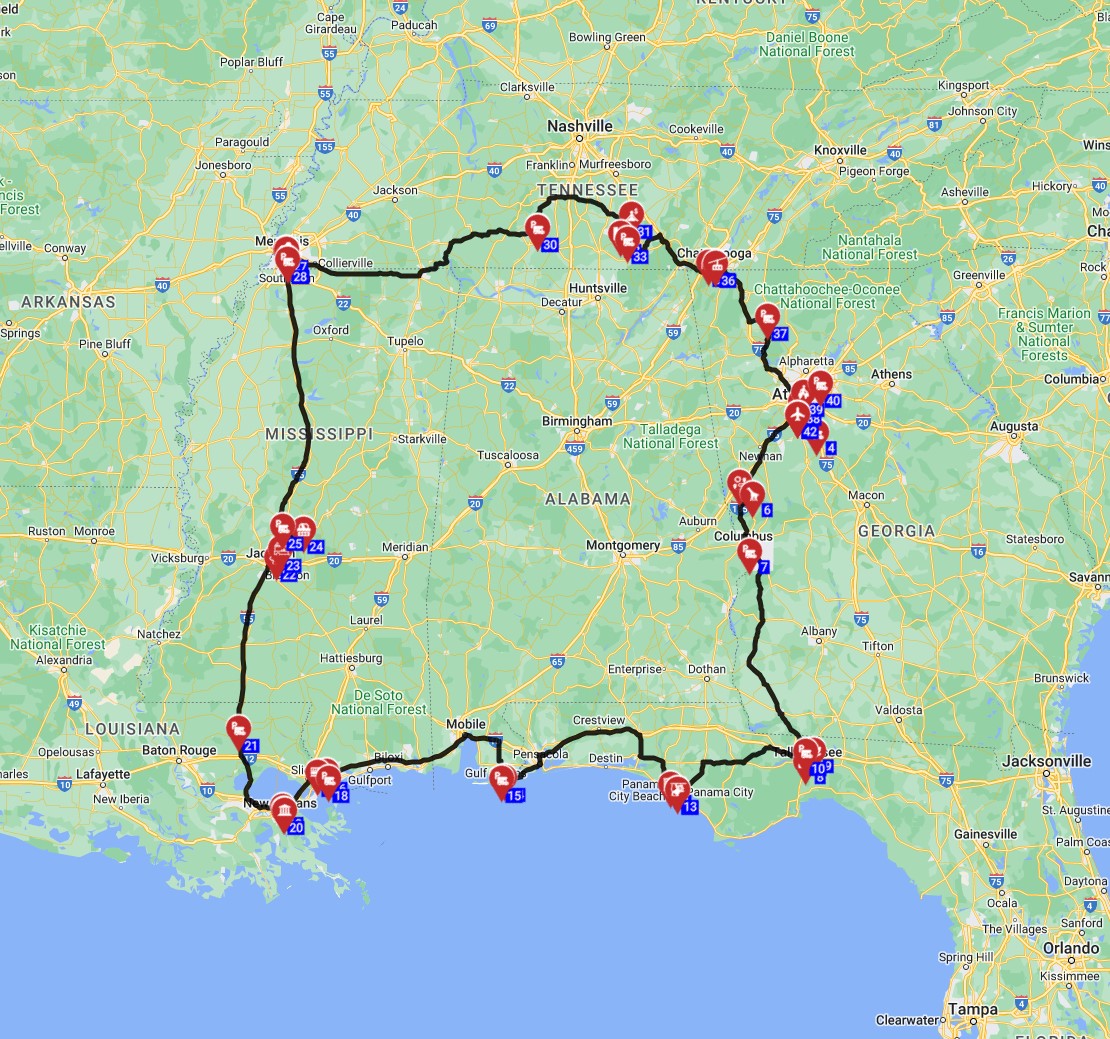
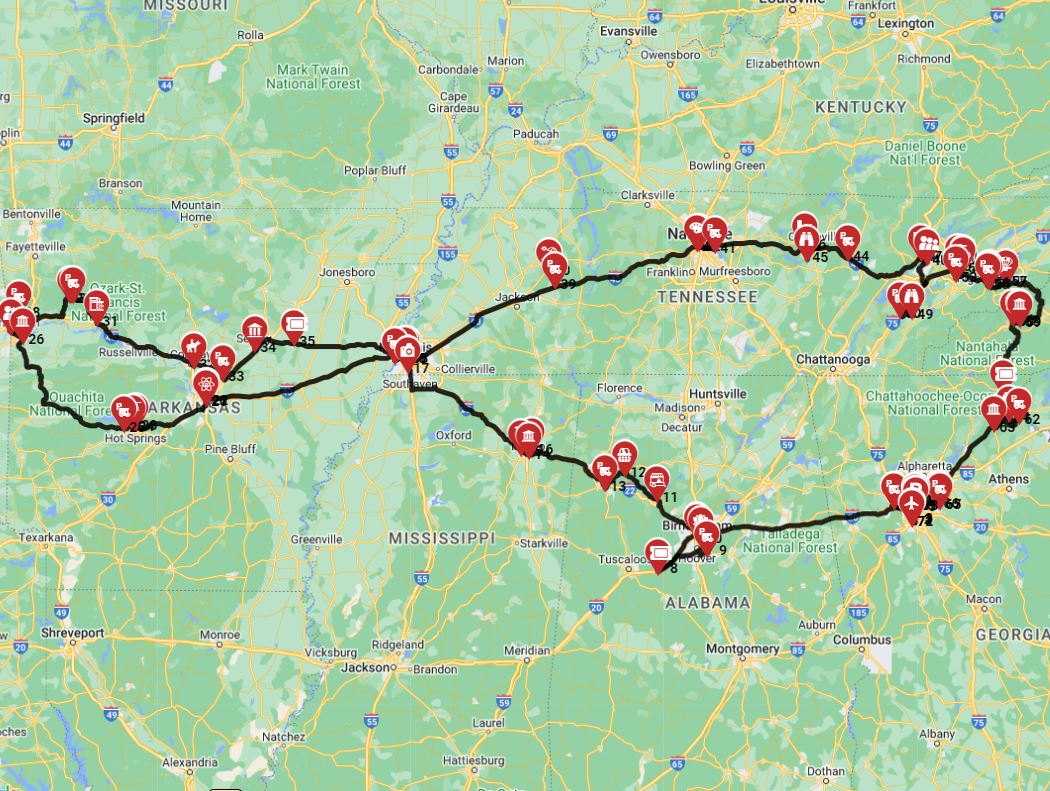
Embarking on a motorhome adventure through the Central South US offers a unique blend of historical charm, vibrant music scenes, and breathtaking natural beauty, perfect for senior travelers seeking comfort and flexible exploration. Imagine waking up to the sounds of nature in a national park, then driving a short, scenic route to enjoy authentic Southern cuisine or immerse yourself in the rich musical heritage of cities like Nashville or Memphis. With a rented RV, you have a mobile headquarters to venture out to national parks, historical sites, and local culinary experiences, all at your own pace.
Planning an extended road trip through states like Arkansas, Kentucky, Tennessee, Mississippi, Alabama, and Louisiana opens up a world of discovery. For live availability and current prices, start with our RV Rental Central South US - Complete Guide 2024 guide, which provides comprehensive information to kickstart your journey. Bandana RV specializes in making these journeys smooth and enjoyable, ensuring you have all the information and support you need before, during, and after your booking.
Can You Drive an RV in Central South US? License & Age Rules
Most rented RVs under 26,000 lbs, including popular Class B campervans, Class C motorhomes, and many Class A and SI models, only require a standard Class D driver's license in the US, making RV travel accessible for most senior drivers. Rental companies typically set a minimum driver age of 21 years old for RV rentals, with no young driver surcharges and no vehicle class restrictions based on age, giving seniors ample choice. Foreign visitors can comfortably drive a rented RV in the Central South US with their valid home country license for short periods, and an International Driving Permit (IDP) is recommended for clarity, though not mandatory in most cases.
For RVs that might exceed 26,000 lbs, a commercial driver's license (CDL) or specialized non-commercial license might be required, but rest assured, the vast majority of our rental RVs fall well below this weight threshold, so you won't need any special permits. This ensures that you can focus on the joy of the journey without worrying about complicated licensing requirements. If you're considering a longer trip, you might find more comprehensive details in our RV Rental USA - Complete Guide 2024, which offers a broader perspective on RV driving regulations across the entire country.
Road Conditions & Terrain in Central South US
The Central South US offers diverse terrains, ranging from the flat, scenic coastal plains of Louisiana and Mississippi to the rolling hills and mountains of Arkansas and Eastern Tennessee, generally with well-maintained roads suitable for all rented motorhome sizes. Interstate highways and major state routes are consistently excellent for RV travel, providing smooth and wide pathways, while some charming scenic byways or national park roads might be narrower or less perfectly paved, gently encouraging a slower, more deliberate pace to savor the views.
For senior travelers, these varied landscapes provide abundant opportunities for breathtaking scenic drives, but also call for mindful attention to changing road conditions, particularly in mountainous areas or during periods of heavy rain. Seasonal considerations are important: humid summers will require good air conditioning, and while severe weather events can occur, they are manageable with common-sense precautions and staying informed. Remember, you can drive slowly and carefully, and you can drive almost anywhere without issues. No need to stress - just use common sense and pay attention.
RV Size Limits, Bridges & Restricted Zones
General US regulations typically cap rented RV lengths at 40-45 feet and heights around 13 feet 6 inches, limits which most Central South US roads are designed to accommodate without issue. While low bridges can occasionally be encountered, particularly off major interstates or in older city centers, always pay close attention to posted height clearance signs, especially when exploring smaller towns or historic areas. Unlike some European regions, the Central South US does not typically have widespread environmental zones or major ferry limits that would severely restrict motorhome travel, offering expansive freedom.
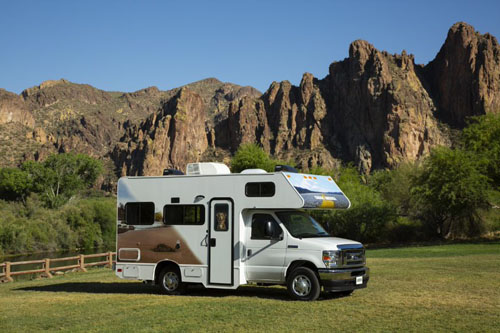
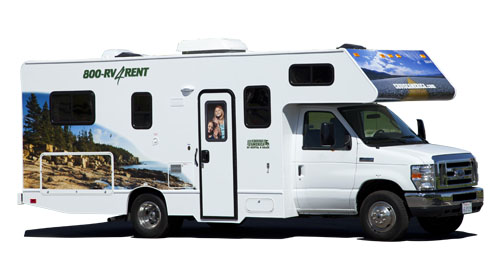
When planning your routes, especially for larger Class A or Class C RVs, consulting a dedicated RV GPS or app that accounts for height and weight restrictions is highly recommended to avoid unexpected detours. This proactive planning helps ensure a smooth and stress-free journey, allowing you to fully enjoy your adventure without worrying about navigation challenges. For families looking for options, considering a spacious Class C motorhome like the "cruise america rv rental example Explorer", which measures 7.1 meters in length and has a fresh water tank of 82 Liters, offers a balance of comfort and manageable size for most routes.
Fuel: Diesel vs. Petrol & Cost per 100 km
Both diesel and petrol (gasoline) are readily available across the Central South US, with smaller Class B campervans typically using petrol, while larger Class C, SI, and Class A motorhomes often run on diesel. Based on Bandana's global fleet averages, a rented Class SI - Semi-integrated RV typically consumes 10-11 Liters/100 km, while a Class C - Alcove averages 10-12 Liters/100 km. For rented Class B - Camper Vans, fuel consumption is generally around 8-10 Liters/100 km, and larger Class A - Integrated RVs can range from 8-12 Liters/100 km, affecting your overall trip budget.
To accurately estimate your fuel cost per 100 km in the Central South US, you can multiply the average consumption by the current local fuel prices, which, like flight tickets, can fluctuate daily and regionally; checking apps like GasBuddy is advisable for the most current local rates. Remember that on RV PLANET routes, travelers can itemize and track every expense along the way for easy budgeting, giving you full control over your ancillary trip costs like fuel and campground fees. On the routes offered through RV PLANET routes, you can itemize and track every expense along the way for easy budgeting.
Tolls, Vignettes & Border Rules
The Central South US utilizes electronic toll roads, particularly on certain bridges, tunnels, or newly constructed highways in states like Florida (which borders the region) and Louisiana, but there are no vignette systems similar to those in some European countries. Tolls are paid per-use, often electronically via transponders like SunPass or EZ Pass, or through mail-billed systems if you don't have a transponder. Many rented motorhome RVs from our suppliers allow for pre-purchasing toll passes, which can save valuable travel time and help you avoid potential fines from missed payments, making budgeting and trip planning much smoother.
For Central South US travelers considering international travel, moving a rented RV into Mexico explicitly requires prior permission and often specific documentation from the rental company. This includes securing temporary vehicle import permits (TIP) and purchasing Mexican auto insurance, which is legally required. Always confirm cross-border policies directly with your RV rental company well in advance, as failure to obtain the necessary permissions and insurance can lead to significant legal and financial complications. Thankfully, for an extended road trip within the US, you generally won't encounter such complexities.
Driving Tips for RV Rental for Seniors Travelers
For a truly comfortable and enjoyable RV rental experience in the Central South US, especially for senior travelers, plan for shorter driving days (e.g., a maximum of 100-150 km per day on average) with frequent stops every 2-3 hours to stretch, rehydrate, and explore local attractions. Traveling slowly allows you to take time to feel the place, connect to the culture, the food, and the scenery. Opting for an RV with an automatic transmission will significantly ease your driving experience, as most modern rental RVs in the US are equipped with this convenient feature.
Utilize RV-specific GPS or navigation apps that account for vehicle size to help avoid low bridges and tight turns, enhancing your safety and reducing driving stress. When selecting campgrounds, prioritize those with full hookups and amenities like paved sites, laundromats, and easy-access restrooms for maximum comfort and convenience, especially when exploring unique natural wonders or historical sites. Consider packing lighter and choosing an RV size that feels comfortable to maneuver, remembering that accessibility to local culinary experiences, such as the famous BBQ trails, often involves diverse road types.
Recommended RV Class for Central South US Roads
For seniors exploring the diverse and welcoming roads of the Central South US, Class B - Camper Vans or Class SI - Semi-integrated RVs are highly recommended, offering an ideal balance of maneuverability and comprehensive comfort. Class B Camper Vans, averaging 5.8 meters in length, are particularly agile for navigating state parks, charming smaller towns, and even some city streets, while still providing all essential amenities for 2-3 adults. For example, a "rv rental denver example Category Van" features a shower and toilet, and is ideal for a couple, providing a compact yet functional option.
Alternatively, Class SI - Semi-integrated RVs, with an average length of 6.9 meters, offer more spacious living areas, often a private bathroom, and typically larger kitchens, making them ideal for longer trips and accommodating up to 3-4 adults with ease. Both of these classes provide sufficient ground clearance for most Central South US roads, including picturesque scenic byways and national park access roads, without being overly cumbersome to drive or park. While larger Class C and Class A RVs are certainly capable, these smaller, more nimble classes often enhance the relaxed touring experience, particularly for those looking to deeply engage with local culinary experiences or specific historical sites that might have varying accessibility.
Should I Choose a Compact Van Instead of a Large RV in Central South US?
There is generally no major issue driving any size rented RV on the main roads and to popular attractions throughout the Central South US; for senior travelers, comfort and indoor space often outweigh extreme maneuverability. A compact van, like a Class B campervan, genuinely offers an advantage when you specifically plan to frequent very tight historic centers, such as New Orleans' French Quarter (though parking will always remain a challenge), or to navigate particularly narrower, winding mountain passes in areas like the Ozarks. For instance, a "hire campervan example Paradise S/T" is a small RV but includes a shower and toilet, making it comfortable for a couple.
However, for the majority of Central South US travel, including exploring stunning national parks, driving scenic routes, and visiting popular historical sites, even a mid-sized Class C or Semi-integrated RV offers a superior trade-off with increased living space, amenities, and essential storage for a more comfortable week-long trip. For seniors, the added comfort of a larger bathroom, dedicated sleeping areas, and a more spacious kitchen in a larger RV can significantly enhance the overall travel experience, making it much more relaxing and enjoyable. Ultimately, the decision balances your desired amenities and living space against the slight increase in maneuverability a compact van provides in very specific, limited urban or extremely winding road scenarios, so choose what feels most comfortable for you.
Can I Park Anywhere? Free & Wild Camping Rules in Central South US
Free or wild camping, also known as dispersed camping, is permitted on designated public lands managed by the Bureau of Land Management (BLM) and the US Forest Service, which maintain a presence in parts of the Central South US. Many retail chains like Walmart often allow overnight RV parking in their lots, but it is always crucial to seek permission from store management first, as policies vary by individual location and are subject to change. Boondocking, or camping without hookups, is a common practice in areas adjacent to national forests or wilderness areas; however, travelers should be fully self-contained and strictly adhere to 'Leave No Trace' principles to protect the environment.
State parks and national parks throughout the Central South US typically require advance reservations and fees for overnight stays in their designated campsites, offering valuable facilities like hookups and restrooms for comfort. Rules for free and wild camping vary significantly by specific region and local jurisdiction within the Central South US; it is always imperative to check local regulations and follow all local laws before parking overnight to avoid potential fines or other issues. For finding campsites and campgrounds during your trip, we recommend using rvplan.net - a great resource for locating available spots along your route and planning your budget, including all ancillary costs.
Can I Drive an RV Into the City Center? Heights, Tunnels & Local Signage
Yes, you can almost always drive a rented RV into city centers across the Central South US, though careful attention to local signage and planning for parking are crucial for a smooth experience. Always pay close attention to local signage indicating height limits for tunnels, low bridges, and parking garages, as these are often the primary restrictions for RVs in urban areas. Drive slowly and carefully, and you can drive almost anywhere without issues. No need to stress - just use common sense and pay attention.
Some cities, particularly older ones like parts of New Orleans or charming historic districts, may have narrower streets where larger RVs can be challenging to maneuver; in such cases, consider parking on the outskirts and utilizing public transport or ride-shares to explore. Environmental zones are not typically a concern for RVs in Central South US cities, but residents-only parking streets are common, so always look for public parking lots or designated RV parking areas. Using a mapping app with an RV mode or simply pre-scouting your route for potential obstacles can greatly simplify urban navigation and parking, ensuring a relaxed city exploration experience.
What is the 3-3-3 rule for RV?
The 3-3-3 rule for RV driving is a popular guideline designed for safe and enjoyable travel, especially beneficial for seniors, recommending driving no more than 300 miles (approximately 480 km) a day, arriving at your campsite by 3 PM, and staying for at least 3 days. This rule actively promotes a relaxed pace, allowing ample time for scenic stops, comfortable meal breaks (perhaps even preparing some delicious meals from our RV-friendly recipes playlist), and a stress-free arrival at your destination without feeling rushed. Arriving by 3 PM provides sufficient daylight to comfortably set up camp, explore the immediate area, and unwind before evening activities, significantly reducing any potential stress.
Staying for at least 3 days at each location encourages a deeper exploration of local attractions, unique campgrounds, and regional food trails across the Central South US without the constant pressure of packing up and moving on. Adhering to the 3-3-3 rule helps effectively manage driver fatigue and ensures that the RV journey itself becomes an integral and enjoyable part of your vacation, rather than just a means to an end. It's a fantastic approach for those who want to truly soak in the unique culture and landscapes of the region.
How much is it to rent a drivable RV for a month?
The cost to rent a drivable RV for a month in the Central South US can range significantly, typically from $2,000 to $6,000+, depending on the RV class, rental season, specific pick-up location, and the amenities included. Compact Class B campervans and smaller Class C RVs generally fall on the lower end of this spectrum, while larger Class A motorhomes or luxury models command higher monthly rates due to their size and features. For example, a mid-size Class C like "rv rentals utah example Sunrise Escape" offers sleeping for 5 with a 170-liter refrigerator, indicating a comfortable option for a family.
Peak seasons, such as summer holidays or popular events (e.g., fall foliage in the mountains), will invariably see higher prices, whereas off-peak months may offer more favorable deals. This estimate primarily covers the base rental fee, but your comprehensive budgeting should also include essential additional costs like fuel, campground fees, insurance, any applicable mileage charges, and provisioning, all of which can vary by region within the Central South US. For a month-long trip, comparing prices from various reputable rental companies through Bandana RV and booking well in advance can help secure more favorable rates and ensure the availability of your preferred motorhome.
Can you rent an RV to drive across America?
Yes, you can absolutely rent an RV to drive across America, and many of Bandana's direct partner rental companies like El Monte, Cruise America, Apollo, and Britz offer one-way rentals or allow extensive mileage plans specifically tailored for cross-country journeys. Driving a rented RV across America, especially through the incredibly diverse landscapes of the Central South US, offers unparalleled freedom to explore at your own comfortable pace. It's essential to confirm with your chosen rental company their specific mileage policies, any potential one-way fees (which can vary, as seen in our One-Way RV Rental in Central South US - Price Guide 2024), and any geographical restrictions before you finalize your booking.
Planning your route to include Central South US specific highlights, such as the famous music trails (Memphis, Nashville) or significant historical sites, will greatly enhance your cross-country experience. Always ensure your rental agreement includes sufficient insurance coverage for the entire duration and extensive distance of a coast-to-coast trip, and remember that you can upgrade to a top-level deductible for extra peace of mind. Bandana RV has been helping tens of thousands of travelers explore the world by RV since 2001, with direct partnerships with over 50 leading RV suppliers worldwide, ensuring you find the perfect motorhome for your epic American adventure.
What are the requirements for renting an RV?
To rent an RV, individuals generally need a valid driver's license, with a standard Class D license sufficient for most motorhomes under 26,000 lbs in the US. Most rental companies require drivers to be at least 21 years old, with no young driver surcharges and no vehicle class restrictions based on age, providing flexibility for a wide range of travelers. A valid credit card is typically necessary for the security deposit and to cover any additional charges or incidentals that may arise during your trip. Proof of insurance is also a common requirement; renters often have the option to use their personal auto insurance (if it extends to RV rentals), purchase coverage directly through the rental company, or potentially rely on benefits from certain credit cards.
Additional requirements may include a clean driving record and, for foreign visitors from non-English-speaking countries, an International Driving Permit (IDP) alongside their national license, though this is often recommended rather than strictly mandated in all US states. Bandana RV ensures full transparency in pricing, so what you see is what you pay, with no surprise fees at pickup, clearly outlining all requirements and costs upfront. Our 24/7 support is available for pre-booking comparisons, booking assistance, and post-booking coordination, ensuring you're well-prepared for your Central South US rental journey.
What state is most RV friendly?
While the designation of 'most RV friendly' is subjective and depends heavily on a traveler's priorities, states like Florida, Texas, and Arizona are frequently cited for their abundant RV parks, favorable climates, and extensive RV infrastructure; however, several Central South US states are strong contenders offering unique experiences. Arkansas, with its stunning Ozark Mountains and the unique Crater of Diamonds State Park, provides numerous state parks and boondocking opportunities, making it highly RV-friendly for nature enthusiasts seeking scenic drives and outdoor activities.
Tennessee is an excellent destination for RVers interested in American music history and beautiful scenic drives through the Appalachian foothills, boasting a variety of well-equipped campgrounds near iconic attractions in cities like Nashville and Memphis. Mississippi and Louisiana offer incredibly unique cultural experiences, with RV parks available near historical sites, serene bayous, and rich regional culinary experiences, though travelers should be mindful of seasonal weather patterns. Factors contributing to RV friendliness across the Central South US include the sheer number of available campgrounds (both private and public), accessible roads for all RV sizes, favorable regulations for dispersed camping, and a generally welcoming attitude towards RV tourism and its unique attractions.
Can you take a rented RV across the border?
Taking a rented RV across international borders is generally permissible, but it explicitly requires prior permission and often specific documentation from the rental company to ensure compliance and proper insurance coverage. For Central South US travelers, the most commonly considered border crossing is with Mexico, as travel into Canada is less common from this particular region. When planning a trip into Mexico with a rented motorhome, you will need to obtain a temporary import permit (TIP) for the vehicle, mandatory Mexican liability insurance, and potentially a tourist permit (FMM) for yourself and any passengers.
Rental companies will typically provide you with the necessary paperwork or advise you on the process of securing these essential permits, but it is absolutely crucial to clarify their cross-border policies and any associated fees well in advance of your trip. Failure to obtain the required permissions and appropriate insurance can lead to significant legal and financial complications, potentially disrupting your extended road trip. Bandana RV offers booking flexibility and pre-booking comparison support to help you navigate such details for your rented RV adventure.
What is the 4-4-4 rule for RV?
The 4-4-4 rule for RV driving is another helpful guideline, similar to the 3-3-3 rule, suggesting driving no more than 400 miles (approximately 640 km) a day, stopping by 4 PM, and staying at campgrounds with a rating of 4 stars or higher. This rule is particularly tailored for those who prefer slightly longer driving days than the 3-3-3 rule but still prioritize safe and timely arrivals at quality accommodations. Stopping by 4 PM allows ample time for setting up camp, relaxing, and potentially exploring local areas before dark, which is especially beneficial for senior travelers to unwind. The emphasis on '4-star or higher' campgrounds encourages seeking out quality RV parks with superior amenities, services, and enhanced security, thereby greatly enhancing comfort and safety during your exploration of the Central South US.
Adhering to the 4-4-4 rule can contribute to a more structured and comfortable RV journey, particularly when balancing driving distances with the desire for premium campground quality and services. This approach makes sure your RV rental experience is both adventurous and relaxing. For more in-depth planning, consider exploring RV PLANET routes to find quality campgrounds and plan your itinerary with ease. Plan a trip itinerary in advance with minimal effort and maximum enjoyment!
What You Shouldn't Miss
- Dig for Diamonds in Arkansas: Visit Crater of Diamonds State Park in Arkansas, the world's only public diamond mine, where you can keep any diamonds you find. It's a truly unique, hands-on experience in a rented motorhome.
- Explore Mammoth Cave National Park, Kentucky: Discover the world's longest known cave system. Enjoy guided tours through immense chambers and passages, with excellent RV camping options nearby for easy access.
- Immerse in the Music Triangle: Drive between Nashville, Memphis, and New Orleans to experience the birthplaces of Country, Blues, Jazz, and Rock 'n' Roll. Each city offers RV-friendly parks and countless live music venues.
- Cruise the Great River Road: Take a segment of this historic national scenic byway that follows the Mississippi River. Experience rich history, charming river towns, and stunning scenery by rented RV through Missouri, Arkansas, Mississippi, Louisiana, Tennessee, and Kentucky.
- Savor Southern Culinary Delights: Dedicate time to explore regional food trails like the famous BBQ trails in Texas and Tennessee, or indulge in authentic Cajun and Creole cuisine in Louisiana. A rented RV kitchen is perfect for experimenting with local ingredients after a day of culinary exploration.
Final Thoughts
Exploring the Central South US by rented RV offers an incredible opportunity for senior travelers to experience a rich tapestry of American culture, history, and natural beauty at a comfortable, unhurried pace. From the rolling hills of Tennessee to the unique bayous of Louisiana, a motorhome provides the flexibility and comfort needed to truly savor every moment. Remember, meticulous planning, understanding local regulations, and choosing the right vehicle class will ensure your journey is as smooth and enjoyable as possible.
Whether you're following the famed music trails, searching for diamonds, or simply enjoying the scenic routes, the Central South US awaits with open roads and warm hospitality. With Bandana RV, you're not just renting a vehicle; you're gaining a partner dedicated to transparency, support, and expertise, ensuring your adventure is everything you dreamed it would be.
Discover top destinations, planning tips, all in one place! Compare Motorhome Prices for Central South US and begin crafting your unforgettable adventure today.