In This Guide
- Can You Drive an RV in Toronto? License & Age Rules
- Road Conditions & Terrain in Toronto
- RV Size Limits, Bridges & Restricted Zones in Toronto
- Fuel: Diesel vs. Petrol & Cost per 100 km for Toronto RV Trips
- Tolls, Vignettes & Border Rules for Toronto RV Rentals
- Driving Tips for RV Rental Travelers in Toronto
- Recommended RV Class for Toronto Roads
- Should I Choose a Compact Van Instead of a Large RV in Toronto?
- Can I Park Anywhere? Free & Wild Camping Rules in Toronto
- Can I Drive an RV Into the City Center? Heights, Tunnels & Local Signage
- Do you need a license to drive an RV in Canada?
- What do you need to rent an RV in Canada?
- Can you walk around in a motorhome while driving in Canada?
- Can you rent an RV to drive across Canada?
- Do you have to get a license for renting an RV?
- How much does it cost to insure a rental RV?
- How to insure an RV in Ontario?
Exploring Toronto and its breathtaking surroundings in a rented motorhome offers unparalleled freedom and comfort. With a rented RV, you can design your ideal journey, from city exploration to lakeside retreats and national park adventures. At Bandana RV, we understand the magic of RV travel, and we're here to guide you every step of the way, ensuring full transparency with no hidden fees and real people behind you 24/7 for support. For live availability and current prices, start with our RV Rental Toronto - Complete Guide 2026 guide.
Can You Drive an RV in Toronto? License & Age Rules
Yes, you can absolutely drive an RV in Toronto, and for most rental motorhomes and campervans available in the city, a standard provincial G class driver's license is sufficient. This applies to RVs under 11,000 kg (24,250 lbs), which covers the vast majority of rental units, including Class B Camper Vans, Class C Alcove motorhomes, and even many Class A Integrated models.
The minimum driver age required by RV rental companies in Toronto is typically 21 years old, with no young driver surcharges or vehicle class restrictions based on age. Foreign drivers should possess a valid driver's license from their home country, and an International Driving Permit (IDP) is strongly recommended for visitors from non-English-speaking countries to complement their original license.
Remember, while larger RVs exceeding 11,000 kg might require a higher class license, these are rarely offered in the rental fleet, so you can travel confidently knowing your standard license will suffice. We believe in empowering you to discover RV travel, providing all the necessary information upfront, just like our commitment to full transparency ensures no hidden fees or surprises.
Road Conditions & Terrain in Toronto
Road conditions in Toronto are generally well-maintained across major highways like the Gardiner Expressway and arterial roads, although urban congestion and occasional potholes can occur, especially after winter. The terrain around Toronto and across Southern Ontario is largely flat to gently rolling, presenting no significant mountainous passes or challenging gradients for RV driving.
Navigating Toronto's urban core with a rented RV requires a bit more attention due to dense traffic and potentially narrower streets, so driving slowly and carefully is key. For example, driving along Queen Street West or through the Distillery District might feel more confined than on Highway 401. However, with common sense and a little extra caution, you can drive almost anywhere without issues, making your Toronto RV adventure stress-free.
Encouraging slow, scenic driving around Toronto allows travelers to truly appreciate the diverse landscapes, from vibrant cityscapes to serene lakeside routes along Lake Ontario and lush conservation areas like Rouge National Urban Park. Plan your journey to embrace the local rhythm, traveling approximately 100-150 km per day on average to take time to feel the place, connect to the culture, the food, and the scenery.
RV Size Limits, Bridges & Restricted Zones in Toronto
While there are no broad RV-specific restricted zones in Toronto, drivers must be vigilant for posted height and weight limits on specific bridges, underpasses, and parking garages. Typical height restrictions in older urban areas or underground parking structures, particularly downtown near attractions like the CN Tower or Rogers Centre, can be as low as 2.1 to 2.4 meters (7-8 feet), which is significantly less than most Class C or Class A motorhomes.
Most major highways and primary routes around Toronto, such as the Queen Elizabeth Way (QEW) or Highway 400, easily accommodate all standard RV sizes, but careful route planning is essential when deviating into residential or historic districts like Kensington Market. There are no specific environmental zones in Toronto that restrict RV access based on emissions, unlike some European cities, making it easier to enjoy your rented motorhome experience.
Always consult your RV's exact dimensions (height, length, weight) and use RV-specific GPS navigation or apps to avoid unexpected obstacles. Our dedicated support team is always available before and after your booking to answer questions about vehicle specs and help ensure your trip runs smoothly.
Fuel: Diesel vs. Petrol & Cost per 100 km for Toronto RV Trips
Both diesel and petrol (gasoline) are widely available across Toronto and Ontario, with most smaller Class B Camper Vans, like a V3 (11-13 Liters/100 km), typically using petrol. Larger Class C Alcove models, such as an Explorer, often run on diesel or petrol, averaging approximately 20-30 Liters/100 km depending on the model and driving conditions.
Based on our fleet data, common fuel consumption averages for Toronto-based rentals range from 11–15 Liters/100 km for Class B Camper Vans and 20-30 Liters/100 km for larger Class C motorhomes like the Sunrise Escape. Fuel costs fluctuate, but budgeting for approximately CAD $15-35 per 100 km (depending on RV size and current fuel prices) is a realistic estimate for a week-long trip around Toronto. When you plan your routes through RV PLANET routes, you can itemize and track every expense, including fuel, for easy budgeting. On the routes offered through RV PLANET routes, you can itemize and track every expense along the way for easy budgeting.
Always verify the fuel type required for your specific rented RV before filling up at local gas stations, especially around major Toronto arteries like Yonge Street or the Don Valley Parkway. Some RV rental deals may offer fuel discount cards or mileage packages, which can help mitigate costs, making it beneficial to inquire about such perks when booking your vehicle. You can compare different suppliers and their offerings easily through Bandana RV, ensuring you find the best value for your Toronto RV adventure.
Tolls, Vignettes & Border Rules for Toronto RV Rentals
Ontario features the Highway 407 ETR (Express Toll Route), a major electronic toll highway in the Greater Toronto Area, which operates without physical toll booths. Drivers on the 407 ETR are billed automatically via transponder or by license plate recognition, with charges varying based on distance, time of day, and vehicle type.
Canada does not use vignettes; tolls are typically associated with specific roads or bridges, such as the Highway 407 ETR. For cross-border travel from Toronto to the USA, standard passport and customs requirements apply, with rented RVs typically subject to additional inspection protocols. Always ensure your passports, vehicle registration (provided by rental company), and any necessary visas are in order.
Some rental RVs from Bandana's partners, such as El Monte RV or Cruise America, may offer options to pre-purchase toll passes or include transponders, which can help avoid unexpected fines and simplify toll payments during your trip. It's an excellent way to maintain full transparency on your travel costs from the outset, fitting perfectly with our commitment to no hidden fees.
Driving Tips for RV Rental Travelers in Toronto
Effective route planning is crucial for a smooth RV rental experience in Toronto; use RV-specific GPS or apps that account for vehicle height and weight to avoid low bridges or restricted roads, especially around the older parts of downtown. For instance, navigating downtown streets like Bay Street or University Avenue with a larger Class C motorhome demands extra awareness of height clearance and street parking limitations.
For families, planning frequent stops every 2-3 hours at provincial parks or roadside attractions like the Big Apple on Highway 401 ensures comfort and prevents driver fatigue. Budget consciously by inquiring about bundled rental options that include toll passes, or pre-paying for tolls on routes like the 407 ETR to manage expenses and avoid unexpected fees. Before departing from your pickup location near Toronto Pearson Airport, take a thorough orientation to understand how to operate your rental RV's features, such as slide-outs, hookups, and dumping tanks, for a seamless trip.
Toronto's traffic can be dense, particularly during peak hours on major routes like the Don Valley Parkway; consider driving outside these times when navigating the city or parking on the outskirts and using Toronto's extensive public transit (TTC) to access downtown attractions. Always remember to travel slowly, averaging 100-150 km per day, allowing you to fully immerse yourself in the culture, food, and scenery of Ontario.
Recommended RV Class for Toronto Roads
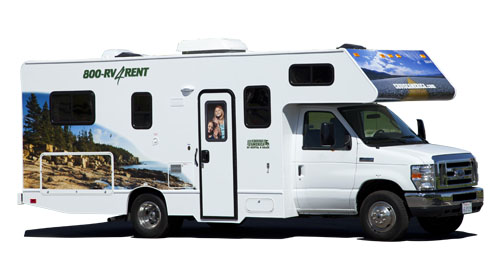
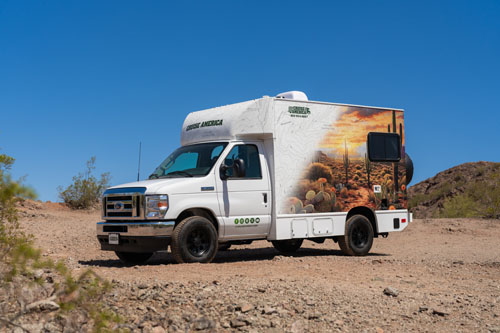
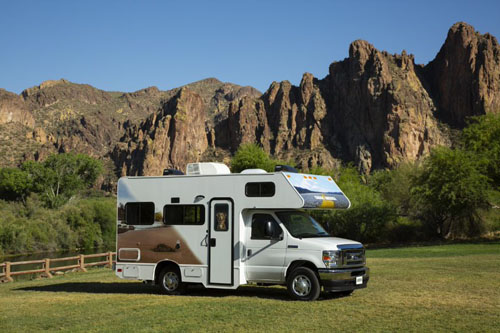
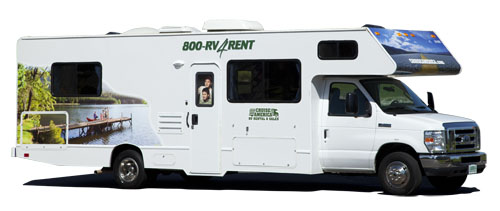
For navigating Toronto's diverse mix of urban and highway driving, Class B Camper Vans and Class TC Truck Campers are highly recommended due to their relatively compact size and superior maneuverability. A Class B Camper Van, like the "rv rental denver example Category Van" or "2 Berth Hi Top" models, typically averages around 6.3 meters in length, offering excellent flexibility for city exploration and easier parking compared to larger units.
Similarly, Class TC Truck Campers, such as the "Patagonia Camper 4x4 double cab" or "rv rentals phoenix example T17 Truck Camper", average around 6 meters in length and provide a good balance of amenities and drivability, making them suitable for both city outskirts and longer tours from Toronto. While larger Class C Alcove motorhomes (averaging 8.2m) like the "24' Class C Motorhome" and Class A Integrated RVs offer more interior space and sleeping capacity, their increased length requires more cautious driving in congested areas and can limit parking options.
Ultimately, the best choice for RV rental deals in Toronto depends on your comfort level with driving a larger vehicle, the number of travelers in your group, and your itinerary. Bandana RV offers a wide variety of motorhomes and campervans to compare, ensuring you find the perfect fit for your Canadian adventure.
Should I Choose a Compact Van Instead of a Large RV in Toronto?
For most RV travel around Toronto and its surrounding regions, choosing a larger RV over a compact van generally presents no significant driving challenges, with the primary advantage of a larger vehicle being increased comfort and indoor space. A compact van, like a Class B Camper Van (averaging 6.3 meters in length), genuinely helps in very tight historic centers or for easier street parking in urban settings where space is at a premium, such as downtown Toronto near Kensington Market.
However, for typical Toronto-area exploration and family trips for 4-6 people, the enhanced living areas, dedicated sleeping spaces, and comprehensive amenities of a larger motorhome, like a Class C "rv rentals example Comfort Class" or "6 Berth Deluxe", often outweigh the slight increase in maneuverability offered by a compact van. These larger units might offer features like a gas stove with 3 burners, a 170-liter refrigerator, and showers, making longer trips more comfortable. For ideas you can prep on the road, watch our RV-friendly recipes playlist on YouTube.
The trade-off often boils down to balancing desired comfort and on-board facilities against the ease of parking and navigating extremely narrow, busy streets, which are less prevalent outside Toronto's core. You'll find that Bandana RV provides clear comparisons, helping you choose the right size for your journey with full transparency on features.
Can I Park Anywhere? Free & Wild Camping Rules in Toronto
Free or "wild" camping is generally not permitted within Toronto city limits, provincial parks, or most developed areas without designated campsites. Overnight parking for RVs in Toronto is typically restricted to licensed RV parks, private campgrounds, or designated municipal parking lots that expressly allow RVs, such as the Indian Line Campground just northwest of Toronto Pearson International Airport or Glen Rouge Campground on the city's east side.
Ontario does permit some primitive camping on Crown Land, but these areas are usually remote and far from urban centers like Toronto. Always check local bylaws and park regulations before attempting to park overnight, as unauthorized camping can result in fines or towing. RV PLANET (rvplan.net) is a great resource for locating available spots and understanding specific campground rules along your route.
Rules vary by region; always check local regulations and follow local law before parking overnight. Many Toronto-area campgrounds, including those in nearby conservation areas like the Kortright Centre, offer amenities like electrical hookups and dump stations, ensuring a comfortable stay. Remember, planning your overnight stops in advance is part of a stress-free RV rental adventure.
Can I Drive an RV Into the City Center? Heights, Tunnels & Local Signage
Yes, you can generally drive a rented RV into the city center of Toronto, but careful attention to local signage, height limits, and parking availability is crucial for a smooth experience. The primary challenge for RVs in downtown Toronto is navigating dense traffic on streets like Yonge Street, finding suitable parking, and being aware of height restrictions for underground garages and some older underpasses, which can be as low as 2.1 meters.
Toronto's street signage will clearly indicate any height limits for tunnels or bridges, so always pay close attention. Thankfully, environmental zones are not a common restriction for RVs in the city. It's often more practical for RV travelers to park their motorhome or campervan at a designated RV-friendly lot on the city outskirts, such as at Exhibition Place or near a subway station, and then use Toronto's extensive public transit (TTC) to comfortably access downtown attractions like the Royal Ontario Museum or Nathan Phillips Square.
Always be mindful of "residents-only" parking zones and ensure your vehicle adheres to posted length and weight restrictions on city streets. Driving slowly and carefully, you can drive almost anywhere without issues, without the need to stress.
Do you need a license to drive an RV in Canada?
A standard Class G driver's license (or equivalent from another province or country) is sufficient for driving most rental RVs in Canada, provided the RV weighs less than 11,000 kg (24,250 lbs) and is not equipped with air brakes. This covers nearly all motorhomes and campervans available for rent in Toronto.
For heavier RVs or those with air brakes, a higher class of license (e.g., Class D or A in Ontario) may be required, but these are typically not part of a standard rental fleet. Rental companies will verify your license type and validity as part of the rental agreement process, ensuring you meet all legal requirements. Foreign drivers generally need a valid driver's license from their home country, often accompanied by an International Driving Permit (IDP) if the original license is not in English or French, to ensure clear communication and compliance.
What do you need to rent an RV in Canada?
To rent an RV in Canada, you typically need a valid driver's license (a standard Class G or equivalent is usually sufficient for most rentals), proof of insurance (often available through the rental company as an add-on or included basic liability), and a major credit card for the security deposit and rental fees. Most rental companies in Canada require the primary driver to be at least 21 years old.
Foreign renters will need a valid passport, their home country's driver's license, and potentially an International Driving Permit (IDP) if their license is not in English or French. It is also advisable to have a general understanding of RV operation, though rental companies usually provide a comprehensive orientation before you depart with your rented motorhome or campervan. Our full transparency policy ensures you know all requirements and costs upfront, with no surprises.
Can you walk around in a motorhome while driving in Canada?
No, it is generally illegal and unsafe to walk around in a motorhome while it is moving in Canada; all occupants must be properly secured in a seatbelt. Canadian traffic laws, including those in Ontario, mandate that all passengers must be wearing a seatbelt whenever the vehicle is in motion, ensuring their safety and legal compliance.
Infants and young children must be restrained in appropriate child safety seats, following provincial regulations, which you should arrange in advance. Failing to comply with seatbelt laws can result in significant fines for both the driver and unbelted passengers, making adherence to these rules essential for a safe and enjoyable RV rental trip around Toronto.
Can you rent an RV to drive across Canada?
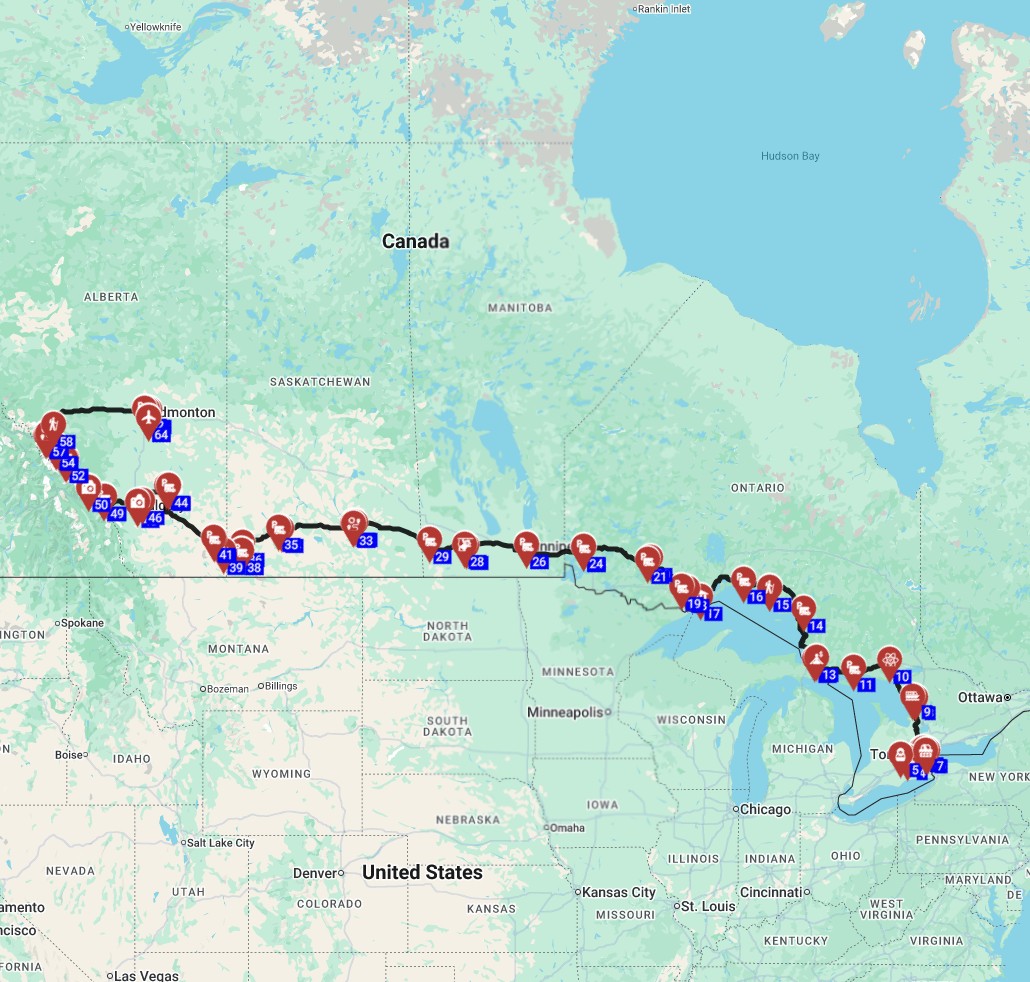
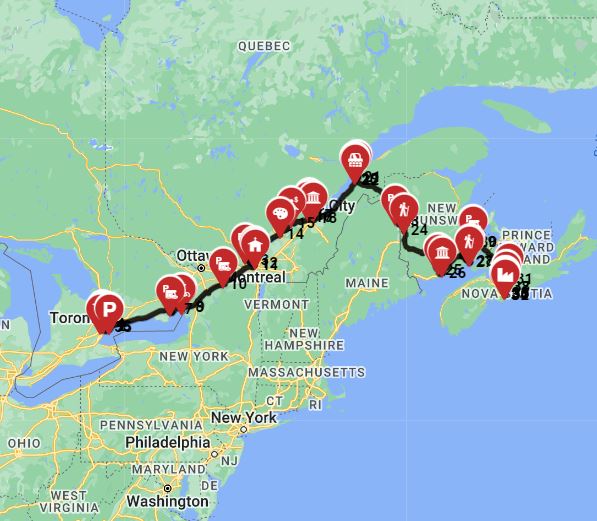
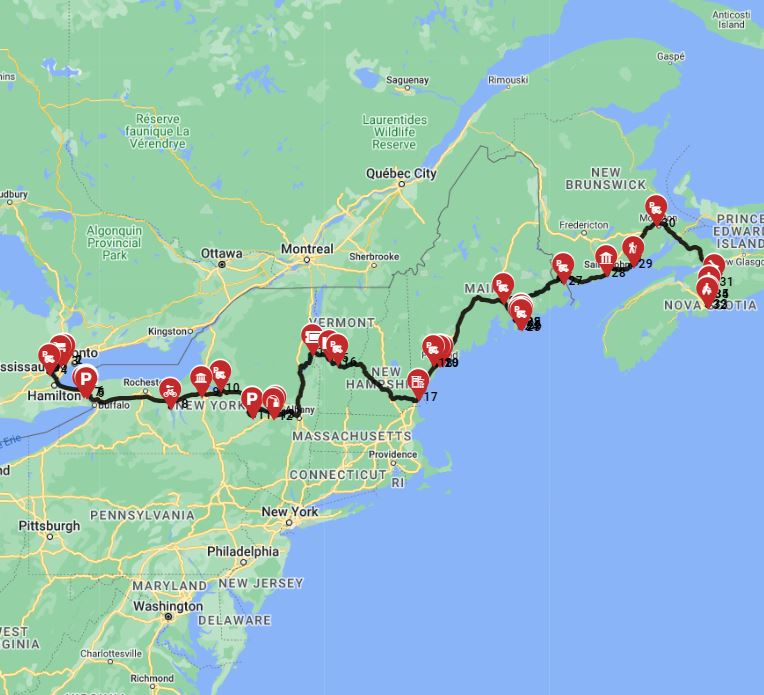
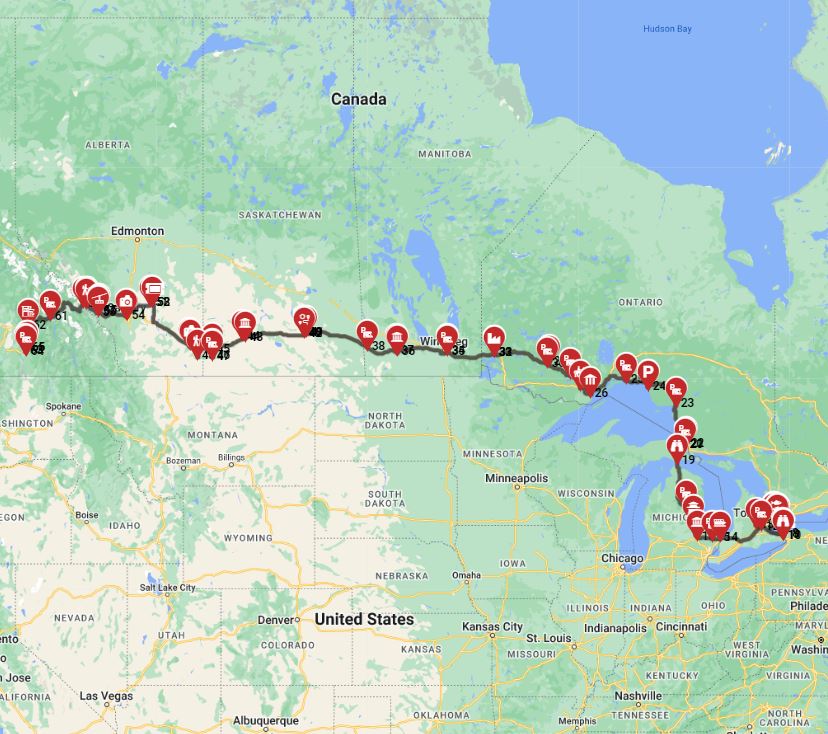
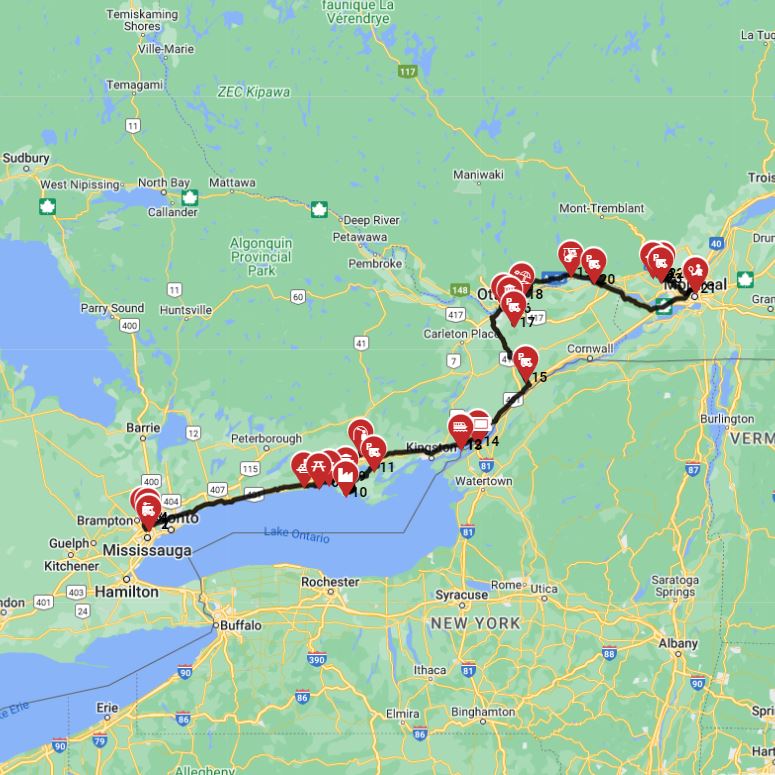
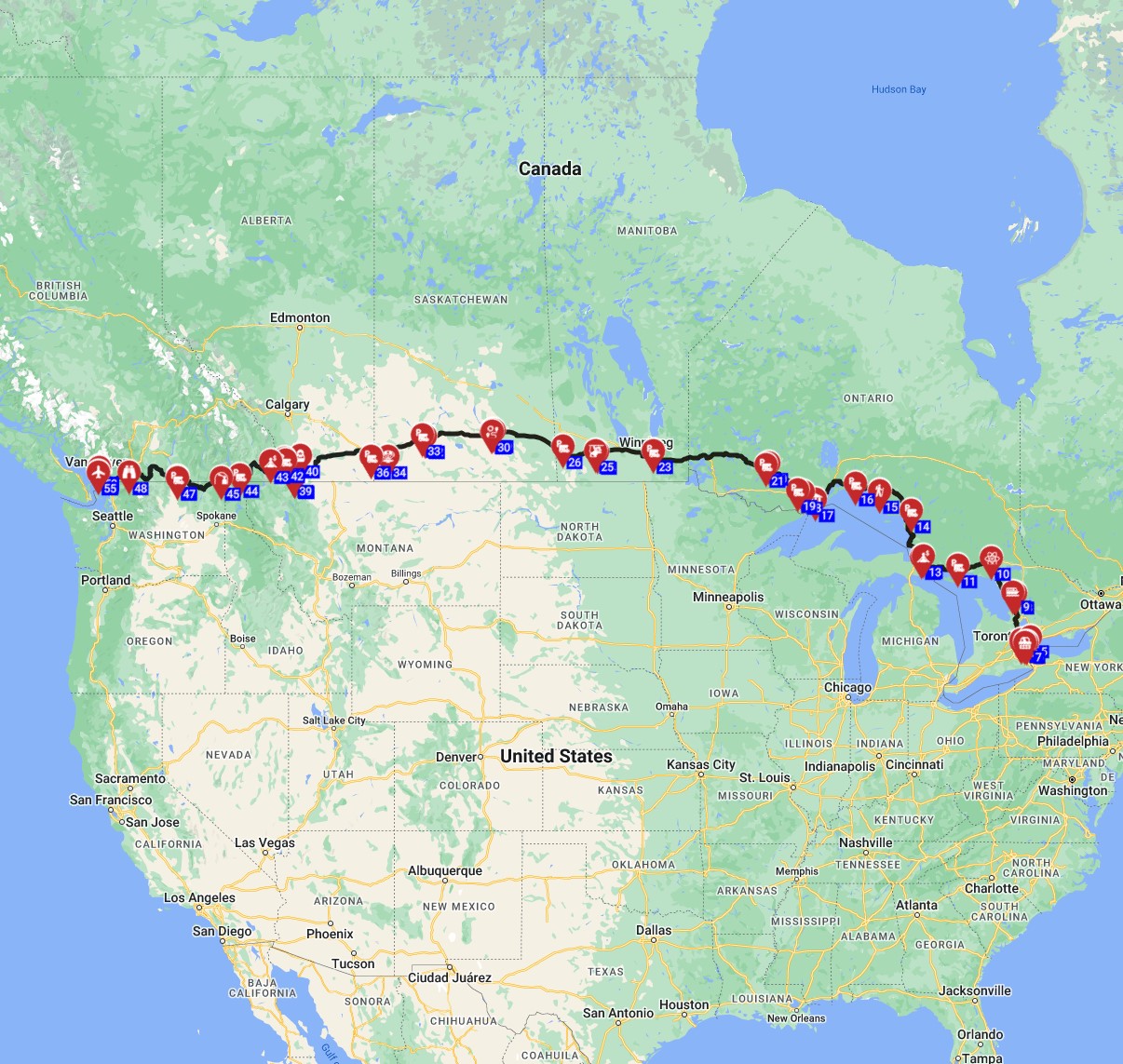
Yes, it is entirely possible to rent an RV to drive across Canada, with many rental companies offering one-way rentals between major cities, although these often incur additional fees that vary by route and distance. Driving across Canada in a rented motorhome, such as from
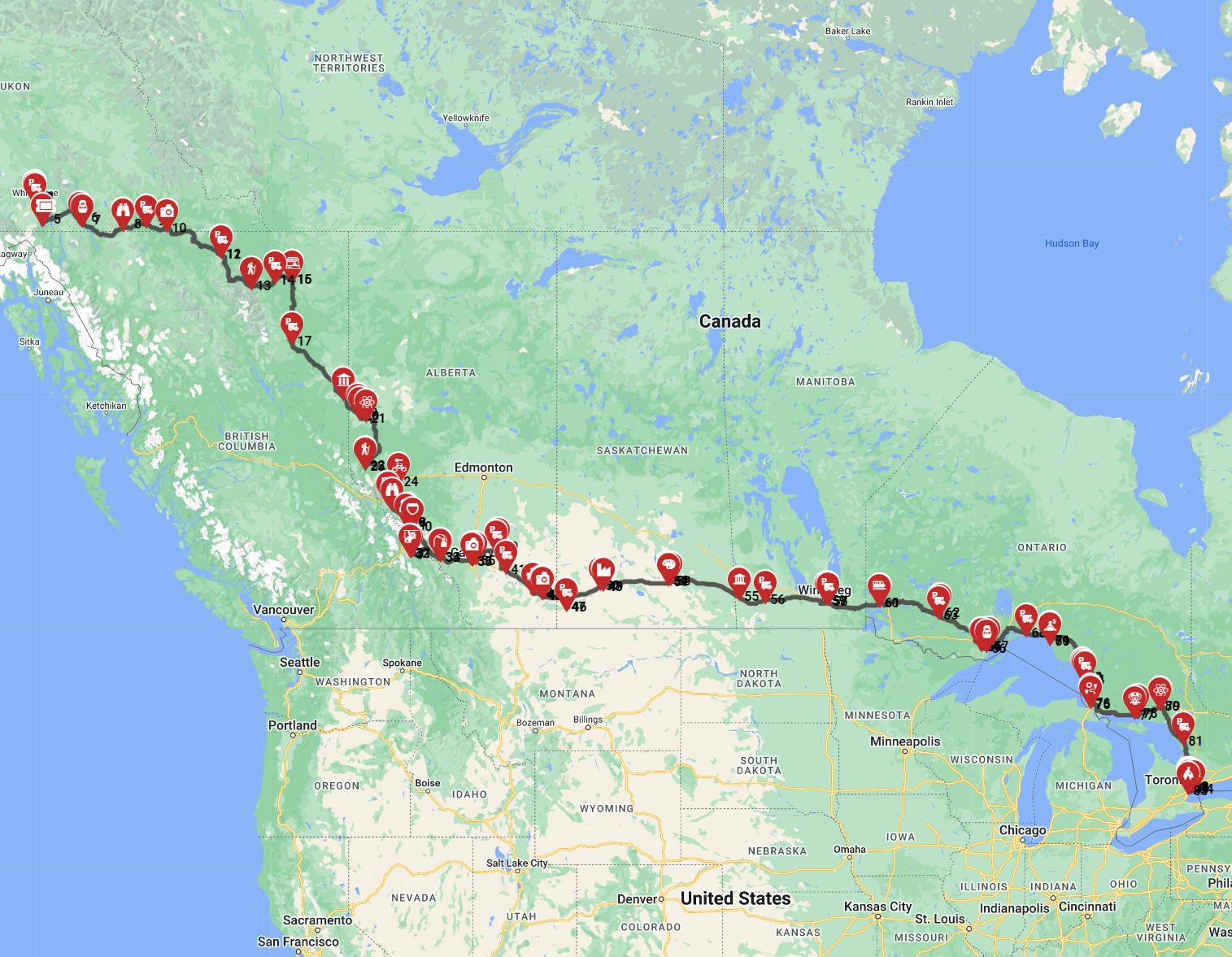
This includes accounting for fuel costs, securing campground bookings (especially at popular national parks like Banff or Jasper), and understanding potential border crossings if your route traverses through the United States. Ensure your rental agreement covers unlimited mileage or that you fully understand mileage caps and associated costs for such a long journey. Consider seasonal variations, as weather conditions and road access can differ greatly across provinces, particularly in winter.
Do you have to get a license for renting an RV?
Yes, you must possess a valid driver's license to rent and operate an RV in Canada; the specific class of license required depends on the RV's size and weight. For most typical rental RVs (under 11,000 kg and without air brakes), a standard Class G license in Ontario (or equivalent from your home jurisdiction) is sufficient.
Rental companies will check the validity and class of your driver's license as a mandatory part of the rental process, a standard practice across our 50+ leading RV suppliers. International drivers must present their home country's license, and an International Driving Permit may be necessary if the license is not in English or French. There are no special licenses, CDL, or additional permits required for any rental motorhome, making RV travel accessible to many.
How much does it cost to insure a rental RV?
The cost to insure a rental RV varies widely, but most rental companies include basic liability insurance in their standard rates, with options to purchase additional coverage for collision, comprehensive, or deductible reduction. Daily insurance costs for supplemental coverage can range from CAD $15 to $50, depending on the level of protection, the RV's value, and the deductible amount chosen.
It's always wise to check with your personal auto insurance provider or credit card company, as they may offer some coverage for rental vehicles, including RVs, potentially reducing your need for additional purchases from the rental agency. Remember, you can upgrade to a top-level deductible for extra peace of mind, an optional upgrade to ensure a truly stress-free journey. Bandana provides full price transparency, so you'll see all insurance options and costs clearly laid out.
How to insure an RV in Ontario?
Insuring a rental RV in Ontario is typically arranged directly through the rental company, which will offer basic coverage as part of the rental agreement and provide additional options for purchase. It's crucial to review the rental company's insurance policy carefully to understand deductibles, exclusions, and the extent of coverage for damage, theft, or third-party liability.
Before renting, contact your personal auto insurance provider to determine if your existing policy extends coverage to rental RVs, as this could potentially save on additional insurance costs from the rental agency. We pride ourselves on full transparency, so you will always see exactly what insurance options are available and their costs when booking through Bandana RV. Consider your travel plans and the value of the RV when selecting coverage to ensure peace of mind on your Toronto adventure.
What You Shouldn't Miss
- **Explore Niagara Falls:** Just a 1.5-hour drive from Toronto, witness the majestic Horseshoe Falls. Park your rented motorhome at a nearby RV park like Niagara Falls KOA Holiday, then take a shuttle to the attractions.
- **Visit Bruce Peninsula National Park:** Drive your campervan about 3 hours north of Toronto to discover the Grotto, stunning turquoise waters, and unique rock formations perfect for hiking and photography.
- **Discover Algonquin Provincial Park:** Head 3-4 hours northeast in your RV for unparalleled canoeing, wildlife viewing (moose sightings are common!), and camping amidst vast wilderness. The park offers over a dozen RV-friendly campgrounds.
- **Wander through Prince Edward County:** Drive your rented RV 2-3 hours east of Toronto to this charming wine region, featuring beautiful beaches like Sandbanks Provincial Park, artisan shops, and delicious local food.
- **Experience Toronto Islands:** Park your RV at a city outskirts lot and take a ferry from Jack Layton Ferry Terminal to enjoy car-free islands, offering stunning skyline views, beaches, and family fun.
Looking for expert insights from Avi Bandana? Top 5 Adventures - recommendations from Avi Bandana.
Final Thoughts
Embarking on a rented RV adventure in Toronto and the wider Ontario region promises a journey filled with unforgettable experiences, from vibrant city life to tranquil natural escapes. Whether you opt for a compact campervan for agile city navigation or a spacious motorhome for family comfort, the open road awaits, offering the ultimate flexibility to explore at your own pace.
Remember, planning is part of the fun, and with Bandana RV, you’re never alone. Our commitment to full transparency, dedicated support, and extensive network of suppliers ensures a seamless booking process. So, pack your bags, prepare your route plan, and get ready to discover the beauty of Canada with a rented RV.
Discover top destinations, planning tips, all in one place! Plan a trip itinerary in advance with minimal effort and maximum enjoyment.
Find Motorhome Rentals in Toronto