In This Guide
- Can You Drive an RV in South Europe? License & Age Rules
- Road Conditions & Terrain in South Europe
- RV Size Limits, Bridges & Restricted Zones
- Fuel: Diesel vs. Petrol & Cost per 100 km
- Tolls, Vignettes & Border Rules
- Driving Tips for RV Rental Deals Travelers
- Recommended RV Class for South Europe Roads
- Should I Choose a Compact Van Instead of a Large RV in South Europe?
- Can I Park Anywhere? Free & Wild Camping Rules in South Europe
- Can I Drive an RV Into the City Center? Heights, Tunnels & Local Signage
- How much does it cost to rent an RV in South Europe?
- What is the best time to rent an RV in South Europe?
- Where can I find cheap RV rentals in South Europe?
- What are the best RV rental companies in South Europe?
- Are there one-way RV rentals available in South Europe?
- What documents do I need to rent an RV in South Europe?
- Is it safe to drive an RV in South Europe?
- How do I choose the right RV for South Europe?
- What are the rules for wild camping in South Europe?
- Can I take an RV on a ferry in South Europe?
- Are RV parks common in South Europe?
- What are the hidden costs of RV rental in South Europe?
- Do RV rentals in South Europe come with insurance?
- What are popular RV routes in South Europe?
- How can I save money on an RV trip in South Europe?
Can You Drive an RV in South Europe? License & Age Rules
Most standard RVs in South Europe, specifically those under 3,500 kg Maximum Authorized Mass (MAM), can be driven with a regular Category B driver's license from your home country, provided it is valid and you meet the minimum age. For example, a compact Class B - Camper Van like the "rental denver example Category Van" or a slightly larger "rent rv example A1" are typically well within this weight limit. If you plan to rent an RV exceeding 3,500 kg MAM, a higher license category, such as C1 in Europe, is usually required. This detail is important to confirm with your rental provider to ensure full compliance. The minimum rental age is generally 21 years old across most Bandana partners, with no young driver surcharges for any vehicle class, making RV travel accessible for a wider range of adventurers. For visitors from non-EU/EEA countries, an International Driving Permit (IDP) is highly recommended to accompany your national license, acting as an official translation, though it is not strictly mandatory in all cases. Always ensure your license is valid for the duration of your trip in 2026.Road Conditions & Terrain in South Europe
South Europe presents a diverse range of road conditions and terrain, from excellent multi-lane highways (like Italy’s autostradas or Spain’s autopistas) to charmingly narrow, winding coastal roads and challenging mountain passes. You'll find superb quality on major routes connecting cities like Rome, Barcelona, and Lisbon, making for smooth cruising. However, be prepared for narrower, less-maintained roads when you venture into rural areas, historic villages, or mountainous regions, which are often where the most authentic experiences await. The terrain itself varies significantly, from the flat coastal plains of Portugal to the dramatic peaks of the Alps, Pyrenees, and Dinaric Alps. Driving in these areas requires careful attention and often slower speeds, especially if you're navigating a larger RV, such as a Class C - Alcove motorhome. These scenic routes generously reward travelers with stunning views and unforgettable photo opportunities, so embrace the slower pace. Remember, the journey itself is part of the adventure in South Europe.RV Size Limits, Bridges & Restricted Zones
When traveling through South Europe in a rented RV, it's crucial to be aware of local height, width, and weight restrictions, which are always clearly signposted. Low bridges and tunnels, especially prevalent in older towns or mountainous regions, can pose a challenge; always heed the clearance signs, which often indicate limits like 3.5m or 4m. Navigating these requires diligence, but with common sense and careful driving, it’s manageable. Environmental zones, often known as ZTLs (Zona a Traffico Limitato) in places like Italy, Spain, and Portugal, are common in historic city centers. These zones restrict vehicle access based on emissions or time of day. Entering a ZTL without a permit can result in significant fines, as cameras monitor these areas. Pre-planning your city visits to understand specific ZTL rules is crucial, often meaning parking on the outskirts and using public transport. For island hopping, such as to Sardinia, Sicily, or the Greek islands, ferry limits are important; RV length and height directly impact booking and pricing, so measure your rented motorhome precisely.Fuel: Diesel vs. Petrol & Cost per 100 km
Most RVs in Bandana's fleet for South Europe are diesel, which is readily available at fuel stations across the region at competitive prices. For instance, a Class B - Camper Van typically consumes around 8-10 Liters/100 km. Larger models, such as a Class SI - Semi-integrated or Class C - Alcove RV, average 10-12 Liters/100 km. Based on these averages and current fuel prices of approximately €1.80/liter, you can expect to spend about €15-€20 per 100 km for diesel, though prices are dynamic and subject to change. Some rental motorhomes may offer fuel discount cards, which can be a small bonus to help manage costs. When planning your route, keep these fuel consumption figures in mind for budgeting. Remember, with RV PLANET routes, you can itemize and track every expense, including fuel, for easy budgeting throughout your journey.Tolls, Vignettes & Border Rules
Toll systems in South Europe vary significantly by country, making some pre-trip research essential. Countries like Italy, France, Spain, and Portugal generally use distance-based tolls, which can often be paid at booths using cash or card, or through electronic transponders. Portugal, in particular, has many electronic-only tolls that require pre-registration or a transponder to avoid fines. While vignettes (pre-paid stickers for a set period) are common in some adjacent European countries, they are less prevalent within the core South European region for highways. Border crossings within the Schengen Area, which encompasses most of South Europe, are generally seamless for EU/EEA citizens with no passport checks. Non-Schengen citizens will experience standard passport control. Many of Bandana's partner suppliers offer the convenience of pre-purchased toll passes or transponders, like Telepass in Italy or Via-T in Spain, to simplify payments and help you avoid unexpected fines. This full transparency ensures you know exactly what to expect before you hit the road.Driving Tips for RV Rental Deals Travelers
Pacing yourself is crucial when exploring South Europe by RV, so plan shorter daily distances, perhaps a maximum of 100-150 km per day on average, especially on winding coastal or mountain roads. This allows ample time for spontaneous stops to soak in the incredible views and connect with local culture. Mastering parking is another key skill; larger motorhomes require more strategic planning, so utilize dedicated RV parking areas, official campsites, or larger supermarket car parks, and avoid trying to navigate tight city centers. Always research and understand local ZTLs (Limited Traffic Zones) in major cities like Florence or Lisbon to avoid potentially hefty fines, and consider parking on the outskirts then using public transport. Embrace local markets for fresh produce and specialty items; cooking delicious meals in your RV is a fantastic way to experience local flavors and save money. For inspiration on what to cook, check out our RV-friendly recipes playlist. Lastly, stay connected using reliable navigation apps with offline map capabilities, translation tools, and consider a local SIM card or portable Wi-Fi device for internet access.Recommended RV Class for South Europe Roads
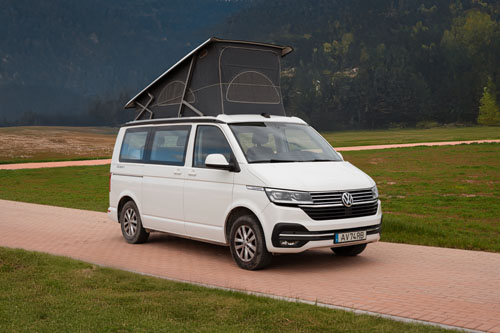
For navigating the diverse roads of South Europe, a Class SI - Semi-integrated or Class B - Camper Van is highly recommended, offering a perfect balance of comfort and maneuverability. Class SI - Semi-integrated RVs, averaging around 6.9 meters in length, provide comfortable living space and typically feature 3-4 sleeping places, making them suitable for couples or small families. They are generally easier to handle on narrower roads and in towns than larger Class C models. For maximum agility, a Class B - Camper Van, with an average length of 5.8 meters, offers exceptional ease for navigating very narrow village streets, winding coastal routes, and tight parking spots. These campervans, like the "hire campervan example Paradise S/T" or a "Category Van" which are ideal for a couple, provide around 2-3 sleeping places and are perfect for spontaneous exploration. While larger Class C - Alcove motorhomes also offer excellent amenities, their increased size might make some very historic or rural roads more challenging. We aim for full transparency, so understanding the vehicle's dimensions is key to a smooth trip.Should I Choose a Compact Van Instead of a Large RV in South Europe?
Choosing between a compact van (Class B - Camper Van) and a larger RV (Class SI - Semi-integrated or Class C - Alcove) for South Europe depends largely on your travel style and itinerary. While compact vans, such as a 5.8m "Duo" campervan, excel in maneuverability and are ideal for frequently exploring very tight historic centers or extremely narrow mountain passes, larger RVs generally pose no significant issue on South Europe's main roads and offer superior comfort and indoor space. For example, a 6.9m Class SI - Semi-integrated, like the "rent an rv for a week example Exclusive Classic", provides more living area, a full bathroom, and a more relaxed experience for extended stays. Ultimately, if your priority is agility and ease of parking in urban settings, a compact campervan is advantageous. However, for those prioritizing amenities, space, and comfort on scenic routes and in the countryside, a medium to large motorhome is often preferred and perfectly capable of handling the roads. You'll find a range of options through Bandana's direct partnerships with over 50 leading RV suppliers worldwide.Can I Park Anywhere? Free & Wild Camping Rules in South Europe
Free or wild camping in South Europe is largely restricted or illegal in many areas, particularly in popular tourist regions and along coastlines. Countries such as Italy, Spain, Portugal, and Greece generally prohibit wild camping outside of designated campsites or private land with explicit permission. The rules are often stricter due to environmental protection laws and safety concerns. While some regions might permit 'tolerated' overnight parking in non-designated spots (e.g., rest stops, larger car parks) if no explicit 'No Camping' signs are visible, this typically implies merely parking your vehicle without setting up camp (no awnings extended, no chairs or tables outside). It is crucial to always prioritize official campsites, which are abundant, well-equipped, and offer essential services like fresh water, waste disposal, and electricity hook-ups. Rules can vary significantly even by municipality within a country, so always check local regulations before planning an overnight stop outside an official site. You can also explore pre-planned routes from professionals via Rent&Plan on rvplan.net to find suitable overnight parking.Can I Drive an RV Into the City Center? Heights, Tunnels & Local Signage
Yes, you can almost always drive a rented RV into city centers in South Europe, but it requires careful attention due to narrow streets, restricted zones, and limited parking. Drive slowly and carefully, and you can drive almost anywhere without issues. No need to stress - just use common sense and pay attention. You must pay close attention to local signage, especially for height limits on underpasses, tunnels, and parking garages, as well as low bridges. Be particularly vigilant for Environmental Zones or ZTLs (Zona a Traffico Limitato) in many historic city centers, notably in Italy and Spain. These zones restrict vehicle access based on emission standards, vehicle type, or specific times of day. Entering a ZTL without the correct permit, which are often not available for rental RVs, can result in significant fines captured by automated cameras. Residents-only streets are also common in older towns, so always check road signs carefully to avoid accidental entry. For most major cities, it is often more practical and stress-free to park your RV on the outskirts or at a designated RV park and use efficient public transportation to explore the historic core.How much does it cost to rent an RV in South Europe?
The cost of renting an RV in South Europe varies significantly, influenced by factors such as the RV class, rental duration, season, and how far in advance you book. A budget-friendly Class B - Camper Van, ideal for couples, might start from €70-€120 per night in the low season. Larger Class SI - Semi-integrated or Class C - Alcove RVs can range from €100-€200+ per night. During high season (June-August), prices can increase by 30-50% compared to shoulder seasons (April-May, September-October). For a detailed understanding of varying prices, consider checking our "RV Rental in South Europe - Prices and Best Deals 2026" guide. Remember that prices are dynamic, much like flight tickets, changing daily based on availability and supplier decisions, with the final price confirmed at actual booking time. A comprehensive budgeting plan should also account for ancillary trip costs like fuel (averaging €15-€20 per 100 km for diesel), road tolls, campsite fees (€20-€50+ per night), groceries, and attractions. For budgeting assistance, remember that RV PLANET routes allow you to itemize and track every expense.What is the best time to rent an RV in South Europe?
The best time to rent an RV in South Europe is typically during the shoulder seasons, from late April to early June and again from September to October. These months offer pleasant weather conditions, fewer crowds at popular attractions, and often more competitive rental deals. Temperatures are comfortable for outdoor activities, and campsite availability is generally higher than in peak summer. Summer (July-August) provides guaranteed warm, sunny weather, but it also brings peak prices, heavy crowds, and potential heatwaves in inland areas, making it less ideal for those seeking a tranquil or budget-conscious trip. For those flexible with their travel dates, exploring RV rental deals in the off-season (November-March) can yield the cheapest rental rates and a unique, quieter experience, though some campsites and tourist services might be closed, and weather can be unpredictable. When booking a "Winter RV Rental in South Europe - Pricing Guide 2026", you can often find attractive rates.Where can I find cheap RV rentals in South Europe?
To find cheap RV rentals in South Europe, begin by booking well in advance, especially if your travel dates fall within peak or shoulder seasons, as many suppliers offer early bird discounts. Considering our "Cheap RV Rental in South Europe - Budget Guide 2026" will also provide valuable insights. Traveling during the off-season or shoulder seasons (April-May, September-October) is another excellent strategy, as demand is lower, leading to more competitive prices. Utilize comparison websites, like Bandana RV, that aggregate deals from various local and international rental companies across South Europe. This allows you to efficiently compare options and identify the best value. Being flexible with your pickup and drop-off locations, as well as your exact travel dates, can also unlock significant savings. Many national and state parks reserve 25-30% of their spots for first-come-first-serve campers, so even last-minute travelers can often find a spot by calling ahead.What are the best RV rental companies in South Europe?
The best RV rental companies in South Europe are those that offer a wide array of vehicle classes, comprehensive insurance options, robust customer support, and convenient pickup/drop-off locations. Reputable international brands, such as Bandana partners like Apollo and Britz, are well-established and trusted. When comparing options, prioritize companies that provide full transparency in their pricing, with no hidden fees or surprises at pickup. Check customer feedback regarding vehicle quality, cleanliness, and the responsiveness of emergency assistance. Companies that offer useful ancillary services, like airport transfers, pre-purchase toll passes, or detailed trip itineraries, can significantly enhance your rental experience. We are true RV specialists, not a side department of a travel agency, meaning our focus is exclusively on RV travel, offering unmatched personal experience and attention to the smallest details, ensuring you connect with the ideal supplier for your journey.Are there one-way RV rentals available in South Europe?
Yes, one-way RV rentals are generally available across South Europe, providing the flexibility to pick up your rented motorhome in one city and return it in another, even across different countries. This option is fantastic for longer itineraries, allowing you to cover more ground and avoid looping back to your starting point. For instance, you could pick up a "Category Van" in Lisbon and drop it off in Rome. One-way rentals typically incur a 'one-way fee' or 'relocation fee,' which can vary significantly from €150-€500 depending on the distance between locations, the specific rental company, and the season. Booking one-way RV rentals in South Europe well in advance is crucial, especially for popular cross-country routes or during peak season, as availability can be limited. We ensure full transparency on any such fees before you confirm your booking, so there are no surprises.What documents do I need to rent an RV in South Europe?
To rent an RV in South Europe, you will primarily need a valid driver's license from your home country. For most motorhomes under 3,500 kg MAM (which includes Class B and many Class C RVs), a standard Category B car driver's license is sufficient. This license must have been held for a minimum period, often 1-3 years, depending on the supplier. For visitors from non-EU/EEA countries, an International Driving Permit (IDP) is highly recommended. While not always strictly mandatory, an IDP acts as an official translation of your national license, which can prevent misunderstandings with local authorities or rental agencies. You will also need a valid passport or national ID card for identification purposes when signing the rental agreement. Lastly, a major credit card in the main driver's name is universally required for the security deposit, which typically ranges from €500 to €2,000+, depending on the vehicle class and the rental company's policy.Is it safe to drive an RV in South Europe?
Driving a rented RV in South Europe is generally safe, especially when you stick to major routes and well-trafficked areas, but it does require adherence to local driving customs and awareness of specific safety considerations. Road safety tips include navigating winding mountain roads slowly and carefully, ensuring your vehicle (like the "cruise america rv rental example Explorer") is properly maintained on the road (we handle pre-trip checks!), and exercising caution in dense urban traffic, particularly in older cities with narrow streets. To prevent theft, always secure your RV, avoid leaving valuables in plain sight, and choose well-lit, secure locations or official campsites for overnight stays. For emergencies, familiarize yourself with local emergency numbers (e.g., 112 for all EU emergencies) and keep your roadside assistance contacts handy. We provide 24/7 support for your booking needs, ensuring real people are behind you from day one until your booking is confirmed, offering peace of mind throughout your planning and post-booking coordination.How do I choose the right RV for South Europe?
Choosing the right RV for your South Europe adventure hinges on your travel group size, budget, comfort preferences, and planned itinerary. For couples or small families intending to frequently visit towns with narrow roads, a compact Class B - Camper Van (averaging 5.8m in length, like "Category Van") or a smaller Class SI - Semi-integrated motorhome (around 6.9m) offers excellent maneuverability. These vehicles balance comfort with ease of driving. Larger families or groups of 4-7 seeking more expansive living space will find Class C - Alcove motorhomes (averaging 7.5m, such as the "cruise america example R 27-30") more suitable, providing more sleeping berths and amenities. Consider vehicle specifications like length, turning radius, and ground clearance, especially for diverse terrains, and ensure it’s equipped for potential environmental zones (ZTLs). We, as true RV specialists with over 20 years of experience, help you compare various options from our 50+ global suppliers to find the perfect fit. Explore different models in our "RV Rental in South Europe for Couples - Pricing 2026" or "RV Rental in South Europe for Seniors - Pricing 2026" guides to see what suits your needs.What are the rules for wild camping in South Europe?
The rules for wild camping in South Europe are generally restrictive, with most countries prohibiting it outright or allowing it only in specific, often remote, areas with local permissions. For instance, in Spain, Portugal, Italy, and Greece, wild camping is largely illegal, particularly along coastlines, within national parks, and in popular tourist zones. This is primarily due to environmental protection, safety concerns, and the desire to encourage use of official sites. Some countries, however, have designated campervan parking areas (known as 'aires de service' in France or 'Stellplätze' in Germany, though less common in South Europe's core), which offer basic services and regulated overnight stays as a legal alternative. These spots usually allow overnight parking but not full "camping" activities like setting out awnings or chairs. It is always crucial to consult specific local regulations for the exact region or country you plan to visit, as laws can vary, and fines for illegal wild camping can be significant, ranging from €100 to €500+.Can I take an RV on a ferry in South Europe?
Yes, you can certainly take a rented RV on a ferry in South Europe, especially for popular routes to islands like Sicily, Sardinia, Corsica, and many Greek Islands. However, pre-booking your ferry spot is highly recommended, particularly during peak travel seasons (June-August), to ensure availability and potentially secure better rates. Ferry operators base their pricing structure on vehicle length and height, so it's essential to accurately measure your rented motorhome, whether it’s a compact "rent motorhome example A1" or a larger "rent motorhome example D2", when making your reservation. Some smaller, more local ferry services might have restrictions on the maximum size or type of vehicle allowed, so always double-check with the specific ferry company before planning your crossing. This allows for full transparency and avoids any unexpected issues at the port.Are RV parks common in South Europe?
Yes, RV parks and campsites are very common and well-established throughout South Europe, particularly in popular tourist regions, along coastlines, and near national parks. These facilities offer a wide range of options, from basic 'aires de service' that provide dedicated overnight parking with minimal amenities, to full-service holiday parks boasting extensive features like swimming pools, restaurants, and entertainment programs. Official campsites are invaluable, offering essential services such as fresh water refilling points, waste disposal facilities for both grey and black water, and electricity hook-ups. Many also include showers, laundry facilities, and sometimes even small shops. Booking campsites in advance is highly advisable, especially during the high season or for popular locations, to guarantee your spot. You can easily search for campsites and campgrounds during your trip using RV PLANET (rvplan.net), a great resource for locating available spots along your route.Do RV rentals in South Europe come with insurance?
Yes, RV rentals in South Europe typically include basic third-party liability insurance, which is mandated by law. This coverage protects against damage to other vehicles or property in the event of an accident. However, this standard insurance usually comes with a high deductible (excess) for any damage to the rented RV itself. This means you would be responsible for the first portion of repair costs, which could be substantial. To travel with greater peace of mind, many rental companies offer additional insurance packages, such as a collision damage waiver or full coverage options, for an extra daily fee. These packages reduce or completely eliminate your deductible. It is always wise to check if your personal travel insurance policy or credit card offers any specific RV rental coverage before purchasing additional policies from the rental supplier, but always confirm the specifics for RVs, as policies vary. You can upgrade to a top-level deductible for extra peace of mind through Bandana.What are popular RV routes in South Europe?
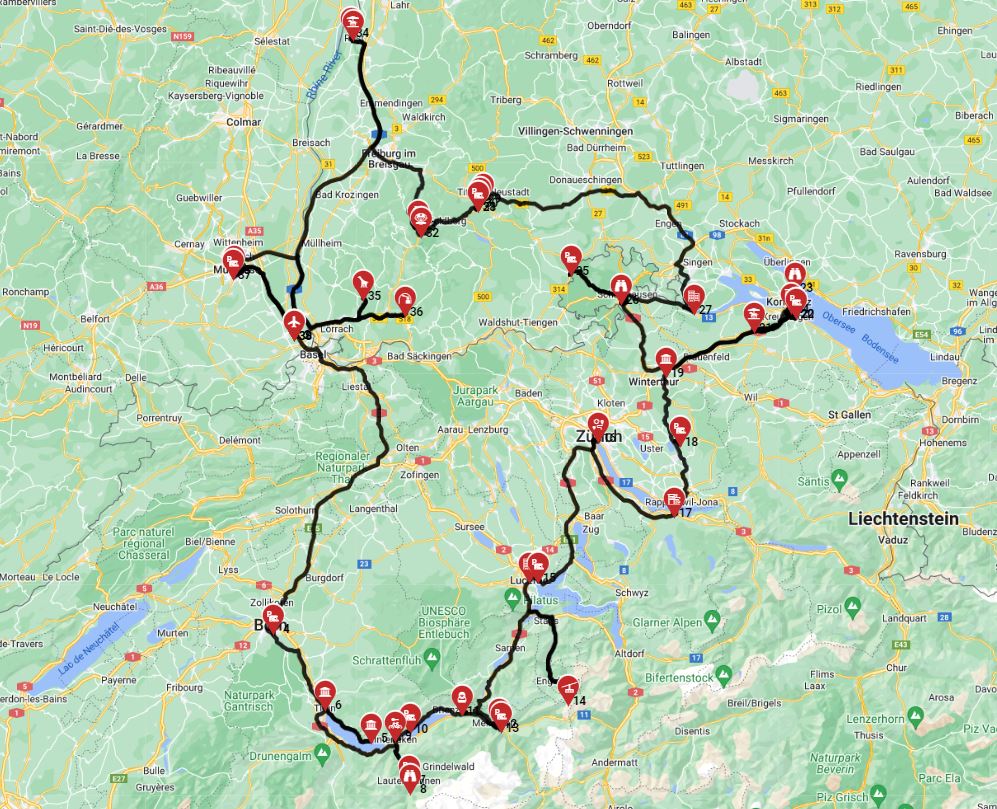
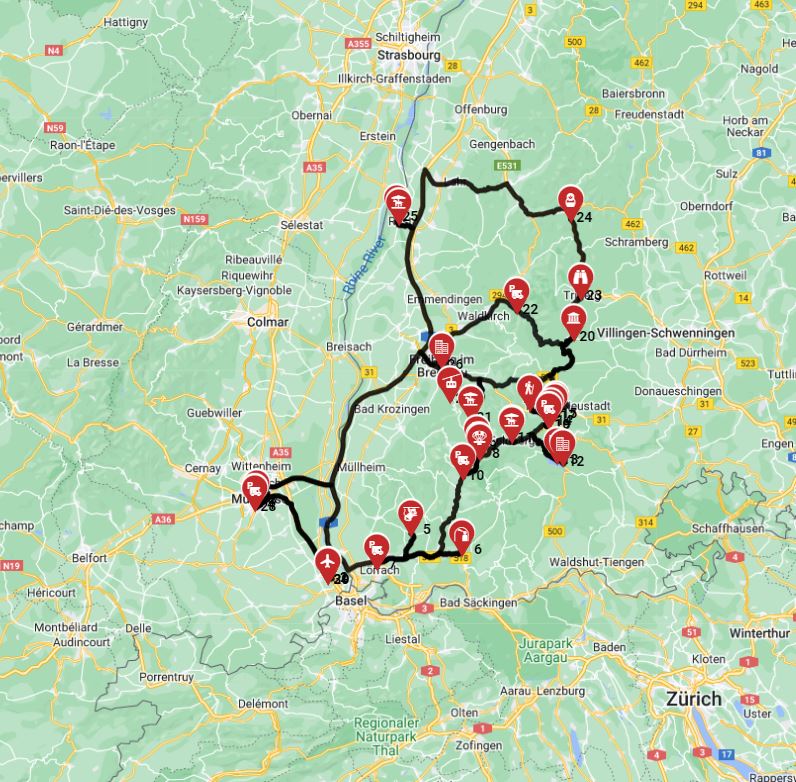
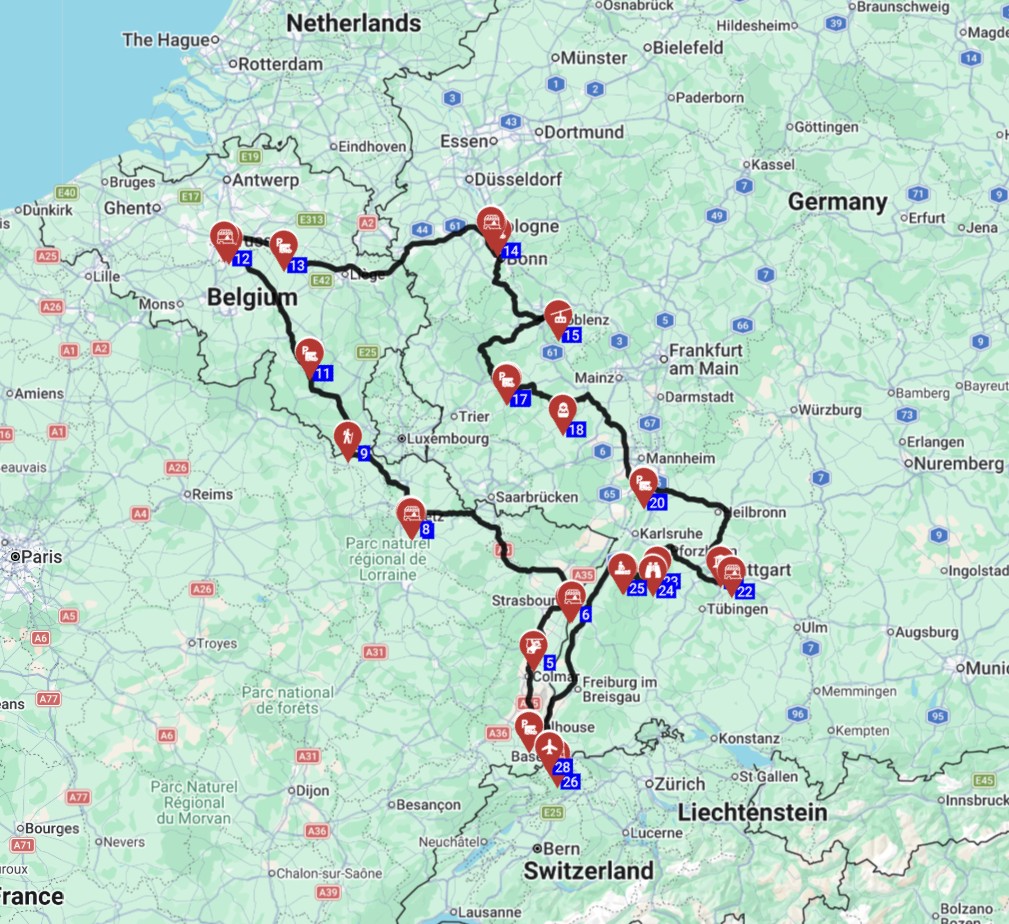
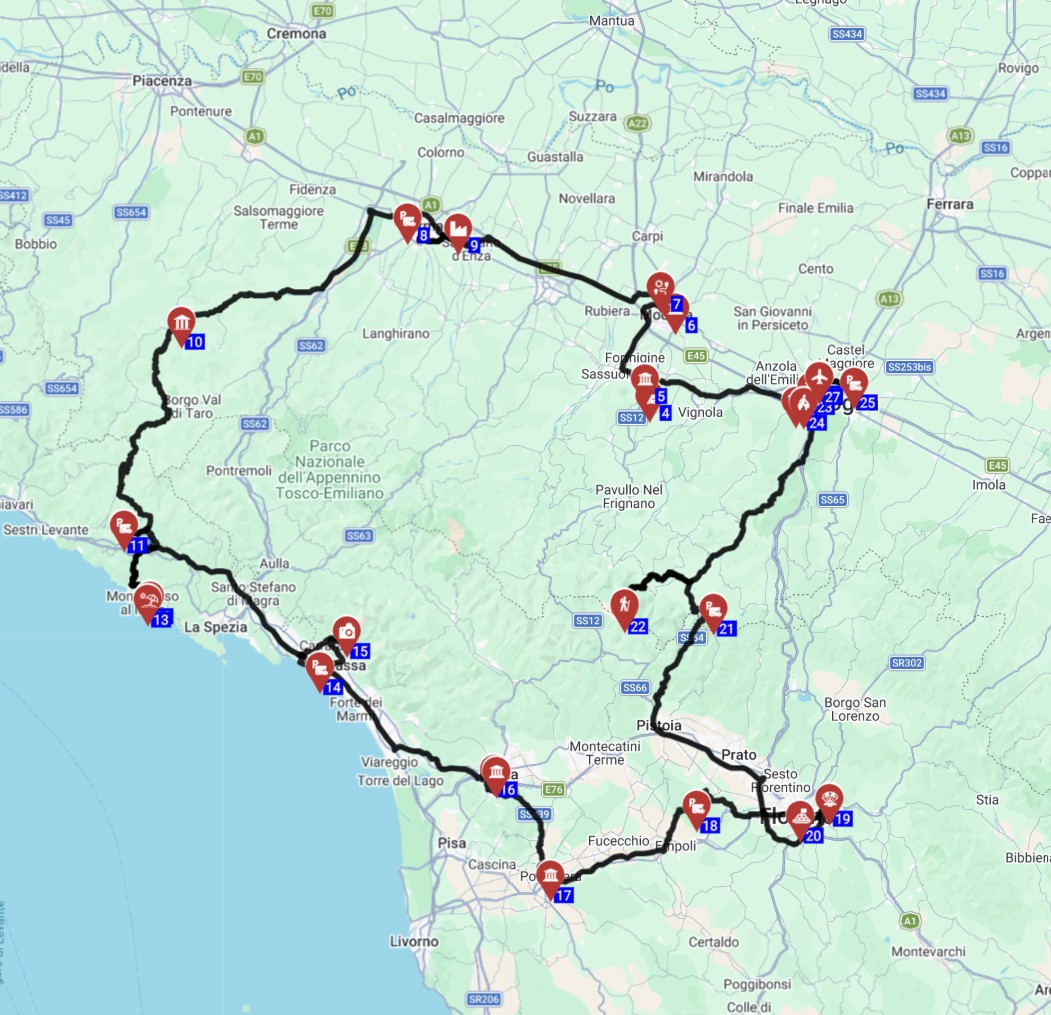
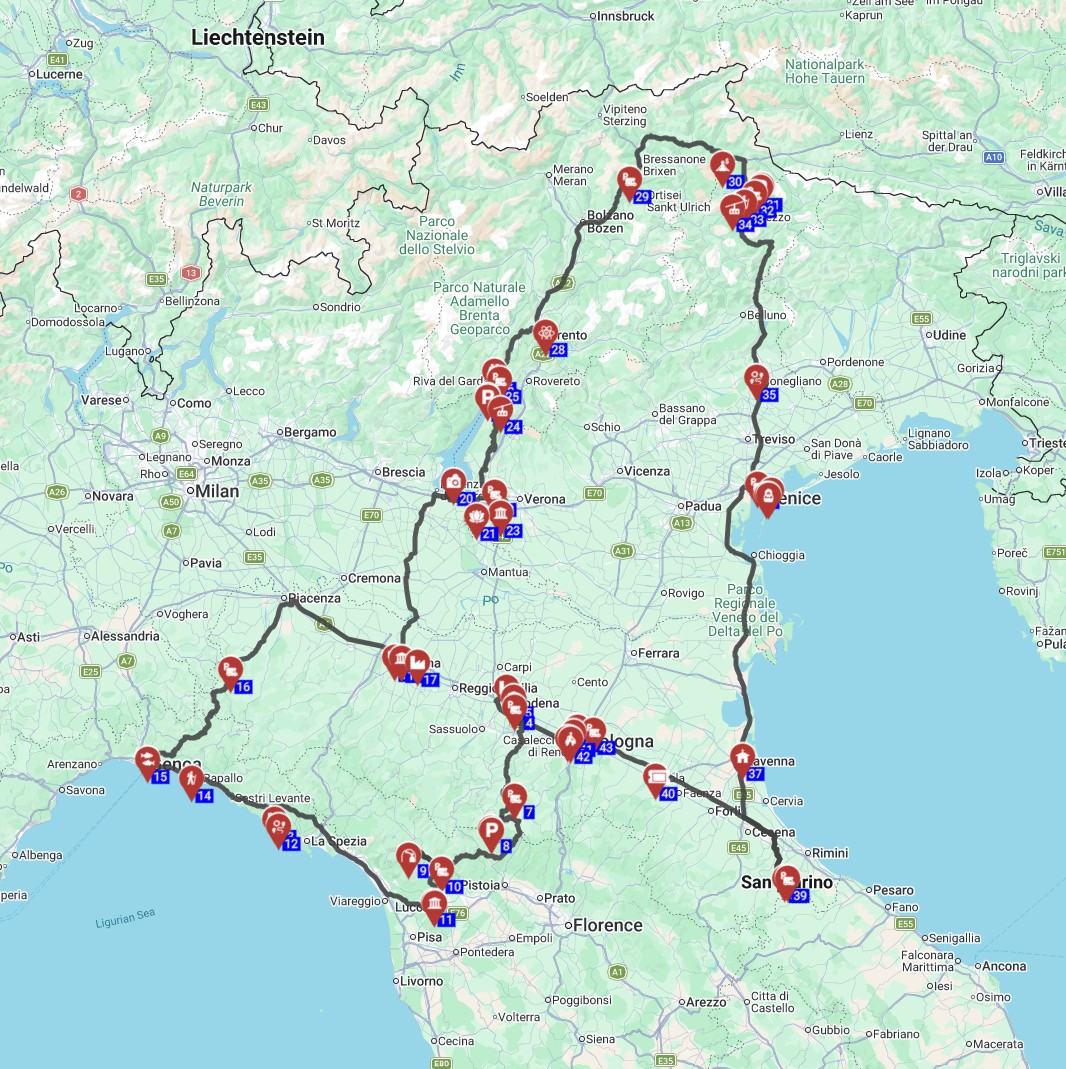
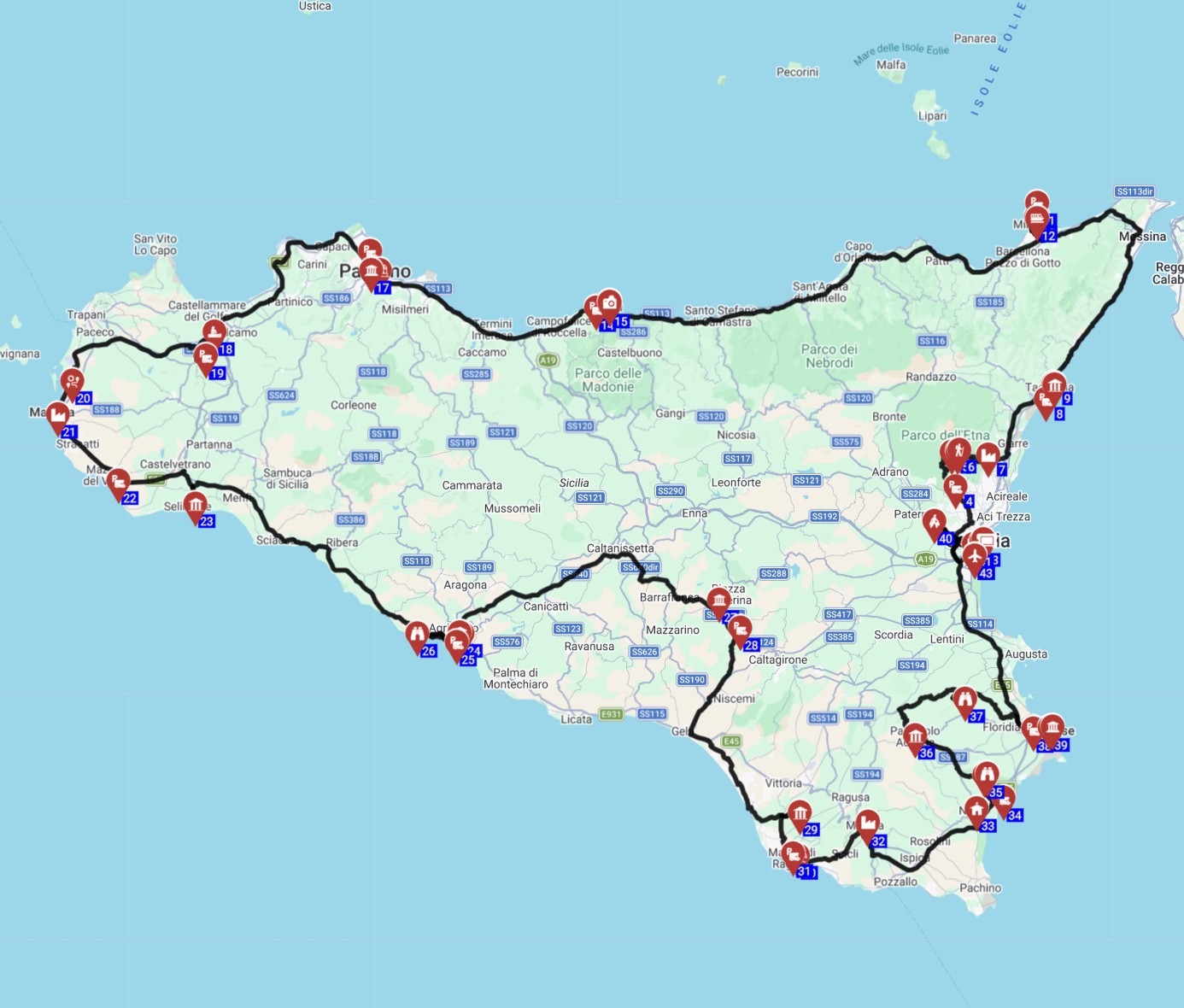
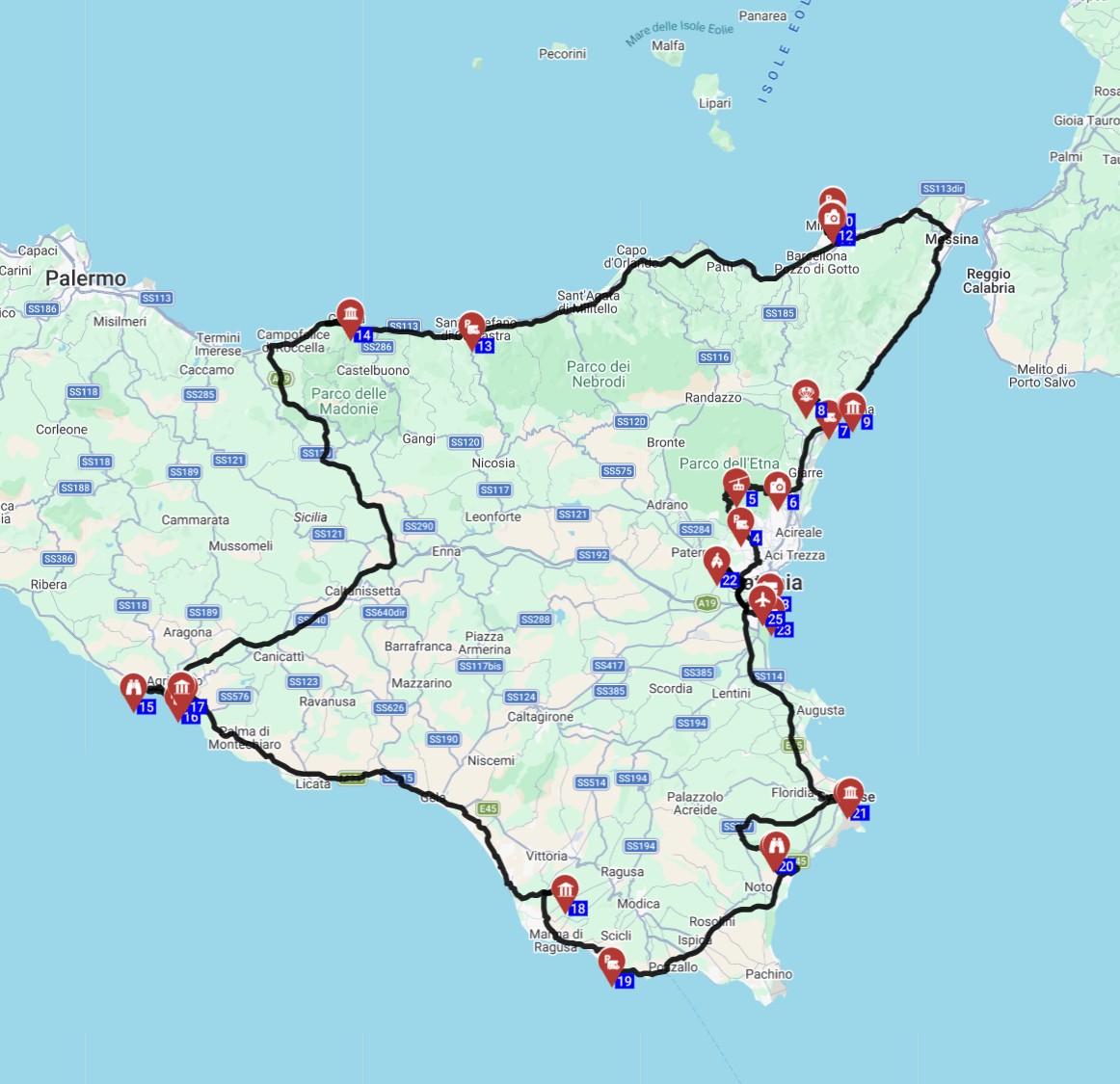
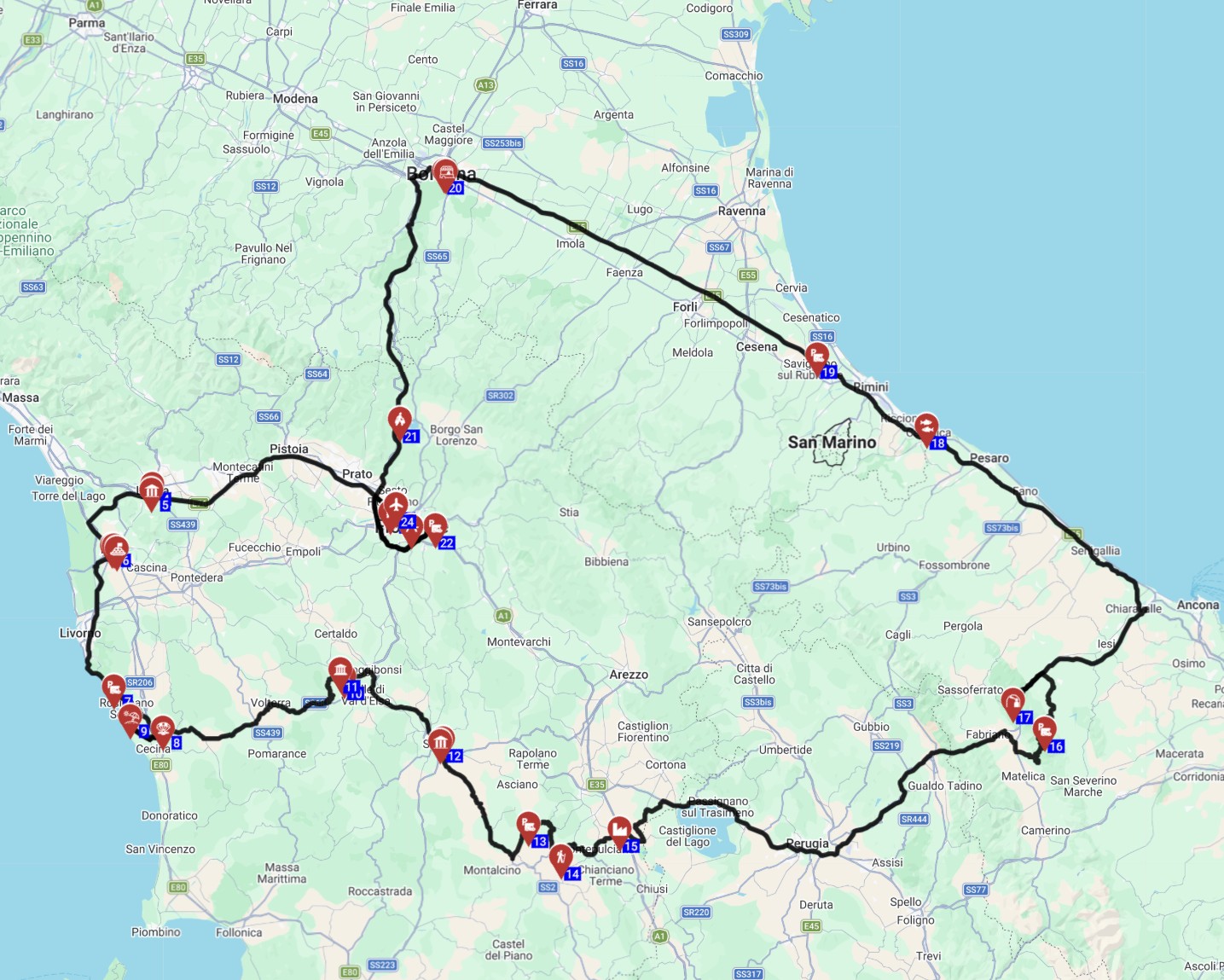
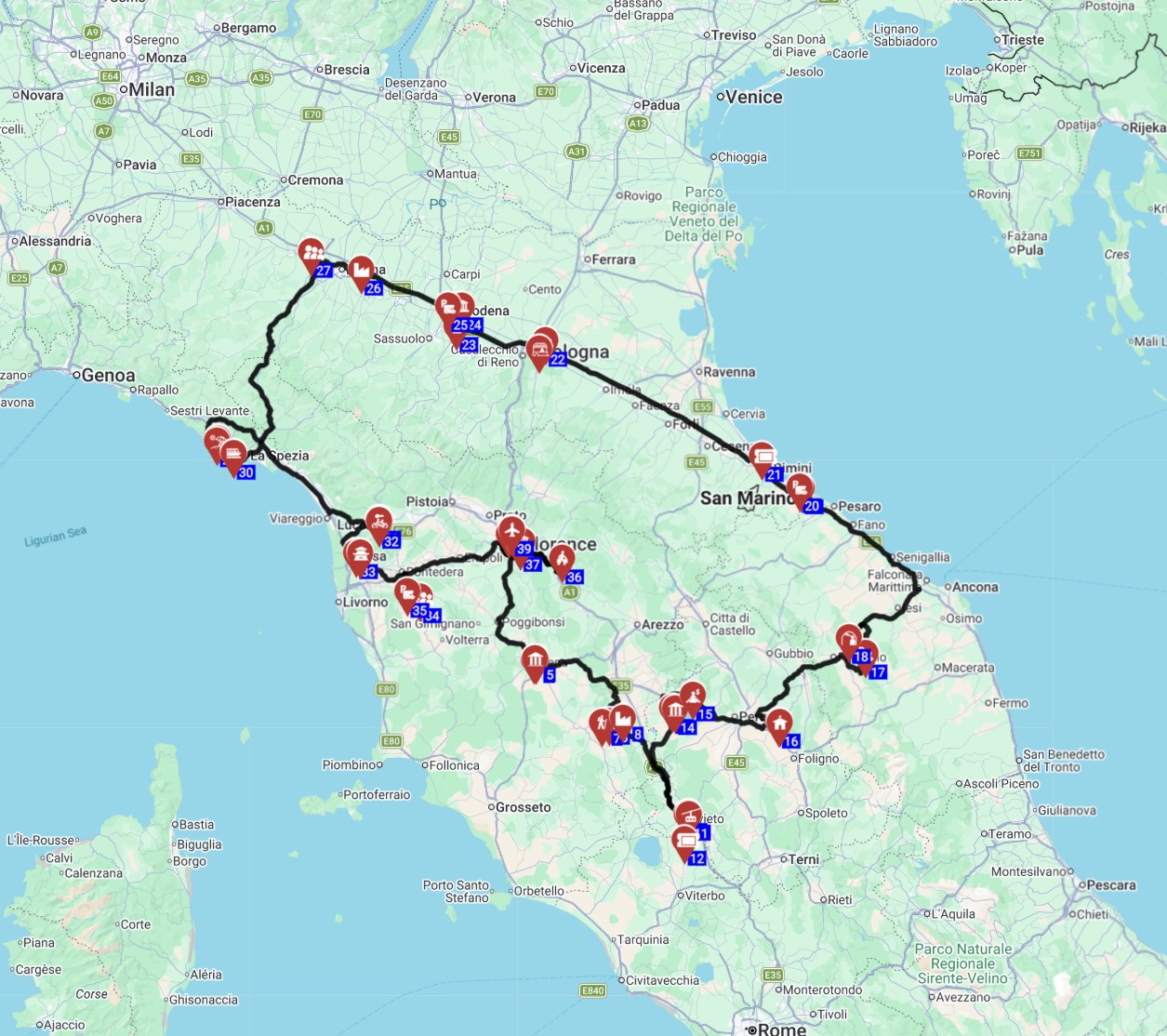
Popular RV routes in South Europe showcase stunning coastlines, rich historic sites, and magnificent natural parks, offering a perfect blend of cultural immersion and scenic drives. Iconic routes include the breathtaking Amalfi Coast in Italy, the rugged Atlantic Coast of Portugal, and the picturesque white villages of Andalusia in Spain. Croatia's Dalmatian Coast, with its ancient cities and island ferries, also offers an unforgettable RV experience. For travelers seeking off-the-beaten-path experiences, consider venturing into the lesser-known regions of inland Portugal, exploring the mountainous landscapes of northern Greece, or discovering the hidden gems of Sicily's interior. These routes often lead to less crowded spots, providing unique opportunities to engage with authentic local culture, savor regional cuisine, and immerse yourself in stunning scenery away from mainstream tourist hotspots. Remember to travel slowly, max 100-150 km per day on average, to truly feel the place. For inspiration, check out our "RV Travel Guide to South Europe - Tips and Top Spots 2026".How can I save money on an RV trip in South Europe?
To save money on an RV trip in South Europe, prioritizing booking your RV rental in advance is key, as early reservations often secure lower rates and better availability, especially for popular models like a "Group A Deluxe" campervan. Consider traveling during the shoulder or off-season, such as April-May or September-October, when rental prices are significantly lower. Minimizing fuel costs is crucial; drive conservatively, plan efficient routes to avoid unnecessary detours, and use navigation apps that factor in fuel efficiency. Reduce accommodation expenses by utilizing budget-friendly campsites or designated free overnight parking areas where permitted, rather than always opting for full-service resorts. Saving on food is simple: cook most of your meals in your RV, shop at local markets for fresh, affordable produce, and pack snacks and drinks to avoid expensive roadside stops. Finally, look for RV Rental Deals in South Europe - Latest Offers 2026 on comparison platforms like Bandana to ensure you’re getting the best possible price from our 50+ direct suppliers.What You Shouldn't Miss
- **The Douro Valley, Portugal:** Cruise through terraced vineyards along the Douro River in a Class B campervan, stopping at Quintas for wine tastings. It's a UNESCO World Heritage site known for its dramatic landscapes.
- **Puglia's Trulli Houses, Italy:** Discover the unique conical-roofed Trulli dwellings in Alberobello, a UNESCO site, and explore the charming Adriatic coastline with your rented motorhome.
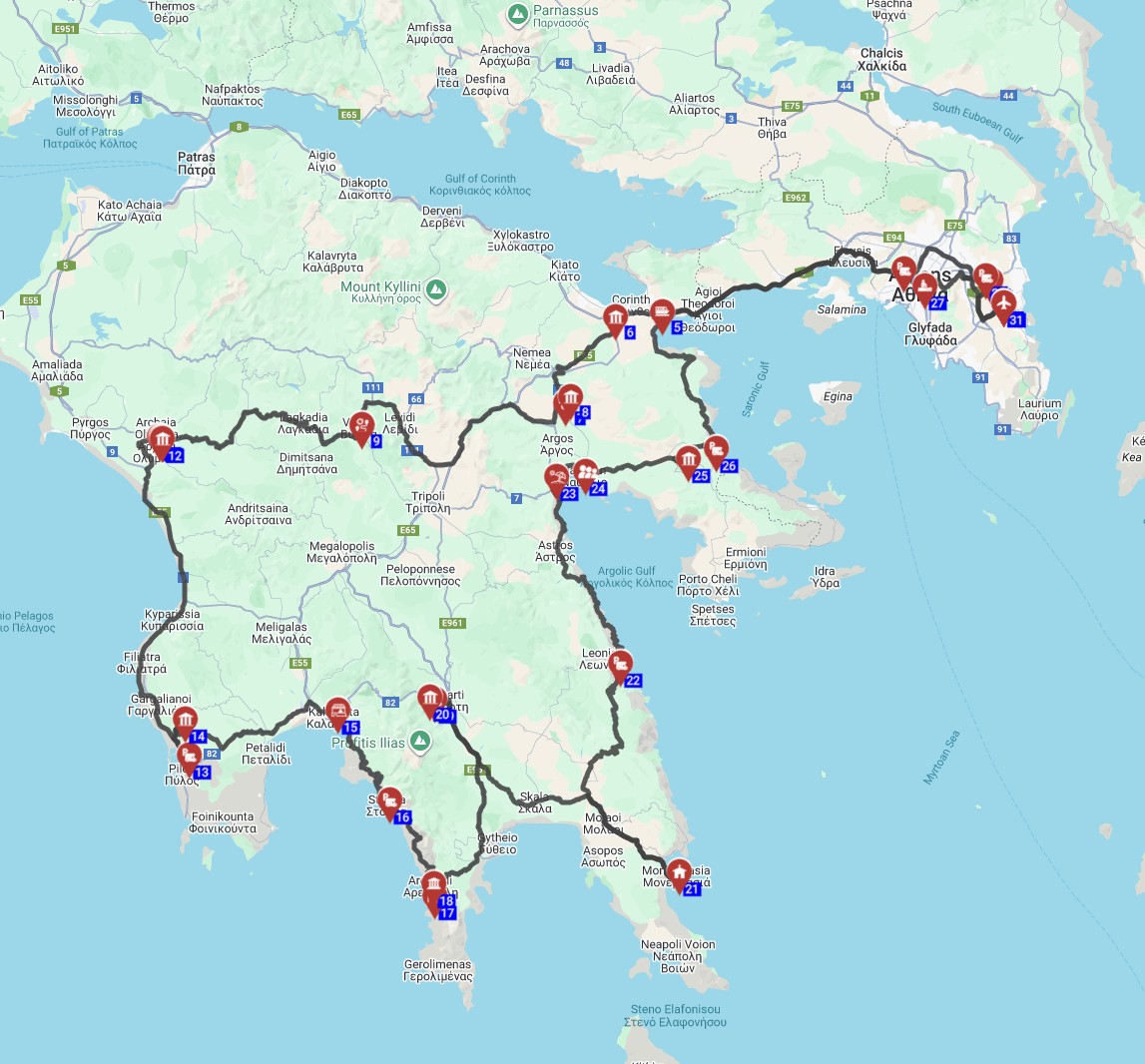
- **The Peloponnese Peninsula, Greece:** Drive around this historic peninsula, visiting ancient Olympia, Mystras, and Epidaurus, and finding secluded beaches along the way.
- **Andalusia's White Villages, Spain:** Navigate the scenic routes through the 'Pueblos Blancos' like Ronda and Grazalema, experiencing authentic Spanish culture and incredible mountain views.
- **Slovenia's Lake Bled:** While slightly north of the core South Europe region, its proximity makes it a worthwhile detour. Park your camper near the turquoise lake, visit the island church, and hike to Bled Castle.
- **Croatia's Plitvice Lakes National Park:** Witness the stunning cascading lakes and waterfalls, a truly unforgettable natural wonder that is easily accessible by RV.
Looking for expert insights from Avi Bandana? Top 5 Adventures - recommendations from Avi Bandana
🎬 Video coming soon
Final Thoughts
Embarking on an RV adventure in South Europe is more than just a vacation; it's an opportunity to create lasting memories, explore diverse landscapes, and immerse yourself in rich cultures. With the flexibility of a rented motorhome, you set the pace, discover hidden gems, and truly experience the heart of each destination. We've equipped you with all the essential knowledge, from driving rules to saving tips, ensuring your journey is as smooth and enjoyable as possible. Remember, the key to a successful RV trip in South Europe is planning with confidence and embracing the spirit of discovery. Our team is here to support you every step of the way, making sure you find the perfect vehicle and feel prepared for the road ahead. Get inspired for your next trip, knowing you have real people behind you, dedicated to making your RV dreams a reality. So, what are you waiting for? The open roads and enchanting destinations of South Europe are calling! Plan a trip itinerary in advance with minimal effort and maximum enjoyment, and get ready for an adventure of a lifetime.Compare Motorhome Prices for South Europe and start your journey today!
On the routes offered through RV PLANET routes, you can itemize and track every expense along the way for easy budgeting.