In This Guide
- Can You Drive an RV in Santiago? License & Age Rules
- Road Conditions & Terrain in Santiago
- RV Size Limits, Bridges & Restricted Zones
- Fuel: Diesel vs. Petrol & Cost per 100 km
- Tolls, Vignettes & Border Rules
- Driving Tips for rv rental deals Travelers
- Recommended RV Class for Santiago Roads
- Should I Choose a Compact Van Instead of a Large RV in Santiago?
- Can I Park Anywhere? Free & Wild Camping Rules in Santiago
- Can I Drive an RV Into the City Center? Heights, Tunnels & Local Signage
- How much does an RV trip cost in Santiago beyond the rental fee?
- Where can I find RV services like dump stations and fresh water near Santiago?
- What are the safety tips for RV travel in Santiago and Chile?
- What are the rules for crossing the border with an RV from Chile to Argentina?
- Can I bring my pet on an RV trip in Chile?
Embarking on a motorhome adventure in Santiago, Chile, offers unparalleled freedom to explore the vibrant city, the stunning Andes, and the Pacific coastline at your own pace. With a rented RV, you're not just booking a vehicle; you're unlocking a mobile home base for an unforgettable journey. At Bandana, we've been helping tens of thousands of travelers discover the world by RV since 2001, and we're here to share our expertise for your Santiago road trip. For live availability and current prices, start with our RV Rental Santiago - Complete Guide 2026 guide.
Can You Drive an RV in Santiago? License & Age Rules
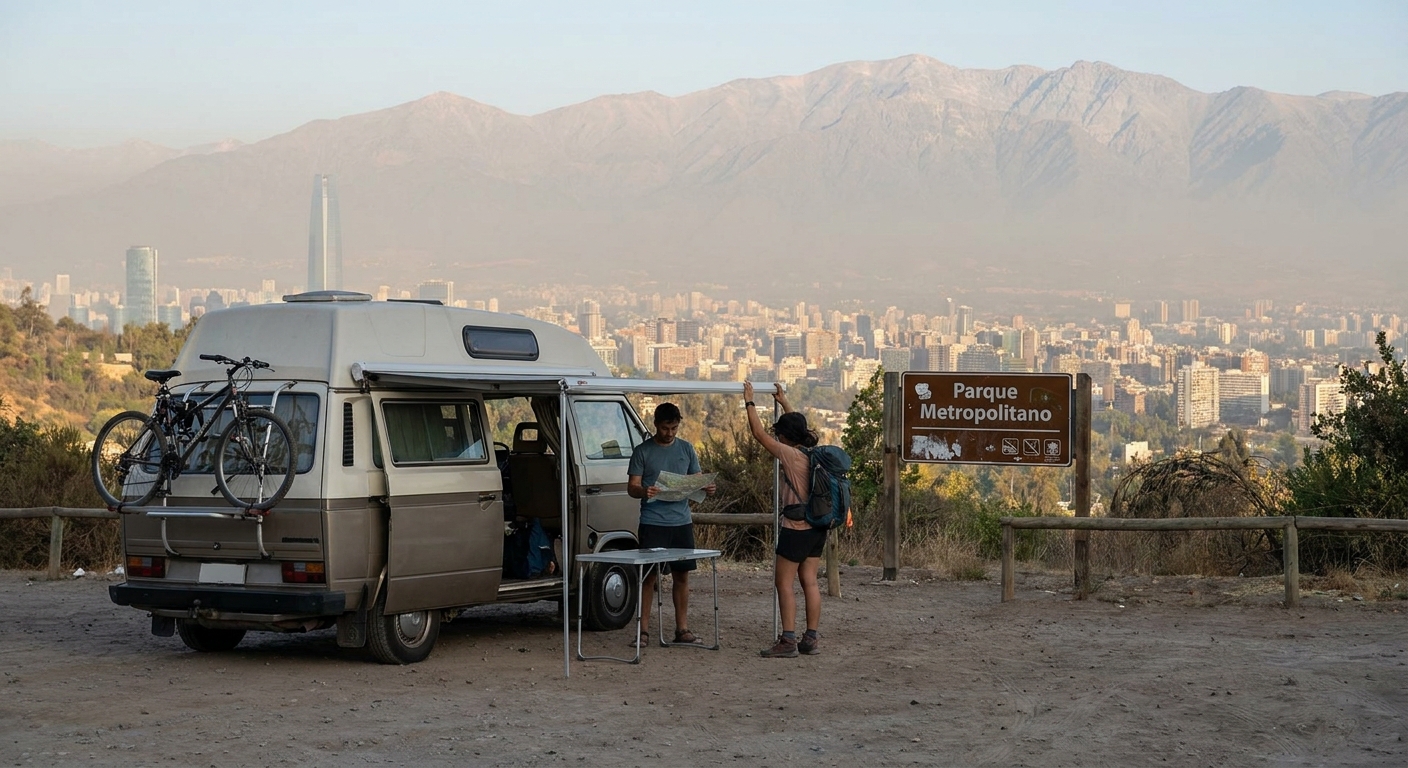
Yes, most standard RVs (under 3,500 kg Gross Vehicle Weight) can be driven in Santiago with a regular Class B Chilean driver's license or an International Driving Permit (IDP) alongside your valid national license.
The minimum driving age for an RV rental in Santiago is typically 21 years old across most Bandana partner suppliers, with no vehicle class restrictions or young driver surcharges based on age.
Foreign drivers from non-English-speaking countries are recommended to carry both their valid national driver's license and an International Driving Permit (IDP), which serves as an official translation, though it's not strictly mandatory in all cases. An IDP is easily obtained before your trip and provides an extra layer of peace of mind.
For RVs exceeding a Gross Vehicle Weight of 3,500 kg, a higher license category, such as Chilean Class A2 or A3, may be necessary, but these are generally not offered for recreational rental purposes. Our fleet primarily consists of motorhomes and campervans that fall within standard car license requirements, making RV travel accessible for almost everyone.
Road Conditions & Terrain in Santiago
Santiago's major highways and urban roads are generally well-maintained and paved, providing suitable conditions for RV travel.
RV drivers in the Santiago region will encounter diverse terrain, including bustling urban environments, open highways leading north and south, and winding mountain passes when venturing towards the Andes or scenic coastal areas like Viña del Mar. While primary routes are paved, exploring more remote or adventurous regions, particularly national parks such as Parque Nacional La Campana, may involve driving on gravel or unpaved roads. It is advisable to adopt a slower, more scenic driving pace, especially when navigating winding roads or less-traveled routes, to fully enjoy the breathtaking landscapes.
Remember that traveling slowly, ideally averaging no more than 100-150 km per day, allows you to truly feel the place, connect to the culture, savor the food, and immerse yourself in the scenery, which is the true joy of a rented motorhome adventure. Our Rent&Plan service can even provide pre-planned routes by professionals, helping you discover hidden gems.
RV Size Limits, Bridges & Restricted Zones
Most standard RVs can comfortably navigate Santiago's road network, though drivers must be vigilant for posted height restrictions, particularly for tunnels, older underpasses, and multi-story parking garages.
Common height limits for urban infrastructure can range from 3.5 to 4.2 meters, so it's essential to know your rented RV's exact height before heading out. For instance, a typical Class TC - Truck Camper like the "Patagonia Camper 4x4 double cab" is compact enough for most situations. Weight limits on bridges are primarily designed for heavy commercial transport, and most recreational motorhomes will easily fall within these permissible weights.
Santiago generally does not enforce specific environmental or low-emission zones that restrict RV access, but always consult current local signage for any temporary or evolving regulations. Drive slowly and carefully, and you can drive almost anywhere without issues. No need to stress - just use common sense and pay attention.
Fuel: Diesel vs. Petrol & Cost per 100 km
Diesel is a widely available fuel type for RVs across Chile and is common for Bandana's fleet, including popular options like a Class TC - Truck Camper or a "cruise america rv rental example Explorer" motorhome.
Bandana's Class TC - Truck Camper fleet typically achieves a common fuel consumption rate of 13 liters per 100 km. Assuming an average diesel price of approximately CLP 1,000 per liter (subject to market fluctuations), the estimated fuel cost for a Class TC - Truck Camper would be around CLP 13,000 (roughly $13.65 USD) per 100 km. While some rental motorhomes may include fuel discount cards or programs, offering potential savings, it's wise to factor this into your overall budget. For broader context on South American RV adventures, you might find our RV Rental Chile - Complete Guide 2026 insightful. On the routes offered through RV PLANET routes, you can itemize and track every expense along the way for easy budgeting.
Remember that prices for fuel, just like rental costs, are dynamic and can change daily based on availability and market conditions. Always plan your fuel stops, especially when venturing into more remote areas outside of Santiago.
Tolls, Vignettes & Border Rules
Santiago's urban highways utilize an electronic tolling system (TAG), requiring a transponder that can often be arranged or included by your RV rental provider.
Driving on TAG-only roads without a valid transponder can lead to significant fines, so pre-planning for tolls is crucial for your rented motorhome trip in Santiago. Crossing international borders with an RV, especially to Argentina, necessitates specific documentation, including a temporary vehicle import permit and express authorization from the rental company.
Bandana often provides options for pre-purchasing toll passes to ensure a smooth journey and avoid unexpected penalties. We believe in full transparency, so you'll never encounter hidden fees or surprises with our bookings. For detailed budgeting and to itemize all expenses, including tolls and border fees, we recommend exploring RV PLANET routes, which helps you track every cost along the way.
Driving Tips for rv rental deals Travelers
For families traveling in Santiago, planning regular stops every 2-3 hours for breaks, snacks, and stretching is key to keeping everyone comfortable on longer journeys. Imagine cooking up a quick lunch in your mobile home; check out our RV-friendly recipes playlist for ideas!
For budget travelers, consider purchasing an electronic toll pass in advance if offered by your rental company, and research free or low-cost camping options to manage expenses. Santiago offers various camping experiences, from bustling city-adjacent parks to tranquil mountain retreats.
For luxury seekers, inquire about RVs with automatic transmissions for easier driving in both urban Santiago traffic and mountainous terrain, enhancing overall comfort. Vehicles like the "V3" or "V2L" campervans from our fleet offer a smooth automatic driving experience for a couple.
Navigate urban Santiago by being vigilant in the city center, as traffic can be dense and local drivers aggressive; always check mirrors and be aware of smaller vehicles and motorcycles. While the urban environment can be busy, take it slow and be mindful of your surroundings, and you'll find it manageable. Respect the Environment by adhering to 'leave no trace' principles, especially in natural areas, to preserve Chile's delicate ecosystems.
God is in the small details, and we take care of them, making your Santiago RV experience hassle-free.
Recommended RV Class for Santiago Roads
The Class TC - Truck Camper is a highly recommended RV class for navigating Santiago's roads and exploring the surrounding Chilean landscape due to its optimal balance of maneuverability and comfort.
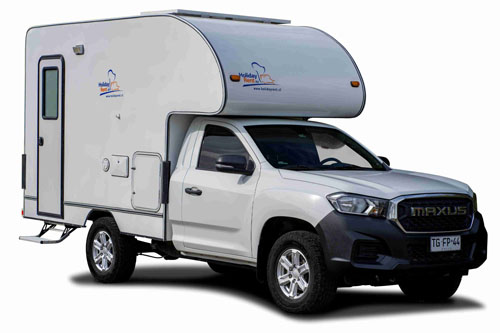
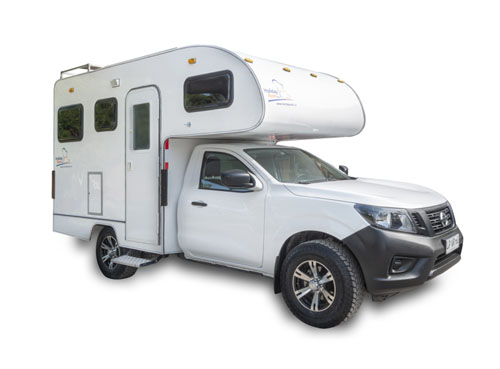
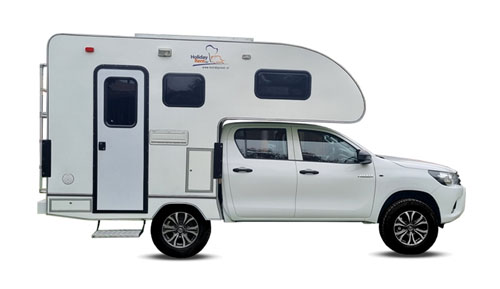
With an average length of 5.6 meters, Bandana's Truck Camper fleet, such as the "Patagonia Camper 4x4 double cab," offers easier handling in urban settings and greater access to tighter spots compared to larger motorhomes. These vehicles typically provide comfortable sleeping arrangements for an average of 2.7 people, making them ideal for couples or small families. Truck Campers generally feature sufficient ground clearance, which is beneficial for varied road conditions, including unpaved tracks often found en route to national parks or remote viewpoints near Santiago. If you're traveling as a couple, you might find our "RV Rental in Santiago for Couples - Pricing 2026" guide helpful for specific recommendations.
Should I Choose a Compact Van Instead of a Large RV in Santiago?
While compact vans offer slightly superior maneuverability in very confined urban centers or extremely narrow, winding mountain passes, most standard RV sizes, such as a Truck Camper, can comfortably navigate Santiago and its major routes.
The primary advantage of choosing a slightly larger RV like a Class TC often lies in significantly enhanced indoor comfort, more living space, and better amenities (e.g., dedicated bathroom, kitchen), which can elevate the overall travel experience, especially for extended road trips. A compact van might be a better choice if your itinerary strictly involves frequent parking in bustling, highly congested downtown areas with extremely limited spaces or if you plan to tackle genuinely challenging, off-road mountain tracks.
For the majority of RV travelers in Santiago, the increased comfort and facilities of an RV like a Truck Camper typically outweigh the marginal maneuverability benefits of a compact van, especially when considering longer trips. We handle the details, you live the journey, and that includes finding the right vehicle for your adventure, whether it's a nimble campervan or a spacious motorhome.
Can I Park Anywhere? Free & Wild Camping Rules in Santiago
Free and wild camping in Santiago and its developed surrounding areas is generally restricted and discouraged, particularly on private property or within urban boundaries.
Designated campgrounds, including private sites like Camping Parque Mahuida and those within national parks, offer the most reliable and legal options for overnight RV parking in the Santiago region, often providing essential services like fresh water and dump stations. While wild camping may be tolerated in truly remote, undeveloped regions of Chile, it is imperative to always adhere strictly to 'leave no trace' principles and respect local land rights. Rules for overnight parking and wild camping vary significantly by region and specific municipality in Chile; always check local regulations and follow local law before parking overnight to avoid issues. For finding campsites and campgrounds during your trip, we recommend using RV PLANET (rvplan.net) - a great resource for locating available spots along your route.
Can I Drive an RV Into the City Center? Heights, Tunnels & Local Signage
Yes, you can generally drive an RV into Santiago's city center on major arterial roads and main avenues, but paying close attention to local signage is critical.
Drivers must be especially aware of posted height limits for tunnels, underpasses, and urban parking garages in central Santiago, which can be restrictive for larger RVs. Some older streets in central Santiago may be narrow, presenting a navigation challenge for larger motorhomes; utilizing GPS with RV-specific routing can be beneficial. Always watch for signs indicating environmental zones (though rare for general vehicles in Santiago) or 'residents-only' parking areas, and heed any low bridge warnings. Drive slowly and carefully, and you can drive almost anywhere without issues. No need to stress - just use common sense and pay attention.
When seeking "Cheap RV Rental in Santiago - Budget Guide 2026" options, consider how vehicle size might impact your comfort level with city driving.
How much does an RV trip cost in Santiago beyond the rental fee?
Beyond the initial rental cost, a significant portion of an RV trip budget in Santiago will be allocated to fuel, with a Class TC - Truck Camper averaging around CLP 13,000 per 100 km.
Toll roads, especially Santiago's electronic TAG system on major arteries like Autopista Central and Costanera Norte, are a key expense; ensure your rental includes a transponder or factor in these costs to avoid fines. Budget for national park entrance fees, which vary for Chilean residents versus foreign visitors (e.g., CONAF fees for national parks such as Parque Nacional Radal Siete Tazas). Average nightly costs for designated campgrounds in Chile typically range from CLP 15,000 to CLP 40,000, depending on location, season, and available amenities. Don't forget propane refills, which are generally available at larger gas stations or specialized shops in Santiago. When planning your budget, remember that prices are dynamic like flight tickets, changing daily based on availability and seasonality. For comprehensive budgeting, RV PLANET routes allow you to itemize and track every expense along the way.
Where can I find RV services like dump stations and fresh water near Santiago?
Reliable locations for essential RV services, including fresh water refills and dump stations near Santiago, are primarily found at established campgrounds and some larger service stations.
Utilize RV-specific navigation apps such as iOverlander or Campercontact, which provide crowdsourced information on service points, including their locations and amenities in and around Santiago. For example, Camping Municipal de San José de Maipo, southeast of Santiago, often has these facilities. While some petrol stations or municipal facilities may offer water, dedicated dump stations are less common outside of official campgrounds. Always verify the availability and operating hours of any potential service point before arriving, especially when traveling in more remote regions. If you are exploring "RV Travel Guide to Santiago - Tips and Top Spots 2026," ensuring you know your service stops is key to a smooth trip.
What are the safety tips for RV travel in Santiago and Chile?
To maximize safety while traveling with a rented motorhome in Santiago and Chile, always opt for secure, well-lit parking areas or designated campgrounds for overnight stays, particularly within urban Santiago.
Exercise vigilance against petty crime; avoid leaving valuables visible inside your RV and ensure all doors and windows are locked, even when you are present. Familiarize yourself with local emergency numbers (e.g., 133 for police, 131 for ambulance) and note the locations of major hospitals along your planned route. Share your itinerary with family or friends, and consider carrying a satellite communication device for areas with limited mobile signal, especially when venturing into remote regions like those mentioned in our "RV Rental Chile - Complete Guide 2026".
What are the rules for crossing the border with an RV from Chile to Argentina?
Crossing the border between Chile and Argentina with an RV requires specific documentation, including obtaining a temporary vehicle import permit at the border crossing itself, such as Paso Los Libertadores.
You will need a notarized authorization from your RV rental company explicitly stating permission for the vehicle to cross international borders, as this is a critical legal requirement. It is crucial to ensure your vehicle insurance policy provides coverage for international travel into Argentina, as standard Chilean policies may not be sufficient. If traveling with pets, ensure you possess all necessary pet travel documents, including health certificates and vaccination records, in compliance with both Chilean and Argentinian regulations. Our 24/7 support is here to assist with pre-booking questions and post-booking coordination, including advice on necessary documents for international crossings.
Can I bring my pet on an RV trip in Chile?
Bringing pets on an RV trip in Chile depends entirely on the specific rental company's policy; many Bandana partners offer pet-friendly RVs, often for an additional fee.
For international visitors, entering Chile with a pet requires specific veterinary health certificates and import permits from SAG (Servicio Agrícola y Ganadero) in advance. It's essential to research pet-friendly campgrounds and national parks, as many protected areas in Chile have strict regulations or outright bans on pets to safeguard local wildlife. Always ensure your pet is safely secured during travel, has consistent access to fresh water, and have a plan for accessing veterinary services in case of an emergency. For options, be sure to consult our "Pet-Friendly RV Rental in Santiago - Pricing 2026" guide.
What You Shouldn't Miss
- **Explore the Maipo Valley:** Just south of Santiago, this wine region offers stunning vineyards and the chance to taste some of Chile's best wines. Many offer RV-friendly parking.
- **Ascend Cerro San Cristóbal:** Drive your rented motorhome up for panoramic views of Santiago and the Andes, or park nearby and take the funicular.
- **Visit Valparaíso and Viña del Mar:** Take a coastal detour to these vibrant cities, known for their colorful hills and beautiful beaches.
- **Hike in Parque Natural Aguas de Ramón:** A short drive from Santiago, this park offers easy to challenging trails and waterfalls, perfect for a day trip.
- **Stargazing in Cajón del Maipo:** Venture into this Andean canyon for breathtaking mountain scenery, hot springs, and incredible night skies, a perfect spot for an RV overnight.
🎬 Video coming soon
Looking for expert insights from Avi Bandana? Top 5 Adventures - recommendations from Avi Bandana
Final Thoughts
A motorhome adventure in Santiago, Chile, promises an incredible journey filled with diverse landscapes, rich culture, and the freedom only a rented RV can provide. From navigating urban streets to winding through the Andes, you're set for an experience that's both exhilarating and deeply personal. Remember to embrace slow travel, allowing yourself the time to truly connect with every place you visit.
At Bandana, we're dedicated to making your RV rental experience seamless and transparent from the moment you start planning until your return. With our expertise and comprehensive support, you can confidently hit the road knowing all the details are taken care of.
Imagine yourself waking up to mountain views, preparing breakfast in your mobile kitchen, and setting off for another day of exploration in stunning Chile. Your adventure starts here!
Find Motorhome Rentals in Santiago