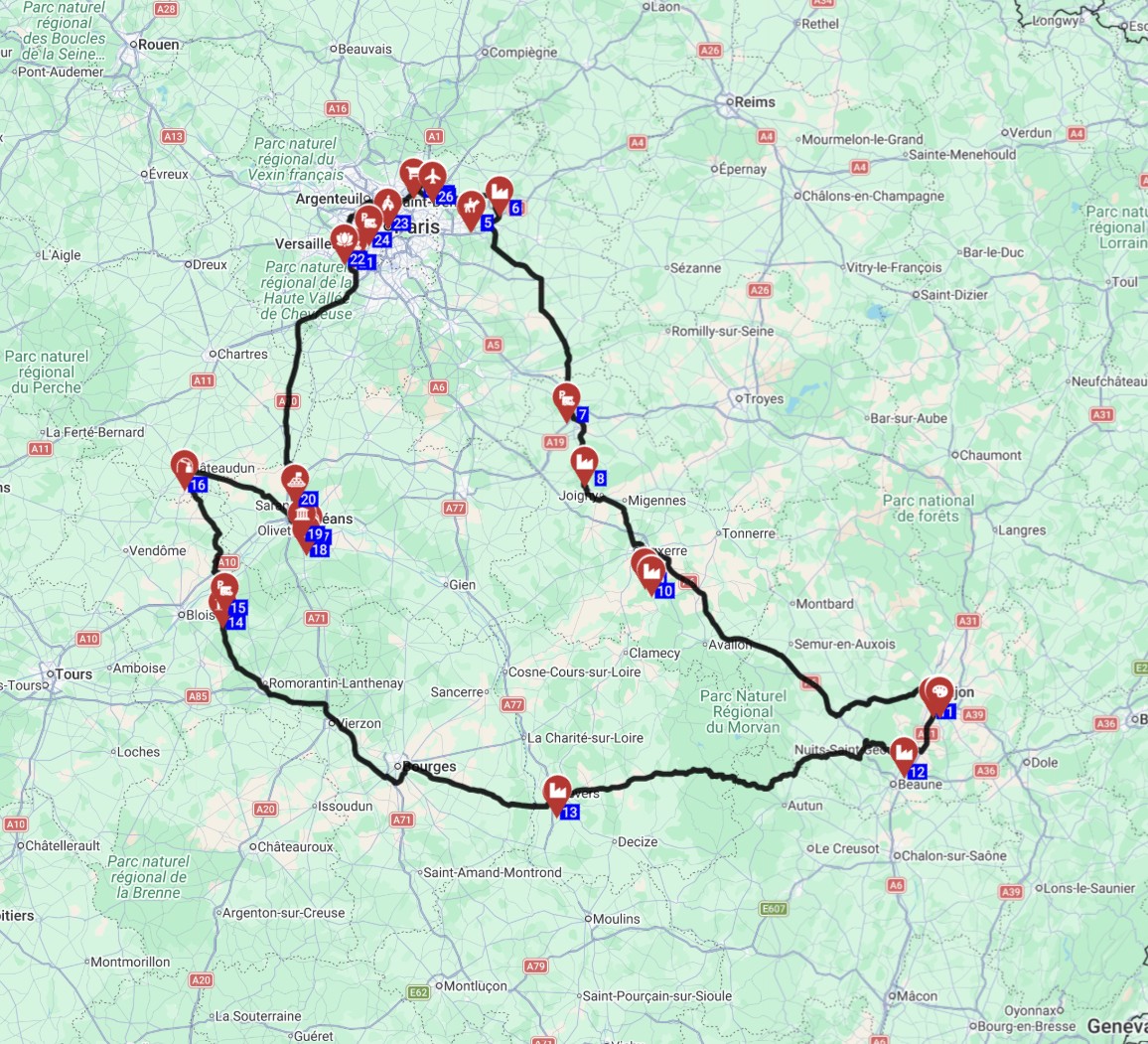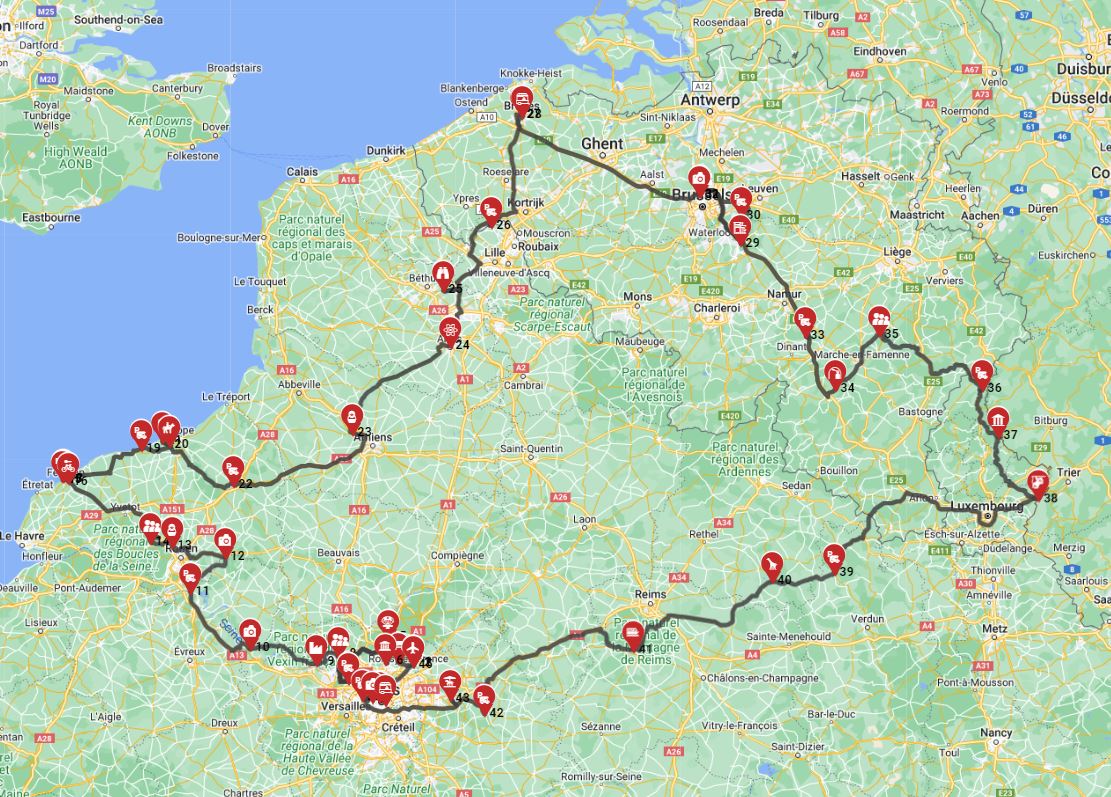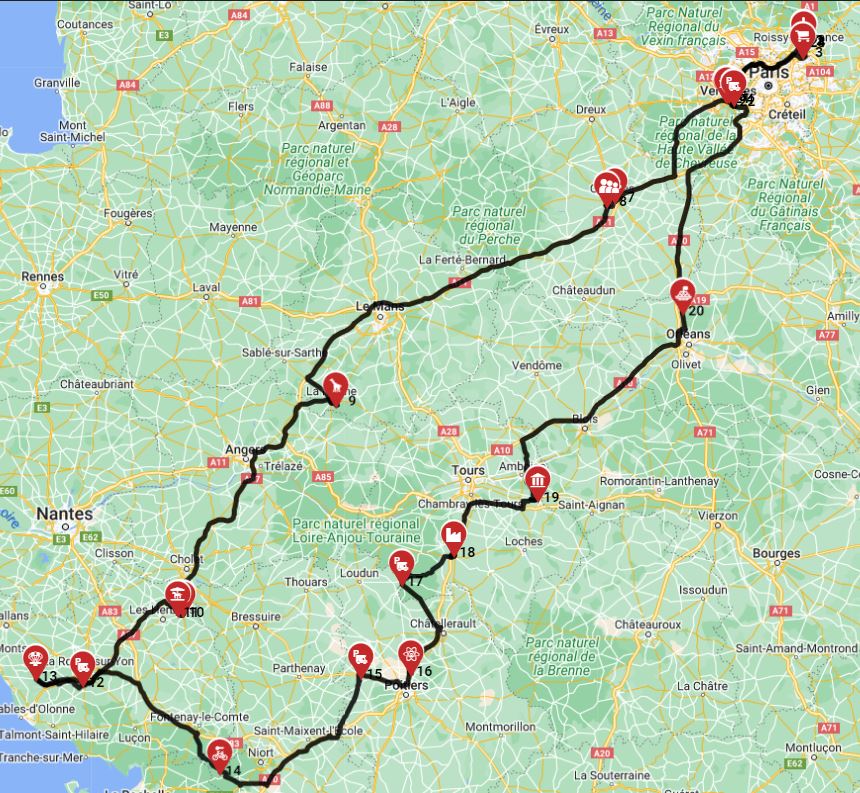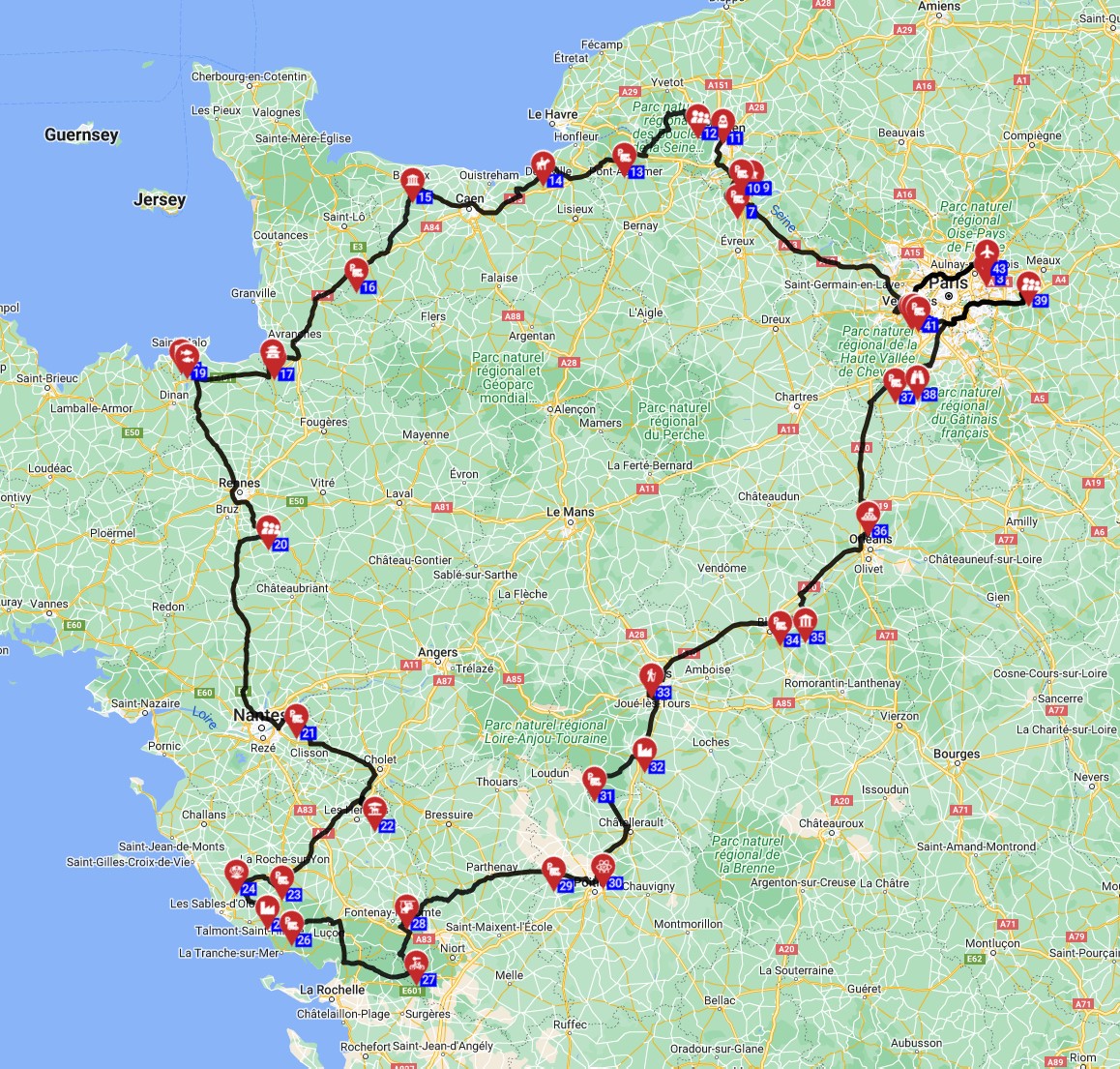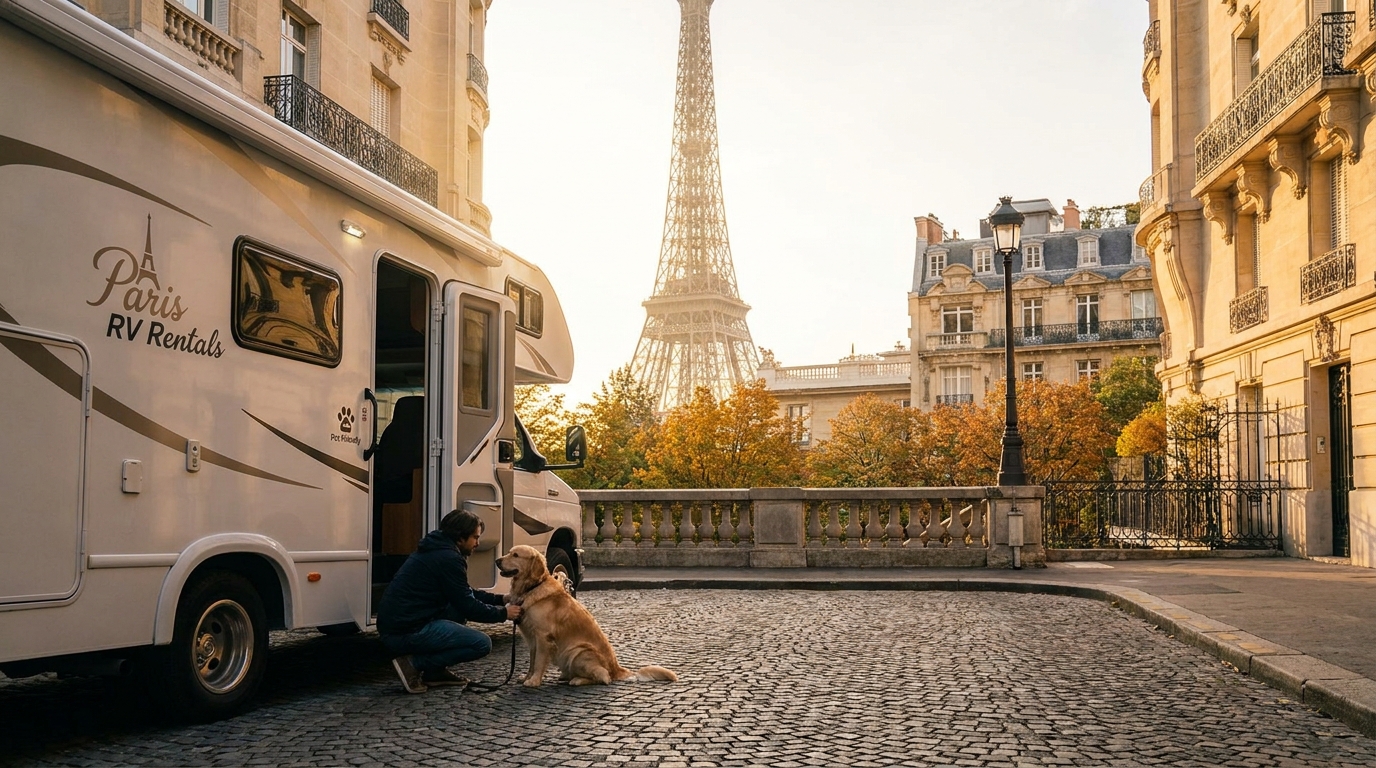
Embarking on an RV adventure in Paris offers a unique way to experience the City of Lights and the stunning French countryside, blending urban exploration with the freedom of the open road. At Bandana RV, we specialize in making these dreams a reality, providing full transparency and 24/7 support from real people. Imagine yourself cruising through charming villages and then setting up your mobile home near historical landmarks. For live availability and current prices, start with our RV Rental Paris - Complete Guide 2026 guide.
Can You Drive an RV in Paris? License & Age Rules
A standard B driver's license is sufficient for driving most rental campervans and semi-integrated motorhomes in France, provided their total weight does not exceed 3.5 tonnes (3,500 kg). This means many popular choices, like a compact rv rental denver example Category Van or a hire campervan example Paradise S/T, are easily accessible. For larger RVs exceeding 3.5 tonnes, a C1 license (or equivalent) is typically required, as these vehicles fall under stricter commercial regulations. The minimum driver age for most rv rental deals in Paris is generally 21, though some premium or larger Class A motorhomes might require drivers to be 25 years or older with several years of driving experience. Non-EU drivers will need to carry their national license accompanied by an International Driving Permit (IDP) for legal driving throughout France. You can compare Motorhome Prices for Paris effortlessly through our platform.
Road Conditions & Terrain in Paris
Road conditions in Paris and the surrounding Île-de-France region are generally well-maintained, offering a smooth ride for your rented motorhome. However, urban areas present a unique set of challenges with narrow streets, occasional cobblestone sections, and significant traffic density, particularly around famous landmarks like the Arc de Triomphe or along the Seine. The terrain directly within Paris is mostly flat, which is manageable for all classes of RVs. Rural routes just outside the city, heading towards areas like Fontainebleau, might feature gentle inclines but nothing strenuous for a typical campervan. Navigating Parisian streets requires driving slowly and carefully, paying close attention to pedestrians, cyclists, and scooters. No need to stress-just use common sense and pay attention. For a more relaxed experience, consider using public transport from a campsite outside the city to explore central Paris, as detailed in our RV Rental Paris - Complete Guide 2026.
RV Size Limits, Bridges & Restricted Zones
RV travelers in Paris must pay close attention to height and weight restrictions due to numerous low bridges, tunnels, and underground parking garages. Standard height limits for city infrastructure can range from 3.5m to 4m, but specific signs must always be observed, especially in older districts and for accessing car parks. Larger motorhomes, such as an rv rentals example Comfort Class, will require extra vigilance. Paris operates a Crit'Air environmental zone (Zone à Faibles Émissions - ZFE), which requires all vehicles, including RVs, to display a vignette indicating their emissions level, with restrictions becoming stricter for older, higher-emission vehicles. Failing to display this sticker can result in fines from €68. Larger RVs (over 3.5 tonnes) also face specific weight-based restrictions on certain roads and bridges, particularly in historic areas, making careful route planning essential. You will find comprehensive information about this in our RV Rental France - Complete Guide 2026.
Fuel: Diesel vs. Petrol & Cost per 100 km
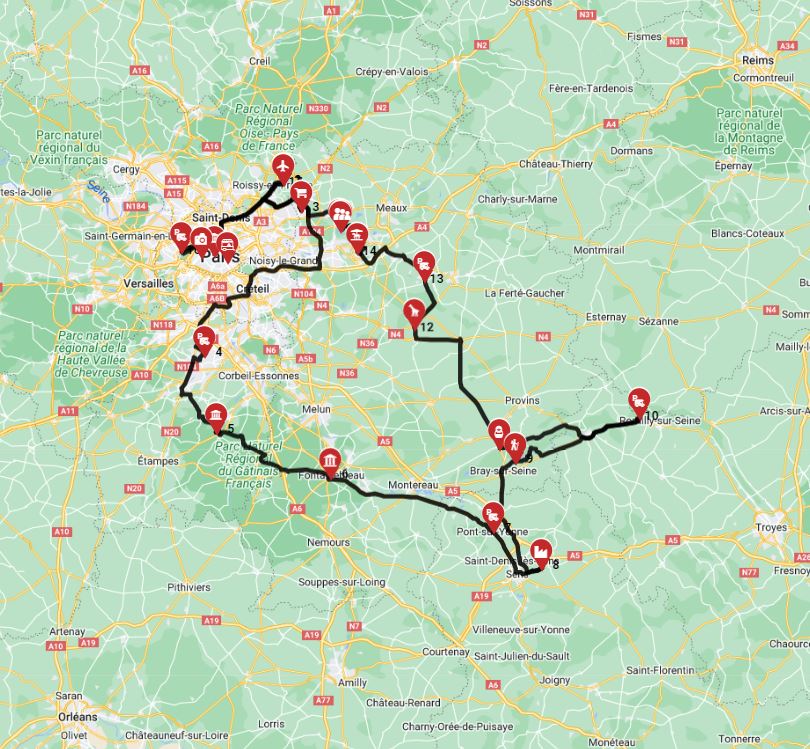
Diesel is the predominant fuel type for RVs rented in Paris, readily available at most service stations across France, making it easy to refuel your adventure vehicle. For a compact Class B - Camper Van, such as the 2 Berth Hi Top, common fuel consumption ranges from 9-15 liters per 100 km, depending on driving style and terrain. Semi-integrated (Class SI) RVs in Paris, like a 2 Berth Rover, typically consume 10-20 liters per 100 km, while Alcove (Class C) models like a 4 Berth Deluxe generally use 10-12 liters per 100 km. To accurately estimate your fuel cost for an extended road trip, multiply the average consumption for your chosen RV class by the current price of diesel in France, which, like flight tickets, can fluctuate daily. Remember that on RV PLANET routes, travelers can itemize and track every expense along the way for easy budgeting. On the routes offered through RV PLANET routes, you can itemize and track every expense along the way for easy budgeting.
Tolls, Vignettes & Border Rules
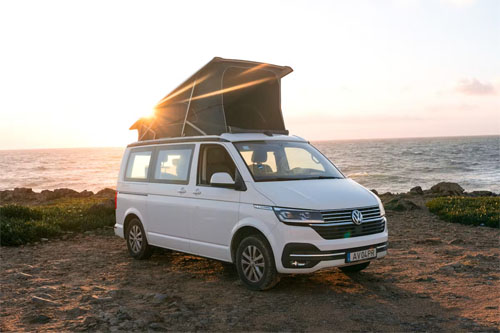
Most motorways (autoroutes) in France are toll roads, which are generally well-maintained and allow for efficient travel across the country. RVs are typically classified into different vehicle categories (Class 2, 3, or 4) based on their height and weight, which directly affects the toll price. For example, a larger Class C motorhome might fall into a higher category than a compact campervan. There are no national vignettes required for motorways in France; tolls are paid per-use at booths or electronically via a 'télépéage' badge, which is a small device that allows automatic payment and can save time. Many Bandana partners offer the option to pre-purchase or rent these toll passes, such as the Liber-t badge, which offers automatic payment and can save time at toll booths. For RVs traveling in and around Paris, many ring roads and surrounding motorways are subject to tolls, which should be factored into the overall trip budget. Our "One-Way RV Rental in Paris - Price Guide 2026" can provide more insights into potential costs.
Driving Tips for RV Rental Deals Travelers
Planning your routes meticulously is crucial, especially when navigating urban areas of Paris, to ensure a smooth and enjoyable journey. Utilize GPS systems that allow for RV-specific dimensions (height, length, weight) to avoid unexpected height limits near Pont Neuf or narrow streets in Le Marais. For families exploring France in a spacious Class C motorhome like an "rv rentals example Comfort Class," schedule regular stops every 2-3 hours to prevent driver fatigue and allow everyone to stretch their legs and enjoy local attractions. Traveling slowly, with an average of max 100-150 km per day, allows you to truly feel the place, connect to the culture, the food, and the scenery. Budget-conscious travelers should consider using secondary 'N' or 'D' roads more frequently to avoid motorway costs, though this may increase travel time. Always be aware of local signage, particularly for speed limits, which can differ for RVs over 3.5 tonnes, and environmental zones (Crit'Air) in Paris and other major cities. Practice backing up and maneuvering in open spaces before entering busy areas, as city parking and narrow streets can be challenging for larger vehicles. Remember to explore our "RV Travel Guide to Paris - Tips and Top Spots 2026" for more detailed advice.
Recommended RV Class for Paris Roads
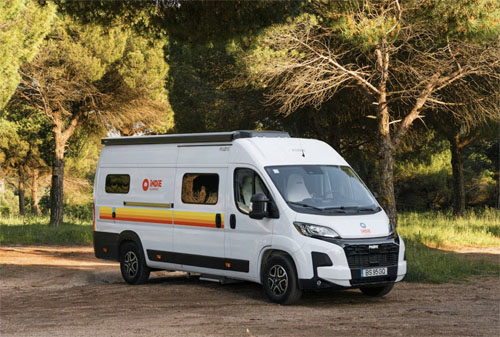
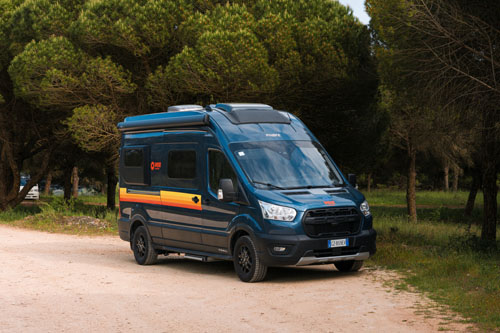
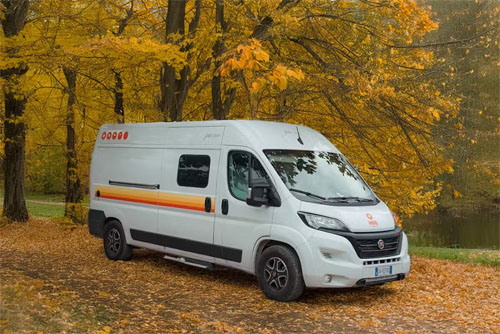
For navigating Paris roads and exploring its periphery, a Class B - Camper Van is highly recommended due to its compact size, offering exceptional maneuverability and easier parking access. These campervans, often around 5.5 meters in length like a `2 Berth Hi Top`, provide the agility needed to handle narrower city streets and avoid many height restrictions. Alternatively, a Class SI - Semi-integrated RV, averaging around 6.9 meters in length, provides a good balance of interior comfort and manageable dimensions for exploring the regions around Paris with occasional city access. These smaller classes, available from many of our 50+ leading RV suppliers worldwide, are less likely to encounter height or weight restrictions compared to larger Class C or A models. The smaller footprint of these RVs also contributes to slightly better fuel efficiency for urban and suburban driving, an important consideration for your trip cost estimation when planning your RV Rental in Paris - Prices and Best Deals 2026.
Should I Choose a Compact Van Instead of a Large RV in Paris?
While a compact campervan (Class B - Camper Van) undeniably offers greater ease for navigating very tight historic centers and finding parking in Paris, larger RVs (Semi-integrated or Alcove) provide significantly more comfort and indoor living space, which are often priorities for longer trips for families or groups. In Paris specifically, even compact vans will find city center parking challenging and subject to Crit'Air restrictions; however, they are less prone to height and width limits than larger vehicles. Choosing a larger RV, such as a Semi-integrated model with an average length of 6.9 meters, like a `2 Berth Tamar` can still be a viable option for Paris if you plan to park at a dedicated campsite on the outskirts, such as Camping de Paris in Bois de Boulogne, and use public transport for city exploration. Ultimately, the decision balances maneuverability for urban sections with the desired level of onboard amenities and living space for your overall RV adventure, and Bandana RV helps you compare all options for your optimal experience.
Can I Park Anywhere? Free & Wild Camping Rules in Paris
Within Paris city limits, free or wild camping in an RV is practically non-existent and largely illegal due to strict urban regulations, making designated campsites or paid parking essential for overnight stays. RV travelers seeking to visit Paris should plan to stay at one of the many RV-friendly campsites located on the outskirts of the city, which offer facilities and good public transport links into the city center. For example, Camping de Paris in the Bois de Boulogne offers easy access to the city via shuttle and public transport. France generally tolerates wild camping in rural areas where not explicitly forbidden, but this rule does not apply to highly populated urban zones like Paris or its immediate suburbs. Always check local regulations and follow local law before parking overnight, as rules vary significantly by commune and regional authorities. For finding campsites and campgrounds during your trip, we recommend using RV PLANET (rvplan.net) - a great resource for locating available spots along your route.
Can I Drive an RV Into the City Center? Heights, Tunnels & Local Signage
You can generally drive an RV into the city center of Paris, but it requires careful attention to numerous restrictions and local signage, including height limits for tunnels like the Pont de l'Alma tunnel, specific street widths, and environmental zones. Drivers must be especially vigilant for signs indicating low bridges, underground parking entrances (which RVs typically cannot use due to height), and specific zones with access restrictions for larger vehicles or residents only. The entire city of Paris, specifically within the A86 ring road, is a Low Emission Zone (Crit'Air ZFE), meaning all vehicles, including RVs, must display a valid Crit'Air vignette corresponding to their emissions class to avoid fines, which can start from €68. For practical purposes and to avoid traffic and parking difficulties, it is often more advisable to park your RV at a dedicated site on the city's outskirts, such as the ones found north of Saint-Denis or west in Versailles, and use Paris's excellent public transport system (metro, RER, bus) to explore attractions like the Louvre or the Eiffel Tower.
Are D-roads in France suitable for motorhomes?
Yes, D-roads (Routes Départementales) in France are generally very suitable and often preferred for motorhomes, offering scenic routes that wind through charming villages and picturesque landscapes around Paris. These secondary roads typically avoid the tolls found on motorways (autoroutes) and allow for a more leisurely pace, providing a richer cultural experience as you pass through towns like Auvers-sur-Oise, famous for its connections to Van Gogh. While D-roads can sometimes be narrower or windier than motorways, they are usually well-maintained and perfectly manageable for all classes of RVs, including semi-integrated and alcove models, even larger ones like the `hire campervan example Euro Deluxe`. Utilizing D-roads is an excellent strategy for RV travelers looking to discover the true essence of France, offering numerous opportunities for photo stops and exploring local attractions away from the busy A1 or A4 motorways. This slower pace aligns perfectly with our recommendation to travel slowly, enjoying the journey.
What do I need for a motorhome trip to France?
For a motorhome trip to France, you primarily need a valid driving license, your vehicle's registration documents, and comprehensive insurance coverage, all of which Bandana RV ensures are in order for your rental. Crucially, all vehicles, including rental RVs, require a Crit'Air vignette to drive in specific low-emission zones (ZFE) in cities like Paris and Lyon. Essential safety equipment includes a high-visibility vest for each occupant, a warning triangle, and spare bulbs for external lights (though not mandatory for LED lights), all readily available at French auto stores. Non-EU citizens should also carry an International Driving Permit (IDP) in addition to their national license, and all travelers should have their passport or national ID card readily available for any roadside checks. We compare final prices across 50+ suppliers worldwide, including all necessary local requirements, so you don't have to stress about these details.
🎬 Video coming soon
Do you have to get a license for renting an RV?
Yes, you absolutely need a valid driving license to rent and drive an RV in France, with the specific license category depending on the vehicle's Gross Vehicle Weight (GVW). Most campervans and smaller semi-integrated RVs, with a GVW under 3.5 tonnes, can be driven with a standard B (car) license, which is the most common license type. For instance, a campervan hire example Active Classic or a `rent rv example A1` would fall into this category. For larger RVs exceeding 3.5 tonnes GVW, a C1 license (or equivalent, such as an older 'grandfathered' Category B license from certain countries) is typically required. Rental companies in Paris will also often require drivers to be over a certain age (e.g., 21, not 25) and to have held their license for a minimum period, usually 2-3 years. Bandana RV provides clear licensing requirements for each vehicle when you book, ensuring no surprises.
Is France camper friendly?
France is widely considered one of the most camper-friendly countries in Europe, boasting an extensive and well-developed network of 'aires de camping-car' (motorhome stopovers) and a generally welcoming attitude towards RV travelers. These 'aires' offer designated parking, often with services like water, waste disposal, and sometimes electricity, ranging from free municipal spots to paid sites for a nominal fee. You'll find these convenient spots in countless towns and villages, making it easy to stop for the night as you explore. Beyond dedicated stopovers, numerous private campsites provide a full range of amenities for RVs, from basic pitches to luxury resorts, perfect for a week-long trip. While wild camping is restricted in urban areas like Paris and within national parks, the abundance of official options and the country's excellent infrastructure make France an ideal destination for motorhome adventures, offering peace of mind and convenience.
Can you rent an RV in France?
Yes, you can readily rent an RV in France, with numerous rental companies operating throughout the country, including major hubs like Paris, offering a wide selection of vehicle types. Whether you're looking for a compact camper van for nimble city access, like a `Category Van`, or a spacious alcove model for a family adventure, such as an `rv rentals example Comfort Class` with its 3 double beds, a variety of options are available to suit different needs and budgets. Rental agencies often have pick-up locations conveniently situated near international airports like Charles de Gaulle (CDG) or major train stations, making it easy to start your RV journey directly upon arrival. Booking in advance, especially for peak seasons (June-August), is highly recommended to secure your preferred RV model and potentially find better rv rental deals in Paris. With Bandana, you have access to direct partnerships with 50+ leading RV suppliers worldwide, including prominent names like El Monte, cruise america, Apollo, and Britz.
Do I need speed stickers on my motorhome in France?
Yes, motorhomes with a Gross Vehicle Weight (GVW) exceeding 3.5 tonnes are legally required to display specific speed limit stickers in France, indicating their reduced maximum speeds on different road types. These stickers, known as "autocollants d'angle mort" (blind spot stickers), which typically show 80 km/h for national roads and 110 km/h for motorways, must be affixed to the rear of the vehicle. This legal requirement applies to heavier RVs, such as the `hire campervan new zealand example Hercules` (which, while designed for NZ, illustrates a large capacity vehicle), reminding drivers and others of the lower limits compared to passenger cars. Failure to display the correct speed stickers can result in fines starting from €135, so ensure your rental RV complies if its GVW is above 3.5 tonnes. This is part of being a true RV specialist – we help you understand these details to ensure a smooth trip.
What is the 3-3-3 rule for RVs and campers?
The '3-3-3 rule' for RVs and campers is a popular guideline for safe and enjoyable travel, suggesting you drive no more than 300 kilometers per day, arrive at your destination by 3 PM, and stay for a minimum of 3 days. This rule helps prevent driver fatigue by limiting daily driving distances, allowing for more relaxed journeys and ample time to enjoy the scenery of places like the Loire Valley from Paris. Arriving by 3 PM provides sufficient daylight to set up camp, explore the immediate surroundings, and secure a good pitch at campsites, especially during busy periods. Staying for at least 3 days at each location encourages deeper exploration of regions, reduces the stress of constant packing and unpacking, and offers a more immersive travel experience, aligning perfectly with our slow travel philosophy of averaging max 100-150 km per day.
What are the new rules for motorhomes in France?
Recent changes impacting motorhomes in France primarily focus on evolving Crit'Air regulations for older vehicles, particularly within expanding Low Emission Zones (ZFE) in major cities like Paris, requiring stricter adherence to emissions standards. These zones, covering central Paris and gradually expanding to suburban areas, are designed to improve air quality, so ensuring your rental campervan has the correct vignette is essential to avoid fines. Updated speed limits for heavier vehicles (over 3.5 tonnes) are also a key regulatory aspect, necessitating the display of specific speed stickers on the vehicle's rear. Local municipalities in popular tourist areas, such as those along the Côte d'Azur or in Normandy, may introduce or modify parking restrictions for RVs, so it's crucial to check local signage and regulations wherever you plan to stop overnight. While no sweeping new national rules have dramatically altered RV travel in 2026, the trend is towards stricter environmental controls in urban areas and continued enforcement of safety regulations, which Bandana RV helps you navigate with clear, upfront information.
What insurance covers RV rentals?
RV rentals typically include basic third-party liability insurance, which covers damages to other vehicles or property and injuries to third parties in an accident, providing a fundamental layer of protection. Renters should strongly consider additional coverage options such as Collision Damage Waiver (CDW) to reduce their financial responsibility for damage to the rental RV itself, often with a deductible. For added peace of mind, Bandana RV offers an optional upgrade to top-level deductible reimbursement, ensuring you travel with minimal financial risk. Supplemental Liability Insurance (SLI) can offer extended liability coverage beyond the basic policy, while personal effects coverage protects your belongings inside the RV, especially important for longer trips. Before renting, check if your personal auto insurance policy or credit card offers any coverage for RV rentals, as this could potentially reduce the need for additional policies from the rental company. We provide full transparency on all insurance options, with no hidden fees or surprises.
How much does it cost to insure a rental RV?
The cost to insure a rental RV in Paris varies widely based on the rental company, the specific type and size of the RV (e.g., a compact `Patagonia Camper 4x4 double cab` vs. a larger `cruise america rv rental example Explorer`), the duration of your rental, and the level of coverage and deductible you choose. Basic third-party liability insurance is usually included in the rental price, providing essential protection. However, additional coverage like a Collision Damage Waiver (CDW) can add an extra €15-€50 per day, significantly reducing your out-of-pocket exposure in case of an accident. Factors such as the driver's age (minimum 21 years old), driving record, and the value of the RV can also influence the insurance premium. It is always recommended to get a detailed quote from your chosen RV rental provider in Paris and compare their offerings with any existing personal insurance policies you might have to find the most cost-effective and comprehensive coverage, and our 25% planning discount for using rvplan.net can help offset some of these costs, ensuring transparency and value.
What You Shouldn't Miss
- A Picnic by the Eiffel Tower: Grab some fresh baguette, cheese, and wine, and enjoy a classic Parisian picnic with an iconic view.
- Exploring the Loire Valley: Take a week-long RV trip through the enchanting Loire Valley, visiting magnificent châteaux like Chambord and Chenonceau, just a few hours' drive from Paris.
- Mont Saint-Michel Day Trip: Drive your motorhome to the stunning tidal island of Mont Saint-Michel in Normandy, a UNESCO World Heritage site, for an unforgettable historical experience.
- Versailles Palace and Gardens: Park your RV at a nearby campsite and spend a day exploring the opulent Palace of Versailles, including Marie Antoinette's Hamlet.
- Giverny - Monet's Garden: Head west from Paris to the charming village of Giverny to wander through Claude Monet's beautiful gardens, the inspiration for his famous water lily paintings.
Looking for expert insights from Avi Bandana? Top 5 Adventures - recommendations from Avi Bandana.
Final Thoughts
Exploring Paris and its magnificent surroundings in a rented motorhome offers an unparalleled sense of freedom and discovery. While the city itself presents unique driving considerations, with careful planning and the right vehicle choice, your Parisian RV adventure can be an incredibly rewarding experience. Embrace the journey, travel slowly, and immerse yourself in the rich culture and stunning landscapes of France.
At Bandana RV, we're here to support you every step of the way, from comparing the best deals and ensuring full transparency to providing expert advice for your trip. We're true RV specialists who genuinely know and love this way of travel, and we're committed to helping you find the easiest, safest, and most affordable way to rent an RV. Don't just dream of seeing Paris; experience it on your terms.
Find Motorhome Rentals in Paris