In This Guide
- Can You Drive an RV in North East US? License & Age Rules
- Road Conditions & Terrain in North East US
- RV Size Limits, Bridges & Restricted Zones
- Fuel: Diesel vs. Petrol & Cost per 100 km
- Tolls, Vignettes & Border Rules
- Driving Tips for rv rental deals Travelers
- Recommended RV Class for North East US Roads
- Should I Choose a Compact Van Instead of a Large RV in North East US?
- Can I Park Anywhere? Free & Wild Camping Rules in North East US
- Can I Drive an RV Into the City Center? Heights, Tunnels & Local Signage
- What is the 3-3-3 rule for RV?
- Do you need a special license to rent and drive an RV?
- Can I rent an RV in one state and return it in another?
- What are the requirements for renting an RV?
- Can you rent an RV to drive across America?
- What state is most RV friendly?
- What are the drawbacks of renting an RV?
Can You Drive an RV in North East US? License & Age Rules
Most rental RVs under 26,000 lbs GVWR can be driven with a standard Class D driver's license for private use, akin to driving a car. The typical minimum rental age for RVs is between 21 and 25 years old, with this requirement varying by rental company and sometimes by RV class. Foreign drivers generally need a valid home country license and an International Driving Permit (IDP) alongside their passport to legally operate a rented RV. No special commercial license (CDL) is typically required for recreational RVs unless exceeding specific weight thresholds (e.g., 26,000 lbs) or for commercial operation.
Road Conditions & Terrain in North East US
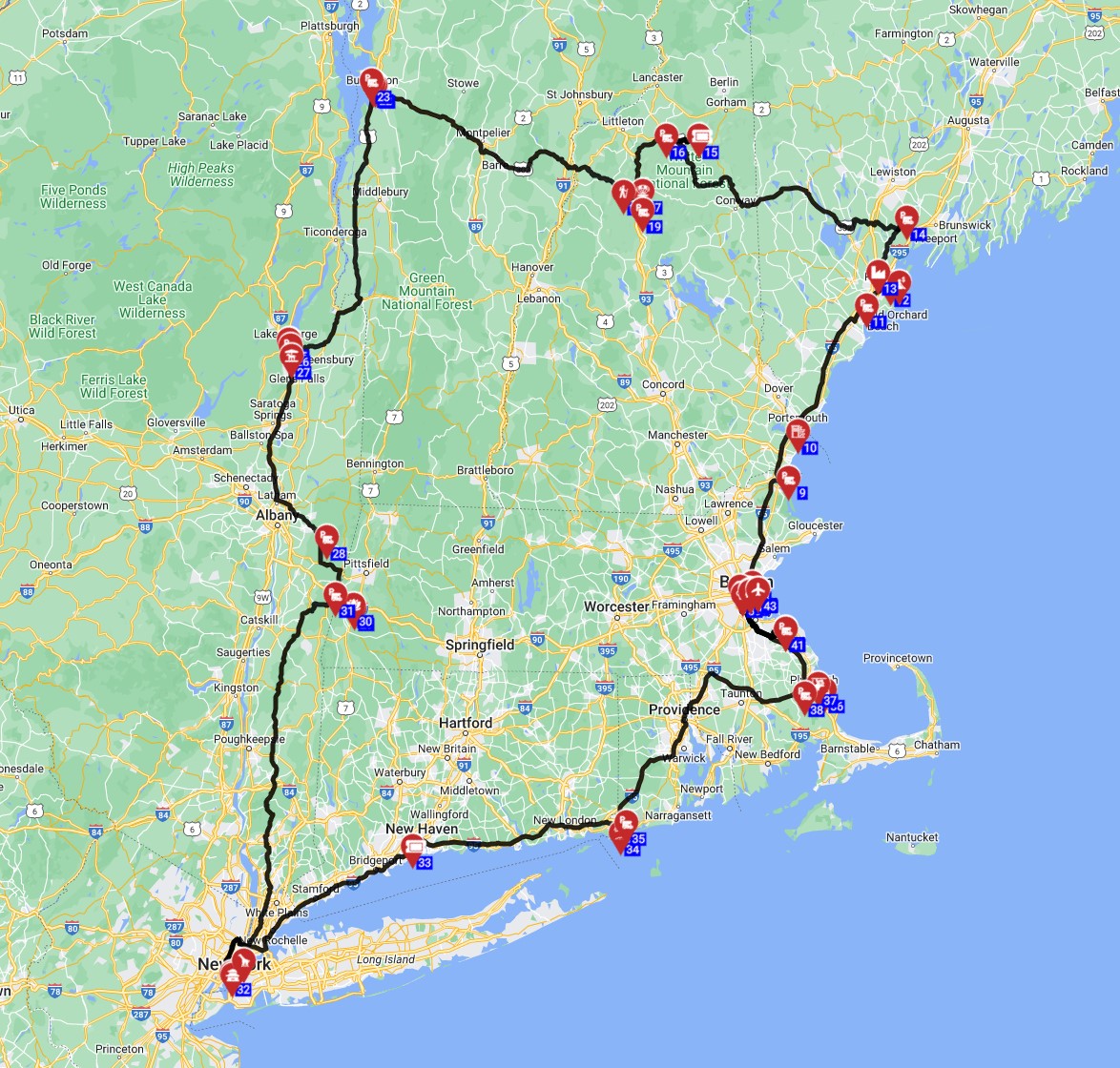
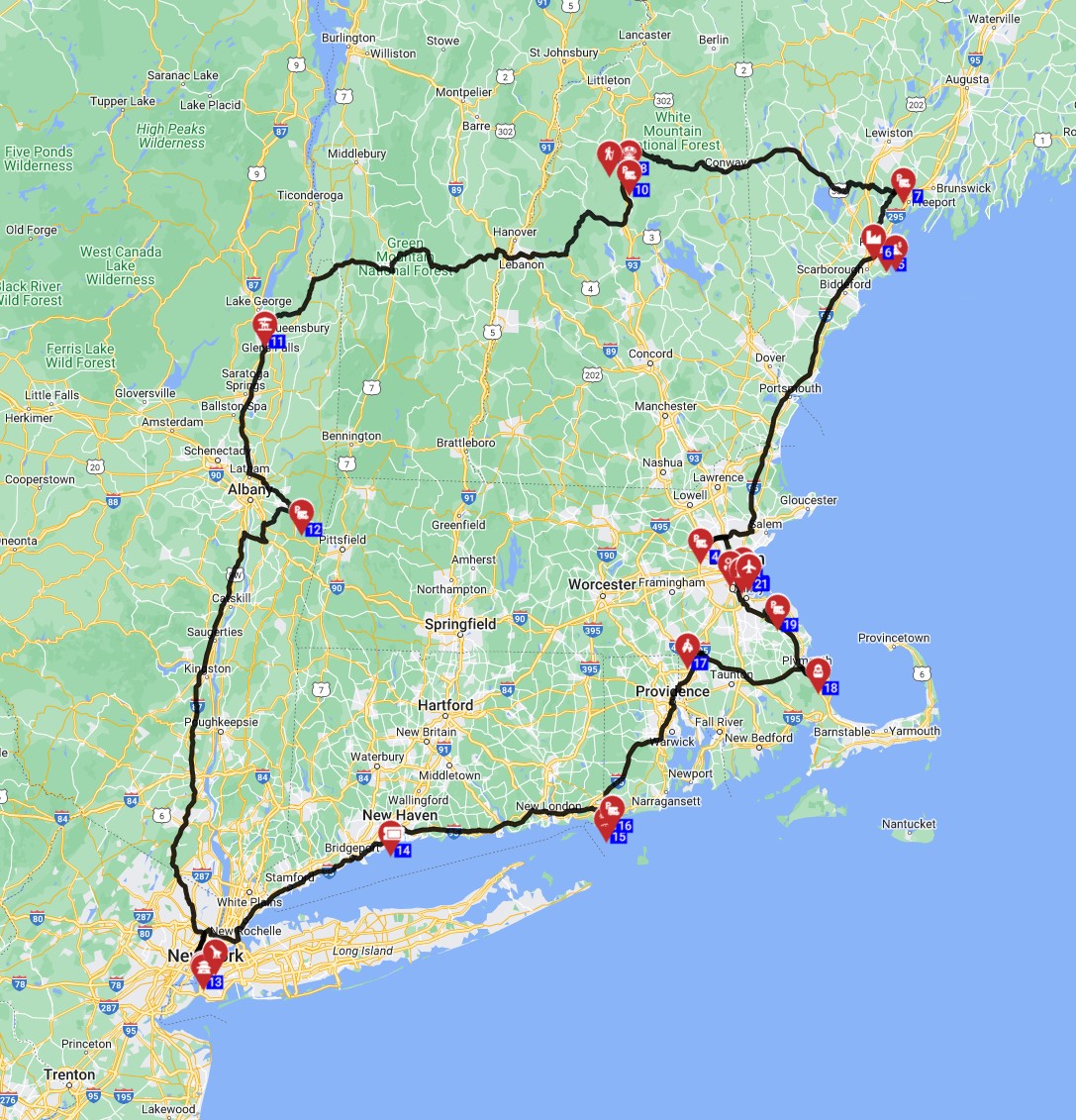
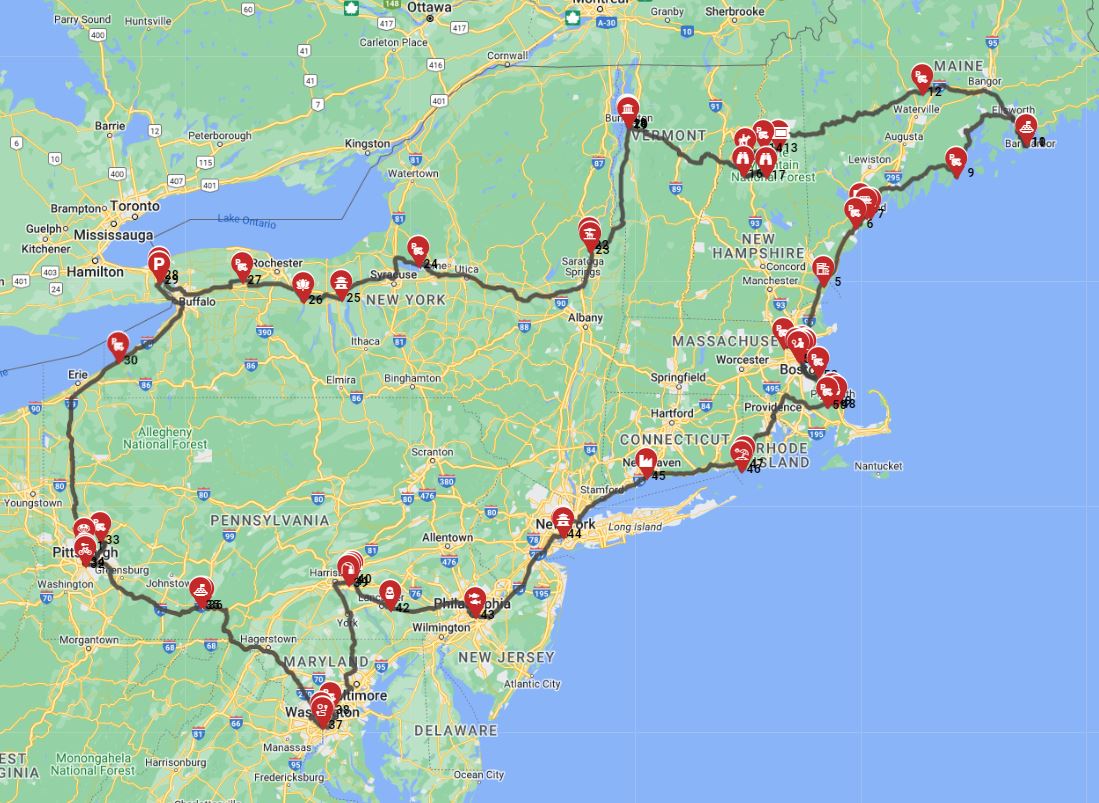
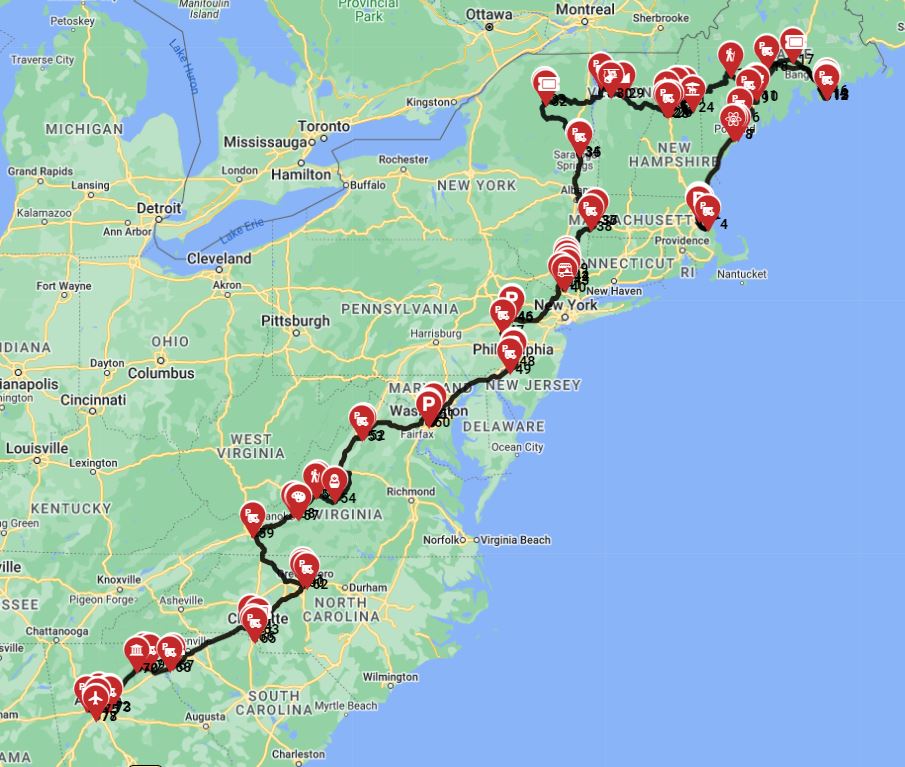
The North East US offers a wonderfully diverse range of road conditions, from the meticulously maintained interstates connecting major cities to the charmingly winding rural roads. You'll encounter areas with steep grades and challenging mountain passes, particularly in regions like the Adirondacks in New York, the White Mountains of New Hampshire, and throughout the Appalachian range. Many historic towns and picturesque coastal areas feature narrow streets and tight turns, requiring careful navigation and a patient approach for larger RVs. Be prepared for gravel roads, which are common when accessing more remote campgrounds or natural attractions. Urban centers such as Boston, New York City, and Philadelphia can present significant challenges with congested traffic and complex intersections. Embracing slower, scenic routes is key to truly appreciating the region's rich history, stunning fall foliage, and beautiful natural landscapes. Travel slowly, savoring the journey rather than rushing to the destination, allowing yourself to connect with the essence of each place.
RV Size Limits, Bridges & Restricted Zones
Vigilance is crucial for RV size limits, especially concerning low bridges found in older cities like Boston and New York, and on scenic parkways, many of which have height clearances under 10 feet. Many ferry services that grant access to popular islands, such as Martha's Vineyard, Nantucket, and those off the coast of Maine, impose strict length, height, and weight limits. These often require advance booking and come with higher fees for RVs. While specific environmental zones are less common than in Europe, always check for local city restrictions or commercial vehicle bans that might affect certain routes. Most rental RVs fall within general federal and state length limits, but oversized vehicles may encounter route restrictions.
Fuel: Diesel vs. Petrol & Cost per 100 km
Most rental RVs in the North East US operate on either petrol (gasoline) or diesel fuel, with petrol being more widely available, particularly in rural areas. Based on Bandana's global fleet averages, a Class SI - Semi-integrated RV typically consumes between 10-11 Liters/100 km, while a Class C - Alcove RV uses approximately 10-12 Liters/100 km. A more compact Class B - Camper Van generally uses around 8-10 Liters/100 km. To estimate your cost per 100 km, multiply the RV's fuel consumption (in liters/100 km) by the current local fuel price per liter, which naturally varies by state and season. Some rental providers may offer fuel discount cards, which can help mitigate costs, especially on longer journeys. Be aware that fuel efficiency can decrease significantly when driving uphill or in dense city traffic.
Tolls, Vignettes & Border Rules
The North East US features numerous toll roads, bridges, and tunnels, particularly prevalent in states like Massachusetts, New York, Pennsylvania, and New Jersey. Tolls are typically paid electronically via transponders, such as E-ZPass, or by mail, as cash lanes are becoming increasingly rare; there are no 'vignettes' required as you might find in Europe. Some rental motorhomes allow for the pre-purchase of toll passes or provide a transponder, which can lead to savings and prevent missed-toll fines. When planning a trip to neighboring Canada, remember that a valid passport for all occupants and vehicle registration documents are required. Be prepared for differing customs regulations and insurance requirements when crossing the border. On the routes offered through RV PLANET routes, you can itemize and track every expense along the way for easy budgeting.
Driving Tips for rv rental deals Travelers
**Pacing for Families:** Plan frequent stops approximately every 2-3 hours at state parks or scenic overlooks to allow everyone, especially children, time to stretch and take breaks. This mindful pacing ensures a more relaxed journey for all passengers.
**Budgeting on the Road:** Utilize fuel discount apps to save on gasoline costs, pre-pay tolls with a transponder like E-ZPass to avoid potential fines and secure better rates, and plan to cook most of your meals in your RV to significantly control overall expenses. For ideas you can prep on the road, watch our RV-friendly recipes playlist on YouTube.
**Navigating Mountains:** When descending steep grades, particularly in areas like the White Mountains, utilize lower gears to prevent brake overheating. Always monitor your engine temperature closely during ascents to ensure optimal performance.
**City Avoidance:** For major urban centers, consider parking your RV on the outskirts or at a park-and-ride facility and then utilizing public transportation to access the city center. This strategy can save time, reduce stress, and protect your rental vehicle from potential navigation challenges.
**Seasonal Considerations:** Thoroughly research specific road conditions for your chosen travel season. Fall foliage routes can become quite crowded, while spring might bring muddy conditions requiring careful driving, and winter travel necessitates thorough preparation for snow and ice.
Recommended RV Class for North East US Roads
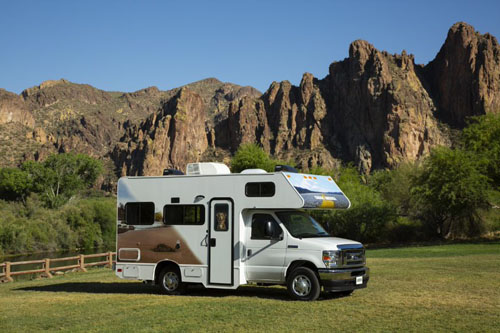
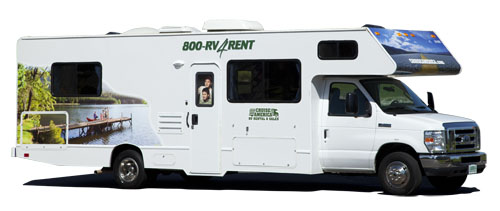
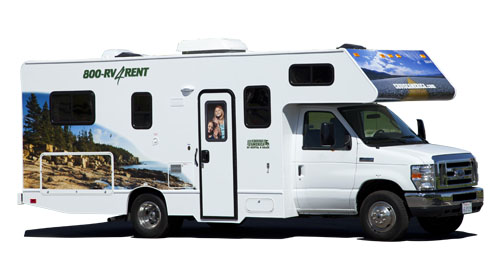
For navigating the diverse roads of the North East US, **Class B - Camper Vans** and **Class SI - Semi-integrated RVs** offer an excellent balance of maneuverability and onboard comfort. Class B Camper Vans, averaging 5.8 meters in length and accommodating around 3.2 people in Bandana's fleet, are highly recommended for their nimble handling on narrow coastal roads and mountain passes, as well as for easier parking in small towns and city outskirts. Class SI Semi-integrated RVs, averaging 6.9 meters in length and sleeping approximately 3.8 people, provide more living space and amenities than a Class B, while still remaining manageable on most regional roads, making them a suitable choice for small families or couples seeking extra comfort. While Class C - Alcove RVs, which average 7.5 meters in length, offer greater sleeping capacity, their larger dimensions can present more challenges on the region's tightest routes.
Should I Choose a Compact Van Instead of a Large RV in North East US?
A compact van, like a Class B Camper Van (averaging 5.8m in Bandana's fleet), truly excels in maneuverability for navigating dense city centers, extremely narrow coastal roads, and finding parking in popular, crowded tourist spots throughout the North East US. However, a larger RV generally presents no significant driving issues on major highways and offers substantially more comfort, living space, and amenities, which can be crucial for longer trips or when traveling with multiple people. The choice between them hinges on your priorities: opt for a compact van if ease of parking, a smaller footprint, and navigating tight historic areas are paramount, valuing agility over spaciousness. Conversely, choose a larger RV if you prioritize indoor comfort, more private sleeping areas, comprehensive onboard facilities, and plan to spend more time relaxing at campgrounds or traveling primarily on major routes.
Can I Park Anywhere? Free & Wild Camping Rules in North East US
In the North East US, 'free' or 'wild' camping, also known as boondocking or dispersed camping, is generally more restricted compared to the western states, though opportunities do exist on designated federal lands. National Forests, such as the White Mountain National Forest in New Hampshire and Maine, and the Green Mountain National Forest in Vermont, often permit dispersed camping outside of developed campgrounds, but specific rules regarding duration and environmental impact must be followed. Private land, state parks, and many municipal areas typically prohibit overnight RV parking or camping without explicit permission or designated paid sites. Walmart stores are often a convenient option for overnight parking, but this varies significantly by location and local ordinance; always ask store management before parking. Remember that rules can differ by region, so it's essential to check local regulations and comply with local laws before parking overnight, consulting official resources like the US Forest Service or state park websites for the most accurate information.
Can I Drive an RV Into the City Center? Heights, Tunnels & Local Signage
Yes, it is almost always possible to drive an RV into city centers across the North East US, but it requires extreme caution and meticulous attention to local signage. Be particularly vigilant for numerous low bridges and tunnels, especially in older cities like Boston and New York, where specific parkways are notorious for very low clearances, often under 10 feet. Always look for and strictly adhere to height limit signs posted on bridges, tunnels, and within parking garages. Pay close attention to 'residents-only' parking zones, one-way streets, and any potential environmental or congestion zones that might restrict larger vehicles or require permits. Utilizing an RV-specific GPS system that can accurately route you based on your vehicle's dimensions is highly recommended to help avoid potential obstacles, and planning your route in advance is always a wise strategy.
What is the 3-3-3 rule for RV?
The '3-3-3 rule' is a popular guideline for a more relaxed RV travel experience, suggesting that you travel no more than 300 miles (approximately 480 km) per day to prevent driver fatigue. It also recommends arriving at your destination campsite by 3 PM, which allows ample time for setup and relaxation before dark. Furthermore, the rule advises staying at least 3 nights in each location to fully immerse yourself in the local area and avoid the constant cycle of packing and unpacking. Adhering to this principle promotes a more enjoyable and less hurried RV adventure.
Do you need a special license to rent and drive an RV?
For the vast majority of RV rentals in the North East US, you will only need a standard, non-commercial driver's license (like a Class D license in most US states) if the RV's Gross Vehicle Weight Rating (GVWR) is under 26,000 pounds. A Commercial Driver's License (CDL) is generally not required unless the RV is exceptionally large (over 26,000 lbs GVWR) or being used for commercial purposes. It's always advisable to confirm the specific licensing requirements directly with your chosen RV rental company and to review your state's Department of Motor Vehicles regulations for clarity. International visitors will typically need their valid home country driver's license supplemented by an International Driving Permit (IDP) for a smooth rental experience.
Can I rent an RV in one state and return it in another?
Yes, many RV rental companies, particularly larger national chains and peer-to-peer platforms, offer convenient one-way RV rentals that allow you to pick up in one state and return in another. These one-way rentals usually incur additional 'one-way fees' or 'drop-off charges' to cover the logistics and cost of relocating the vehicle. The availability of specific routes can vary significantly depending on the time of year, the rental company's fleet balancing needs, and the demand for particular routes. It is always advisable to book one-way RV rentals well in advance, especially during peak travel seasons, to secure your desired route and vehicle.
What are the requirements for renting an RV?
To rent an RV, you generally need a valid standard driver's license (e.g., Class D in the US), with international renters typically requiring an International Driving Permit (IDP) in addition to their home country license. Most rental companies enforce a minimum age requirement, commonly between 21 and 25 years old, which may also vary depending on the RV class. Proof of sufficient insurance coverage is mandatory; this can often be purchased through the rental company, a third-party provider, or sometimes extended from your personal auto insurance policy. A major credit card is typically required for a security deposit and to cover any incidental charges. Additionally, a relatively clean driving record, free from major infractions, may also be a prerequisite for rental approval.
Can you rent an RV to drive across America?
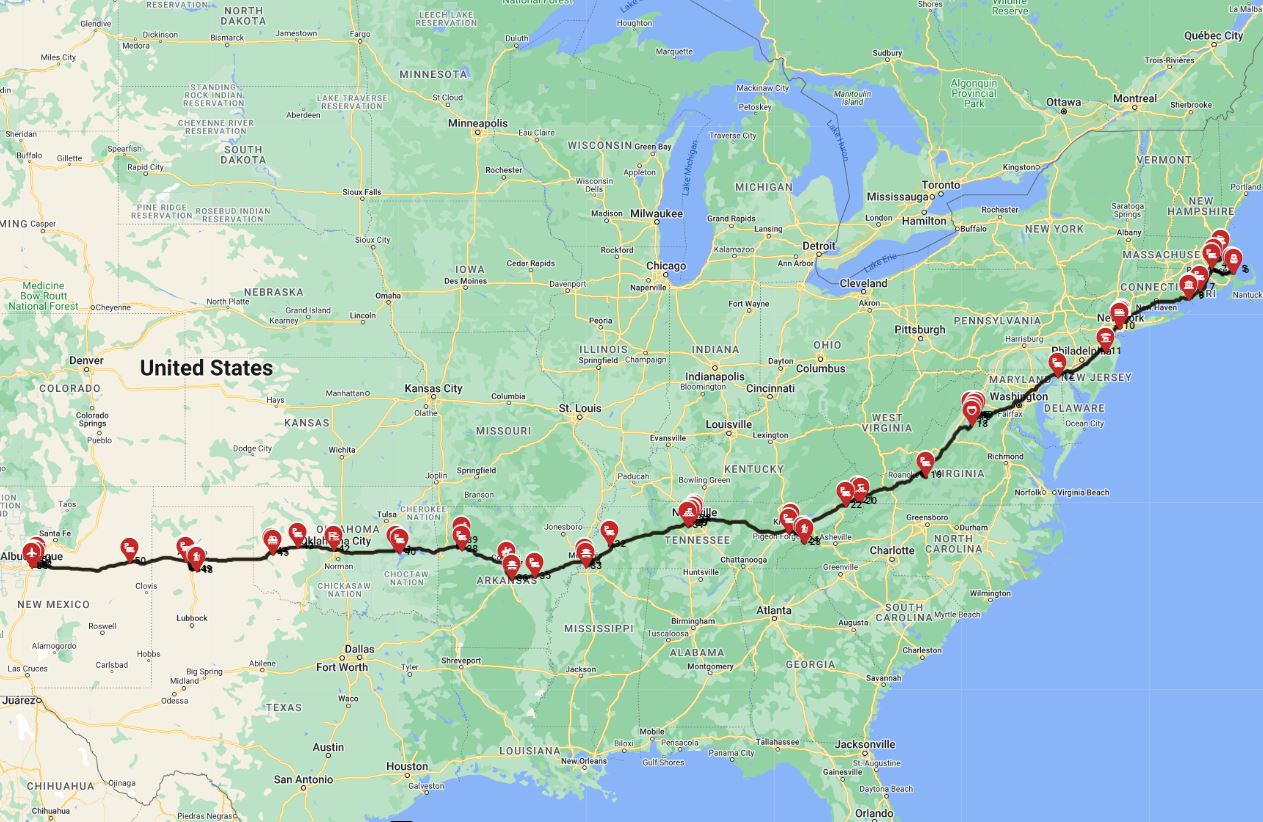
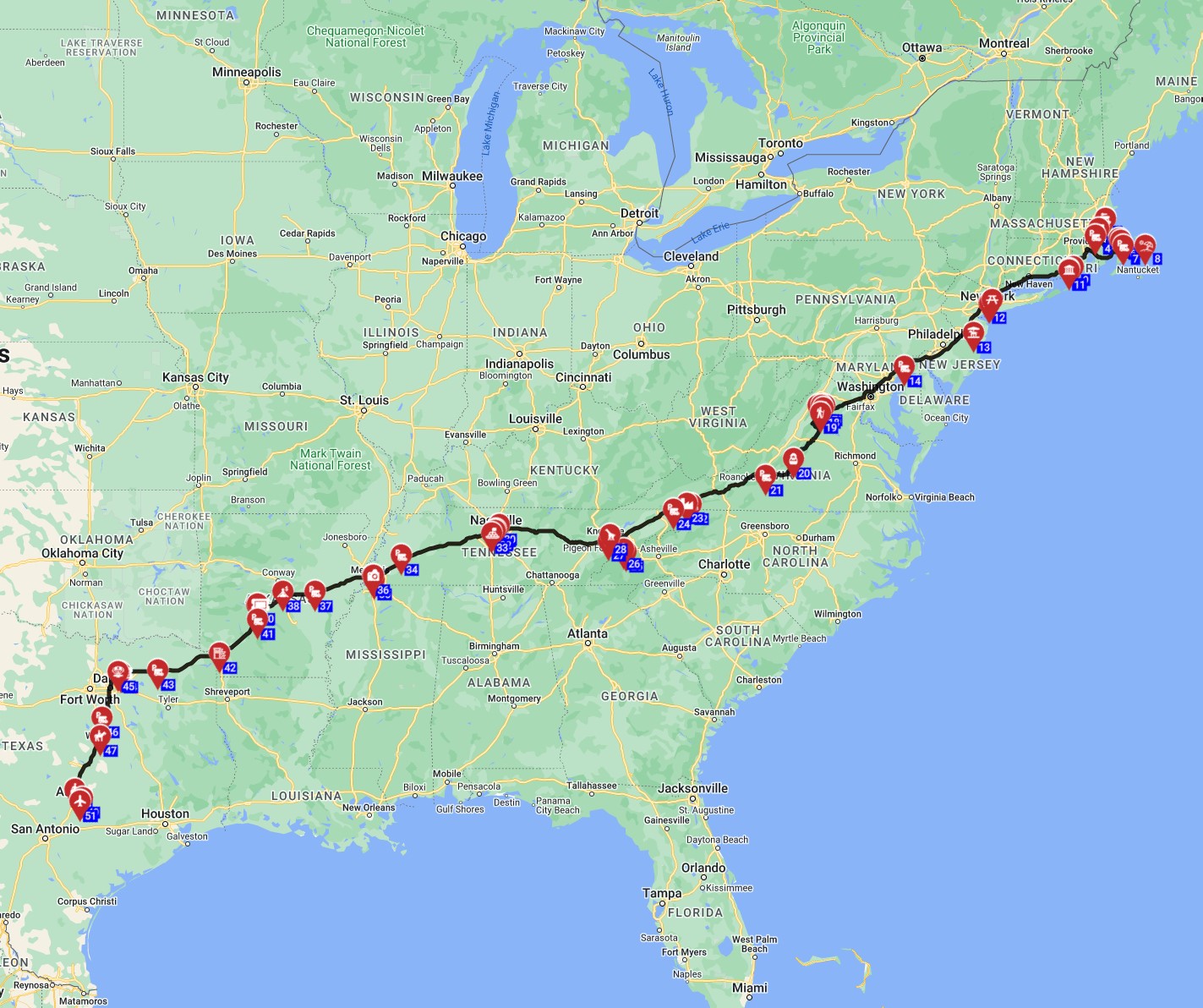
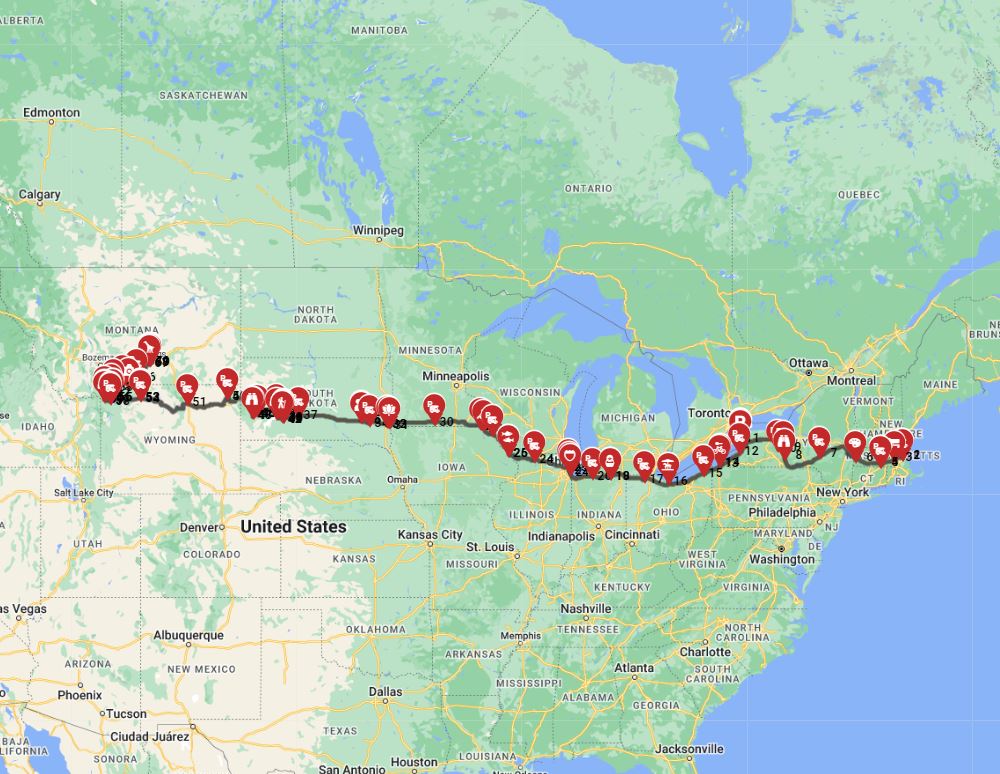
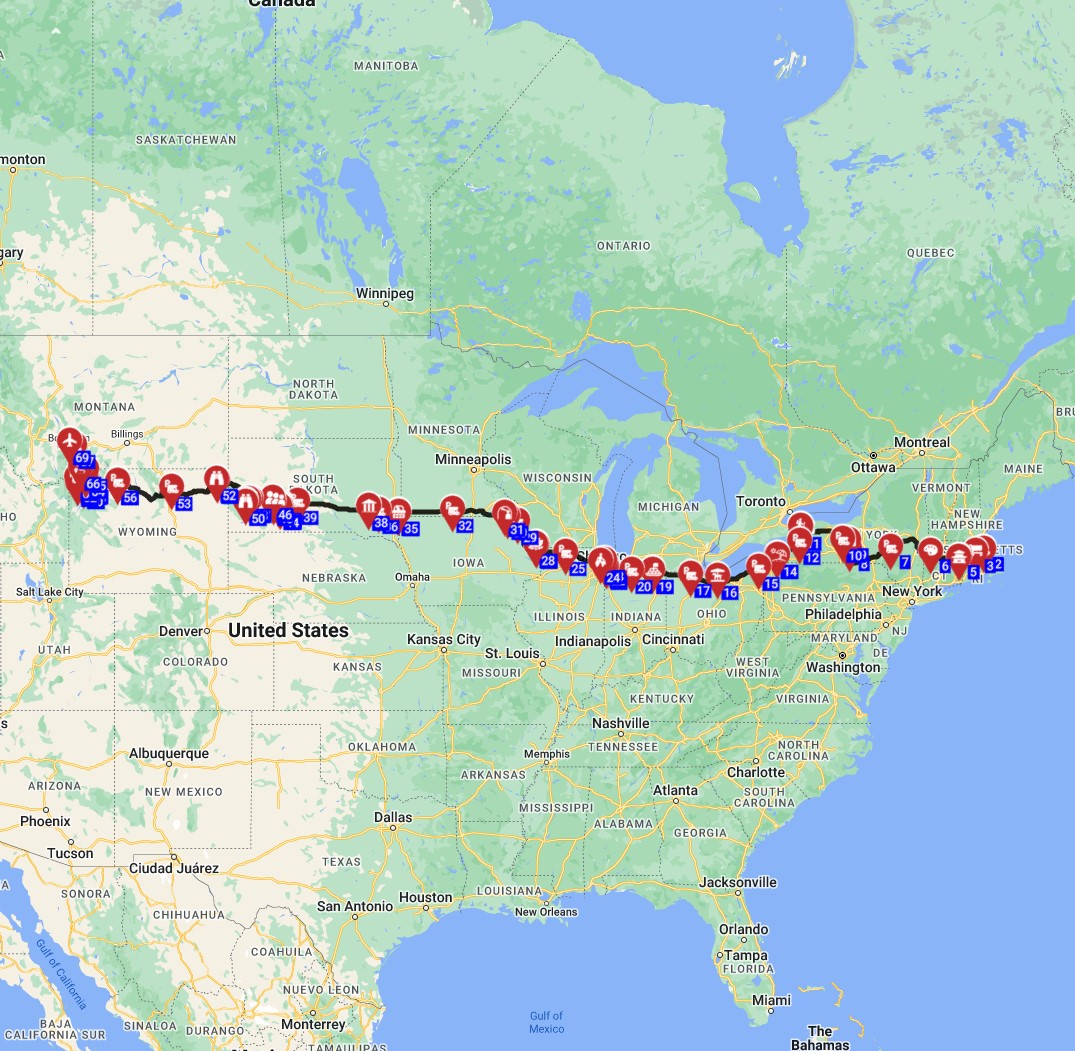
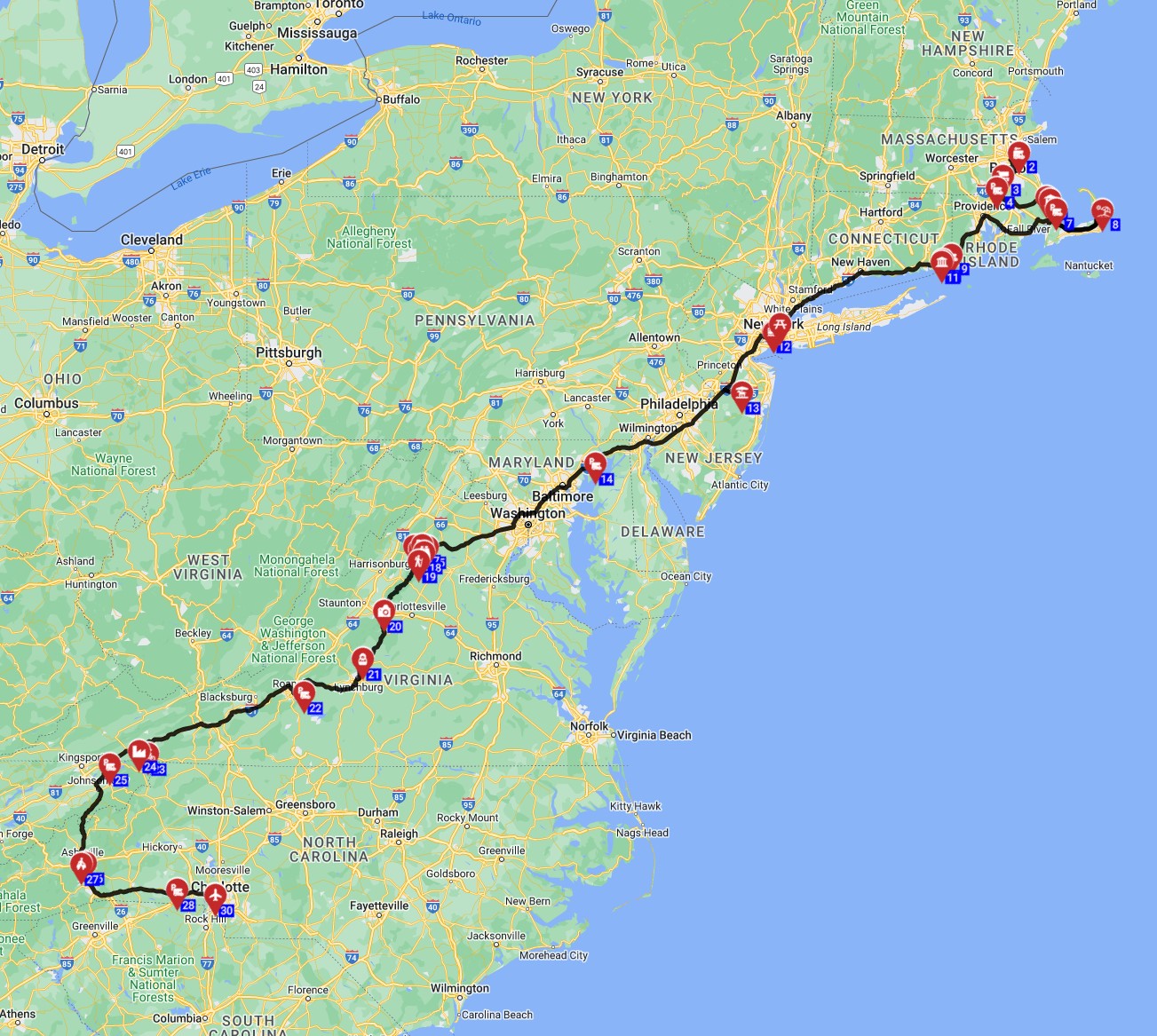
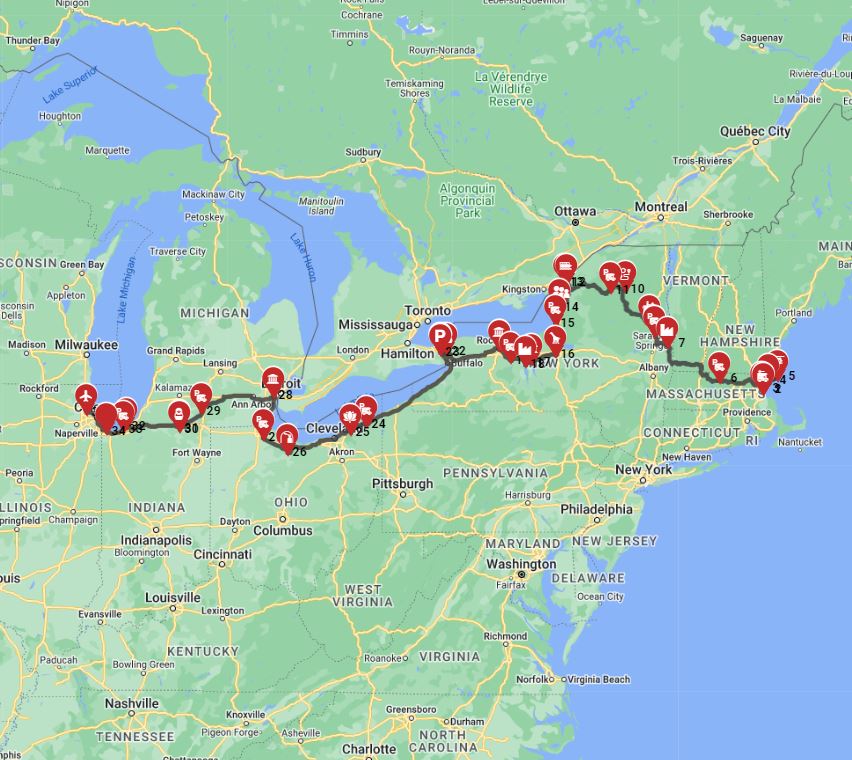
Yes, it is entirely feasible and a very popular choice to rent an RV for driving across America, with numerous rental companies specializing in long-distance and cross-country trips. For such journeys, consider opting for a one-way rental to avoid backtracking and maximize your exploration opportunities. Thorough route planning, which includes identifying fuel stops, overnight campground reservations, and potential maintenance points, is absolutely crucial for an extensive trip of this nature. Ensure the RV class and amenities you select are suitable for extended living on the road and can comfortably accommodate your entire travel party. Remember to factor in significant costs for fuel, campground fees, and potential tolls when budgeting for a cross-country RV adventure.
What state is most RV friendly?
While the definition of "most RV friendly" can be subjective and depend on individual preferences, states like Arizona, Florida, and California are frequently cited for their extensive RV infrastructure, abundant campgrounds, and diverse natural attractions. Focusing on the North East US specifically, states such as Maine, Vermont, and New Hampshire are highly regarded for their RV friendliness, boasting numerous state parks, scenic routes, and abundant outdoor recreation opportunities. Key factors contributing to a state's RV friendliness include the availability of campgrounds and dump stations, ease of navigating roads with larger vehicles, and access to natural wonders. Western states often provide more opportunities for boondocking and dispersed camping on vast public lands. Ultimately, the "best" RV-friendly state is the one that best aligns with your personal preferences for climate, desired activities, and the balance between readily available infrastructure and true wilderness experiences.
What are the drawbacks of renting an RV?
One significant drawback of renting an RV can be the potentially higher overall costs than initially anticipated, which often include substantial fuel expenses, campground fees, insurance, and possible one-way drop-off charges. Driving and parking larger RVs can also present challenges, especially in congested city centers, on narrow roads, or in popular tourist areas with limited parking space. Renting an RV inherently involves a time commitment for daily tasks such as setting up and breaking down camp, managing water and waste tanks, and performing routine operational checks. First-time RVers might also experience a learning curve when it comes to vehicle operation, understanding onboard systems (like electrical and plumbing), and adjusting to driving a significantly larger vehicle. Furthermore, RVs are generally slower than cars, which can extend travel times, and some scenic or urban areas may have access restrictions or be difficult for RVs to navigate.
What You Shouldn't Miss
- Drive the scenic byways of Vermont, renowned for their covered bridges and billboard-free landscapes, offering picturesque routes for your RV.
- Explore Acadia National Park in Maine via the historic Park Loop Road, enjoying stunning coastal views accessible by RV.
- Visit historic towns in Massachusetts, like Concord and Lexington, and experience the revolutionary spirit, remembering to navigate carefully on their charming, narrow streets.
- Experience the majestic beauty of the White Mountains in New Hampshire or the Green Mountains in Vermont, keeping an eye on grades and potential low clearances for your RV.
- Enjoy the vibrant cultural hubs of Boston or New York City by utilizing strategic parking outside the core and employing public transport to truly immerse yourself without RV driving stress.
- Savor the coastline of Maine or Cape Cod, taking advantage of scenic drives and discovering charming seaside villages, always mindful of potential road width and ferry restrictions.
Final Thoughts
Renting an RV for your North East US adventure offers unparalleled freedom and a unique perspective on this historic and scenic region. From the rugged coastlines of Maine to the rolling hills of Vermont, the opportunities for exploration are endless.
Remember that careful planning, especially regarding vehicle size and route selection in varied terrains, will greatly enhance your experience. Embrace the slower pace of RV travel, allowing you to truly connect with the diverse landscapes and charming communities that the North East has to offer.
Get inspired for your next trip! Discover top destinations, planning tips, all in one place! Plan your RV adventure today and create memories that will last a lifetime.