In This Guide
- Can You Drive an RV in Morocco? License & Age Rules
- Road Conditions & Terrain in Morocco
- RV Size Limits, Bridges & Restricted Zones
- Fuel: Diesel vs. Petrol & Cost per 100 km
- Tolls, Vignettes & Border Rules
- Driving Tips for rv rental deals Travelers
- Recommended RV Class for Morocco Roads
- Should I Choose a Compact Van Instead of a Large RV in Morocco?
- Can I Park Anywhere? Free & Wild Camping Rules in Morocco
- Can I Drive an RV Into the City Center? Heights, Tunnels & Local Signage
- How do I cross the border into Morocco with an RV?
- Is it safe to travel in an RV in Morocco?
- Can I travel with pets in an RV in Morocco?
- Where can I find RV services (water, waste, repairs) in Morocco?
- How do I manage water and waste in an RV in Morocco?
- How do I get internet and navigation for my RV in Morocco?
- What cultural etiquette should RVers know for Morocco?
- Do I need a 4x4 RV for Morocco?
- How much does an RV trip to Morocco cost?
- What You Shouldn't Miss
- Why Book with Bandana Caravan
- Final Thoughts
- Frequently Asked Questions
Morocco, with its stunning Atlas Mountains, vibrant souks, and endless Sahara dunes, offers an unparalleled adventure for motorhome travelers seeking cultural immersion and breathtaking landscapes. Embarking on a rented RV journey here promises freedom and flexibility, allowing you to truly connect with the country's diverse beauty at your own pace. For live availability and current prices, start with our RV Rental Morocco - Complete Guide 2026 guide. We at Bandana RV are true RV specialists, dedicated to helping you craft your perfect Moroccan road trip, ensuring full transparency with no hidden fees and supportive service before, during, and after your booking.
Can You Drive an RV in Morocco? License & Age Rules
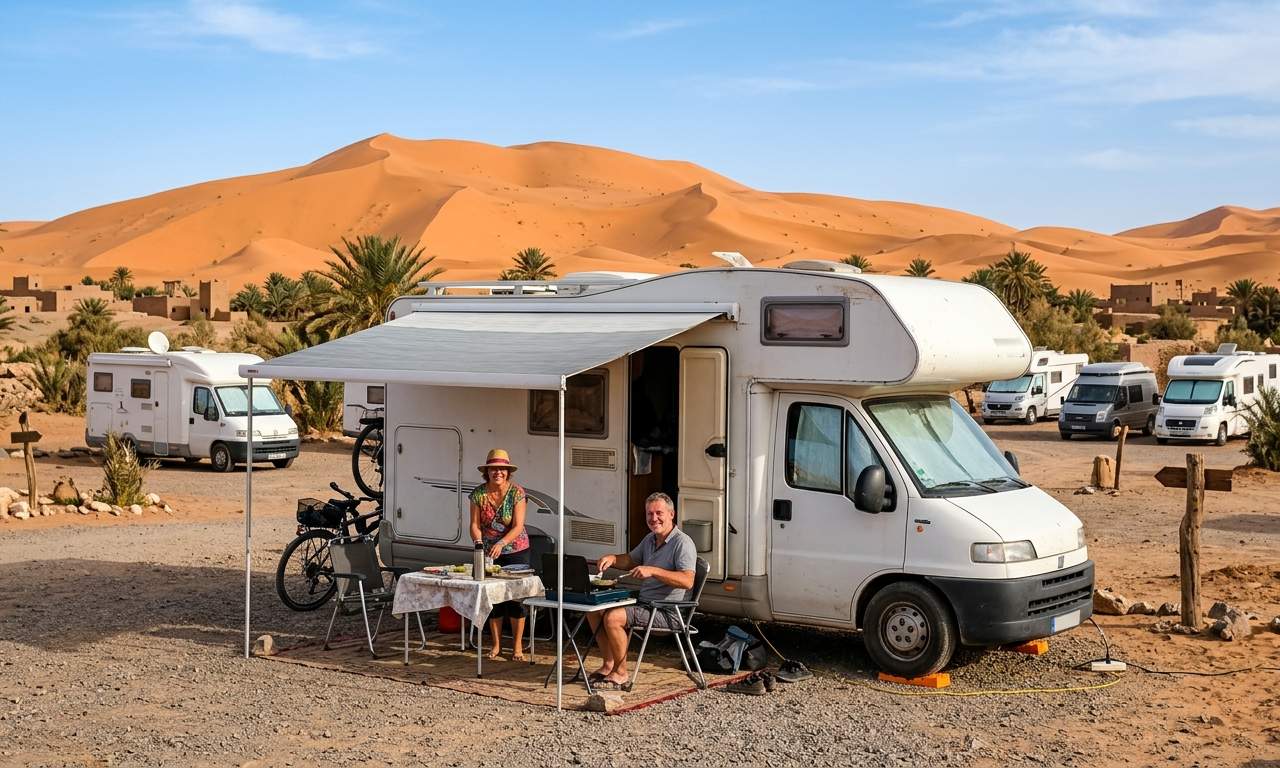
Most foreign visitors can drive a rented RV in Morocco with their valid national driving license, and an International Driving Permit (IDP) is highly recommended, though not strictly mandatory for all nationalities in all cases. A standard B category driver's license is typically sufficient for all motorhome classes (Class A, Class B, and Class C) with a Maximum Authorized Mass (MAM) up to 3,500 kg (7,716 lbs). There is no special license, CDL, or additional permits required for any rental motorhome. The minimum driving age for RV rentals in Morocco is 21 years old across most suppliers, with no young driver surcharges or vehicle class restrictions based on age, making it accessible for a wider range of adventurers. Always carry your national license, IDP, and rental documents when driving.
Road Conditions & Terrain in Morocco
Morocco offers diverse road conditions, ranging from well-maintained highways connecting major cities to narrower, winding roads in mountainous regions and unpaved tracks in more remote desert areas. Major routes, like those between Marrakech, Casablanca, and Fes, are generally excellent, often resembling European standards, making for comfortable driving. In mountainous areas like the Atlas Mountains, roads can be steep, narrow, and feature sharp bends, necessitating slow, cautious driving. When traveling in a rented motorhome, always allocate more time than your GPS estimates for these scenic but challenging sections. Gravel and unpaved sections are common when venturing off main tourist paths, requiring higher ground clearance and careful navigation, particularly if you plan to explore remote villages or desert areas. Urban areas can be congested with dense traffic, scooters, and pedestrians, demanding attentive driving; remember, drive slowly and carefully, and you can drive almost anywhere without issues. No need to stress - just use common sense and pay attention.
RV Size Limits, Bridges & Restricted Zones
While Morocco generally accommodates larger vehicles, RV drivers should be aware of potential size limits, particularly height restrictions in older city centers, tunnels, and some historical gates. Most main roads and highways do not have specific RV length or weight restrictions beyond standard commercial vehicle limits, allowing for smooth travel in a rented motorhome or campervan. It is always advisable to check local signage for height clearances, especially when entering towns or parking areas, though dedicated environmental zones common in Europe are less prevalent in Morocco. When planning ferry crossings from Europe, be mindful that RV length and height directly impact booking class and cost, with vehicles over 7 meters often incurring higher fees. For instance, a "cruise america rv rental example Explorer" at 7.1 meters would fall into this category. Our goal is full transparency; we want you prepared for any situation without surprises.
Fuel: Diesel vs. Petrol & Cost per 100 km
Diesel (Gasoil) is the predominant fuel type for rented RVs in Morocco and is widely available at most fuel stations across the country. Petrol (Essence) is also available but less common for RVs, as the majority of rental motorhome and campervan models run on diesel. Based on Bandana's global fleet averages, a Class SI - Semi-integrated RV typically consumes 10-11 Liters/100 km, while a Class C - Alcove consumes 10-12 Liters/100 km. Factoring in an estimated average diesel cost of approximately €1.20 per liter in Morocco for 2026, an average RV trip might cost around €12-€14.40 per 100 km for fuel. This means a week-long trip covering 1000 km could cost about €120-€144 just for fuel. While some rental agencies may offer fuel discount cards, this is less common for general RV rentals in Morocco. Remember, clear budgeting is key; on RV PLANET routes, travelers can itemize and track every expense along the way for easy budgeting. On the routes offered through RV PLANET routes, you can itemize and track every expense along the way for easy budgeting.
Tolls, Vignettes & Border Rules
Morocco has a well-developed network of toll motorways (autoroutes), particularly connecting major cities, which are paid directly at toll booths (cash or card accepted). Unlike some European countries, Morocco does not use a vignette system for its roads; tolls are typically distance-based, making it easy to calculate costs as you go. When crossing land borders from neighboring countries (e.g., currently closed Algeria, or through ferries from Spain), prepare for customs procedures, temporary vehicle import documentation, and proof of insurance valid for Morocco. Border crossing procedures, especially via ferry from Spain to Tangier Med, require pre-booking ferry tickets for your rented RV, presenting passports, vehicle registration, and a temporary import declaration (D16ter form) upon arrival. Ensuring your RV insurance covers Morocco is crucial; some European policies extend coverage, or you may need to purchase local insurance at the border to travel with peace of mind. Our top-level deductible reimbursement option provides extra security for your journey.
Driving Tips for rv rental deals Travelers
Navigating Morocco in a rented motorhome is an incredibly rewarding experience, and a few key driving tips will ensure a smooth journey. First, pace yourself: embrace the slower rhythm of Moroccan travel; plan for longer journey times than GPS estimates, especially on winding mountain roads like those through the Atlas. Second, fuel up regularly; while major routes have plenty of stations, fill up your tank whenever possible, particularly before heading into remote areas where stations are scarce. Third, practice defensive driving; be aware of varied road users including pedestrians, donkey carts, cyclists, and sometimes aggressive drivers; anticipate unexpected stops and maneuvers. Fourth, avoid driving at night due to poor lighting, unmarked obstacles, and unlit vehicles or pedestrians. Fifth, keep emergency contact numbers readily available and consider a rental that offers comprehensive roadside assistance for extra peace of mind. We are here to support you with pre-booking comparison and post-booking coordination, ensuring you have all necessary contacts before your adventure begins. Remember our mantra: travel slowly, max 100-150 km per day on average. Take time to feel the place, connect to the culture, the food, and the scenery.
🎬 Video coming soon
Recommended RV Class for Morocco Roads
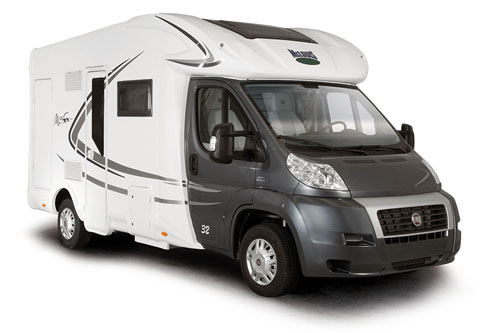
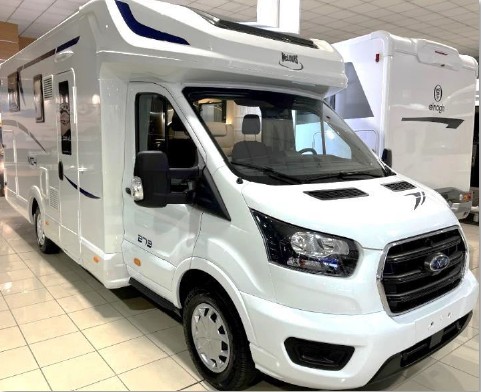
For a balanced experience of maneuverability and comfort on Moroccan roads, a Class B - Camper Van or a Class SI - Semi-integrated RV is often recommended for a rented motorhome adventure. Class B - Camper Vans, with an average length of 5.8 meters according to Bandana's global fleet data, offer excellent agility for navigating smaller towns and winding mountain passes, while still providing essential amenities like a shower and toilet as seen in models like the "Active Bunk Auto". Class SI - Semi-integrated RVs, averaging 6.9 meters in length, provide more interior space and comfort, making them suitable for longer journeys and varied terrain without being excessively large. These classes generally offer sufficient ground clearance for most paved and well-maintained unpaved roads, common in Morocco. Our team of true RV specialists can help you compare options from partners like Apollo and Britz to find the perfect fit for your Morocco trip.
Should I Choose a Compact Van Instead of a Large RV in Morocco?
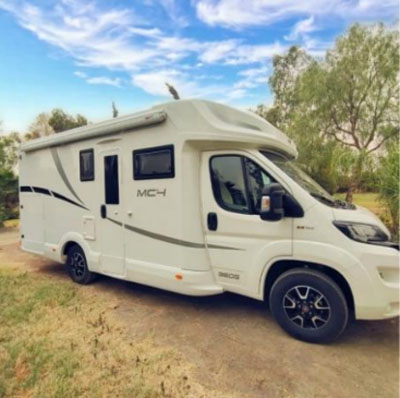
While a compact campervan (Class B) offers superior maneuverability for tight city streets and narrow mountain roads, larger RVs (Class SI, Class C) are generally manageable in Morocco, with comfort and indoor space often outweighing slight differences in handling. A compact van, like the "hire campervan example Paradise S/T", is genuinely advantageous if your itinerary heavily features historic medinas, off-the-beaten-path villages with limited parking, or frequent navigation of very narrow passes. However, for most major routes and designated campgrounds, larger RVs provide significant benefits like more living space, larger water tanks (e.g., "MHC24" with 150L fresh water tank), and greater storage capacity, which can enhance comfort on longer trips. The choice ultimately depends on your travel style and itinerary, but don't automatically rule out a larger RV for Moroccan adventures; many travelers find their comfort a worthwhile trade-off. Drive slowly and carefully, and you can drive almost anywhere without issues. No need to stress - just use common sense and pay attention.
Can I Park Anywhere? Free & Wild Camping Rules in Morocco
Wild camping (boondocking) in Morocco is generally tolerated in many rural and remote areas, though it is not explicitly legal or illegal across the entire country. Respecting private property, avoiding sensitive natural or archaeological sites, and maintaining a low profile are crucial for responsible wild camping. It is always best practice to seek permission from local authorities or landowners when parking overnight, especially in inhabited areas. Designated campgrounds and auberges (inns) often provide secure parking with basic facilities (water, electricity, waste disposal), which are a safer and more recommended option for overnight stays. For finding campsites and campgrounds during your trip, we recommend using RV PLANET (rvplan.net) - a great resource for locating available spots along your route. Rules and local customs vary by region; always check local regulations and follow local law before parking overnight. Our 24/7 support is available for pre-booking questions and post-booking coordination to help you plan safely.
Can I Drive an RV Into the City Center? Heights, Tunnels & Local Signage
You can generally drive a rented RV into the main arteries of Moroccan city centers, but exercise caution and pay close attention to local signage, especially concerning height limits and narrow streets. Major cities like Casablanca and Rabat have modern infrastructure that can accommodate RVs, but older imperial cities such as Fes and Marrakech feature medinas (old towns) with extremely narrow, pedestrian-only alleys, where RV access is impossible. Always be vigilant for height restrictions, particularly near ancient city gates, tunnels, and underground parking facilities, which may not accommodate larger RV dimensions. Environmental zones with restricted vehicle access are less common in Morocco compared to Europe, but always observe local road signs that might indicate residents-only streets or limited access zones. It's often recommended to park your rented motorhome on the outskirts of historic city centers and use public transport or taxis to explore the densely packed medinas. Remember, drive slowly and carefully, and you can drive almost anywhere without issues. No need to stress - just use common sense and pay attention.
How do I cross the border into Morocco with an RV?
Crossing the border into Morocco with a rented RV primarily involves taking a ferry from Spain (e.g., Algeciras to Tangier Med) and completing specific customs and immigration procedures upon arrival. Essential documentation includes a valid passport, an International Driving Permit (IDP) alongside your national driver's license, your rented RV's original registration documents, and proof of insurance valid for Morocco. You will need to complete a temporary import declaration for your RV, often known as a D16ter form, which can sometimes be done online in advance or upon arrival at the port. Expect vehicle inspections and potentially longer processing times at the border; ensure all vehicle markings match documentation precisely. It's advisable to have copies of all documents and remain patient, as procedures can vary and may take several hours. For a week-long RV rental to Morocco, factoring in border crossing time is crucial to enjoy your adventure.
Planning a multi-country adventure? Our "RV Rental Africa - Complete Guide 2026" offers a broader perspective on RV travel across the continent.
Is it safe to travel in an RV in Morocco?
Traveling in a rented RV in Morocco is generally considered safe, but like any foreign destination, it requires vigilance, adherence to local customs, and awareness of common travel precautions. Security protocols for rented RVs include ensuring all windows and doors are locked when leaving the vehicle, using robust alarm systems, and parking in well-lit, populated areas or official campgrounds. Be wary of common scams, particularly unsolicited 'guides' or individuals offering help at fuel stations or tourist sites; politely decline and do not engage. Carry essential emergency contacts, including local police (19) and medical services (15), and consider travel insurance that includes roadside assistance. For overnight parking, official campsites offer the highest level of security, but if wild camping, choose discreet locations away from main roads and always prioritize personal safety over scenic isolation. We handle the details of your booking, so you can focus on living the journey safely.
Can I travel with pets in an RV in Morocco?
Traveling with pets in a rented RV to Morocco is possible, but it requires thorough preparation concerning pet travel regulations, vaccinations, and paperwork to ensure a smooth entry. Your pet must have an ISO-compliant microchip for identification and be vaccinated against rabies at least 21 days prior to travel, but not more than one year prior. A valid EU Pet Passport or a health certificate issued by an official veterinarian in your country of origin is mandatory, confirming the pet is healthy and fit to travel. While in Morocco, be aware that not all accommodations or public spaces are pet-friendly, so research pet-friendly campgrounds and specific locations in advance. Always keep your pet leashed in public, be mindful of local stray animal populations, and ensure your pet is comfortable with varying climates. For a comprehensive "Weekly RV Rental in Morocco - Pricing 2026", remember to factor in potential pet fees.
Where can I find RV services (water, waste, repairs) in Morocco?
RV-specific services for fresh water refills, waste disposal, and mechanical support for your rented motorhome can be found primarily at designated campgrounds, some larger fuel stations, and specialized RV parks in Morocco. Many official campsites across Morocco offer facilities for fresh water replenishment and grey/black water disposal, often included in the overnight fee. Larger fuel stations on major highways may have water spigots (check suitability for drinking) and sometimes designated areas for basic waste disposal, though these are less common. For mechanical support or spare parts, major cities like Casablanca, Marrakech, and Rabat will have workshops capable of handling various vehicle issues; however, RV-specific parts might be limited, so carrying essential spares is recommended. Community forums and apps like Park4night often provide user-generated information on service points and reliable mechanics for RVs in Morocco. For planning a Long-Term RV Rental in Morocco - Monthly Rates 2026, knowing service points is essential.
How do I manage water and waste in an RV in Morocco?
Effective water management in a rented RV in Morocco involves prioritizing fresh water conservation and utilizing designated facilities for refilling and waste disposal. Always refill your fresh water tank at trusted sources like official campgrounds or known municipal points; consider carrying a water filter or purification tablets for added safety. Minimize water usage by taking shorter showers, turning off the tap when not actively rinsing, and using environmentally friendly soaps. Grey water (from sinks and showers) and black water (from the toilet) must be disposed of only at designated dump stations found in campgrounds or specific service points to avoid environmental contamination. Plan your route to include stops at equipped campsites to ensure timely and responsible waste disposal, as informal disposal can lead to fines and environmental damage. Knowing how to cook efficiently with limited water is also a skill. Discover inspiring meal ideas with our RV-friendly recipes playlist.
What cultural etiquette should RVers know for Morocco?
RVers in Morocco should observe specific cultural etiquette to show respect, foster positive interactions with locals, and ensure a harmonious travel experience. Dress modestly, especially when visiting religious sites or rural areas; shoulders and knees should be covered for both men and women. Always ask for permission before taking photos of people, particularly women and children, and be prepared for potential requests for a small fee in exchange. When interacting with locals, greet them with 'Salam alaykum' (peace be upon you) and accept offers of mint tea, as refusing can be considered impolite. Bargaining is customary in markets (souks), but always do so politely and with a smile; avoid public displays of affection and be discreet with alcohol consumption, especially during religious holidays. Traveling slowly, as we always recommend, with a maximum of 100-150 km per day on average, allows you more opportunities to connect to the culture and truly feel the place.
Do I need a 4x4 RV for Morocco?
While a 4x4 RV can offer advantages for venturing deep into remote desert tracks or extremely rugged terrain, it is not generally necessary for touring Morocco, as most popular RV routes and attractions are accessible by 2WD motorhomes and campervans. Standard 2WD RVs, especially Class B (Camper Vans) or Class SI (Semi-integrated) like the "Active Bunk" with reasonable ground clearance, are perfectly capable of handling Morocco's paved highways and many well-maintained secondary roads. A 4x4 would be beneficial only if your specific itinerary involves extensive off-roading, driving on very soft sand dunes, or consistently traversing highly challenging unpaved routes. For the typical RV traveler exploring cities like Marrakech, coastal areas near Agadir or Essaouira, and the Atlas foothills, a 2WD RV offers sufficient capability, better fuel economy, and generally more comfort. If unsure, stick to a 2WD RV and rent a local 4x4 vehicle with a guide for specific adventurous excursions into more challenging terrain, especially if considering a "Long-Term RV Rental in Morocco - Monthly Rates 2026" which often focuses on extended exploration.
How much does an RV trip to Morocco cost?
The cost of a rented RV trip to Morocco varies widely depending on the rental RV type, duration of travel, fuel prices, camping choices, activities, and personal spending habits, typically ranging from €800 to €2500+ per week. For an in-depth financial look, consider our "Cheap RV Rental in Morocco - Budget Guide 2026" or "Luxury RV Rental in Morocco - Premium Prices 2026".
- RV Rental: Expect to pay €70-€150 per day for an RV, with Class B - Camper Vans potentially at the lower end (e.g., "Maxie 4 Deluxe shower/toilet" around €80-€120/day) and larger Class C or A models at the higher end, influenced by season and booking lead time. Booking 3-6 months in advance can offer savings of 15-20%. Prices are dynamic, similar to flight tickets, and change daily based on availability.
- Fuel: With Bandana's fleet averaging 8-12 Liters/100 km and an estimated diesel price of €1.20/L in 2026, budget €10-€15 per 100 km for fuel. A 2000 km journey would thus cost approximately €200-€300.
- Camping Fees: Official campgrounds typically cost €5-€15 per night, while wild camping is free but offers no facilities. Many national parks reserve 25-30% of spots for pre-booking, with the rest being first-come-first-serve; "You'll find a spot. If not at the first campground, then the next one. Call ahead before driving."
- Ferry Costs: A return ferry ticket from Spain (e.g., Algeciras to Tangier Med) for an RV can range from €200-€500, depending on vehicle size, season, and passenger numbers.
- Food & Activities: Daily food expenses can be low if you cook in your RV (€20-€40/day) or higher if dining out frequently (€50-€100+/day); allocate an additional budget for tours, entrance fees, and souvenirs. For a week-long trip, this could add €140-€700.
Last-minute RV Rental Deals in Morocco
Can you find last-minute RV rental deals in Morocco? Yes, prices are dynamic and change daily based on availability, seasonality, and supplier marketing decisions. While booking in advance often secures better rates, last-minute availability can pop up, especially during shoulder seasons. Our platform continuously updates offers, including "RV Rental Deals in Morocco - Latest Offers 2026", so it's always worth checking closer to your travel date. You might even find attractive "One-Way RV Rental in Morocco - Price Guide 2026" deals if you're flexible with pick-up and drop-off locations.
How to Find the Cheapest RV Rental in Morocco if You're Flexible
If you're flexible with your travel dates and itinerary, you have a distinct advantage in finding the cheapest RV rental. Consider traveling during the low season (December-February, excluding holidays, and June-August) when demand is lower. Also, be flexible with your vehicle type; a smaller campervan, perhaps an "alaska rv rental example Paradise S/T", might be significantly more affordable than a large Class C motorhome. Utilize comparison tools on Bandana Caravan to see various prices across our 50+ leading RV suppliers worldwide, including El Monte and Britz. Comparing options on different dates and vehicle classes can reveal significant savings. Remember, the final price is set at actual booking time, so don't hesitate once you find a deal that suits you. Don't forget our 25% planning discount for using rvplan.net to plan your route, saving you money from the very start.
What You Shouldn't Miss
- Explore the Imperial Cities: Drive your rented motorhome to the outskirts of Marrakech, Fes, Meknes, and Rabat, parking securely and using local transport to immerse yourself in their historic medinas, bustling souks, and ancient architecture.
- Atlas Mountain Adventure: Traverse the breathtaking Tizi n'Tichka Pass (highest at 2,260m) in the High Atlas, stopping in Berber villages and enjoying panoramic views. Remember to take it slow and soak in the scenery.
- Sahara Desert Stargazing: Journey to the Merzouga or Erg Chigaga dunes for an unforgettable night of stargazing. Find a local camp for secure overnight parking or arrange a guided desert tour from your motorhome base.
- Coastal Charms: Discover the relaxed vibes of Essaouira, with its historic ramparts and fresh seafood, or the vibrant beaches of Agadir. Park your rented campervan near the coast and enjoy the ocean breeze.
- Road of 1000 Kasbahs: Drive through the Dades Valley and Draa Valley, exploring the ancient fortified mud-brick kasbahs and ksours that dot the landscape, offering a glimpse into Morocco's rich history.
- Chefchaouen's Blue City: Head north to the stunning blue city of Chefchaouen in the Rif Mountains. Park your RV outside the city center and wander through its famously blue-washed streets.
Looking for expert insights from Avi Bandana? Top 5 Adventures - recommendations from Avi Bandana
Avi Bandana, our founder, has personally traversed countless landscapes by RV. His top recommendation for Morocco is to embrace the unexpected: "The real magic of Morocco unfolds when you allow yourself to wander a little, follow a local recommendation, or simply pull over for an impromptu mint tea with a new friend. Travel slowly, max 100-150 km per day on average. Take time to feel the place, connect to the culture, the food, and the scenery."
Final Thoughts
Embarking on a rented RV adventure through Morocco is an experience that promises to be as enriching as it is exhilarating. From the winding mountain passes to the endless desert skies, the freedom a motorhome provides allows for a truly authentic exploration of this captivating country. We've covered everything from driving regulations and road conditions to cultural etiquette and cost estimations, all designed to equip you with the knowledge and confidence for a seamless journey.
Remember, we're with you every step of the way, handling the details so you can live the journey. Our full transparency, expert support, and comprehensive planning tools ensure you're prepared for an unforgettable Moroccan escapade. So, imagine yourself waking up to the call of prayer in a tranquil valley or watching a desert sunrise from your mobile home – the adventure awaits!
Ready to discover Morocco on your terms? Compare RV Rental Prices for Morocco Now and start planning your unique route today.