For live availability and current prices, start with our RV Rental Japan - Complete Guide 2026 guide.
In This Guide
- Can You Drive an RV in Japan? License & Age Rules
- Road Conditions & Terrain in Japan
- RV Size Limits, Bridges & Restricted Zones
- Fuel: Diesel vs. Petrol & Cost per 100 km
- Tolls, Vignettes & Border Rules
- Driving Tips for RV Rental Travelers in Japan
- Recommended RV Class for Japan Roads
- Should I Choose a Compact Van Instead of a Large RV in Japan?
- Can I Park Anywhere? Free & Wild Camping Rules in Japan
- Can I Drive an RV Into the City Center? Heights, Tunnels & Local Signage
- How much does it cost to rent an RV in Japan?
- What is the best time of year to RV in Japan?
- What are Michi-no-Eki?
- Can you take an RV on ferries in Japan?
- How to rent an RV in Japan as a foreigner?
- Where are the best places to RV camp in Japan?
- Top Cities for RV Rental in Japan
- Country-Wide Practical Information for RV Travelers in Japan
Embarking on a motorhome adventure in Japan offers a truly unique way to explore its stunning landscapes, vibrant cities, and rich cultural heritage at your own pace. With Bandana RV, you're not just renting a vehicle; you're gaining access to a world of expertise and support, ensuring your trip is filled with unforgettable moments and zero surprises. For live availability and current prices, start with our RV Rental Japan - Complete Guide 2024. We've been helping tens of thousands of travelers discover the joy of RV travel across 5 continents since 2001, building direct partnerships with over 50 leading RV suppliers worldwide, including trusted names like Apollo and Britz. Our mission is to make RV travel accessible, transparent, and joyful for everyone.
Can You Drive an RV in Japan? License & Age Rules
Yes, foreigners can drive a rented RV in Japan provided they hold a valid International Driving Permit (IDP) issued in their home country, presented alongside their original domestic driver's license and passport. Most standard rental RVs and campervans in Japan, such as a Class SI Semi-integrated or Class B Camper Van, fall under the typical 'Class B' equivalent on an IDP, usually covering vehicles up to 3.5 tonnes, meaning a standard passenger car license is sufficient. The minimum driver age for RV rentals in Japan is generally 21 years old, with no young driver surcharges or vehicle class restrictions based on age through Bandana RV, allowing young adventurers the freedom to explore.
Road Conditions & Terrain in Japan
Japan boasts exceptionally well-maintained roads, including an extensive network of expressways and paved scenic routes, making RV travel generally smooth and comfortable. While urban areas can be dense with narrower streets, most major tourist routes and rural roads are suitable for rented RVs, though mountainous regions will feature winding roads and steep ascents. Drivers should be prepared for varying terrain, from coastal highways to elevated mountain passes, which can encourage a slower, more scenic driving pace, particularly for larger vehicles. Remember to travel slowly, a maximum of 100-150 km per day on average, to truly feel the place, connect to the culture, the food, and the scenery.
RV Size Limits, Bridges & Restricted Zones
Most rented RVs in Japan, including popular Class SI Semi-integrated and Class C Alcove models, are well-suited for the country's road infrastructure, but drivers must remain aware of vehicle dimensions. Pay close attention to height restrictions, especially when entering parking garages, underpasses, tunnels, and certain urban areas, as these can be lower than in other countries. For instance, a typical Class SI Semi-integrated motorhome from Bandana might average 6.9 meters in length. When planning ferry travel, verify the RV's exact length and height, as these dimensions directly impact booking availability and cost; some restricted environmental zones exist but are generally well-signposted. Don't let the idea of city driving in a larger RV deter you; drive slowly and carefully, and you can drive almost anywhere without issues. No need to stress - just use common sense and pay attention.
🎬 Video coming soon
Fuel: Diesel vs. Petrol & Cost per 100 km
The majority of Bandana's larger rental RVs, such as Class SI Semi-integrated and Class C Alcove models, typically run on diesel fuel, which is widely available at service stations across Japan. For Bandana's fleet, common fuel consumption averages for Class SI Semi-integrated RVs are around 10–11 Liters/100 km, while Class C Alcove models typically consume 10–12 Liters/100 km. Smaller Class B Camper Vans in Bandana's fleet tend to be more fuel-efficient, often consuming 8-10 Liters/100 km, and may use petrol depending on the model. Fuel prices fluctuate, but budgeting for approximately ¥150-¥180 per liter for diesel and petrol is a reasonable estimate for 2024. When planning your route, remember that RV PLANET routes allow you to itemize and track every expense, including fuel, for easy budgeting. On the routes offered through RV PLANET routes, you can itemize and track every expense along the way for easy budgeting.
Tolls, Vignettes & Border Rules
Japan utilizes a comprehensive toll road system for its expressways and major highways; vignettes are not used, and as an island nation, there are no border crossings to neighboring countries. Toll costs can be substantial, so planning routes carefully and considering an Electronic Toll Collection (ETC) card, often available through rental providers, is highly recommended for convenience and potential savings. ETC cards allow for automatic toll payment and sometimes offer discounts, streamlining travel and avoiding the need to stop and pay cash at every toll booth. When considering the overall cost of your trip, our RV Rental in Japan - Prices and Best Deals 2024 guide provides more details on budgeting.
Driving Tips for RV Rental Travelers in Japan
Remember that Japan drives on the left side of the road, and the steering wheel is on the right; practice in less congested areas if unfamiliar. Heed speed limits rigorously, as enforcement is strict (e.g., 80-100 km/h on expressways, 40-60 km/h in urban areas), and adjust driving for narrower roads often found in rural villages or mountainous regions. Utilize advanced GPS systems with English language support, as road signs are often in Japanese, though major routes typically include Romanized script. Always be mindful of parking etiquette, which includes strict rules against wild camping, and ensure proper trash disposal and noise levels, especially in residential areas. Consider using local public transport when exploring dense city centers, parking your rented RV on the outskirts to avoid tight streets and complex parking challenges.
Recommended RV Class for Japan Roads
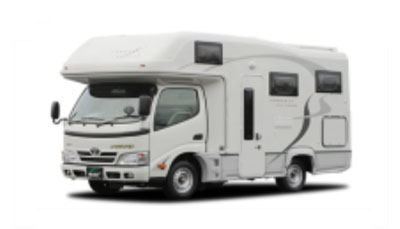
For a balanced blend of maneuverability and comfort on Japan's diverse roads, the Class SI Semi-integrated RV is highly recommended. Bandana's Class SI Semi-integrated models average 6.9 meters in length, providing ample living space for 3-4 adults while remaining relatively nimble for Japan's roads. Class B Camper Vans are also an excellent choice for navigating tighter urban spaces and narrow mountain passes, with Bandana's fleet averaging a compact 5.8 meters in length. These vehicles, such as the "Active Classic" or "Compact Plus" models, are excellent for couples or small families. While larger Class C Alcove (avg. 7.5m) and Class A Integrated (avg. 7.5m) RVs from Bandana's fleet offer more extensive amenities, they require more careful navigation in very congested areas. Finding the right vehicle is key to a comfortable week-long trip or extended road trip, and our specialists are true RV specialists, not just a travel agency side department, ensuring you get the best advice.
Should I Choose a Compact Van Instead of a Large RV in Japan?
While a compact van certainly offers superior maneuverability in very tight urban centers and extremely narrow mountain roads, larger RVs generally provide a significantly more comfortable and spacious living experience on most Japanese routes. Compact vans (like Bandana's Class B Camper Vans, averaging 5.8m) excel in terms of parking ease and fuel efficiency, making them ideal for budget-conscious travelers or those primarily focusing on urban exploration. These are often great for those looking for Cheap RV Rental in Japan - Budget Guide 2024. However, for multi-day trips where comfort, integrated facilities (kitchen, bathroom), and indoor space are priorities, larger Class SI Semi-integrated (avg. 6.9m) or Class C Alcove (avg. 7.5m) RVs often offer a better trade-off, as most main roads accommodate them well. A rented motorhome, such as a "Comfort Family" model with its spacious interior, allows for a more relaxed and self-sufficient journey.
Can I Park Anywhere? Free & Wild Camping Rules in Japan
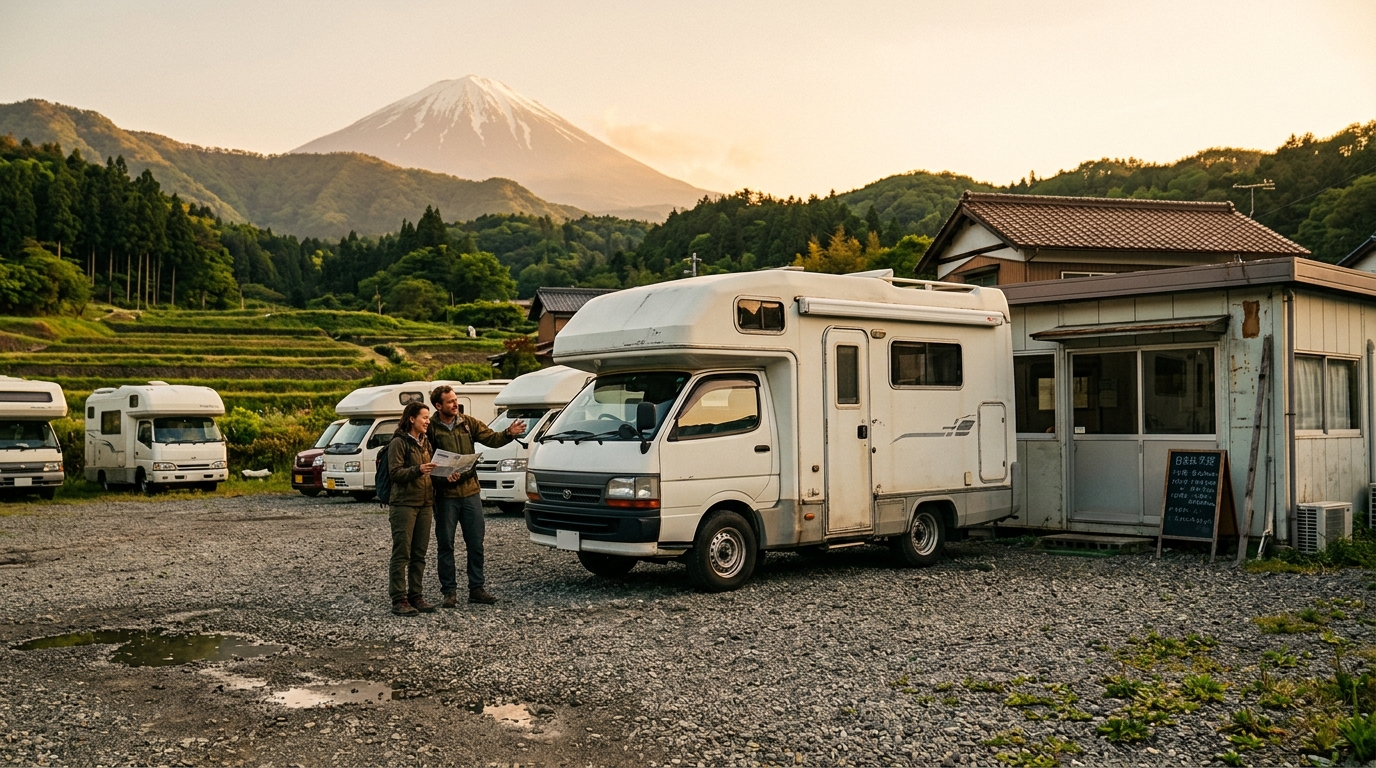
True 'wild camping' in a rented RV is generally discouraged and often illegal in Japan, with designated overnight parking areas and campgrounds serving as the primary legal options for sleeping in your vehicle. Michi-no-Eki (Roadside Stations) are widespread, government-designated facilities offering safe, legal overnight parking for RVs, typically providing restrooms, local shops, and often restaurants. When staying at Michi-no-Eki, it is crucial to adhere to etiquette: use it for resting, not extended camping (no setting up tables/chairs outside), minimize noise, and follow all posted rules. Private campgrounds and dedicated RV parks are the best options for traditional camping, offering full amenities like hook-ups, shower facilities, and designated pitching areas, though these require booking and fees. Rules vary by region-always check local regulations and follow local law before parking overnight, as some areas have stricter rules than others.
Can I Drive an RV Into the City Center? Heights, Tunnels & Local Signage
Yes, you can typically drive a rented RV into most Japanese city centers on main roads, but vigilance for specific local signage regarding height limits, tunnel clearances, and residents-only streets is paramount. Urban areas often feature lower parking garage clearances (sometimes as low as 2.1 meters) and potentially narrow streets, making street parking challenging for larger RVs; public transport options are frequently more convenient for city exploration. Always pay close attention to overhead signs indicating height restrictions for underpasses, bridges, and tunnels, which are critical for preventing damage to your vehicle. For cities like Kyoto or Tokyo, consider parking your RV on the outskirts or at dedicated RV parks and using Japan's efficient train and bus networks to navigate the city center. Drive slowly and carefully, and you can drive almost anywhere without issues. No need to stress - just use common sense and pay attention.
How much does it cost to rent an RV in Japan?
RV rental costs in Japan typically range from ¥10,000 to ¥30,000+ per day, varying significantly based on the RV class, rental duration, season, and specific amenities. For example, a compact campervan like a "HiTop" might start around ¥10,000-¥15,000/day in the low season, while a larger Class C Alcove motorhome such as an "Explorer" could range from ¥20,000-¥30,000+/day during peak times. Budgeting should include the base rental rate, which is higher during peak seasons like cherry blossom (spring) and fall foliage (autumn), and lower during off-peak times. Additional costs to factor into a comprehensive budget include mandatory insurance (usually ¥2,000-¥5,000 per day), fuel expenses (see 'Fuel' section), expressway tolls (see 'Tolls' section), and potential fees for mileage limits, cleaning, or optional equipment. The final price is dynamic, just like flight tickets, changing daily based on availability and supplier marketing decisions, so what you see is what you pay with Bandana RV, with no surprise fees at pickup. You can upgrade to a top-level deductible for extra peace of mind. Potential savings strategies include booking well in advance (3-6 months can save up to 20%), opting for longer rental periods which often have lower daily rates, traveling during the shoulder or off-season, and carefully selecting an RV class that matches your group size and needs without excessive space. For detailed insights into these costs, refer to our RV Rental Deals in Japan - Latest Offers 2024 and Weekly RV Rental in Japan - Pricing 2024 guides.
What is the best time of year to RV in Japan?
The best time to RV in Japan largely depends on desired experiences, with spring (March-May) and autumn (October-November) being widely considered ideal for their mild weather, stunning natural beauty, and cultural events. Spring offers the iconic cherry blossoms (Sakura), while autumn showcases vibrant fall foliage across the country, both providing spectacular backdrops for RV travel, though these are also peak seasons with higher rental demand and prices. Summer (June-September) can be hot and humid, especially in southern regions, but it's perfect for exploring Hokkaido's cooler climate, enjoying festivals, or coastal adventures, with temperatures averaging 20-25°C. Winter (December-February) is ideal for those interested in skiing, snowboarding, or experiencing serene onsen (hot springs) amidst snowy landscapes, particularly in areas like Hokkaido and the Japanese Alps, where temperatures often drop below freezing. If you're flexible with your dates, exploring during shoulder seasons (early June, late September) can often lead to more availability and potentially better pricing, such as found in our Last-Minute RV Rental in Japan - What to Expect 2024.
What are Michi-no-Eki?
Michi-no-Eki, or 'Roadside Stations,' are government-designated public facilities in Japan that provide a comprehensive range of services for travelers, making them excellent legal and safe overnight parking spots for RVs. These stations, numbering over 1,100 nationwide, typically offer free parking, clean restrooms, local product shops selling regional specialties, restaurants or food stalls, and often tourist information. While Michi-no-Eki welcome overnight stays for resting, they are not campgrounds; visitors are expected to adhere to etiquette, such as not setting up extensive outdoor camping equipment (like awnings or chairs) and maintaining quiet hours, usually after 9 PM. They are strategically located across Japan's road network, offering a convenient and culturally unique alternative to traditional campgrounds, allowing RV travelers to easily access local culture and amenities. Some even have onsen facilities, offering a unique opportunity to relax after a day of driving.
Can you take an RV on ferries in Japan?
Yes, RVs can generally be taken on ferries in Japan, providing an excellent way to travel between islands and explore diverse regions like Hokkaido, Shikoku, or Kyushu. For instance, a journey from Honshu to Hokkaido via ferry can save considerable driving time. It is crucial to book ferry tickets for RVs well in advance, especially during peak seasons, as space for larger vehicles can be limited and specific length/height dimensions must be provided during booking (e.g., a 7-meter motorhome might cost ¥25,000-¥40,000 for a long-distance ferry). Ferry costs for RVs are typically calculated based on vehicle length and can be a significant expense, so factor this into your overall travel budget when planning inter-island adventures. Taking a rented RV on a ferry offers unique itinerary possibilities, allowing access to less-traveled routes and islands that might otherwise be difficult to reach, enhancing the sense of freedom in your Japan RV journey. We recommend using RV PLANET (rvplan.net) to help with pre-planned routes and logistics.
How to rent an RV in Japan as a foreigner?
Renting an RV in Japan as a foreigner primarily requires a valid International Driving Permit (IDP) alongside your original driver's license, a valid passport, and a major credit card for booking and security deposit. The booking process can typically be done online through international rental platforms like Bandana RV or directly with Japanese RV rental companies, often requiring advance reservations, especially for popular seasons like spring cherry blossom season where demand can be up to 80% higher. Ensure your IDP is valid for the entire rental period and that you meet the rental company's specific age and driving experience requirements (commonly 21 years old). Upon pickup, thoroughly inspect the vehicle, understand all operational instructions (especially for facilities like water, electricity, and waste), and clarify any questions regarding insurance coverage and emergency procedures, often available with English-speaking staff or materials. Our full transparency means no hidden fees, no surprises during the booking process, and our pre-booking comparison helps you find the best RV rental deals in Japan.
Where are the best places to RV camp in Japan?
The best places to RV camp in Japan encompass a variety of stunning locations, from national parks to coastal regions and scenic mountain areas, catering to diverse travel preferences. Hokkaido, Japan's northernmost island, is renowned for its vast natural landscapes, numerous Michi-no-Eki (over 100), and dedicated campgrounds perfect for multi-day RV exploration, particularly in summer with average temperatures of 20°C. Areas around Mount Fuji, the Japanese Alps (Chubu region), and the scenic prefectures of Tohoku offer breathtaking views, hiking opportunities, and a network of accessible RV-friendly spots, often with onsen facilities nearby. Kyushu and Shikoku islands provide unique cultural experiences, hot springs (onsen), and coastal drives with well-established Michi-no-Eki and private campsites ideal for a blend of nature and local immersion. Remember, for finding campsites and campgrounds during your trip, we recommend using RV PLANET (rvplan.net) - a great resource for locating available spots along your route. You'll find a spot. If not at the first campground, then the next one. Call ahead before driving to secure your spot.
Top Cities for RV Rental in Japan
Japan offers several excellent starting points for your RV adventure, each providing access to unique regions and experiences. For travelers looking to explore Japan by rented motorhome, major cities serve as convenient pickup locations with a good selection of vehicles and amenities. For instance, Tokyo, the bustling capital, provides access to the Kanto region, Mount Fuji, and offers direct links to northern Japan. You can easily find a rental motorhome in Tokyo. Osaka, a vibrant hub in the Kansai region, is ideal for exploring Kyoto, Nara, and the ancient trails of Shikoku. Further south, Fukuoka serves as a gateway to the volcanic landscapes and hot springs of Kyushu. Moving north, Sapporo, the capital of Hokkaido, is the perfect base for exploring the island's expansive national parks and pristine nature, especially during the summer months. Nagoya, centrally located, allows access to the Japanese Alps and traditional heartland. Each of these cities provides a range of rental options, from compact campervans like a "Category Van" perfect for urban navigation to larger Class C Alcove models designed for families. Our true RV specialists are here to guide you through the options, ensuring you find the best RV Rental Deals in Japan - Latest Offers 2024 for your journey.
Country-Wide Practical Information for RV Travelers in Japan
Navigating Japan in a rented RV is an incredibly rewarding experience, but a few practical tips can make your journey smoother. First, remember to carry your International Driving Permit (IDP) alongside your original driver's license at all times. Japan's emergency services can be reached by dialing 110 for police and 119 for fire or ambulance. For connectivity, consider purchasing a local SIM card or renting a portable Wi-Fi device, widely available at airports and major electronics stores, to ensure reliable GPS and communication. While many public spaces offer free Wi-Fi, having your own connection is invaluable for researching on-the-go. When it comes to cooking in your RV, embrace local ingredients from Michi-no-Eki markets to craft delicious meals. Check out our RV-friendly recipes playlist for inspiration. Parking rules are generally strict, and overnight parking outside designated areas is often prohibited; always look for official Michi-no-Eki or campgrounds. Finally, embrace slow travel, averaging no more than 100-150 km per day. This allows ample time to immerse yourself in Japan's unique culture, savor its exquisite food, and appreciate its breathtaking scenery.
What You Shouldn't Miss
- **Mount Fuji and the Fuji Five Lakes region:** Experience iconic views of Japan's most famous peak. Many campgrounds offer unparalleled vistas, perfect for a peaceful overnight stay in your rented RV.
- **Kyoto's ancient temples and gardens:** Immerse yourself in Japan's traditional heartland. Park your RV on the outskirts at a Michi-no-Eki and use the efficient public transport to explore the city's UNESCO World Heritage sites.
- **Hokkaido's vast natural landscapes:** Discover Japan's northern island, a paradise for outdoor enthusiasts, especially in summer. Explore national parks like Daisetsuzan, with numerous RV-friendly stops and cooler climates.
- **The Japanese Alps (Chubu region):** Drive through stunning mountain passes, visit traditional villages like Shirakawa-go, and relax in serene onsen. The scenic routes are perfect for a week-long trip, offering breathtaking views around every bend.
- **Coastal drives of Shikoku:** Enjoy picturesque coastal routes, sample fresh seafood, and discover ancient pilgrimage routes. The island offers a blend of natural beauty and cultural depth, easily explored with a rented campervan.
- Looking for expert insights from Avi Bandana? Top 5 Adventures - recommendations from Avi Bandana
Final Thoughts
Exploring Japan by rented RV is an adventure unlike any other, offering the freedom to discover hidden gems and iconic landmarks at your own pace. Imagine waking up to the serene beauty of a mountain lake or preparing a delicious meal with fresh local produce in your mobile home. With Japan's excellent infrastructure, welcoming Michi-no-Eki, and endless scenic routes, your journey is set to be truly exceptional.
At Bandana RV, we're passionate about helping you create these cherished memories. We provide the tools, transparent pricing, and expert guidance you need to plan a trip itinerary in advance with minimal effort and maximum enjoyment. From comparing the perfect campervan for a couple to finding a spacious motorhome for a big family or group of friends, we're with you every step of the way, ensuring your booking is smooth and worry-free. God is in the small details, and we take care of them. That's what makes the big difference.
Don't just dream about your Japanese RV adventure; make it a reality! Compare Motorhome Prices for Japan today and embark on the journey of a lifetime.