In This Guide
- Can You Drive an RV in Italy? License & Age Rules
- Road Conditions & Terrain in Italy
- RV Size Limits, Bridges & Restricted Zones
- Fuel: Diesel vs. Petrol & Cost per 100 km
- Tolls, Vignettes & Border Rules
- Driving Tips for RV Rental Travelers in Italy
- Recommended RV Class for Italy Roads
- Should I Choose a Compact Van Instead of a Large RV in Italy?
- Can I Park Anywhere? Free & Wild Camping Rules in Italy
- Can I Drive an RV Into the City Center? Heights, Tunnels & Local Signage
- When is the Best Time to RV in Italy?
- How Much Does an RV Trip to Italy Cost and How Can I Save Money?
- How Do ZTLs and Narrow Roads Affect RV Driving in Italy?
- Beyond Campsites: Where Can I Legally Park and Stay Overnight in an RV in Italy?
- How Can RV Travel Offer Deeper Cultural Immersion in Italy?
- What Are Essential Safety Tips for RVing in Italy?
- Top Cities for RV Rental in Italy
Can You Drive an RV in Italy? License & Age Rules
Driving a rented RV in Italy is permissible with a valid B-category license for vehicles under 3,500 kg, which covers the majority of our rental motorhomes, and an International Driving Permit (IDP) is required for non-EU/EEA license holders. Most rental RVs, particularly Class B Camper Vans and Class SI Semi-integrated models, fall comfortably within the B-category license limit (up to 3,500 kg), meaning your standard car driver's license from home is typically all you need. For visitors from non-European Union or European Economic Area countries, an International Driving Permit (IDP) is a legal requirement and must be carried in conjunction with your domestic license. This permit provides a translation of your license, which is essential for Italian authorities. The minimum age for RV rental in Italy is usually 21 years old, and you'll be glad to know there are no young driver surcharges or vehicle class restrictions based on age when booking through our platform.Road Conditions & Terrain in Italy
Italy offers diverse road conditions, ranging from well-maintained *autostrade* to challenging narrow village roads and winding mountain passes, necessitating careful driving for RV travelers. The major *autostrade* (motorways) connecting cities are generally excellent and tolled, providing smooth travel and allowing you to cover distances efficiently. Secondary roads, especially in rural areas, historic towns, and mountainous regions like the Alps and Apennines, can be significantly narrower, steeper, and less perfectly maintained, often requiring a slower pace and more focused attention. Navigating urban centers often involves cobblestones, tight turns, and heavy traffic, making a deliberate driving style crucial for any rented RV. Remember, driving slowly and carefully, you can drive almost anywhere without issues. No need to stress - just use common sense and pay attention.RV Size Limits, Bridges & Restricted Zones
RV travelers in Italy must be mindful of vehicle height and weight restrictions, low bridges (especially in historic areas), and Restricted Traffic Zones (ZTLs) that limit access to city centers, all of which require careful planning. Standard European height limits are usually 4 meters, but specific bridges, underpasses, and historic town entrances can have lower clearances, which are always clearly signposted. It's crucial to know your rented motorhome's exact dimensions to avoid unexpected situations. Weight limits, particularly the 3,500 kg threshold for a standard B-category driver's license, are also vital to observe. While Bandana Caravan exclusively offers motorhomes and campervans that fall within standard license requirements, understanding weight distribution is always a good practice. When planning routes, especially to islands like Sardinia or Sicily, be aware that ferry operators have specific length, height, and weight restrictions and pricing for RVs, so check these details in advance.Fuel: Diesel vs. Petrol & Cost per 100 km
Most rented RVs in Italy run on diesel, which is widely available, with typical fuel consumption for a Bandana Class SI Semi-integrated RV averaging 10-11 liters per 100 km, leading to an estimated cost of around €18-€20 per 100 km at current 2024 fuel prices. Diesel (labeled 'Gasolio') is the predominant fuel type for motorhomes and campervans and is readily available at petrol stations across Italy, including many self-service options. Based on Bandana's global fleet averages, a Class SI Semi-integrated RV generally consumes 10-11 liters/100 km, while a Class B Camper Van averages 8-10 liters/100 km, and larger Class C Alcoves are typically around 10-12 liters/100 km. Some RV rental deals in Italy may include fuel discount cards or options to pre-purchase fuel, which can help manage costs. Fuel prices can fluctuate regionally, so it's always wise to keep an eye on them.Tolls, Vignettes & Border Rules
Italy primarily operates a barrier-based toll system on its *autostrade* rather than a vignette, with options like Telepass pre-purchases available through some RV rental providers to streamline travel and avoid fines. Tolls on Italian *autostrade* are typically paid at exit booths, either by cash, credit card, or electronic systems like Telepass. For seamless travel, some rental motorhomes can be equipped with a Telepass device, which automatically deducts tolls and can save significant time and hassle at toll gates, especially during peak travel periods. As part of the Schengen Area, border crossings between Italy and neighboring EU countries are generally open with no routine passport checks, simplifying international RV travel for those considering a broader "RV Rental Europe - Complete Guide 2024" adventure.Driving Tips for RV Rental Travelers in Italy
RV travel in Italy benefits greatly from strategic planning, including navigating local driving nuances like ZTLs, utilizing services like Telepass for tolls, and adjusting driving pace to suit varied road conditions. For families exploring Italy by motorhome, planning frequent stops every 2-3 hours is recommended to ensure comfort and manage energy levels for everyone on board, utilizing well-equipped rest areas (*aree di sosta*) or scenic pull-offs for breaks. Budget-conscious travelers should consider pre-paying for tolls (e.g., via Telepass) and researching fuel prices, which can vary across regions, to optimize expenses. Always be aware of local signage for ZTLs (Limited Traffic Zones), speed limits (typically 130 km/h on motorways, 90 km/h on main roads, 50 km/h in urban areas), and potential height/weight restrictions, especially when approaching historic towns. Practice defensive driving due to the dynamic nature of Italian traffic, particularly in urban areas where scooters and confident local drivers are common. Remember, with a rented RV, slow travel is key. We recommend traveling a maximum of 100-150 km per day on average to truly soak in the culture, food, and scenery.Recommended RV Class for Italy Roads
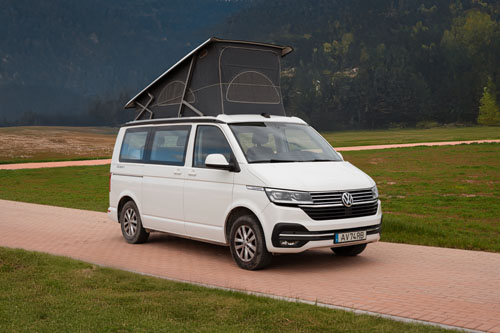
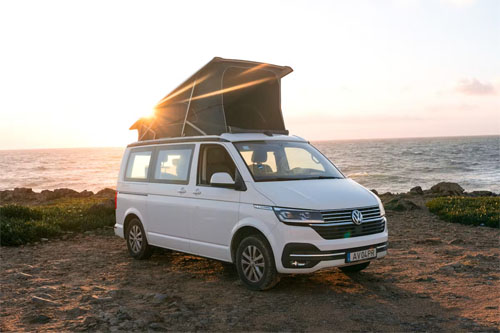
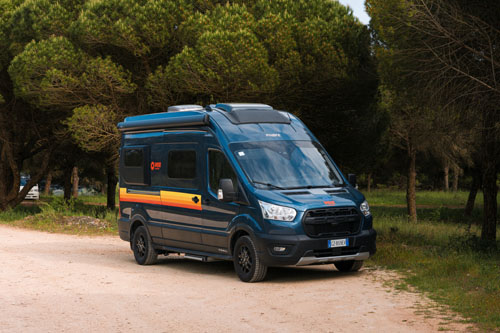
For navigating Italy's diverse road network, a Class B Camper Van, with an average length of 5.8 meters, or a Class SI Semi-integrated RV, averaging 6.9 meters, are highly recommended for their excellent balance of maneuverability and interior comfort. Class B Camper Vans, like those in Bandana's fleet (e.g., the `V3` with a length of 6.36 meters, or a compact `rv rental denver example Category Van`), are superb for Italy due to their compact size, making them easier to maneuver on narrow roads, navigate smaller villages, and find parking. Class SI Semi-integrated RVs, such as the `Explorer` (7.1 meters) or the `Active Standard Auto`, offer a good compromise, providing more living space and amenities for a comfortable trip while still being manageable on most Italian roads. While larger Class C Alcove (average 7.5m, like the `MH-C`) and Class A Integrated (average 7.5m, like the `E3`) RVs are available, their increased length and width can present greater challenges in historic centers and on very winding routes, so consider your itinerary carefully when choosing.Should I Choose a Compact Van Instead of a Large RV in Italy?
While larger RVs offer superior comfort and amenities for extended trips, choosing a compact van for Italy can significantly enhance maneuverability on narrow roads and ease parking in historic towns, though it sacrifices interior space. Compact campervans (Class B Camper Vans), like a nimble `Combi Van` or the `Active Bunk Auto`, excel in navigating Italy's tighter roads, smaller villages, and bustling city peripheries, offering greater flexibility than a larger motorhome. A large RV (e.g., a Class C Alcove like the `F4` or a Class A Integrated like the `Exclusive First`) provides more indoor living space, a dedicated shower/toilet, and greater storage, which can be crucial for longer journeys or families of 4-6 people. The decision often comes down to your planned itinerary: a compact van is ideal for exploring numerous historic centers and remote areas where parking is scarce, while a larger RV is better for longer stays at campsites with full amenities, offering more space to relax and enjoy your surroundings.Can I Park Anywhere? Free & Wild Camping Rules in Italy
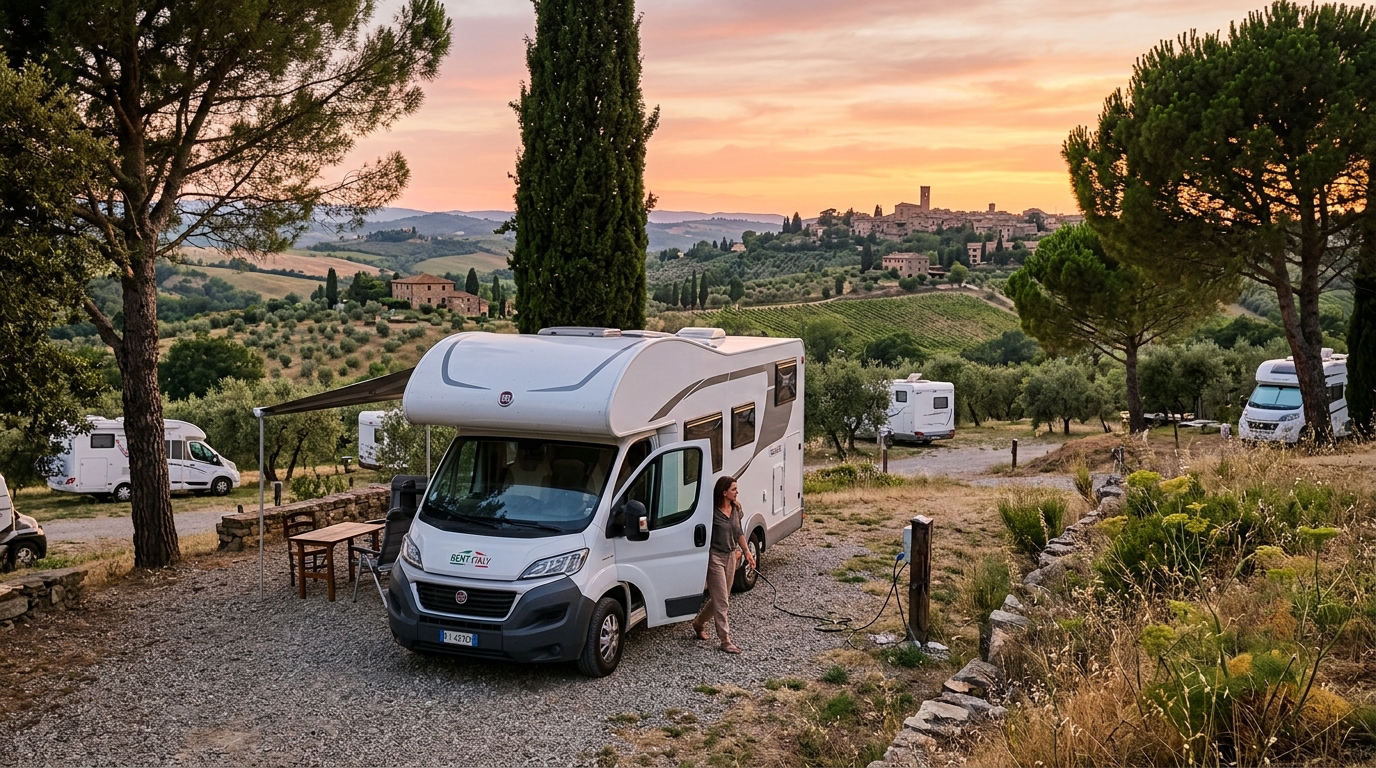
Wild camping and free overnight parking are generally prohibited across Italy, making designated campsites, *aree di sosta* (motorhome service areas), and *agricampeggi* the legal and recommended options for RV travelers. *Aree di sosta* are dedicated parking and service areas for motorhomes, often equipped with fresh water, grey water disposal, and sometimes electricity, offering a cost-effective and legal alternative to traditional campsites. These can be found near town centers, giving you easy access to local attractions. *Agricampeggi* are farm campsites, providing a unique opportunity to stay on private agricultural land, often with basic amenities and the chance to experience local produce and hospitality directly. While short, day-time parking may be permissible in general parking spots where not explicitly forbidden, overnight sleeping in a rented RV outside of these designated areas is generally not allowed and can result in fines. Rules can vary by region, so always check local regulations and follow local laws before parking overnight. For finding campsites and campgrounds during your trip, we recommend using RV PLANET (rvplan.net) - a great resource for locating available spots along your route.Can I Drive an RV Into the City Center? Heights, Tunnels & Local Signage
While it is often possible to drive a rented RV into city centers in Italy, extreme caution is advised due to prevalent ZTLs (Limited Traffic Zones), narrow historic streets, and limited parking, with areas like the historic center of Venice being entirely pedestrian-focused. Many Italian city centers are designated as ZTLs, which restrict vehicle access during certain hours or to authorized vehicles, enforced by cameras that issue automatic fines for unauthorized entry. RV drivers must plan routes meticulously to bypass ZTLs, parking outside these zones and utilizing public transport (buses, trams) to explore the historic core. You'll find cities like Acerra and Albano Laziale (Pavona) have these considerations. When driving a motorhome, pay close attention to local signage indicating height limits for tunnels and bridges, as well as weight restrictions, which are common in older urban areas. Even where ZTLs aren't present, the extremely narrow and winding streets in many Italian historic centers, combined with difficulty in finding suitable parking, often make driving a large RV impractical. For cities like Venice, the historic center is entirely pedestrian, requiring RVs to park outside the city and use public transport to access the main attractions. Remember: Drive slowly and carefully, and you can drive almost anywhere without issues. No need to stress - just use common sense and pay attention.When is the Best Time to RV in Italy?
The optimal time to embark on an RV trip in Italy is typically during the spring (April-May) or autumn (September-October), offering agreeable weather, fewer tourists, and ideal conditions for exploring diverse regions. Spring (April-May) features pleasant temperatures, blooming landscapes, and moderate crowds, perfect for touring cities and coastal areas before the intense summer heat, making it an excellent choice for a "RV Rental Deals in Italy - Latest Offers 2024" search. Autumn (September-October) provides comfortable weather for hiking and sightseeing, alongside unique cultural experiences like harvest festivals and truffle hunting, with vibrant foliage across regions such as Tuscany and Umbria. Summer (June-August) is peak season, characterized by hot weather, crowded attractions, and higher prices, best suited for coastal and lake regions or those planning outdoor water activities. Winter (November-March) offers a quieter experience with lower prices and fewer tourists, ideal for visiting major cities or accessing winter sports in the Alps, though some campsites and attractions may have limited operating hours. Considering a long-term RV rental in Italy - Monthly Rates 2024 during shoulder seasons can maximize savings and comfort.How Much Does an RV Trip to Italy Cost and How Can I Save Money?
The total cost of a rented RV trip in Italy varies significantly based on rental choice, duration, and seasonality, but budgeting around €80-€200 per day is a reasonable estimate, with significant savings possible by traveling off-peak and self-catering. Key expenses include RV rental fees (ranging from €50-€150+ per day for a standard Class SI Semi-integrated model like the `K3E`, and potentially more for a larger Class A `MHLUX`), fuel (approx. €18-€20 per 100km for diesel), tolls (€20-€40 per 1000km on average for major highways), and campsite fees (€20-€50 per night, depending on amenities and location). **Trip Cost Estimation by Duration:** - **1-week RV rental trip:** Expect a total cost of €800-€1,800, including rental, approximately €300-€400 for fuel (based on 1,000 km of driving), €50-€100 in tolls, and €140-€350 for 7 nights of camping. - **2-week RV rental trip:** A more extended adventure might cost €1,500-€3,500, with rental fees potentially lower per day for longer bookings, and higher allowances for fuel and tolls. - **1-month RV rental trip:** For a full month, costs could range from €3,000-€7,000, benefiting from better long-term rental rates and more opportunities for flexible, budget-friendly choices. Remember, prices are dynamic and change daily based on availability, seasonality, and supplier marketing decisions, so the final price is set at the actual booking time. Our "RV Rental in Italy - Prices and Best Deals 2024" guide offers more details. **Cost by Group Type:** - **RV rental for couples:** A compact Class B Camper Van like the `Koru 2 Freedom` is ideal, offering efficiency and lower fuel costs, potentially fitting into the lower end of the €80-€120 daily range for rental. - **RV rental for families with kids (4-6 people):** A Class C Alcove (like the `MIC`, sleeping up to 6 with 100L fresh water tank) or a larger Class SI Semi-integrated RV would be more suitable, offering more sleeping places and storage, likely in the €120-€200+ daily range. **Last-Minute Booking:** Yes, you can find last-minute RV rental deals in Italy. While popular times and specific vehicle types might have limited availability, it's certainly possible to book a motorhome a few days or weeks before your trip. Prices are dynamic, so a last-minute booking could sometimes offer a special deal if a supplier has excess inventory, or it could be higher due to limited choice. Many national and state parks reserve only 25-30% of spots in advance, leaving the rest for first-come-first-serve. So, if your dates are flexible, you'll often find a spot. If not at the first campground, then the next one. Always call ahead before driving! **Flexibility Tips for Finding the Cheapest RV Rental:** - **Flexible Dates:** Traveling during shoulder seasons (April, May, September, October) or off-peak months (November-March) can significantly reduce rental rates. Weekday pick-ups and drop-offs can also be cheaper. - **Flexible Location:** Consider less popular pick-up locations in Italy if your itinerary allows. For example, checking availability in Albenga - Airport might offer different rates than larger hubs like Milan. - **Comparison Tools:** Use our platform to compare final prices across 50+ suppliers, ensuring you see all costs upfront with full transparency. No hidden fees, no surprises. - **Self-Catering:** Cooking your own meals in the RV galley using ingredients from local markets is far more economical than dining out frequently. Italy is a food lover's paradise, and preparing meals on board lets you savor fresh, regional produce like in the Sicily or Puglia markets. - **Alternative Accommodations:** Opting for *aree di sosta* or *agricampeggi* over premium campsites can reduce accommodation costs significantly. For help itemizing and tracking every expense along the way for easy budgeting, consult the RV PLANET routes.How Do ZTLs and Narrow Roads Affect RV Driving in Italy?
Italy's *Zone a Traffico Limitato* (ZTLs) in urban centers and the country's often narrow, winding roads necessitate meticulous route planning and constant vigilance for RV drivers to avoid fines and navigate challenging terrain safely. ZTLs are restricted traffic zones, common in historic city centers (e.g., Rome, Florence, Verona), where access is limited to residents or authorized vehicles during specific hours, enforced by automated cameras that issue fines for unauthorized entry. RV drivers must plan routes carefully to bypass ZTLs, parking their rental motorhome or campervan outside these zones and utilizing Italy's efficient public transport system to explore the historic core. Beyond ZTLs, many Italian roads, particularly in smaller towns, rural areas, and mountainous regions like the Dolomites, are exceptionally narrow, requiring slow speeds, careful maneuvering, and often yielding to oncoming traffic. This emphasizes the importance of a well-chosen RV size, like a compact Class B Camper Van, for easy navigation. An International Driving Permit (IDP) is also crucial for non-EU license holders, ensuring compliance with local driving regulations and providing a recognized translation of your license for authorities.Beyond Campsites: Where Can I Legally Park and Stay Overnight in an RV in Italy?
Beyond traditional campsites, RV travelers in Italy can legally park and stay overnight in *aree di sosta*, which are dedicated motorhome service areas, and *agricampeggi*, offering unique farm-based camping experiences, both providing more localized immersion than standard campgrounds. *Aree di sosta* (literally 'rest areas') are specifically designed for motorhomes and campervans, offering essential services like fresh water, grey water disposal, and sometimes electricity, often at a lower cost than full-service campsites. These are invaluable for a comfortable and budget-friendly RV rental trip, and many are listed on RV PLANET (rvplan.net). *Agricampeggi* are small, often family-run campsites located on farms or agricultural properties, providing a tranquil setting, local produce, and a more authentic rural Italian experience. These alternatives allow RVers to explore off-the-beaten-path locations and engage more directly with local communities and food culture, truly embodying the spirit of slow travel. It's a great way to experience the charm of local life and taste fresh, homemade products.How Can RV Travel Offer Deeper Cultural Immersion in Italy?
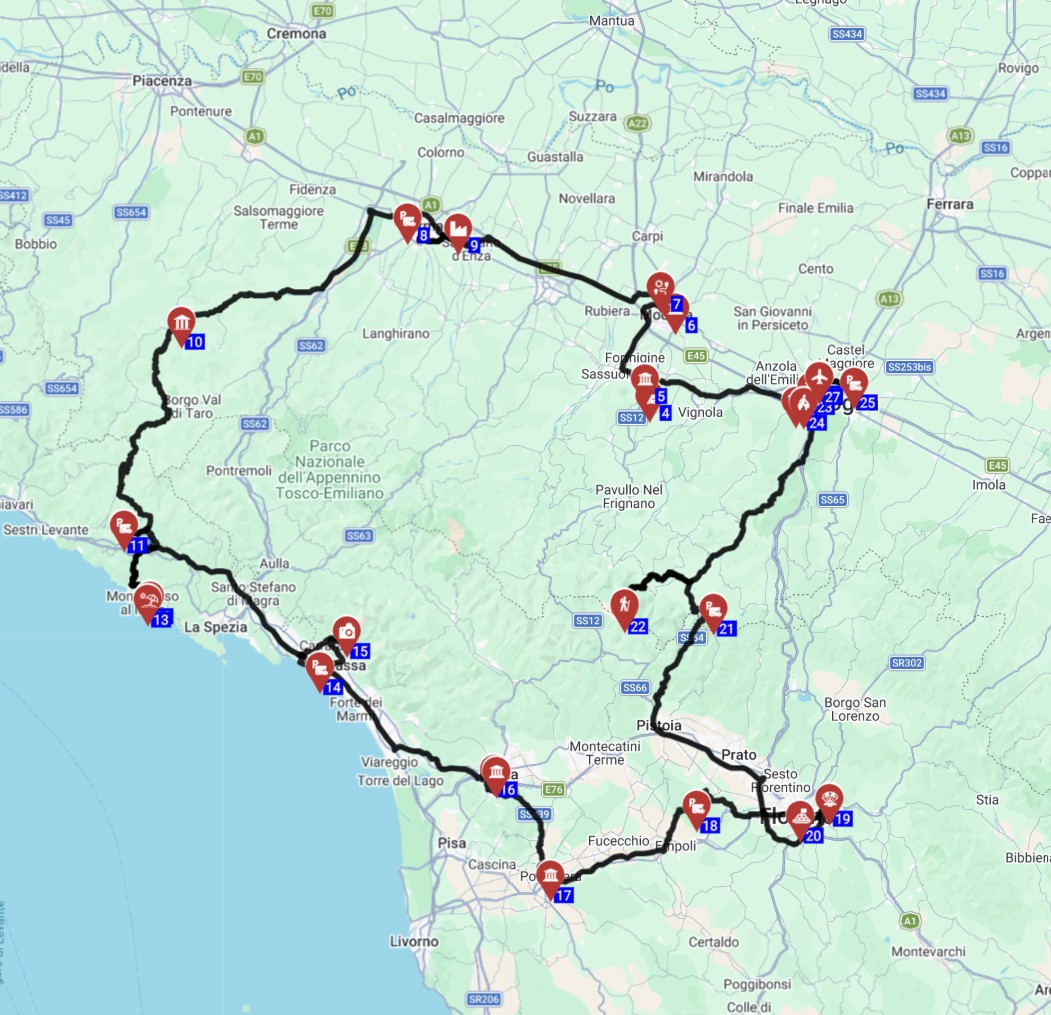
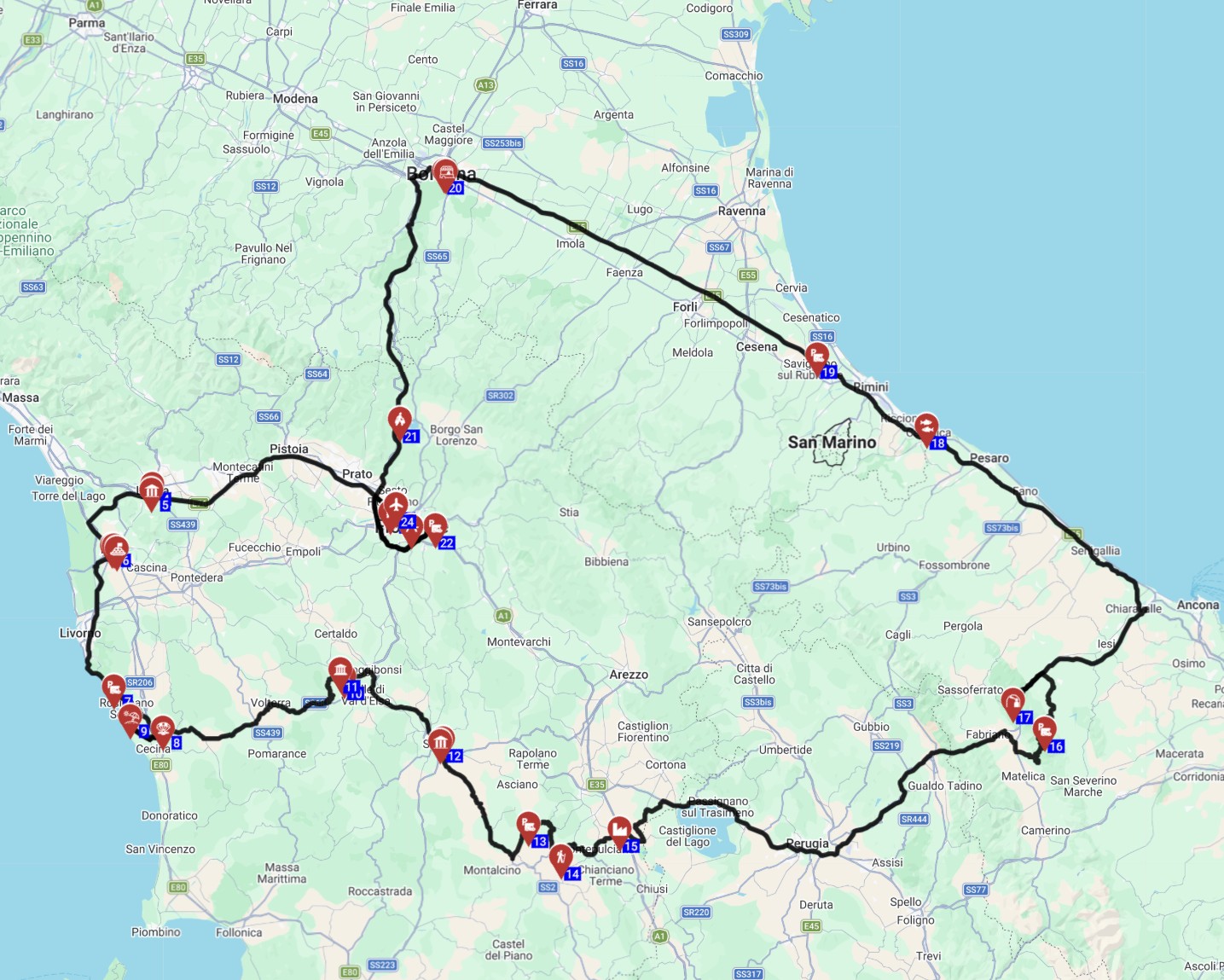
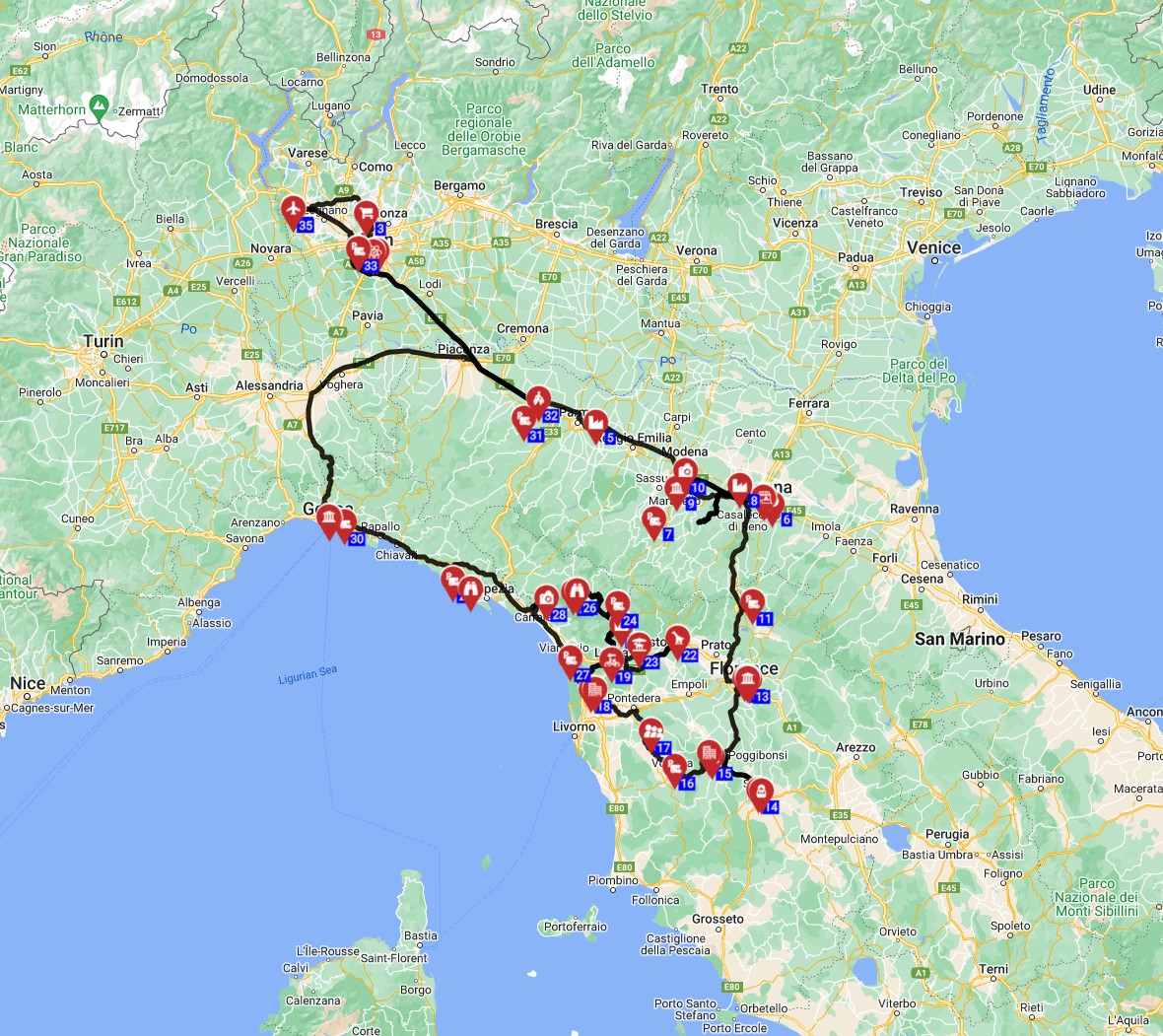
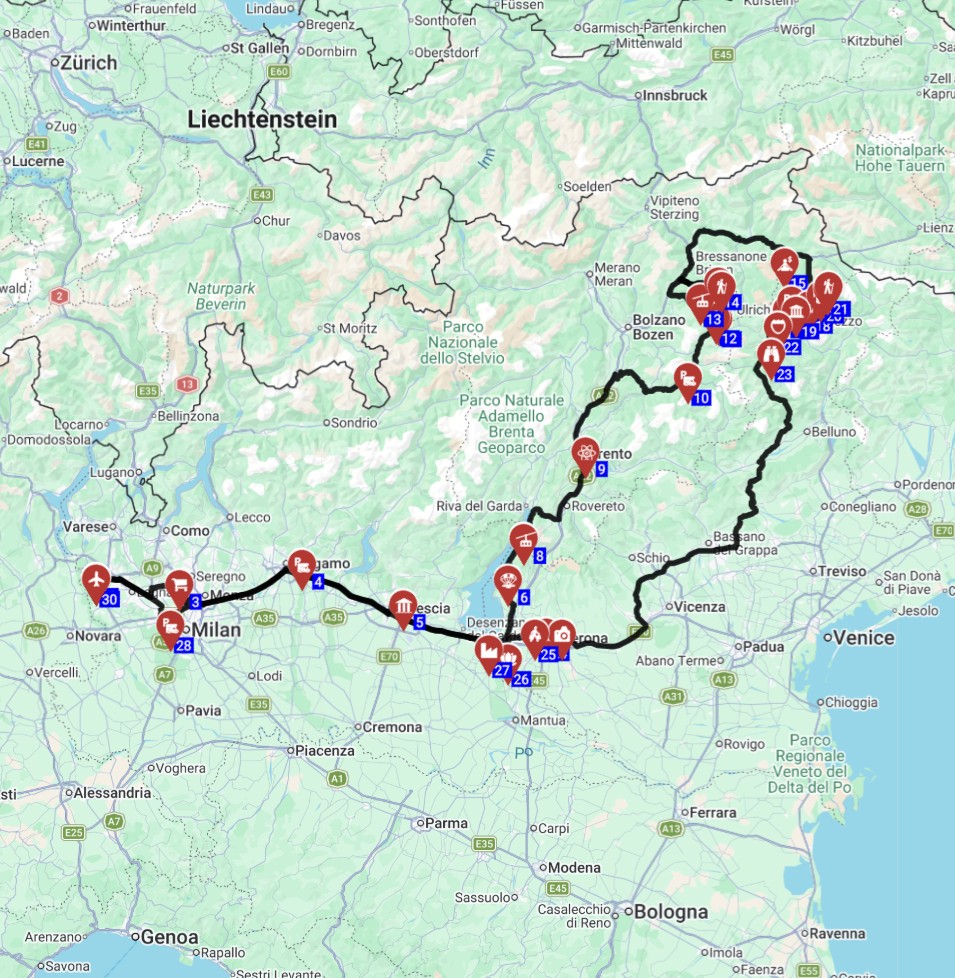
RV travel in Italy fosters profound cultural immersion by granting the flexibility to explore authentic local markets, stay in *agricampeggi* on family farms, and discover hidden villages, thus enabling a more intimate engagement with Italian life beyond major tourist destinations. The independence of a rented motorhome allows travelers to venture beyond well-trodden tourist routes to discover charming, less-visited villages and interact with local residents, from the Alps to the Adriatic Sea. With a rented RV, you can easily visit vibrant local markets, like those found in Bari or Ancona, to purchase fresh, regional ingredients and cook authentic Italian meals in your motorhome, experiencing the cuisine firsthand. Staying at *agricampeggi* provides a direct connection to Italian agriculture and hospitality, often including opportunities to taste homemade products like olive oil, wine, or cheese. The slower pace and autonomy of RV travel encourage spontaneous stops at roadside vendors, local festivals, and scenic viewpoints, fostering a deeper appreciation for Italy's diverse landscapes and traditions. Plan a trip itinerary in advance with minimal effort and maximum enjoyment through RV PLANET routes, such as the 16-day "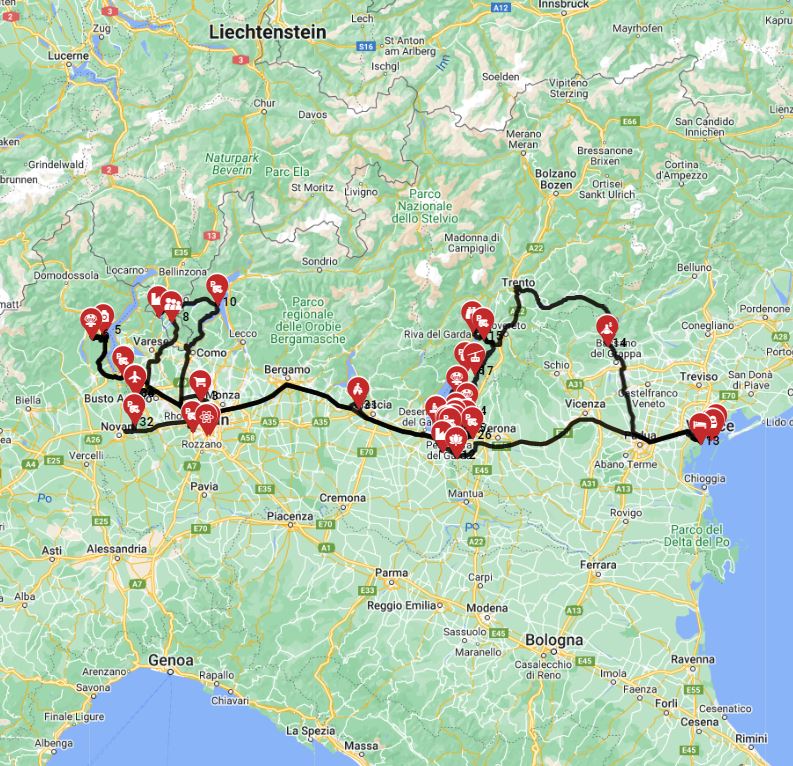
What Are Essential Safety Tips for RVing in Italy?
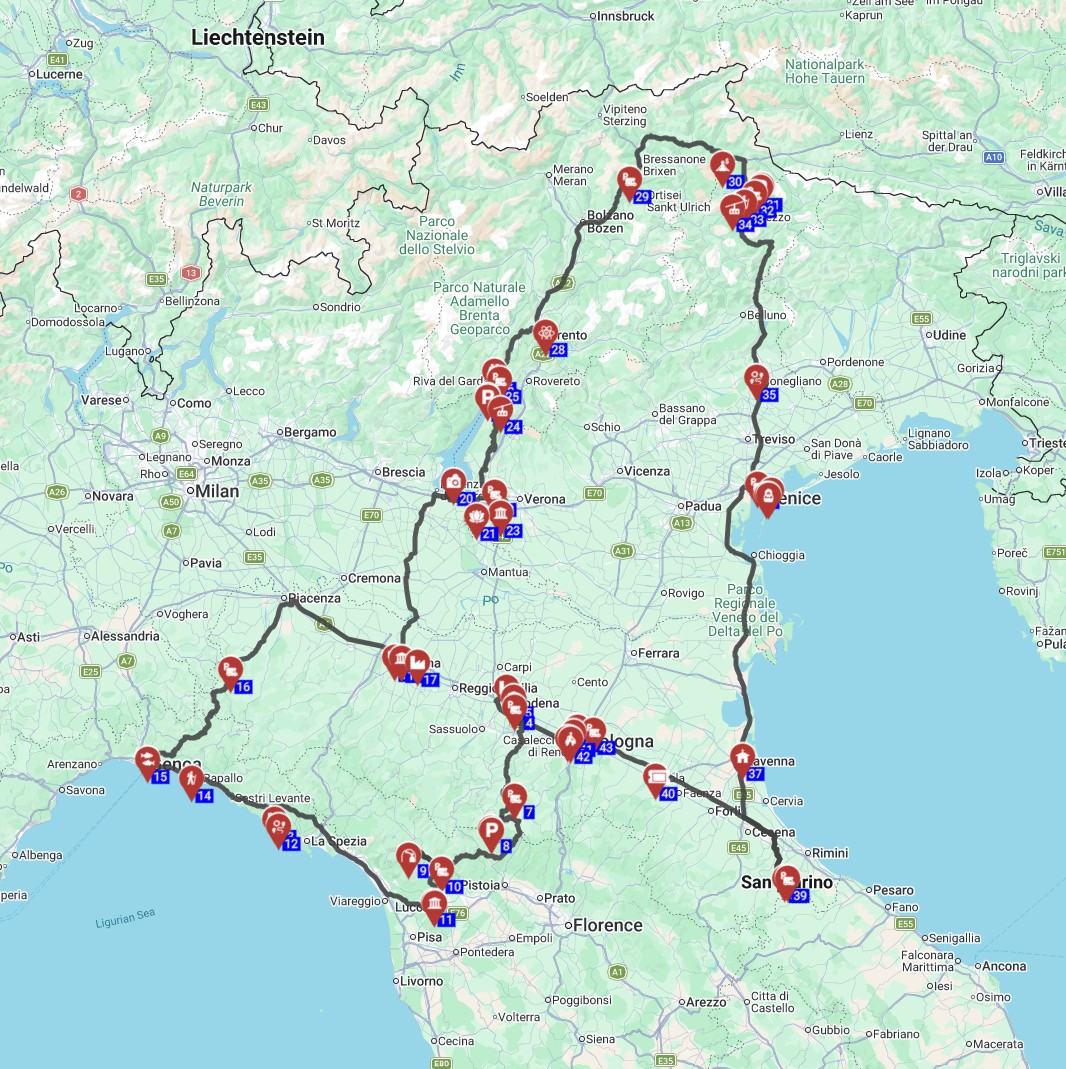
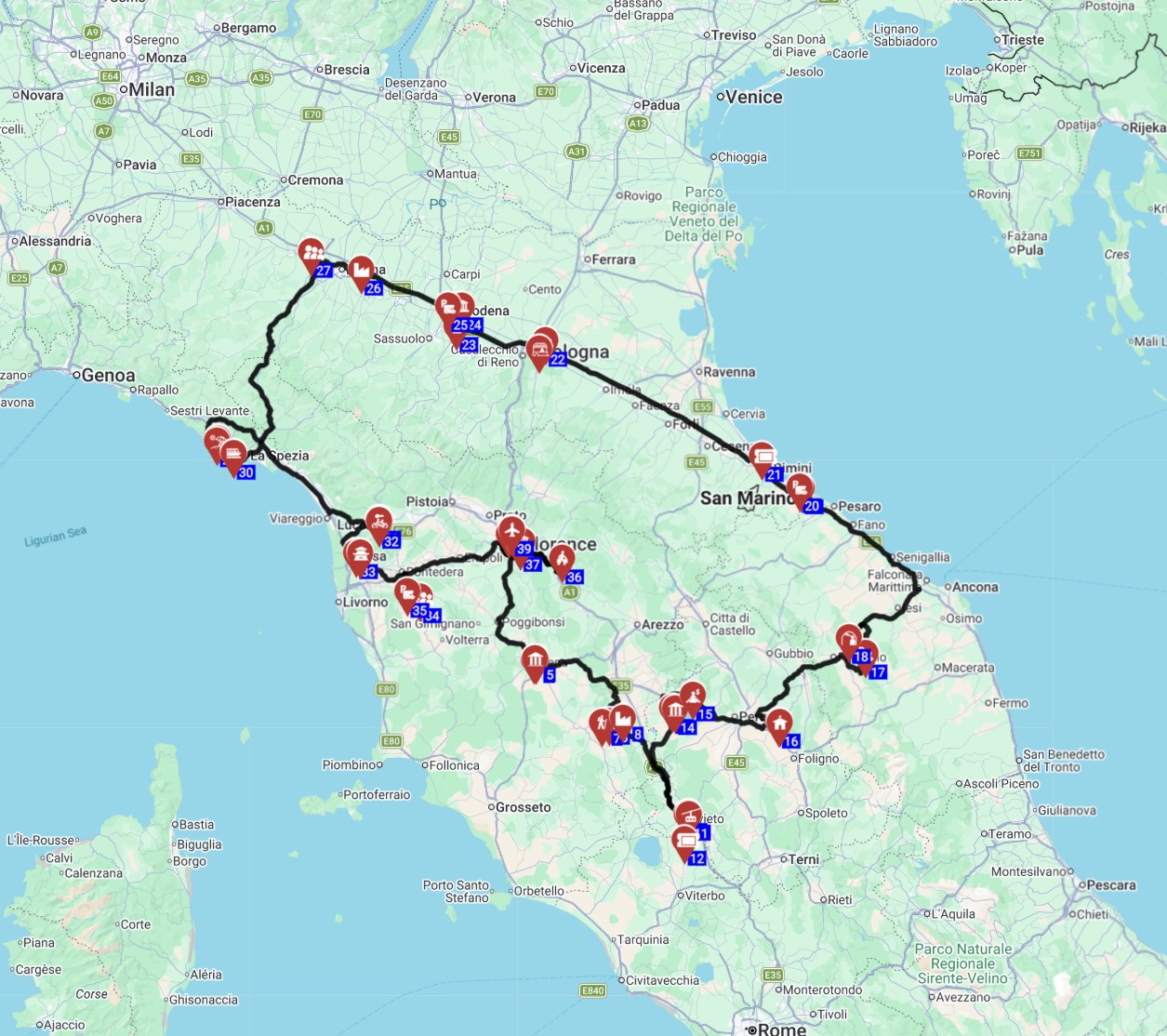
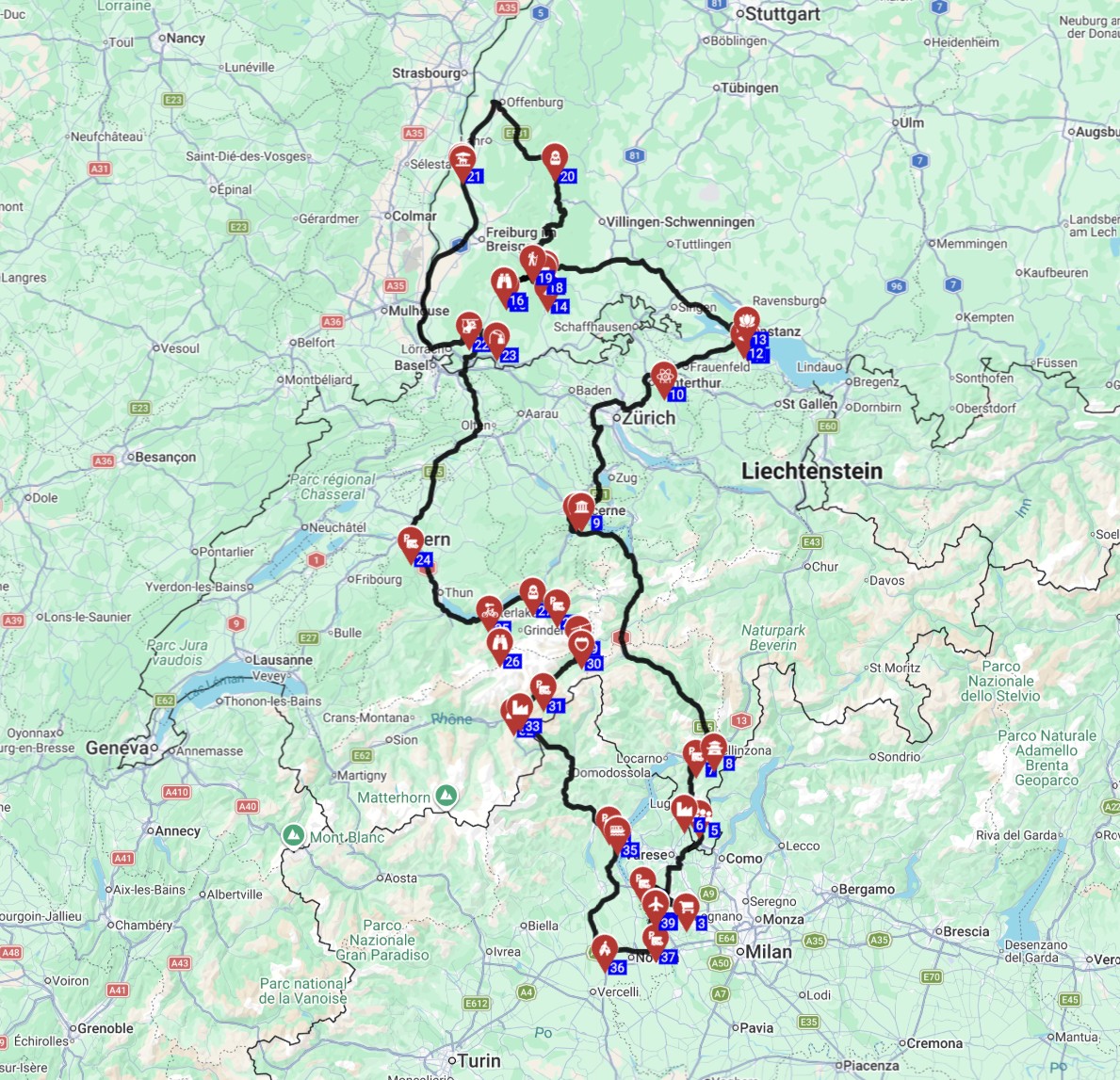
Ensuring a safe RV trip in Italy involves proactive measures such as diligent vehicle security, adherence to local traffic laws including navigating ZTLs, meticulous route planning, and preparedness for emergencies with essential documentation and contact numbers. Always secure your rented RV by locking doors and windows, especially when parked overnight or leaving the vehicle unattended; consider additional locks or alarms for peace of mind. Be vigilant about personal belongings and avoid leaving valuables visible inside the RV to deter opportunistic theft. Familiarize yourself with Italian road rules, including speed limits, right-of-way (driving is on the right side of the road), and specific requirements like carrying a high-visibility vest and warning triangle in your vehicle. Keep emergency contact numbers readily accessible (112 for all emergencies in Europe) and ensure you have comprehensive travel insurance and roadside assistance coverage. Using pre-planned route plans by professionals, such as those offered via RV PLANET (rvplan.net), can help you anticipate road conditions and parking options, enhancing overall safety and enjoyment. For example, the "Nice Roundtrip - French Riviera toward North Italy, Switzerland, and the French Alps" route covers 1,742 km and includes practical tips for navigating diverse terrains.Top Cities for RV Rental in Italy
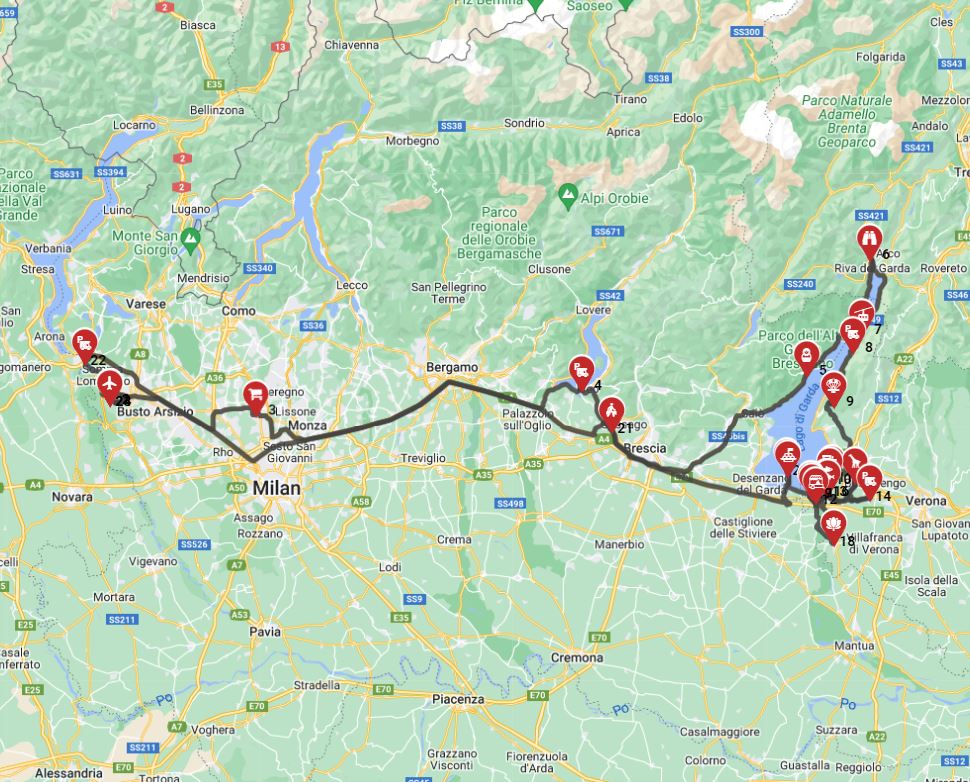
Italy offers numerous fantastic cities for beginning your motorhome adventure or exploring as part of a longer itinerary. Each city provides unique attractions and convenient access to diverse regions.- **Milan:** A major northern hub, Milan (Milano) is ideal for exploring the Italian Lakes region, with the "Milano Roundtrip - The Lakes of North Italy" route featuring 16 days of exploration including 1 botanical garden and 1 aquarium.
- **Rome:** The eternal city, Rome is a perfect base for discovering ancient history and then venturing south to the Amalfi Coast or into the heart of Lazio by campervan.
- **Venice:** While its historic center is pedestrian, Venice serves as a gateway to the Veneto region, offering nearby RV-friendly parking and easy access to the Dolomites.
- **Florence:** Located in Tuscany, Florence provides an excellent starting point for scenic drives through vineyards and historic towns like Siena, perfect for a week-long RV trip.
- **Bari:** As a significant port city in Puglia, Bari is a great option for those looking to explore southern Italy's stunning coastline and charming trulli villages by rented motorhome.
- **Ancona:** Situated on the Adriatic coast, Ancona offers connections to the Marche region's beautiful beaches and mountains, making it a versatile pick-up location.
- **Aosta:** Nestled in the Alps, Aosta is an excellent choice for winter sports enthusiasts and hikers seeking spectacular mountain scenery with their rented RV.
- **Palermo:** The capital of Sicily, Palermo is an ideal starting point for exploring the island's rich culture, ancient ruins, and stunning Mediterranean landscapes.
What You Shouldn't Miss
- **Drive the Amalfi Coast:** Experience one of the world's most iconic scenic drives, navigating winding roads and stopping in picturesque towns like Positano and Ravello. While challenging, the views are unforgettable with your rented motorhome.
- **Explore Tuscan Hill Towns:** Wander through medieval villages like San Gimignano and Montepulciano, sample local wines and olive oils, and immerse yourself in the quintessential Italian countryside from your campervan.
- **Hike in the Dolomites:** Discover breathtaking mountain landscapes in northern Italy, with numerous trails suitable for all levels, accessible from well-equipped campsites in Aosta.
- **Visit Pompeii and Mount Vesuvius:** Step back in time at the ancient ruins of Pompeii, then hike up Mount Vesuvius for panoramic views of the Bay of Naples, a truly dramatic historical and geological experience.
- **Indulge in Sicilian Street Food:** Explore the bustling markets of Palermo, tasting arancini, panelle, and cannoli, then use your RV kitchen to recreate your favorites with local ingredients. Our RV-friendly recipes playlist can provide inspiration.
- **Relax at Lake Como or Lake Garda:** Enjoy the serene beauty of Italy's northern lakes, perhaps taking a boat tour or simply relaxing by the water, offering a peaceful contrast to bustling cities.
🎬 Video coming soon
Final Thoughts
Embarking on a rented RV adventure through Italy promises an unparalleled journey filled with stunning landscapes, rich culture, and delicious food, all at your own pace. With Bandana Caravan, you have a partner committed to full transparency, dedicated support, and the best deals, ensuring your trip is as smooth and enjoyable as possible. Whether you're dreaming of a romantic escape through Tuscany in a cozy campervan or a family expedition to the Dolomite mountains in a spacious Class C motorhome, Italy by RV offers endless possibilities.
Remember to embrace the art of slow travel, allowing yourself the time to truly connect with each place, savor the local flavors, and create unforgettable memories. No need to stress about city driving or finding campsites-just plan carefully, pay attention, and let the adventure unfold.
Are you ready to discover Italy on your terms? Get inspired for your next trip! Compare Motorhome Prices for Italy and start planning your perfect Italian road trip today!
On the routes offered through RV PLANET routes, you can itemize and track every expense along the way for easy budgeting.