In This Guide
- Can You Drive an RV in Hamburg? License and Age Rules
- Road Conditions and Terrain in Hamburg
- RV Size Limits, Bridges and Restricted Zones
- Fuel: Diesel vs. Petrol and Cost per 100 km
- Tolls, Vignettes and Border Rules
- Driving Tips for RV Rental Deals Travelers
- Recommended RV Class for Hamburg Roads
- Should I Choose a Compact Van Instead of a Large RV in Hamburg?
- Can I Park Anywhere? Free and Wild Camping Rules in Hamburg
- Can I Drive an RV Into the City Center? Heights, Tunnels and Local Signage
- What is the 3 3 3 rule for RVs and campers?
- What do I need to drive my motorhome in Germany?
- What are the requirements for renting an RV?
- Do you need a special license to rent and drive an RV?
- Are RVs allowed in Germany?
- How much does RV rental insurance cost?
- Where to buy RV rental insurance?
Can You Drive an RV in Hamburg? License and Age Rules
Yes, driving an RV in Hamburg is permissible for individuals holding a valid driver's license that corresponds to the vehicle's weight, with minimum age requirements typically starting at 21 years old, though some rental companies may have a higher minimum age, often 25, for larger RV classes. A standard Category B license covers RVs up to 3,500 kg, which includes most camper vans and smaller semi-integrated models. For RVs weighing between 3,500 kg and 7,500 kg, a Category C1 license is required. Non-EU drivers should obtain an International Driving Permit (IDP) to accompany their national license. Rental companies typically impose a minimum driver age of 21 and often require at least 1-2 years of driving experience, with some larger vehicles potentially requiring more.
Road Conditions and Terrain in Hamburg
Hamburg features generally well-maintained urban and regional roads, ranging from bustling city streets to scenic routes around its lakes and the Elbe river. The terrain is predominantly flat within the city and its surrounding areas, making it generally favorable for RV travel. The city's road network is extensive and in good condition, accommodating RVs comfortably. Be aware of the urban density in the city center, which can mean more traffic and narrower streets, especially around historic districts. RV-specific speed limits in Germany are 100 km/h on Autobahns for vehicles under 3.5 tons, and 80 km/h on non-Autobahn roads for RVs over 3.5 tons.
RV Size Limits, Bridges and Restricted Zones
While most standard RVs can navigate Hamburg, drivers must be mindful of height and weight restrictions, particularly for older city bridges and tunnels. Crucially, comply with the city's environmental zones (Umweltzonen), which require a specific green sticker. Hamburg, like many German cities, has these 'Umweltzonen' in certain areas, particularly the city center, necessitating a green 'Umweltplakette' (emission sticker) to enter. Ensure your rental RV has the necessary green sticker to avoid fines when driving in these designated low-emission zones. Always pay close attention to road signage indicating height limits for tunnels and underpasses, especially if driving a larger RV (over 3.5 tons).
Fuel: Diesel vs. Petrol and Cost per 100 km
Most RVs in Germany, including those typically available for rental in Hamburg, run on diesel, which is widely available at service stations. Bandana's semi-integrated and alcove RVs typically consume 10-12 liters per 100 km, while Class B Camper Vans are more fuel-S efficient, averaging 8-10 liters per 100 km. Diesel fuel is generally slightly cheaper than petrol. Fuel costs in Germany are variable; it's advisable to check current prices online before your trip. Confirm if your rental includes any fuel discount cards. On the routes offered through RV PLANET routes, you can itemize and track every expense along the way for easy budgeting.
Tolls, Vignettes and Border Rules
RVs under 3.5 metric tons generally do not pay tolls on German autobahns, making most holiday rentals toll-free within Germany. The 'LKW-Maut' (truck toll) applies to commercial vehicles over 7.5t and is generally not relevant for standard recreational RV rentals. Germany does not use a vignette system for passenger vehicles or most RVs. If planning to drive an RV into neighboring countries from Hamburg, such as Denmark or the Netherlands, be aware of their specific toll systems or vignette requirements. Always ensure you carry all necessary vehicle documentation and your ID/passport when crossing international borders.
Driving Tips for RV Rental Deals Travelers
When driving an RV in Hamburg, travelers should prioritize cautious driving due to the vehicle's larger size, pay close attention to specific German road rules, and plan routes to avoid unnecessary urban congestion. Always be aware of your RV's dimensions (height, length, width) for turns, parking, and navigating narrow streets or low bridges. Familiarize yourself with German road rules, including priority rules ('Rechts vor Links' - right before left), Autobahn etiquette (keep right, overtake on the left), and the legal requirement to form an emergency lane ('Rettungsgasse') in traffic jams. Use an RV-specific GPS or navigation app that accounts for vehicle dimensions and environmental zones to avoid restricted areas. For families, plan regular stops every 2-3 hours to prevent driver fatigue and keep passengers comfortable. When parking, choose designated Stellplätze or campgrounds, and always secure your RV by locking doors and windows, and keeping valuables out of sight to deter theft.
Recommended RV Class for Hamburg Roads
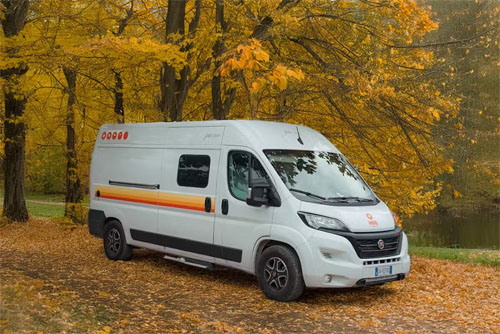
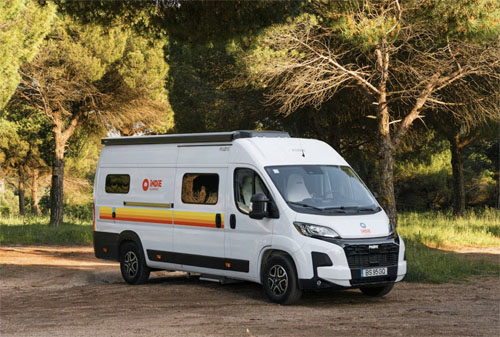
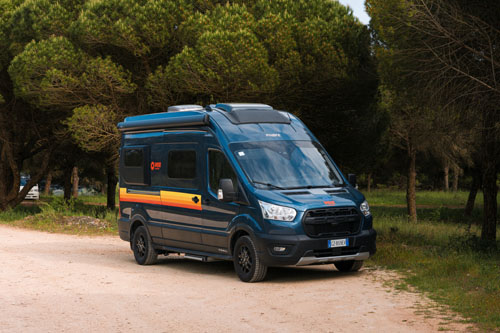
For navigating Hamburg's mix of urban and regional roads, a Class B Camper Van or a Class SI Semi-integrated RV is often recommended due to their balanced maneuverability and comfortable living space. Class B Camper Vans, averaging around 5.8 meters in length, offer excellent maneuverability and are easier to park in urban settings, making them ideal for couples or solo travelers exploring Hamburg and its surroundings. Class SI Semi-integrated RVs, averaging about 6.9 meters in length, provide a good balance of living space and ease of driving, suitable for small families or those desiring more comfort without excessive length. While larger Class C Alcove (7.5 meters average) or Class A Integrated (7.5 meters average) RVs are manageable on main roads, they may require more careful planning for city center access and parking.
Should I Choose a Compact Van Instead of a Large RV in Hamburg?
While a compact camper van offers superior maneuverability and easier parking in urban Hamburg, choosing a larger RV often provides significantly more comfort and indoor space for longer trips without major driving issues on main roads. Compact camper vans (Class B) are ideal for navigating tight city streets, finding parking, and offering better fuel economy. Larger RVs (Semi-integrated, Alcove) provide more expansive living areas, dedicated bathrooms, and larger kitchens, enhancing comfort for longer durations or multiple occupants. The main roads and regional routes around Hamburg are well-suited for all RV sizes, meaning a larger RV does not inherently present significant driving challenges outside of finding parking. The decision often comes down to balancing the desire for urban agility with the need for onboard amenities and living space for your specific travel style.
Can I Park Anywhere? Free and Wild Camping Rules in Hamburg
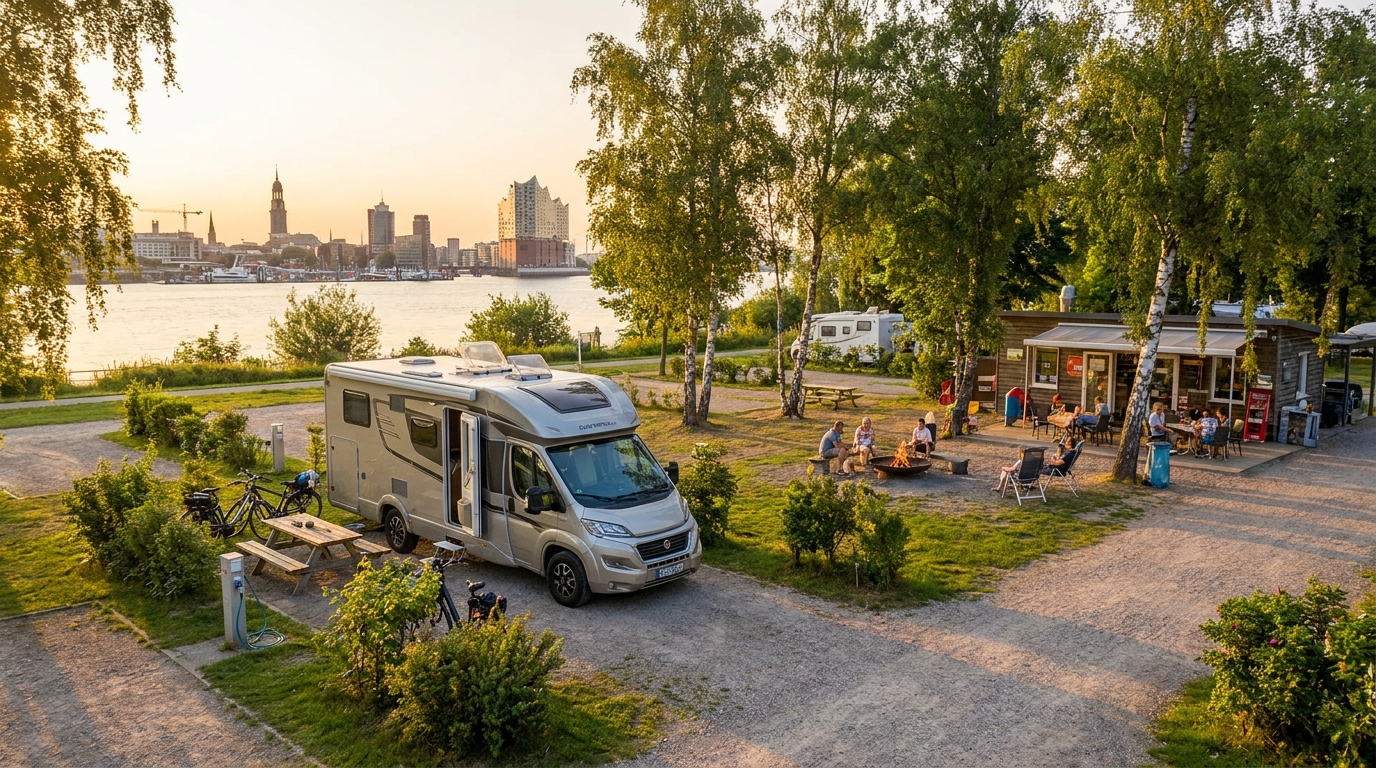
Wild camping and overnight parking outside of designated areas are generally prohibited in Hamburg and throughout Germany, requiring RVers to utilize official campgrounds or Stellplätze for overnight stays to avoid fines. In Germany, it is illegal to 'wild camp' (set up camp with chairs, awnings, etc.) outside of official sites. However, a single overnight stay for the purpose of 'recovering driver fitness' is often tolerated in parking lots where not explicitly forbidden, provided no camping behavior is displayed. Always prioritize designated 'Wohnmobilstellplätze' (motorhome parking spots) or commercial campgrounds, which offer necessary facilities like electricity, fresh water, and waste disposal. For staying in or near Hamburg, search for options like KNAUS Campingpark Hamburg or local Stellplätze listings to find legal and equipped overnight spots. Rules vary by region—check local regulations and follow local law before parking overnight, as ignoring these can result in significant fines.
Can I Drive an RV Into the City Center? Heights, Tunnels and Local Signage
Yes, RVs can generally be driven into Hamburg's city center, but drivers must pay close attention to local signage indicating height restrictions for tunnels and underground garages, environmental zones, and occasional residents-only streets. Main arterial roads leading into and through Hamburg's center are typically accessible for RVs. The critical consideration for city center driving is navigating 'Umweltzonen' (environmental zones), for which your RV must display a green sticker to avoid fines. Always be vigilant for signs indicating height limits for tunnels and multi-story car parks; underground parking is rarely suitable for RVs. Parking within the immediate city center can be challenging and expensive; consider parking on the outskirts and utilizing Hamburg's efficient public transport system for central sightseeing.
What is the 3 3 3 rule for RVs and campers?
The '3-3-3 rule' for RVs and campers is a popular guideline for trip planning that suggests driving no more than 300 miles (approximately 500 km) in a day, staying at least 3 nights in one location, and ensuring your destination is at least 3 hours away. The first '3' (300 miles/500 km) encourages moderate daily driving distances, preventing driver fatigue and allowing time for spontaneous stops. The second '3' (3 nights) promotes a more relaxed travel pace, enabling deeper exploration of a single destination rather than constant setup and pack-down. The third '3' (3 hours away) encourages selecting destinations far enough apart to feel like a significant change of scenery, fostering a true travel experience. This rule is a flexible guideline to enhance enjoyment and reduce stress, not a strict mandate, and can be adjusted based on personal preferences and trip specifics, especially when exploring a compact region like Hamburg.
What do I need to drive my motorhome in Germany?
To drive a motorhome in Germany, you primarily need a valid driver's license corresponding to the RV's weight, valid identification (passport/ID card), and for non-EU citizens, typically an International Driving Permit (IDP) in conjunction with your national license. A standard Category B driver's license is sufficient for most rental RVs weighing up to 3,500 kg. For larger motorhomes between 3,500 kg and 7,500 kg, a Category C1 license is mandatory. Always carry your physical driver's license, passport or national ID card, and the rental agreement/vehicle registration documents provided by the rental company. Ensure your vehicle is equipped with essential safety items like a reflective vest, warning triangle, and first-aid kit, which are usually provided by rental companies but should be checked.
What are the requirements for renting an RV?
Renting an RV in Hamburg typically requires the primary driver to be at least 21 years old with 1-3 years of driving experience, possess a valid driver's license (and often an IDP for non-EU citizens), and have a credit card for the security deposit. Most rental companies set a minimum age requirement of 21, and sometimes 25 for larger or premium RV classes. Drivers usually need to have held a valid driver's license for at least 1-3 years without significant endorsements. A major credit card is essential for the security deposit, which can range from €1,000 to €2,500 or more. All drivers must present a valid passport or national ID for identification purposes and comply with license requirements for the RV's weight class.
Do you need a special license to rent and drive an RV?
You typically do not need a 'special' license beyond a standard car driving license (Category B) to rent and drive most smaller and medium-sized RVs (up to 3,500 kg) in Germany. However, larger RVs exceeding this weight require a Category C1 license. The key differentiator for license requirements in Germany is the Gross Vehicle Weight (GVW) of the RV. A Category B license, which permits driving vehicles up to 3,500 kg, covers the majority of camper vans and many semi-integrated motorhomes available for rental. For RVs with a GVW between 3,500 kg and 7,500 kg, a Category C1 license is required. It's crucial to confirm the GVW of your chosen RV model and ensure your existing license qualifies before renting.
Are RVs allowed in Germany?
Yes, RVs are widely allowed and popular in Germany, with extensive infrastructure including autobahns, regional roads, and a network of dedicated Stellplätze and campgrounds catering specifically to motorhome travelers. Germany boasts a well-developed road network, including the famous Autobahns, which are highly suitable for RV travel. The country has a vast array of 'Stellplätze' (dedicated RV parking spots, often with basic services) and full-service campgrounds throughout urban and scenic areas. While RVs are welcome, adherence to local traffic laws, speed limits, and environmental zone regulations (requiring a green sticker in some city areas like Hamburg) is mandatory. Wild camping is generally prohibited, making designated overnight spots essential for a legal and hassle-free trip.
How much does RV rental insurance cost?
RV rental insurance costs vary widely but typically range from €20 to €50 per day for supplemental coverage, in addition to the basic third-party liability and comprehensive insurance usually included in the rental price, which often carries a high deductible (excess). Basic third-party liability insurance is legally mandated in Germany and is always included in your rental rate. Most rental agreements also include comprehensive insurance (collision damage waiver), but it typically comes with a substantial deductible (excess) ranging from €1,000 to €2,500 or more. Optional supplemental insurance, often called 'deductible reduction insurance' or 'zero excess insurance', can be purchased to significantly lower or eliminate this deductible. Additional coverage options may include protection for tires, windows, roof, underside, personal belongings, or roadside assistance, with costs varying based on the level of coverage and the RV class.
Where to buy RV rental insurance?
RV rental insurance can typically be purchased directly from the rental company at the time of booking or pickup, or independently through third-party travel insurance providers specializing in RV rentals, offering options for deductible reduction or enhanced coverage. The most common way to buy RV rental insurance is directly through your rental company when you make your reservation or pick up the vehicle. Many travel insurance providers offer specific policies for RV rentals that can cover the deductible or provide broader coverage for your trip. Some credit cards offer rental car insurance benefits that might extend to RVs, but it's crucial to confirm this with your card provider, as RVs are often explicitly excluded. Always review the terms and conditions of any insurance policy carefully, paying close attention to deductibles, exclusions, and the claims process, whether purchasing from the rental company or a third party.
What You Shouldn't Miss
- Explore Hamburg's Speicherstadt (Speicherstadt) and Kontorhaus District, a UNESCO World Heritage site showcasing historic warehouse architecture.
- Take a harbor cruise to experience Hamburg's vast port and iconic Elbe Tunnel from the water.
- Wander through the charming streets of the Speicherstadt and discover its unique canals and bridges.
- Enjoy a stroll around the Außenalster lake, offering scenic views and recreational opportunities perfect for a relaxed RV excursion.
- Visit the Miniatur Wunderland, the world's largest model railway exhibition, for a fascinating glimpse into diverse landscapes and cities.
- Experience the vibrant nightlife and diverse culinary scene in areas like the Reeperbahn.
Final Thoughts
Renting an RV and exploring Hamburg offers a unique blend of urban convenience and the freedom of the open road. By understanding the local driving regulations, choosing the right vehicle for your needs, and planning your routes with resources like RV PLANET (rvplan.net), you can ensure a smooth and unforgettable adventure. Remember that flexibility in your travel dates and routes can often lead to better deals, so explore the options and embrace the journey!
From the historic Speicherstadt to the serene Alster lakes, Hamburg is a city best explored at your own pace. With a rented RV, you have the perfect mobile basecamp to discover its many charms and venture further into the beautiful landscapes of Northern Germany.
Find Motorhome Rentals in Hamburg