In This Guide
- Can You Drive an RV in Germany? License & Age Rules
- Road Conditions & Terrain in Germany
- RV Size Limits, Bridges & Restricted Zones
- Essential German RV Regulations: Umweltplakette & Winter Tires
- Fuel: Diesel vs. Petrol & Cost per 100 km
- Tolls, Vignettes & Border Rules
- Can I Park Anywhere? Free & Wild Camping Rules in Germany
- Can I Drive an RV Into the City Center? Heights, Tunnels & Local Signage
- Urban RVing Strategies: Visiting German Cities by RV
- Driving Tips for RV Rental Deals Travelers
- Recommended RV Class for Germany Roads
- Should I Choose a Compact Van Instead of a Large RV in Germany?
- Is it easy to RV in Germany?
- What is the cheapest way to RV in Germany?
- How much does it cost to rent an RV in Germany?
- Cultural Etiquette and Local Interaction for RVers in Germany
- Sustainability and Eco-Friendly RVing in Germany
- Emergency Preparedness and Safety for Your German RV Trip
- Family & Pet-Friendly RV Travel in Germany
- Technology & Connectivity for RVers in Germany
- Beyond the Major Routes: Discovering Germany's Hidden Gems by RV
Embarking on a rented motorhome adventure in Germany offers an incredible way to experience its rich history, stunning landscapes, and vibrant cities at your own pace. With Bandana RV, you're choosing a partner who genuinely knows and loves RV travel, providing full transparency and expert advice every step of the way. For live availability and current prices, start with our RV Rental Germany - Complete Guide 2026 guide.
Can You Drive an RV in Germany? License & Age Rules
A standard Class B driving license is sufficient for driving most rental campervans and smaller motorhomes in Germany, specifically those with a maximum authorized mass (MAM) up to 3,500 kg. For larger RVs between 3,500 kg and 7,500 kg, a C1 license is typically required, though many comfortable Class C motorhomes fall within the standard Class B limit. While the general driving age in Germany is 18, most RV rental companies, including our trusted partners like Apollo and Britz, require drivers to be at least 21 years old, and in some cases 25, especially for larger Class A motorhomes, though Bandana has no age restrictions based on vehicle class or young driver surcharges. Foreign drivers are highly recommended to carry an International Driving Permit (IDP) in addition to their national license, particularly if their national license is not issued in an EU country or is not in English, to ensure legal compliance and ease of identification with local authorities.🎬 Video coming soon
Road Conditions & Terrain in Germany
Germany boasts an excellent road infrastructure, featuring high-quality Autobahns and meticulously maintained secondary roads, making it exceptionally well-suited for RV travel. The country's terrain offers a diverse driving experience, ranging from the flat northern plains and rolling hills of central Germany to the picturesque, mountainous regions of the Black Forest and Bavarian Alps in the south. While the famous Autobahns allow for efficient, often high-speed, travel between major regions, exploring Germany's charming scenic routes and smaller historic towns often involves navigating narrower, more winding roads at slower speeds, which is perfect for fully immersing yourself in the scenery and local culture. Driving slowly, aiming for a maximum of 100-150 km per day on average, allows you to truly feel the place and connect with the culture, the food, and the stunning scenery.RV Size Limits, Bridges & Restricted Zones
RVs in Germany must always adhere to posted height and weight limits, which become especially critical when navigating older towns with narrow streets or low bridges. Many German cities, including popular destinations, have designated environmental zones (Umweltzonen) where only vehicles displaying a valid 'Umweltplakette' (environmental sticker) are permitted, regardless of vehicle size. These stickers classify vehicles based on their emission standards, and entering a zone without the correct one can result in substantial fines. Drivers should always pay close attention to local signage for specific restrictions, as some roads, tunnels, or historic areas may have unique width, height, or weight limitations. Planning your route with these factors in mind, perhaps using a reliable RV navigation app, can help ensure a smooth journey.Essential German RV Regulations: Umweltplakette & Winter Tires
Traveling with a rented RV in Germany requires displaying an 'Umweltplakette' (environmental sticker) when entering designated low-emission zones, which are prevalent in many German cities. The specific color of the Umweltplakette required, either green, yellow, or red, depends on your RV's emission standard and must be purchased and affixed to the windshield *before* entering these zones to avoid fines. During appropriate seasonal conditions, typically from October to April, Germany's 'situational' winter tire law mandates M+S or alpine symbol tires if you encounter driving conditions such as snow, ice, or black ice. It's crucial to be aware of these regulations to ensure a smooth and compliant RV trip in Germany.Fuel: Diesel vs. Petrol & Cost per 100 km
Most motorhomes available for rent in Germany, and generally across Europe, operate on diesel fuel, which is readily available at service stations throughout the country. For example, Bandana's fleet typically shows a fuel consumption for a Class B Camper Van around 8-10 liters per 100 km, while a larger Class SI Semi-integrated RV like the '2 Berth Tamar' or 'K4' averages 10-11 liters per 100 km. The actual average cost per 100 km will fluctuate with current diesel prices, but factoring in these consumption rates allows for accurate budgeting of your road trip.Tolls, Vignettes & Border Rules
Germany does not require a general vignette or toll for RVs (or passenger cars) on its Autobahns; tolls are primarily levied on heavy goods vehicles (LKW-Maut). While the vast majority of German roads are toll-free for RVs, specific private roads, scenic tunnels, or bridges might incur separate charges, so always pay close attention to local signage. When traveling across borders from Germany into neighboring countries like Austria or Switzerland, be aware that vignettes or specific road tolls are mandatory for RVs and should be purchased in advance to avoid significant fines. This is a crucial detail for planning your "RV Rental Europe - Complete Guide 2026" adventure.Can I Park Anywhere? Free & Wild Camping Rules in Germany
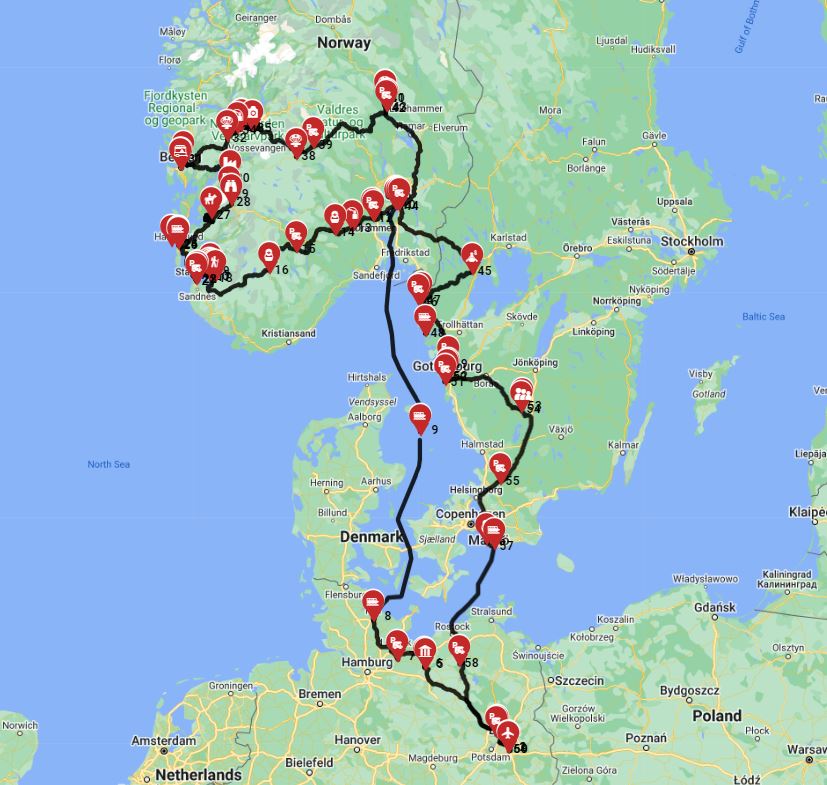
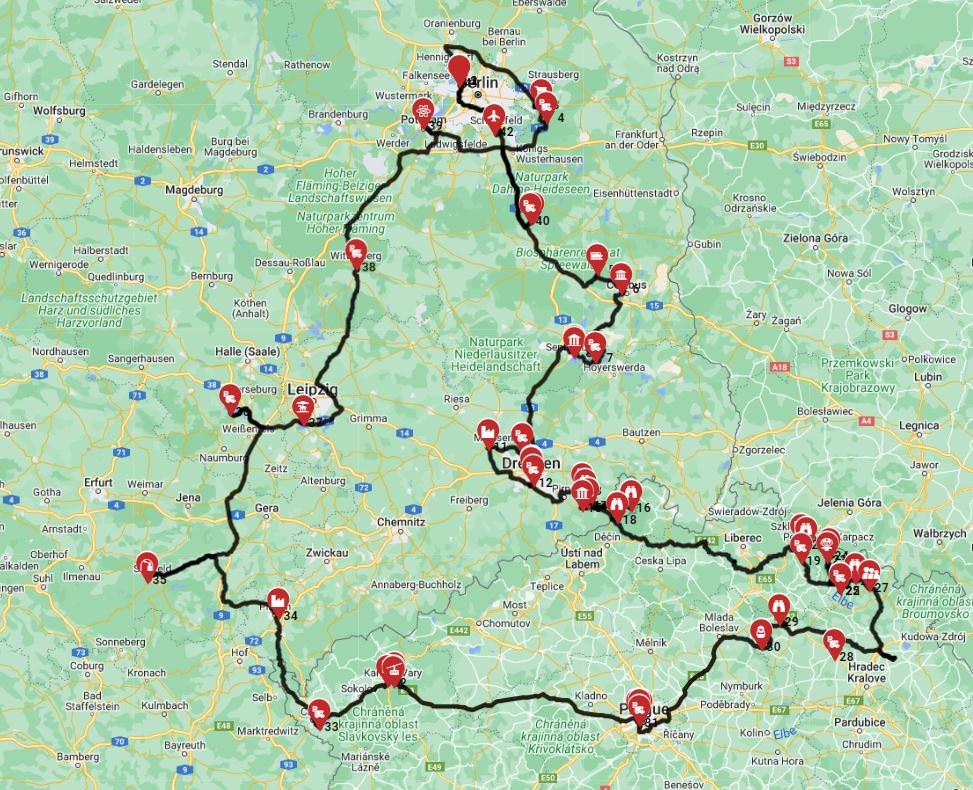
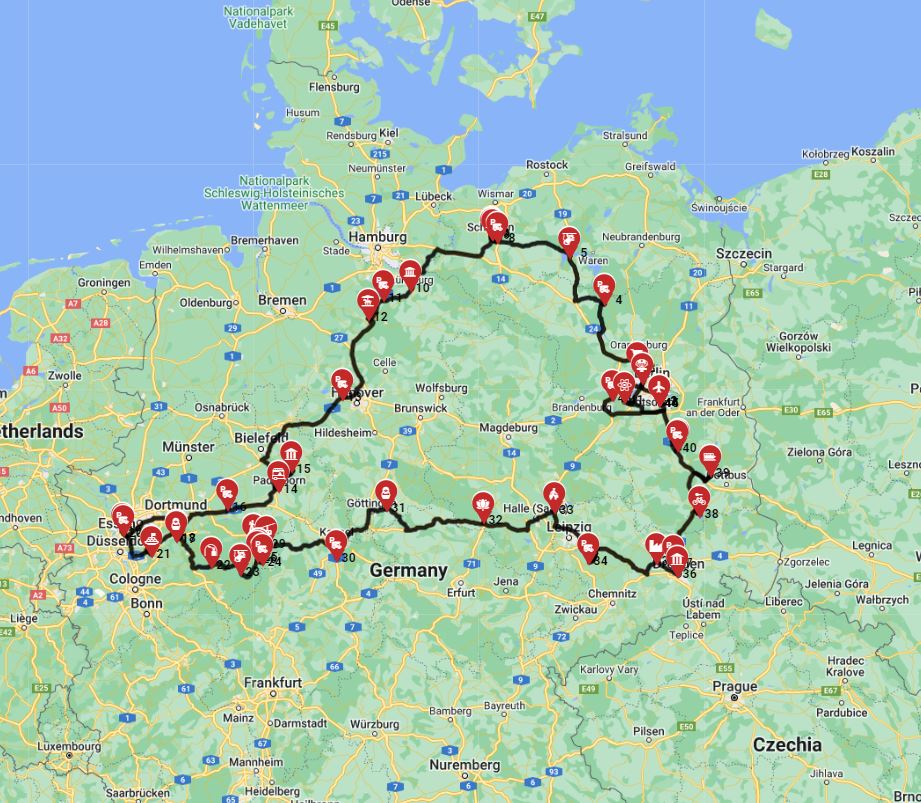
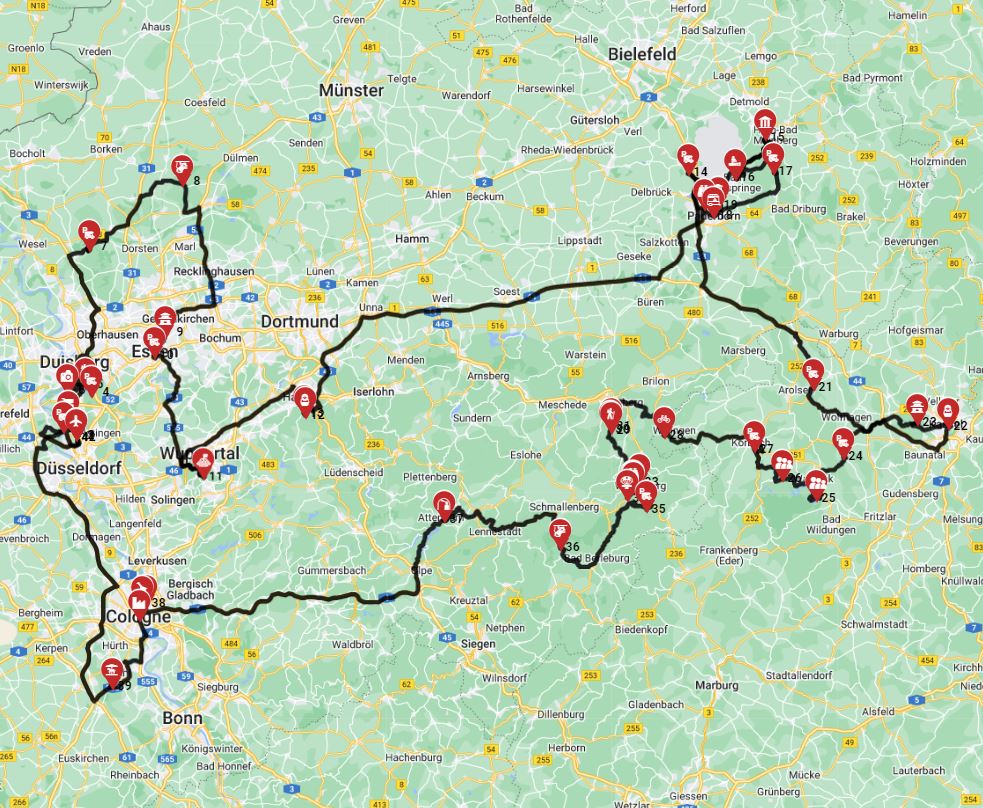
While wild camping is generally prohibited in Germany and can lead to fines, designated 'Stellplätze' (motorhome parking areas) offer legal and convenient options for overnight stays. Germany boasts over 4,000 Stellplätze across the country, providing diverse amenities from simple parking spots to those offering electricity, water, and waste disposal, usually for a modest fee of €10-€30 per night. Rules regarding overnight parking for a "single night to restore driving fitness" can be ambiguous and vary by region, so it's always safest and most compliant to use official Stellplätze or established campsites. Always check local regulations and follow local laws before parking overnight to avoid unexpected issues. Our RV PLANET routes make budgeting for these RV PLANET routes campground fees easy.Can I Drive an RV Into the City Center? Heights, Tunnels & Local Signage
RVs can often access German city centers, but drivers must pay close attention to local signage, including crucial environmental zone requirements (Umweltplakette), height and weight restrictions, and specific traffic flow rules like 'Einbahnstraße' (one-way street). Many German cities have strict environmental zones where only vehicles with the correct 'Umweltplakette' are permitted, making it essential to plan ahead and secure the proper sticker. Low bridges and tunnels, particularly in older, historic cities, can pose significant challenges for taller motorhomes, so always heed posted height limits before proceeding. Drive slowly and carefully, and you can drive almost anywhere without issues. No need to stress - just use common sense and pay attention to signage.Urban RVing Strategies: Visiting German Cities by RV
To effectively visit German cities by a rented RV, strategic parking outside historical centers and utilizing park-and-ride facilities are highly recommended. Leveraging Germany's efficient public transportation networks from RV-friendly Stellplätze or parking areas located on city outskirts is often the most convenient and stress-free way to explore urban attractions. Researching RV-specific parking options or designated city motorhome parks in advance, perhaps using resources like rvplan.net, can save considerable time and stress when planning to visit major German cities such as Berlin, Munich, or Hamburg. This approach allows you to enjoy the city's charm without worrying about navigating narrow streets or finding suitable RV parking.Driving Tips for RV Rental Deals Travelers
When driving your rented motorhome in Germany, always maintain safe driving distances, especially on the high-speed Autobahns, and be mindful of speed limits, which are often lower for larger vehicles like RVs. Practice wide turns, particularly in urban areas and at intersections, to account for the RV's longer length and wider turning radius. Utilize mirrors frequently and consider having a spotter when backing up or maneuvering in tight spaces, as visibility can be limited. For families traveling with a 'Comfort Family 5' motorhome or similar, plan frequent stops at the country's many well-equipped rest areas or playgrounds to ensure comfort and prevent driver fatigue, making the journey itself an enjoyable part of your adventure. Considering booking Stellplätze, especially during peak season, is a wise move to secure overnight parking and avoid last-minute stress.Recommended RV Class for Germany Roads
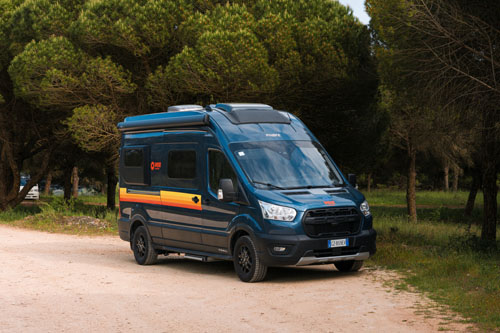
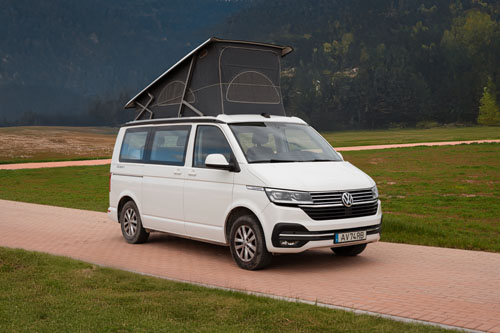
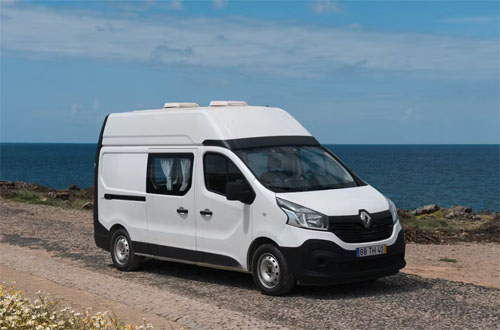
For navigating Germany's diverse road network, a Class B Camper Van or a Class SI Semi-integrated RV is often recommended due to their balanced size and maneuverability. Class B Camper Vans, like the 'V3' with a length of 6.36 meters, offer excellent agility for both urban exploration and scenic routes. These are ideal for couples or small families seeking flexibility. For instance, the 'Paradise Camper 4x4 double cab' is a slightly different vehicle, but it highlights the agility smaller units offer. Class SI Semi-integrated RVs, averaging around 6.9 meters in length, like the 'K2D' or 'F4', provide a comfortable balance of living space and ease of driving, suitable for families or extended trips without being overly cumbersome for German roads.Should I Choose a Compact Van Instead of a Large RV in Germany?
Choosing between a compact van and a larger motorhome for a German road trip depends significantly on your travel priorities and group size; compact vans offer greater agility for navigating narrow streets and finding tighter parking spots in historic towns. These smaller, more fuel-efficient options are often ideal for couples or solo adventurers. Larger RVs, while less nimble in tight urban settings, provide superior comfort, more generous living space, and better amenities such as larger refrigerators, more expansive dining areas, and full showers, making them suitable for longer trips or families with 4-7 people. For example, a 'Glamys 40' offers more space than a compact van. Thankfully, Germany's well-maintained roads and ample Stellplätze mean that even larger RVs can be driven without significant issues on main routes, with the primary trade-off being maneuverability within very confined city centers.Is it easy to RV in Germany?
RVing in Germany is widely considered easy and enjoyable, thanks to the country's excellent road infrastructure, its dense network of over 4,000 campgrounds and Stellplätze, and clear, consistent road signage. Germany's high standards for road maintenance and service facilities make for a smooth and comfortable travel experience, even for first-time RVers. The abundance of designated overnight parking areas and well-regulated camping sites simplifies trip planning and ensures convenient and secure stays. You'll find a spot. If not at the first campground, then the next one. Call ahead before driving. The ease of finding cooking ingredients at local markets also makes meal preparation in your RV kitchen a breeze; check out our RV-friendly recipes playlist for inspiration.What is the cheapest way to RV in Germany?
The cheapest way to experience a rented RV adventure in Germany involves strategic planning, such as booking your rental motorhome well in advance, ideally 2-4 months ahead, and considering travel during the off-season (outside of summer and major holidays) to secure lower daily rates. Opting for a smaller, more fuel-efficient RV class, like a Class B Camper Van such as the 'Duo' or a compact Class C motorhome, will significantly reduce fuel expenses compared to larger models. Maximizing cooking within your RV's kitchen to save on dining costs, choosing free or low-cost Stellplätze over full-service campsites, and mindful driving to conserve fuel are also key budget strategies. You can find excellent deals on vehicles like the 'M2' or 'Koru Star 3 Freedom' by comparing prices and being flexible with your dates.How much does it cost to rent an RV in Germany?
The cost to rent an RV in Germany varies significantly based on vehicle class, rental duration, seasonality, and included amenities, typically ranging from €80-€200 per night for a standard campervan or small motorhome. For a week-long trip in a Class C for a family of 4, expect the rental alone to be around €800-€1400. A two-week adventure could cost €1500-€2800, while a month-long journey might be €2800-€5000+. A comprehensive budget should encompass not only the rental fee but also estimated costs for diesel fuel (e.g., 8-12 liters/100 km, with current prices around €1.70-€1.90/liter), Stellplatz fees (€10-€30 per night for basic amenities), and personal expenses like groceries (if cooking in your RV kitchen) and activities. Factor in potential additional costs such as an optional top-level deductible reimbursement upgrade, cleaning fees, or accessories like bicycle racks to get a complete financial picture of your RV adventure. Remember, prices are dynamic and change daily based on availability. To get an accurate breakdown and track expenses, check out RV PLANET routes which help itemize every cost.Cultural Etiquette and Local Interaction for RVers in Germany
Adhering to local cultural etiquette, such as respecting quiet hours ('Ruhezeit') at Stellplätze and campsites (typically 10 PM - 7 AM and often a midday rest period), significantly enhances the RV travel experience for everyone in Germany. Understanding the German approach to order and rules means being exceptionally tidy, disposing of waste correctly in designated recycling bins, and diligently following specific instructions at facilities for grey and black water disposal. A friendly 'Hallo' or 'Guten Tag' when interacting with other campers and locals, and making an effort with a few basic German phrases, can foster positive interactions and show respect for local customs.Sustainability and Eco-Friendly RVing in Germany
Practicing sustainable RVing in Germany involves meticulous waste management, utilizing designated recycling bins found at nearly all campsites and Stellplätze, and properly disposing of grey and black water at official disposal stations, never in unauthorized locations. Conserving water and energy, such as minimizing shower times and turning off lights and appliances when not in use, actively reduces your environmental footprint. Supporting local businesses by purchasing fresh food and supplies from regional markets and producers, rather than large supermarkets, not only contributes to the local economy but also minimizes transport emissions. This conscious approach helps preserve Germany's beautiful landscapes for all.Emergency Preparedness and Safety for Your German RV Trip
Preparing for emergencies during a rented RV trip in Germany includes knowing that 112 is the universal emergency number for police, ambulance, and fire services throughout Europe, including Germany. It is critical to keep essential contact information readily available, including your RV rental company's roadside assistance number and your personal insurance details. Implement basic theft prevention measures such as securing all windows and doors when leaving the RV, using wheel clamps or steering wheel locks if provided, and avoiding leaving valuables in plain sight. Familiarizing yourself with basic vehicle functions and having a first-aid kit on board are also practical steps for a safe journey.Family & Pet-Friendly RV Travel in Germany
Germany offers numerous family and pet-friendly RV options, including many campgrounds with specialized amenities like playgrounds, family bathrooms, and dedicated pet areas, alongside attractions that welcome animals. When traveling with pets in your rented RV, ensure they have an EU pet passport, are microchipped, and are up-to-date on all vaccinations, especially for rabies, to meet German entry requirements. Always be aware of specific local regulations regarding pets, such as leash laws in public areas and restrictions on where animals are allowed (e.g., inside certain buildings or public transport). Many Bandana rental partners offer pet-friendly motorhomes, making it easy to bring your furry companions along for the adventure.Technology & Connectivity for RVers in Germany
Staying connected while RVing in Germany is made easy with several practical options, including purchasing a local SIM card for affordable mobile data from providers like Telekom or Vodafone, or utilizing portable Wi-Fi hotspots, often available as add-ons with your rental. Useful navigation apps such as Google Maps, Waze, or dedicated RV navigation apps (e.g., Campercontact, Stellplatz-Radar) are invaluable for finding efficient routes, locating available campsites, and discovering points of interest. Downloading essential German travel and camping apps can provide real-time information on Stellplätze availability, local weather forecasts, and direct access to emergency services, ensuring you're always informed and on track.Beyond the Major Routes: Discovering Germany's Hidden Gems by RV
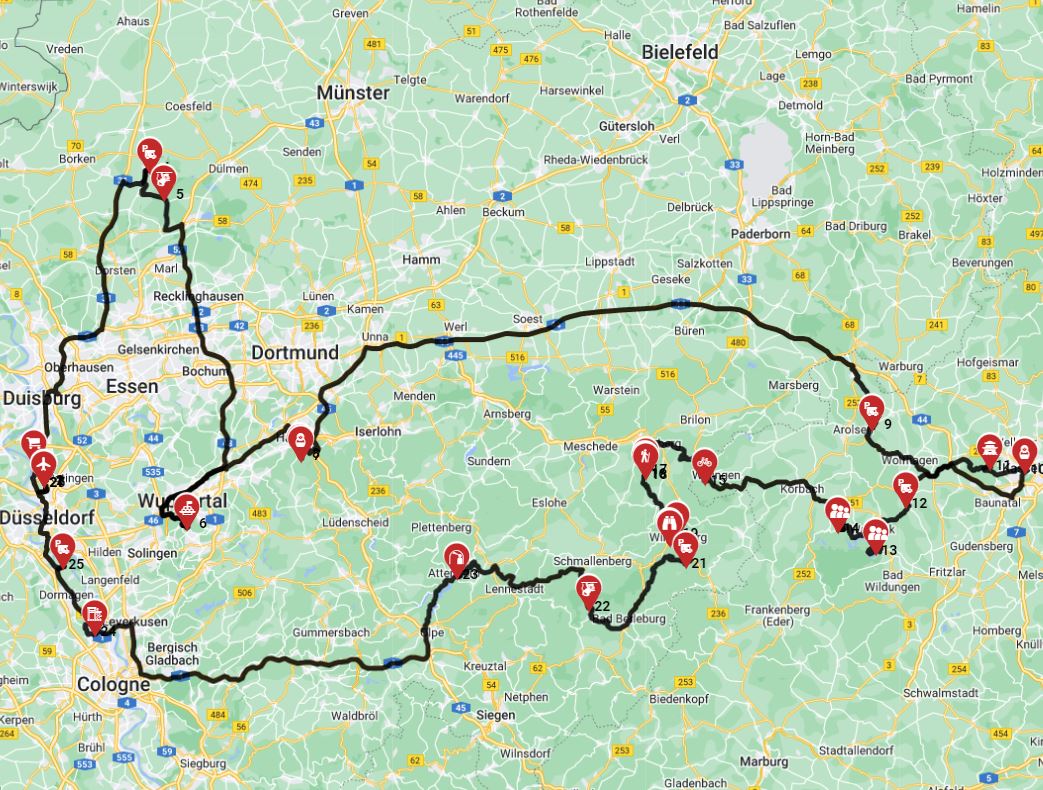
To experience a truly unique side of Germany by rented RV, consider venturing beyond popular tourist routes like the Romantic Road to explore lesser-known regions and thematic itineraries. Imagine exploring enchanting wine regions such as the Mosel or Rheingau, where you can sample local vintages directly from vineyards, or delving into historic industrial heritage sites in the Ruhr area, offering a fascinating glimpse into Germany's past. You could also follow specific hiking and cycling routes for an active holiday, immersing yourself in the natural beauty of national parks. These off-the-beaten-path destinations often offer a more authentic cultural experience, fewer crowds, and unique Stellplätze nestled in picturesque landscapes, providing a deeper connection to Germany's diverse offerings.What You Shouldn't Miss
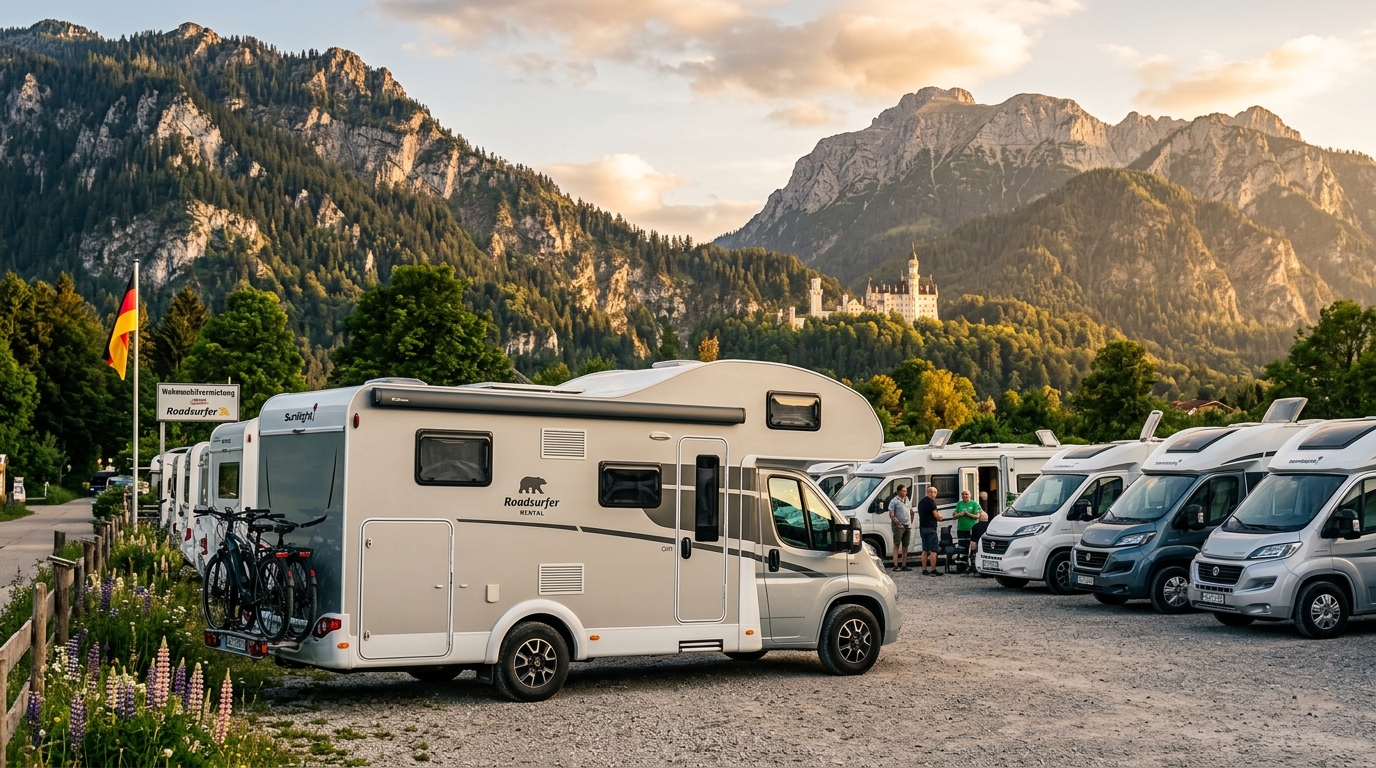
- **Explore Bavaria's Castles:** Drive your motorhome to the fairytale castles of Neuschwanstein and Hohenschwangau, nestled in the Bavarian Alps. Park at a nearby Stellplatz and spend a day or two exploring these architectural marvels and the surrounding scenic hiking trails.
- **Cruise the Romantic Road:** Take your time on the iconic "Romantic Road" (Romantische Straße), a 400 km route from Würzburg to Füssen, passing through medieval towns like Rothenburg ob der Tauber and picturesque landscapes. Remember to travel slowly, max 100-150 km per day, to savor every moment.
- **Visit the Black Forest:** Discover the enchanting Black Forest region in southwestern Germany. Enjoy scenic drives through dense forests, charming villages, and sample authentic Black Forest cake. Many Stellplätze offer stunning views and access to hiking and cycling paths.
- **Experience the Rhine Valley:** Park your rented campervan and take a boat cruise along the Middle Rhine Valley, a UNESCO World Heritage site dotted with medieval castles, vineyards, and quaint towns like Rüdesheim am Rhein.
- **Stroll Through Berlin's History:** While urban RVing requires strategy, park your motorhome at an RV-friendly spot on the outskirts of Berlin and use public transport to explore historical landmarks like the Brandenburg Gate, Reichstag Building, and Museum Island.
Looking for expert insights from Avi Bandana? Top 5 Adventures - recommendations from Avi Bandana
Final Thoughts
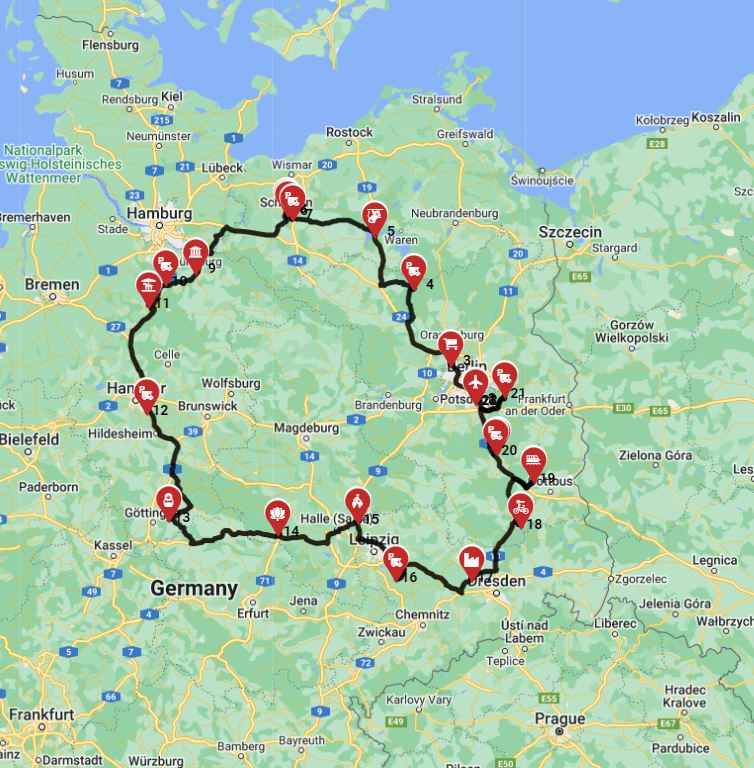
Germany, with its incredible landscapes, rich history, and welcoming RV infrastructure, is simply waiting for you to explore it on an unforgettable motorhome adventure. Whether you dream of tracing the "German Fairy Tale Road" or discovering the charming cities like Aachen, Aalen, or Augsburg, a rented RV provides the freedom and flexibility to make your journey truly your own. At Bandana RV, we are dedicated to making your RV rental experience seamless and enjoyable. Our commitment to full transparency, 24/7 support for your booking needs, and a wealth of expert-curated route plans through RV PLANET ensures you're in capable hands. So, pack your bags, prepare for slow travel, and get ready to create lasting memories on the open roads of Germany. Discover top destinations, planning tips, all in one place! Plan a trip itinerary in advance with minimal effort and maximum enjoyment.On the routes offered through RV PLANET routes, you can itemize and track every expense along the way for easy budgeting.