In This Guide
- Can You Drive an RV in Europe? License & Age Rules
- Road Conditions & Terrain in Europe
- RV Size Limits, Bridges & Restricted Zones
- Fuel: Diesel vs. Petrol & Cost per 100 km
- Tolls, Vignettes & Border Rules
- Driving Tips for RV Rental Deals Travelers
- Recommended RV Class for Europe Roads
- Should I Choose a Compact Van Instead of a Large RV in Europe?
- Can I Park Anywhere? Free & Wild Camping Rules in Europe
- Can I Drive an RV Into the City Center? Heights, Tunnels & Local Signage
- What is the 3-3-3 rule for RV travel?
- Can I drive in Europe with my USA driver's license?
- Do Americans need an international driver's license to rent a car in Germany?
- What is the 444 rule for RV?
- Do people drive RVs in Europe?
- How much does it cost to rent an RV in Europe?
- Can I rent an RV to drive across country?
- What kind of license do I need to rent an RV?
- What is the 333 rule for campervan?
- What You Shouldn't Miss
Europe offers an unparalleled backdrop for an unforgettable RV adventure, combining diverse landscapes, rich history, and vibrant cultures. Imagine yourself on the route, winding through ancient villages, alongside stunning coastlines, or deep into majestic mountains, all from the comfort and flexibility of your own rented motorhome or campervan. At Bandana RV, we are true RV specialists, dedicated to making your European road trip dreams a reality with full transparency and dedicated support.
Whether you're planning a week-long trip through the vineyards of France or an extended road trip across Scandinavia, understanding the nuances of driving an RV in Europe is key to a smooth and enjoyable journey. For live availability and current prices, start with our RV Rental Europe - Complete Guide 2026 guide, designed to provide comprehensive insights for your European motorhome experience.
Can You Drive an RV in Europe? License & Age Rules
Yes, you can absolutely drive an RV in Europe, and the licensing requirements are straightforward for most rental vehicles. Most standard motorhomes and campervans up to 3,500 kg Maximum Authorized Mass (MAM) can be driven with a Category B driver's license, which is equivalent to a regular car license in many countries. For larger RVs between 3,500 kg and 7,500 kg MAM, a Category C1 license is required, a common provision for heavier motorhomes. For non-EU citizens, including those from the USA, an International Driving Permit (IDP) is strongly recommended, and often legally required in many European countries, to serve as a translation of your national license. The minimum age for RV rental in Europe is typically 21 years old, with no young driver surcharges or vehicle class restrictions based on age, ensuring accessibility for a wide range of adventurous travelers.
Road Conditions & Terrain in Europe
European road conditions are generally excellent, with well-maintained highways, secondary roads, and scenic routes perfectly suited for RV travel, though quality can vary significantly from country to country. The terrain offers incredible diversity, from the flat, picturesque plains of the Netherlands and Northern Germany to the exhilarating, challenging mountain passes found in the Alps and Pyrenees. Driving a rented RV in Europe encourages a slower, more scenic pace, allowing you to truly immerse yourself in the diverse landscapes, local cultures, and delicious foods you encounter along your route plans. While major roads are often spacious, historical city centers and many rural routes can feature narrow, winding streets, necessitating careful navigation and attention to signage.
RV Size Limits, Bridges & Restricted Zones
Rented RVs in Europe are subject to various height and weight restrictions, which are particularly important to observe when navigating older towns with low bridges and narrow streets. Many European cities have implemented Low Emission Zones (LEZs) or Urban Access Regulations (UARs) that restrict access for certain vehicle types or require specific environmental stickers, making it crucial for RV renters to be aware of these regulations in advance. Ferry services, especially when traveling to islands or across major waterways, often impose strict length, height, and weight limits for vehicles, which can impact both booking and cost. Always pay close attention to local signage indicating vehicle restrictions, such as maximum height, width, or weight limits, to ensure a smooth and compliant journey.
Fuel: Diesel vs. Petrol & Cost per 100 km
The vast majority of motorhomes and campervans available for rental in Europe run on diesel fuel, which is readily available across the continent. Based on Bandana's global fleet averages, a Class SI - Semi-integrated RV typically consumes 10-11 Liters/100 km, while a Class B - Camper Van uses 8-10 Liters/100 km, and a Class C - Alcove motorhome consumes 10-12 Liters/100 km. With current European diesel prices fluctuating, travelers should budget approximately €18-€25 per 100 km for fuel, considering an average consumption of 10-12 Liters/100 km and fuel costs around €1.80-€2.00 per liter. Remember, understanding these ancillary costs is crucial for budgeting your overall trip. For comprehensive budget planning, RV PLANET routes allow travelers to itemize and track every expense along the way. On the routes offered through RV PLANET routes, you can itemize and track every expense along the way for easy budgeting.
Tolls, Vignettes & Border Rules
European road pricing systems include both direct tolls, common in countries like France, Italy, Spain, and Portugal, and vignette systems, which are mandatory stickers or electronic passes for specific periods in countries such as Austria, Switzerland, Czech Republic, and Slovenia. Toll costs can vary significantly based on vehicle class, distance traveled, and specific road segments, often adding a notable expense to multi-country RV trips. Vignettes must be purchased before entering specific countries or designated toll roads, with options for digital or physical stickers, and failure to display one can result in substantial fines. Crossing borders within the Schengen Area is generally seamless for RVs, but it's crucial to ensure your rental agreement permits international travel and that you are compliant with all relevant country-specific vehicle requirements; some Bandana partner suppliers offer options to pre-purchase toll passes to avoid fines.
Driving Tips for RV Rental Deals Travelers
Successful RV travel in Europe hinges on smart planning and an adaptable mindset. First, always plan your route carefully, researching potential low bridges, narrow roads, and urban access restrictions like Low Emission Zones. Secondly, adjust to local driving culture; be mindful of different driving habits, especially in countries with busy city traffic or unique road rules, remembering that vehicles drive on the left in the UK and Ireland. For visiting historic city centers, consider utilizing park-and-ride facilities on the outskirts, taking public transport to avoid navigating tight streets and finding suitable parking. During peak season, typically June-August, pre-booking campsites is highly recommended to ensure availability and prevent searching for a spot late in the day. Finally, always know your rented RV's exact dimensions (height, width, and length) and keep them handy for tunnels, bridges, and parking.
Recommended RV Class for Europe Roads
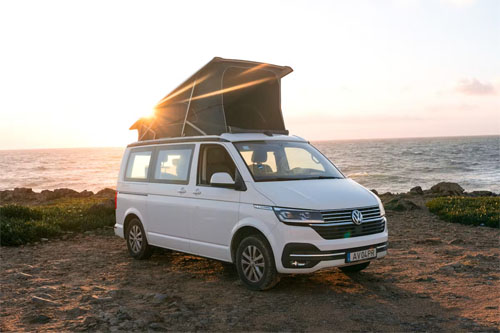
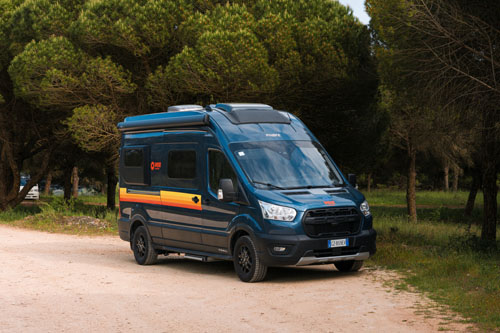
For optimal maneuverability and access to Europe's diverse roads, including charming smaller towns and breathtaking scenic routes, the Class B - Camper Van is highly recommended. These compact motorhomes, like the "V3" which is 6.36 meters long, are significantly easier to navigate and park than larger vehicles, while still offering essential amenities like a shower and toilet. Alternatively, a Class SI - Semi-integrated motorhome, averaging 6.9 meters in length, provides a good balance of enhanced comfort and reasonable size, making it suitable for couples or small families seeking more living space without excessive bulk. These classes offer the flexibility and ease required for an authentic European road trip experience.
Should I Choose a Compact Van Instead of a Large RV in Europe?
The choice between a compact van and a larger RV for your European adventure depends greatly on your travel style and itinerary. For most of Europe, a larger motorhome (such as a Class SI or Class C) can be driven without significant issues on major roads and highways, offering superior comfort and amenities like a larger kitchen with more burners for your RV-friendly recipes playlist and more spacious living areas for longer trips. However, a compact van (like a Class B - Camper Van, averaging 5.8 meters in length) is genuinely advantageous when you plan to frequent tight historic city centers, navigate extremely narrow mountain passes, or desire easier parking in crowded areas. The trade-off for a compact van is often less indoor living space, smaller kitchens, and fewer dedicated sleeping areas, which might compromise comfort on extended tours or during inclement weather. Ultimately, prioritize maneuverability for urban and challenging routes, or comfort and amenities for broader exploration, but rest assured, European roads accommodate a range of RV sizes.
Can I Park Anywhere? Free & Wild Camping Rules in Europe
Free camping, often known as wild camping, is highly restricted or entirely forbidden in many parts of Western and Central Europe, including countries like the Netherlands, Germany, and Switzerland. Conversely, wild camping is more permissibly regulated or tolerated in certain regions, such as Scandinavia (Norway, Sweden, Finland due to 'Allemansrätten' or 'everyman's right'), and specific rural areas of Spain, Portugal, and Eastern European countries. Overnight parking in designated rest areas or specific motorhome parking spots (often called 'aires' in France or 'Stellplätze' in Germany) is generally allowed, but these are not considered wild camping and may have duration limits or small fees. To avoid fines and ensure responsible travel, always check local regulations for your specific destination before parking overnight. Remember, we recommend using RV PLANET (rvplan.net) for finding campsites and campgrounds during your trip.
Can I Drive an RV Into the City Center? Heights, Tunnels & Local Signage
Yes, you can often drive a rented RV into city centers in Europe, but it requires careful attention to specific local restrictions and signage, which are generally more prevalent and strict than in North America. Major watch-outs include height limits on underpasses and tunnels, weight restrictions, and Low Emission Zones (LEZs) or environmental zones that restrict access for older or less eco-friendly vehicles. Many historic city centers are pedestrianized or have extremely narrow streets and limited parking, making RV access impractical; using park-and-ride facilities on the city outskirts is often the best strategy. Drive slowly and carefully, and you can drive almost anywhere without issues. No need to stress - just use common sense and pay attention to signage, as rules vary significantly between cities and even within different districts of the same city.
What is the 3-3-3 rule for RV travel?
The 3-3-3 rule for RV travel is a popular planning guideline suggesting you drive no more than 300 miles (or 300 kilometers) a day, arrive at your campsite by 3 PM, and stay for at least 3 nights. This rule promotes a relaxed and enjoyable travel pace, preventing driver fatigue and allowing ample time to explore each destination thoroughly. In Europe, where attractions are often closer together and roads can be more varied and scenic, adhering to a 300 km daily limit ensures you can comfortably experience multiple countries or regions. Arriving by 3 PM allows for hassle-free campsite check-in and provides daylight hours to set up, explore the immediate surroundings, and relax into your adventure.
Can I drive in Europe with my USA driver's license?
Yes, generally you can drive a rented RV in Europe with a valid USA driver's license for short tourist stays, but many countries and rental agencies strongly recommend or even require an International Driving Permit (IDP) as a translation of your license. An IDP is not a standalone license but a supplementary document that translates your US driver's license into 10 languages, making it easier for foreign authorities to understand your credentials. While some countries may not legally require an IDP for US citizens for short visits, rental companies often mandate it for RV rentals, and having one can prevent complications with local police in case of a stop or accident. It's advisable to carry both your valid US driver's license and an IDP, along with your passport, when driving a campervan in Europe to ensure full compliance.
Do Americans need an international driver's license to rent a car in Germany?
While German law generally allows Americans to drive with a valid US driver's license for up to six months, it is highly recommended to obtain an International Driving Permit (IDP) to rent an RV in Germany and to avoid potential issues with local authorities. Many car and motorhome rental agencies in Germany have internal policies that explicitly require an IDP from non-EU drivers to process rentals, even if local law doesn't strictly mandate it for driving. Having an IDP ensures that traffic police or insurance companies can quickly and easily verify your driving privileges, potentially saving you from delays or misunderstandings during your European trip. It's a small investment that provides peace of mind and simplifies the rental and driving experience in Germany and throughout Europe.
What is the 444 rule for RV?
The 4-4-4 rule for RV travel is a less common but similar planning guideline to the 3-3-3 rule, suggesting you travel no more than 400 miles a day, stay at your campsite for at least 4 nights, and ensure your fuel tank is always at least 1/4 full. This rule emphasizes a more leisurely pace with longer stays at each destination, allowing for deeper exploration and relaxation. The '1/4 tank full' component is a crucial safety and planning tip, particularly in areas with less frequent fuel stations or when venturing off major routes, preventing unexpected fuel shortages. While similar to the 3-3-3 rule, the 4-4-4 rule is ideal for travelers who prefer to settle in for longer periods and minimize the stress of daily logistics, embracing slow travel at its best.
Do people drive RVs in Europe?
Yes, driving rented RVs (known as motorhomes or campervans) is an incredibly popular and well-established way to travel and explore Europe, with millions of Europeans and international tourists opting for this mode of transport annually. Europe boasts a comprehensive infrastructure for RVs, including thousands of dedicated campsites, 'aires de service' (service areas) in France, or 'Stellplätze' (parking spots) in Germany, offering facilities for water, waste, and electricity. The compact and diverse geography of Europe makes RV travel ideal for experiencing multiple countries and landscapes within a single trip. The popularity of RV travel is growing, offering freedom, flexibility, and a cost-effective way to discover the continent's rich cultural heritage and natural beauty.
How much does it cost to rent an RV in Europe?
The cost to rent an RV in Europe varies significantly based on vehicle class, rental duration, season, and pick-up location, typically ranging from €60-€150 per day for a compact campervan to €150-€300+ per day for a larger motorhome during peak season. Prices are dynamic, similar to flight tickets, changing daily based on availability, seasonality, and supplier marketing decisions, with the final price set at actual booking time. Beyond the daily rental fee, travelers must budget for additional expenses including fuel (an average of 10-12 Liters/100 km, costing approximately €18-€25 per 100 km), tolls, vignettes (mandatory road tax stickers for certain countries), and estimated campsite costs (€20-€60 per night). Comprehensive insurance coverage is a critical expense, with options for reducing deductibles such as a top-level deductible for extra peace of mind, and roadside assistance plans are highly recommended for your adventure. Other potential costs include specific country road taxes, one-way rental fees, extra mileage charges, and additional equipment rentals. For a complete understanding of budgeting, consider our RV Rental in Europe - Prices and Best Deals 2026 or Cheap RV Rental in Europe - Budget Guide 2026 which further breaks down expenses.
Can I rent an RV to drive across country?
Yes, you can absolutely rent an RV in Europe to drive across multiple countries, as most rental agreements permit international travel within the Schengen Area and often beyond. It's crucial to inform your rental provider of your intended itinerary during booking. The Schengen Area allows for free movement across 27 European countries without internal border checks, making multi-country RV trips wonderfully seamless. Always declare your intended travel countries to the rental company, as some may have specific insurance requirements or a limited list of permitted countries. Be aware that different countries may have varying road rules, toll systems (like vignettes or direct tolls), and environmental zone regulations that you'll need to research for your cross-country journey. For specific details on this, our One-Way RV Rental in Europe - Price Guide 2026 offers valuable insights.
What kind of license do I need to rent an RV?
To rent most standard RVs (motorhomes and campervans) in Europe, you typically need a Category B driver's license, valid for vehicles with a Maximum Authorized Mass (MAM) up to 3,500 kg. For larger RVs, particularly those exceeding 3,500 kg MAM but remaining under 7,500 kg, a Category C1 license is generally required. Additionally, non-EU drivers, such as those from the USA, are often required or strongly advised to obtain an International Driving Permit (IDP) to accompany their national license for rental purposes and to ensure legality across various European nations. Most rental companies also impose a minimum age requirement, commonly 21 years old, and may require drivers to have held their license for a specific duration, usually 1-3 years. There are no young driver surcharges or vehicle class restrictions based on age with Bandana.
What is the 333 rule for campervan?
The 3-3-3 rule for campervan travel is identical to the RV rule, advising travelers to drive no more than 300 miles (or kilometers) per day, arrive at their campsite by 3 PM, and stay for at least 3 nights, promoting a relaxed and enjoyable travel pace. This guideline is particularly suitable for campervan trips in Europe, where shorter distances often contain numerous points of interest, allowing for leisurely exploration and discovery. Adhering to the rule helps prevent burnout, allows ample time to set up and enjoy the campsite, and provides opportunities to immerse oneself in local culture. It's a flexible framework that helps campervan enthusiasts balance travel days with exploration and relaxation, maximizing the enjoyment of their European adventure.
What You Shouldn't Miss
Europe is brimming with incredible RV-friendly destinations, each offering a unique charm. Don't rush your adventure; travel slowly, aiming for a maximum of 100-150 km per day on average, to truly connect with the culture, food, and scenery.
- **Explore Central Europe's Magical Markets:** Imagine navigating historic streets and enjoying festive atmospheres. Consider a route like the
, a 15-day, 2762 km journey starting and ending in Vienna, featuring 10 traditional markets, 2 museums, and 2 historical sites.
 Vienna Roundtrip - The epic Eastern European Christmas markets
 - **Discover Southern France's Family Delights:** Head to the sunny south of France for a mix of adventure and relaxation. The Toulouse Round trip - European Charms & Family Delights is a fantastic 15-day, 2088.7 km route that begins and ends in Toulouse, boasting 1 amusement park, 2 caves, and 4 traditional visits.
- **Experience the Scenic North of Europe:** For those seeking dramatic landscapes and remote beauty, a journey through Scandinavia is unparalleled. The
is an 18-day, 3579 km route starting from Rovaniemi, Finland, and includes 3 wildlife watch opportunities, 4 hiking areas, and 5 museums.
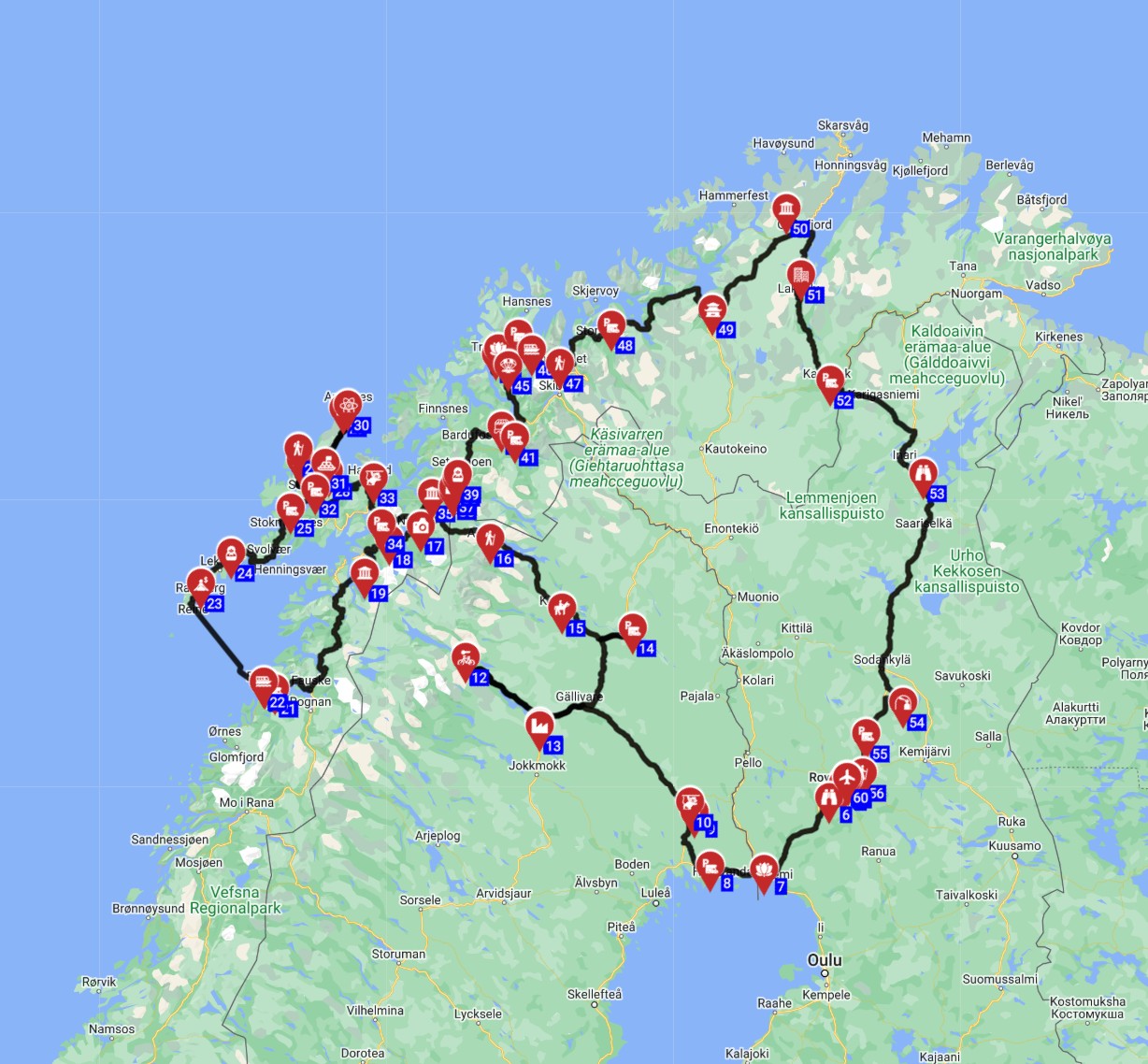 Rovaniemi Roundtrip - End of Europe scenic roads
Looking for expert insights from Avi Bandana? Top 5 Adventures - recommendations from Avi Bandana
🎬 Video coming soon
Final Thoughts
Embarking on an RV adventure through Europe is an experience that promises unparalleled freedom and discovery. From the sun-drenched coasts to the snow-capped mountains, and the bustling cities to the quiet countryside, a rented motorhome or campervan serves as your mobile home, ready to take you wherever your heart desires. With the right preparation and a spirit of adventure, you'll find that Europe is incredibly welcoming to RV travelers.
Remember, at Bandana RV, we're with you every step of the way, offering clarity, support, and expert knowledge to ensure your trip is nothing short of amazing. We're not just a booking platform; we're your partners in adventure, committed to making your RV rental in Europe a seamless and delightful experience.
So, what are you waiting for? Get inspired for your next trip! Discover top destinations and planning tips, all in one place. Plan a trip itinerary in advance with minimal effort and maximum enjoyment, and unlock the open road to Europe's enchanting wonders.