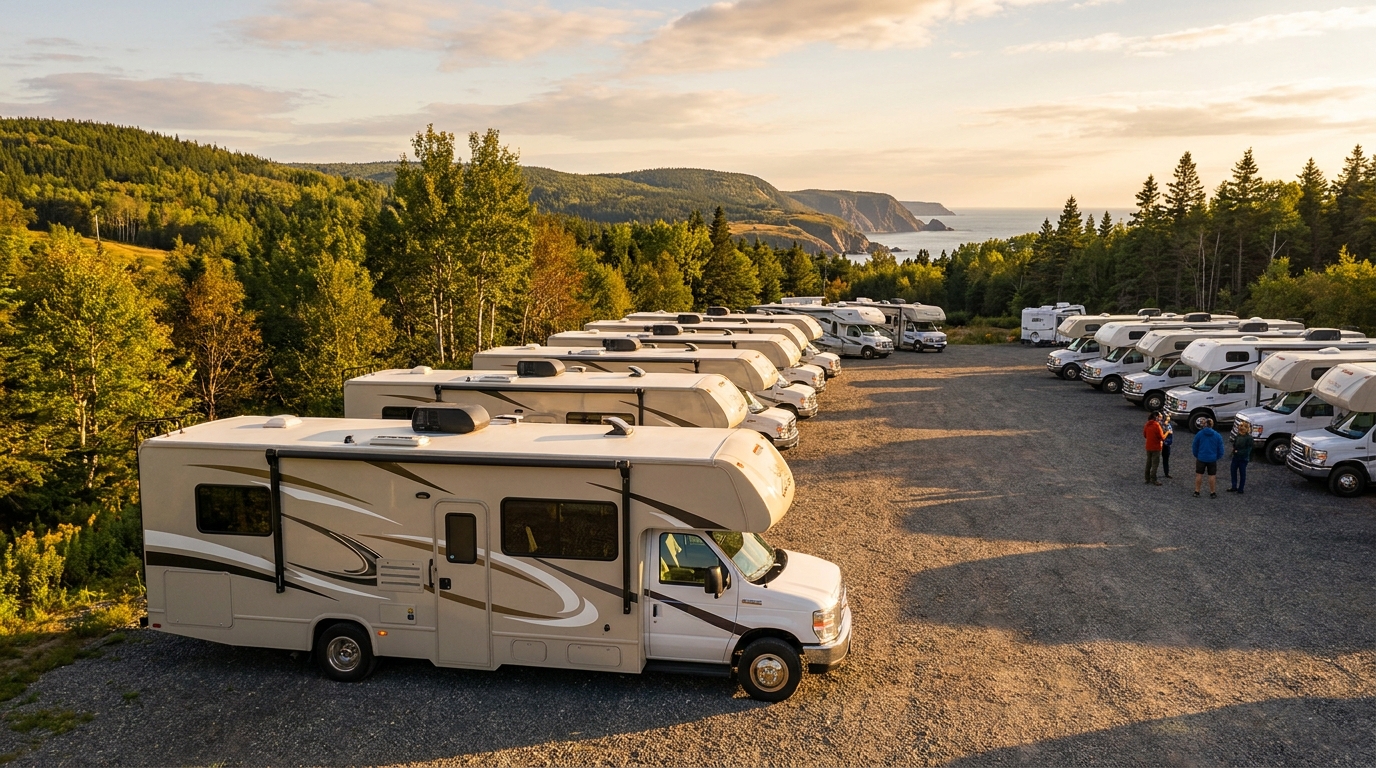
For live availability and current prices, start with our RV Rental East Canada - Complete Guide 2026 guide.
In This Guide
- Can You Drive an RV in East Canada? License & Age Rules
- Can Americans RV in Canada?
- What do you need to rent an RV in East Canada?
- Road Conditions & Terrain in East Canada
- RV Size Limits, Bridges & Restricted Zones in East Canada
- Should I Choose a Compact Van Instead of a Large RV in East Canada?
- Recommended RV Class for East Canada Roads
- Fuel: Diesel vs. Petrol & Cost per 100 km in East Canada
- Tolls, Vignettes & Border Rules for RVers in East Canada
- Do they search your RV at the Canadian border?
- Can I Drive an RV Into the City Center in East Canada? Heights, Tunnels & Local Signage
- Can I Park Anywhere? Free & Wild Camping Rules in East Canada
- Can you rent an RV to drive across Canada?
- Can I drive a rental RV in Canada with a US driver's license?
- Can I rent an RV in East Canada and drive to the US?
- What is the new law on RV licensing in Ontario?
- What is the largest RV you can drive without a special license in East Canada?
- How much does it cost to insure a rental RV in East Canada?
- Driving Tips for RV Rental Travelers in East Canada
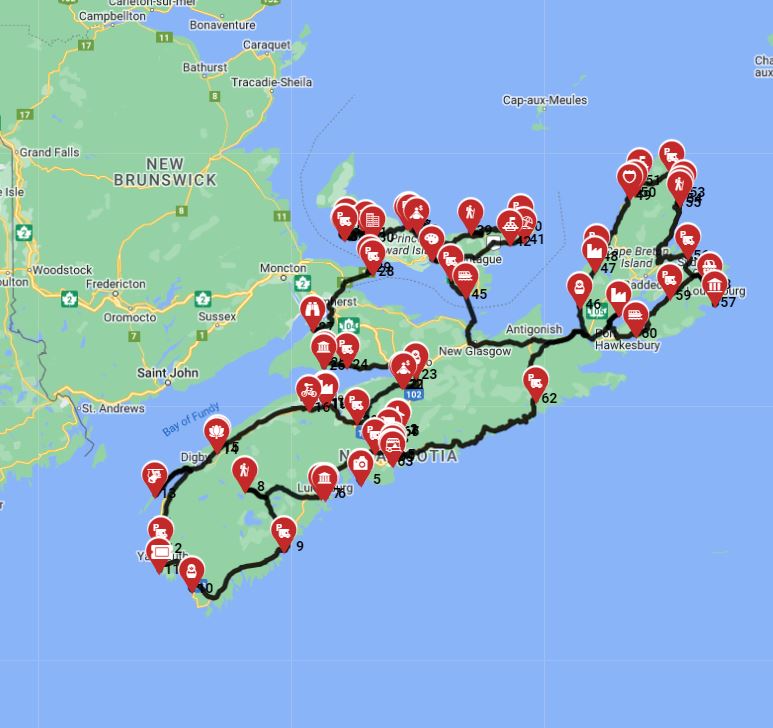
East Canada offers an incredible landscape for a motorhome adventure, combining coastal beauty with charming towns and vibrant cities. Renting a motorhome or campervan provides unparalleled freedom to explore the provinces of Quebec, New Brunswick, Nova Scotia, Prince Edward Island, and Newfoundland and Labrador at your own pace. For live availability and current prices, start with our RV Rental East Canada - Complete Guide 2024 guide, which outlines everything you need to know for a smooth journey. Bandana RV has been helping tens of thousands of travelers explore the world by RV since being founded in 2001, providing expert insights and a truly transparent booking process.
Can You Drive an RV in East Canada? License & Age Rules
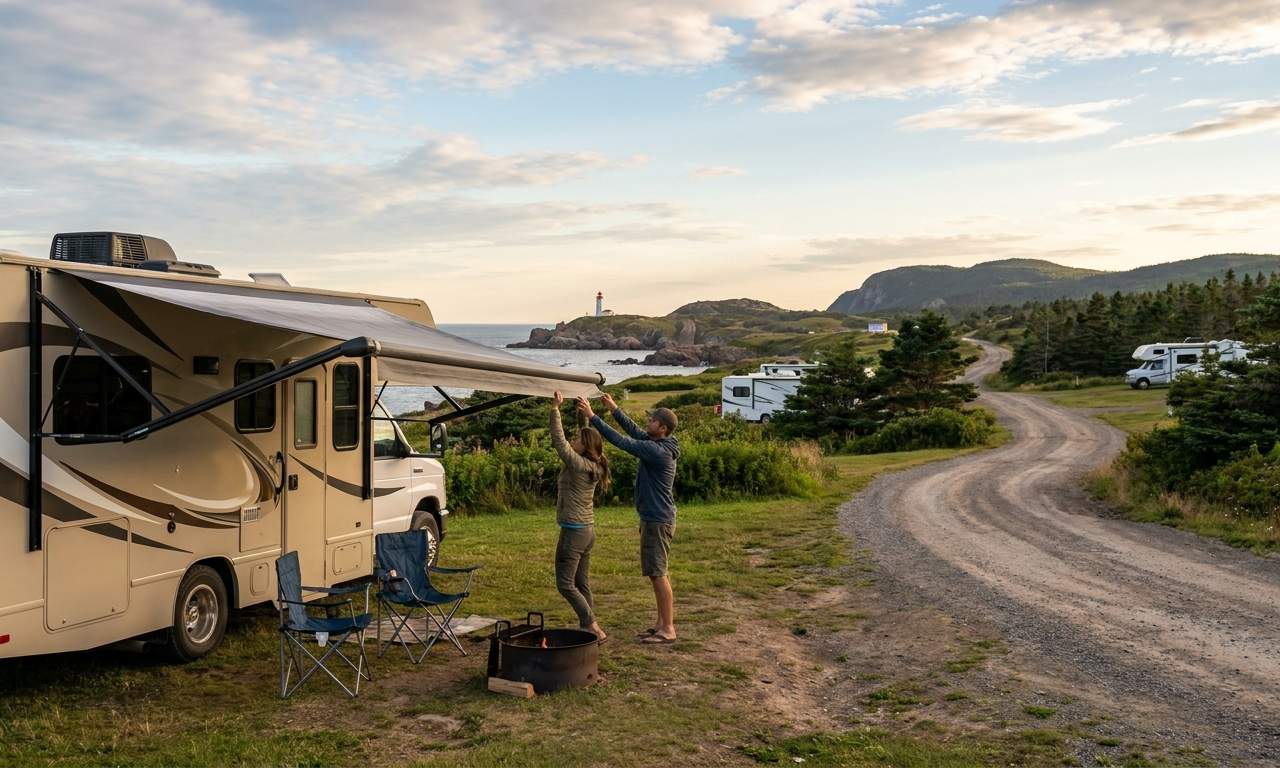
Yes, drivers with a valid US or international driver's license are generally permitted to drive rental RVs in East Canada, provided they meet age requirements, typically 21 years old across most Bandana partner suppliers. For example, a standard Class G (or equivalent provincial) driver's license is sufficient for driving most common RV classes, such as Class B campervans, Class C alcove motorhomes, or Class A integrated models, as long as the total gross weight (RV plus any towed unit) does not exceed 11,000 kg (24,250 lbs) and it does not have air brakes. Foreign drivers do not typically need an International Driving Permit (IDP) if their license is in English or French, though an IDP can be a helpful translation document, ensuring clarity for local authorities.
It's worth noting that while some rental companies may have a minimum age of 25 for certain larger Class A motorhomes, Bandana partners do not impose young driver surcharges or vehicle class restrictions based on age, making RV travel accessible for younger adventurers.
Can Americans RV in Canada?
Yes, Americans are warmly welcomed to RV in Canada, provided they have the necessary documentation and adhere to Canadian border and driving regulations. Essential documents for entry include a valid passport for all travelers, your valid US driver's license, and the RV rental agreement, which serves as proof of vehicle ownership and insurance. Border procedures can involve questions about your travel plans, citizenship, and a declaration of goods. If you plan on traveling with pets, ensure you have up-to-date vaccination records and potentially a veterinary certificate to present at the border. Being prepared with all your documents will help ensure a smooth and efficient entry into East Canada.
What do you need to rent an RV in East Canada?
To rent an RV in East Canada, you typically need a valid driver's license from your home country or province, a major credit card, and you must meet the rental company's minimum age requirement of 21 years old. The valid credit card is essential for the security deposit and any incidental charges during your trip. While a standard driver's license is sufficient for most RVs, always confirm with your specific rental supplier through Bandana Caravan that your license type covers the vehicle class you intend to rent. Our platform provides full transparency on all requirements, ensuring no surprises when you pick up your rented motorhome.
Road Conditions & Terrain in East Canada
East Canada offers a diverse range of road conditions for your RV journey, from well-maintained provincial highways to narrower, winding coastal routes, and occasionally gravel roads in more remote areas. The terrain varies significantly, from the rolling hills of Nova Scotia and New Brunswick to the mountainous regions of Gaspésie in Quebec, requiring careful driving, especially with larger Class C motorhomes or Class A vehicles. While road quality is generally good on major routes, smaller provincial roads can be less consistent, sometimes featuring frost heaves, potholes, and narrower shoulders. Embracing a slower, more scenic pace while driving a rented RV in East Canada allows for a richer appreciation of the picturesque landscapes and charming coastal towns.
RV Size Limits, Bridges & Restricted Zones in East Canada
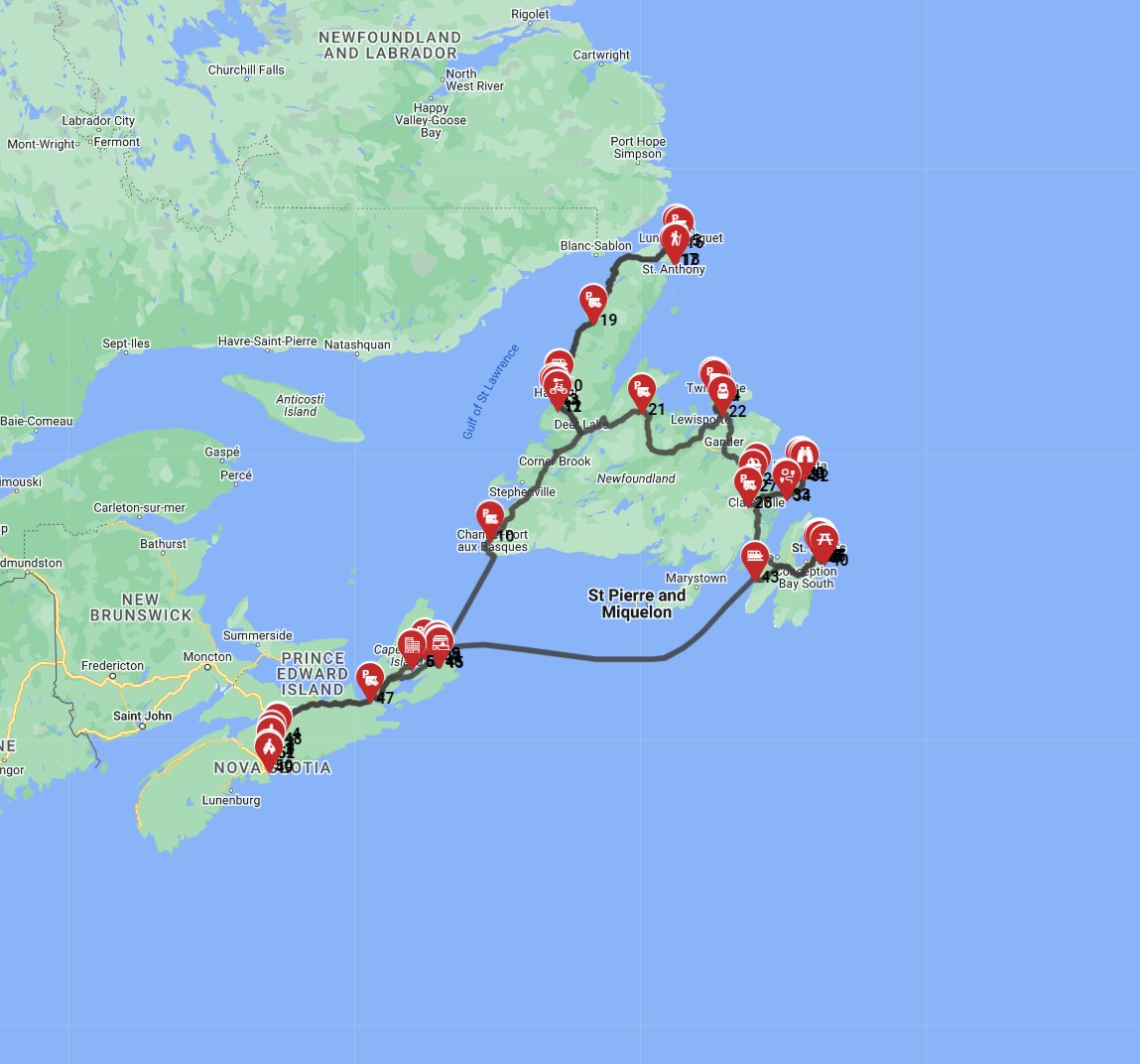
When planning your RV rental adventure in East Canada, it's wise to be aware of vehicle dimensions, as posted height, weight, and length restrictions can exist, especially near urban centers or historic sites. Low bridges are common in some older towns and along certain scenic routes, so checking overhead clearance signage is always crucial for larger motorhomes. Additionally, certain environmental zones or protected areas may have specific restrictions on vehicle size or type, so always research local regulations before finalizing your routes through such regions. If you plan to use ferries, for example, to Prince Edward Island or Newfoundland, be aware that your RV's length and weight will affect booking availability and cost, often requiring advance reservations.
Should I Choose a Compact Van Instead of a Large RV in East Canada?
For most East Canada travel, there is generally no issue driving any RV size, and the added comfort and indoor space of a larger motorhome often outweigh the maneuverability benefits of a compact campervan. While a compact van, like a Class B - Camper Van averaging 5.8 meters in length, certainly helps when navigating very tight historic city centers or parking in congested urban areas, a larger Class C - Alcove or Class A motorhome provides significantly more living space, a full bathroom, a dedicated kitchen, and greater storage capacity. This additional space is a major advantage for longer trips, families of 4-6 people, or those seeking more amenities on their adventure. Drive slowly and carefully, and you can drive almost anywhere without issues. No need to stress - just use common sense and pay attention. The choice ultimately comes down to your personal preference for space versus agility, considering your group size, travel duration, and desired comforts.
Recommended RV Class for East Canada Roads
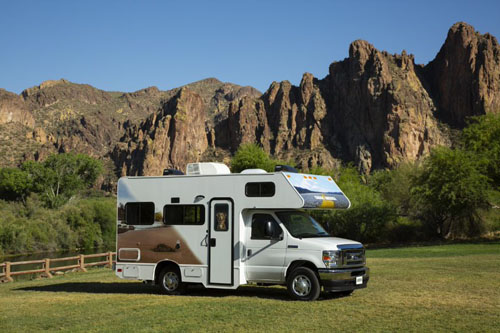
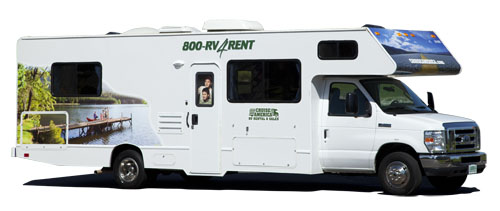
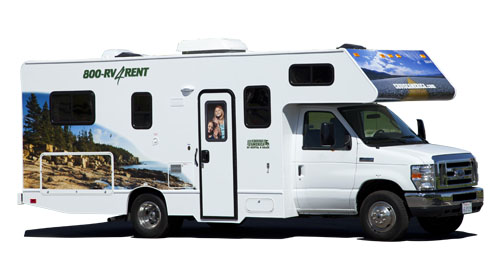
For East Canada's delightful mix of well-maintained highways and charming smaller roads, a Class SI - Semi-integrated or Class C - Alcove RV rental is highly recommended, offering an excellent balance of comfort and maneuverability. Our Class SI - Semi-integrated RVs, with an average length of 6.9 meters and sleeping up to 3.8 people, are ideal for couples or small families, providing ample living space without being excessively large. For instance, the "2 Berth Rover" is a Class SI - Semi-integrated with automatic transmission, front and roof air conditioning, ideal for a couple, and medium in RV size. Class C - Alcove RVs, averaging 7.5 meters in length and sleeping up to 5.8 people, are excellent for larger families, offering more interior space and often a dedicated sleeping area above the cab, while still being manageable on most routes. These classes generally offer sufficient ground clearance for varied road conditions and are widely available as part of Bandana's global fleet, providing a comfortable home-on-wheels for your East Canada adventure. For an in-depth look, consider checking our RV Travel Guide to East Canada - Tips and Top Spots 2024.
Fuel: Diesel vs. Petrol & Cost per 100 km in East Canada
Most rental RVs in East Canada operate on either petrol (gasoline) or diesel, with petrol being more common for smaller campervans and semi-integrated models. Based on Bandana's global fleet averages, a Class SI - Semi-integrated RV typically consumes 10-11 Liters/100 km, while a Class C - Alcove averages 10-12 Liters/100 km, and a Class B - Camper Van uses 8-10 Liters/100 km. Fuel stations are widely available along major highways and in towns, but can be sparse in very remote or rural regions, necessitating careful planning for longer stretches. Fuel prices in East Canada fluctuate by province and global market conditions, so it's advisable to check current prices before departure and budget accordingly. When managing your trip budget, remember that RV PLANET routes allow you to itemize and track every expense along the way for easy budgeting, covering fuel, campground fees, and more. On the routes offered through RV PLANET routes, you can itemize and track every expense along the way for easy budgeting.
Tolls, Vignettes & Border Rules for RVers in East Canada
Tolls are present on some major highways and bridges in East Canada, particularly in Nova Scotia (e.g., Cobequid Pass) and parts of Quebec, so budgeting for these is essential. Unlike some European countries, Canada does not use a vignette system; tolls are typically paid at specific toll booths or via electronic transponders. Some RV rental companies may offer options to pre-purchase toll passes or provide transponders, which can help avoid fines and streamline your travel. When crossing into East Canada from the US, prepare for border procedures, including presenting passports for all passengers, your RV rental agreement, and declaring all goods. Research specific requirements for any pets or restricted items like firearms or large quantities of alcohol to ensure a smooth entry, as officers will ask.
Do they search your RV at the Canadian border?
Yes, Canadian border services officers have the legal authority to search any vehicle, including RVs, upon entry into Canada. While not every RV is searched extensively, a routine inspection will involve questions about your travel plans, citizenship, and a declaration of goods. To ensure a smooth crossing, be honest and thorough in your declarations, have all documents readily available, and avoid bringing prohibited items such as firearms, cannabis, or certain agricultural products. Being cooperative and prepared will make your border experience as quick and easy as possible, allowing you to continue your RV driving deals in East Canada.
Can I Drive an RV Into the City Center in East Canada? Heights, Tunnels & Local Signage
Yes, you can almost always drive an RV into city centers in East Canada, but it requires careful attention to local signage, height restrictions, and parking availability. You'll need to pay close attention to posted height limits for tunnels, underpasses, and parking garages, as these can be significantly lower than your RV's clearance. Be aware of local traffic regulations, including potential environmental zones, residents-only streets, or restricted access areas, particularly in historic or congested urban cores. Finding suitable parking for a larger RV in city centers can be challenging; look for designated RV parking lots or peripheral parking with convenient public transport connections. Always consult municipal signage upon entering a city to ensure compliance with local rules regarding RVs, especially concerning overnight parking. Drive slowly and carefully, and you can drive almost anywhere without issues. No need to stress - just use common sense and pay attention.
Can I Park Anywhere? Free & Wild Camping Rules in East Canada
Free RV parking, also known as boondocking or wild camping, in East Canada is possible but often restricted to specific areas like designated Crown Land, and rarely permitted within city limits or national/provincial parks. Crown Land (public land) in provinces like Quebec, New Brunswick, and Nova Scotia may allow for free overnight camping, but access rules, duration limits, and specific regulations vary significantly by region and even by local municipality. Many large retailers (e.g., Walmart) in Canada may permit overnight parking for self-contained RVs, but always ask for permission inside the store before settling in for the night. Overnight parking in rest areas is generally tolerated for a short period of rest but is not intended for extended camping; always follow posted signage. Rules vary significantly by region, so always check local government websites, provincial park regulations, and municipal bylaws for the most current and specific regulations before parking overnight to avoid fines or trespassing. For finding campsites and campgrounds during your trip, we recommend using RV PLANET (rvplan.net) - a great resource for locating available spots along your route.
Can you rent an RV to drive across Canada?
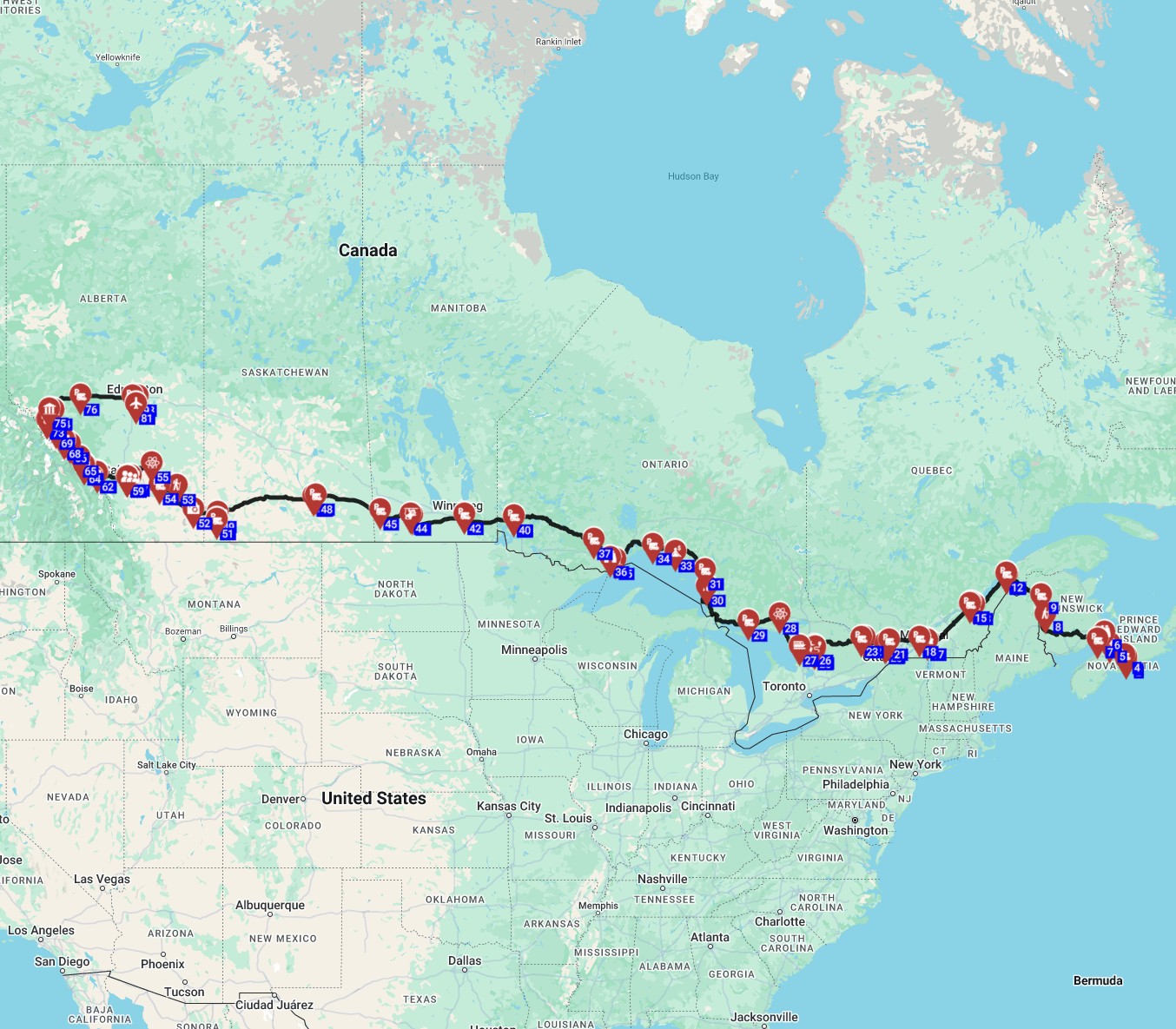
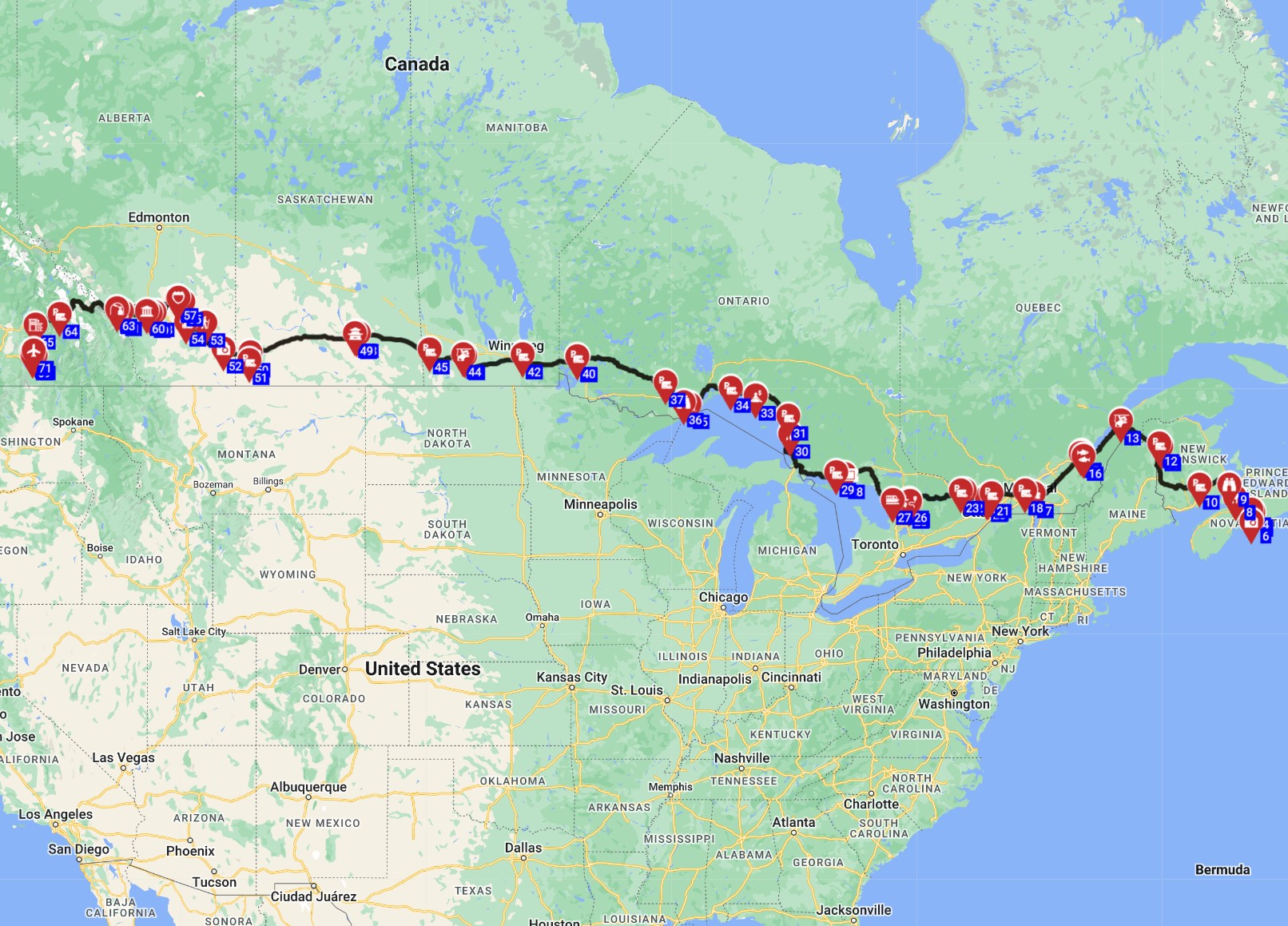
Yes, you can rent an RV to drive across Canada, with many Bandana partner rental companies offering one-way rentals between major cities, including those in East Canada. One-way rentals often incur additional fees to cover the cost of returning the vehicle to its origin point, so factor these into your budget (typically $150-$500). Planning for a cross-Canada trip requires careful consideration of fuel costs, varying provincial regulations, and securing campsites well in advance, especially during peak season. Remember, many national/state parks reserve only 25-30% of spots; the rest are first-come-first-serve. You'll find a spot. If not at the first campground, then the next one. Call ahead before driving.
Can I drive a rental RV in Canada with a US driver's license?
Yes, a valid US driver's license is generally accepted for driving a rental RV in all Canadian provinces, including those in East Canada. An International Driving Permit (IDP) is not typically required if your US license is printed in English or French, though an IDP can serve as a helpful translation document, reducing potential misunderstandings. Most RV rental companies will also require you to be at least 21 years old and possess a major credit card for security deposit purposes. It's always best practice to carry both your physical driver's license and the rental agreement documents with you.
Can I rent an RV in East Canada and drive to the US?
Yes, it is often possible to rent an RV in East Canada and drive to the US, but it requires explicit permission and arrangements with your rental company prior to your trip. Rental companies typically need to ensure their insurance policies cover cross-border travel and may require specific documentation for the vehicle to be legally driven in the US. Be prepared to present your passport, driver's license, and the RV rental agreement (which serves as vehicle registration) to US Customs and Border Protection upon entry. Always confirm these details when booking, especially if you are looking into a One-Way RV Rental in East Canada - Price Guide 2024 option that crosses the border.
What is the new law on RV licensing in Ontario?
In Ontario, the law on RV licensing primarily differentiates based on the vehicle's Gross Vehicle Weight Rating (GVWR) or Gross Combined Weight Rating (GCWR for towing), with the standard Class G license covering most RVs. A Class G license permits driving a motorhome, or a motor vehicle towing a house trailer (RV), as long as the combined weight of the RV and towed unit does not exceed 11,000 kg (24,250 lbs) and the towed unit itself doesn't exceed 4,600 kg (10,141 lbs). This means most Class B, Class C, and even many Class A motorhomes fall within the standard Class G license requirements. For any RVs that are exceptionally heavy or equipped with air brakes, a higher class license (e.g., Class D or A) or a specific endorsement may be required, so always verify your specific RV rental's weight and license requirements with the MTO (Ministry of Transportation Ontario) regulations to be fully compliant.
What is the largest RV you can drive without a special license in East Canada?
In most Canadian provinces, you can drive the majority of RVs, including all Class B campervans, Class C alcove motorhomes, and Class A integrated motorhomes, with a standard Class 5 (or Class G in Ontario) driver's license. The key threshold is typically the Gross Vehicle Weight Rating (GVWR) or Gross Combined Weight Rating (GCWR) not exceeding 11,000 kg (24,250 lbs), and the RV not being equipped with air brakes. For instance, a Class A motorhome like the "MH-A" with its 8.8m length and a gross weight rating under this threshold can be driven with a standard license. Very large Class A motorhomes that exceed these weight limits or those towing exceptionally large trailers may require a higher class license or an air brake endorsement, depending on the specific provincial regulations. Always check the GVWR of your chosen rental caravan against your license class for peace of mind.
How much does it cost to insure a rental RV in East Canada?
The base cost of insuring a rental RV is typically included in your overall rental fee, covering basic liability as required by law in East Canada. However, renters are usually offered additional coverage options, such as supplementary liability insurance (SLI) and a Collision Damage Waiver (CDW) or Loss Damage Waiver (LDW), which can cost anywhere from $15 to $50+ CAD per day, depending on the level of coverage and the supplier. It's crucial to understand your rental agreement's insurance specifics, including deductible amounts and what is explicitly covered or excluded. Bandana Caravan offers a top-level deductible reimbursement option that you can purchase for extra peace of mind, protecting you from significant out-of-pocket expenses in case of an incident. Always inquire about your personal auto insurance or credit card's rental vehicle coverage, as they may offer some level of protection for RVs, potentially reducing the need for all supplemental coverages. For a detailed breakdown of costs, check out our RV Rental in East Canada - Prices and Best Deals 2024.
Driving Tips for RV Rental Travelers in East Canada
🎬 Video coming soon
Navigating East Canada in a rented motorhome is an unforgettable experience, and a few key tips will make your journey even smoother. First, plan regular stops every 2-3 hours to stretch, refuel, and enjoy the scenic points, especially when traveling with family. This slow travel approach, averaging max 100-150 km per day, allows you to truly feel the place, connect to the culture, the food, and the scenery. Second, for budget-friendly fueling, use apps to find competitive petrol or diesel prices and consider renting a fuel-efficient RV, like Bandana's Class B - Camper Van averaging 8-10 Liters/100 km. Third, master RV maneuvering: practice wide turns, gauge overhead clearances, and always remember your RV's length when parking or navigating tight spaces; many modern RVs offer automatic transmissions for easier driving. Fourth, embrace the scenic route. East Canada's charm lies in its less-traveled roads; allow extra time for unexpected detours to discover hidden gems and picturesque viewpoints. Finally, stay connected (and disconnected): while cell service is generally reliable in populated areas, plan for potential dead zones in remote regions by downloading offline maps and essential information. Don't forget that preparing delicious meals in your RV is part of the fun - check out our RV-friendly recipes playlist for inspiration!
What You Shouldn't Miss
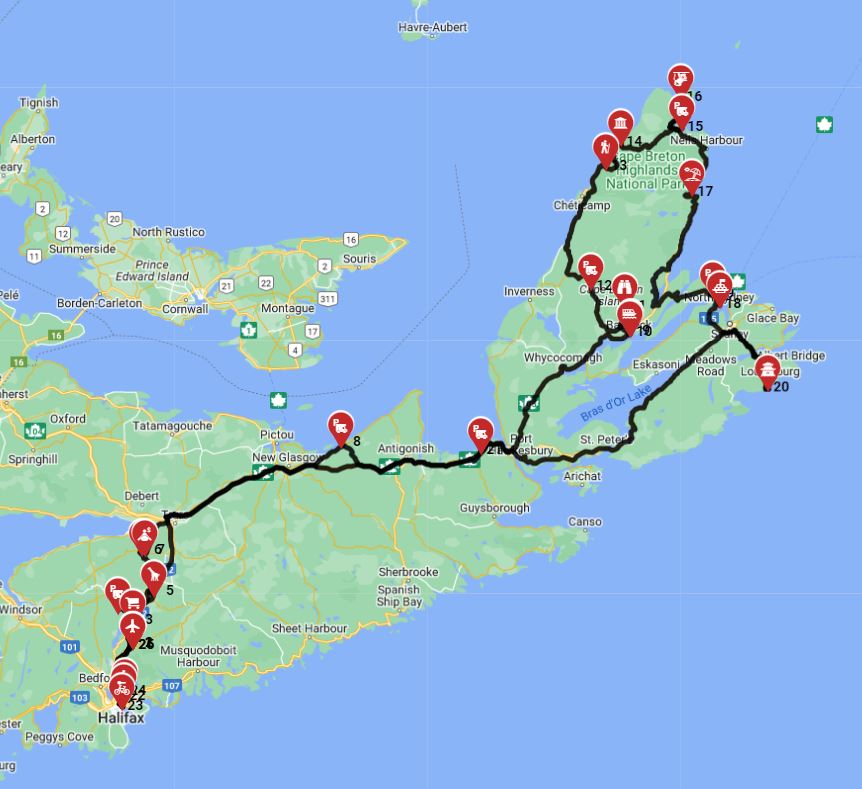
- Drive the Cabot Trail, Nova Scotia: This iconic 298 km (185 mile) scenic highway loops around Cape Breton Island, offering breathtaking coastal views, charming fishing villages, and access to Cape Breton Highlands National Park.
- Explore Old Quebec City: Wander through North America's only walled city, a UNESCO World Heritage site, with its cobblestone streets, historic architecture, and vibrant European atmosphere.
- Witness the Bay of Fundy Tides: Visit Hopewell Rocks in New Brunswick to walk on the ocean floor at low tide and kayak among the flowerpot rocks at high tide, experiencing the world's highest tides.
- Go Whale Watching in Tadoussac, Quebec: Positioned at the confluence of the Saguenay Fjord and the St. Lawrence River, Tadoussac is a prime spot to see multiple whale species, including belugas and fin whales.
- Experience Gros Morne National Park, Newfoundland: A UNESCO World Heritage site, this park boasts dramatic fjords, glacial valleys, and ancient mountains, perfect for hiking and scenic drives.
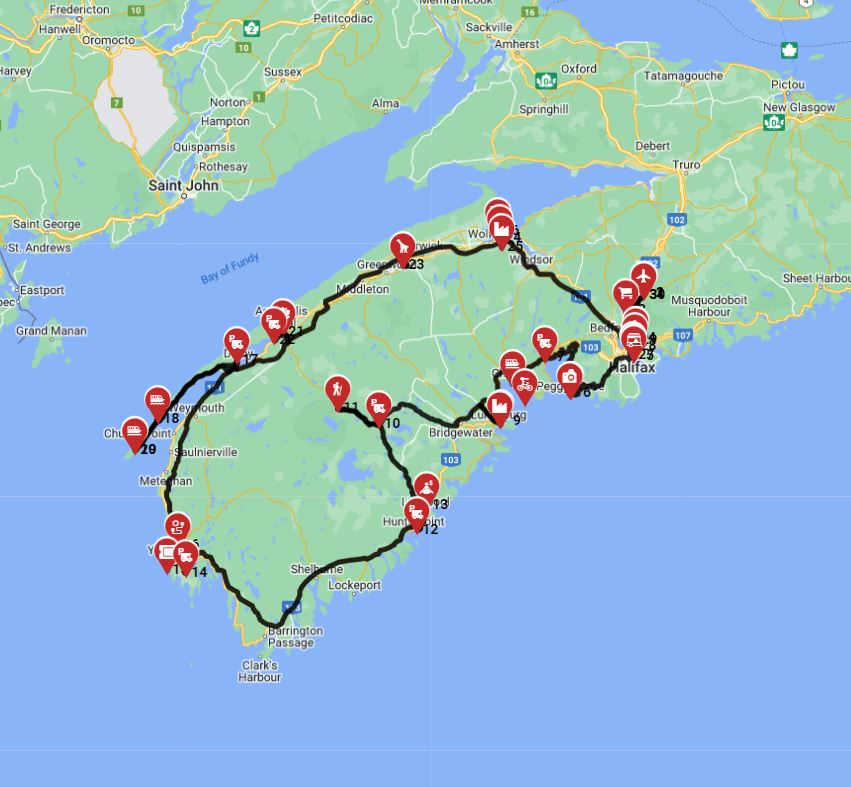
- Discover Peggy's Cove, Nova Scotia: This picturesque fishing village is famous for its iconic lighthouse, granite coastline, and quaint charm, offering stunning photo opportunities.
Looking for expert insights from Avi Bandana? Top 5 Adventures - recommendations from Avi Bandana will help you plan an unforgettable journey.
Final Thoughts
Embarking on an RV adventure through East Canada promises an unforgettable journey filled with natural beauty, rich history, and welcoming communities. With the flexibility of a rented motorhome or campervan, you can tailor your itinerary to discover hidden gems and iconic landmarks alike. Remember, planning is part of the fun, and with resources like RV PLANET (rvplan.net) and Bandana Caravan's transparent booking process, you're set for success.
Whether you're a seasoned RVer or planning your first trip, East Canada offers something for everyone. Take your time, savor the moments, and let the open road guide you through a truly spectacular region. We're here to support you every step of the way, from comparing options to ensuring a smooth booking experience.
Ready to hit the road and explore the stunning landscapes of East Canada? Compare Motorhome Prices for East Canada and start planning your dream RV getaway today!