
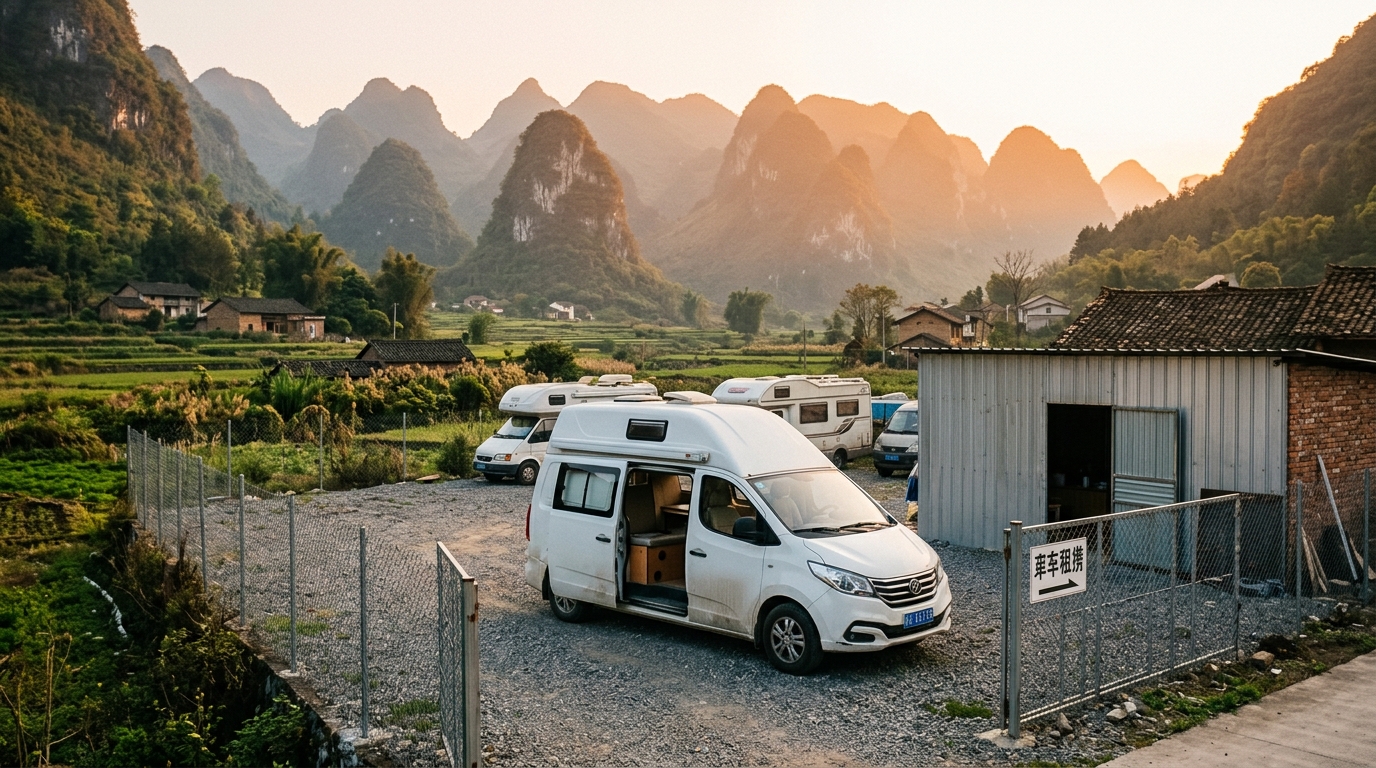
For live availability and current prices, start with our RV Rental China - Complete Guide 2026 guide.
In This Guide
- Can You Drive an RV in China? License & Age Rules
- Road Conditions & Terrain in China
- RV Size Limits, Bridges & Restricted Zones
- Fuel: Diesel vs. Petrol & Cost per 100 km
- Tolls, Vignettes & Border Rules
- Driving Tips for Rv rental deals Travelers
- Recommended RV Class for China Roads
- Should I Choose a Compact Van Instead of a Large RV in China?
- Can I Park Anywhere? Free & Wild Camping Rules in China
- Can I Drive an RV Into the City Center? Heights, Tunnels & Local Signage
- Can foreigners drive in China?
- Can I bring my own RV to China?
- What documents do I need to drive an RV in China?
- Is China good for a road trip?
- What side of the road do they drive in China?
- Is it difficult to drive in China?
- How long does it take to cross China by car?
- How much does it cost to rent an RV in China?
- How to rent an RV in China?
- Are there RV parks in China?
- Where to go RVing in China?
- Traveling with Pets in an RV in China
- Is it safe to drive in China?
Can You Drive an RV in China? License & Age Rules
Foreigners can indeed drive an RV in China, but it's crucial to understand the licensing requirements. An International Driving Permit (IDP) alone is not sufficient; you must obtain a temporary Chinese driver's license. Drivers generally need to be at least 18 years old to operate a vehicle. Most standard rental RVs, such as Class C (alcove) and Class SI (semi-integrated) models, typically fall under the Class C1 license category in China, which is valid for vehicles up to 4,500 kg and a maximum of 9 passenger seats. Foreign visitors will need to secure a temporary equivalent of this license.
Road Conditions & Terrain in China
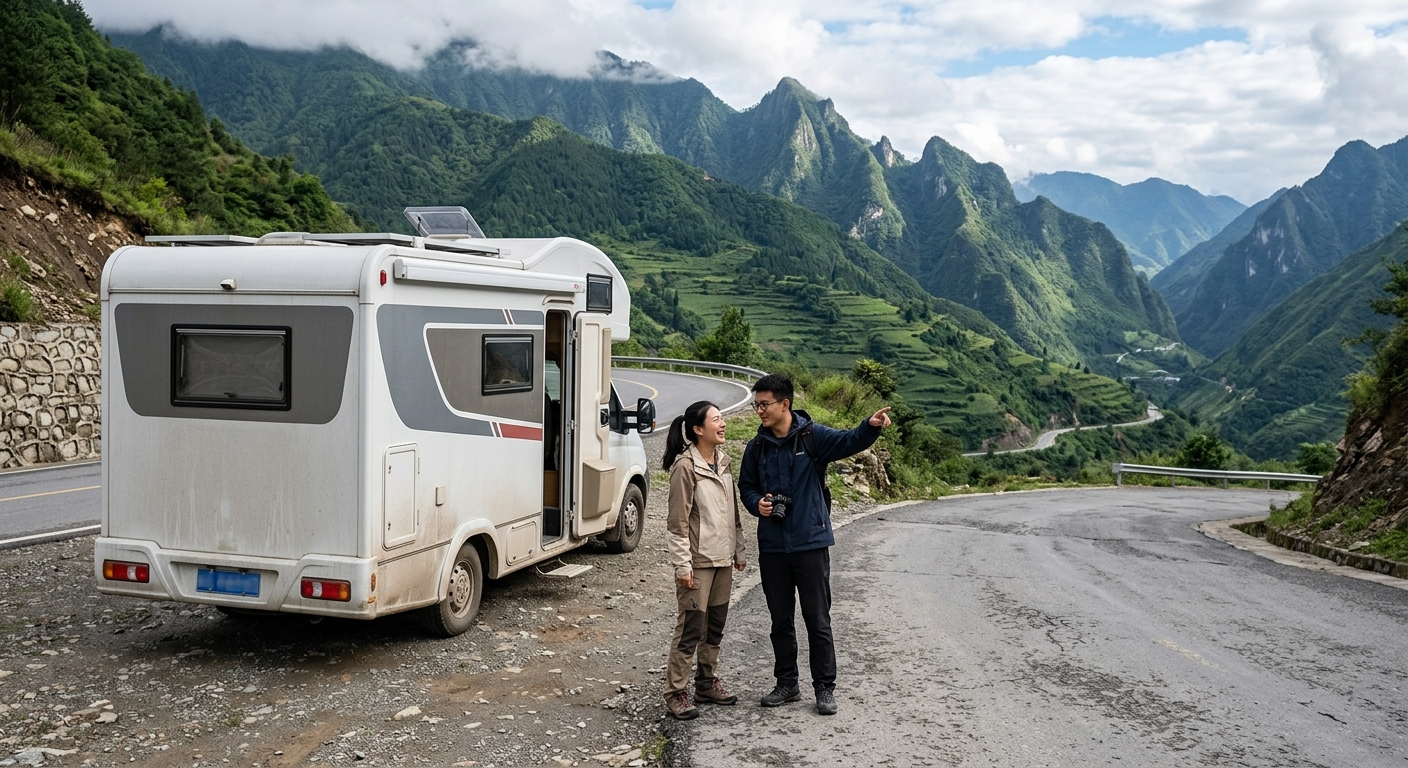
China offers a diverse range of road conditions and terrains that RV travelers should be prepared for. The country features extensive, modern multi-lane expressways that are excellent for long-distance travel, providing smooth and efficient journeys between major cities. However, urban areas can experience dense traffic, and road quality may vary in more remote or rural regions. RV travelers should anticipate diverse terrains, from the relatively flat plains of the east to the high plateaus and mountainous regions in the west. This diversity encourages a slower, more scenic driving pace, allowing you to truly appreciate the changing landscapes.
RV Size Limits, Bridges & Restricted Zones
While China's modern road infrastructure is largely accommodating for RVs, drivers must remain vigilant for specific height, weight, and environmental restrictions, particularly within cities and older towns. Height limits are common and may apply to tunnels, older bridges, and especially underground parking garages in urban areas. Always observe local signage diligently. Additionally, some major cities might have environmental zones or traffic restrictions for larger vehicles or those with non-local license plates, especially during peak hours or special events, making careful route planning essential for a smooth journey.
Fuel: Diesel vs. Petrol & Cost per 100 km
Consistent with Bandana's global fleet, most rental RVs in China primarily use diesel fuel (柴油, cháiyóu), which is widely available across the country. Bandana's Class SI and Class C RVs typically consume between 10-1D0-12 liters per 100 km, while Class B campervans average 8-10 liters/100 km. Larger Class A and Truck Camper (TC) models might average around 8-17 liters/100 km. Fuel costs are a significant component of any RV trip budget; to estimate your cost per 100 km, consider the current diesel price and the RV's consumption rate. For example, a Class C RV averaging 11 L/100km would incur approximately [Estimate: 11 * Current Avg Diesel Price per Liter] per 100km. On the routes offered through RV PLANET routes, you can itemize and track every expense along the way for easy budgeting.
Tolls, Vignettes & Border Rules
China features an extensive network of tolled expressways that are generally well-maintained and efficient for RV travel. Tolls are collected point-to-point rather than through a vignette system. These toll costs can be substantial, especially on long-distance routes, and many rental RVs may come equipped with Electronic Toll Collection (ETC) devices for seamless payment. While specific regional toll data isn't provided here, anticipate frequent toll plazas on major highways. It's worth noting that border crossing rules for RVs are complex and generally not applicable to typical rentals.
Driving Tips for Rv rental deals Travelers
For navigating China by RV, utilizing local navigation apps like Gaode Maps (Amap) or Baidu Maps is highly recommended, as they offer superior accuracy and often better English interface support than many Western GPS services. Be prepared for potential language barriers by having a reliable translation app handy, especially for reading road signs in less touristy areas and communicating with locals. Practice defensive driving, particularly in busy urban centers with dense traffic and diverse driving behaviors; sudden lane changes are not uncommon. Familiarize yourself with local toll payment methods, which often include cash, mobile payment systems like WeChat Pay/Alipay, or ETC devices. Additionally, be aware that foreign RV groups might be required to travel with a local guide or form a convoy for certain itineraries, which can affect flexibility and overall cost.
Recommended RV Class for China Roads
For China's varied road network, Class SI (Semi-integrated) and Class C (Alcove) RVs are generally recommended. These classes offer a good balance of comfort, amenities, and practical maneuverability. Bandana's Class SI models, typically around 6.9 meters in length, comfortably sleep 3-4 adults, providing ample living space without being excessively cumbersome. The Class C Alcove RVs, averaging about 7.5 meters, offer more sleeping capacity (usually 4-5 adults) and living space, making them suitable for families or larger groups, while still remaining manageable on most roads.
Should I Choose a Compact Van Instead of a Large RV in China?
While a compact van, like Bandana's Class B Camper Vans (averaging 5.8 meters), offers superior maneuverability for navigating tight urban streets or narrow mountain passes, larger RVs like Class SI and Class C models typically provide significantly more comfort and living space. This added comfort is often preferable for longer road trips in China, where you'll be spending more time in your vehicle. Although compact vans are ideal for solo travelers or couples prioritizing agility and easy parking in crowded areas, the enhanced amenities and living space of a larger RV generally outweigh the minor maneuverability benefits of a compact van, especially since China's infrastructure is increasingly accommodating of them.
Can I Park Anywhere? Free & Wild Camping Rules in China
Wild camping in China is generally not permitted or recommended due to safety concerns, legal ambiguities surrounding public land use, and cultural considerations. Therefore, designated RV parks or paid campsites are the safer and more practical options. While China has a growing number of RV parks, particularly near tourist attractions and scenic areas, their amenities and standards may differ from Western expectations. It's always advisable to confirm available facilities like hookups and dump stations before arrival. Always check local regulations and adhere to local laws before parking overnight to avoid potential issues.
Can I Drive an RV Into the City Center? Heights, Tunnels & Local Signage
Yes, an RV can generally be driven into most Chinese city centers. However, drivers must exercise caution and pay close attention to local signage, which will indicate height restrictions for tunnels and bridges, as well as any specific traffic limitations. Some cities may implement environmental zones or temporary restrictions for larger vehicles or non-local plates, particularly during peak hours or special events. Adhering to all local traffic signage is paramount for a smooth and legal journey.
Can foreigners drive in China?
Foreigners can legally drive in China, but it's essential to note that neither a home country's driver's license nor an International Driving Permit (IDP) is valid for driving in mainland China on its own. Foreign visitors are required to obtain a temporary Chinese driver's license, which can be applied for upon arrival by presenting specific documentation. This temporary license typically allows driving for up to three months, aligning with standard tourist visa durations, and requires presenting your valid foreign license, an official translation, and undergoing a brief medical examination.
Can I bring my own RV to China?
Bringing your own foreign-registered RV to China for temporary use is exceptionally difficult, highly bureaucratic, and often cost-prohibitive. The process typically involves securing special temporary import permits, undergoing rigorous vehicle inspections, paying significant customs duties, and obtaining temporary Chinese license plates. Due to this complexity, renting an RV domestically within China is almost always the more practical and recommended option for foreign visitors exploring the country.
What documents do I need to drive an RV in China?
To legally drive an RV in China, foreigners primarily need a temporary Chinese driver's license, their original valid foreign driver's license, a passport with a Chinese visa, and the rental RV's temporary vehicle registration documents. It's also crucial to carry all rental agreements, proof of insurance (usually provided by the rental company), and potentially a detailed itinerary, especially when traveling through certain sensitive regions. If you were to somehow bring a foreign-registered RV, additional documents like temporary Chinese license plates and special vehicle import permits would be necessary, which are exceedingly challenging to acquire.
Is China good for a road trip?
China offers an incredibly diverse and rewarding landscape for RV road trips, featuring a modern infrastructure that connects ancient cities, stunning natural parks, and vibrant cultural experiences across vast distances. The country's extensive network of high-quality expressways facilitates smooth travel between major destinations, while smaller roads provide opportunities to explore breathtaking scenery and authentic local cultures. From the karst landscapes of Guangxi and the historical Silk Road routes to the majestic mountains of Yunnan and Sichuan, China presents a plethora of unique and memorable itineraries for adventurous RV travelers.
What side of the road do they drive in China?
In China, traffic drives on the right-hand side of the road. This means that rental RVs will have the steering wheel on the left side, which is consistent with driving practices in most left-hand drive countries. This fundamental rule dictates lane usage, roundabout navigation, and overtaking maneuvers. It's crucial for international drivers to be thoroughly familiar with driving on the right to ensure safety and adherence to local traffic laws.
Is it difficult to drive in China?
Driving an RV in China can present certain challenges, primarily due to potential language barriers on road signs, dense urban traffic, and varying local driving behaviors. However, with thorough preparation and defensive driving techniques, it is manageable. The main difficulties often involve navigating busy city centers, understanding Mandarin-only signs (though major highways usually include Pinyin or English), and adapting to assertive driving styles. Utilizing reliable local GPS apps like Gaode Maps (Amap) or Baidu Maps, coupled with a translation app, can significantly mitigate these challenges and contribute to a smoother journey.
How long does it take to cross China by car?
Driving across China, for instance from its eastern coast to a western border, can take anywhere from 7 to 14 days or more, depending heavily on the chosen route, desired pace, and the number and duration of stops. Given China's vast geographical expanse and diverse landscapes, a typical cross-country journey, such as from Shanghai to Kashgar, covers thousands of kilometers, requiring careful planning for fuel, tolls, and overnight stays. While modern expressways allow for relatively swift travel, many RV travelers opt for slower journeys with detours to scenic attractions, enriching the overall experience.
How much does it cost to rent an RV in China?
The cost to rent an RV in China varies significantly based on factors like RV class, rental duration, season, and included amenities. Rental fees alone typically range from ¥800 to ¥2000+ per day. Beyond the base rental, a comprehensive budget must account for substantial fuel expenses (e.g., Bandana's Class C RVs average 10-12 L/100km), extensive expressway tolls, potential mandatory guide fees for foreign groups, and parking/campsite charges. A realistic budget should include all these operational expenses, as they can easily rival or exceed the initial rental price, making thorough budgeting essential for any RV trip in China.
How to rent an RV in China?
Renting an RV in China generally involves searching online platforms for reputable local providers. It's crucial to ensure you meet the stringent driver requirements, specifically obtaining a temporary Chinese driver's license, and booking well in advance. The process includes selecting your preferred RV class, verifying insurance coverage and security deposit details, confirming pickup and drop-off locations, and meticulously reviewing all rental terms and conditions. Given the unique regulations for foreign drivers, communicating clearly with the rental company about your temporary Chinese license status is advisable before finalizing your booking.
Are there RV parks in China?
Yes, China has a growing number of RV parks and campsites, often situated near popular tourist attractions, scenic areas, and major cities. However, the infrastructure and amenities may differ from Western standards, with some parks offering more basic facilities. It's always recommended to confirm the available amenities before arrival. Booking in advance is often advisable, especially during peak travel seasons, as the popularity of RV travel is increasing within China.
Where to go RVing in China?
Popular regions for RVing in China include the stunning natural landscapes of Yunnan and Sichuan, renowned for their majestic mountains, ancient towns, and diverse ethnic cultures. Other highly recommended destinations include the historical Silk Road routes in provinces like Gansu and Xinjiang, offering vast desert landscapes and ancient Buddhist grottoes, or the scenic coastal areas for picturesque drives. These regions provide a good blend of developed tourist infrastructure and opportunities for off-the-beaten-path exploration, catering to a wide range of interests for an unforgettable RV road trip.
Traveling with Pets in an RV in China
Traveling with pets in an RV in China is exceptionally complicated and generally restricted due to stringent import regulations, specific health certificate requirements, mandatory quarantine periods, and limited pet-friendly accommodations. Most rental RV companies do not permit pets, and even if they were allowed, finding pet-friendly campsites or attractions across China can be a significant challenge. Foreign travelers considering bringing a pet should thoroughly research and secure all necessary permits and health documents months in advance, and realistically reconsider due to the extensive logistical hurdles involved.
Is it safe to drive in China?
Driving in China is generally safe, particularly on the well-maintained major highways, but it demands vigilance due to varied road behaviors, potential language barriers during emergencies, and adherence to local security protocols. While road quality is high on expressways, local roads can be unpredictable. Emergency services are reliable, but communication may require a local speaker. Drivers should consistently practice defensive driving, secure valuables, and be mindful of local customs and traffic laws to ensure a smooth and secure RV road trip experience.
What You Shouldn't Miss
- Drive a section of the Silk Road: Experience the ancient trade routes through Gansu and Xinjiang, passing through deserts, oasis towns, and historical Buddhist caves. Consider starting from Xi'an, a UNESCO World Heritage city.
- Explore the natural wonders of Yunnan: Discover the dramatic landscapes of Tiger Leaping Gorge, the terraced rice fields of Yuanyang, and the charming ethnic minority villages.
- Journey through Sichuan: Immerse yourself in the stunning mountain scenery, visit the pandas in Chengdu, and explore ancient towns like Kuanzhai Alley.
- Marvel at the karst landscapes of Guangxi: Drive along the Li River near Guilin and Yangshuo, experiencing some of China's most iconic and breathtaking natural beauty.
- Experience the vibrant culture of major cities: Plan stops in Beijing to see the Great Wall and Forbidden City, or visit Shanghai for its modern skyline and historical Bund.
- Consider a trip along the Tibetan Plateau: For the truly adventurous, a carefully planned route through Tibet offers unparalleled high-altitude scenery and unique cultural encounters, though permits and guides are often mandatory.
Final Thoughts
Embarking on an RV adventure in China is a truly unique way to experience its vast landscapes and rich culture. While the unique driving regulations and infrastructure require careful planning, the rewards of exploring at your own pace are immense.
Remember that Bandana Caravan is here to support you throughout the booking process, ensuring you find the perfect RV for your Chinese road trip. We pride ourselves on transparency and providing the best possible rental deals, so you can focus on the journey ahead.
Get inspired for your next trip and start planning your unforgettable Chinese RV adventure with Bandana Caravan today!
