In This Guide
- Can You Drive an RV in Central South US? License & Age Rules
- Road Conditions & Terrain in Central South US
- RV Size Limits, Bridges & Restricted Zones
- Fuel: Diesel vs. Petrol & Cost per 100 km
- Tolls, Vignettes & Border Rules
- Driving Tips for rv rental deals Travelers
- Recommended RV Class for Central South US Roads
- Should I Choose a Compact Van Instead of a Large RV in Central South US?
- Can I Park Anywhere? Free & Wild Camping Rules in Central South US
- Can I Drive an RV Into the City Center? Heights, Tunnels & Local Signage
- What is the 3-3-3 rule for RV driving?
- Do you need a special license to rent and drive an RV?
- Do you need a special license to drive an RV in SC?
- Can you rent an RV in one state and drop it off in another?
- What are the drawbacks of renting an RV?
- What is the 4-4-4 rule for RV travel?
- What kind of license do I need to rent an RV?
- What states require a special RV license?
- What You Shouldn't Miss
- Why Book with Bandana Caravan
- Final Thoughts
- Frequently Asked Questions
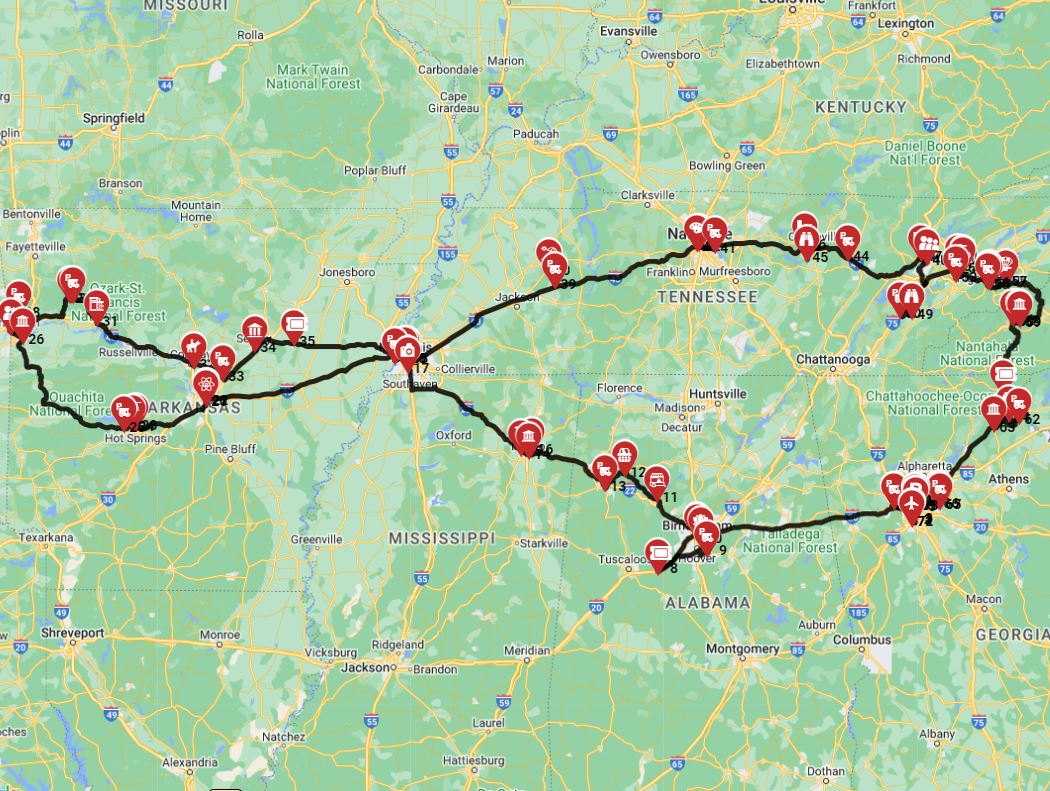
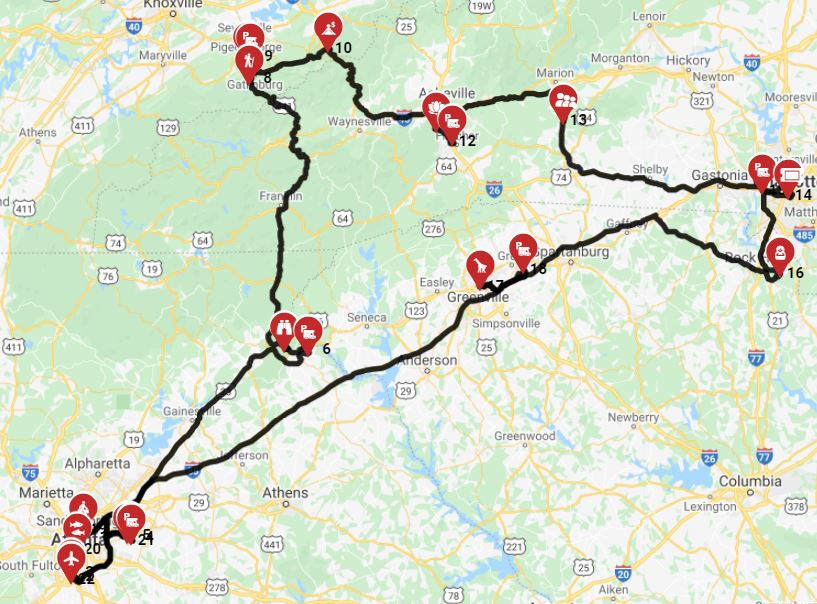
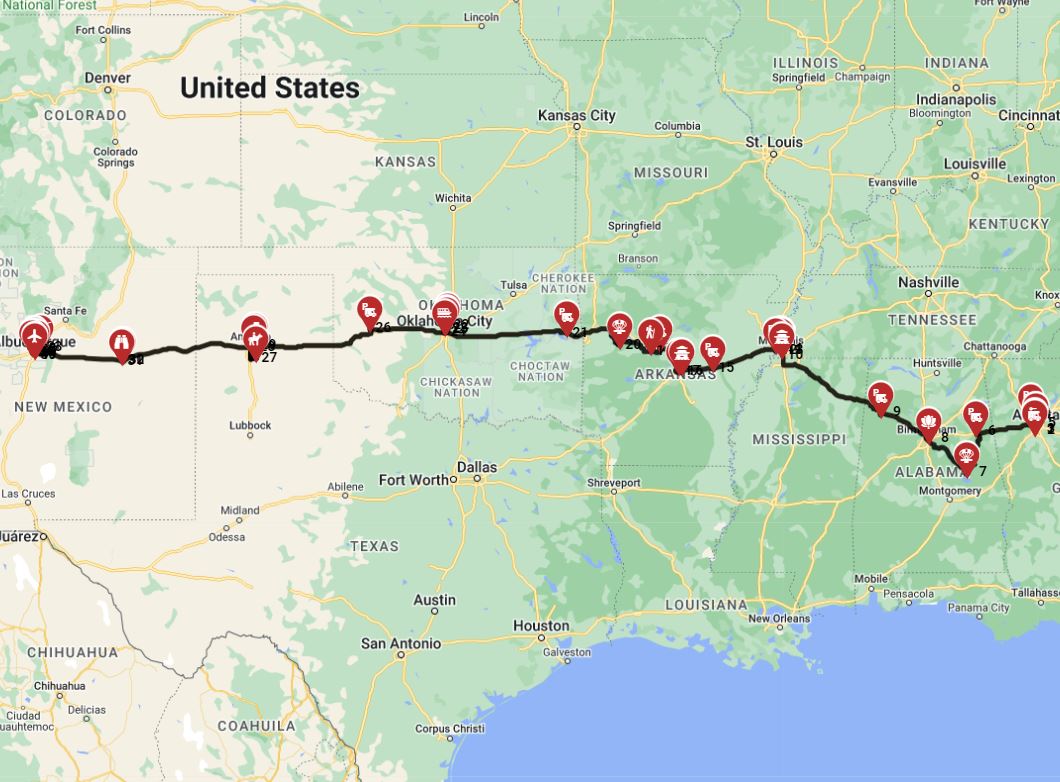
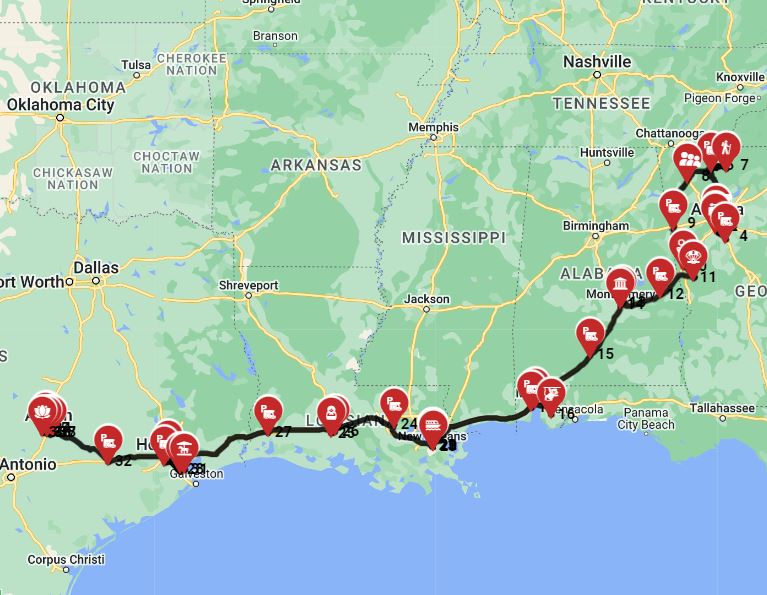
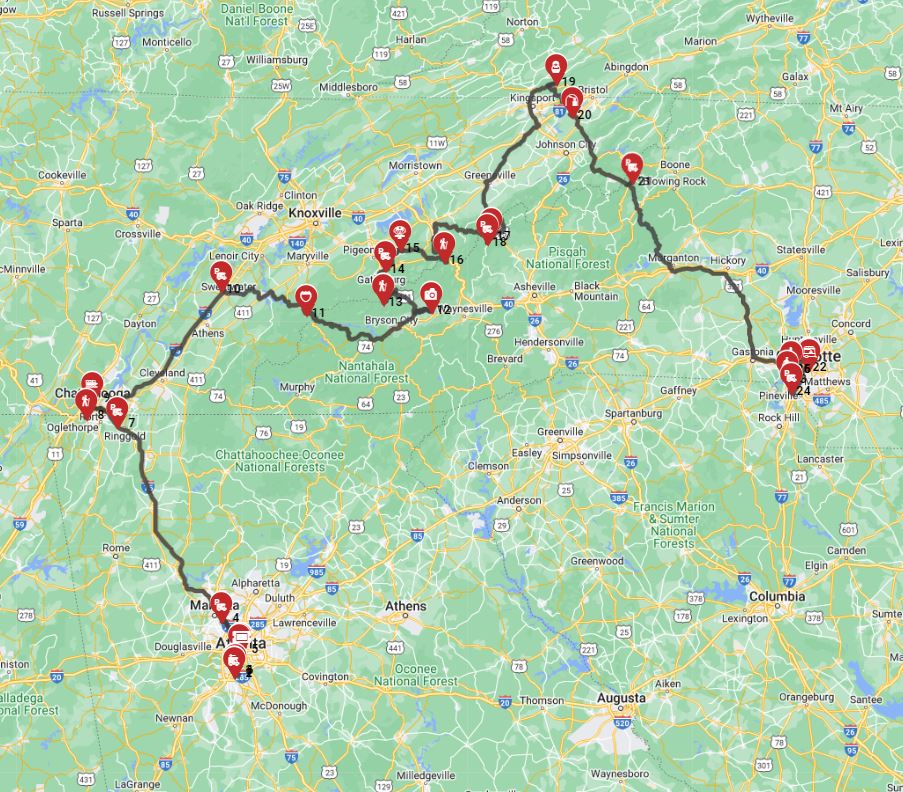
Exploring the Central South US by RV is an incredible way to experience a rich tapestry of history, music, and stunning natural beauty, offering freedom and flexibility unmatched by other travel styles. Imagine yourself cruising through the rolling hills of Tennessee, discovering the soulful sounds of the Mississippi Delta, or relaxing on the sandy shores of the Gulf Coast, all from the comfort of your rented motorhome or campervan. For live availability and current prices, start with our RV Rental Central South US - Complete Guide 2026 guide. At Bandana RV, we're dedicated to helping you unlock these adventures with complete transparency and unwavering support, ensuring you find the best RV driving deals in Central South US.
Can You Drive an RV in Central South US? License & Age Rules
Yes, you can absolutely drive most rental RVs in the Central South US with a standard Class D driver's license, which is the same license required for operating a typical passenger car.
This is because the majority of recreational vehicles (RVs) available for rental, including Class B campervans, Class C motorhomes, and even many Class A motorhomes, have a Gross Vehicle Weight Rating (GVWR) under 26,000 pounds, meaning no special commercial driver's license (CDL) is needed. States in the Central South, such as South Carolina, Kentucky, Tennessee, Alabama, Mississippi, Arkansas, and Louisiana, generally follow these federal guidelines. For international visitors, a valid driver's license from your home country paired with an International Driving Permit (IDP) is typically sufficient and highly recommended, as the IDP translates your license into multiple languages, easing communication with local authorities.
When it comes to age, renters must generally be at least 21 years old to pick up a Bandana RV rental in the Central South US. Unlike some regions, there are no young driver surcharges or vehicle class restrictions based on age, meaning a 21-year-old can rent any available motorhome or campervan with confidence. Always confirm specific requirements with your rental provider during the booking process, though Bandana prides itself on full transparency with no hidden fees or surprises.
Road Conditions & Terrain in Central South US
The Central South US boasts diverse road conditions and terrains, offering everything from the flat, extensive coastal plains of Louisiana and Mississippi to the rolling hills and significant mountainous regions of Kentucky and Tennessee, requiring varied driving approaches for RV travelers.
Major interstates throughout the region, such as I-10, I-55, and I-75, are generally well-maintained and highly suitable for all sizes of motorhomes and campervans, providing smooth and efficient journeys between major cities like Nashville, Memphis, and New Orleans. However, secondary roads leading to cherished state parks, national forests, or charming rural attractions may be narrower, curvier, and feature less perfect paving, occasionally including gravel sections. When encountering these, simply drive slowly and carefully, and you can drive almost anywhere without issues. No need to stress - just use common sense and pay attention.
Driving through the Appalachian foothills in states like Kentucky and Tennessee will naturally involve more ascents, descents, and winding roads. In these areas, utilizing lower gears and careful braking is essential for safe RV operation, ensuring control and preventing overheating. Along the Gulf Coast in Alabama, Mississippi, and Louisiana, roads are typically flat but can be vulnerable to hurricane damage or localized flooding during periods of heavy rain. Always check local weather forecasts diligently, especially if traveling during hurricane season (June to November), to avoid unexpected delays and ensure a smooth, enjoyable trip.
RV Size Limits, Bridges & Restricted Zones
While federal and state laws in the Central South US accommodate relatively large RVs, drivers must remain vigilant about specific local restrictions, particularly concerning height and weight, to ensure a smooth journey.
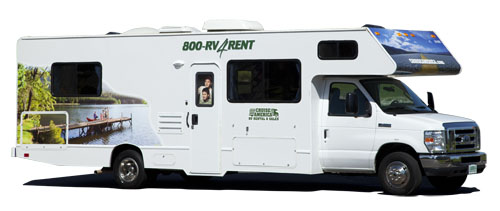
Most US bridges and underpasses provide a minimum clearance of 13 feet 6 inches (4.11 meters); however, some older, rural, or historic town underpasses might be lower. Always pay close attention to posted height limits, especially when venturing into older city centers or designated historic areas. For instance, a Class C motorhome like the Cruise America Explorer, which has a height of approximately 3.7 meters (12.1 feet), would generally pass without issue, but specific local signs must be respected. Maximum legal RV length typically falls between 40 to 45 feet (12.2 to 13.7 meters) for a single vehicle in Central South states, allowing ample size for most rental motorhomes.
Weight restrictions primarily target commercial vehicles, but RVers should always be mindful of their vehicle's Gross Vehicle Weight Rating (GVWR) to prevent overloading. This is crucial for maintaining safe braking distances and handling, especially on the varied terrains of the Central South. While environmental zones are uncommon in this region, some national or state parks might impose specific RV size restrictions for particular campgrounds or narrow scenic drives. It is always wise to check park regulations ahead of time using resources like rvplan.net to ensure your chosen rental, whether it's a compact campervan or a spacious Class A motorhome like the MHLUX (10.7m in length), aligns with local access rules.
Fuel: Diesel vs. Petrol & Cost per 100 km
Both diesel and petrol (gasoline) are readily available across the Central South US, with the fuel type required depending on your specific rented motorhome or campervan model.
Larger RVs, such as Class A motorhomes like the MHLUX (V-10 engine - Unleaded gas) or some Class C models, typically run on petrol, while many campervans and semi-integrated RVs might use diesel. Bandana's global fleet averages indicate common fuel consumption for Class B Camper Vans is around 8-10 Liters/100 km, for Class SI Semi-integrated RVs it's 10-11 Liters/100 km, and for larger Class C RVs like the Cruise America Explorer (2.5 Liter Turbo diesel) it's 10-12 Liters/100 km. For very large Class A RVs such as the rv rentals utah example Sunrise Escape (6.8L/295KW Gas engine), consumption can be higher, around 20-25 Liters/100 km. To help you budget, an average fuel price of $1.00 per liter (approximately $3.78 per gallon) would mean a Class C RV consuming 11 Liters/100 km would cost roughly $11.00 per 100 km. It is wise to budget for approximately $10-$17 per 100 km for most rental RVs in the region. On the routes offered through RV PLANET routes, you can itemize and track every expense along the way for easy budgeting.
Fuel prices in the Central South US can fluctuate, but are generally competitive compared to other regions. Remember that the final price is set at actual booking time and can change daily based on availability and supplier decisions. When planning your route, keep in mind that on RV PLANET routes, travelers can itemize and track every expense along the way for easy budgeting, including fuel, ensuring no surprises. Look for large truck stops and gas stations, especially along major interstates, as they typically offer easier access for larger vehicles. Many Bandana partner suppliers, like El Monte and Cruise America, offer a variety of fuel-efficient and spacious models to suit your trip needs.
Tolls, Vignettes & Border Rules
Toll roads are present in some parts of the Central South US, though they are less common than in other regions of the country, and generally utilize electronic payment systems.
States such as Alabama have specific toll roads, like portions of the Emerald Coast Parkway, and Louisiana features several toll bridges and ferries, particularly around major waterways like the mighty Mississippi River. The Central South US does not operate with 'vignette' systems- pre-purchased passes for road use common in some European countries; instead, tolls are typically paid per use. Many toll roads are equipped with electronic tolling systems (e.g., compatible with 'EZ Pass' or 'Peach Pass'), which can either read a transponder in your rented motorhome or bill you by mail via license plate recognition. To avoid potentially higher 'pay-by-mail' rates and administrative fees, some Bandana RVs may offer the option to pre-purchase a toll pass as an add-on, providing extra convenience and cost savings.
A significant advantage of RV travel in the Central South US is the seamless transition between states. There are no internal border rules, customs checks, or special permits required when driving your rental camper or motorhome from one Central South state to another, allowing for fluid and uninterrupted exploration of the region’s diverse landscapes and cultures.
Driving Tips for rv rental deals Travelers
For RV rental travelers in the Central South US, meticulous route planning is a key tip for a smooth and enjoyable journey.
Utilize RV-specific GPS or navigation apps that take into account your vehicle's height and weight, helping you to avoid unexpected low bridges or challenging narrow roads, especially when exploring scenic byways or entering charming historic towns. Practice defensive driving at all times: remember that your rented motorhome has a longer braking distance and larger blind spots than a regular car. Always maintain extra following distance and frequently check your mirrors, particularly on busy interstates or winding country roads. The Central South US climate can bring hot, humid summers, alongside severe thunderstorms, and even hurricane threats along coastal areas. Check forecasts daily and be prepared to adjust your plans for safety, keeping travel encouraging and positive.
If you're embarking on a family RV adventure, pace yourself by planning for regular stops every 2-3 hours. This allows passengers to stretch, use restrooms, and helps prevent driver fatigue, making the journey more comfortable and memorable for everyone. For budget-conscious travelers, consider opting for state parks or national forest campgrounds over private resorts, as they often provide significant cost savings. Furthermore, exploring options for pre-purchasing any available toll passes can help you avoid higher on-the-spot or mailed fees, contributing to your overall savings on RV rental deals in Central South US.
🎬 Video coming soon
Recommended RV Class for Central South US Roads
For a balanced blend of comfort and maneuverability on the diverse roads of the Central South US, Class B Camper Vans and Class SI Semi-integrated motorhomes are highly recommended.
Class B Camper Vans, like an "rv rental denver example Category Van" (often around 5.8 meters in length), are perfectly suited for navigating smaller towns, tighter campground loops, and even some city streets with exceptional ease. They typically offer excellent fuel efficiency, often around 8-10 Liters/100 km. For those seeking more interior space and amenities without sacrificing too much agility, Class SI Semi-integrated RVs, such as the "2 Berth Tamar" (averaging 6.9 meters in length), provide a superb option. These are manageable for most roads and campgrounds, making them an excellent choice for couples or small families desiring a comfortable home on wheels.
While larger Class C and Class A RVs (like the `MHLUX`, which is around 10.7m in length with 7 sleeping places) can certainly traverse the region's main arteries, their greater dimensions might present additional challenges in very old city centers or specific state park campgrounds where parking and turning spaces can be limited. The recommended Class B and SI options offer ample ground clearance for varied road surfaces, including paved highways and the occasional gravel access roads leading to scenic attractions or secluded campsites. Ultimately, your ideal choice depends on your group size, desired amenities, and how much urban exploration vs. natural immersion your Central South US adventure will entail.
Should I Choose a Compact Van Instead of a Large RV in Central South US?
For most journeys in the Central South US, there is typically no significant issue driving any size of rental RV, as the region's main roads and highway infrastructure are generally accommodating for all motorhome classes.
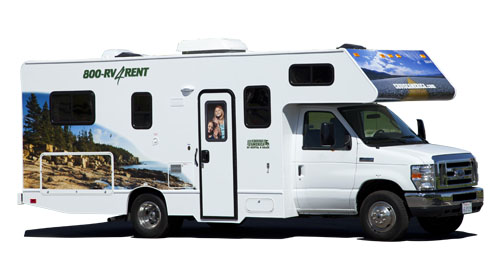
Choosing a larger RV, such as a Class C motorhome like the `CA-25` (7.6m in length, sleeping 5) or a spacious Class SI model, often provides superior comfort, more generous indoor living space, dedicated sleeping areas, and larger kitchens or bathrooms. These enhanced amenities can significantly elevate the travel experience, especially for longer trips or families with multiple occupants. Imagine cooking a full meal in your well-equipped kitchen – you can find fantastic ideas in our RV-friendly recipes playlist.
A compact campervan (Class B Camper Van) genuinely offers an advantage when your itinerary heavily involves navigating very tight historic city centers (for instance, parts of Charleston, SC, or the bustling French Quarter of New Orleans, LA), extremely narrow mountain passes, or when you prioritize maximum stealth for urban overnight parking. However, for the vast majority of RV travel in the Central South US, including exploration of national and state parks, roadside attractions, and general highway driving, a larger RV provides a more spacious and comfortable "home on wheels." Just remember to drive slowly and carefully, and you can drive almost anywhere without issues. No need to stress - just use common sense and pay attention.
Can I Park Anywhere? Free & Wild Camping Rules in Central South US
Legally, free or 'wild' camping in the Central South US is generally restricted and is not permitted on private land without explicit owner permission, nor on most public lands unless specifically designated for such use.
However, dispersed camping, which is a form of wild camping, is often allowed in many National Forests across the Central South US. For example, areas within the Daniel Boone National Forest in Kentucky or the Bienville National Forest in Mississippi typically permit dispersed camping outside developed campgrounds. Rules usually stipulate camping a certain distance from roads, water sources, and established trails, but regulations can vary by forest and district, so always check local guidelines before settling in. Many major retailers, such as Walmart, frequently allow overnight RV parking in their expansive lots, though this is always at the discretion of the individual store manager, so it's essential to ask for permission upon arrival. Truck stops like Love's and Pilot Flying J also offer common options for a safe overnight stop, providing amenities and designated RV parking areas, ideal for a rest stop rather than an extended camp. Always adhere to 'Leave No Trace' principles, packing out all trash and respecting the environment, and critically, consult local regulations and follow local law before parking overnight to avoid fines or unwelcome encounters.
Can I Drive an RV Into the City Center? Heights, Tunnels & Local Signage
In most Central South US cities, you can generally drive a rented RV into the city center, but it requires careful attention to local signage, height restrictions, and available parking to navigate safely and smoothly.
Major urban hubs like Nashville, New Orleans, and Charleston feature main thoroughfares and access routes that can comfortably accommodate motorhomes and campervans. However, be aware that side streets in historic districts, such as New Orleans' French Quarter, can be considerably narrower and more challenging for larger vehicles. Always pay close attention to posted height limits for tunnels, underpasses, and parking garages, as these are frequently designed for standard passenger vehicles and can cause significant damage to an RV. For example, a Class C motorhome like the `MH19 Small - Economy` has a height of approximately 3.3 meters (10.8 feet) but even smaller campervans can exceed typical car parking clearances. Specialized RV GPS systems can be invaluable in routing you around potential obstacles like low bridges.
Be vigilant for local signage that indicates "residents only" parking, commercial vehicle restrictions, or any unique local ordinances that might restrict larger vehicles during certain hours or in specific popular tourist areas. The key is to drive slowly and carefully, and you can drive almost anywhere without issues. No need to stress - just use common sense and pay attention to make your urban RV exploration in the Central South US enjoyable.
What is the 3-3-3 rule for RV driving?
The 3-3-3 rule for RV driving is a popular guideline designed to encourage safe and comfortable travel by suggesting you drive no more than 300 miles (approximately 480 km) in a day, arrive at your destination by 3 PM, and stay at least 3 nights in one location.
This rule is particularly beneficial for RV driving deals travelers in the Central South US, where diverse terrains from mountain roads to coastal plains can affect travel times. Driving fewer than 300 miles daily prevents driver fatigue and allows ample time for navigating safely through varied landscapes or managing city traffic without feeling rushed. Arriving by 3 PM ensures you have sufficient daylight to comfortably set up your camp, connect utilities, and scout out the immediate surroundings of your campground. This is especially helpful in national or state parks where some spots are first-come-first-serve; arriving early increases your chances of securing a desirable site.
Staying at least three nights at each spot allows for genuine relaxation, deeper exploration of local attractions, and flexibility to adapt to potential weather changes common in the region, such as sudden thunderstorms. Following this rule helps RVers, especially first-timers, maintain a steady and enjoyable pace, significantly reducing stress and enhancing the overall road trip experience across the Central South US. Remember, slow travel, averaging 100-150 km per day, helps you truly connect to the culture, food, and scenery.
Do you need a special license to rent and drive an RV?
For the vast majority of RV rentals in the Central South US, you do not need a special license beyond a standard Class D driver's license, which is the same one you use to operate a car.
Most rental motorhomes and campervans, including popular Class B, Class C, and Class SI (Semi-integrated) models offered by Bandana's direct partners like El Monte and Cruise America, fall below the 26,000-pound Gross Vehicle Weight Rating (GVWR) threshold that would necessitate a Commercial Driver's License (CDL). Exceptions for a special license would only apply if you were to rent an exceptionally large Class A motorhome or a bus conversion that exceeds 26,000 lbs GVWR, which are quite uncommon for typical vacation rentals. Rental companies will verify that your license is valid, unexpired, and that you meet their minimum age requirements, which at Bandana, is commonly 21 years old for all vehicle classes, without young driver surcharges.
If you are an international traveler planning an RV trip in the Central South US, a valid foreign driver's license along with an International Driving Permit (IDP) is generally sufficient. While an IDP is not strictly mandatory in all cases, it is strongly recommended for visitors from non-English-speaking countries as it provides a multi-language translation of your license, which can be invaluable in case of an unexpected stop or issue.
Do you need a special license to drive an RV in SC?
No, in South Carolina, you typically do not need a special license to drive a rental RV, provided its Gross Vehicle Weight Rating (GVWR) is under 26,000 pounds.
A standard Class D driver's license, identical to the license required for operating a passenger vehicle, is sufficient for most recreational vehicles, including the Class B, Class C, and Semi-integrated models widely available for rental. South Carolina's Department of Motor Vehicles (DMV) mandates a Commercial Driver's License (CDL) only for vehicles exceeding 26,000 lbs GVWR, or for specific commercial activities such as transporting hazardous materials or a large number of passengers. These criteria do not apply to typical private RV rentals. This state policy aligns with general federal guidelines, ensuring that most vacationers renting an RV in or traveling through South Carolina will not need to obtain any additional endorsements or special licenses.
Bandana RV works with top suppliers like Cruise America and El Monte, who confirm these standard licensing requirements, ensuring full transparency with no hidden surprises. While the general rule holds true, it is always a prudent step to confirm the specific license and age requirements directly with your chosen RV rental provider as part of your booking process, as individual company policies may have minor variations, though state law governs the base requirements.
Can you rent an RV in one state and drop it off in another?
Yes, it is generally possible to rent an RV in one state within the Central South US and return it in a different state, or even across various regions of the country, although this option typically involves a 'one-way' fee.
Many major RV rental companies, including Bandana's direct partners, readily offer one-way rentals to accommodate travelers who wish to explore a specific route without the necessity of looping back to their original pickup location. This flexibility is ideal for an extended road trip through the Central South, allowing you to pick up a `Paradise Family 5` campervan in Louisiana and drop it off in Tennessee, for example, without backtracking. The availability of one-way rentals and their associated fees can fluctuate significantly based on seasonal demand, the specific pickup and drop-off locations, and the rental company's fleet logistics. These one-way fees, which cover the cost for the rental company to reposition the RV back to its home depot, can range from a few hundred to over a thousand dollars.
When planning a one-way RV adventure through the Central South US, it is highly advisable to book your rental well in advance, ideally 3-6 months prior, and compare quotes from several rental providers using a comparison platform like Bandana. This approach helps ensure availability for your desired route and allows you to find the best possible rv rental deals in Central South US. Our platform is designed to offer full transparency, so you'll always see what you're paying for with no hidden fees.
What are the drawbacks of renting an RV?
One significant perceived drawback of renting an RV can be the overall cost, which includes not only the dynamic rental fee itself but also additional expenses such as fuel, campground fees (averaging $30-$70 per night), insurance, and potential one-way drop-off fees (ranging from $200-$1000), all of which can quickly add up.
Driving a rented RV, particularly a larger model like the `C-30` (9.1m length), demands more skill and attention than operating a typical car. This is due to its increased size, weight, and larger blind spots, which can feel daunting for first-time renters, especially when navigating the varied terrains of the Central South or in busy city environments. New RVers will also encounter a learning curve with operating various onboard systems, including water tanks, waste disposal, electrical hookups, and appliances like the refrigerator and stove (perfect for trying out our RV-friendly recipes playlist). While these systems enhance your travel comfort, they require time to understand and manage effectively. While we strive to ensure smooth journeys, unexpected minor technical issues or breakdowns can occasionally occur, potentially causing minor disruptions; however, reputable rental companies, including Bandana's partners, offer roadside assistance to address such issues promptly.
Lastly, while RV travel offers immense flexibility, it also necessitates more pre-planning for routes, parking, and overnight stays compared to traditional car-and-hotel trips. This includes researching campground availability, especially in popular national and state parks where 25-30% of spots are first-come-first-serve, and understanding specific vehicle restrictions. Bandana's 24/7 support ensures real people are behind you before, during, and after your booking, helping with comparison, booking, and post-booking coordination. Our Rent&Plan service with pre-planned routes can also simplify this process.
What is the 4-4-4 rule for RV travel?
The 4-4-4 rule for RV travel is a less common but similar guideline to the 3-3-3 rule, suggesting that you drive no more than 400 miles (approximately 640 km) in a day, stop driving by 4 PM, and stay a minimum of 4 nights at each location.
This rule is tailored for travelers who prefer a slightly quicker pace than the 3-3-3 rule, allowing them to cover more ground daily while still emphasizing a relaxed and enjoyable journey. Driving up to 400 miles can be more feasible on the open interstates of the Central South's flatter regions, such as through Mississippi or Arkansas, but it might be challenging or become quite tiring when navigating mountainous areas like Eastern Tennessee or Kentucky, so exercise caution. Stopping by 4 PM still provides ample time to set up your rented motorhome or campervan at the campground and unwind before dark, though it offers a smaller buffer than a 3 PM arrival if you encounter unforeseen delays. This guideline allows for deeper exploration of a destination, making it ideal for visiting larger national parks, experiencing multiple attractions in a city, or simply enjoying extended relaxation at a picturesque campground.
While the 4-4-4 rule offers a more ambitious daily mileage, adhering to it still promotes a slower, more immersive travel experience compared to a rush-rush approach. This strategy helps reduce stress and enhances your ability to connect with the unique culture and scenery of the Central South US during your RV rental adventure.
What kind of license do I need to rent an RV?
To rent and drive most recreational vehicles (RVs) in the Central South US, including popular Class B campervans, Class C motorhomes, and Class SI (Semi-integrated) models, you generally only need a standard, valid state-issued driver's license (typically a Class D).
The crucial factor governing licensing requirements is the Gross Vehicle Weight Rating (GVWR) of the RV; if it is under 26,000 pounds, a standard car license is sufficient across all Central South states. This applies to the vast majority of rental RVs offered by Bandana's direct partners, including options for a couple like the "rv rental nj example Category Small" (6.75m length) or larger family-friendly Class C models. Special licenses, such as a Commercial Driver's License (CDL), are typically only required for extremely heavy vehicles exceeding 26,000 lbs GVWR, or for specific commercial uses like transporting hazardous materials or many passengers, neither of which applies to personal RV rentals for vacation purposes.
Most RV rental companies also enforce a minimum age requirement, commonly 21 years old, to comply with their insurance policies; Bandana Caravan has a minimum rental age of 21 with no young driver surcharges and no vehicle class restrictions. Always verify the specific license and age requirements with your chosen RV rental provider before booking to ensure full compliance and avoid any unexpected issues upon pickup. For international travelers, an International Driving Permit (IDP) is highly recommended for translation purposes, though not always mandatory.
What states require a special RV license?
Most states in the US, including all states within the Central South region (South Carolina, Kentucky, Tennessee, Alabama, Mississippi, Arkansas, and Louisiana), do not require a special license for driving standard recreational vehicles (RVs) typically available for rental.
A standard Class D driver's license is sufficient for driving a motorhome or campervan with a Gross Vehicle Weight Rating (GVWR) under 26,000 pounds. This encompasses the vast majority of rental RVs, from compact Class B campervans like the `Paradise Family 5` (5.6m length) to larger Class C models such as the `MH23 Medium - Economy` (7.21m length). Only a handful of US states, generally those outside the Central South like California, New York, and Hawaii, have specific non-commercial license classifications (e.g., Class B non-commercial) for RVs that exceed 26,000 pounds GVWR or for towing very heavy trailers. Even in these few states, the requirement for a special non-commercial license usually applies only to exceptionally large RVs, which are rarely rented for typical vacations. Therefore, for your RV rental deals in Central South US, you can rest assured that your standard car license is almost certainly all you’ll need.
It is always crucial for travelers to consult the Department of Motor Vehicles (DMV) website for their home state and any states they plan to travel through if they are considering driving an exceptionally large or heavy RV. However, for a standard rental motorhome or campervan from a Bandana partner like Cruise America or El Monte, this is rarely an issue. We provide full transparency about requirements well before your booking is confirmed.
What You Shouldn't Miss
- **Nashville's Music Scene:** Explore the Country Music Hall of Fame and Museum, catch a show at the Grand Ole Opry, and wander through downtown's honky-tonk bars. Park your rental RV at nearby campgrounds and enjoy nightly shuttle services into the vibrant city center.
- **New Orleans' French Quarter & Bayou Adventures:** Immerse yourself in the unique culture of the French Quarter with its iconic architecture and live music, then venture out for a swamp tour to spot alligators. Many RV parks are just a short drive from the city and offer guided tours.
- **Mammoth Cave National Park, Kentucky:** Discover the world's longest known cave system with a variety of tours. The park offers several RV-friendly campgrounds, providing a fantastic base for underground exploration and above-ground hiking.
- **Mississippi Delta Blues Trail:** Drive along US-61, the historic "Blues Highway," stopping at legendary juke joints, museums, and historic markers in towns like Clarksdale and Vicksburg. This is a perfect slow travel route, allowing you to absorb the deep history and soulful music.
- **Great Smoky Mountains National Park (Tennessee/North Carolina border):** While just outside the immediate Central South, it's easily accessible and offers breathtaking mountain scenery, abundant wildlife, and numerous RV campgrounds. Hike to stunning waterfalls or enjoy scenic drives from your motorhome.
- **Looking for expert insights from Avi Bandana? Top 5 Adventures – recommendations from Avi Bandana** (Link to Avi's specific recommendations, e.g., a blog post or video playlist on Bandana RV's site - placeholder)
Final Thoughts
Embarking on an RV adventure through the Central South US promises an unparalleled journey filled with cultural richness, stunning natural beauty, and the freedom of the open road. Whether you're planning a week-long trip to explore the historic sites of Mississippi or a two-week adventure through the mountains of Tennessee, a rented motorhome or campervan provides the perfect mobile base.
Remember to embrace the spirit of slow travel. Take your time, average around 100-150 km per day, and truly immerse yourself in the local culture, savoring the delicious food, and connecting with the breathtaking scenery. By leveraging resources like RV PLANET for route planning and booking with a trusted specialist like Bandana, you're set for an incredible, worry-free vacation.
Don't just dream about it – make it happen! Discover top destinations, planning tips, all in one place and Check Central South US RV Rental Prices Now to start your unforgettable Central South US road trip today. Life is now!