In This Guide
- Can You Drive an RV in Center Europe? License & Age Rules
- Road Conditions & Terrain in Center Europe
- RV Size Limits, Bridges & Restricted Zones
- Fuel: Diesel vs. Petrol & Cost per 100 km
- Tolls, Vignettes & Border Rules
- Driving Tips for RV Rental Deals Travelers
- Recommended RV Class for Center Europe Roads
- Should I Choose a Compact Van Instead of a Large RV in Center Europe?
- Can I Park Anywhere? Free & Wild Camping Rules in Center Europe
- Can I Drive an RV Into the City Center? Heights, Tunnels & Local Signage
- Can you drive an RV in Europe?
- Can I use my US driver's license to drive in Europe?
- Do you need a special license to rent and drive an RV?
- Can you rent a campervan to drive around Europe?
- What is the 3-3-3 rule for RV travel?
- What do Europeans call an RV?
- How much does it cost to rent an RV in Europe?
- Which RV does not require a license?
- Is it cheaper to rent an RV or stay in hotels?
- Can I use a US driver's license to rent a car in Europe?
- What You Shouldn't Miss
- Why Book with Bandana Caravan
- Final Thoughts
- Frequently Asked Questions
Exploring Center Europe with a rented motorhome or campervan offers an incredible blend of freedom and discovery, allowing you to immerse yourself in diverse landscapes, rich history, and vibrant cultures at your own pace. Imagine waking up to the stunning peaks of the Alps in Switzerland, enjoying breakfast with fresh local pastries in a quaint German village, or discovering the historic charm of a Czech town. With a rented RV, these dreams become your daily reality.
Bandana RV, founded in 2001, has been helping tens of thousands of travelers explore the world by RV for over 23 years. We are true RV specialists, not just a side department of a travel agency. We pride ourselves on full transparency, ensuring no hidden fees or surprises throughout your booking process and during your journey. For live availability and current prices, start with our RV Rental Center Europe - Complete Guide 2026 guide, which provides comprehensive information to kickstart your adventure.
Can You Drive an RV in Center Europe? License & Age Rules
Yes, you can absolutely drive a rented RV in Center Europe, with most standard Category B licenses allowing you to drive RVs and campervans up to 3,500 kg (7,700 lbs). This weight class covers the vast majority of rental motorhomes, including popular Class B campervans and many Class C Alcove models. An International Driving Permit (IDP) is highly recommended for non-EU license holders, as it serves as a legal translation of your domestic license and is often required for rental agreements, police checks, or insurance purposes in Center Europe. For larger RVs that exceed 3,500 kg but remain under 7,500 kg, a Category C1 license is typically required. The minimum driver age for all rental motorhome classes is 21 years old, and Bandana RV does not impose young driver surcharges or vehicle class restrictions based on age, making RV travel accessible to a wider range of adventurers. Always carry your valid physical driver's license along with your IDP (if applicable) and check the specific weight (Maximum Authorised Mass or MAM) of your rented vehicle to ensure compliance with local regulations.
Road Conditions & Terrain in Center Europe
Road quality across Center Europe is generally excellent, particularly on major highways and the well-maintained autobahns of Germany, making for smooth and enjoyable RV travel. However, the terrain in Center Europe varies significantly, from the flat, sprawling plains of northern Germany and Hungary to the dramatic, winding mountain passes of the Alps in countries like Austria and Switzerland. Travelers with larger rented RVs should be prepared for narrower, more winding roads in mountainous regions, which require careful driving. Historic towns and charming villages frequently feature narrow, cobblestone streets, making navigation a slow and attentive process for any vehicle, especially a motorhome. Our advice is always to drive slowly and carefully, and you can drive almost anywhere without issues. No need to stress-just use common sense and pay attention. Embrace the journey with a slow travel philosophy, averaging a maximum of 100-150 km per day to fully appreciate the diverse landscapes and rich cultural sites found throughout Center Europe.
RV Size Limits, Bridges & Restricted Zones
Drivers of rented motorhomes in Center Europe must pay close attention to local signage indicating height, width, and weight restrictions, particularly when navigating historic city entrances, low bridges, and tunnels. Ignoring these signs can lead to fines or vehicle damage. Many Center European cities, especially in Germany, operate 'Umweltzonen' (environmental zones) which require specific emission stickers, such as the 'Umweltplakette', for entry. Without the correct sticker, you risk significant fines. While ferry services are less common for inland Center Europe, they do exist for connecting to coastal regions or islands and may have length and weight restrictions for larger RVs. We recommend utilizing GPS systems with RV-specific settings, which can help pre-plan routes that avoid unsuitable roads and restrictions based on your rented RV's dimensions. Prior planning will ensure a smooth and stress-free adventure. For finding campsites and campgrounds during your trip, we recommend using RV PLANET (rvplan.net) - a great resource for locating available spots along your route and itemizing every expense along the way on RV PLANET routes.
Fuel: Diesel vs. Petrol & Cost per 100 km
The vast majority of rented RVs and campervans available in Center Europe run on diesel fuel, which is readily available at service stations across all countries. Bandana's semi-integrated RVs (Class SI) typically consume 10-11 Liter/100 km, offering efficient travel for couples or small families, while Class C Alcove models average 10-12 Liter/100 km, providing ample space with reasonable fuel economy. Smaller Camper Vans (Class B), such as the "Combi Van" or "K125", are even more fuel-efficient, often consuming 8-10 Liter/100 km, making them ideal for agile exploration and budget-conscious travelers. Estimated fuel costs represent a significant portion of the overall trip budget for a Center Europe adventure, so factor in current diesel prices (which fluctuate daily) multiplied by your planned distance. Some rental companies may offer fuel discount cards, though this perk is not universally available. On the routes offered through RV PLANET routes, you can itemize and track every expense along the way for easy budgeting.
Tolls, Vignettes & Border Rules
Mandatory road charges in Center Europe vary by country, with 'vignettes' (time-based stickers or digital passes) required for motorways in Austria, Switzerland, the Czech Republic, Slovakia, Slovenia, and Hungary. These passes must be purchased and displayed or registered before entering the toll-road network to avoid hefty fines, often costing around €10-€30 for short-term validity. Germany's famous autobahns are generally toll-free for vehicles under 7.5 tonnes, a significant advantage for most rented RVs, while countries like Italy have an extensive network of pay-per-use tolled motorways. Border crossings within the Schengen Area, which includes most of Center Europe, are typically seamless, requiring no passport control; however, travelers should always carry valid identification, such as a passport and your International Driving Permit if you have one. We highly recommend pre-purchasing digital vignettes online or physical stickers at border crossings or gas stations before entering a new country to ensure smooth passage.
Driving Tips for RV Rental Deals Travelers
For a successful RV trip in Center Europe, careful planning is key; always plan routes considering your rented RV's size and weight, utilizing a GPS system that can account for these dimensions to avoid unsuitable roads, low bridges, or tunnels. Adhere strictly to local speed limits, which are often lower for motorhomes than for passenger cars and can vary between countries (e.g., in Germany, RVs over 3.5 tonnes often have lower autobahn limits). It's mandatory in many Central European nations to carry essential safety equipment, such as reflective vests for all passengers, a warning triangle, and a first-aid kit; ensure these are included with your rental or bring your own. Remember our slow travel philosophy: travel slowly, a maximum of 100-150 km per day on average, to take time to feel the place, connect to the culture, the food, and the scenery. Taking frequent breaks is important to avoid driver fatigue, especially on longer stretches or scenic routes like the Grossglockner High Alpine Road in Austria. Finally, familiarize yourself with common European road signs and local driving etiquette, such as yielding to traffic already in a roundabout, to ensure a smooth and safe journey across Center Europe.
Recommended RV Class for Center Europe Roads
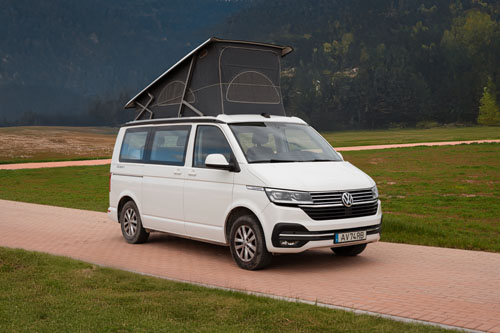
For optimal maneuverability on Center European roads, particularly when navigating charming historic towns and winding mountain passes, a Class B Camper Van is highly recommended. These agile vehicles, averaging around 5.8 meters in length, offer the best balance of compact size and essential amenities for couples or small families. Alternatively, a Class SI - Semi-integrated motorhome, with an average length of 6.9 meters, provides a good balance of interior space and relative ease of handling, suitable for slightly longer trips or small families. For instance, a "Category Van" or a "2 Berth Hi Top" are excellent choices for two travelers seeking flexibility and fuel efficiency (8-10 Liter/100 km). While larger motorhomes like the "Group D" (5 sleeping places) or "Group G" (7 sleeping places) Class C Alcove models offer more living and storage space, they require more careful navigation in tighter spots. Ultimately, the best choice depends on your group size, comfort preferences, and planned itinerary, though smaller rental RVs generally provide greater flexibility in Center Europe.
Should I Choose a Compact Van Instead of a Large RV in Center Europe?
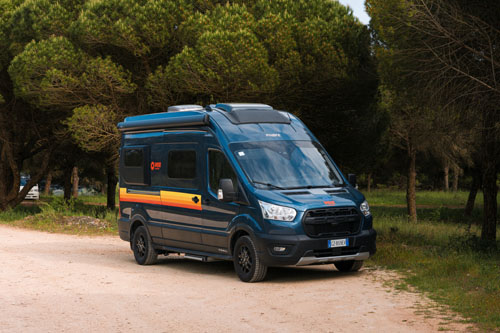
While most RV sizes can navigate Center European roads, a compact van, or Class B Camper Van, genuinely excels in tight historic city centers, narrow village streets, and winding mountain passes due to its smaller footprint. Vehicles like the "Condo" with a length of 4.7 meters offer nimble handling, making urban parking and tight turns significantly easier. However, larger rental RVs, such as Class C Alcove models like the "F4" with 5 sleeping places or Class A Integrated motorhomes, offer significantly more comfort, living space, and amenities, including larger refrigerators for RV-friendly recipes playlist and more spacious sleeping areas, such as the 147/220cm over-cab bed in a "MHC24". This can be a better trade-off for longer trips or larger families if maneuverability in specific tight spots is not a constant concern. Consider your itinerary for Center Europe: if your journey primarily focuses on national parks and larger campgrounds, a bigger rental RV provides a more luxurious and comfortable experience. If city exploration is paramount, a compact van will undoubtedly reduce parking and navigation stress. It’s important to remember that many larger RVs are designed with European road networks in mind, so often, comfort and indoor space for relaxation and cooking matter more than marginal maneuverability gains.
Can I Park Anywhere? Free & Wild Camping Rules in Center Europe
Free or wild camping with a rented motorhome is generally prohibited or heavily restricted in most Center European countries, including Germany, Austria, and Switzerland, to protect natural landscapes and private property. Violating wild camping rules can result in significant fines and may disturb local wildlife and ecosystems, so it's always best to err on the side of caution. Germany and Austria, in particular, feature an extensive network of designated 'Stellplätze' (motorhome parking spaces), which often provide basic amenities like water and waste disposal, permitting overnight stays, sometimes for free or a nominal fee ranging from €5 to €20 per night. In countries like the Czech Republic, Slovakia, and Hungary, regulations regarding wild camping are similar, with a general preference for travelers to use official campsites, which typically cost €20-€50 per night. We strongly recommend checking local regulations and calling ahead to a potential campground or 'Stellplatz' before parking overnight to ensure compliance and avoid issues. There is no need to stress; you'll find a spot. If not at the first campground, then the next one. For detailed route plans and campsite information, exploring available RV PLANET routes can be extremely helpful.
Can I Drive an RV Into the City Center? Heights, Tunnels & Local Signage
Yes, it is almost always possible to drive a rented RV into city centers in Center Europe, but it often comes with significant challenges and requires careful attention to signage. Drivers must pay close attention to local signage indicating height limits for bridges and tunnels (e.g., 3.5m or 4.0m often seen), width restrictions for narrow streets, and environmental zone requirements such as 'Umweltzonen' in Germany, which demand specific emissions stickers. Many historic city centers have pedestrianized zones, residents-only access, or restricted vehicle movement zones (ZTLs in Italy, for example) that rented RVs cannot enter or navigate without special permits, usually resulting in fines. Parking a motorhome in city centers is typically difficult and expensive; it is often advisable to park on the city outskirts at designated RV parking areas or 'Stellplätze' and use public transportation to explore the central areas. Drive slowly and carefully, and you can drive almost anywhere without issues. No need to stress-just use common sense and pay attention to avoid tight spots and adhere to local rules.
Can you drive an RV in Europe?
Yes, driving a rented RV, or motorhome, in Europe is a very popular and rewarding way to explore the continent, supported by an excellent road network and extensive camping infrastructure. European roads are generally well-maintained, including major highways like the E6 in Norway or scenic routes such as the Romantic Road in Germany, making RV travel feasible across most regions. Many countries offer a wide array of campsites, from basic natural pitches to full-service holiday parks, catering to all types of RV travelers. For a smooth trip across Europe, it's essential to understand local driving laws, license requirements, and vehicle size restrictions, which are detailed in specific country regulations. Consider our "RV Rental Europe - Complete Guide 2026" for a broader overview of RV travel across the continent.
Can I use my US driver's license to drive in Europe?
Yes, generally a valid US driver's license is sufficient for driving a rented RV in most European countries for short tourist visits, typically up to 6 months. However, an International Driving Permit (IDP) is highly recommended as a legal translation of your US license and is often required by some rental companies and countries for insurance or legal purposes, especially outside of major tourist hubs. The IDP must always be accompanied by your physical US driver's license to be valid. For longer stays or specific countries with stricter regulations (e.g., some non-Schengen areas), verifying requirements with the embassy or consulate of each country you plan to visit is advisable to avoid any unforeseen issues.
Do you need a special license to rent and drive an RV?
For most standard rented RVs weighing up to 3,500 kg (7,700 lbs) Maximum Authorised Mass (MAM), a regular Category B driver's license, which is the standard car license, is sufficient in Europe. This includes many campervans and smaller Class C motorhomes. There is no special license or CDL required for any of the motorhomes Bandana rents. If you passed your driving test before January 1, 1997, in the UK or other EU countries, you might have 'grandfather rights' allowing you to drive heavier vehicles up to 7,500 kg on a standard license. For RVs exceeding 3,500 kg but under 7,500 kg MAM, a Category C1 license is typically required for drivers who passed their test after this date. It is always crucial to confirm the specific weight of your rental RV and ensure your driver's license covers that category to ensure full compliance with local laws. The minimum rental age for all vehicles is 21, with no restrictions on vehicle class by age.
Can you rent a campervan to drive around Europe?
Yes, renting a campervan, known as a Class B Camper Van in Bandana's fleet (with an average length of 5.8 meters), is an extremely popular and versatile option for touring Europe. Campervans offer excellent maneuverability, making them ideal for navigating narrower European roads, winding mountain passes, and the tighter streets of historic towns, especially in Center Europe. They provide a comfortable balance of compactness and essential amenities, typically sleeping 2-4 people (e.g., a "Combi Van" sleeps 4), and are often more fuel-efficient (8-10 Liter/100 km) than larger motorhomes. Their smaller footprint also significantly simplifies parking, particularly in urban areas or popular tourist spots where space is limited, allowing for more spontaneous stops. Whether you're a couple seeking agile exploration or a small family looking for an intimate adventure, a rented campervan provides the perfect mobile base.
What is the 3-3-3 rule for RV travel?
The '3-3-3 rule' for RV travel is a widely adopted guideline encouraging travelers to drive no more than 300 miles (approximately 480 km) per day, arrive at their destination by 3 PM, and stay for at least 3 nights. This rule aims to prevent driver fatigue, promoting a more relaxed and enjoyable travel pace that allows ample time to explore each location thoroughly. Adhering to the 'arrive by 3 PM' aspect provides a generous window to set up camp, explore the immediate surroundings of your chosen campsite or Stellplatz, and relax before evening activities. Staying for at least '3 nights' at each stop minimizes the constant packing and unpacking, offering a deeper immersion into the local culture, food, and environment, which is particularly beneficial when exploring diverse Center European regions. While not a strict rule, it's an excellent philosophy for slow travel and maximizing your experience with a rented RV.
What do Europeans call an RV?
Europeans primarily refer to what North Americans call an 'RV' as a 'motorhome', a term commonly used in the UK and widely understood internationally. In German-speaking countries such as Germany, Austria, and Switzerland, the term 'Wohnmobil' is widely used, literally translating to 'living mobile'. Smaller, van-based recreational vehicles are often called 'campervans' or 'camping cars' across Europe, perfectly describing agile vehicles like the "Combi Van" which seats 4 and sleeps 4. It's important to note that the term 'caravan' typically refers to a towable travel trailer in Europe, not a self-propelled motor vehicle, and Bandana only offers self-propelled motorhomes and campervans for rent. Familiarizing yourself with these terms can help you navigate local signage and conversations more easily during your Center Europe RV adventure.
How much does it cost to rent an RV in Europe?
The cost to rent an RV in Center Europe varies significantly, typically ranging from €80 to €200+ per day, influenced by factors such as the RV class, rental duration, season, and specific pick-up location. Smaller campervans (Class B), like the "Group A" model, might start around €80-€120/day in off-peak seasons, offering a great option for "RV Rental in Center Europe for Couples - Pricing 2026". Meanwhile, larger alcove or integrated models (Class C, A) can be €150-€250+/day during peak summer, reflecting the increased space and amenities. Beyond the initial rental fee, a comprehensive cost analysis must include estimated fuel costs (e.g., 8-12 Liter/100 km for Bandana's fleet), mandatory tolls/vignettes (which can be €10-€90 depending on length of stay and countries), and typical campsite fees (ranging from €20-€50 per night). Additional expenses can include optional insurance upgrades for top-level deductible reimbursement, one-way rental fees (which can add €150-€500 for a "One-Way RV Rental in Center Europe - Price Guide 2026"), cleaning charges, security deposits, and optional extras like bedding kits or bike racks. Prices are dynamic, similar to flight tickets, changing daily based on availability, seasonality, and supplier marketing decisions, with the final price set at actual booking time. For more details on pricing and deals, check out "RV Rental in Center Europe - Prices and Best Deals 2026" and "RV Rental Deals in Center Europe - Latest Offers 2026".
Which RV does not require a license?
All motorized recreational vehicles, including all motorhomes and campervans available for rent from Bandana RV, require a valid driver's license to operate on public roads; there is no 'no-license-required' RV class. The specific type of license needed depends on the RV's Maximum Authorised Mass (MAM) or Gross Vehicle Weight (GVW). Most standard rental RVs in Europe, including Class B, Class C, and even some Class A models, fall under the 3,500 kg threshold, requiring only a Category B (standard car) license. While various license categories exist for heavier vehicles, even the smallest campervan or conversion requires a basic driving license. It's a common misconception that smaller vehicles might not need a license, but safety and legal regulations mandate a valid driving permit for any self-propelled vehicle on the road. The minimum age to rent any motorhome class is 21.
Is it cheaper to rent an RV or stay in hotels?
Renting a motorhome in Center Europe can often be a more cost-effective option than staying in hotels, especially for families (e.g., 4-6 people) or for extended road trips (1 week or more), as it consolidates accommodation and transportation costs. RV travel allows for significant savings on food through self-catering and preparing meals in your onboard kitchen, avoiding expensive restaurant meals. You can find inspiration and recipes in our RV-friendly recipes playlist. While initial RV rental fees might seem higher, ranging from €80-€200+ per day, the combined expense of multiple hotel rooms, daily restaurant meals, and a separate car rental often exceeds the total cost of an RV trip for groups. However, it's crucial to factor in ancillary costs like fluctuating fuel prices (averaging 8-12 Liter/100 km for many RVs), tolls/vignettes (which can add up, e.g., €10-€90 for passes), and campsite fees (typically €20-€50 per night) for an accurate comparison. On RV PLANET (rvplan.net), travelers can itemize and track every expense along the way for easy budgeting. Ultimately, RV travel offers unparalleled flexibility and the potential for greater savings and unique experiences compared to traditional hotel stays.
Can I use a US driver's license to rent a car in Europe?
Yes, a valid US driver's license is generally accepted for renting and driving a standard car in Europe for short tourist visits, typically up to 90 days. Similar to RV rentals, an International Driving Permit (IDP) is highly recommended as a supplementary document. The IDP provides a translation of your US license, and it is sometimes mandatory by certain car rental agencies or in specific countries, particularly those where English is not an official language (such as the Czech Republic or Hungary in Center Europe). Always carry both your physical US driver's license and your IDP (if obtained) when driving in Europe to ensure you comply with all local laws and rental company policies. It's advisable to confirm specific requirements with your chosen car rental company and the particular countries you plan to visit, as regulations can vary.
What You Shouldn't Miss
- Swiss Alps Scenic Drives: Traverse iconic mountain passes like the Furka Pass or Susten Pass with your rented motorhome, offering breathtaking views of glaciers and valleys.
- Bavarian Castles Road Trip, Germany: Explore fairytale castles such as Neuschwanstein, Linderhof, and Hohenschwangau, easily accessible with a rented RV and offering nearby Stellplätze.
- Danube River Cycling & Camping: Follow sections of the scenic Danube Cycle Path (Donauradweg) through Austria and Germany, combining leisurely bike rides with overnight stays at riverside campgrounds.
- Czech Republic's Bohemian Paradise: Hike through unique sandstone rock formations and visit historic towns like Jičín or Turnov, with plenty of local campgrounds for your motorhome.
- Thermal Lake Hévíz, Hungary: Experience the world's second-largest thermal lake, with numerous RV-friendly camping options nearby for a relaxing and unique wellness stop.
- Avi Bandana's Top 5 Adventures: Looking for expert insights from Avi Bandana? Top 5 Adventures – recommendations from Avi Bandana.
Final Thoughts
Embarking on a rented RV adventure through Center Europe is more than just a vacation; it's an opportunity to create lasting memories, discover hidden gems, and experience true freedom on the open road. With its excellent road infrastructure, diverse landscapes, and welcoming RV culture, Center Europe is perfectly suited for exploration by motorhome or campervan. Remember to embrace the local pace, travel slowly, and allow yourself to truly connect with each destination. You’ll be amazed by the experiences waiting around every corner, from mountain vistas to charming city squares.
Whether you're planning a romantic getaway for two in a compact campervan or a grand family tour in a spacious Class C motorhome, Center Europe offers endless possibilities. At Bandana RV, we're here to support you every step of the way, providing transparent pricing, expert advice, and the peace of mind you need to fully enjoy your journey. So, pack your bags, choose your perfect rented RV, and get ready for the adventure of a lifetime in Center Europe!
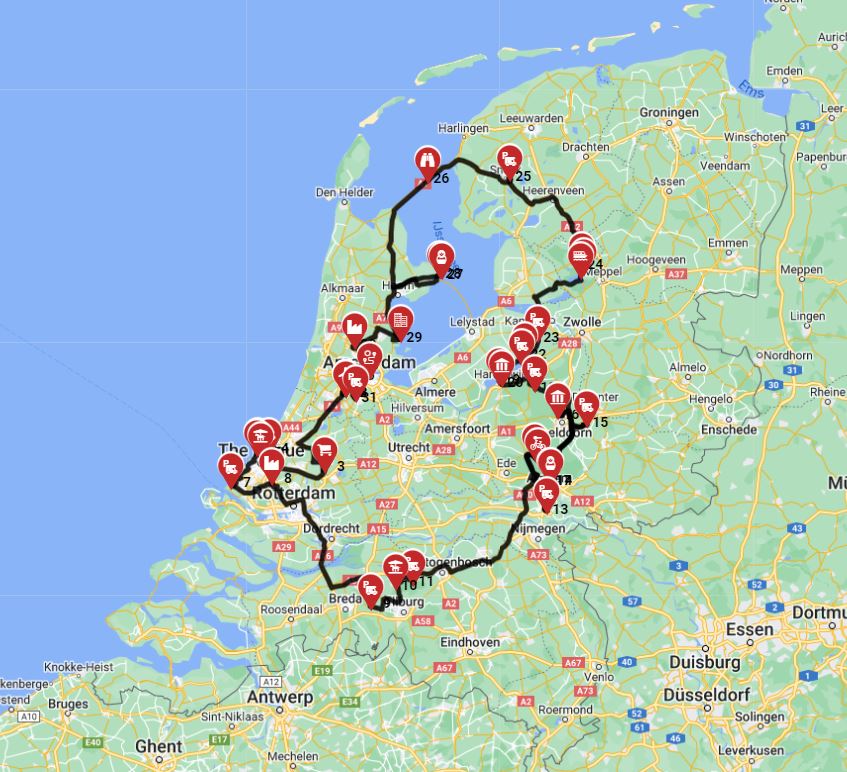
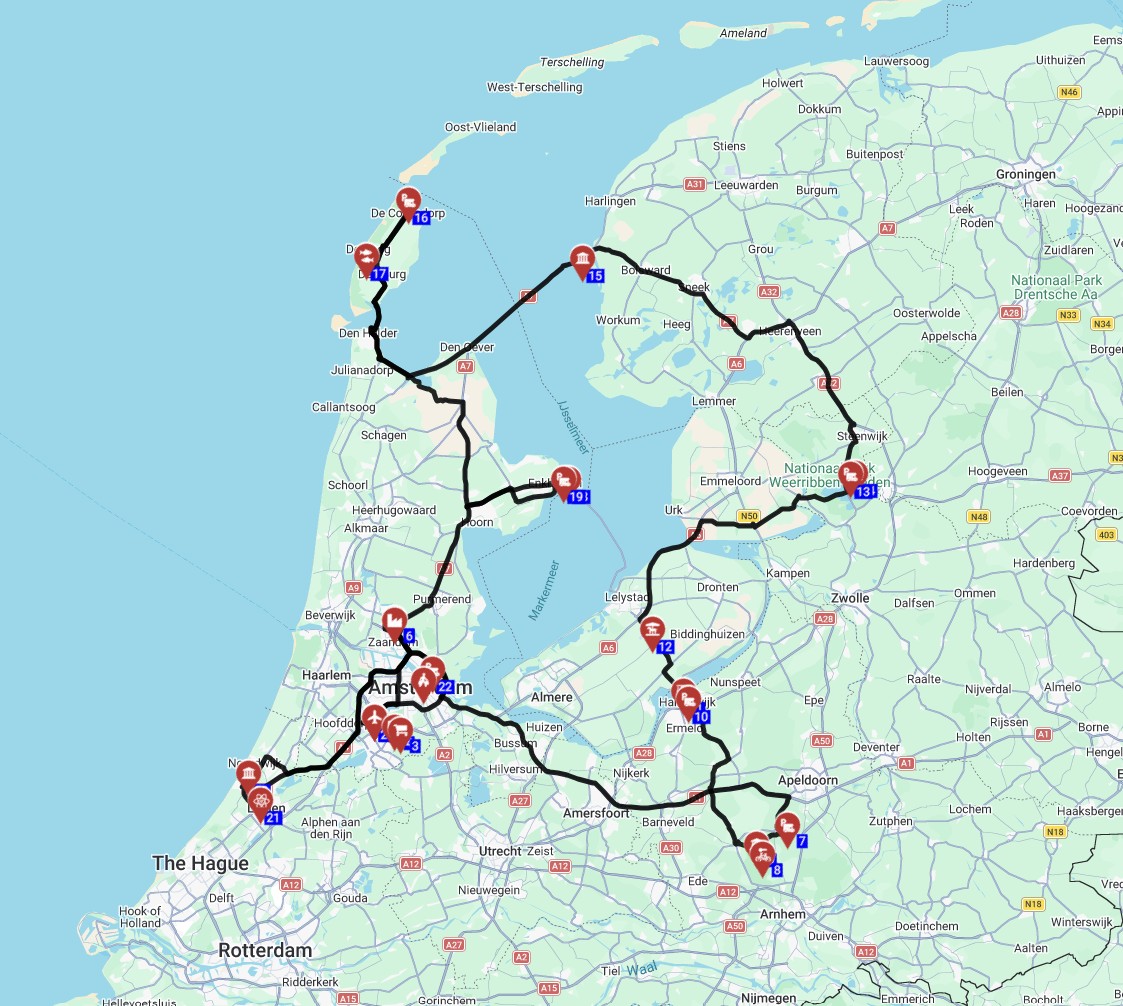
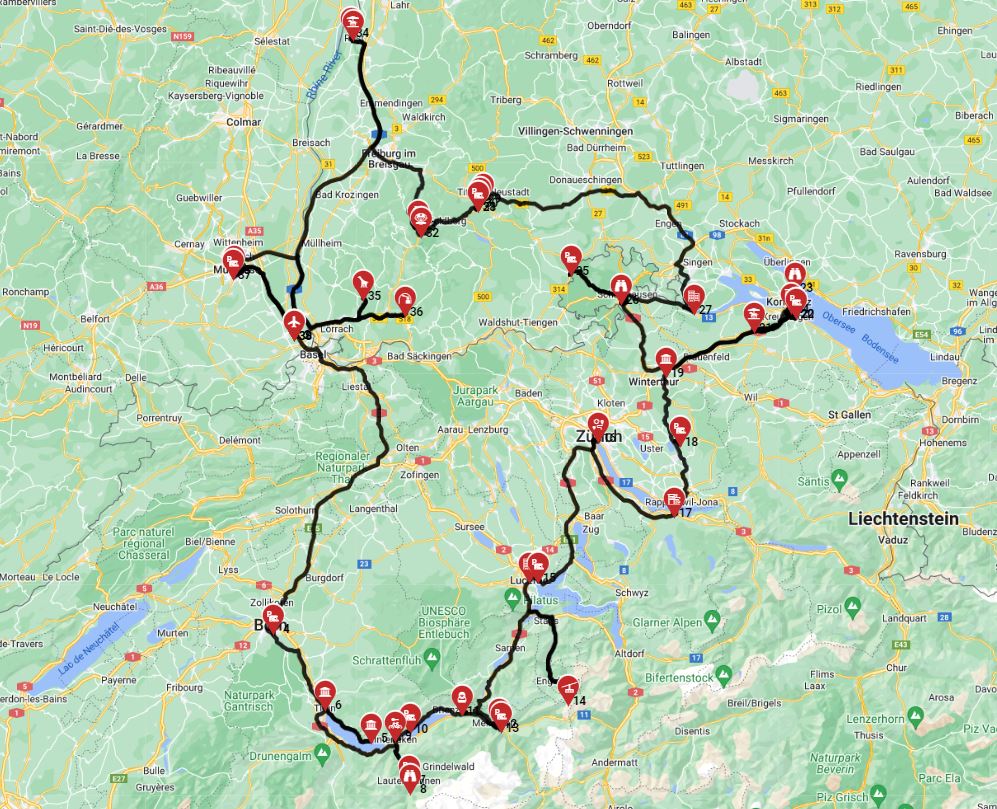
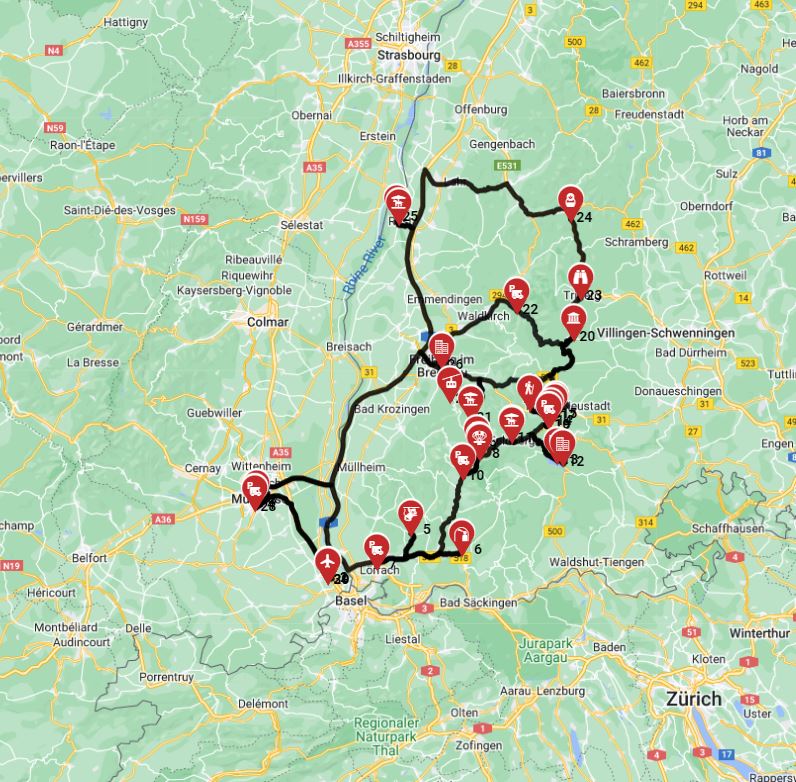
Discover top destinations, planning tips, all in one place! Plan a trip itinerary in advance with minimal effort and maximum enjoyment.