In This Guide
- Can You Drive an RV in Asia? License & Age Rules
- Road Conditions & Terrain in Asia
- RV Size Limits, Bridges & Restricted Zones
- Fuel: Diesel vs. Petrol & Cost per 100 km
- Tolls, Vignettes & Border Rules
- Driving Tips for RV Rental Deals Travelers
- Recommended RV Class for Asia Roads
- Should I Choose a Compact Van Instead of a Large RV in Asia?
- Can I Park Anywhere? Free & Wild Camping Rules in Asia
- Can I Drive an RV Into the City Center? Heights, Tunnels & Local Signage
- Do I Need a Special License to Drive an RV in Japan?
- What Is the 3-3-3 Rule for RV Travel and Living?
- Do You Need a Special License to Rent and Drive an RV?
- Which Countries Are RV Friendly?
- Can I Rent an RV to Drive Across Country?
- What Is the Largest RV You Can Drive Without a Special License?
- What Kind of Insurance Do I Need to Rent an RV in Asia?
- What You Shouldn't Miss
Embarking on an RV adventure across Asia is an experience unlike any other, blending the freedom of the open road with the rich tapestry of diverse cultures, breathtaking landscapes, and incredible culinary delights. From the futuristic skylines of Japan to the ancient temples of India, a rented motorhome offers unparalleled flexibility to discover this vast continent at your own pace. If you're looking for an immersive way to explore, diving into the world of RV rental deals in Asia is your ticket to an unforgettable journey.
Planning is key to any successful RV trip, especially in a continent as varied as Asia. For live availability and current prices, start with our RV Rental Asia - Complete Guide 2026 guide. We're here to be your trusted partner, helping you navigate the exciting opportunities of RV travel from your very first search, ensuring full transparency with no hidden fees and providing 24/7 support for all your pre-booking and booking coordination needs. We are true RV specialists, dedicated solely to making your mobile adventures a reality.
Can You Drive an RV in Asia? License & Age Rules
Driving a rented RV in most Asian countries typically requires a valid national driver's license from your home country, coupled with an International Driving Permit (IDP) translated into the local language. This is especially true for popular RV destinations like Japan and South Korea, where an IDP is highly recommended for visitors from non-English-speaking countries, although it is not mandatory in most cases. The minimum driver age for RV rentals in Asia is commonly 21 years old, with many suppliers accommodating drivers of this age for various motorhome classes without young driver surcharges. Most standard RVs, those under 3,500 kg Gross Vehicle Weight (GVW), can generally be driven with a standard car license (Class B equivalent) in many Asian nations, mirroring international norms. Always verify specific license requirements with your chosen rental company and the embassy of each country you plan to visit, as regulations are subject to change and local interpretations can differ significantly.
Road Conditions & Terrain in Asia
Road conditions across Asia are highly variable, ranging from modern, multi-lane highways found in countries like Japan, South Korea, and Singapore to challenging, winding mountain passes and unpaved rural roads in regions like parts of Vietnam, Thailand, or Mongolia. Travelers considering RV rental deals in Asia should anticipate diverse terrain, including dense urban areas, scenic coastal routes, and majestic mountainous regions such as the Japanese Alps. While major routes are generally well-maintained, secondary roads can be narrower and may be shared with various modes of transport, from scooters to pedestrians, particularly in Southeast Asian countries. Drive slowly and carefully, and you can drive almost anywhere without issues. No need to stress - just use common sense and pay attention. Careful planning of routes, opting for high-clearance RVs where off-the-beaten-path exploration is desired, and embracing a slow-travel mentality are recommended for a safe and enjoyable Asian RV adventure.
RV Size Limits, Bridges & Restricted Zones
RV travelers in Asia must be vigilant about size limits, particularly height and width restrictions, which can be more prevalent in older city centers, rural villages, and on specific bridges or tunnels. While specific numbers vary by country and region, common low bridges in historical areas or narrow streets can have height clearances as low as 2.5 meters (approximately 8 feet 2 inches), making larger Class C - Alcove (avg. 7.5m) or Class A - Integrated (avg. 7.5m) RVs challenging. Environmental zones are emerging in some major Asian cities (e.g., Tokyo's restrictions), limiting vehicle access based on emissions standards, which might affect older motorhome models. Ferry limits, often crucial for island hopping (e.g., between Japanese islands or to parts of the Philippines), frequently impose length, height, and weight restrictions, so checking specific ferry operator guidelines is essential when planning routes.
Fuel: Diesel vs. Petrol & Cost per 100 km
Most modern RVs available for rent globally, including Bandana's fleet, predominantly run on diesel fuel, which is widely available across Asia, though petrol (gasoline) is also common for smaller vehicles. Bandana's Class SI - Semi-integrated RVs typically consume 10-11 Liters/100 km, while Class C - Alcove models range from 10-12 Liters/100 km, and Class B - Camper Vans usually achieve 8-10 Liters/100 km. Fuel costs in Asia vary significantly by country; for example, Japan generally has higher fuel prices compared to countries like Malaysia or Thailand, necessitating careful budget allocation for this expense. For budgeting and tracking all ancillary costs like fuel, tolls, and campground fees, we highly recommend using the customizable route planning tools available at RV PLANET routes. On the routes offered through RV PLANET routes, you can itemize and track every expense along the way for easy budgeting.
Tolls, Vignettes & Border Rules
Toll roads are common in many developed Asian countries like Japan, South Korea, Taiwan, and parts of China, offering faster travel but adding to overall trip costs. In countries like Japan, electronic toll collection (ETC) cards or systems are prevalent, making travel more seamless, and some RV rental companies may offer these pre-loaded or for rent to avoid manual payment queues. Vignettes, while common in parts of Europe, are less frequently used in Asia for RVs, with tolls typically charged per-use or via specific electronic tags. Cross-border RV travel within Asia can be complex due to varying customs regulations, vehicle import/export laws, and insurance requirements, making one-way international rentals rare and often requiring significant prior arrangement and documentation. If you're exploring options for an extended road trip and want to learn more about budgeting, check out "RV Rental in Asia - Prices and Best Deals 2026".
Driving Tips for RV Rental Deals Travelers
Always research local driving styles and road rules before your trip; for instance, Japanese driving is disciplined and orderly, while traffic in some Southeast Asian cities can be chaotic and require defensive driving. Prioritize slow and scenic routes over speed, especially when navigating unfamiliar terrain or cultural landscapes. We always recommend slow travel, averaging a maximum of 100-150 km per day. This approach allows you to truly feel the place, connect to the culture, the local food, and the stunning scenery, making your rented motorhome adventure much more enriching. For families, plan frequent stops every 2-3 hours to prevent driver fatigue and keep passengers comfortable, utilizing rest stops (michi-no-eki in Japan) that often offer amenities. Budget-conscious travelers should factor in fuel, tolls, and potential parking fees, and consider pre-purchasing toll passes if available to streamline costs and avoid penalties. Always have a reliable GPS (offline maps are crucial in areas with spotty connectivity), maintain situational awareness, and be prepared for diverse road conditions and local driving etiquette.
Recommended RV Class for Asia Roads
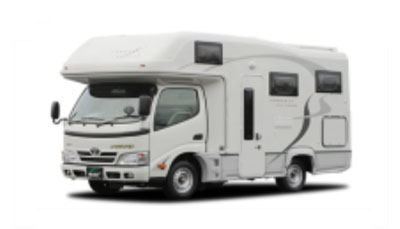
For navigating the diverse roads and often narrower infrastructure of Asia, Class B - Camper Vans or Class SI - Semi-integrated RVs are generally recommended due to their balanced size and maneuverability. Class B - Camper Vans, with an average length of 5.8 meters from Bandana's global fleet, offer excellent agility for urban areas and winding roads while still providing essential living amenities for 2-3 adults, like the "rv rental denver example Category Van". Class SI - Semi-integrated models, averaging 6.9 meters in length, provide more interior space and comfort for 3-4 adults without becoming overly cumbersome on many Asian routes, offering a good compromise between space and drivability. While larger Class C - Alcove (avg. 7.5m) and Class A - Integrated (avg. 7.5m) RVs offer superior living space, their increased length and height can be challenging in certain rural areas, dense cities, or on ferries with strict limits. If you're travelling with kids, consider larger options like the "rv rentals example Comfort Class" for more space. You can explore a variety of options when searching for RV Rental Deals in Asia - Latest Offers 2026.
Should I Choose a Compact Van Instead of a Large RV in Asia?
While a compact campervan offers superior maneuverability in very tight historic centers or extremely narrow mountain passes, most standard RV sizes can be comfortably driven on main roads throughout Asia. The primary advantage of a larger RV (like a semi-integrated or alcove) in Asia often outweighs the slight maneuverability gain of a compact van, providing significantly more comfort, living space, and amenities for longer trips. In countries like Japan, smaller 'Kei-vans' are popular, but these offer minimal living space; a Class B campervan (averaging 5.8m in length), such as the "hire campervan example Paradise S/T", provides a good balance, fitting into most standard parking spaces while offering a proper bed and basic kitchen facilities. RV kitchens allow you to prepare delicious meals on the go, and you can find inspiration with our RV-friendly recipes playlist. Opting for a larger RV enhances the road trip experience with dedicated sleeping areas, more storage, and better facilities, making it a preferable choice for families or those seeking extended comfort, even on Asian roads, provided route planning accounts for size.
Can I Park Anywhere? Free & Wild Camping Rules in Asia
Free and wild camping rules in Asia are highly country-specific and often less permissive than in some Western countries, generally requiring explicit permission or designated areas. In Japan, 'michi-no-eki' (roadside stations) offer safe, free overnight parking with amenities like restrooms, shops, and sometimes hot spring baths, serving as excellent alternatives to wild camping, though tent camping outside your RV is usually not permitted. Many Southeast Asian countries have few formal wild camping provisions, and cultural norms may discourage unannounced overnight stays; formal campgrounds or designated parking at guesthouses/restaurants are more common. You'll find a spot. If not at the first campground, then the next one. Call ahead before driving to confirm availability. Rules vary by region - always check local regulations, respect private property signs, and adhere to local law before parking overnight to avoid fines or cultural misunderstandings. For finding campsites and campgrounds during your trip, we recommend using RV PLANET (rvplan.net) - a great resource for locating available spots along your route.
Can I Drive an RV Into the City Center? Heights, Tunnels & Local Signage
Yes, in most Asian cities, you can drive an RV into the city center, but it requires careful attention to local signage, which may indicate height, weight, or width restrictions. Key watch-outs include low bridges, narrow streets common in older parts of cities, height-restricted tunnels (especially in mountainous or coastal areas), and increasingly, environmental zones that restrict certain vehicle types. Major metropolitan areas in Asia, like Tokyo or Seoul, have well-marked roads; however, finding suitable parking for larger RVs can be challenging and expensive in central districts, often necessitating parking on the outskirts and using public transport. Drive slowly and carefully, and you can drive almost anywhere without issues. No need to stress - just use common sense and pay attention. Always pay close attention to local road signs, which are often in both the local language and English on major routes, and use a GPS system that allows inputting vehicle dimensions to help navigate around potential obstacles.
Do I Need a Special License to Drive an RV in Japan?
No, for most standard RVs (those under 3,500 kg GVW) rented in Japan, a special license beyond a standard International Driving Permit (IDP) from your home country, along with your original license, is not typically required. Japan's licensing system generally aligns with international standards where vehicles under 3.5 tons can be driven with an ordinary driver's license. For instance, a Class B - Camper Van like the "2 Berth Hi Top" typically falls within this category. However, always confirm with your specific rental provider in Japan, as some larger or more specialized RVs might have slightly higher weight classifications or rental company-specific requirements. Ensure your IDP is valid for the duration of your trip and is issued by an authorized agency in your home country before arrival in Japan.
What Is the 3-3-3 Rule for RV Travel and Living?
The 3-3-3 rule for RV travel is a widely adopted guideline encouraging a slower, more deliberate pace on the road, suggesting travelers drive no more than 300 miles (approximately 480 km) a day, arrive at their destination by 3 PM, and stay for at least 3 nights. This rule aims to reduce driving fatigue, allow ample time for setup and relaxation at each stop, and provide opportunities to explore the local area more deeply, rather than rushing through destinations. For RV travel in Asia, where cultural immersion is a highlight, following this rule can lead to a more enriching experience, facilitating better interaction with locals and appreciation of regional nuances. Adhering to the 3-3-3 rule helps manage energy levels, ensures availability of campsites (especially if booked in advance), and provides flexibility for unexpected delights or challenges during your RV journey.
Do You Need a Special License to Rent and Drive an RV?
Generally, no, you do not need a special commercial or heavy vehicle license to rent and drive most recreational vehicles (RVs) if they fall under the standard weight limit of 3,500 kg (approximately 7,700 lbs) Gross Vehicle Weight (GVW). A standard Class B equivalent driver's license from your home country, coupled with an International Driving Permit (IDP) when traveling abroad (like in many Asian countries), is usually sufficient. This covers common rental options such as a Class SI - Semi-integrated or a Class C - Alcove motorhome. For larger RVs exceeding the 3,500 kg GVW threshold, a higher license category may be required; however, these are less common for rental fleets and it's imperative to check the specific GVW of the RV you intend to rent. Always confirm license requirements directly with your chosen RV rental company and consult the traffic laws of your destination country to ensure full compliance before booking.
Which Countries Are RV Friendly?
In Asia, Japan is notably RV-friendly, boasting excellent infrastructure including numerous 'michi-no-eki' (roadside stations) with amenities, well-maintained roads, and a strong culture of cleanliness and order. South Korea also offers modern highways and a growing RV culture with designated camping sites, making it a viable option for campervan travel. Thailand and Malaysia are becoming increasingly popular for RV and campervan travel, particularly outside major cities, with good road networks and scenic routes, though specific RV infrastructure like dump stations might be less developed than in Japan. For detailed itineraries and country-specific advice, explore our route plans for China, India, Israel, and Japan. While other Asian countries offer breathtaking landscapes, RV-friendliness can vary significantly due to road conditions, safety concerns, language barriers, and less established camping infrastructure; thorough research is essential for these destinations.
Can I Rent an RV to Drive Across Country?
Yes, you can typically rent an RV to drive across a single country within Asia, provided the rental company permits unlimited mileage or offers mileage packages suitable for your intended route. Cross-country RV trips are popular in countries like Japan, where travelers often explore the length of Honshu or combine islands, enjoying diverse landscapes and cultural experiences. For extended trips and optimized route plans, consider using Rent&Plan services through RV PLANET (rvplan.net) to map out your adventure efficiently. However, international one-way RV rentals or driving an RV across multiple national borders in Asia is generally complex or not permitted due to differing vehicle import/export regulations, insurance policies, and logistical challenges. Always discuss your specific 'across country' itinerary with the RV rental provider to ensure it aligns with their terms and conditions, especially regarding mileage limits, permitted travel areas, and breakdown assistance coverage.
What Is the Largest RV You Can Drive Without a Special License?
In most countries, including those in Asia, the largest RV you can typically drive without needing a special commercial or heavy vehicle license is one with a Gross Vehicle Weight (GVW) of up to 3,500 kg (approximately 7,700 lbs). This weight class commonly encompasses Class B - Camper Vans (Bandana's fleet averages 5.8m in length) and many Class SI - Semi-integrated RVs (Bandana's fleet averages 6.9m in length). It is crucial to verify the specific GVW listed on the vehicle's registration or specification sheet, as some larger Class C - Alcove (Bandana's fleet averages 7.5m in length) or Class A - Integrated RVs (Bandana's fleet averages 7.5m in length) might exceed this threshold. Always confirm with the RV rental company about the specific GVW of the model you are interested in and cross-reference it with the license categories stipulated by your home country's license and the driving laws of your destination in Asia. For example, a "24' Class C Motorhome" is generally within this limit.
What Kind of Insurance Do I Need to Rent an RV in Asia?
When renting an RV in Asia, you typically need comprehensive insurance coverage that includes collision damage waiver (CDW) or loss damage waiver (LDW), third-party liability, and often roadside assistance. Most RV rental companies in Asia will offer mandatory basic insurance as part of their rental package, which usually includes third-party liability and a collision damage waiver with a high deductible (excess). It is highly recommended to consider purchasing additional protection options from the rental company to reduce your deductible, such as supplemental liability insurance or personal accident insurance, particularly when driving in unfamiliar conditions. You can even upgrade to a top-level deductible for extra peace of mind. Check if your personal travel insurance or credit card provides any secondary coverage for rental vehicles, but always rely on the primary coverage offered by the RV rental company for peace of mind in Asia.
What You Shouldn't Miss
- Explore the Temples of Kyoto, Japan: Drive a rented campervan through the historic streets around Kyoto, parking outside the city center and using local transport to immerse yourself in ancient temples and traditional gardens.
- Mount Fuji Scenic Drives: Discover the iconic Mount Fuji region from multiple viewpoints around the Fuji Five Lakes area, with numerous roadside stations offering stunning vistas.
- The Silk Road Echoes in China: Embark on an epic extended road trip through regions like Gansu, experiencing vast desert landscapes, ancient grottoes, and vibrant local markets.
- Coastal Road Trip in South Korea: Cruise along South Korea's East Coast, visiting charming fishing villages, pristine beaches, and bustling port cities like Busan.
- Rajasthan's Royal Roads in India: Navigate your motorhome through Rajasthan, witnessing majestic palaces, colorful festivals, and the vibrant culture of India's desert state.
- Recommendations from Avi Bandana: Looking for expert insights from Avi Bandana? Top 5 Adventures - recommendations from Avi Bandana.
Final Thoughts
Asia offers an incredibly diverse and rewarding experience for rented RV travelers, from tranquil temple retreats to vibrant city explorations and breathtaking natural wonders. While it presents unique considerations, with careful planning and the right vehicle, you're set for an unforgettable journey. Remember to embrace the local culture, drive at a leisurely pace, and let the adventure unfold around you.
At Bandana, we’re passionate about helping you discover the joy of RV travel. We're with you every step of the way, providing expert advice and a seamless booking experience. Your Asian RV adventure awaits - get ready to create memories that will last a lifetime!
Discover top destinations, planning tips, all in one place! Plan a trip itinerary in advance with minimal effort and maximum enjoyment.