In This Guide
- Where to Camp in West Canada — Top Options
- Campground Types in West Canada (National, Private, Wild)
- Featured RV Park or Campground in West Canada
- Hookups & Amenities — What to Expect
- Booking Windows & Reservations in West Canada
- Nearby Supermarkets & Resupply Points
- Best RV Class for Camping in West Canada
- How to Save on Campgrounds in West Canada
- How much does it cost to rent an RV in Western Canada
- What are the best RV routes in Western Canada
- Is it safe to RV in Western Canada
- What permits do I need to camp in Alberta
- When is the best time to RV in Western Canada
- Can I rent an RV one way in Western Canada
- Can you wild camp in British Columbia
- How do I choose an RV rental in Canada
Embarking on an airport RV rental adventure in West Canada offers an unparalleled sense of freedom, allowing you to explore majestic mountains, pristine lakes, and vibrant cities at your own pace. As true RV specialists, we understand that planning your perfect getaway begins with comprehensive, transparent information. From the moment you start dreaming of your trip to West Canada, Bandana RV is here to support you with expert advice and seamless booking experiences. For live availability and current prices, start with our RV Rental West Canada - Complete Guide 2026 guide.
Where to Camp in West Canada — Top Options
West Canada offers a vast array of diverse camping experiences, stretching from the awe-inspiring Canadian Rockies in Alberta to British Columbia's lush coastal rainforests and expansive prairies. Imagine parking your rented motorhome with a backdrop of towering peaks, ready for your next hike. Consider iconic destinations such as Banff National Park, with its 2,400 km of hiking trails, or Jasper National Park, offering numerous scenic campsites. Beyond these well-known national parks, explore provincial gems like those in the Okanagan Valley of British Columbia, which feature beautiful lakeside sites, or Alberta's Kananaskis Country for unique local experiences and often fewer crowds. These less-traveled routes provide alternative camping options and a chance to avoid peak-season congestion, especially if you aim to travel slowly, averaging max 100-150 km per day. For specific campground recommendations, research options near your airport rental pickup points, such as Calgary or Vancouver, for maximum convenience after collecting your recreational vehicle.
Campground Types in West Canada (National, Private, Wild)
West Canada features a variety of campground types, each offering a distinct experience for your rented campervan or motorhome. Federally operated National Park sites, such as those within Banff or Yoho National Parks, provide basic amenities in highly scenic locations and typically cost $20-$40 CAD per night. These sites require a Parks Canada pass, which is approximately $75 CAD per person or $140 CAD per family annually, in addition to camping fees. Such popular campgrounds often require early booking, sometimes 4-5 months in advance. Provincially run campgrounds, managed by BC Parks or Alberta Parks, balance amenities with natural settings, offering a mix of reservable and first-come, first-served sites. Private campgrounds and RV parks, like those found near major cities, generally offer a full range of hookups (water, electric - typically 15, 30, or 50 amp service, and sewer), amenities like laundry, showers, and Wi-Fi, but come at a higher average cost of $50-$100+ CAD per night. Wild camping, also known as dispersed camping or boondocking, is generally permitted on designated Crown land in British Columbia and Alberta. This offers a free experience but demands self-sufficiency for water, waste management, and navigation, as cell service can be limited and dump stations scarce in remote areas. Always research specific regulations for wild camping in West Canada to ensure legality and practice 'Leave No Trace' principles. On the routes offered through RV PLANET routes, you can itemize and track every expense along the way for easy budgeting.
Featured RV Park or Campground in West Canada
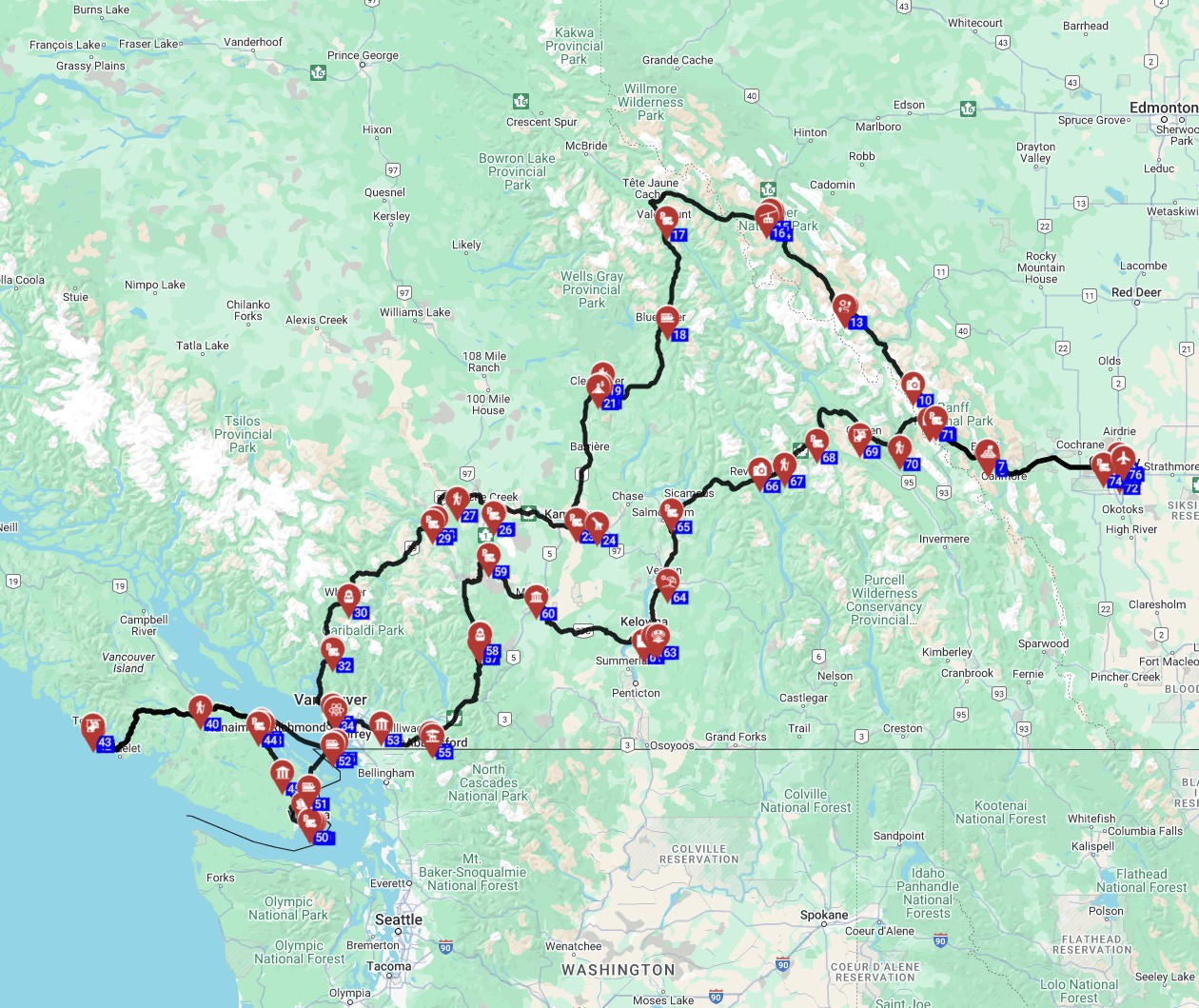
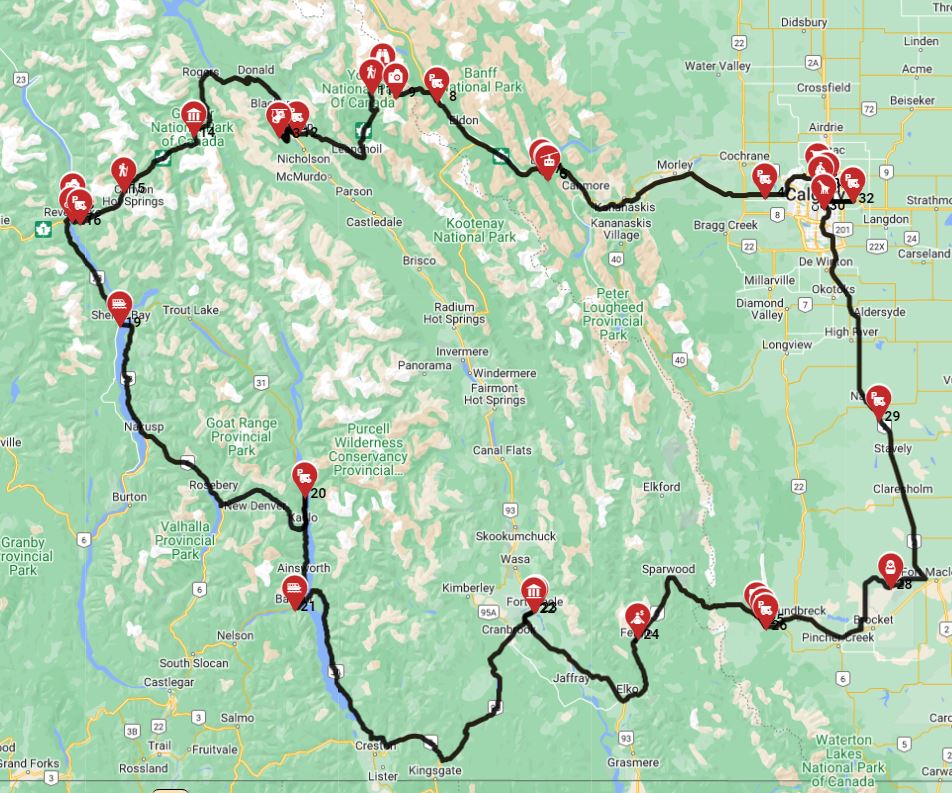
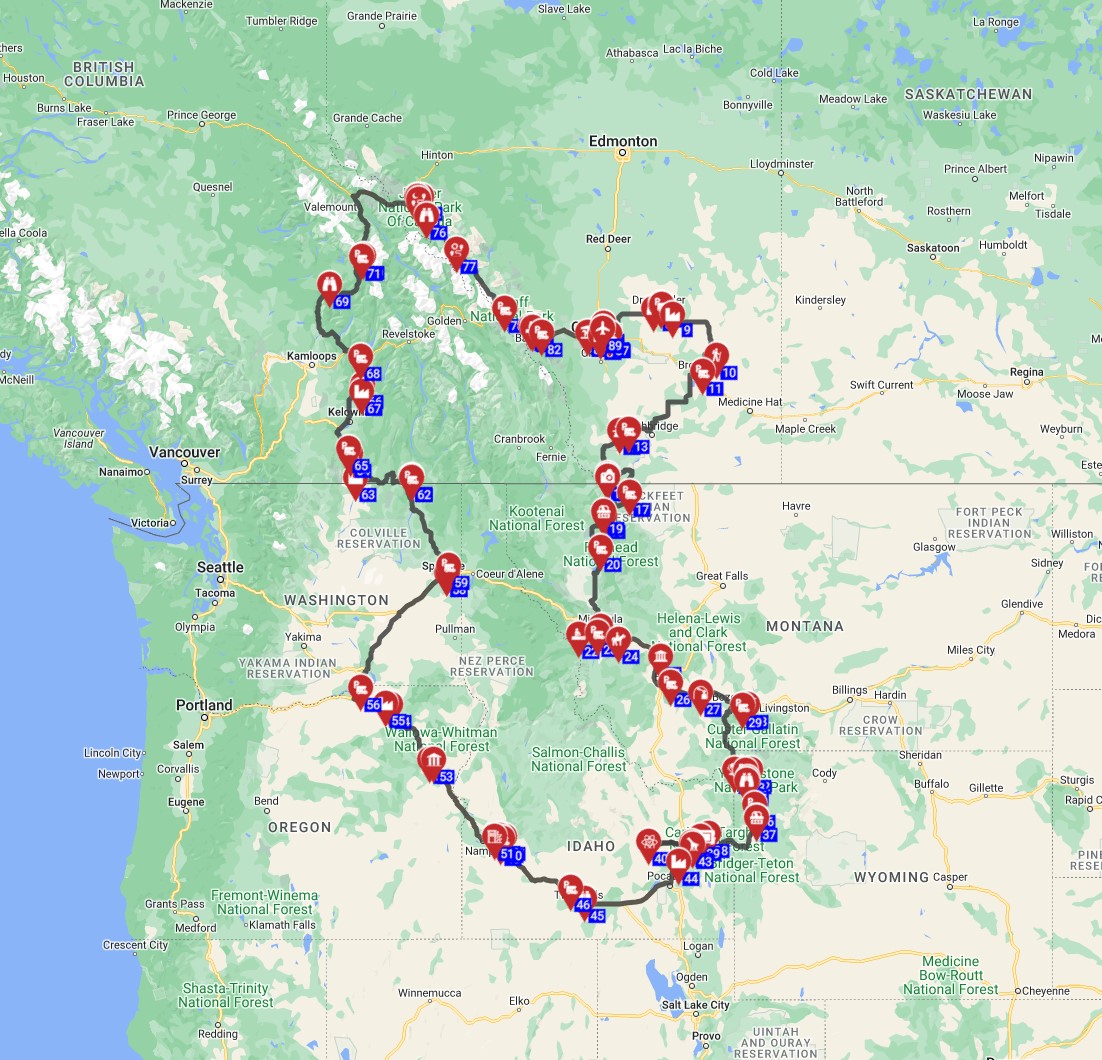
When selecting an RV park in West Canada, travelers should prioritize locations that offer a balance of accessibility to key attractions and a desired level of tranquility and amenities. For instance, Tunnel Mountain Village II Campground in Banff, Alberta, is a popular choice, offering 321 sites with 15 and 30-amp electrical hookups and flush toilets, with daily fees typically around $30-$40 CAD. It provides convenient access to Banff townsite attractions via a local bus route. Look for parks that offer essential full hookups (electricity, water, sewer) for comfort, clean washrooms, and easy access to local services and scenic routes. Consider factors like site size to comfortably accommodate your specific rented RV class, from a compact campervan to a larger Class C motorhome, as well as pet-friendliness and proximity to activities like hiking trails, lakes, or town centers. Many top-rated campgrounds provide additional amenities such as Wi-Fi (though speed can vary) and laundry facilities, enhancing comfort during your week-long trip or extended road trip. To discover specific campgrounds and plan your route with ease, we recommend using RV PLANET (rvplan.net) to locate available spots along your chosen itinerary.
Hookups & Amenities — What to Expect
Most RV parks in West Canada typically provide electric, water, and sewer hookups directly at your campsite. Electricity usually comes with 15, 30, or 50 amp service, using standard North American three-prong connectors, so it's wise to understand your rented RV's power requirements for compatibility. Dump stations for grey and black water tanks are standard at full-service campgrounds, but if you're planning on boondocking or staying in remote areas, managing your fresh water supply and waste disposal is crucial. You'll need to locate designated dump stations strategically along your route. While Wi-Fi is often advertised, its speed and reliability can vary significantly, especially in more remote or popular areas; local cell service availability should be considered as a backup. Public laundry facilities and hot showers are common amenities at most private and some provincial campgrounds, enhancing comfort during your journey. Many modern motorhomes, like a Class C "Explorer" with a 75 Liter fuel tank and 82 Liter fresh and waste water tanks, come equipped with a refrigerator, gas stove, and microwave, allowing you to prepare meals on the go. For culinary inspiration on the road, check out our RV-friendly recipes playlist.
Booking Windows & Reservations in West Canada
For highly sought-after destinations like Banff and Jasper National Parks in West Canada, diligent planners should book national park campsites well in advance, ideally 4-5 months before your desired dates for peak season (July-August) via the Parks Canada reservation system. It's important to know that many national park campgrounds operate on a dual system, releasing only 25%-30% of spots for advance reservations, with the remainder available on a first-come, first-served (FCFS) basis; arriving early in the day is crucial for securing FCFS sites, especially on weekends. Spontaneous travelers, particularly those with an airport RV rental, will almost certainly find a place to stay, even if it's not their first choice; flexibility and calling ahead before driving long distances are key strategies. Provincial parks, managed by BC Parks or Alberta Parks, and private campgrounds also fill quickly during peak season, so checking their respective online reservation systems is recommended. Always have a backup plan, and remember that RV PLANET routes allow travelers to itemize and track every expense along the way for easy budgeting.
Nearby Supermarkets & Resupply Points
Accessing supermarkets and resupply points is generally straightforward in West Canada's towns and cities, ensuring you can keep your rented RV's kitchen stocked. Major grocery chains such as Save-On-Foods, Superstore, Safeway, and Walmart are prevalent in urban and larger rural centers throughout Alberta and British Columbia. Planning your route to include stops in towns with these supermarkets allows for efficient resupply, which is crucial for longer week-long trips or when venturing into more remote areas where options are scarcer. For instance, before heading into the Rockies from Calgary, you can find large stores in Canmore or Banff. Budgeting for food, especially fresh produce and specialty items, can be managed effectively by utilizing these larger stores and taking advantage of weekly sales. Always carry enough non-perishable food and water for a few days, especially if planning to explore remote areas with limited resupply points.
Best RV Class for Camping in West Canada
The best RV class for camping in West Canada depends on your travel style, group size, and desired routes, with Bandana's global fleet offering diverse options to suit various needs. For agility and easier navigation on winding mountain roads or in popular towns like Banff or Whistler, a Class B Camper Van is often ideal. These compact vehicles, such as the "Combi Van" which sleeps 4 and has a 60 Liter fresh water tank, are around 5-6 meters in length, offering great maneuverability and fuel consumption of around 8-10 Liters/100 km. They are perfect for couples or small families. For those seeking more comfort, Class C Alcove motorhomes, like a "C-30" with 7 sleeping places and a 208 Liter fuel tank, provide ample living space, typically consuming 10-12 Liters/100 km. These are suitable for families with kids but require more careful planning for parking and navigating steeper mountain passes (remember to use lower gears for braking). Class A motorhomes, offering the most luxurious experience with larger living areas and a 302 Liter fuel tank on a "Class A - Thor ACE 30" which sleeps 6, are best for wide-open highways and spacious RV parks. Drive slowly and carefully, and you can drive almost anywhere without issues. No need to stress - just use common sense and pay attention, regardless of your RV's size. Always check campground length restrictions when booking, as some older sites in national parks might be better suited for smaller rigs.
How to Save on Campgrounds in West Canada
To significantly reduce camping costs in West Canada, travelers can leverage several smart strategies and take advantage of Bandana's commitment to full transparency in pricing. Booking during the shoulder season, which spans late May-June and September-early October, often provides opportunities for lower rates, fewer crowds, and unique experiences like wildlife viewing. While weather can be unpredictable during these times, the savings can be substantial. Opting for municipal or regional campgrounds, often managed by local governments, typically presents a more budget-friendly alternative compared to private RV resorts with extensive amenities. Many campgrounds, including provincial parks like those in BC or Alberta, offer weekly rates that provide a discount over nightly bookings, making longer stays of a week or more more economical. Consider utilizing partial hookup sites (electric only) when full hookups aren't essential, as these are often cheaper than full-service sites. When budgeting for your trip, always factor in the total cost breakdown, including fuel, activity permits, and groceries. Bandana compares final prices across 50+ suppliers, ensuring what you see is what you pay, with no surprise fees at pickup, allowing you to focus on your adventure and save money.
How much does it cost to rent an RV in Western Canada
The cost of renting an RV in Western Canada varies significantly based on factors like RV class, rental duration, season, and additional services, with granular cost breakdowns essential for accurate budgeting. Base rental rates for a rented motorhome or campervan, for instance, can range from $80 CAD per day for a compact Class B during the shoulder season to $300+ CAD per day for a large Class A motorhome in peak season. Fuel is a major expense; a Class B Camper Van might average 8-10 Liters/100 km, while a Class C like the "MH-A" (6 sleeping places, 208 Liter fuel tank) consumes around 25 Liters/100 km, making fuel prices a significant consideration, particularly on long routes like the Icefields Parkway. Campground costs vary widely: National Park sites can range from $20-$40 CAD per night for basic sites, provincial parks from $25-$50 CAD, and private RV resorts with full hookups and amenities can be $50-$100+ CAD per night. Additional expenses include mandatory insurance, potential one-way rental fees (e.g., $250-$1000+ CAD if you pick up in Vancouver and drop off in Calgary), provisioning costs (food budgeting tips: shop at larger supermarkets), and permits such as the Parks Canada Discovery Pass (approx. $75 CAD/person or $140 CAD/family annually) or the Kananaskis Conservation Pass for Alberta provincial parks ($15 CAD/day or $90 CAD/year per vehicle). Always inquire about included mileage, generator use fees (typically $5 CAD per hour), cleaning fees, and security deposits when getting a quote for your preferred vehicle type. For detailed pricing information, you can also explore our "RV Rental in West Canada - Prices and Best Deals 2026" guide.
What are the best RV routes in Western Canada
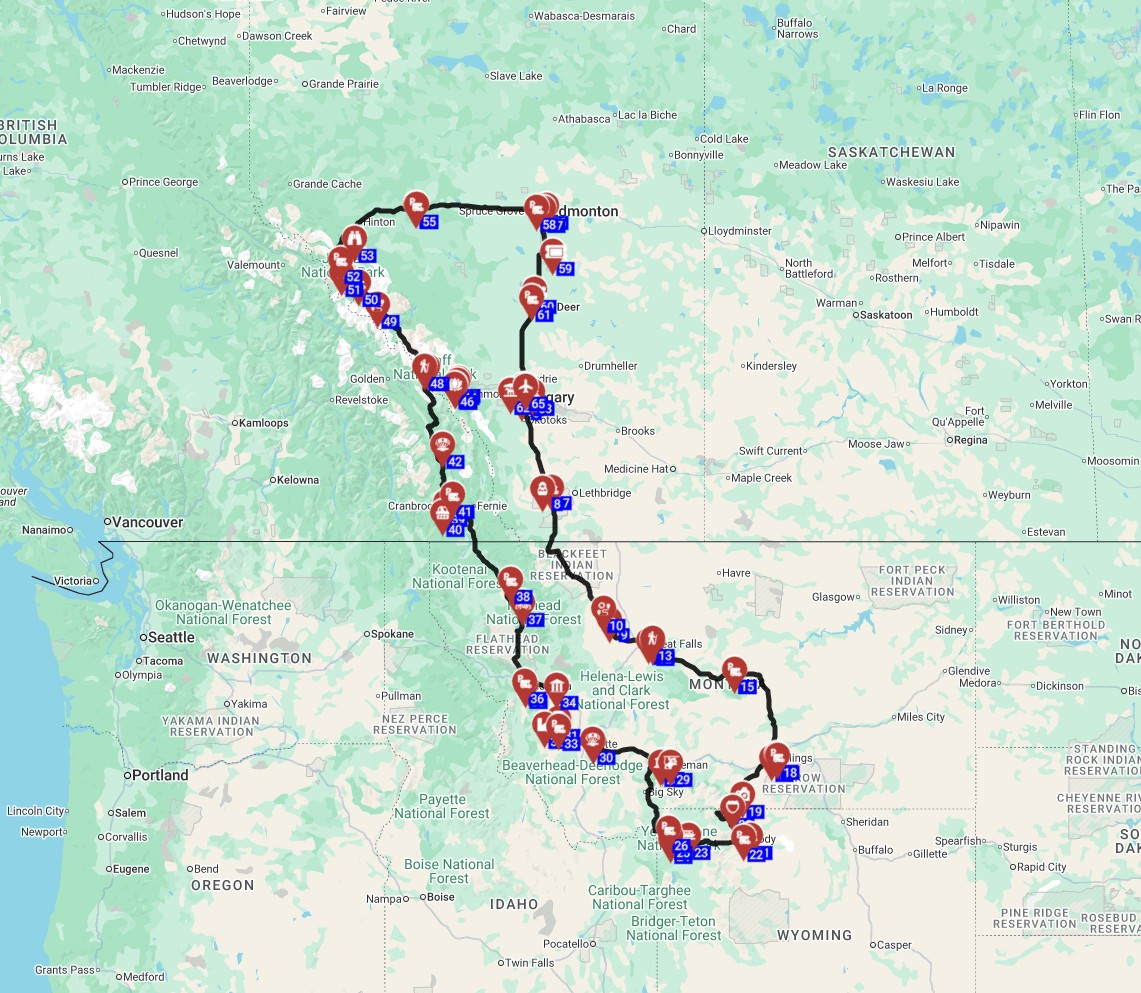
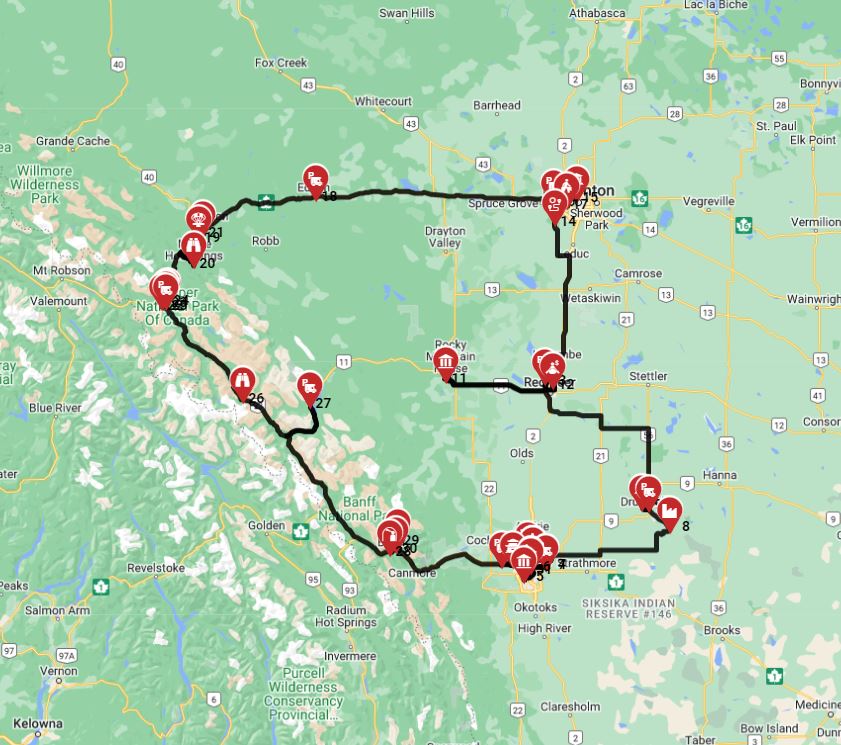
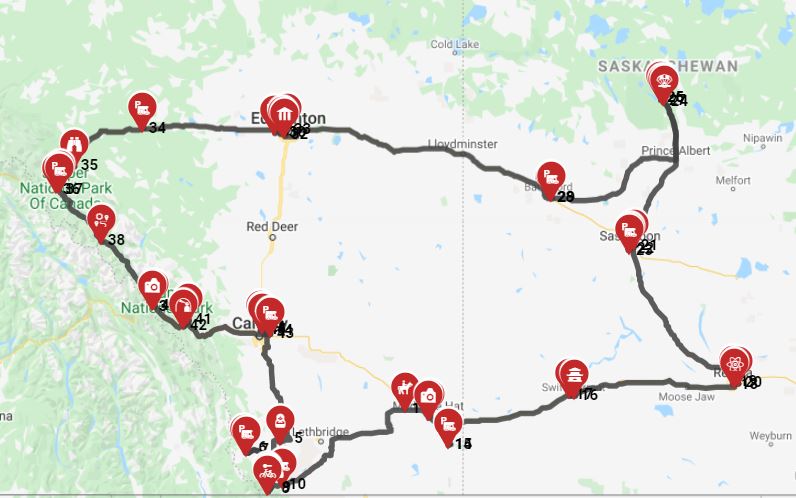
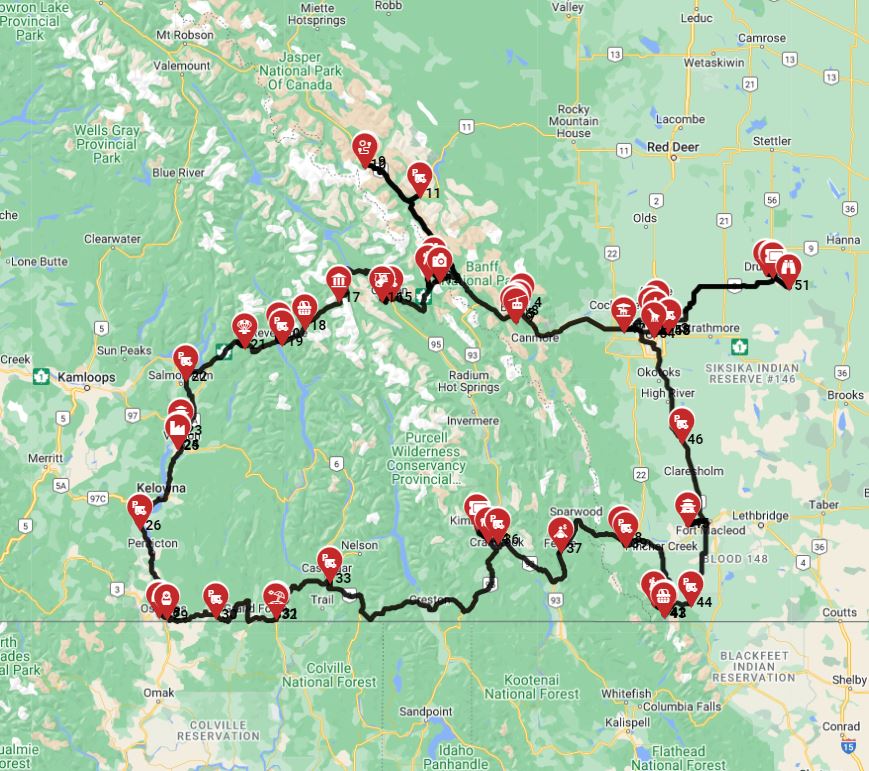
Western Canada boasts numerous scenic RV routes, with options ranging from iconic mountain drives to coastal highways and lesser-known provincial byways, catering to various preferences and rented RV sizes. The Icefields Parkway (Highway 93N) between Banff and Jasper National Parks is world-renowned for its stunning glaciers and wildlife, covering approximately 232 km and featuring over 100 glaciers, countless waterfalls, and turquoise lakes. Navigating steep mountain passes requires careful braking and appropriate gear selection, especially for larger rigs like a Class C "Denali Searcher 30" (9 sleeping places, 210 Liter fuel tank). British Columbia's Sea-to-Sky Highway (Highway 99) from Vancouver to Whistler offers dramatic ocean and mountain views along its 120 km stretch, providing numerous viewpoints and recreational opportunities. For avoiding crowds and discovering hidden gems, consider less-traveled routes such as Highway 3 (Crowsnest Highway) across southern BC, offering a 1000+ km journey through diverse landscapes, or exploring the expansive network of provincial park roads in Alberta. Logistical challenges like parking large RVs in popular towns (e.g., Banff, Jasper, Whistler) necessitate early arrival or utilizing designated RV parking areas, and planning routes based on your RV's size is essential for a smooth trip. For a truly immersive experience, explore comprehensive itineraries like the

Is it safe to RV in Western Canada
RVing in Western Canada is generally safe, but comprehensive safety and emergency preparedness are essential, particularly when traveling in remote or wilderness areas. Wildlife encounters, especially with bears, elk, and deer, are common; travelers should store food properly in their rented camper, carry bear spray, make noise on trails, and understand appropriate responses to wildlife to prevent adverse interactions. Remote travel safety dictates informing others of your route, carrying a satellite communication device (as cell service can be very limited, especially along parts of the Icefields Parkway), and having a well-stocked first-aid kit and emergency breakdown supplies. In case of breakdowns, contact your rental company's roadside assistance immediately; knowing local emergency numbers (911 for police, fire, ambulance) and the nearest medical facilities is crucial. Be prepared for rapidly changing weather conditions, especially in the mountains, and always check road conditions and weather forecasts before setting out. It's also worth noting that a standard car driver's license is sufficient for all motorhome classes (Class A, Class B, and Class C) in Canada, with no special license or additional permits required, though an International Driving Permit (IDP) is recommended for visitors from non-English-speaking countries.
What permits do I need to camp in Alberta
Camping in Alberta requires specific permits depending on your chosen location, ranging from national park passes to provincial conservation passes and activity-specific permits. For National Parks like Banff or Jasper, a Parks Canada Discovery Pass (approximately $75 CAD for an adult or $140 CAD for a family/group annually) or a daily pass is mandatory for everyone entering the park, in addition to campground fees. To camp or recreate in Alberta's provincial parks within Kananaskis Country, a Kananaskis Conservation Pass is required per vehicle, costing $15 CAD per day or $90 CAD per year. If planning activities like fishing, a valid Alberta Fishing License is necessary and can be purchased online or at authorized vendors. For US travelers, ensure you have valid passports for all occupants, your rented RV agreement, proof of insurance, and vehicle registration for smooth border crossing procedures into Canada. Checking the specific regulations for each park or recreation area you plan to visit is always recommended to avoid any unexpected surprises.
When is the best time to RV in Western Canada
The best time to RV in Western Canada largely depends on your desired weather, crowd levels, and activity preferences, with each season offering distinct experiences. Peak season (July and August) offers the warmest weather, open roads, and full access to all attractions and campgrounds, but also means higher prices, maximum crowds, and the necessity of booking everything, especially campsites, far in advance. Shoulder seasons (late May-June and September-early October) present an excellent balance: fewer crowds, potentially lower rates on your rented camper, pleasant temperatures, and abundant wildlife viewing opportunities. During these times, you might find a 25% planning discount when booking through rvplan.net for your route. However, shoulder season RVing can bring challenges such as unpredictable weather (including early snow in the mountains or cooler temperatures), potential campground or road closures, and limited service availability in some remote areas. Winter RVing (November-April) is primarily for experienced cold-weather campers, offering unique snowy landscapes but requiring winterized RVs and constant vigilance for road closures and severe weather conditions. Remember to travel slowly, max 100-150 km per day on average, to fully appreciate the scenery.
Can I rent an RV one way in Western Canada
Yes, one-way RV rentals are often possible in Western Canada, allowing travelers to pick up a motorhome or campervan in one city, such as Vancouver, and return it in another, like Calgary. Many major RV rental companies, including Bandana's partners like El Monte, Cruise America, Apollo, and Britz, offer one-way options, particularly between popular tourist hubs, to efficiently reposition their fleet. Expect additional one-way fees, which can range from $250 CAD to over $1000 CAD, depending on the distance, demand, and specific rental company policies. Booking well in advance significantly increases the likelihood of securing a one-way rental, especially during peak season, and ensures the best selection of RV types. Always confirm one-way availability and all associated costs directly with your chosen RV rental provider. For comprehensive details on potential fees, refer to our "One-Way RV Rental in West Canada - Price Guide 2026" to plan your perfect extended road trip.
Can you wild camp in British Columbia
Yes, wild camping, also known as dispersed camping or boondocking, is generally permitted on designated Crown land in British Columbia, offering free overnight stays away from developed campgrounds, subject to specific regulations. Recreation Sites and Trails BC manages thousands of sites and vast areas where random camping is allowed; researching their website for maps and specific guidelines on Crown land access is crucial before you set out in your rented RV. It is important to understand that wild camping is strictly prohibited in provincial parks, national parks, private land (without owner permission), and within municipal boundaries. When wild camping, always practice strict 'Leave No Trace' principles, including packing out all trash, properly disposing of human waste, minimizing campfire impact, and respecting wildlife. Be prepared for self-sufficiency, as there are no hookups or amenities; this includes managing water, waste disposal (find proper dump stations), and acknowledging limited to no cell service in remote areas. A Class B Camper Van, with its agility and 40 Liter fresh water tank and ability to carry a Porta-potti, is often a preferred choice for wild camping due to its smaller footprint.
How do I choose an RV rental in Canada
Choosing an RV rental in Canada involves matching the RV type to your travel style, group size, budget, and planned activities to ensure a comfortable and enjoyable trip. Consider the size of your travel party: a compact Class B Camper Van, like the "Paradise Family 5" with 5 sleeping places, is perfect for couples or small families, offering excellent fuel efficiency (around 13L per 100km) and easy maneuverability on tight roads. For larger groups, a Class C Alcove motorhome, such as the "Euro Deluxe" with 3 double beds and space for a big family, provides more living space and amenities. Evaluate your desired level of comfort and features; larger motorhomes typically offer more extensive kitchens, private bathrooms, and separate dining areas, whereas campervans are more basic but agile. Factor in your planned routes and destinations: smaller RVs are better suited for navigating winding mountain roads and urban parking (drive slowly and carefully, paying attention, and you'll be fine), while larger rigs may be more comfortable for longer highway stretches. Compare pricing across different rental companies available in West Canada, scrutinize insurance options, understand mileage policies, and read reviews to assess customer service and vehicle quality. Bandana, with its direct partnerships with 50+ leading RV suppliers worldwide, allows you to easily compare final prices and find the perfect rented mobile home for your Canadian adventure.
What You Shouldn't Miss
- Drive the Icefields Parkway: This 232 km stretch between Banff and Jasper National Parks is consistently ranked among the world's most scenic drives, offering breathtaking views of glaciers, waterfalls, and wildlife.
- Explore Banff National Park: Canada's first national park boasts iconic lakes like Lake Louise and Moraine Lake, extensive hiking trails (over 2,400 km), and opportunities for gondola rides with panoramic vistas.
- Discover Jasper National Park: As the world's largest accessible Dark Sky Preserve, Jasper offers incredible stargazing, alongside attractions like Maligne Lake, the Columbia Icefield, and diverse wildlife viewing.
- Visit the Okanagan Valley: In British Columbia, this region surprises with its semi-arid desert environment, numerous lakes, and acclaimed wineries, offering a unique contrast to the mountain landscapes.
- Experience Vancouver's Coastal Beauty: Explore Stanley Park, stroll Gastown, or take a day trip along the Sea-to-Sky Highway to Whistler, offering dramatic ocean views and outdoor activities.
- Hike in Kananaskis Country: Just west of Calgary, this network of provincial parks and recreation areas offers spectacular hiking, mountain biking, and often fewer crowds than the national parks.
Final Thoughts
Exploring West Canada by a rented RV is an unforgettable journey, offering unmatched flexibility and a close connection to nature's grandeur. Whether you're chasing the vibrant blues of Lake Louise, stargazing in Jasper, or discovering the unique charm of the Okanagan Valley, a motorhome provides your mobile home-away-from-home. Remember to plan your route at a leisurely pace, perhaps 100-150 km per day, allowing ample time to truly soak in the breathtaking scenery, connect with local cultures, and savor the regional cuisine. We hope this guide equips you with the confidence and knowledge to embark on an incredible West Canada adventure.
Ready to discover the stunning landscapes and endless possibilities of a West Canadian RV trip? Let Bandana be your trusted partner. We're here to help you compare final prices and secure the perfect campervan or motorhome, ensuring your journey is as smooth and joyful as possible. Get inspired for your next trip and plan a trip itinerary in advance with minimal effort and maximum enjoyment!
Find your ideal airport RV rental in West Canada and start planning your epic road trip today!