In This Guide
- Where to Camp in Switzerland - Top Options
- Campground Types in Switzerland (National, Private, Wild)
- Featured RV Park or Campground in Switzerland
- Hookups & Amenities - What to Expect
- Booking Windows & Reservations in Switzerland
- Nearby Supermarkets & Resupply Points
- Best RV Class for Camping in Switzerland
- How to Save on Campgrounds in Switzerland
- What do I need to rent an RV in Switzerland
- Do you need a special license to drive an RV in Switzerland
- Is an international driving permit required for Switzerland
- How much does it cost to rent an RV in Switzerland
- Is it easy to drive an RV in Switzerland
- What is the best month to RV in Switzerland
- Can you wild camp in Switzerland
- Where can I find free overnight parking in Switzerland
- Is Switzerland good for motorhomes
- What documents do I need to travel to Switzerland
- How many days do you need for Switzerland RV trip
- What side of the road do you drive in Switzerland
- Can you drink tap water in Switzerland
- What You Shouldn't Miss
- Why Book with Bandana Caravan
- Final Thoughts
- Frequently Asked Questions
Switzerland offers an unparalleled RV travel experience, with stunning alpine landscapes, pristine lakes, and charming villages awaiting your exploration. Renting a motorhome or campervan provides the ultimate flexibility to immerse yourself in this beautiful country's culture, food, and scenery at your own pace. For live availability and current prices, start with our RV Rental Switzerland - Complete Guide 2026 guide.
Where to Camp in Switzerland - Top Options
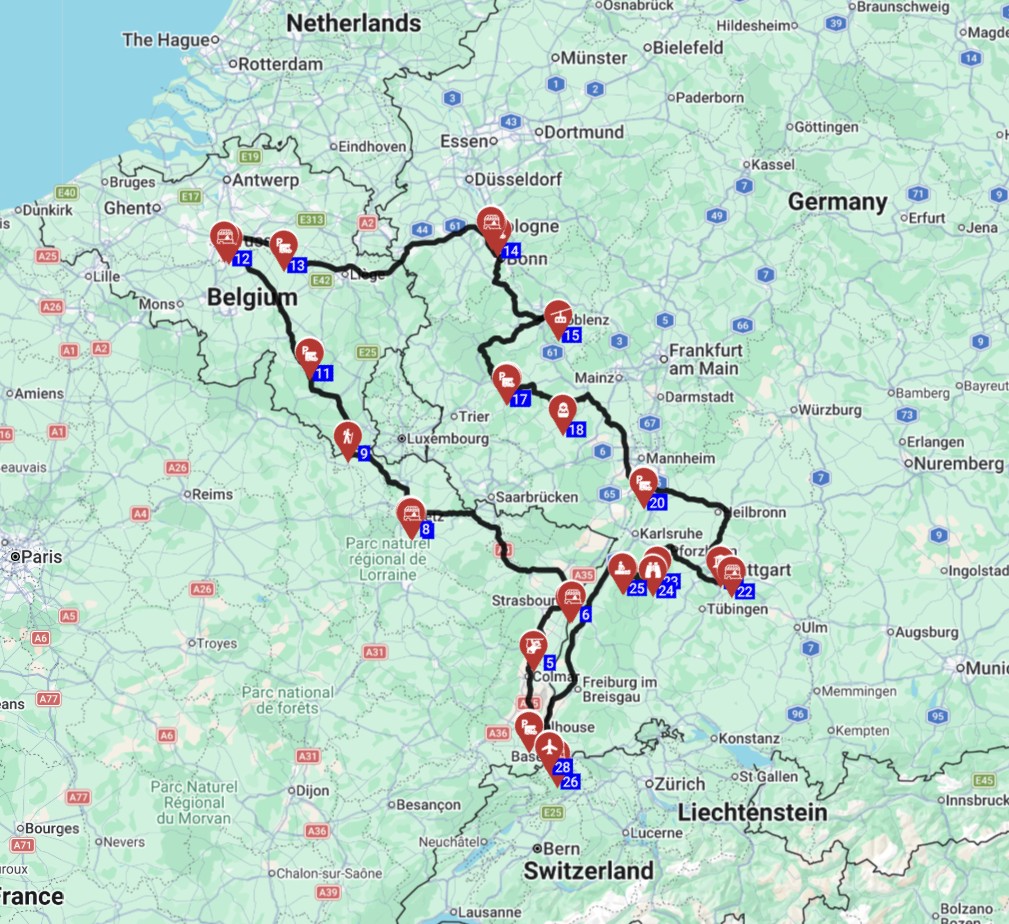
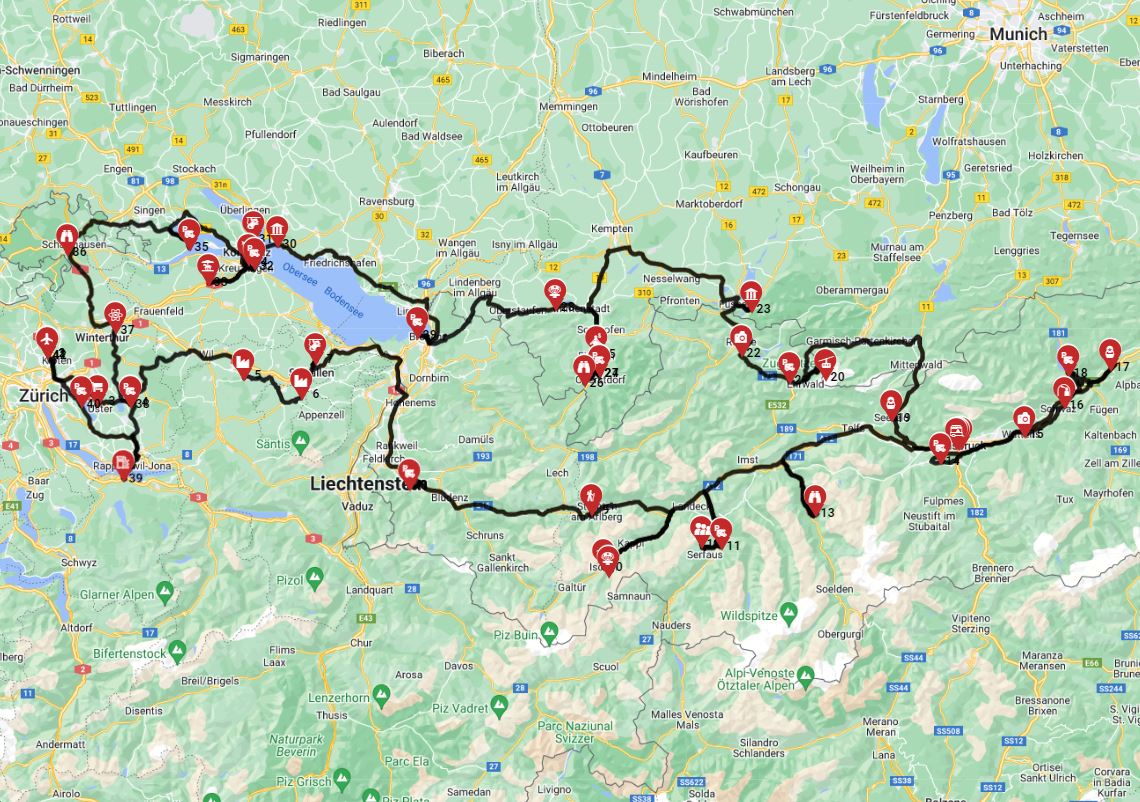
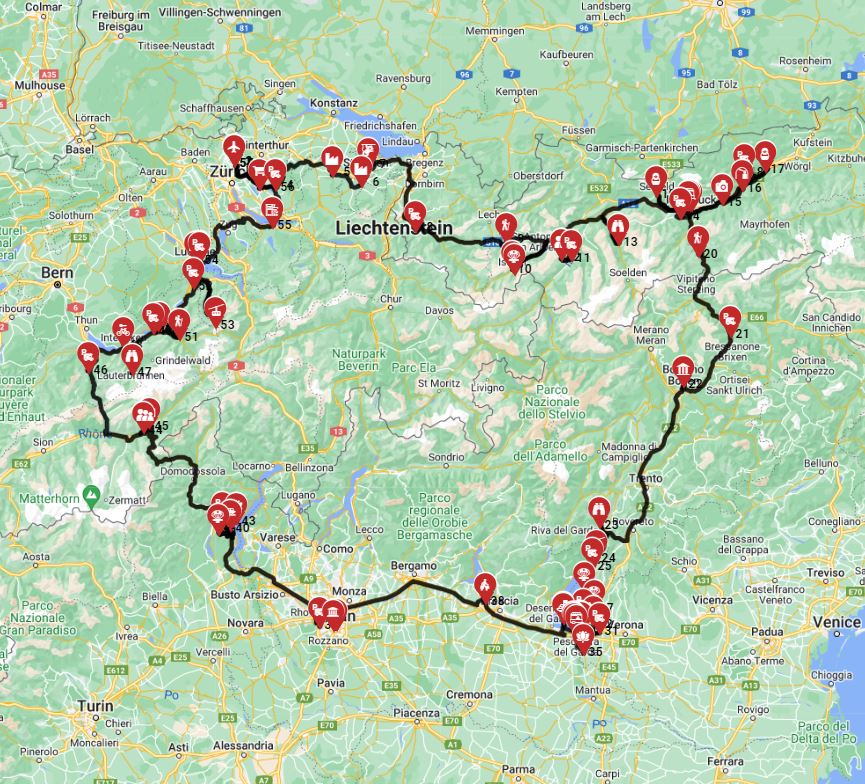
Switzerland provides diverse camping experiences, from tranquil lakesides to invigorating alpine retreats, ensuring every RVer finds their ideal spot. Popular regions for camping include the majestic Bernese Oberland, offering direct access to the Eiger and Jungfrau mountains, the picturesque Lake Geneva area with its vineyard-clad hillsides, and the sunny Ticino region, known for its Mediterranean flair. Imagine waking up to mountain views near Interlaken, enjoying lake panoramas from Montreux, or soaking in the Mediterranean feel around Lugano. Exploring with a rented camper is about creating your own adventure. For a truly inspiring journey combining multiple countries, consider the Nice Roundtrip - French Riviera toward North Italy, Switzerland, and the French Alps, which includes diverse activities like 2 Animals Show / Wildlife watch, 1 Aquarium, 1 Scenic Route, and 1742.8 km of scenic driving over 15 days.Campground Types in Switzerland (National, Private, Wild)
Switzerland offers a range of campground options: from well-equipped private resorts to more basic municipal sites, while wild camping remains largely restricted. Private campgrounds typically provide full amenities like electricity, fresh water, grey/black water dump stations, clean showers, laundry facilities, and often on-site shops or restaurants. Municipal campgrounds are usually simpler but still provide essential services and are often budget-friendly. Wild camping is generally prohibited in settled areas, nature reserves, and agricultural zones in Switzerland to protect the environment and respect private property. However, it may be tolerated above the tree line in very remote alpine areas with prior permission from landowners or local authorities. For legal overnight stays outside of traditional campgrounds, designated 'Stellplätze' (motorhome parking areas) are available, though they often come with a fee. Always research specific local regulations to avoid fines.Featured RV Park or Campground in Switzerland
When choosing an RV park or campground in Switzerland, prioritize locations that balance excellent amenities with convenient access to top attractions. Look for pitches equipped with essential services like electric hookups (typically 230V with European CEE 7/4 or 7/7 plugs), fresh water connections, and accessible grey/black water dump stations. Clean, well-maintained shower facilities, laundry rooms, and reliable Wi-Fi (sometimes free, sometimes paid) are common and contribute significantly to a comfortable stay. Larger parks may enhance your experience with on-site dining options, small grocery stores, playgrounds for families, and pet-friendly policies, ensuring everyone, including furry friends, enjoys the trip. Many also offer easy access to public transport, allowing you to explore cities without moving your motorhome. For finding campsites and campgrounds during your trip, we recommend using RV PLANET (rvplan.net) - a great resource for locating available spots along your route.Hookups & Amenities - What to Expect
When renting a campervan or motorhome in Switzerland, you can expect campgrounds to provide standard hookups and amenities for a comfortable journey. Electric hookups are widely available, typically offering 230V power, requiring European CEE 7/4 or 7/7 plugs, which are standard for most rental RVs. Fresh water connections and convenient grey/black water dump stations are also common, making it easy to maintain your vehicle's tanks. Beyond utilities, most campgrounds feature clean and modern sanitary facilities, including showers and toilets, along with laundry rooms for extended trips. Many offer Wi-Fi access, either free or for a small fee, to stay connected. Larger RV parks often go a step further, providing additional amenities like on-site restaurants, small grocery stores for easy resupply, playgrounds for children, and sometimes even swimming pools, enhancing the overall camping experience.Booking Windows & Reservations in Switzerland
For RV camping in Switzerland, advance booking is highly recommended, especially during the peak summer season (July and August) and for popular spots in regions like the Bernese Oberland or near major lakes. Many travelers plan several months ahead to secure their preferred pitches. However, spontaneous travelers will find more flexibility during the shoulder seasons (late May to June and September to early October). It's a good practice to call ahead before driving to any campground to confirm vacancies, particularly if you're booking day-to-day. You'll find that many national and state parks reserve only 25-30% of their spots for advance booking, with the remaining majority available on a first-come, first-served basis. Don't stress - you'll find a spot. If not at the first campground, then the next one.Nearby Supermarkets & Resupply Points
Resupplying your rented motorhome in Switzerland is straightforward, with major supermarket chains widely accessible in most towns and cities. You'll find popular chains such as Migros, Coop, and Denner, which offer a full range of groceries, fresh produce, and RV-friendly supplies. These supermarkets are generally located in town centers or on the outskirts, often with parking areas that can accommodate larger RVs. For a more authentic culinary experience, seek out local shops, bakeries, and farmers' markets for fresh, regional products. Cooking delicious meals in your RV's kitchen is a fantastic way to immerse yourself in the local food scene; check out our RV-friendly recipes playlist for inspiration. Remember to stock up on essentials like propane, as it's a critical fuel for your RV's stove and heating system.Best RV Class for Camping in Switzerland
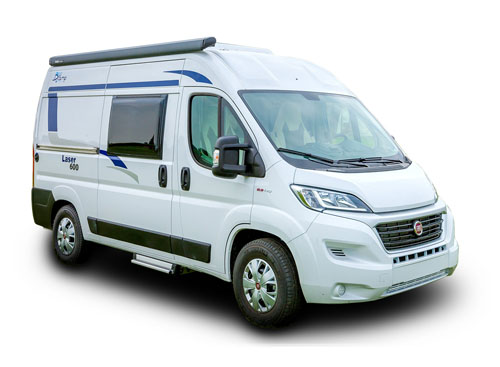
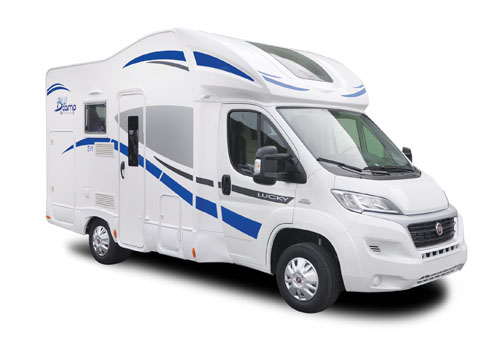
For navigating Switzerland's diverse terrain, smaller and more agile RVs are generally recommended for an optimal experience. Class B Camper Vans, typically averaging around 5.8m in length, offer excellent maneuverability on narrow mountain roads and winding village streets, making parking much easier. Semi-integrated Class SI motorhomes, often around 6.9m, provide a good balance of comfort and manageable size for couples or small families, like Bandana's "2 Berth Tamar" with its automatic transmission and front air condition. Larger Class C Alcove motorhomes (around 7.5m) and Class A Integrated motorhomes (also around 7.5m) are certainly available and suitable for bigger groups, but they require more careful route planning to account for vehicle dimensions, especially when traversing tunnels, underpasses, and tight village streets. Remember, drive slowly and carefully, and you can drive almost anywhere without issues. No need to stress - just use common sense and pay attention to road signs indicating restrictions.How to Save on Campgrounds in Switzerland
Saving on campground fees in Switzerland is achievable with a few smart strategies, as prices can vary significantly across different sites. Many RV rental providers, including Bandana, offer campground discount cards or memberships that can provide savings of 10-20% on nightly rates at participating parks. Traveling during the shoulder seasons (late spring or early autumn) offers not only lower rates but also fewer crowds, making for a more relaxed trip. Opting for municipal or regional campgrounds over private luxury resorts often presents more budget-friendly options, though they might have fewer amenities. If your itinerary allows, consider staying 3 or more nights at a single location, as many campgrounds offer more economical weekly rates. Lastly, always remember that on RV PLANET routes, travelers can itemize and track every expense along the way for easy budgeting.What do I need to rent an RV in Switzerland
To rent an RV in Switzerland, you will typically need a valid national driver's license, preferably one that uses the Latin alphabet. An International Driving Permit (IDP) is highly recommended for non-EU citizens, as it provides an official translation of your license, though it is not mandatory in all cases. You'll also need a major credit card for both payment and the security deposit, which can range from CHF 1,000 to CHF 3,000. Additionally, renters must meet the minimum age requirement, which is generally 21 years old for most motorhome classes with Bandana, and provide proof of identity such as a passport. It's always wise to have comprehensive travel insurance for peace of mind.Do you need a special license to drive an RV in Switzerland
For renting any motorhome or campervan in Switzerland, a standard car driver's license (Category B) is sufficient for all vehicle classes. There is no need for a special license, Commercial Driver's License (CDL), or any additional permits beyond your regular driving license. This applies to Class A, Class B, and Class C motorhomes. Always ensure your national driver's license is valid for the duration of your trip, and an International Driving Permit (IDP) is recommended for easier identification by authorities, especially if your national license is not in English or a commonly understood European language.Is an international driving permit required for Switzerland
An International Driving Permit (IDP) is highly recommended for driving a rented RV in Switzerland, especially for visitors from non-EU countries. While not strictly mandatory in every situation, it serves as an official translation of your national driver's license, which can be invaluable for smooth interactions with rental agencies, traffic police, or in case of an accident. Presenting your IDP alongside your original national driver's license can streamline administrative processes and prevent potential misunderstandings. For our part, Bandana always encourages having one for maximum convenience, allowing you to focus on the spectacular views rather than paperwork.How much does it cost to rent an RV in Switzerland
The cost to rent an RV in Switzerland varies dynamically, much like flight tickets, changing daily based on availability, seasonality, and supplier offers. Daily rates typically range from CHF 100 to CHF 300+, influenced by factors such as the motorhome class, rental duration, and time of year. For instance, a compact Class B Camper Van will generally be more affordable than a larger Class C Alcove motorhome designed for families. Peak summer months (July and August) naturally see higher prices compared to the quieter shoulder seasons of spring and autumn. Beyond the base rental fee, budget for additional expenses like comprehensive insurance, potential cleaning fees, a security deposit (which is standard), and any mileage limits or fuel costs - a Bandana Class SI motorhome might have a fuel consumption of 10-11 L/100km. Campground fees usually add CHF 30-70 per night. Remember, Bandana ensures full transparency: what you see is what you pay, with no surprise fees at pickup, which aligns with our philosophy of selling the way we'd like to buy - with honesty.Is it easy to drive an RV in Switzerland
Driving a rented RV in Switzerland can be an incredibly rewarding experience, though it requires a degree of attention due to the country's mountainous terrain and sometimes narrow roads. Main highways are generally wide and well-maintained, but smaller roads, especially those leading to picturesque villages or mountain passes, can be steep, winding, and tight. Opting for a smaller RV, like a Class B Camper Van (average 5.8m) or a Class SI Semi-integrated motorhome (average 6.9m), can significantly enhance maneuverability and make parking much easier. Be prepared for tolls (the annual vignette mentioned earlier), carry essential safety gear, and familiarize yourself with local roadside assistance options. Adhere strictly to Swiss speed limits and respect local driving customs. Drive slowly and carefully, and you can drive almost anywhere without issues. No need to stress - just use common sense and pay attention to road signs, including those indicating vehicle dimensions for certain routes.What is the best month to RV in Switzerland
The best months to RV in Switzerland for pleasant weather, fewer crowds, and generally better rates are late May to June and September to early October. These shoulder seasons offer mild temperatures ideal for hiking and sightseeing, with the added benefit of vibrant spring blossoms or stunning autumn foliage. July and August are the warmest months and offer the most activities, but also bring higher demand for campgrounds and rental motorhomes, leading to increased prices. Winter RV travel, from November to April, is certainly possible and offers unique experiences like ski trips, but it requires specific preparation including winter tires, snow chains, and careful checking of road closures, especially for mountain passes.Can you wild camp in Switzerland
Wild camping in Switzerland is generally prohibited in populated areas, nature reserves, and designated agricultural zones. Strict local regulations are in place to protect the environment and respect private land ownership. However, it may be tolerated in remote alpine areas, typically above the tree line, provided you obtain prior permission from the landowner or local municipality. To avoid fines and ensure a legal overnight stay, it is strongly recommended to use designated 'Stellplätze' (motorhome parking areas) or official campgrounds. Farm stays (Agri-Camping) also offer a charming and legal alternative, often allowing you to experience local Swiss farm life and fresh produce.Where can I find free overnight parking in Switzerland
Finding free overnight parking for RVs in Switzerland is quite challenging due to the country's strict regulations against wild camping and unauthorized overnight stays. Legal options outside of official campgrounds are scarce, and parking in remote areas not explicitly designated for motorhomes can result in significant fines. The most viable alternatives for legal overnight parking are designated 'Stellplätze', which are specific motorhome parking areas found in many towns and regions. While these usually come with a fee, they are a safe and legal option. Occasionally, some rural restaurants or farms might permit overnight stays if you patronize their business, but this always requires direct communication and explicit permission. Always confirm the legality of your parking spot to ensure a stress-free trip.Is Switzerland good for motorhomes
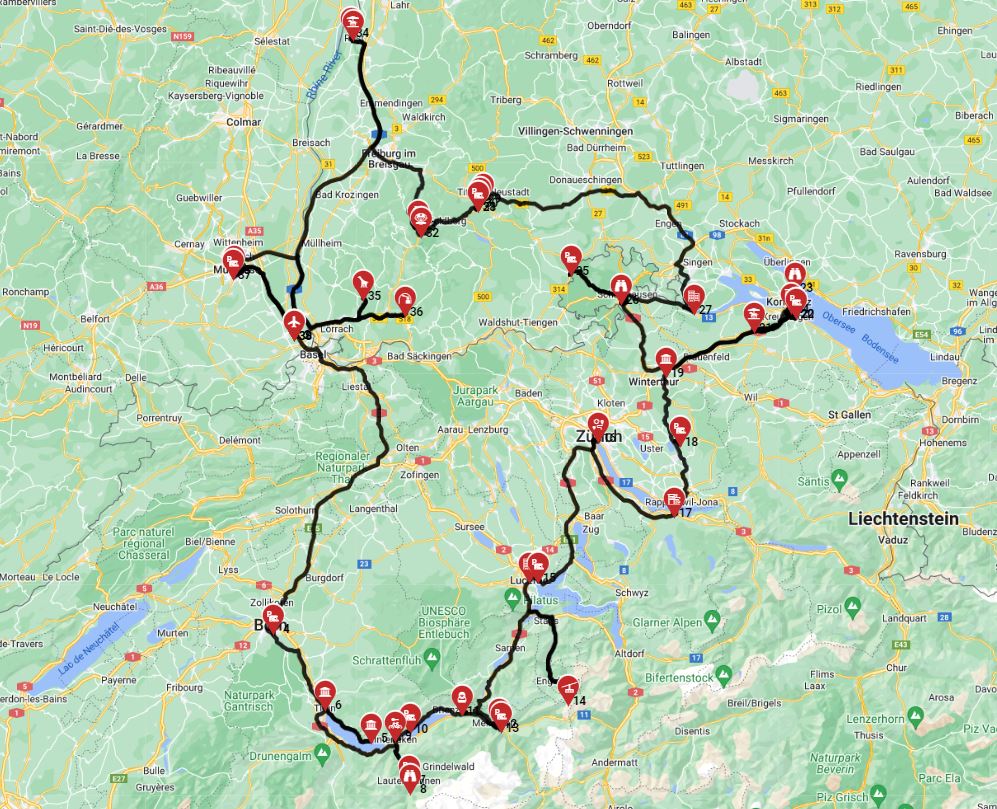
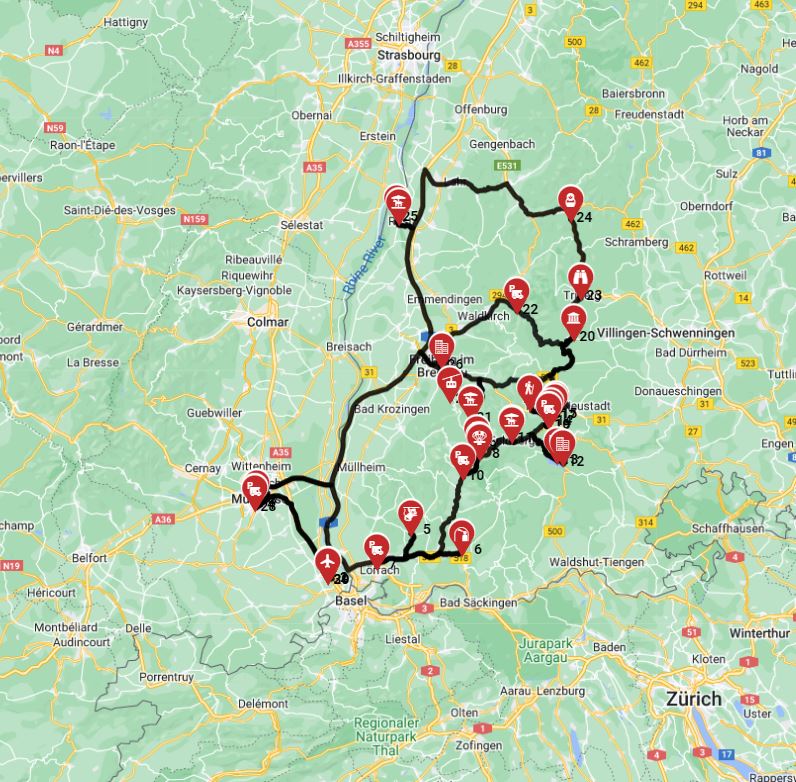
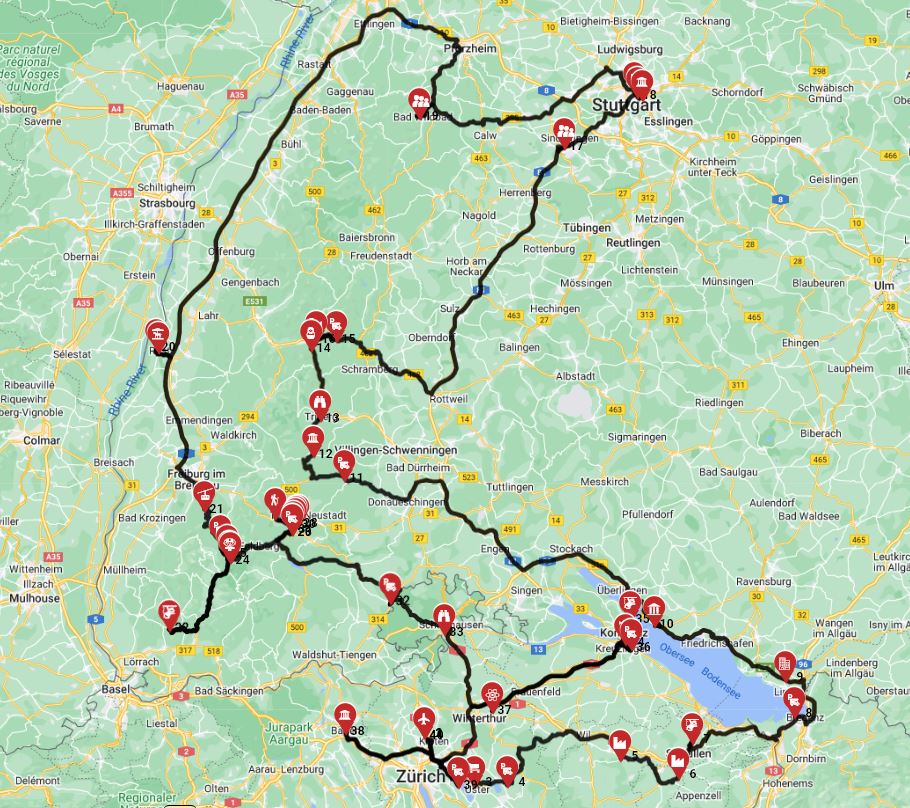
Switzerland is an absolutely fantastic destination for motorhome and campervan travel, offering an abundance of breathtaking scenery, pristine lakes, and charming villages. The country boasts an incredibly well-maintained road network, making travel efficient, and a diverse range of campgrounds, from basic sites to luxurious resorts. RVing here provides unique opportunities for deep local experiences, whether through visiting vibrant markets for regional food, trying authentic Swiss cuisine, or immersing yourself in the rich culture. Bandana RV encourages sustainable travel practices, and Switzerland's strong eco-conscious values mean travelers are expected to adhere to proper waste disposal and minimize their environmental impact, ensuring these beautiful landscapes remain preserved for everyone. For an adventure that showcases Switzerland's diverse beauty and includes rich cultural experiences, consider the Basel Roundtrip - Switzerland & Black Forest itinerary. This 16-day journey covers 1233.4 km and includes highlights like 2 Amusement Parks, 4 Museums, and 5 Natural Features, offering a perfect blend of natural beauty and cultural discovery. To dive deeper into European RV travel, check out our "RV Rental Europe - Complete Guide 2026".What documents do I need to travel to Switzerland
To travel to Switzerland, whether by rented RV or otherwise, you'll need a valid passport, which must be valid for at least three months beyond your intended departure date from the Schengen Area (if applicable) and issued within the last 10 years. Depending on your nationality, you might also require a Schengen visa. You will also need your valid national driver's license, and as mentioned, an International Driving Permit (IDP) is highly recommended for non-EU visitors. The RV rental company will provide all necessary vehicle registration documents and proof of insurance. It's always a good idea to carry physical and digital copies of all important documents, stored separately from the originals, for added security during your trip.How many days do you need for Switzerland RV trip
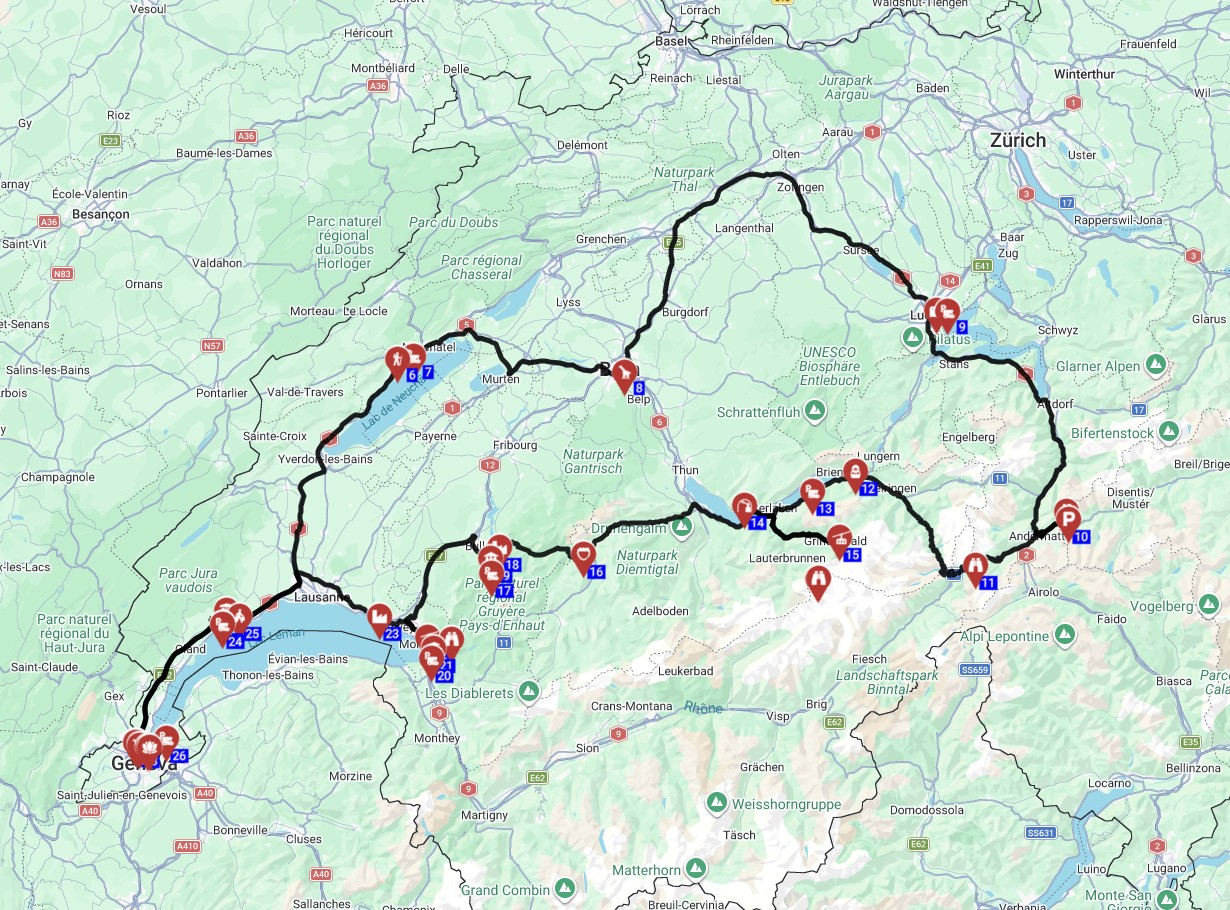
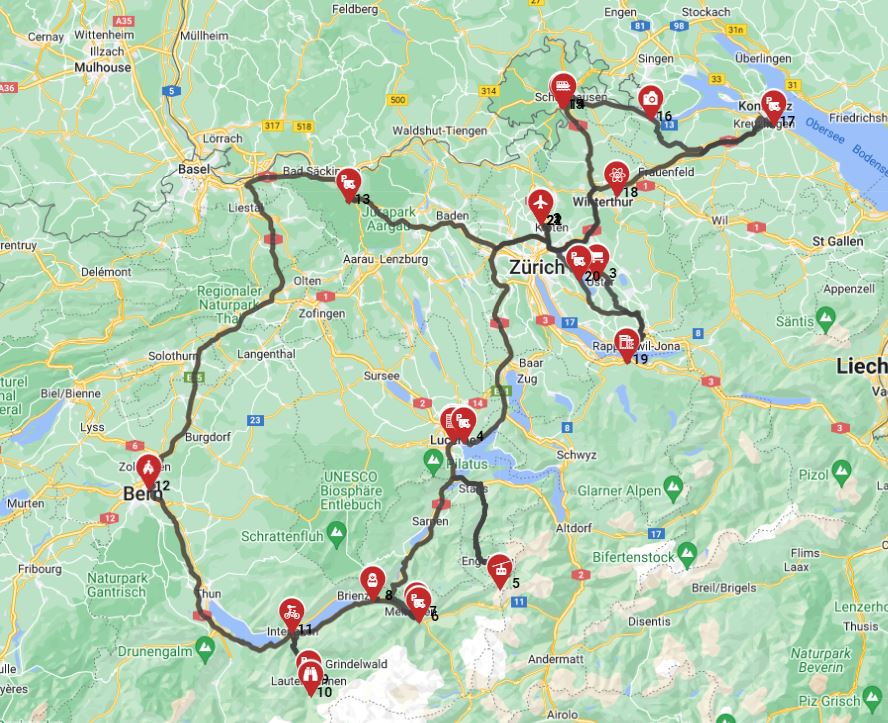
For a fulfilling RV trip in Switzerland, a minimum of 7 to 10 days is generally recommended, allowing you sufficient time to explore multiple regions without feeling rushed. This duration provides a good balance between driving, sightseeing, hiking in the Alps, and relaxing at various campsites. If you have 14 days or more, you'll enjoy a more relaxed pace, enabling deeper exploration of specific cantons, spontaneous detours, and more immersive cultural experiences. Travel slowly, max 100-150 km per day on average, to truly take time to feel the place, connect to the culture, the food, and the scenery. For example, the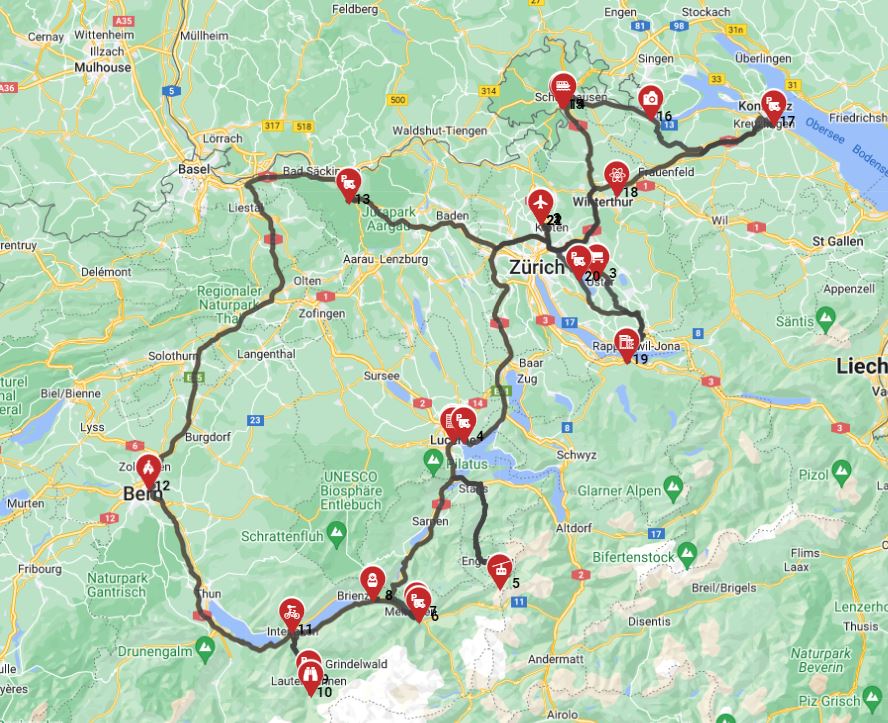
Zurich Roundtrip - Switzerland Short
What side of the road do you drive in Switzerland
Vehicles in Switzerland drive on the right-hand side of the road, consistent with most of continental Europe. This means that if you're accustomed to left-hand drive countries, you'll be driving on the opposite side of the road, and the steering wheel in your rented motorhome will be on the left side of the vehicle. Traffic flows on the right, so always remember to keep right and overtake on the left. This is an important detail to be aware of for safe and confident navigation of Swiss roads.Can you drink tap water in Switzerland
Yes, tap water in Switzerland is generally of excellent quality and perfectly safe to drink. The country is renowned for its pristine natural environment, with much of its water sourced directly from pure alpine springs. You can confidently refill your RV's water tanks and personal bottles from campground taps or numerous public fountains found in towns and along hiking trails. This not only ensures you stay well-hydrated throughout your adventure but is also an environmentally friendly practice, helping to reduce reliance on single-use plastic bottles.What You Shouldn't Miss
An RV adventure in Switzerland is about more than just driving; it's about connecting with the incredible landscapes and rich culture. Here are 4-6 must-do experiences:- Explore the Jungfrau Region: Drive your campervan to Interlaken, the gateway to the stunning Bernese Oberland. Take a scenic train or cable car up to Jungfraujoch, Europe's highest railway station, for panoramic views of the Aletsch Glacier. There are ample campgrounds around Interlaken, such as TCS Camping Interlaken, offering pitches from CHF 35/night.
- Cruise Lake Geneva & Visit Montreux: Park your motorhome near Montreux and enjoy a leisurely boat cruise on Lake Geneva, taking in Chillon Castle, one of Switzerland's most visited historic buildings. Explore the lakeside promenade and discover local markets.
- Drive a Scenic Alpine Pass (in summer): If visiting between May and October, tackle an iconic pass like the Furka Pass for breathtaking views. Be mindful of narrow roads and steep inclines, choosing a nimble Class B or SI campervan for ease. Check "One-Way RV Rental in Switzerland - Price Guide 2026" for relocation flexibility.
- Indulge in Swiss Cheese & Chocolate: Visit a local dairy farm or a Maison du Gruyère to see how cheese is made, and then sample some. Pair this with a visit to a chocolate factory, like Maison Cailler, for a sweet treat. These local experiences add depth to your travels.
- Hike in the Engadin Valley: Base your RV in the St. Moritz area and explore the numerous hiking trails in the Engadin Valley, from easy lakeside strolls to challenging alpine treks. The crisp mountain air and stunning vistas are truly rejuvenating.
- Experience Zermatt & the Matterhorn: While Zermatt is car-free, you can park your RV at a nearby campground, like Camping Attermenzen, and take a train up to witness the majestic Matterhorn. It's an iconic Swiss experience not to be missed.
Final Thoughts
Switzerland by RV is an adventure waiting to unfold, offering unparalleled freedom to discover its majestic mountains, serene lakes, and charming towns. With Bandana RV, you're not just booking a vehicle; you're securing a supportive partner committed to making your journey seamless and transparent. We're here to help you before, during, and after your booking, ensuring every detail is covered so you can focus on making incredible memories. From navigating picturesque alpine roads with a nimble campervan to finding the perfect lakeside campsite, Switzerland promises an unforgettable experience. Embrace the slow travel philosophy, savor local flavors, and let the beauty of this remarkable country captivate you. Your Swiss motorhome adventure begins now, and we're excited to help you plan every step of the way. Compare Motorhome Prices for Switzerland today and get ready to say, "Life is now!"On the routes offered through RV PLANET routes, you can itemize and track every expense along the way for easy budgeting.