In This Guide
- Where to Camp in Spain — Top Options
- Campground Types in Spain (National, Private, Wild)
- Featured RV Park or Campground in Spain
- Hookups & Amenities — What to Expect
- Booking Windows & Reservations in Spain
- Nearby Supermarkets & Resupply Points
- Best RV Class for Camping in Spain
- How to Save on Campgrounds in Spain
- Is wild camping legal for RVs in Spain?
- How much does an RV trip in Spain cost?
- What driving laws apply to RVs in Spain?
- Do I need a special license to drive an RV in Spain?
- How can I experience local culture while RVing in Spain?
- What is the best time to RV in Spain?
- Is RV camping safe in Spain?
- What apps are useful for RVing in Spain?
- How can I RV responsibly in Spain?
Embarking on an RV adventure in Spain offers an unparalleled sense of freedom, allowing you to discover its diverse landscapes, rich history, and vibrant culture at your own pace. With conveniently located RV rental pick-up locations often near major international airports like those in Barcelona or Madrid, your journey can begin almost immediately upon arrival. For live availability and current prices, start with our RV Rental Spain - Complete Guide 2026 guide.
Where to Camp in Spain - Top Options
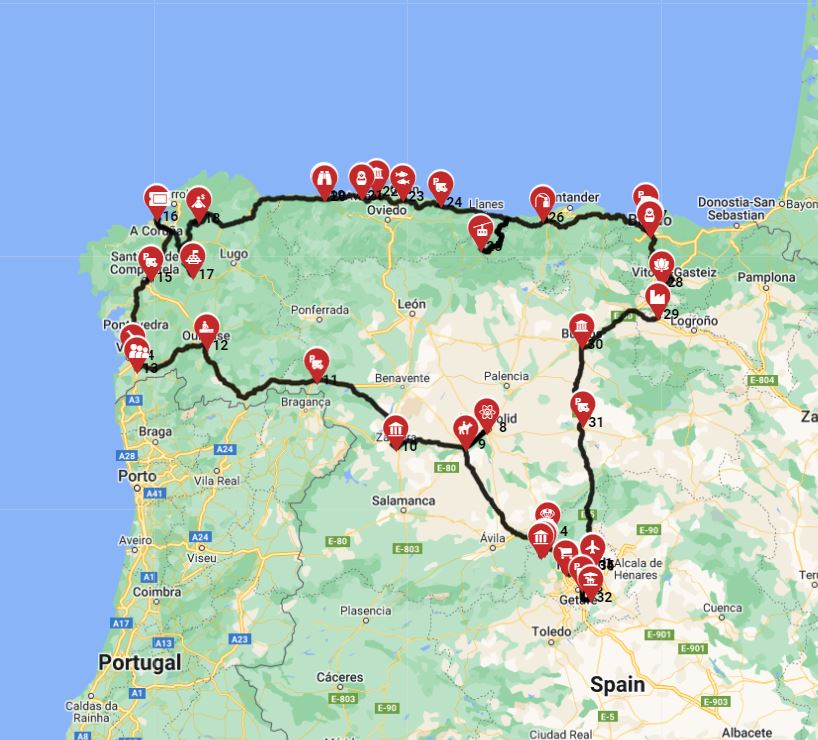
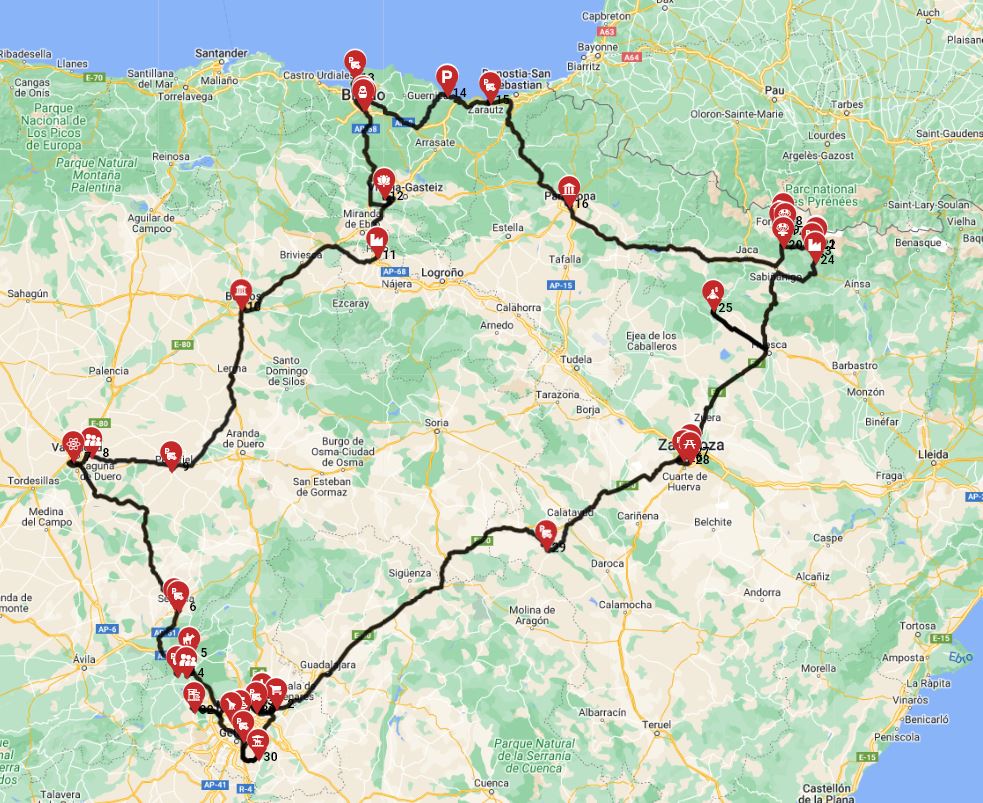
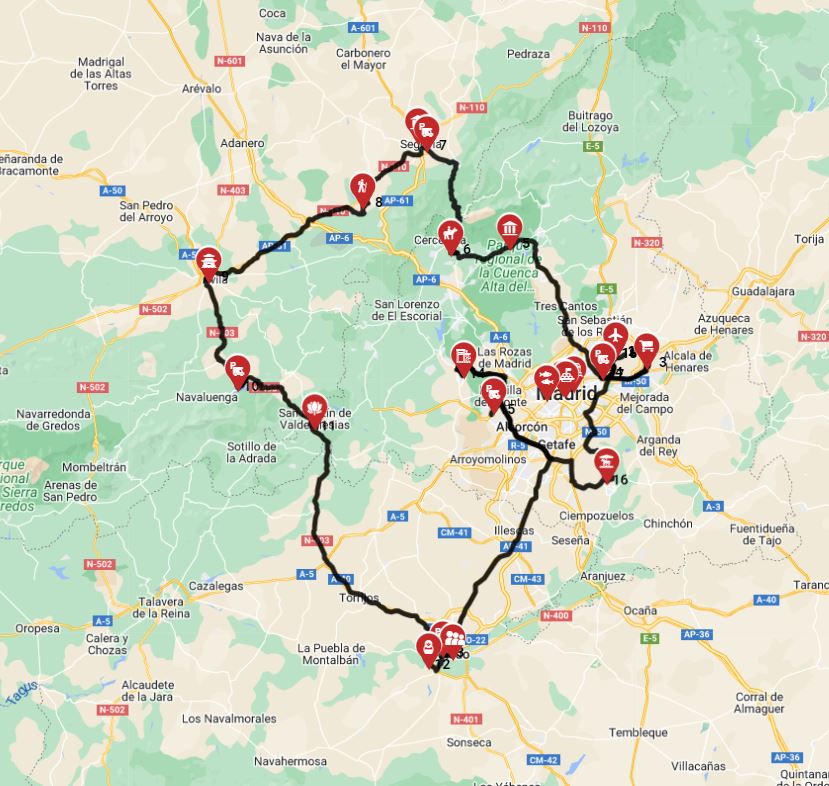
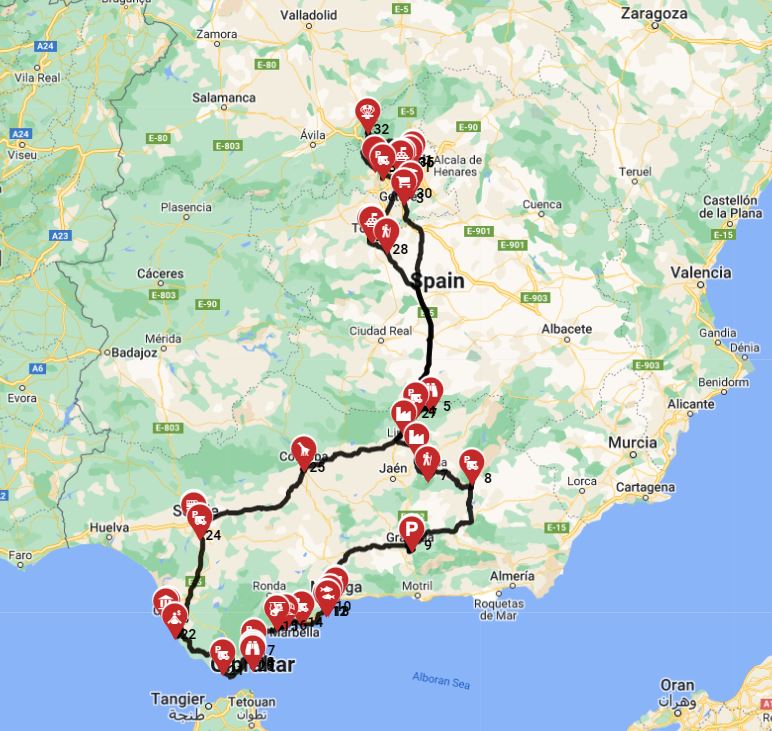
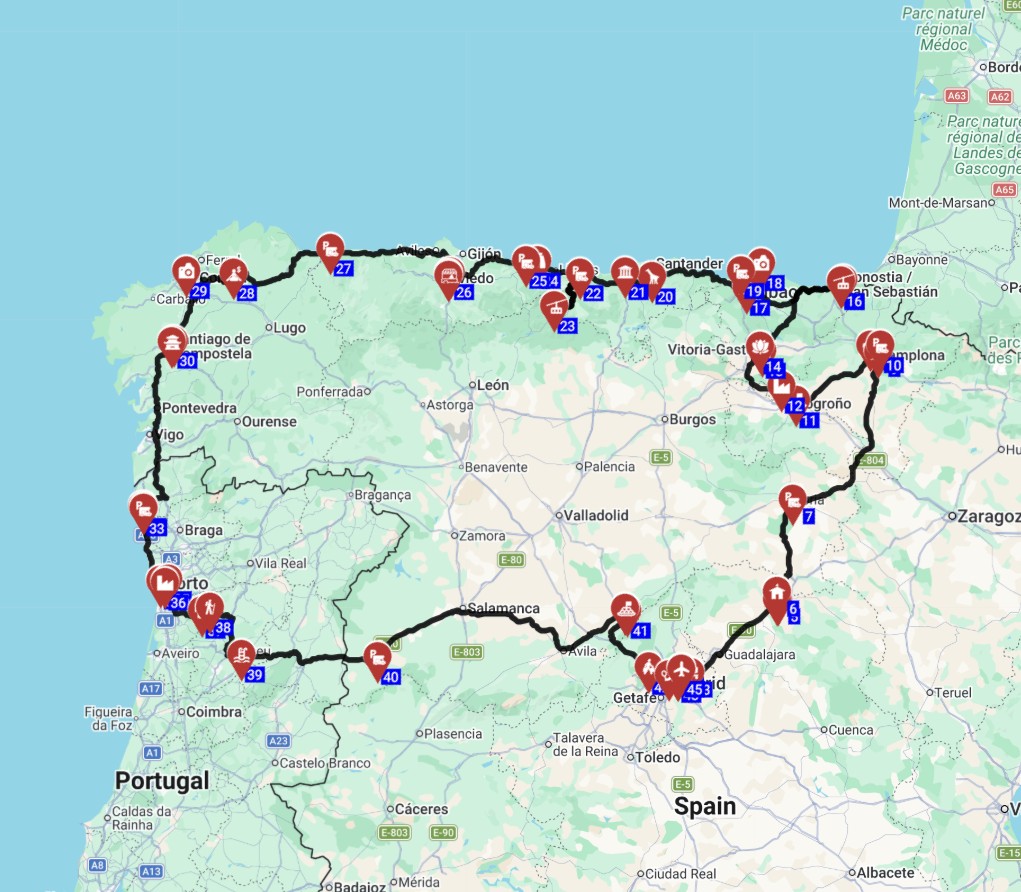
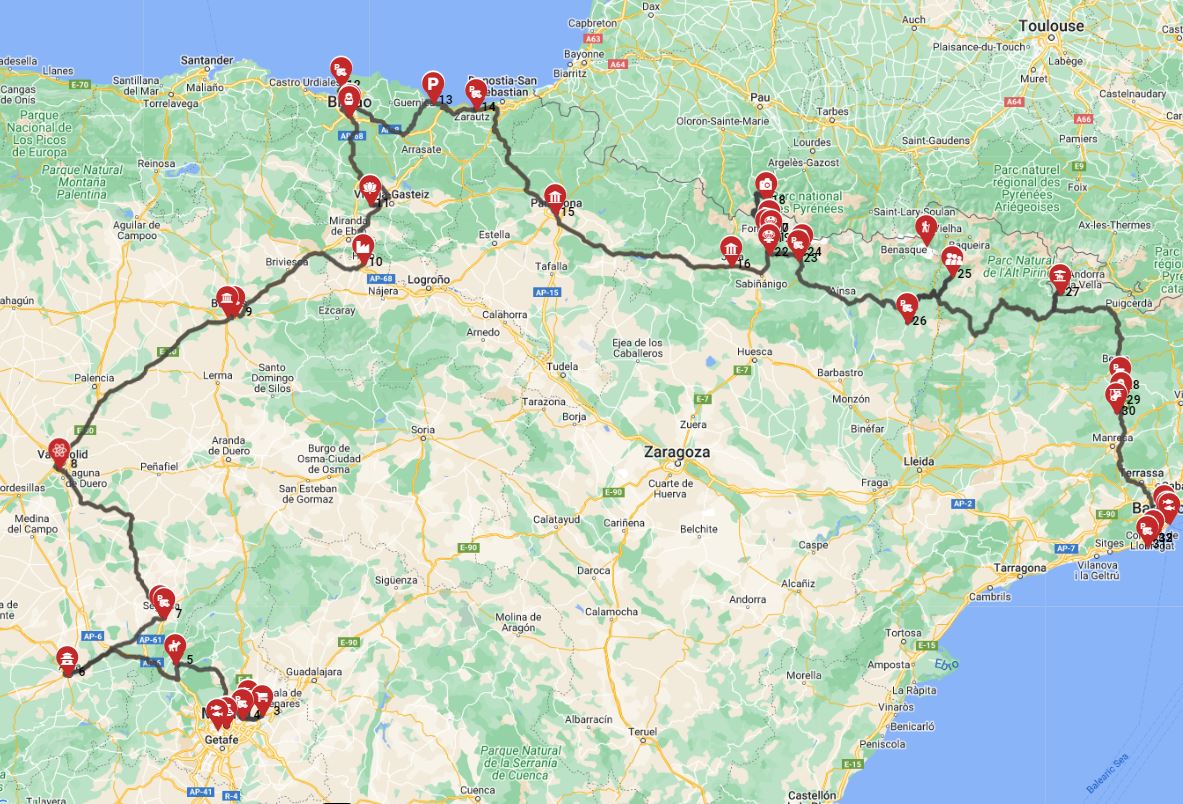
Spain offers diverse camping experiences from sun-drenched coastal sites to serene mountain retreats and authentic rural farm stays. Popular regions for RV camping in Spain include the sunny coasts of Andalusia in the south, the lush green landscapes of Northern Spain (like Asturias and Galicia), and the historic routes of Catalonia, each providing unique scenic and cultural immersion.
Imagine parking your rented motorhome with a view of the Mediterranean Sea along the Costa del Sol, or nestled deep within the dramatic Picos de Europa mountain range. RV camping in Spain is about connecting with nature and culture. You can find well-regarded campsites that offer direct beach access or others strategically located near national parks for easy trail access. Whether you prefer the bustling energy of a holiday park or the quiet solitude of a countryside stop, Spain’s varied topography ensures a perfect spot for every traveler.
Campground Types in Spain (National, Private, Wild)
Spain offers a variety of campground types for RV travelers, including private commercial campgrounds, 'áreas de autocaravanas' (motorhome service areas), and, with strict limitations, designated spots in rural areas. Private campgrounds typically provide comprehensive amenities like electric hookups, fresh water, showers, and often pools or restaurants, catering to a comfortable stay for families or couples seeking extensive facilities.
Áreas de autocaravanas are designated parking and service areas specifically for RVs, offering basic but essential services such as fresh water, grey/black water disposal, and sometimes electricity, often for a minimal fee or even free. These are fantastic for short stays or quick resupply stops. Wild camping, or 'free camping,' is generally prohibited in Spain, especially in protected natural areas, coastal zones, and urban environments. However, overnight parking in an RV, where you remain inside your vehicle and do not set up camp (no awnings, tables, or chairs outside), may be tolerated in some non-urban, non-protected areas, provided no local restrictions are in place. Always check local signage and regulations to avoid fines. For more in-depth planning, consider our guide on Pet-Friendly RV Rental in Spain - Pricing 2026 if traveling with furry companions.
Featured RV Park or Campground in Spain
When selecting an RV park in Spain, look for establishments offering a blend of essential amenities and convenient access to local attractions or natural beauty. Ideal features include well-maintained pitches, reliable 220-230V electric hookups, fresh water points, efficient grey and black water disposal facilities, and clean shower and toilet amenities.
Many top-tier campsites also offer Wi-Fi access (sometimes for a small extra fee or concentrated in common areas), swimming pools, on-site shops for basic groceries, and even restaurants or cafes. Consider parks that are either within walking distance of charming historic towns for cultural immersion or situated directly adjacent to national parks and stunning beaches for immediate outdoor activity access. Prioritizing these features ensures a comfortable and enriching RV rental experience in Spain. On the routes offered through RV PLANET routes, you can itemize and track every expense along the way for easy budgeting.
Hookups & Amenities — What to Expect
Most private campgrounds in Spain offer a range of hookups and amenities designed for RVers, ensuring a comfortable and convenient stay throughout your journey. Expect standard electric hookups (typically 220-230V with a two-pin European connector), fresh water connections, and designated grey/black water dump stations at the majority of sites.
Common amenities also include hot showers, laundry facilities, Wi-Fi (sometimes for an extra fee or limited to common areas), and often a swimming pool, small shop, or restaurant on-site. For 'áreas de autocaravanas,' amenities are more basic, focusing on essential services like water refill and waste disposal, with electricity being less commonly available. With Bandana Caravan, you can always compare what's included with your chosen RV rental to ensure you have the best on-board facilities, such as a RV-friendly recipes playlist to make the most of your kitchen.
Booking Windows & Reservations in Spain
For RV camping in Spain, proactive booking is advisable, especially during peak seasons like summer (June-August), Easter, or national holidays, or for popular coastal and national park destinations. Planners should aim to reserve their spots several months in advance to secure preferred campgrounds and pitches, particularly for larger motorhomes or group travel, potentially saving up to 20% on daily rates for popular sites.
However, spontaneous travelers need not worry excessively: you can often find availability for same-day or next-day bookings, especially in the shoulder seasons (spring and fall) or less touristy regions. Many national and state parks reserve only 25-30% of their spots for advance reservations, leaving the rest for first-come, first-served arrivals, providing options even without a booking. Always call ahead before driving long distances to confirm availability. Rest assured, you'll find a spot; if not at the first campground, then the next one. Our Rent&Plan service can also help you map out your journey and secure bookings in advance with a 25% planning discount when you use rvplan.net.
Nearby Supermarkets & Resupply Points
Resupplying your rented RV with groceries and essentials in Spain is convenient, as a wide variety of supermarket chains are available across the country. Look for major supermarket chains such as Mercadona, Carrefour, Lidl, and Aldi, which are prevalent in most towns and cities and offer a wide range of fresh products at competitive prices.
For a more authentic shopping experience and to truly connect with local culture, seek out smaller local markets, known as 'mercados.' These are excellent for fresh produce, meats, cheeses, and regional specialties. Beyond groceries, you'll find plenty of opportunities for fuel stops and other services along major routes and in larger towns. Keeping your pantry stocked allows you the flexibility to cook delicious meals in your RV kitchen and enjoy the scenery at your leisure.
Best RV Class for Camping in Spain
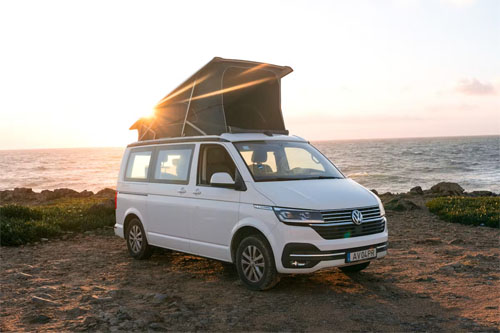
The ideal RV class for camping in Spain depends on your travel style, group size, and desired level of comfort and maneuverability. For couples or small groups prioritizing agility and ease of navigating Spain's narrower roads and historic towns, a Class B Camper Van is excellent, with Bandana's fleet averaging 5.8m in length and offering sufficient sleeping for 2-3 adults with good fuel economy (typically 8-10 Liters/100 km).
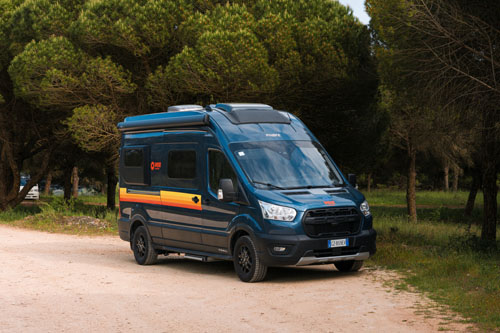
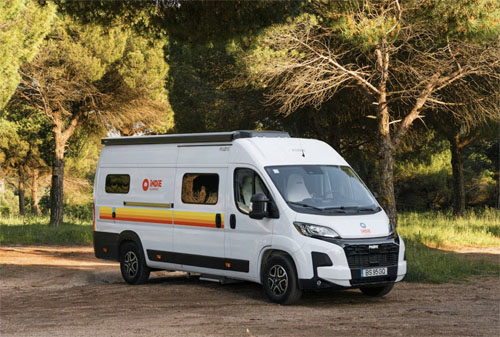
Families or groups seeking more space and amenities for longer trips will find Class SI Semi-integrated RVs (averaging 6.9m in length, sleeping 3-4 people) or Class C Alcove RVs (averaging 7.5m in length, sleeping 4-5 adults) to be suitable, balancing comfort with reasonable handling. Class A Integrated RVs, with Bandana's fleet averaging 7.5m in length and offering ultimate luxury and ample space for larger groups, are also available, though their size can make navigating older Spanish towns or tight mountain passes more challenging. Drive slowly and carefully, and you can drive almost anywhere without issues. No need to stress - just use common sense and pay attention.
How to Save on Campgrounds in Spain
Saving on campground fees in Spain is achievable through strategic planning and utilizing available discounts. Traveling in the shoulder seasons (spring or fall), from April-May or September-October, offers significantly lower prices and fewer crowds compared to the peak summer months of June-August.
Consider opting for municipal or regional campgrounds and 'áreas de autocaravanas' over private resort-style parks, as they typically offer more basic facilities at a fraction of the cost, often as low as €15-€25 per night versus €30-€40+. Many campgrounds also offer weekly rates that are more economical than booking night-by-night, so planning stays of three or more nights at a single location can yield substantial savings. Additionally, exploring RV PLANET routes allows travelers to itemize and track every expense, making budgeting for your entire trip easier.
Is wild camping legal for RVs in Spain?
Wild camping for RVs in Spain is generally prohibited by national and regional laws, particularly in protected natural areas, coastal zones, and urban environments. While strict 'wild camping' (setting up camp with awnings, tables, and chairs outside your vehicle) is illegal and can result in fines from €50 to €500+, overnight parking inside your RV is often tolerated in non-restricted public spaces.
This is permissible provided no local ordinance explicitly forbids it, you leave no trace, and your vehicle is parked in a legal parking spot without obstructing traffic. To ensure legality and safety, utilize designated 'áreas de autocaravanas' (motorhome service areas), private campgrounds, or community-driven apps like Park4Night and Furgoperfecto, which identify legal and safe overnight parking spots, including farm stays and small family-run campsites across Spain.
How much does an RV trip in Spain cost?
The cost of a week-long RV trip in Spain can vary widely, but a detailed budget breakdown for different travel styles can help you plan effectively. For a couple renting a Class B Camper Van in the shoulder season, expect RV rental costs to range from €80-€120 per day, while a family with kids in a Class C Alcove might pay €120-€180 per day.
Daily expenses typically include fuel (diesel at €1.50-€1.80/liter, with a Class C averaging 10-11 Liters/100 km), tolls (approx. €10-€30/day on some major routes like AP-7), and campground fees (€15-€40/night for a powered pitch). Food costs can range from €20-€50 per day for groceries and occasional meals out, while attractions and activities could add another €10-€50 daily per person. To save money, consider traveling in the off-season, cooking most meals in your RV, and utilizing free 'áreas de autocaravanas' when possible, as highlighted in our guide on Cheap RV Rental in Spain - Budget Guide 2026.
What driving laws apply to RVs in Spain?
Driving a rented RV in Spain requires adherence to specific road rules, many of which are consistent with EU regulations, but with some notable local nuances. Speed limits for RVs over 3.5 tonnes typically include 90 km/h on motorways, 80 km/h on national roads, and 50 km/h in urban areas, though specific signage always takes precedence.
Be prepared for Spanish roundabouts, where the general rule is to yield to traffic already in the roundabout, and pay close attention to lane markings for exits. Navigating historic city centers can be challenging due to narrow streets and pedestrianized zones, often requiring parking on the outskirts and using public transport. Drive slowly and carefully, and you can drive almost anywhere without issues. For instance, a Bandana Class B Camper Van (average 5.8m in length) offers good agility for these situations. Mountain passes in regions like the Picos de Europa or Pyrenees require careful driving due to winding roads and steep inclines; ensure your RV is adequately powered and brakes are in good condition.
Do I need a special license to drive an RV in Spain?
Most standard RV rentals in Spain do not require a special license beyond a typical Category B (car) driving license from an EU country, or an International Driving Permit (IDP) if your license is from outside the EU. A Category B license generally permits driving vehicles up to 3,500 kg Maximum Authorized Mass (MAM) or Gross Vehicle Weight (GVW), which covers the majority of common rental RVs, including Bandana's Class B Camper Vans, Class SI Semi-integrated, and Class C Alcove models.
For larger RVs exceeding 3,500 kg MAM, a Category C1 or higher license may be required; always confirm the GVW of your specific rental RV against your license's allowance. The minimum rental age for all motorhome classes in Spain is 21 years old, with no young driver surcharges or vehicle class restrictions based on age. Always carry your physical driving license and, if necessary, your International Driving Permit (IDP) along with your passport when driving in Spain.
How can I experience local culture while RVing in Spain?
Experiencing authentic local culture while RVing in Spain involves intentionally seeking out non-touristy interactions and embracing regional traditions. Visit local 'mercados' (markets) in smaller towns to shop for fresh produce, artisan goods, and observe daily Spanish life, rather than relying solely on large supermarkets.
Attend regional festivals and fiestas, which vary greatly by region and season, offering unique insights into local music, dance, food, and traditions – research local tourism boards for schedules. Beyond generic tapas, explore unique regional culinary experiences such as pintxos in the Basque Country, paella in Valencia, or seafood 'mariscadas' in Galicia, often found in family-run restaurants ('meson' or 'venta'). Learning a few basic Spanish phrases (e.g., 'Hola,' 'Gracias,' 'Por favor,' 'Cuánto cuesta?') significantly enhances interactions with locals, fostering warmer exchanges and deeper cultural immersion. Remember to travel slowly, averaging a maximum of 100-150 km per day, to truly feel the place, connect to the culture, the food, and the scenery.
What is the best time to RV in Spain?
The best time to RV in Spain largely depends on your desired climate and activities, as the country boasts diverse regional weather patterns. Spring (April-May) and Autumn (September-October) are generally considered the ideal shoulder seasons, offering pleasant temperatures for exploring, fewer crowds, and lower prices for campgrounds and rentals.
For those seeking warmth and beach activities, summer (June-August) is popular, particularly along the coast, but be prepared for high temperatures (often exceeding 30°C in the south), crowded tourist areas, and higher prices. Consider RVing in the cooler north during summer to avoid extreme heat. Winter (November-March) is excellent for RVing in the southern regions like Andalusia and the Canary Islands, where temperatures remain mild (15-20°C), or for ski trips in the Pyrenees and Sierra Nevada mountains, avoiding the crowds and costs of peak season.
Is RV camping safe in Spain?
RV camping in Spain is generally safe, but like any travel, requires common-sense precautions and awareness of specific regional concerns. To enhance vehicle security, always lock your rented RV, close windows, and avoid leaving valuables visible; consider extra security measures like internal locks or alarms, especially when parking overnight in less secure areas.
When choosing overnight parking, prioritize designated 'áreas de autocaravanas' or established campgrounds, which offer better security than random roadside spots. Be aware of petty crime, particularly in crowded tourist areas or major cities; secure bags and wallets, and avoid displaying expensive items. In case of emergencies, know the European emergency number (112) and have reputable breakdown services (often included with your rental, or you can purchase a top-level deductible for extra peace of mind) readily accessible; ensure your travel insurance covers RV-specific incidents.
What apps are useful for RVing in Spain?
Several indispensable apps can significantly enhance your RV experience in Spain, helping with navigation, finding services, and discovering unique spots. Apps like Park4Night and Furgoperfecto are crucial for finding legal and recommended overnight parking spots, 'áreas de autocaravanas,' and even wild camping locations, complete with user reviews and amenities listed.
For navigation, Google Maps or Maps.me (for offline maps) are reliable, but consider RV-specific GPS apps (e.g., Sygic RV Navigation) that account for vehicle dimensions to avoid unsuitable roads for a motorhome rental. Google Translate is invaluable for overcoming language barriers, allowing for instant translations of signs, menus, or conversations with locals. Other useful tools include Campercontact for campground reviews, and Revolut or similar apps for easy currency exchange and spending tracking for your RV Rental in Spain - Prices and Best Deals 2026 adventure.
How can I RV responsibly in Spain?
Responsible RVing in Spain is essential for preserving its natural beauty, respecting local customs, and supporting local communities. Practice sustainable waste management by properly disposing of all grey and black water at designated dump stations found at campgrounds and 'áreas de autocaravanas,' and recycle waste whenever possible.
Minimize your environmental footprint by conserving water (many RVs like the cruise america example Explorer have an 82 Liter fresh water tank) and electricity, using eco-friendly products, and adhering to 'leave no trace' principles, especially when camping near sensitive natural areas. Support local economies by purchasing food and goods from small local businesses and markets, rather than solely large chain stores, and by dining at family-run restaurants. Respect local culture and customs, keep noise levels down, and always seek permission before parking or staying on private land, fostering positive relationships with the communities you visit. For longer trips, planning ahead with Rent&Plan can help ensure a smooth and responsible trip.
What You Shouldn't Miss
- Andalusia's Historic Cities: Explore Seville, Granada, and Cordoba. Park your RV rental outside the city centers and use public transport to wander through ancient Moorish palaces and vibrant flamenco districts.
- Northern Spain's Coastal Drives: Drive a rented campervan along the rugged coasts of Galicia and Asturias, stopping at charming fishing villages and dramatic cliffs. The Tower of Hercules in A Coruña is a must-see.
- The Pyrenees Mountains: For breathtaking scenery and hiking, take your motorhome through the Spanish Pyrenees, particularly the Ordesa y Monte Perdido National Park.
- Valencia's Culinary Scene: Beyond paella, dive into the fresh seafood and horchata. Stay at a campsite near the city and explore the City of Arts and Sciences.
- The Tabernas Desert: Experience Europe's only true desert in Andalusia. Find a permitted spot for a unique overnight stay under a sky full of stars.
- Barcelona's Modernist Marvels: Marvel at Gaudí's architecture. Use city-edge RV parking and explore via metro.
Looking for expert insights from Avi Bandana? Top 5 Adventures - recommendations from Avi Bandana.
Final Thoughts
Spain truly is a dream destination for an RV adventure. From its sun-drenched beaches and ancient cities to its majestic mountains and vibrant cultural festivals, traveling by motorhome allows you to immerse yourself fully in everything this incredible country has to offer. Remember to embrace slow travel, allowing yourself the time to savor every moment and truly connect with the local atmosphere.
Whether you're a seasoned RVer or planning your very first extended road trip, Spain promises an unforgettable experience. With the right preparation, choosing the best campervan for your needs, and knowing where to find reliable support, your Spanish journey will be nothing short of spectacular. Get ready to discover top destinations, planning tips, all in one place!
Ready to hit the road? Compare Motorhome Prices for Spain today and start planning your perfect Spanish escape!