🎯 Fun Facts About South Europe
Italy's Hidden Fines: The ZTL Trap! Many historic Italian cities have 'Zona a Traffico Limitato' (Limited Traffic Zones). Entering these, even by accident, in an RV without a special permit can lead to hefty fines, often caught by cameras, which can arrive months after your trip.Croatia's Strict Wild Camping Penalty: Croatia is known for having some of the most rigorous anti-wild camping laws in Southern Europe, with fines for unauthorized overnight stays in an RV often ranging from hundreds to well over a thousand Euros, especially along its picturesque coastline and national parks.Spain's 'Parking vs. Camping' Conundrum: In Spain, RVs are generally allowed to park anywhere a normal car can, as long as they are 'parked' (not appearing 'camped' – meaning no awnings out, no chocks, no chairs outside). Crossing this fine line from parking to camping outside designated areas can result in fines, making stealth and discretion key.Portugal's Evolving Wild Camping Law: After a blanket ban and hefty fines for wild camping, Portugal revised its law in 2021. Now, overnight stays of up to 48 hours in a municipality are permitted outside protected areas, provided there are no specific local prohibitions – making staying updated on local rules crucial!Greece's RV Ferry-Hopping Culture: To explore the myriad of Greek islands, RVers frequently load their vehicles onto ferries. Many choose to sleep inside their RVs on the car deck during overnight journeys, effectively turning the ferry into a mobile hotel room as they island-hop across the Aegean and Ionian seas.
Featured RV Park or Campground in South Europe
While specific campground names can vary greatly by region and individual preference, exemplary RV parks in Southern Europe consistently offer comprehensive facilities tailored for motorhome travelers. When selecting a site, look for highly-rated options that cater to your needs, such as those located near major cities for convenient access to urban attractions, or along popular coastlines for beach access and relaxation. For example, Camping Village Roma Capitol near Rome, Italy, is celebrated for its extensive amenities, while Camping Sanguli Salou on Spain's Costa Daurada is a favorite for its direct beach access and family-friendly activities. These featured parks typically provide essential services like full hookups (electricity, water, waste disposal), swimming pools, on-site restaurants, and often children's entertainment or activities, ensuring a comfortable and engaging stay for all members of the family.
Hookups & Amenities — What to Expect
When camping in Southern European campgrounds, you can generally expect standard hookups and amenities designed for RV convenience. Electric hookups are typically available, usually utilizing the 2-pin CEE sockets with a 230V standard. Fresh water taps are common, and designated grey and black water dump stations, often referred to as 'service points' or 'sanistations', are readily found at most sites. Wi-Fi is frequently offered, though its signal strength and reliability can vary significantly by location and campground; for consistent internet access, consider a local SIM card or a portable Wi-Fi device. Common amenities often include clean shower facilities, which may be coin-operated in some locations, as well as laundry facilities. Many campgrounds also feature small on-site grocery stores for basic necessities, and swimming pools are a frequent bonus, particularly in coastal or warmer inland regions, offering a refreshing way to relax after a day of exploration.
Booking Windows & Reservations in South Europe
Securing your campsite in Southern Europe, especially if you're renting an RV from an airport, requires a strategic approach to booking. For peak season travel (June through August) or for destinations known for their popularity, booking RV sites several months in advance is highly recommended to guarantee your preferred spot. This advance planning is particularly important for larger sites or those offering premium amenities. Spontaneous travelers who rent an RV from an airport can often find same-day or next-day availability during the shoulder seasons (April-May and September-October), especially at larger private campgrounds that may have more flexible policies. However, it's always a good practice to call ahead before driving to a specific campground, even during quieter periods. Many national park campgrounds, for instance, may only release a portion of their spots for reservations, with the remainder available on a first-come, first-served basis. Rest assured, you'll almost certainly find a place to stay; if not at your first choice, then likely at the next campground you try.
Nearby Supermarkets & Resupply Points
Keeping your RV stocked is straightforward in Southern Europe, thanks to the widespread presence of major European supermarket chains. You'll find familiar names like Carrefour, Lidl, Aldi, Mercadona (especially in Spain), Conad (in Italy), and Pingo Doce (in Portugal) conveniently located across the region, serving as excellent points for resupplying your pantry. While many campgrounds feature small on-site mini-marts for immediate necessities, it’s best to visit larger, dedicated grocery stores in nearby towns for full grocery shopping to ensure a wider selection and better value. Utilizing navigation apps such as Google Maps or dedicated campground directories can help you locate the closest and largest supermarkets to your overnight parking spot or planned route, ensuring you're always well-stocked for your journey.
Best RV Class for Camping in South Europe
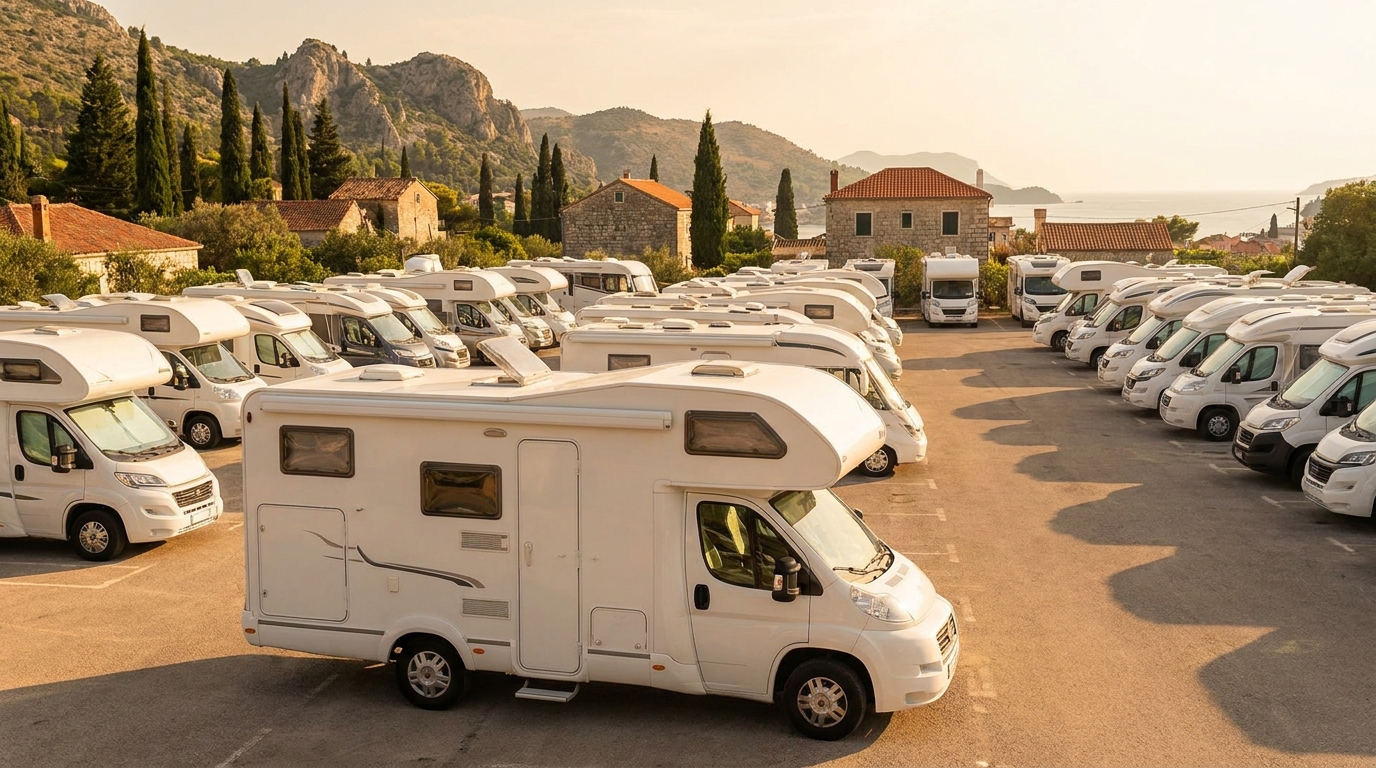
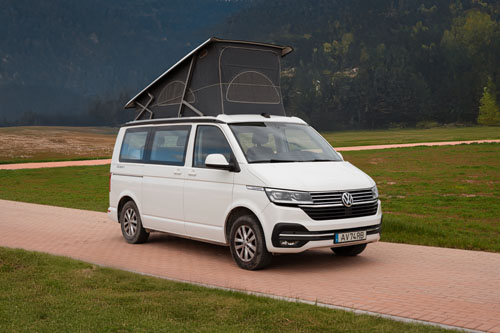
Choosing the right RV class is essential for navigating the diverse landscapes and charming, often narrow, roads of Southern Europe. For superior maneuverability, particularly in bustling historic towns and winding mountainous areas, Class B Camper Vans or Class SI Semi-integrated motorhomes are generally recommended. Class B Camper Vans, often averaging around 5.8 meters in length from Bandana's global fleet, offer excellent agility, easier parking, and better fuel economy, typically around 8-10 liters per 100 km, making them ideal for urban exploration and more remote boondocking. Class SI Semi-integrated RVs, averaging about 6.9 meters in length from Bandana's fleet, provide a comfortable balance of living space (often accommodating around 3.8 sleeping places) and handling, making them a suitable choice for couples or small families seeking both campsite amenities and some off-grid flexibility.
How to Save on Campgrounds in South Europe
Savvy RV travelers can significantly reduce their camping costs in Southern Europe by employing a few strategic approaches. Leveraging campground discount cards, such as ACSI or CampingCard International, which are often available through rental companies or can be purchased independently, can lead to substantial savings, especially when traveling during the shoulder seasons. Opting for municipal or regional campgrounds over larger private resorts typically provides more basic facilities at a lower price point, or consider exploring unique *agricampeggi* (farm stays) for an authentic and often more budget-friendly experience. Traveling during the shoulder seasons (spring and fall) not only means lower rates and fewer crowds but also generally more pleasant weather. Always inquire about weekly rates when booking for three or more nights, as these generally offer better value than nightly stays.
Is it worth renting an RV in Europe
Renting an RV in Southern Europe is widely considered a worthwhile endeavor for travelers seeking unparalleled freedom and flexibility to explore the continent's diverse landscapes at their own pace. By combining accommodation and transportation, an RV rental allows for spontaneous detours and the discovery of hidden gems inaccessible by other means. For families or groups, it can prove to be a highly cost-effective travel method, often reducing overall expenses compared to booking hotels and separate car rentals. The unique opportunity to immerse yourself more deeply in local cultures and natural beauty, waking up to stunning vistas and having the convenience of your own mobile living space, truly enhances the travel experience beyond conventional methods.
How much does it cost to rent an RV in Europe
The cost to rent an RV in Southern Europe varies significantly, with typical daily rates for a standard model ranging from €70 to over €200. This cost is influenced by factors such as the RV's class (campervan vs. larger motorhome), the rental duration, the season of travel, and the specific pick-up location. Beyond the base rental fee, it's essential to budget for additional expenses. These typically include fuel (diesel is common, with prices fluctuating but generally around €1.60-€2.00 per liter), road tolls which are prevalent in countries like France, Italy, Spain, Portugal, and Greece, campground fees that can range from €15 to €50 per night, and comprehensive insurance. Potential one-way rental charges may also apply depending on your itinerary. By utilizing free or low-cost overnight parking options and making use of your RV's kitchen for cooking meals, you can significantly reduce daily living expenses, making the overall trip more budget-friendly. For ideas you can prep on the road, watch our RV-friendly recipes playlist on YouTube.
What is the best time of year to RV in Europe
The shoulder seasons, specifically April to May and September to October, are generally considered the prime times to RV in Southern Europe. During these periods, you'll experience pleasant weather ideal for sightseeing and outdoor activities, fewer crowds at popular attractions and campgrounds, and generally lower prices for both RV rentals and campsite fees. While summer (June to August) offers warm weather perfect for beaches and water sports, it also brings peak season crowds, higher costs, and potentially extreme heat in some inland regions, making advance bookings absolutely essential. Winter travel (November to March) can be more challenging, particularly in mountainous regions where snow and road closures are common. However, it can be suitable for exploring warmer coastal areas or cultural cities, though be aware that many campgrounds operate with reduced services or may be closed during these months.
What is the best way to travel around Europe by motorhome
The most effective way to travel around Southern Europe by motorhome involves a blend of thorough route planning, a solid understanding of local driving laws, and the flexibility to adapt your itinerary as you go. Prioritize using a reliable GPS unit that offers RV-specific routing to help you avoid ZTLs (Limited Traffic Zones) and unsuitable roads, which are common in historic city centers. Securing a local SIM card for your mobile device is highly recommended for consistent mobile internet access, which is invaluable for navigation and research. Utilizing apps like Park4Night can be extremely helpful for identifying verified overnight stops and service points across different countries. For families, consider an RV with ample sleeping berths and storage, such as Bandana's Class C Alcove models which average around 5.8 sleeping places, and research pet-friendly campgrounds and specific country regulations if traveling with animals to ensure cultural respect and a smooth journey.
What do I need to know about driving an RV in Europe
Driving an RV in Southern Europe requires careful attention to specific local regulations and a keen awareness of the driving environment. Be prepared for narrower roads than you might be accustomed to, especially in historic towns and mountainous areas. It is crucial to be vigilant for ZTLs (Limited Traffic Zones), which are prevalent in Italian city centers and can lead to significant fines if entered without proper authorization; always research these zones for your planned destinations and use an RV-specific GPS to help navigate them. Additionally, factor in the widespread use of road tolls, which are common in France, Italy, Spain, Portugal, and Greece, and ensure your vehicle uses the correct fuel type, which is typically diesel, paying attention to variations in pump colors and names across different countries.
Can you camp anywhere in South Europe
No, wild camping and unregulated overnight parking are largely prohibited or heavily restricted across most Southern European countries, particularly in popular tourist areas, protected natural parks, and coastal regions. While some countries, like Portugal, have recently updated their laws to allow for more flexibility in certain areas, and Italy has specific rules for *aree di sosta* (rest areas), it is generally best to err on the side of caution. Discreet stealth camping may occasionally be tolerated in unmarked, non-private areas for a single night if done without causing disturbance, but it always carries the risk of encountering fines or local enforcement. It is always advisable to seek out designated campgrounds, *aires de services*, or *agricampeggi* for legal and safe overnight stays to avoid potential legal issues and ensure access to necessary facilities.
Where can I park my RV in Italy for free
Finding truly free and legal RV parking in Italy often involves searching for designated *aree di sosta* (rest areas), which may offer basic services like water or waste disposal, or looking for discreet overnight parking in non-restricted public spaces away from crowded tourist centers. It is absolutely crucial to avoid parking within ZTLs (Limited Traffic Zones) in Italian cities, as these areas are heavily monitored by cameras and will result in significant fines. Always check local signage and utilize up-to-date GPS systems to help identify these zones. Consider alternative options like *agricampeggi* (farm stays), which typically charge a minimal fee for a unique and often more welcoming experience, or use apps like Park4Night to discover community-shared parking spots that might be free or low-cost across the country.
Are motorhomes allowed everywhere in Europe
No, motorhomes are not universally allowed everywhere in Europe. Access can be restricted by vehicle size and weight limits, environmental zones within cities, and specific local regulations such as ZTLs (Limited Traffic Zones) commonly found in urban areas, particularly in Italy. It is essential to research country-specific road rules, understand their toll systems, and be aware of urban environmental zones before you travel, as restrictions can vary significantly even within Southern Europe. Furthermore, being mindful of cultural nuances and local etiquette – such as parking respectfully, disposing of waste properly, and minimizing noise – contributes to a positive experience and helps maintain good relations with local communities.
Is it safe to wild camp in Europe
Wild camping in Southern Europe carries inherent risks, including potential fines for violating local regulations, increased vulnerability to theft, and exposure to natural hazards like wildfires or sudden storms, making designated campgrounds generally a safer and more legal option. To enhance personal safety if you choose to attempt permitted or tolerated wild camping, it's advisable to select well-lit, non-isolated areas, avoid leaving valuables visible inside your RV, and always inform someone of your intended location. Always be aware of local emergency numbers (112 is the universal emergency number for all EU countries), carry a comprehensive first-aid kit, and stay informed about environmental conditions, especially during fire season or in areas prone to flash floods.
Is it easy to find RV parks in Europe
Yes, it is generally quite easy to find RV parks and designated camping areas throughout Southern Europe, particularly in tourist-heavy regions and along popular travel routes. You'll discover a wide spectrum of options, ranging from basic service points known as *aires* to full-service resorts. To aid your search, utilize online resources and apps like ACSI, Camping.Info, Park4Night, and Google Maps, which offer comprehensive listings, user reviews, and sometimes real-time availability information for campsites and service points. While finding service points for essential needs like water refills, waste disposal, and electricity hookups is usually straightforward at designated campgrounds and dedicated *aires*, it's always wise to plan ahead in more remote areas or during the off-season when some facilities may operate with reduced hours or be closed entirely.
How much does it cost to stay in an RV park in Europe
The cost of staying in an RV park in Southern Europe typically ranges from €15 to €50 per night, with the final price depending on the location, the season, the specific amenities included, and the size of your pitch. Basic municipal campgrounds or dedicated *aires de services* generally fall on the lower end of this spectrum, offering essential facilities at a more affordable rate. In contrast, private resorts that boast extensive facilities such as swimming pools, entertainment programs, and enhanced services will naturally be at the higher end of this price range. Always take the time to check what is included in the base price, as some parks may charge extra for electricity, hot showers, or additional occupants, and look out for discount cards or weekly rates that can help reduce costs on longer stays.
What You Shouldn't Miss
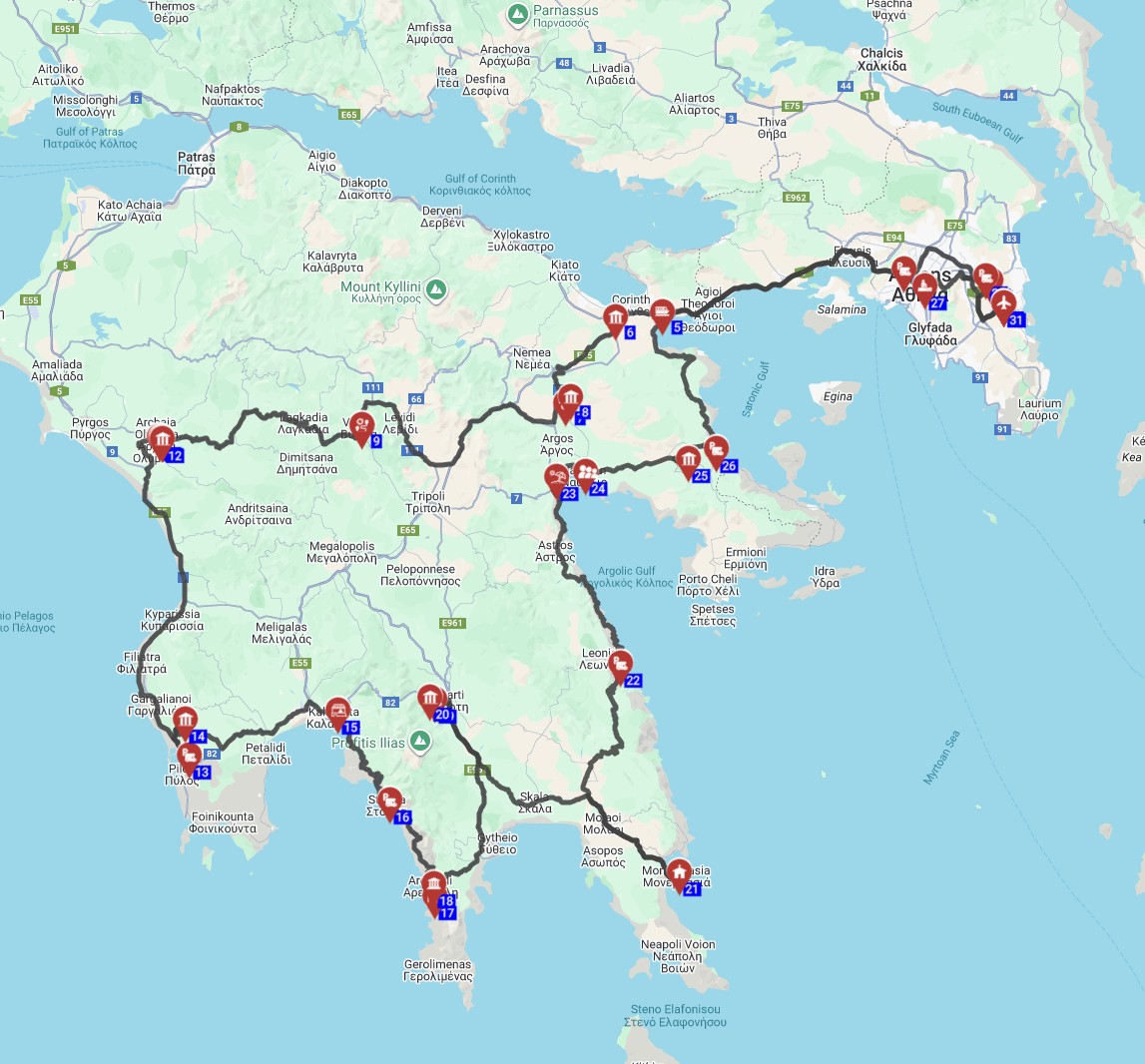
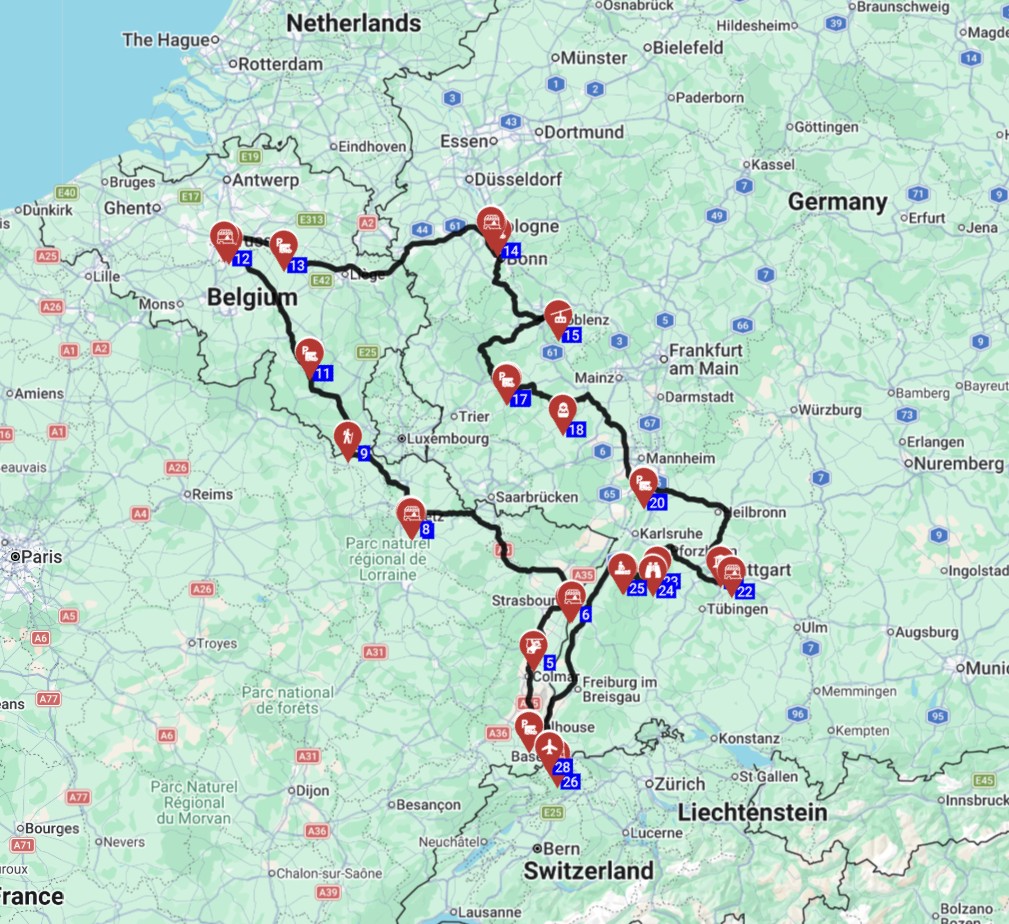
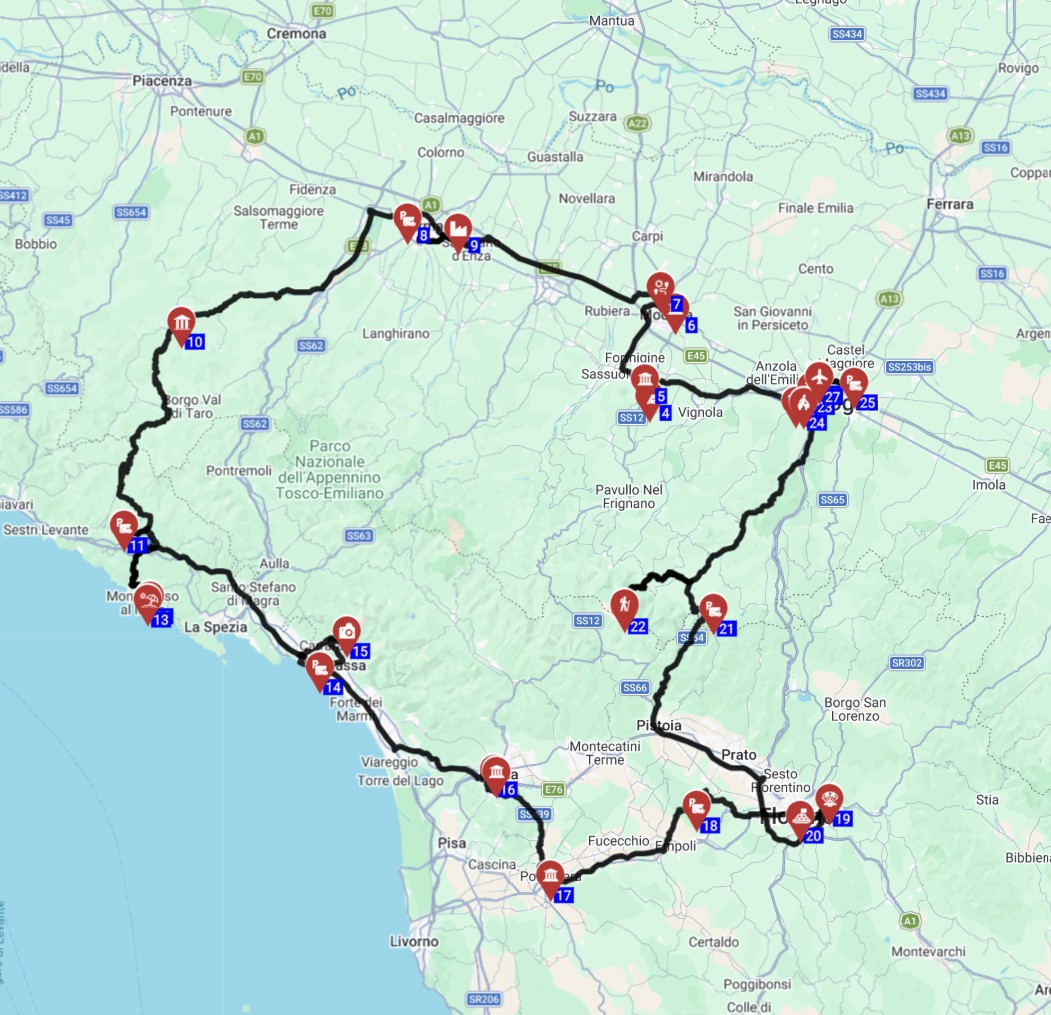
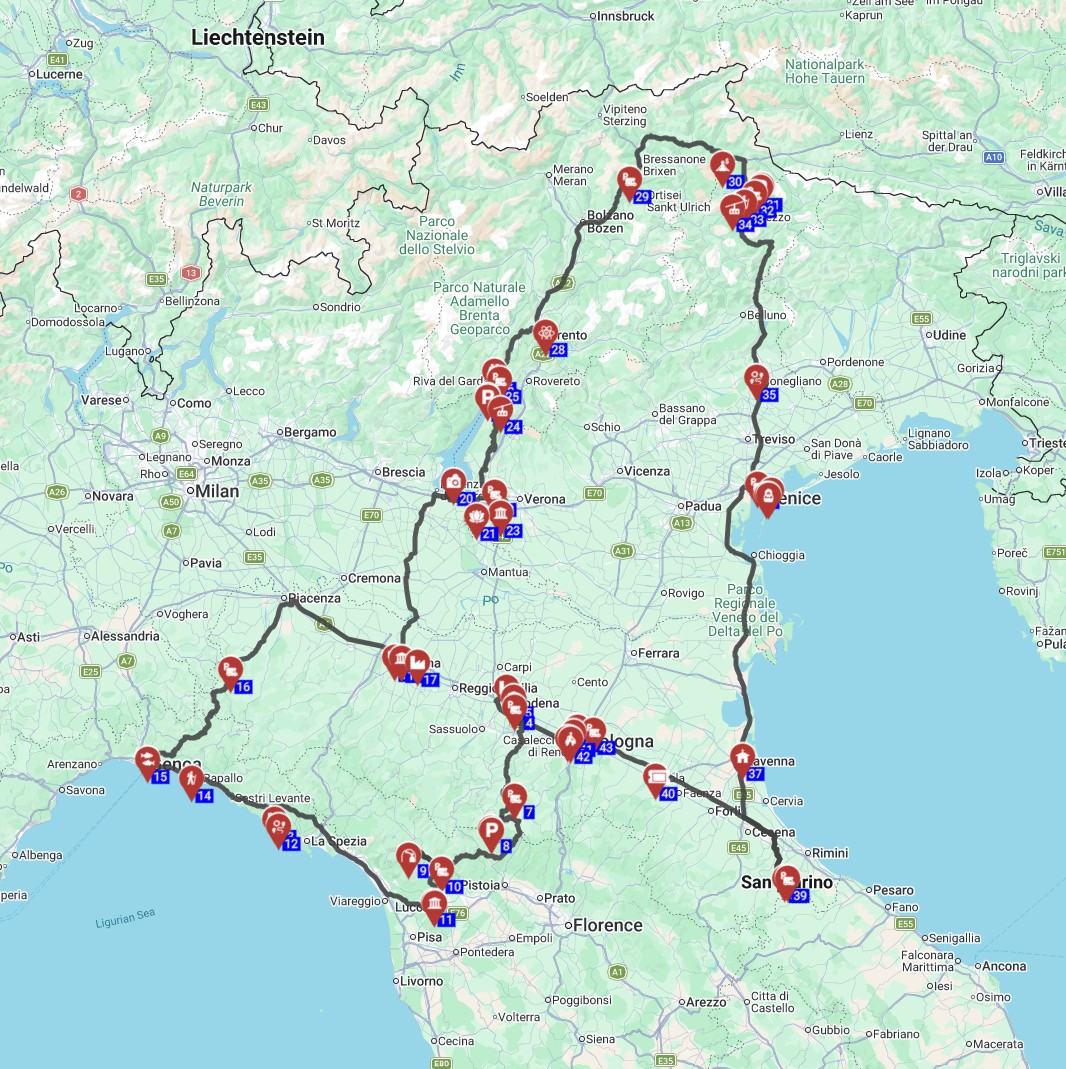
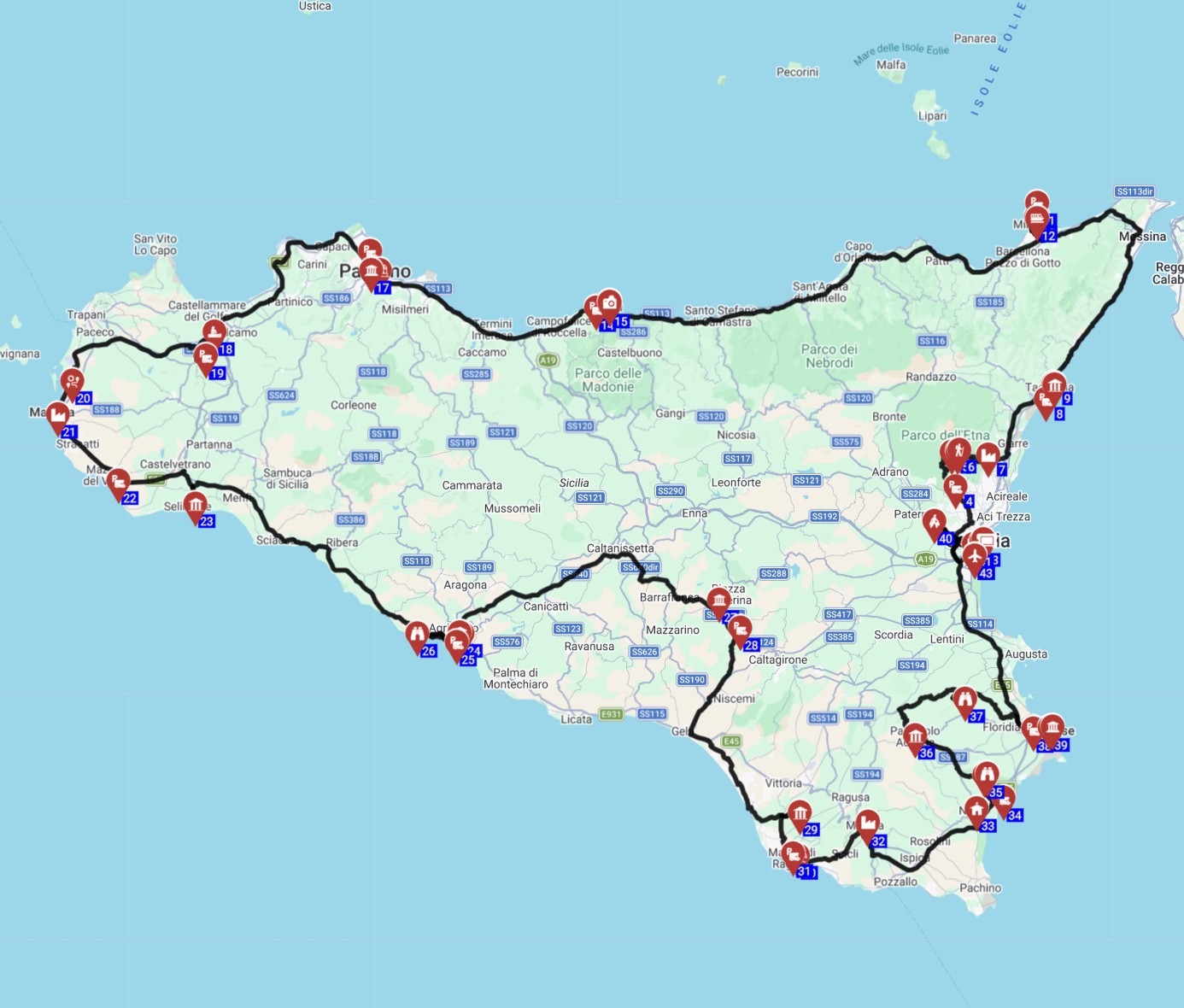
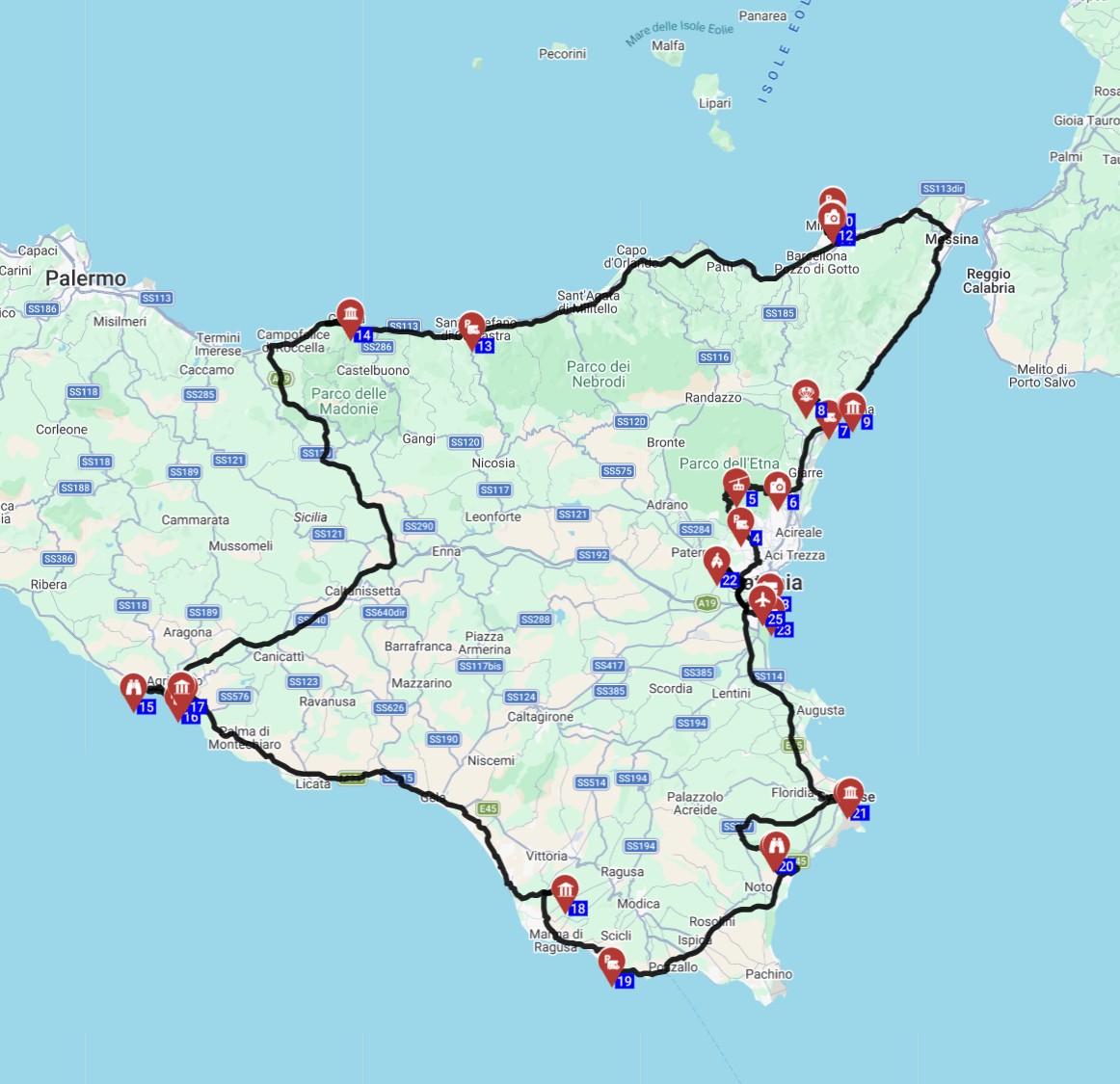
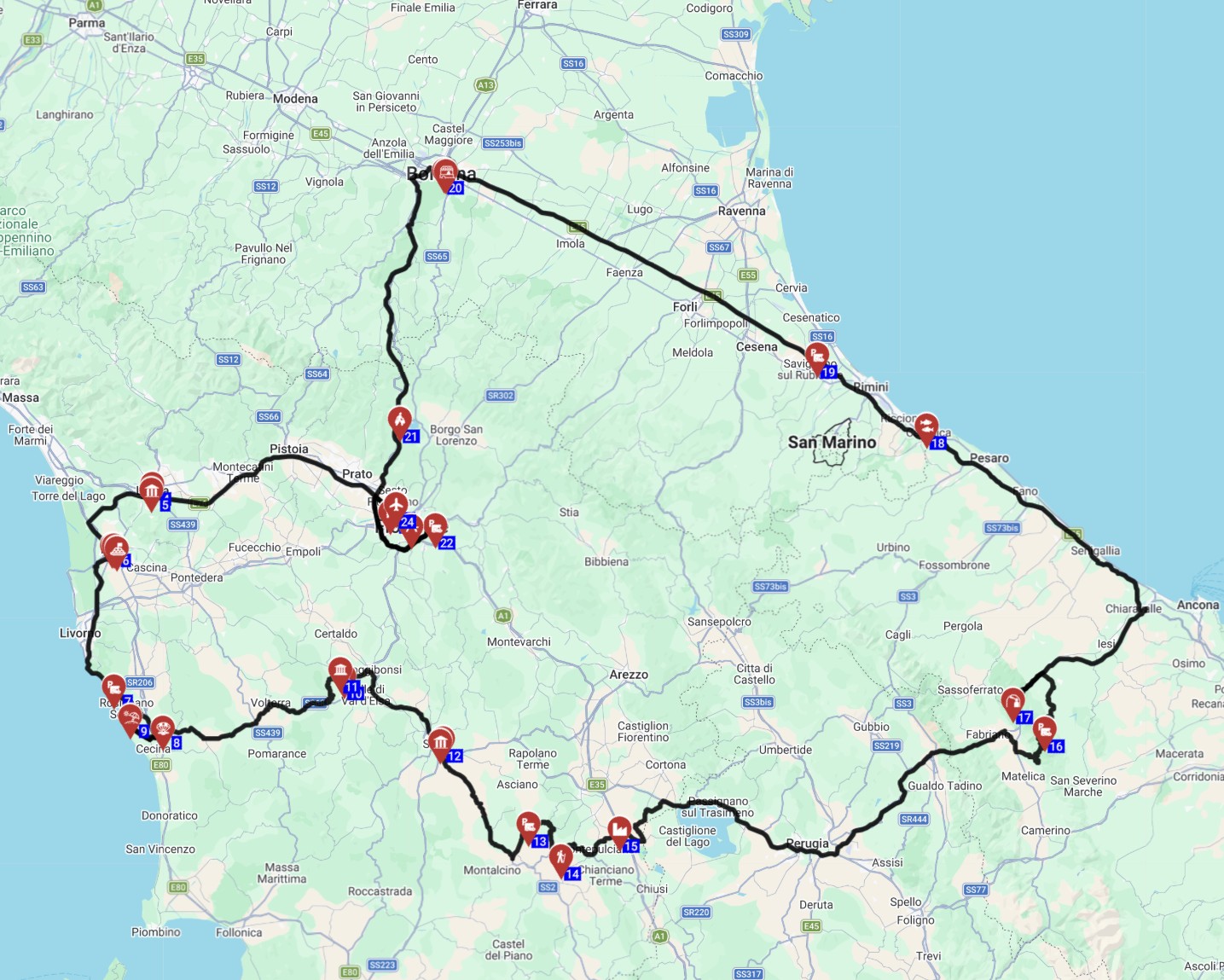
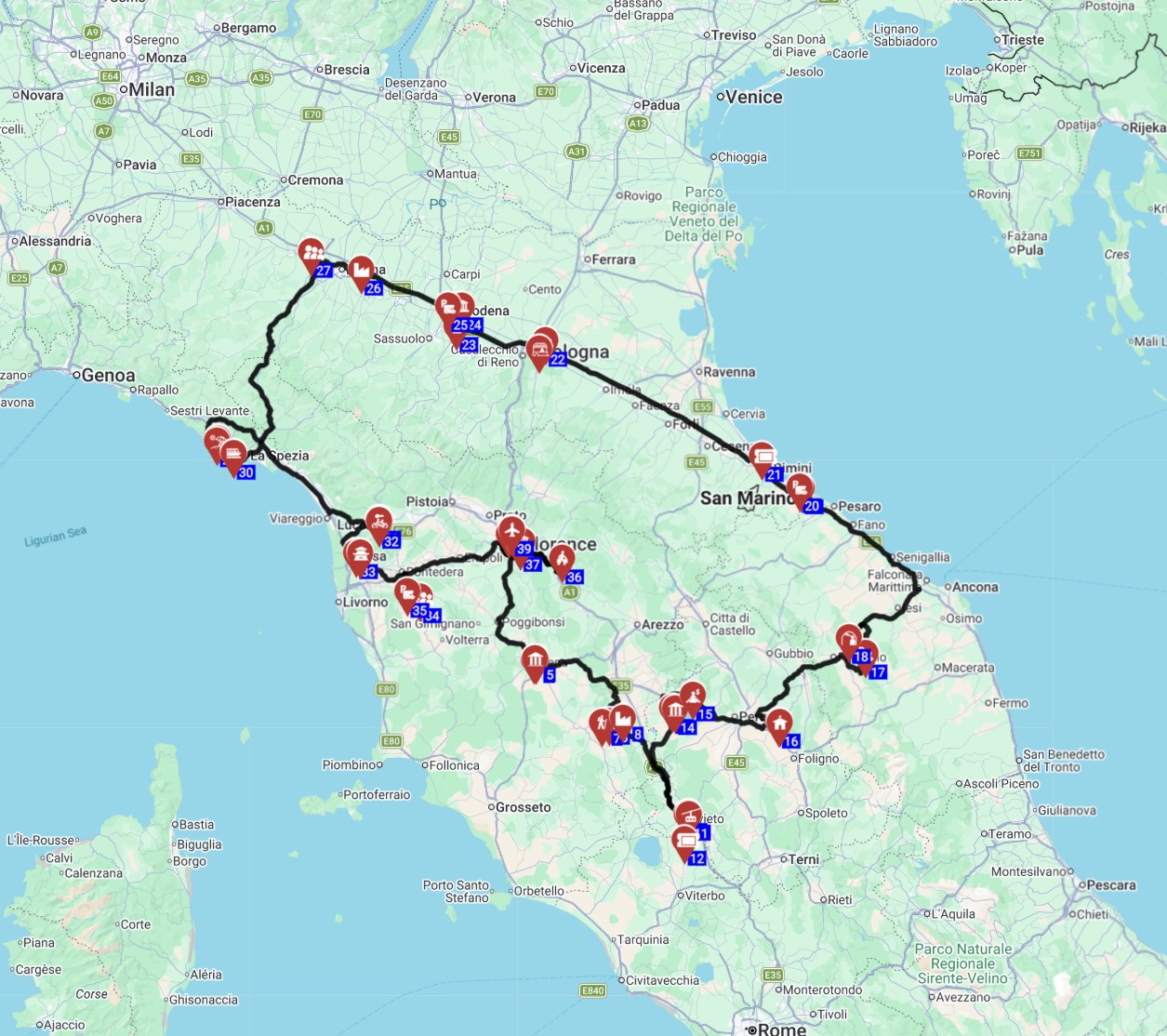
Coastal Drive on the Algarve, Portugal: Explore scenic routes along the dramatic cliffs and golden beaches of Portugal's southern coast, stopping at charming fishing villages.Tuscan Vineyards & Hill Towns, Italy: Wander through the rolling hills of Tuscany, visit medieval hilltop towns like San Gimignano or Siena, and indulge in local wines and cuisine.Dalmatian Coast Exploration, Croatia: Island-hop along Croatia's stunning coastline, visit historic cities like Split or Dubrovnik, and enjoy crystal-clear Adriatic waters.French Riviera Charm: Experience the glamour of the French Riviera, from the vibrant cities of Nice and Cannes to the picturesque perched villages of the Côte d'Azur.Ancient Wonders of Greece: For history buffs, an RV trip can include visiting ancient sites like the Acropolis in Athens or exploring the Peloponnese peninsula with its rich historical tapestry.Scenic Mountain Routes: Venture into the Pyrenees or the Alps for breathtaking mountain drives, offering cooler temperatures and stunning vistas, especially in the shoulder seasons.
Why Book with Bandana Caravan
Choosing Bandana Caravan for your RV rental needs means opting for transparency, expertise, and unparalleled support. As true RV specialists, not just a side department of a travel agency, we are dedicated to making your motorhome adventure seamless and enjoyable. We pride ourselves on offering full transparency with no hidden fees or surprises, so you know the exact cost upfront. Our commitment extends beyond booking, with real people available to provide support. For added peace of mind, you can upgrade to our top-level deductible reimbursement, allowing you to travel with confidence.
With over 25 years of experience helping tens of thousands of travelers explore the world by RV, we've built direct partnerships with more than 50 leading RV suppliers worldwide, including renowned names like El Monte, Cruise America, Apollo, and Britz. This allows us to offer bookings in over 30 currencies with complete price transparency. We've curated over 1,300 pre-planned routes across 5 continents through our sister company, RV PLANET (rvplan.net), simplifying your journey planning. Our coverage spans more than 50 countries, backed by local expertise and dedicated support, ensuring you have a reliable partner every step of the way.
"We sell the way we'd like to buy – with honesty. No hidden fees, no surprises, no tricks or gimmicks. What you see is what you get."
— Avi Bandana, Founder of Bandana Caravan
"Life is now!"
About the Author
Avi Bandana is the founder and CEO of Bandana Caravan , one of the world's leading RV rental comparison platforms. With over 25 years of hands-on experience in the motorhome travel industry, Avi has personally visited hundreds of destinations and tested countless RV models across 5 continents. His mission: make RV travel accessible, transparent, and joyful for everyone.
Final Thoughts
Embarking on an RV adventure through Southern Europe offers an unparalleled opportunity to explore diverse cultures, stunning landscapes, and charming towns at your own pace. From the sun-kissed coasts to the majestic mountains, a rented RV provides the perfect blend of freedom and comfort.
Remember to plan ahead, especially for peak seasons, and familiarize yourself with local regulations to ensure a smooth journey. With the right preparation and the flexibility that RV travel provides, your Southern European exploration promises to be an unforgettable experience, filled with discoveries and cherished memories. Get inspired for your next trip, and discover top destinations and planning tips all in one place!
Ready to start planning your dream RV trip? We compare final prices across 50+ suppliers so you don't have to. For finding campsites and campgrounds during your trip, check out RV PLANET (rvplan.net) — a great tool for locating available spots along your route.
All the information is based on public information on the web.
All imagery sourced under Creative Commons licenses with attribution provided.
Always check trail conditions and opening hours before travel.