In This Guide
- Where to Camp in Scandinavia — Top Options
- Campground Types in Scandinavia (National, Private, Wild)
- Featured RV Park or Campground in Scandinavia
- Hookups & Amenities — What to Expect
- Booking Windows & Reservations in Scandinavia
- Nearby Supermarkets & Resupply Points
- Best RV Class for Camping in Scandinavia
- How to Save on Campgrounds in Scandinavia
- How Much Does an RV Trip to Scandinavia Cost - Budget Breakdown
- What are the RV Regulations for Crossing Borders and Driving in Scandinavian Cities?
- How to Navigate Scandinavian Roads - Ferries, Tunnels, and Mountain Passes
- What are the Best Times to RV Camp in Scandinavia and What are the Challenges?
- How is Connectivity and RV Servicing in Remote Scandinavian Areas?
- What Local Etiquette and Cultural Norms Should RVers Know in Scandinavia?
Where to Camp in Scandinavia — Top Options
Scandinavia offers diverse RV camping experiences, from coastal campsites in Norway to tranquil forest clearings in Sweden and lakeside spots in Finland, catering to both developed site preferences and wild camping aspirations.
Coastal Norway provides dramatic landscapes and fjord access, ideal for scenic drives. Many campgrounds are situated to maximize these views, often with direct access to hiking trails or water activities. Sweden's vast forests and lakes offer serene, often secluded camping opportunities, frequently leveraging the 'Allemansrätten' (Right to Roam) for more dispersed and free camping experiences. Finland's Lakeland region and numerous national parks are perfect for nature enthusiasts, with many sites offering facilities geared towards enjoying the outdoors, from swimming access to fishing spots.
The availability of a mix of well-equipped private campgrounds, more basic national park sites, and extensive designated wild camping zones means RV travelers can tailor their experience to their desired level of comfort and adventure. For those seeking a comprehensive Scandinavian road trip, our guide RV Rental Scandinavia - Complete Guide 2026 provides an excellent starting point for planning.
Campground Types in Scandinavia (National, Private, Wild)
Scandinavia's RV camping options range from well-equipped private campgrounds to rustic national park sites and extensive opportunities for legal wild camping under 'Allemansrätten' in Sweden, Norway, and Finland, each with specific rules and amenities.
Allemansrätten (The Right to Roam): This fundamental right allows temporary overnight stays (typically 1-2 nights) in non-cultivated land without permission, provided no damage is caused and privacy is respected. This is a core aspect of wild camping in Sweden, Norway, and Finland.
Allemansrätten Nuances & Restrictions for RVs: While generally permitting tent camping, its application for larger RVs is more restricted. RVers cannot park or camp within sight of private houses, on cultivated land, in national parks (unless designated), or on private roads without permission. Waste disposal must be responsible, leaving no trace. Fire rules are strict; fires are often prohibited during dry periods and always require caution, never leaving them unattended. For those planning their adventure, understanding these nuances is key to responsible travel; our guide, Cheap RV Rental in Scandinavia - Budget Guide 2026, offers tips on cost-effective travel that respects these rules.
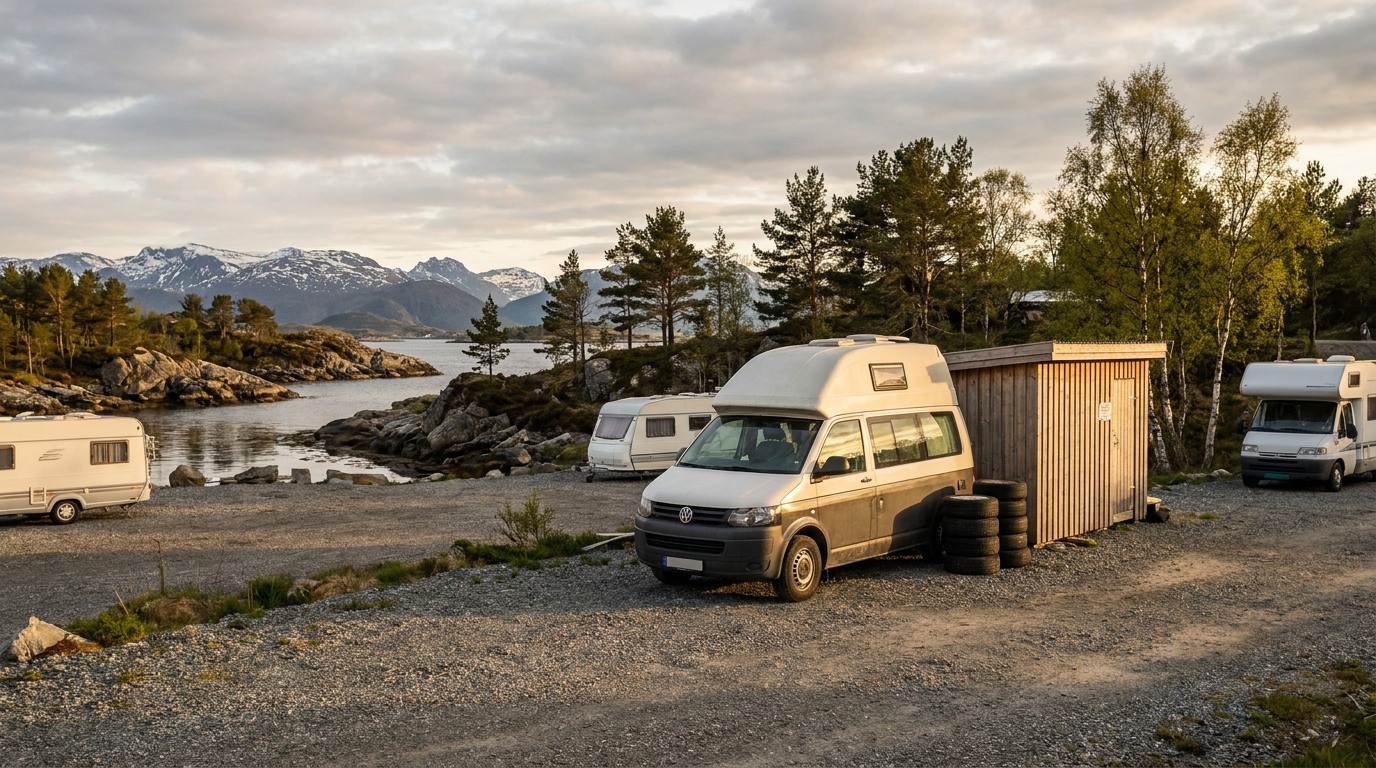
Private Campgrounds: These are typically found near tourist attractions and cities, offering comprehensive amenities such as electricity, fresh water, grey/black water disposal, showers, laundry, and often on-site shops or restaurants. They provide a reliable and comfortable option for RVers.
National Park Campgrounds: Often more basic and designed for tents or smaller vehicles, these sites may require pre-booking or permits and are subject to stringent environmental protection rules. Availability for larger RVs can be limited, so checking in advance is recommended. For a broader understanding of the region, consider RV Rental Europe - Complete Guide 2026.
Wild Camping/Freedom Camping: Beyond Allemansrätten, some areas (especially in Norway) have designated informal spots. Always look for local signs, respect private property, and be prepared to be fully self-sufficient. For larger RVs, finding suitable, legal, and level wild camping spots can be more challenging than for smaller camper vans. If you're looking for spontaneous adventures, exploring options through RV PLANET (rvplan.net) can help you locate available sites.
Featured RV Park or Campground in Scandinavia
When selecting an RV park in Scandinavia, look for establishments that provide a balance of natural beauty, essential amenities, and convenient access to local attractions, ensuring a comfortable and memorable stay.
Prioritize campgrounds located near major points of interest like fjords, national parks, or cultural sites for ease of access to your desired experiences. Many offer stunning views and proximity to popular activities, making the journey more efficient. Check for availability of hookups (electricity, water, grey/black water disposal) and additional facilities such as modern shower blocks, laundry services, and on-site provisions to ensure your needs are met.
Reviews and ratings from other RVers can offer valuable insights into cleanliness, staff friendliness, and overall atmosphere, helping you choose the best fit for your travel style. Consider family-friendly campgrounds with playgrounds or recreational activities if traveling with children, or quieter sites if seeking solitude and connection with nature.
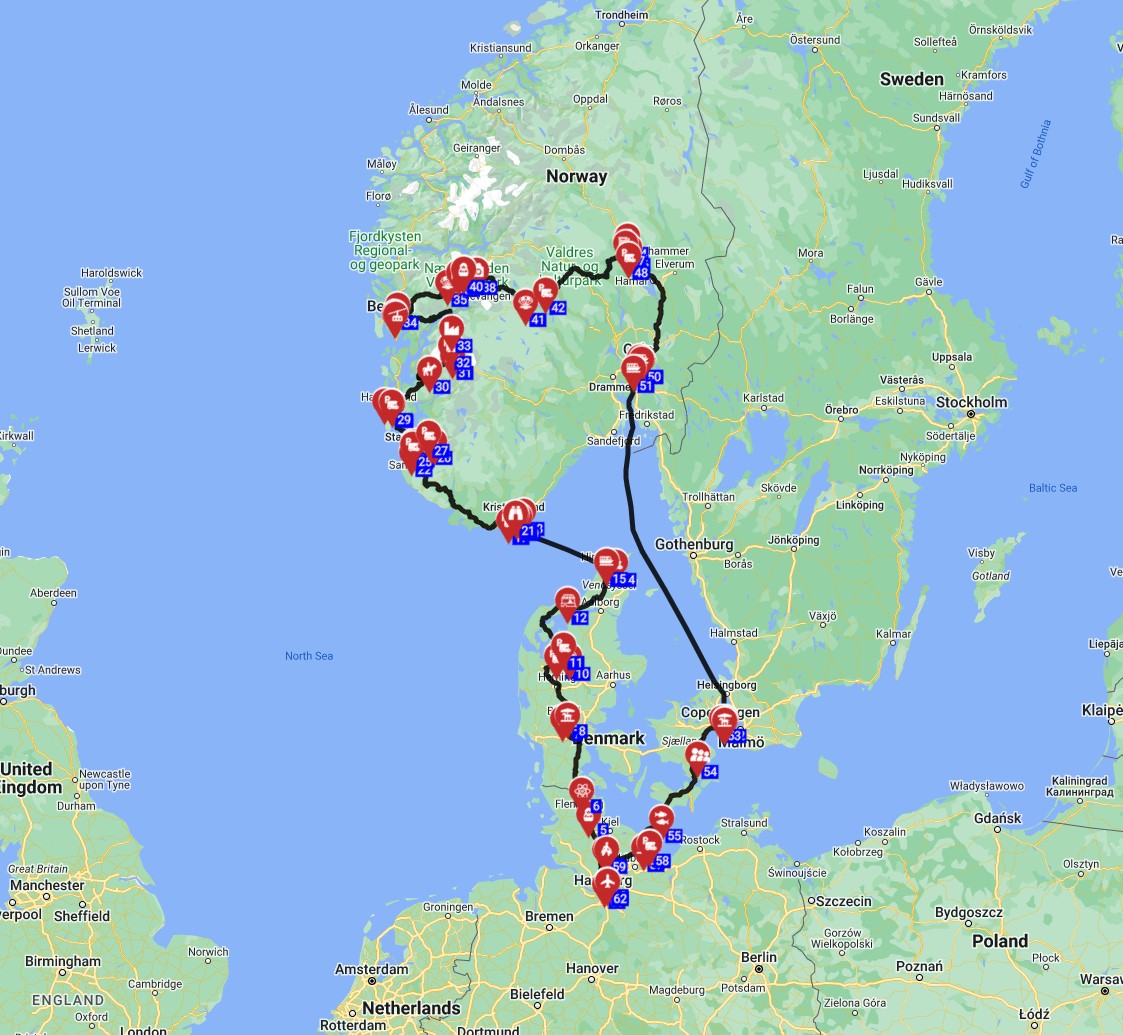
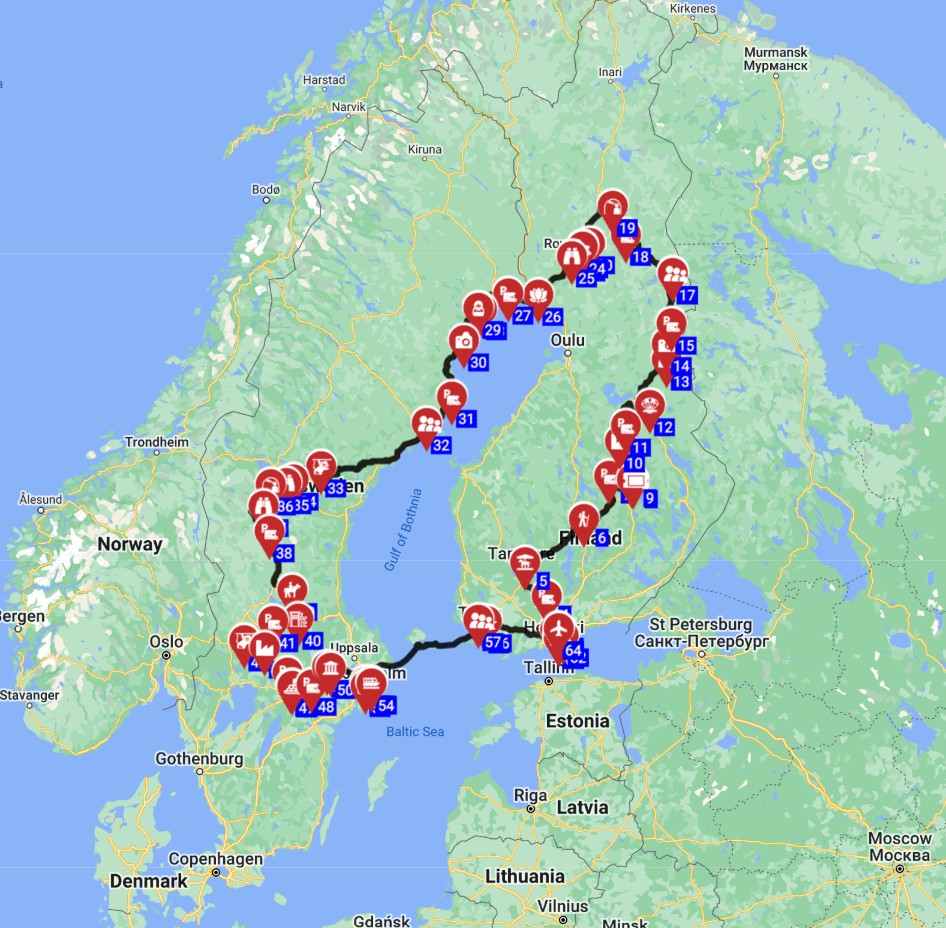
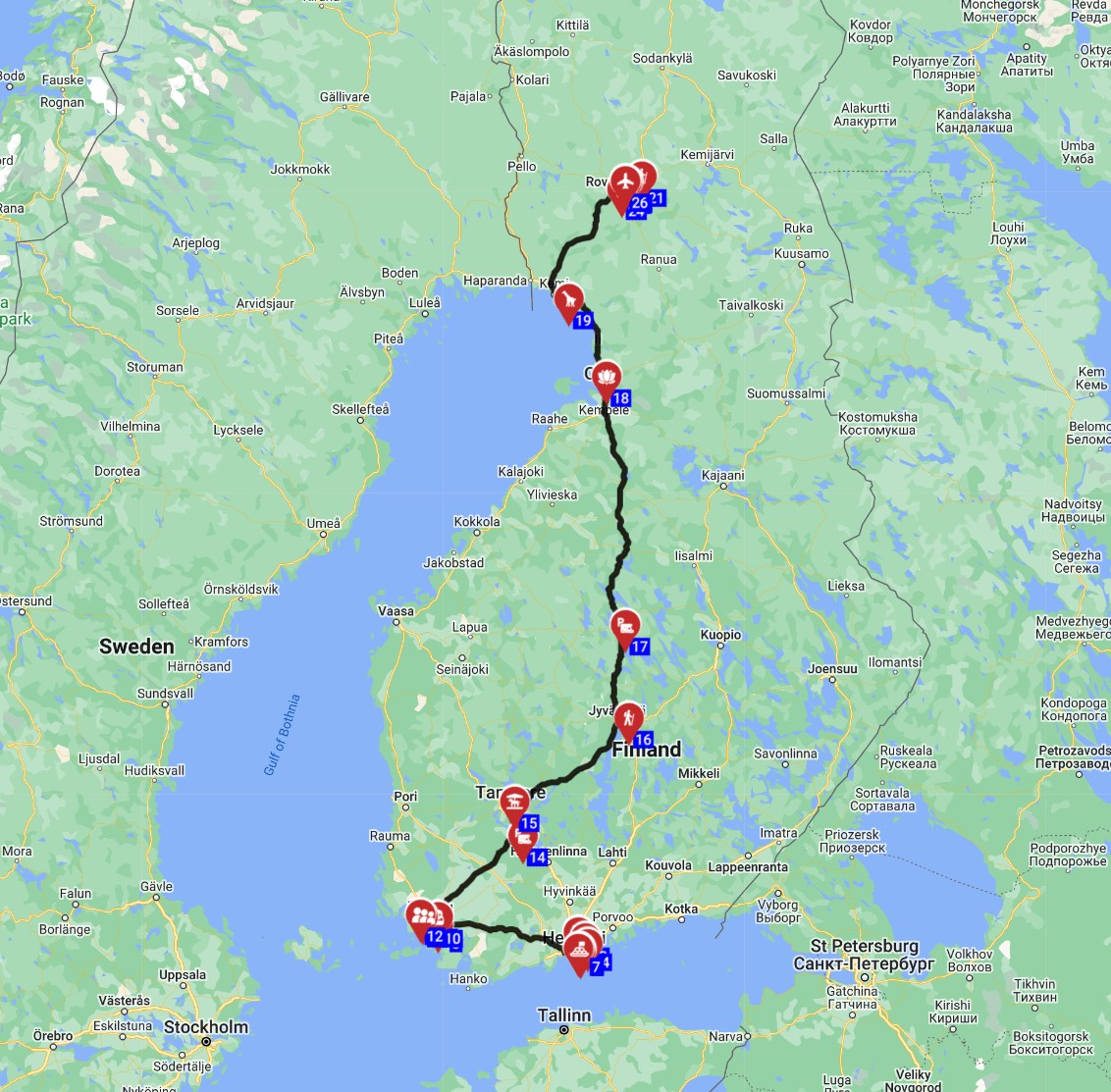
For those planning specific routes, the Lulea Round trip - Timeless Scandinavia: Fjords, Forests, and History offers a 15-day itinerary covering 2910 km, featuring numerous attractions and natural wonders that can guide your campground choices.
Hookups & Amenities — What to Expect
Scandinavian campgrounds typically offer a good range of hookups and amenities, including electricity, fresh water, and waste disposal, with specific standards that RVers should be aware of.
Electricity: The standard voltage is 230V, 50Hz. Campgrounds usually provide CEE 17 (blue industrial plug) sockets for RVs; ensure you have the correct adaptors, such as a CEE 7/4 (Schuko) or CEE 7/7 (hybrid) adaptor, if your RV requires one. This ensures consistent power for your onboard systems.
Water: Fresh, potable water taps are widely available at most official campgrounds for refilling your RV's tank, unless explicitly marked otherwise. This makes staying hydrated and managing onboard water supply straightforward.
Dump Stations: Dedicated facilities for grey and black water disposal are standard at nearly all official campgrounds, crucial for responsible waste management and environmental protection. Many also offer fresh water refill points. On the routes offered through RV PLANET routes, you can itemize and track every expense along the way for easy budgeting.
Wi-Fi: Internet access is increasingly common, offered either free or for a fee, though signal strength and reliability can vary, especially in more remote locations. For those needing constant connectivity, a local SIM card with a data plan is advisable.
Laundry & Showers: Hot showers and laundry facilities (washing machines and dryers) are almost universally available, often coin-operated or included in the nightly rate, adding to the convenience of longer stays.
Booking Windows & Reservations in Scandinavia
For RV camping in Scandinavia, especially during peak summer months (June-August), it is advisable for planners to book popular campgrounds well in advance, while spontaneous travelers can often find spots by calling ahead or arriving early.
Peak Season (June-August): Popular coastal, fjord-side, and national park campgrounds, particularly in Norway and iconic spots in Sweden/Finland, should be booked 2-6 months in advance to secure a spot. This is especially true for sites with sought-after views or prime locations.
Shoulder Season (May, September): It is generally easier to find available spots during these months; booking a few weeks prior or even on the day of arrival is often sufficient, offering more flexibility for spontaneous trips. You can often save on rental costs by traveling during these periods; consult "Cheap RV Rental in Scandinavia - Budget Guide 2026" for more savings tips.
National Park Rule: Many national park campgrounds typically release only 25%-30% of their spots for online reservations, with the remaining majority available on a first-come, first-served basis, favoring early arrivals. This means arriving early in the day is often key if you haven't pre-booked.
Spontaneous Travel: For last-minute plans, always call ahead to confirm availability, especially when arriving late or targeting a specific, busy location. This can save you a potentially long drive to a full campground.
Reassurance: You will almost certainly find a place to camp – if not at your first choice campground, then usually at the next within a reasonable driving distance. Planning with resources like RV PLANET (rvplan.net) can help identify alternative options along your route.
Nearby Supermarkets & Resupply Points
RV travelers in Scandinavia will find numerous supermarkets for resupply, even in relatively remote areas, making it easy to stock up on groceries and save on dining costs.
Major Chains: Look for prominent supermarket chains such as Rema 1000, Kiwi, Coop, and Meny in Norway; ICA, Coop, and Willys in Sweden; and S-Market, K-Market, and Lidl in Finland. These are widely distributed in towns and cities, with smaller, more localized versions often found in rural villages along popular tourist routes.
Stocking your RV's kitchen with groceries and preparing your own meals is a significantly more cost-effective approach compared to consistently dining out, which can be expensive in Scandinavia. Consider visiting local farmers' markets, especially during the summer, for fresh, seasonal produce and regional specialties to enhance your culinary experience. For ideas you can prep on the road, watch our RV-friendly recipes playlist on YouTube.
Best RV Class for Camping in Scandinavia
For RV camping in Scandinavia, Class B Camper Vans and Class SI Semi-integrated motorhomes are often ideal choices, balancing maneuverability on narrow roads with comfortable living space.
Class B - Camper Van: These are highly maneuverable for winding fjord roads and city access, suitable for couples or small families, and excellent for wild camping due to their compact size and ease of parking. A typical Bandana Class B Camper Van averages 5.8m in length, sleeps 3.2 people, and consumes around 10 Liters/100 km.
Class SI - Semi-integrated: Offering more interior space, a fixed bed, and additional amenities, these are still relatively fuel-efficient and manageable on varied Scandinavian terrain compared to larger classes. Bandana's global fleet averages these at 6.9m in length, sleeping 3.8 people, with fuel consumption of 10-11 Liters/100 km. For example, the "2 Berth Tamar" model provides comfort and practicality for couples.
Considerations for Larger RVs: Larger Class C Alcove (averaging 7.5m) and Class A Integrated (averaging 7.5m) offer generous living space but can pose challenges on smaller roads, during ferry crossings (due to length-based pricing), and when navigating urban areas or parking. Smaller RVs generally benefit from better fuel economy, which is a significant factor given the higher fuel prices across Scandinavia. If considering a larger vehicle, the "Jayco Atlas" (often around 7.4m, sleeping 4) might be a suitable option for families needing more space.
How to Save on Campgrounds in Scandinavia
Saving on campground costs in Scandinavia is achievable through various strategies, including utilizing discount cards, opting for shoulder season travel, and favoring municipal or regional sites over luxury resorts.
Rent-Motorhome Campground Discount Cards: Inquire with your rental provider about any affiliated campground discount cards (e.g., Camping Key Europe CKE) as these can provide significant savings on nightly rates at participating campgrounds. These cards often offer discounts on services and amenities too.
Travel During Shoulder Season: Visiting in May, early June, or September often results in lower campground rates, fewer crowds, and more availability compared to the peak summer months. This can be a significant saving on overall trip costs.
Embrace Wild Camping (Allemansrätten): Where legally permitted and practiced responsibly, wild camping (free of charge) can drastically reduce accommodation expenses, offering substantial 'campgrounds vs. wild camping savings'. Ensure you understand and respect 'Allemansrätten' guidelines regarding private property and duration of stay.
Choose Municipal/Regional Campgrounds: These often provide essential amenities at a more affordable price point than larger, privately-owned resort-style parks, making them a great budget-friendly option. They can also offer a more authentic local experience.
Longer Stays: Many campgrounds offer discounted weekly rates or special prices for stays of 3+ nights, making extended visits more economical and encouraging slower travel.
How Much Does an RV Trip to Scandinavia Cost - Budget Breakdown
An RV trip through Scandinavia can be tailored to various budgets, but generally involves significant costs for fuel, road tolls, and ferries, which should be thoroughly factored into planning.
Fuel Costs: Expect fuel prices to be among the highest in Europe; diesel is widely available and generally more economical. Average fuel consumption for Bandana's Class B Camper Vans is around 10 Liters/100 km, and for Class SI Semi-integrated RVs, it's 10-11 Liters/100 km. Budget approximately $1.80–$2.20 USD per liter for planning.
Road Tolls: Norway has an extensive automated photo toll system (AutoPASS); visitors typically register their vehicle online (e.g., EPC PLC) or charges are automatically sent to the rental company. Sweden and Denmark have some city tolls and environmental zones, while Finland has no general road tolls. Factor in roughly $100–$300 USD for tolls depending on your route.
Ferries: These are integral to travel, especially in Norwegian fjord regions and for island hopping. Costs vary significantly based on vehicle length, number of passengers, and route; budget $20–$100 USD per ferry crossing for smaller routes, potentially more for major ones. Pre-booking may be advisable for popular routes to secure passage.
Food: Groceries are generally expensive but preparing meals in your RV is substantially cheaper than dining out regularly, which can be a major budget saver. A weekly grocery budget for two could range from $150–$250 USD.
Campgrounds: Expect to pay €20-€50 per night for a well-equipped site, depending on location and amenities. Wild camping, where legal under Allemansrätten, is free. For finding these options and tracking expenses, RV PLANET routes can be invaluable.
Other Expenses: Budget for attractions, activities, and potential public transport costs if visiting city centers. A moderate daily budget for activities might be $50–$100 USD per person.
What are the RV Regulations for Crossing Borders and Driving in Scandinavian Cities?
RVers in Scandinavia must adhere to specific regulations concerning border crossings, city access, and vehicle requirements, including environmental zones, winter tire mandates, and appropriate driving licenses for larger vehicles.
Border Crossings: Travel between Norway, Sweden, and Finland (all Schengen Area countries) is typically seamless with routine ID checks. The Øresund Bridge connects Denmark and Sweden, with tolls applicable. Ensure your rental agreement permits international travel if planning to cross borders.
City Access & Environmental Zones: Many Scandinavian cities (e.g., Oslo, Bergen, Stockholm, Gothenburg, Copenhagen) have environmental zones (miljøsoner/miljözoner) that restrict access for older or more polluting vehicles, often requiring specific vehicle standards or payment. Parking for RVs in city centers can be challenging and expensive; utilizing park-and-ride facilities or public transport is often more practical. For instance, a Class B Camper Van, like the "2 Berth Rover," offers better maneuverability in urban settings.
Winter Tires: Legally required in Norway and Sweden during specific winter periods (typically October/November to April/May). Studded tires are permitted within these periods. Finland also has mandatory winter tire use. Always check current dates and conditions before winter travel. Ensure your rental RV is equipped appropriately for the season.
Driving Licenses: A standard B-class license is sufficient for RVs up to 3,500 kg (common for Class B and some Class SI). For heavier RVs (often larger Class C/A), a C1 or C license may be required. Verify your rental RV's maximum laden mass (MLM) against your driving license entitlements. For example, many of Bandana's Class SI Semi-integrated motorhomes like the "2 Berth Tamar" fall within the standard B-license category.
Road Tax: For foreign-registered RVs, road tax is usually handled by the rental company, but be aware of any temporary registration or usage fees that might apply, especially in Norway where toll collection is automated.
How to Navigate Scandinavian Roads - Ferries, Tunnels, and Mountain Passes
Navigating Scandinavia's unique road infrastructure, particularly in Norway with its extensive ferry systems, numerous tunnels, and dramatic mountain passes, requires careful planning and awareness of local conditions.
Ferry Systems: Especially prevalent in Western Norway, many ferries operate as integral 'ferry roads' (ferjestrekninger), connecting parts of the main road network. Costs vary by vehicle length and passengers; some require pre-booking for popular routes, while others are pay-on-board or via AutoPASS. These ferries are essential for accessing many scenic areas and can be an experience in themselves.
Tunnels: Scandinavia, especially Norway, features thousands of tunnels, some exceptionally long (e.g., Lærdal Tunnel at 24.5 km or 15.2 miles). Be prepared for sudden light and temperature changes. Some older tunnels can be narrow, requiring careful driving for larger RVs. Always follow speed limits and be mindful of potential two-way traffic in narrower passages.
Mountain Passes: Offer breathtaking scenery but can be steep, winding, and sometimes closed due to snow outside of peak summer months. Always check real-time road conditions (e.g., Statens vegvesen in Norway, Trafikverket in Sweden) before attempting these routes. Popular passes like the Trollstigen in Norway or the scenic routes through Swedish Lapland offer unparalleled views but require careful RV handling.
Road Conditions Websites: Utilize national road administration websites and apps for up-to-date information on closures, delays, and weather warnings, which are crucial for safe and efficient travel, particularly during shoulder seasons. For detailed route planning, consider exploring the 1,300+ pre-planned routes available via RV PLANET (rvplan.net).
What are the Best Times to RV Camp in Scandinavia and What are the Challenges?
While summer offers ideal weather for RV camping in Scandinavia, shoulder seasons (spring and autumn) provide unique rewards like fewer crowds and Northern Lights viewing opportunities, though they come with specific challenges related to accessibility and service availability.
Summer (June-August): Offers the warmest weather, longest daylight hours (including midnight sun in the north), all roads are open, and full services are available. However, this is also peak tourist season, leading to higher prices and larger crowds at popular sites.
Shoulder Season (May, September): Provides a balance with fewer tourists, often lower prices, and good opportunities for Northern Lights viewing (late August/September onwards in Arctic regions). Daylight hours are shorter than in summer, and weather can be colder and more unpredictable.
Shoulder Season Challenges: Daylight hours are shorter than in summer, weather can be colder and more unpredictable, some mountain passes may still be closed (May) or beginning to close (October), and some campgrounds, attractions, or services may operate on reduced hours or be fully closed. This necessitates more flexible planning and a willingness to adapt.
Northern Lights Logistics: For optimal viewing, plan your trip between late August and April, focusing on Arctic areas of Norway, Sweden, and Finland. This requires clear, dark skies away from light pollution. Monitor aurora forecasts for the best chances.
Winter (November-April): Presents significant challenges with often extreme cold, snow, and ice. Specialized winter tires and often chains are mandatory. Many campgrounds and services are closed. This period is best suited for experienced RVers prepared for harsh conditions, offering unique snowy landscapes and winter sports opportunities. For those venturing out, ensuring your rental RV is winter-ready is paramount.
How is Connectivity and RV Servicing in Remote Scandinavian Areas?
While major towns in Scandinavia offer good cell service and Wi-Fi, connectivity can become sparse in remote wilderness areas, and specialized RV servicing for foreign vehicles may require planning.
Cell Service: Generally excellent in populated areas and along main routes, but expect patchy or non-existent coverage in deep fjords, remote mountain regions, or the vast northern wilderness areas of Finland and Sweden. For essential navigation and communication, consider purchasing a local SIM card with a robust data plan before heading into more isolated regions.
Wi-Fi Availability: Most official campgrounds provide Wi-Fi, often for a fee, and public Wi-Fi can be found in cafes, libraries, and tourist centers in towns. For consistent connectivity, a local SIM card with a data plan is your best bet.
Vehicle Servicing/Repairs: For minor mechanical issues, standard auto mechanics are available in most towns. However, for specialized RV repairs or sourcing specific parts for foreign RV models, it is highly advisable to contact your rental company first or seek authorized dealerships for your RV's chassis (e.g., Fiat Professional) or specific coachbuilder. Bandana's 24/7 support is available for initial booking coordination and post-booking assistance, helping you navigate these possibilities.
Finding Specific Supplies: Supermarkets are the primary source for food and basic camping essentials. For specific RV parts, specialized outdoor gear, or more niche supplies, you'll generally need to visit larger towns or cities. Plan ahead and stock up before venturing into very remote regions.
What Local Etiquette and Cultural Norms Should RVers Know in Scandinavia?
Adhering to local etiquette and cultural norms in Scandinavia, particularly regarding respect for nature, private property, and sustainable practices, enhances the RV travel experience and fosters positive interactions.
Respect for Nature & Environment: Scandinavians hold their natural environment in high regard. Always practice 'Leave No Trace' principles: pack out all trash, avoid disturbing wildlife, and dispose of waste responsibly, especially when wild camping. This is a fundamental aspect of enjoying Allemansrätten.
Allemansrätten & Private Property: While the Right to Roam is extensive, it does not grant permission to camp on private yards, cultivated fields, or directly beside private dwellings without explicit permission. Always maintain a respectful distance (typically at least 150 meters) from homes to ensure privacy for residents.
Quiet Hours: Most official campgrounds enforce quiet hours (usually from 10 PM to 7 AM); respect these rules for the comfort of fellow campers. This contributes to a peaceful camping atmosphere.
Sustainable Travel: Support local businesses, conserve resources like water and electricity (particularly important when boondocking), and utilize designated recycling facilities found in most towns and campgrounds. This aligns with Scandinavian values of environmental stewardship.
Interaction with Locals: Scandinavians are generally reserved but friendly and helpful. A simple greeting like 'hei' (Norway/Denmark) or 'hej' (Sweden) is appreciated. Punctuality and politeness are valued. Engage respectfully, and you'll often find locals happy to share recommendations or assist with directions.
Queueing: Always respect queues and personal space in shops, post offices, and other public areas. Waiting your turn is a deeply ingrained cultural norm that ensures fairness and order.
What You Shouldn't Miss
- Drive the scenic Atlantic Road in Norway, a marvel of engineering that weaves through islands and skerines via dramatic bridges and causeways.
- Explore the charming archipelago of Stockholm, Sweden, by RV, stopping at islands with designated camping spots and enjoying the coastal beauty.
- Discover Finland's Lakeland region, with its thousands of lakes offering opportunities for kayaking, fishing (often free with Allemansrätten!), and serene lakeside RV parking.
- Witness the Northern Lights: Venture north of the Arctic Circle between late August and April for a chance to see this spectacular natural phenomenon, best viewed away from city lights.
- Experience the Midnight Sun: Travel north of the Arctic Circle during summer to witness the surreal 24-hour daylight, a unique phenomenon that changes the rhythm of daily life and offers extended hours for exploration.
- Navigate Norway's Fjords: Plan routes that incorporate scenic drives along fjord edges, utilizing ferries as integral 'ferry roads' that connect communities and offer stunning vistas – a quintessential Scandinavian RV experience.
Final Thoughts
Embarking on an RV adventure through Scandinavia offers an unparalleled opportunity to connect with nature, immerse yourself in unique cultures, and create lasting memories. The freedom of the open road, combined with the stunning landscapes and welcoming atmosphere, makes this region a dream destination for any RVer.
Remember to travel slowly, perhaps averaging no more than 100-150 km per day. This allows you to truly savor each location, connect with the local culture, taste the regional food, and appreciate the breathtaking scenery. With Bandana Caravan and RV PLANET (rvplan.net), planning your Scandinavian journey is straightforward, ensuring a seamless and unforgettable experience.
We're here to support you every step of the way, from comparing rental options to post-booking coordination. Get inspired for your next trip! Discover top destinations, planning tips, all in one place! Plan a trip itinerary in advance with minimal effort and maximum enjoyment.