In This Guide
- Where to Camp in North Canada — Top Options
- Campground Types in North Canada (National, Private, Wild)
- Featured RV Park or Campground in North Canada
- Hookups & Amenities — What to Expect
- Booking Windows & Reservations in North Canada
- Nearby Supermarkets & Resupply Points
- Best RV Class for Camping in North Canada
- How to Save on Campgrounds in North Canada
- Can you park up anywhere in an RV in Canada?
- Can you park a motorhome at the airport?
- Where can you park your RV for free in Canada?
- What is the 3-3-3 rule for RV camping?
- Can a US citizen go camping in Canada?
- How much does it cost to park an RV in Canada?
- What does FF mean in camping?
- Does Walmart allow RV parking overnight in Canada?
- How to book RV campsites in Canada?
- Do you need to book campsites in Canada?
Imagine yourself on an unforgettable RV adventure, surrounded by vast wilderness and pristine landscapes! North Canada offers an unparalleled experience for those looking to explore by motorhome or campervan, with unique challenges and incredible rewards. From the moment you pick up your airport RV rental in North Canada, you're embarking on a journey where every turn unveils a new vista, a wild creature, or a serene camping spot under the midnight sun. For live availability and current prices, start with our RV Rental North Canada - Complete Guide 2026 guide.
Where to Camp in North Canada — Top Options
Northern Canada offers vast camping opportunities, ranging from serviced parks near communities to truly remote wilderness sites, spanning the Yukon, Northwest Territories, and the northern reaches of provinces like British Columbia and Alberta. Planning your route carefully is key to making the most of this breathtaking region, where distances between towns can be significant. Consider iconic routes like the Alaska Highway or the legendary Dempster Highway, both of which feature numerous territorial campgrounds, often operating on a convenient first-come, first-served basis.
For a structured camping experience amidst breathtaking scenery, National Parks such as Kluane National Park and Reserve in Yukon, home to Mount Logan (Canada's highest mountain), or Nahanni National Park Reserve in the Northwest Territories, provide reservable sites that allow you to plan your stops in advance. These parks offer a blend of natural beauty and essential amenities, perfect for families or couples seeking both adventure and comfort. Regardless of your chosen route, always ensure your rented RV is well-equipped for varying conditions.
Campground Types in North Canada (National, Private, Wild)
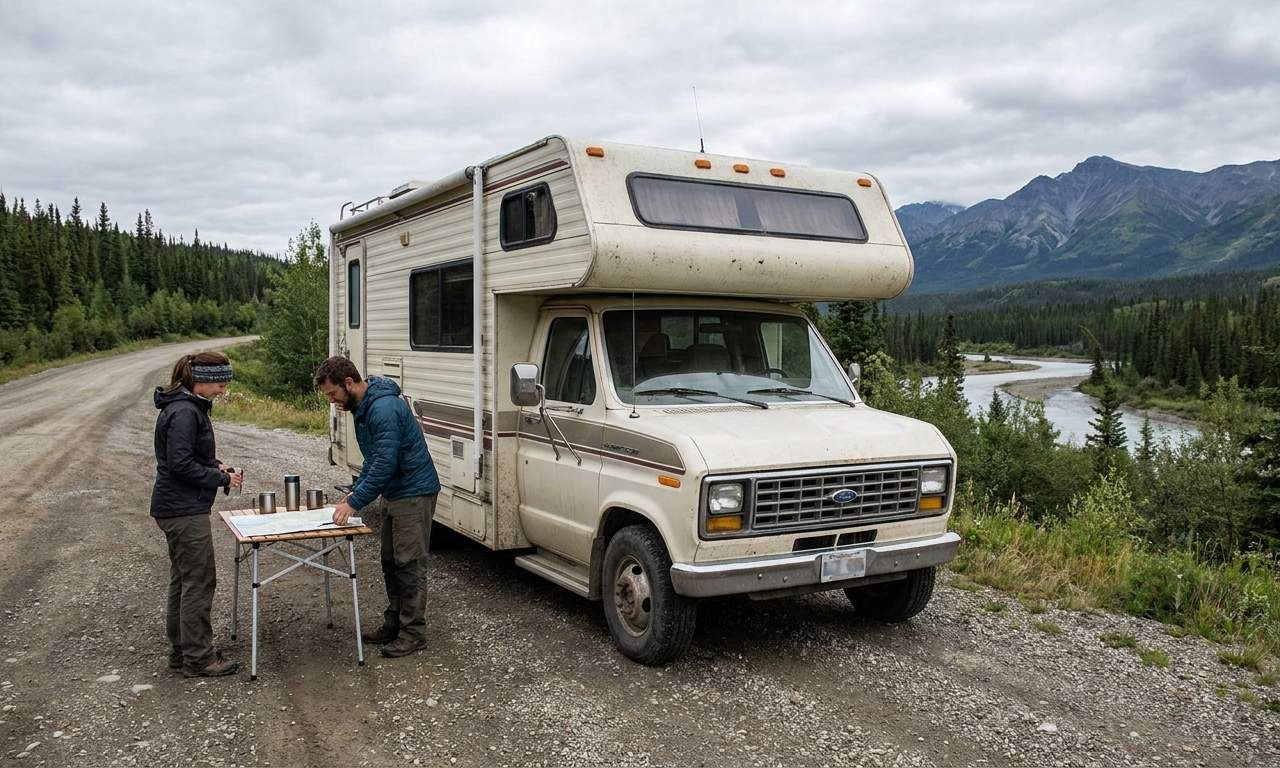
Northern Canada provides diverse camping experiences, featuring National Parks (managed by Parks Canada), Territorial Parks, and private campgrounds, primarily concentrated near larger towns. National Parks generally offer a mix of serviced and unserviced sites, requiring permits and often advance booking, especially for popular areas during peak season. For those seeking family adventures, our Family RV Rental in North Canada - Pricing Guide 2026 offers great advice on selecting the perfect motorhome and camping strategy.
Territorial Parks, found extensively across the Yukon and Northwest Territories, are abundant and often more rustic, providing basic amenities like outhouses, fire pits, and often potable water, with many operating on a self-registration, first-come, first-served basis. This offers incredible flexibility for spontaneous travelers. Wild camping, also known as boondocking, is widely possible on Crown Land in Northern Canada due to its vast, undeveloped areas. However, diligent research for specific regulations, respect for Indigenous lands, and strict adherence to Leave No Trace principles are critical for responsible enjoyment of these pristine environments. Always consult local guidelines before setting up camp in undesignated areas.
Featured RV Park or Campground in North Canada
When selecting an RV park or campground in Northern Canada, consider locations that not only offer stunning views but also provide necessary support for remote travel. Prioritize campgrounds offering reliable potable water, convenient dump stations, and potentially showers and laundry facilities, as these amenities can be scarce outside major population centers like Whitehorse, Yukon, or Yellowknife, Northwest Territories. Some top choices include campgrounds within Kluane National Park and Reserve for unparalleled access to Canada's highest peaks, or numerous territorial parks along the Alaska Highway and Dempster Highway offering rustic beauty and essential services. These sites are perfect for a couple's getaway, and our RV Rental in North Canada for Couples - Pricing 2026 provides tailored suggestions. On the routes offered through RV PLANET routes, you can itemize and track every expense along the way for easy budgeting.
For enhanced comfort and safety in these remote settings, also consider parks that provide bear-safe food storage, access to information on local wildlife and crucial road conditions, and emergency communication options, especially where cell service is unreliable. Campgrounds with convenient access to fuel and basic supplies are particularly valuable when traversing the long distances characteristic of the North. Remember, planning ahead for these stops is crucial for a smooth trip.
Hookups & Amenities — What to Expect
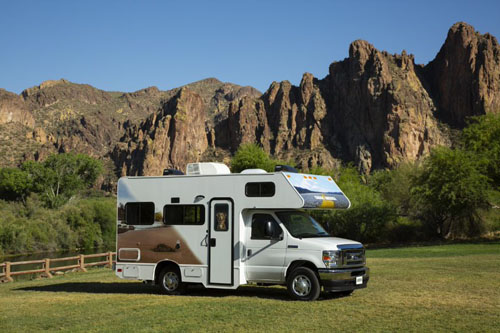
In Northern Canada, you can expect a wide range of amenities at RV campgrounds, from full hookups (electric, water, sewer) in more developed private parks to very basic facilities (outhouse, water pump) in many territorial campgrounds. Most serviced sites will offer 15, 30, or 50-amp electrical hookups compatible with North American RVs, alongside potable water connections. It's a good idea to confirm specific amperage if you're renting a larger Class A or Class C motorhome, such as a "cruise america rv rental example Explorer" which typically has robust power needs.
Dump stations for grey and black water are available at many campgrounds and gas stations, but they can be widely spaced in remote areas, necessitating careful planning to manage your tanks. Wi-Fi is often limited to private campgrounds or urban centers; for consistent connectivity in remote regions where cell service is non-existent, satellite communicators or boosters are highly recommended. While planning your meals on board your rented RV, remember to explore our RV-friendly recipes playlist for delicious and easy ideas.
Booking Windows & Reservations in North Canada
For RV rentals from an airport, especially if you plan to visit popular National Park campgrounds during the peak summer months in Northern Canada, booking several months in advance is highly advisable. Many national park campgrounds typically release 25-30% of their spots for advance reservations, with the remaining sites often available on a first-come, first-served basis. This arrangement provides flexibility for spontaneous travelers who prefer not to stick to a rigid itinerary.
Territorial campgrounds in the Yukon and Northwest Territories frequently operate on a first-come, first-served system, offering ample opportunities for flexible travel. However, calling ahead to confirm availability before embarking on a long drive is always a smart move. While you will almost certainly find a place-if not at your first choice, then at the next available campground-always have a backup plan, particularly during long stretches between communities. Don't stress too much about needing to book far in advance for every night; the vastness of the North often ensures there's a spot for everyone. If you're looking for last-minute deals, check out RV Rental Deals in North Canada - Latest Offers 2026 to see what's available.
Nearby Supermarkets & Resupply Points
Resupply options are noticeably sparser in Northern Canada compared to southern regions, making thorough planning essential for airport RV renters. Major towns like Whitehorse in Yukon and Yellowknife in the Northwest Territories have larger grocery stores, such as Real Canadian Superstore, Save-On-Foods, and No Frills, offering comprehensive provisioning for your trip. These are the best places to stock up before heading out into more remote areas.
Outside these main hubs, smaller communities often feature independent general stores or Northern/Arctic Co-op stores, which provide basic groceries, although selection may be limited and prices are generally higher due to transportation costs. Plan your route carefully to ensure regular fuel stops and access to potable water, as distances between services can be considerable on northern highways. When managing your trip budget, remember that RV PLANET routes allow you to itemize and track every expense, from fuel to groceries, for easy budgeting.
Best RV Class for Camping in North Canada
For camping in North Canada, the ideal RV class often balances comfort with maneuverability for diverse road conditions. A Class B Camper Van or Class TC Truck Camper offers excellent agility and fuel efficiency, making them well-suited for navigating the unique northern roads, including extensive gravel sections like parts of the Dempster Highway. A typical Class B Camper Van, like an "rv rental denver example Category Van" at approximately 5.8 meters in length, consumes around 10 Liters / 100 Km and offers good self-sufficiency for boondocking with an average of 3.2 sleeping places.
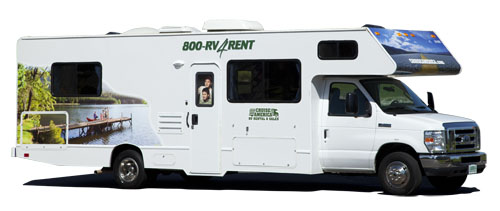
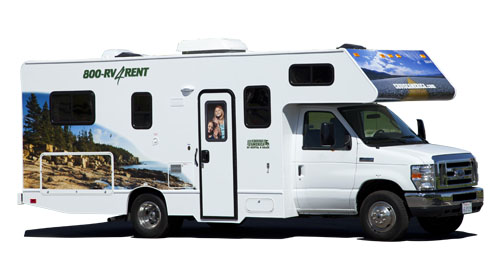
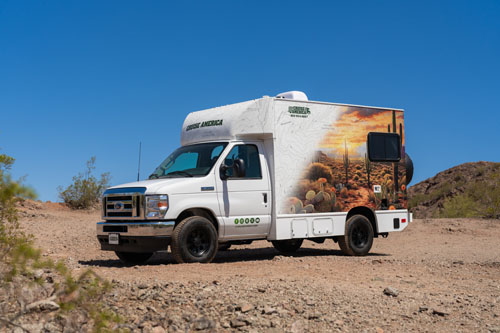
Class TC Truck Campers, such as a "4x4 Camper B - TYR," averaging 5.5 meters, offer rugged 4x4 capability for accessing more secluded campsites and typically accommodate 2.4 sleeping places, though they consume more fuel at 12-17 Liters/100 km. Larger Class C Alcove motorhomes (averaging 7.5m with 5.8 sleeping places and 10-12 L/100km fuel consumption) or Class SI Semi-integrated (averaging 6.9m with 3.8 sleeping places and 10-11 L/100km fuel consumption) from Bandana's global fleet provide more space and amenities. These are comfortable for established campgrounds and well-maintained highways, but smaller, more robust units are often preferred for challenging gravel or unpaved roads common in the North. Consider the terrain you plan to explore; smaller units are better for remote access, while larger RVs offer more living space for main highways.
How to Save on Campgrounds in North Canada
To save on campground fees in Northern Canada, smart planning and utilizing available discounts are key strategies. Firstly, inquire about any campground discount cards or programs, such as those sometimes offered by Bandana's rental partners, as these can provide significant savings. Prioritize opting for municipal, regional, or territorial campgrounds over private RV resorts, as they are generally more affordable and often provide a more authentic northern experience with basic amenities.
Booking during the shoulder seasons (late spring or early fall) can also lead to reduced rates and fewer crowds, offering a more serene experience. Finally, leverage the vast wilderness by exploring boondocking opportunities on Crown Land where permitted. This significantly reduces accommodation costs, allowing you to immerse yourself in nature while adhering strictly to responsible camping practices, such as Leave No Trace. Remember, the goal is slow travel, averaging max 100-150 km per day, allowing you to truly connect with the culture, food, and scenery, and making those cheaper overnight stays worthwhile.
Can you park up anywhere in an RV in Canada?
No, you cannot park up anywhere in an RV in Canada; while opportunities for dispersed camping are vast, especially on Crown Land in Northern Canada, specific regulations always apply. Parking a rented RV is generally restricted on private property without express permission, within most city limits (except in designated RV parks or permitted overnight parking areas), and in national or provincial/territorial parks outside of official, designated campsites. Always look for clear signage indicating parking rules.
In the Yukon and Northwest Territories, extensive tracts of Crown Land do offer significant boondocking potential. However, when choosing a spot, it's crucial to always look for signage, respect Indigenous land claims, and strictly adhere to Leave No Trace principles to minimize your environmental impact. Consulting local bylaws for specific communities and using crowd-sourced resources like iOverlander can help you locate legal and tolerated overnight parking spots for your motorhome rental.
Can you park a motorhome at the airport?
Parking a motorhome at an airport, such as those in Northern Canada like Whitehorse (YXY) or Yellowknife (YZF), is generally restricted to designated long-term parking lots or specific oversized vehicle areas, and will always be subject to fees and time limits. Most airport RV rental pickups and drop-offs involve dedicated areas or shuttle services to off-site rental depots, rather than extended parking directly at the terminal. This applies to all types of rental campers, from a compact "hire campervan example Paradise S/T" to a larger "rv rentals example Comfort Class."
Always check the specific airport's parking regulations and fees in advance of your trip, as motorhomes often require multiple parking spaces or have height and length restrictions that standard parking lots cannot accommodate. Overnight stays in airport parking lots are typically not permitted outside of official campsites or authorized facilities, so plan to head directly to a campground after picking up your campervan rental.
Where can you park your RV for free in Canada?
Free RV parking in Canada is primarily available on designated Crown Land, which is particularly abundant in Northern Canada's Yukon and Northwest Territories, though specific regulations always apply. These vast public lands offer incredible opportunities for boondocking, allowing you to truly immerse yourself in the wilderness without campground fees. Many rural rest stops, unserviced pull-outs, and some gas stations or larger retail lots may also permit free overnight parking, though this is often at the discretion of the property owner or local municipality.
Free camping apps like iOverlander or websites dedicated to boondocking can help you locate legal and tolerated free overnight parking spots, including remote forestry roads. However, always adhere to 'Leave No Trace' principles when boondocking: pack out all trash, minimize your environmental impact, and respect wildlife and local communities. For detailed planning, consider a Rent&Plan route from RV PLANET, which can help you identify suitable overnight stops while exploring options for "RV Rental USA - Complete Guide 2026" or more localized adventures.
What is the 3-3-3 rule for RV camping?
The '3-3-3 rule' for RV camping is a widely adopted guideline emphasizing safety and responsible travel, particularly crucial for long distances and remote areas like Northern Canada. This rule suggests that you should travel no more than 300 miles (or roughly 500 kilometers) in a day, arrive at your campsite by 3 PM, and stay for a minimum of 3 nights. This framework helps ensure a relaxed and enjoyable RV trip, especially when dealing with the vast, often remote landscapes of the North.
Adhering to this rule helps prevent driver fatigue, a critical consideration on long northern highways where services can be sparse. It also allows ample time for setting up camp in daylight, which is important for safety and comfort, especially when dealing with varying weather conditions or wildlife encounters. Furthermore, staying for a minimum of 3 nights provides sufficient time to truly relax, explore the local area, and connect with the culture and scenery, reducing stress on both drivers and the rented RV. It embodies our philosophy of slow travel, maximizing your experience.
Can a US citizen go camping in Canada?
Yes, a US citizen can absolutely go camping in Canada with a rented RV, provided they meet standard Canadian entry requirements, which typically include a valid passport. It's always essential to ensure your passport is valid for at least six months beyond your intended stay and to be prepared to show proof of sufficient funds for your trip and an onward travel plan if requested at the border. There are no special permits required beyond typical travel documents for camping.
When traveling to Northern Canada by RV from the US, particularly via popular routes like the Alaska Highway, be aware of specific border crossing protocols and hours of operation for remote ports of entry. Always check the latest travel advisories and entry requirements from both the US Department of State and the Government of Canada before your trip, as regulations can change. For a detailed guide on planning, you might also find our RV Travel Guide to North Canada - Tips and Top Spots 2026 video helpful.
How much does it cost to park an RV in Canada?
The cost to park a rented RV in Canada varies significantly, ranging from free for boondocking on Crown Land to CAD $30-70+ per night for fully serviced campgrounds, with Northern Canada presenting unique pricing factors. Basic unserviced sites in territorial parks or national parks in the North typically cost CAD $12-30 per night, often with an additional daily park entry fee for National Parks, such as Kluane. These fees contribute to the upkeep of these beautiful natural areas.
Private campgrounds, especially those with full hookups (electric, water, sewer) and amenities like showers and laundry, can range from CAD $40-70+ per night, with prices potentially higher in popular tourist areas or near major hubs. Beyond the campground fees, fuel costs are a significant factor in Northern Canada, as prices are generally higher due to remote locations and longer transportation distances. Always factor this into your overall trip budget, which you can easily track with RV PLANET routes planning tools for full transparency.
What does FF mean in camping?
In camping, 'FF' is a common acronym that stands for 'Full Hookups,' indicating a campsite that provides electric, water, and sewer connections directly to your RV. This is a highly sought-after amenity for many RV travelers, particularly those on extended road trips or who prefer the comforts of home in their rental motorhome. A full hookup site allows you to connect to potable water, access electricity for all your appliances and charging needs, and empty your grey and black water tanks without needing to move your RV to a separate dump station.
While prevalent in many private and some public campgrounds across Southern Canada and the USA, 'FF' sites are less common in the more rustic and remote territorial or unserviced national park campgrounds in Northern Canada. Understanding whether a site offers 'FF' is crucial for planning your trip, especially if you rely heavily on full amenities or are traveling for extended periods without frequent access to dump stations. For example, a larger Class C motorhome like the "29′ Class C Motorhome" might benefit greatly from full hookups to power its features.
Does Walmart allow RV parking overnight in Canada?
Walmart's policy on RV overnight parking in Canada is generally at the discretion of individual store managers, and it's less commonly available in Northern Canada due to fewer store locations. While some Walmart locations across Canada may permit free overnight RV parking as a courtesy, it's always best practice to call the specific store ahead of time to confirm their current policy. This ensures you avoid any unexpected surprises or parking violations.
In Northern Canada, large retail chains like Walmart are primarily found in major hubs such as Whitehorse (Yukon) or Yellowknife (NWT), making this option geographically limited for much of the vast northern region. Alternative overnight parking spots in the North might include some truck stops, designated rest areas, or municipal overnight parking zones, where available. Always remember that even when free overnight parking is permitted, it's typically for a single night and not intended as a long-term camping solution.
How to book RV campsites in Canada?
Booking RV campsites in Canada typically involves using online reservation systems for national and provincial/territorial parks, or contacting private campgrounds directly. For Parks Canada sites within National Parks, such as those in Kluane, use the "Parks Canada Reservation Service" website, which often requires booking several months in advance for popular summer dates to secure a spot. This is especially true for larger family rentals, for which our Family RV Rental in North Canada - Pricing Guide 2026 offers more insights.
Territorial Parks in the Yukon and Northwest Territories frequently operate on a first-come, first-served basis with self-registration, offering flexible options for travelers. However, some popular territorial sites may have online booking options through their respective government websites. Private RV parks can usually be booked through their individual websites or by phone, and online directories like CampgroundReviews.com or Good Sam often list contact information and reviews. Always have a backup plan, especially in remote areas, and consider calling ahead to confirm availability before a long drive to a potential site.
Do you need to book campsites in Canada?
While not always strictly necessary, booking campsites in Canada, especially for popular destinations in Northern Canada during peak season, is highly recommended to secure your preferred spot. For National Parks and popular Provincial Parks, particularly those accessible from airport RV rental locations like Whitehorse, reservations are often essential and might need to be made months in advance. This is key if you're planning a week-long trip to a specific, popular destination.
However, in the vastness of Northern Canada, many territorial parks and remote campgrounds operate on a first-come, first-served basis, offering ample flexibility for spontaneous travelers. If you prefer a more flexible itinerary, researching these first-come, first-served options or having backup plans for alternative campgrounds or boondocking locations is prudent to avoid disappointment. Remember, our philosophy is to travel slowly, max 100-150 km per day, allowing you to discover hidden gems and easily find available spots even without a reservation.
What You Shouldn't Miss
- **Drive the Dempster Highway:** Experience the thrill of the only Canadian highway crossing the Arctic Circle. This largely gravel road, extending to the Arctic Ocean via the Inuvik-Tuktoyaktuk Highway, offers unparalleled wilderness and wildlife viewing.
- **Explore Kluane National Park and Reserve:** Witness Canada's highest peaks, vast glaciers, and abundant wildlife in this immense Yukon park. Hike scenic trails, go flightseeing, or simply marvel at the raw beauty from your motorhome.
- **Chase the Northern Lights:** During late summer and early fall (September-October) or spring (March-April), the Aurora Borealis dances across the northern skies. Set up your campervan away from city lights for the best viewing experience.
- **Visit Whitehorse, Yukon:** The capital of Yukon offers a blend of history, culture, and outdoor activities. Stock up on supplies, visit the SS Klondike National Historic Site, and enjoy local cuisine before heading deeper into the wilderness.
- **Encounter Wildlife on the Alaska Highway:** Keep your eyes peeled for wood bison, caribou, moose, and bears along this iconic route. Driving slowly not only keeps you safe but also increases your chances of memorable wildlife sightings.
Looking for expert insights from Avi Bandana? Top 5 Adventures - recommendations from Avi Bandana.
Final Thoughts
An airport RV rental in North Canada opens up a world of unparalleled adventure and discovery. From the vast, rugged landscapes of the Yukon to the unique challenges and rewards of the Dempster Highway, traveling by motorhome or campervan offers a freedom that traditional travel simply can't match. You have the flexibility to chase the Northern Lights, encounter incredible wildlife, and immerse yourself in the serene beauty of the wilderness, all from the comfort of your mobile home.
At Bandana Caravan, we are passionate about helping you craft the perfect RV journey. Our commitment to full transparency, robust support, and tailored advice ensures your trip is smooth and stress-free. So, pack your sense of adventure, choose your ideal rented RV, and get ready to create unforgettable memories in the majestic expanse of North Canada. Discover top destinations, planning tips, all in one place!