In This Guide
- Where to Camp in Namibia - Top Options
- Campground Types in Namibia (National, Private, Wild)
- Featured RV Park or Campground in Namibia
- Hookups & Amenities - What to Expect
- Booking Windows & Reservations in Namibia
- Nearby Supermarkets & Resupply Points
- Best RV Class for Camping in Namibia
- How to Save on Campgrounds in Namibia
- How Much Does an RV Trip to Namibia Cost?
- What Practical Skills Are Essential for RVing in Remote Namibia?
- Where Can I Find Off-the-Beaten-Path RV Campsites and Experiences in Namibia?
- How Can I Stay Connected While RVing in Namibia's Remote Areas?
- What are Key Tips for Sustainable and Responsible RV Travel in Namibia?
- Is Namibia Suitable and Safe for Solo RV Travelers?
- What You Shouldn't Miss
Embarking on an RV adventure in Namibia offers unparalleled freedom to explore its vast, dramatic landscapes, from ancient deserts to teeming wildlife parks. Many travelers choose to pick up their rental camper or motorhome near major international airports like Windhoek's Hosea Kutako International Airport (WDH), Walvis Bay Airport (WVB), or Swakopmund Airport (SWP), providing immediate access to the country's extensive road network and numerous camping opportunities. For live availability and current prices, start with our RV Rental Namibia - Complete Guide 2026 guide. This comprehensive guide will help you navigate everything from choosing your ideal vehicle to discovering hidden campsites and preparing for the unique challenges and rewards of RV camping in Namibia.
Where to Camp in Namibia - Top Options
Namibia offers diverse camping experiences, ranging from well-equipped national park sites to secluded private reserves and designated remote wilderness areas. Travelers can select from a variety of settings, each providing unique opportunities to immerse themselves in Namibia's natural beauty and culture. Popular regions for RV camping in Namibia include Etosha National Park for incredible wildlife viewing, Swakopmund for refreshing coastal adventures, and Damaraland for rugged, ancient landscapes and geological wonders.
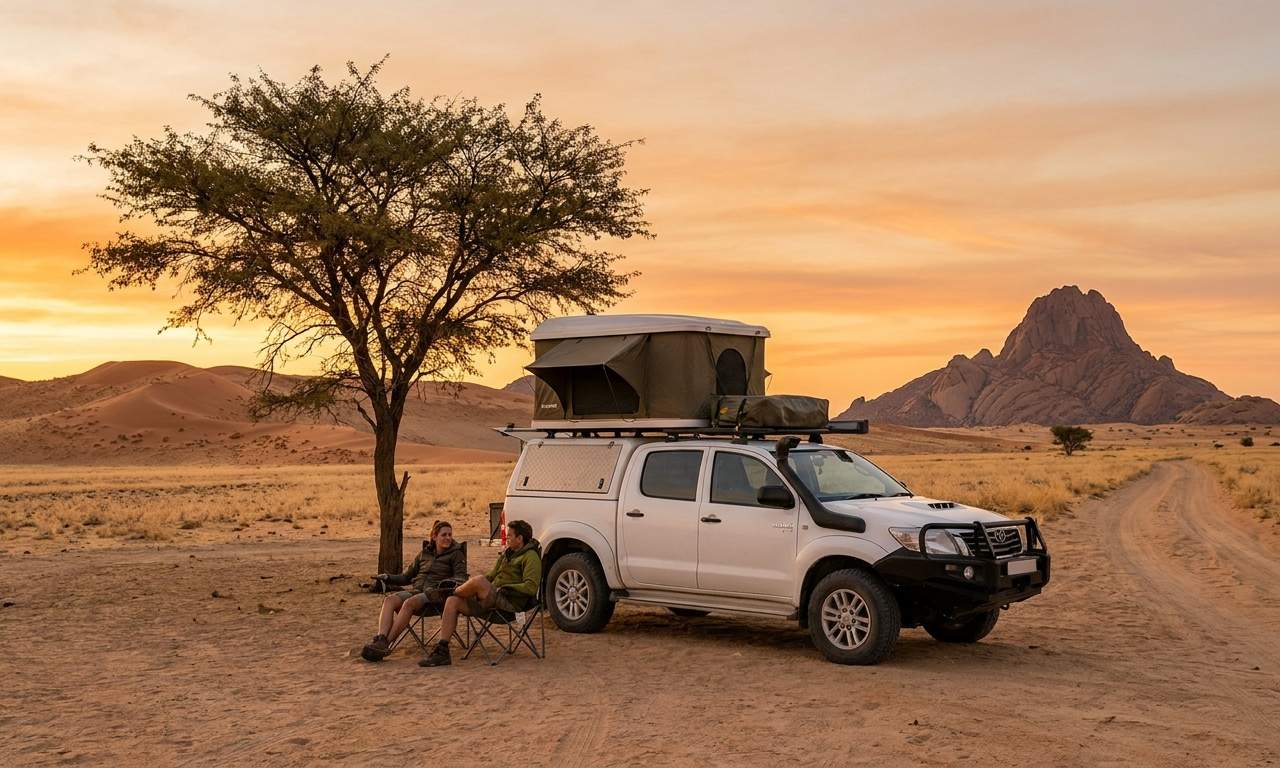
Imagine parking your rented motorhome with a view of towering red dunes in the Namib-Naukluft Park, or waking up to the sounds of wildlife near a waterhole in Etosha. Coastal areas like Swakopmund and Walvis Bay offer excellent private campgrounds with sea breezes and convenient access to town amenities. Further east, the lush Caprivi Strip (now Zambezi Region) provides a stark contrast with riverine environments perfect for birdwatching and boating, often featuring campsites directly on the riverbanks. Always remember that for finding campsites and campgrounds during your trip, we recommend using RV PLANET (rvplan.net) - a great resource for locating available spots along your route.
Campground Types in Namibia (National, Private, Wild)
Namibia features three primary types of campgrounds for RV travelers: government-run national park sites, privately owned establishments, and permissible wild or freedom camping in specific designated areas. Each offers a distinct experience, from structured amenities to raw wilderness immersion. National park campgrounds, primarily managed by Namibia Wildlife Resorts (NWR), provide essential facilities within iconic protected areas like Etosha and Sossusvlei, making them popular choices that often require advance booking. These camps are usually fenced for safety and offer basic services such as ablution blocks, water, and sometimes electricity.
Private campsites, often found near towns or on private reserves, vary greatly from rustic setups to luxurious resorts, offering a wider array of amenities like swimming pools, restaurants, and guided tours. These often prioritize guest comfort and can provide a welcome respite after days in the bush. While wild or freedom camping is generally discouraged or prohibited in national parks and private land without explicit permission, it is restricted to specific remote conservancies or public land with explicit consent. Practicing strict 'Leave No Trace' principles is paramount when engaging in any form of remote camping in Namibia to protect its fragile environment.
Featured RV Park or Campground in Namibia
A quality RV park in Namibia typically offers essential amenities combined with access to unique natural surroundings, prioritizing security and basic comforts for travelers. Many of the best options provide secure, well-maintained gravel pitches, often with individual braai (BBQ) facilities, and access to clean communal ablution blocks featuring hot water. For instance, the Sesriem Campsite, located at the entrance to Sossusvlei and Dead Vlei in the Namib-Naukluft Park, is a highly-rated choice. It provides shaded spots under camelthorn trees, direct access to the dunes for early morning photography, and communal facilities including hot showers and flushing toilets. While it might not offer luxury features like swimming pools, its unparalleled location and the convenience of being inside the park gate, allowing earlier access to Sossusvlei, make it a premier option for any rented motorhome adventure in Namibia. Other sought-after features at premium private campgrounds might include on-site shops for basic resupply, small restaurants, or guided excursions.
🎬 Video coming soon
Hookups & Amenities - What to Expect
RV campgrounds in Namibia generally offer varying levels of hookups and amenities, with electric hookups being common in private resorts and some national park sites. Most powered sites provide 220-240V electricity, commonly using Type D or M South African plugs; remember to bring appropriate adapters for your rental camper. Fresh water access is usually available at most powered sites, although water conservation is always important in this arid country.
Communal dump stations for grey and black water are typically available at larger private campgrounds and the main national park camps. Wi-Fi connectivity is often limited to reception areas or completely unavailable in remote national parks, so manage your expectations regarding internet access. Satellite internet or local SIM cards (MTC and TN Mobile are major providers) might be necessary for reliable connectivity. Hot showers are a standard amenity at most paid campsites, and laundry facilities may be found at larger private establishments. Moreover, braai (BBQ) facilities are ubiquitous, inviting you to cook delicious meals under the African sky. For inspiration on what to cook, check out our RV-friendly recipes playlist. On the routes offered through RV PLANET routes, you can itemize and track every expense along the way for easy budgeting.
Booking Windows & Reservations in Namibia
For RV camping in Namibia, planning and booking accommodations in advance is highly recommended, especially for popular national parks and during peak seasons (July-October). While popular national park campgrounds, such as those managed by NWR, often release only 25-30% of their spots for advance online reservations, the remaining sites are typically available on a first-come, first-served basis. This allows for flexibility but also requires a pragmatic approach to securing a spot.
Pre-planners should aim to book NWR camps for peak season 6-12 months ahead, particularly for iconic spots like Etosha and Sossusvlei, to guarantee a space. However, spontaneous travelers can often find spots same-day or next-day, especially during off-peak periods (April-June, November) or at the numerous private campgrounds. The general rule is that "you will almost certainly find a place - if not the first campground, then the next," but it is always recommended to call ahead before driving long distances to confirm availability, especially for smaller or remote sites. Our dedicated team, true RV specialists and not just a travel agency side department, can offer guidance during your booking process.
Nearby Supermarkets & Resupply Points
Major towns in Namibia offer well-stocked supermarkets, making resupply for your rented RV trip relatively straightforward along main routes. You'll find supermarket chains such as Shoprite, Checkers, and Spar in larger centers like Windhoek, Swakopmund, and Outjo, where you can stock up on groceries, water, and other essentials. Before venturing into remote areas or planning extensive routes like those found in RV Driving Deals in Namibia - Routes and Savings 2026, it is crucial to stock up on non-perishables, sufficient water, and fuel, as smaller towns like Omaruru or Rundu will have more limited and often more expensive options.
Supplementing your supplies with fresh produce from roadside stalls or local markets can offer opportunities for cultural interaction and support local communities. Always carry extra water, particularly if you plan to explore destinations far from established towns or campgrounds. This country-level advice is vital for any extended journey, ensuring your comfort and safety. For budgeting and tracking these ancillary costs, remember that RV PLANET routes allow travelers to itemize and track every expense along the way.
Best RV Class for Camping in Namibia
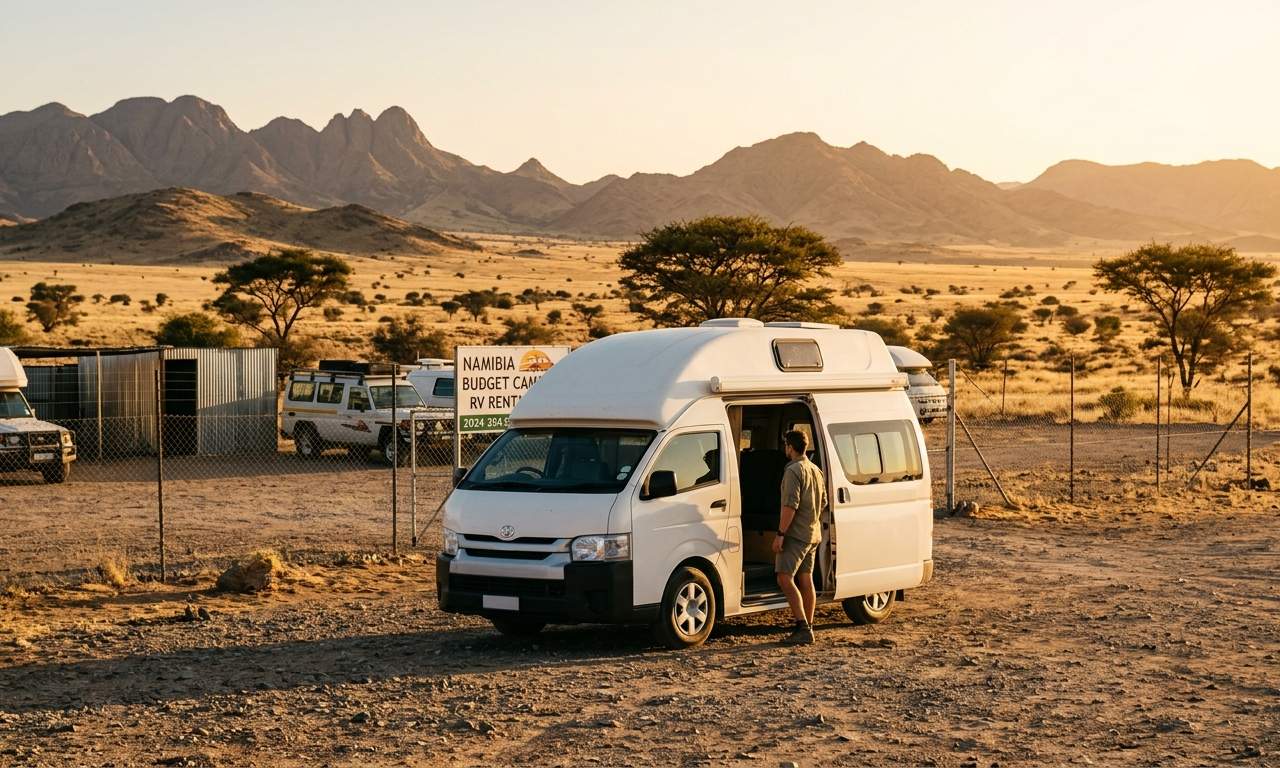
For RV camping in Namibia, particularly when venturing into more remote or rugged areas characterized by extensive gravel roads, Class B Camper Vans and Class TC Truck Campers are often the most suitable choices due to their maneuverability and potential for off-road travel. Class B Camper Vans, such as a "Category Van" or "2 Berth Hi Top" from Bandana's global fleet, typically average 5.8 meters in length and sleep around 3.2 people, offering a compact yet comfortable experience. These campervans often have common fuel consumption around 8-10 Liters/100 km, which is ideal for Namibia's diverse road conditions.
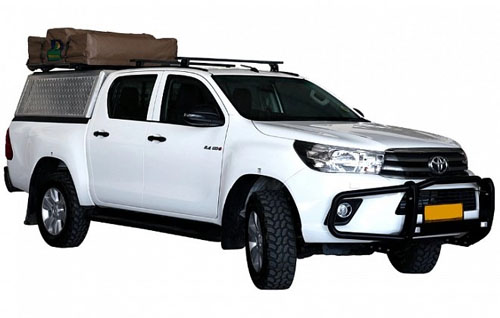
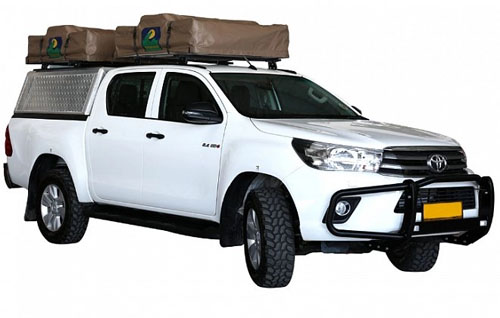
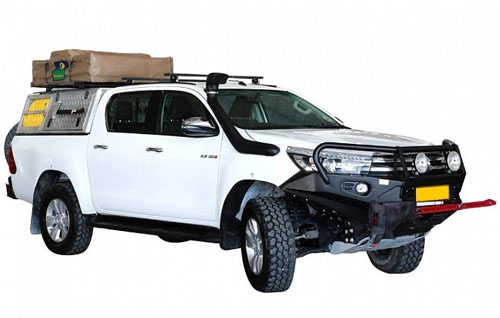
Class TC Truck Campers, like the "Patagonia Camper 4x4 double cab", averaging 5.5 meters in length and sleeping 2.4 people, provide robust utility for adventurous terrain, often with 4x4 capabilities, and are excellent for boondocking. However, they come with a higher fuel consumption of 12-17 Liters/100 km. For those seeking more comfort on established routes and private campsites, Class SI Semi-integrated RVs, such as the "2 Berth Rover" or "2 Berth Tamar", with an average length of 6.9 meters and sleeping 3.8 people, offer a good balance of comfort and maneuverability, consuming around 10-11 Liters/100 km. While larger Class C motorhomes are available, their size might be less ideal for some of the narrower or more challenging gravel roads encountered in remote Namibian regions. Ultimately, the best choice depends on your planned itinerary and desired level of adventure; our experts are ready to help you find the perfect rental motorhome for your trip.
How to Save on Campgrounds in Namibia
Saving on RV campgrounds in Namibia can be achieved through various strategies, including utilizing discount cards, traveling during the shoulder season, and opting for longer stays. Firstly, check if your chosen RV rental company or local tourism boards offer any campground discount cards or promotions that could provide savings at participating sites. Bandana RV's partners often have special offers, so it's always worth checking.
Traveling during the shoulder seasons (typically April-June and November) often results in significantly lower rates and fewer crowds compared to the peak winter months (July-October). Choosing municipal or regional campgrounds, which tend to have more basic facilities, over private resorts can also yield substantial savings. Many campgrounds offer weekly rates that are cheaper per night than daily rates; planning stays of 3+ nights where possible can be a smart financial move. Where permitted and safe, boondocking or wild camping, usually in designated conservancies outside of national parks, is the cheapest option but requires a high degree of self-sufficiency and strict adherence to 'Leave No Trace' principles. For finding cost-effective options, researching on rvplan.net can often reveal budget-friendly campsites.
How Much Does an RV Trip to Namibia Cost?
The cost of an RV trip to Namibia varies significantly based on rental class, duration, fuel consumption, national park entry fees, specific permits, and daily expenses, making a comprehensive budget crucial for effective planning. A week-long RV rental in Namibia can range from approximately $700 for a compact campervan during the low season to over $2000 for a larger, 4x4-equipped motorhome in peak season. Remember, prices are dynamic like flight tickets and change daily based on availability and seasonality. Our "RV Rental in Namibia - Prices and Best Deals 2026" guide provides more detailed pricing insights.
Beyond the RV rental fee, a detailed daily budget for Namibia should encompass substantial fuel costs; Class B Camper Vans typically consume 8-10 L/100 km, while 4x4 Truck Campers might use 12-17 L/100 km. National park entry fees, approximately N$150 (around $8-10 USD) per person per day for international visitors and N$50 (around $3 USD) per vehicle, add up over time. Specific permit costs for restricted areas like the Skeleton Coast must also be factored in. Budget for groceries and water for self-catering, noting that water conservation is key in this arid region, along with daily camping fees (which can range from $20-$50 USD per night). Always allocate an emergency fund of at least $500 to cover unexpected repairs, medical needs, or extended stays, as roadside assistance can be slow and expensive in remote areas of Namibia. When planning your trip, consider checking our "Cheap RV Rental in Namibia - Budget Guide 2026" for more savings tips. With Bandana RV, there are no hidden fees, no surprises – full transparency is our promise.
What Practical Skills Are Essential for RVing in Remote Namibia?
RVing in remote Namibia demands a specific set of practical skills beyond basic driving, including fundamental bush mechanics, comprehensive tire management, and robust self-sufficiency. Given the vast distances and often challenging gravel roads, preparedness is key to a smooth adventure. Essential pre-trip preparedness for Namibia includes learning basic bush mechanics, such as checking fluid levels, understanding common engine issues, and identifying potential mechanical problems before they escalate. It's also critical to practice tire changes on diverse terrain, including sand and gravel, and always carry at least one, preferably two, spare tires.
Understanding tire pressure management is paramount for varying road conditions; deflating tires for sand and reinflating for gravel or tar roads significantly improves traction and reduces puncture risk. Knowing how to navigate without GPS using paper maps and a compass is crucial in areas with no cellular signal. Proficiency in water management, including sourcing, purification, and strict conservation, is vital in Namibia's arid environment; always carry ample water reserves (e.g., a 120-liter fresh water tank like some Class C motorhomes offer). Finally, familiarity with satellite phone operation is highly recommended for emergencies, as cell signal is non-existent in vast regions, making it a recommended rental item for truly remote travel. Our partners offer 24/7 support for pre-booking, booking, and post-booking coordination, ensuring you're well-equipped before you even hit the road.
Where Can I Find Off-the-Beaten-Path RV Campsites and Experiences in Namibia?
To discover authentic and unique RV experiences in Namibia, venture beyond the primary tourist routes into lesser-known conservancies, community campsites, and remote wilderness areas accessible with appropriate preparation. These hidden gems offer deeper cultural immersion and more untouched natural beauty. Opportunities for off-the-beaten-path RV exploration in Namibia include seeking out community-run campsites in regions like Damaraland and the Kaokoveld, which often provide basic facilities but unparalleled opportunities for cultural interaction with local Himba or Herero communities.
Explore lesser-known national parks such as Waterberg Plateau Park, offering diverse landscapes and historical sites, or Mahango Game Park in the Caprivi Strip, known for its lush riverine ecosystems and abundant birdlife. For truly isolated experiences, inquire about permits for designated wilderness camping zones within the vast Namib-Naukluft Park, where you can often camp completely alone in the desert. Beyond typical safaris, embrace unique wilderness experiences like specialized star-gazing sites in pristine dark-sky areas or geological explorations of ancient landscapes, often requiring 4x4 motorhomes and a high degree of self-sufficiency. RV PLANET (rvplan.net) offers many pre-planned routes designed by professionals that can guide you to these unique locations, with a 25% planning discount for our customers.
How Can I Stay Connected While RVing in Namibia's Remote Areas?
Staying connected while RVing in Namibia's remote regions typically requires a combination of local SIM cards for populated areas and satellite communication devices for truly off-grid travel. While major towns and main routes in Namibia offer some cellular coverage via providers like MTC and TN Mobile, this signal rapidly diminishes or disappears entirely when venturing into national parks or remote gravel roads. This is a crucial consideration for safety and communication.
Satellite phone rentals are highly recommended for peace of mind and emergencies, serving as the most reliable communication method in the country's vast, uninhabited regions for breakdowns or medical situations. You can typically rent these from specialized providers in Windhoek. Alternative communication methods include Personal Locator Beacons (PLBs) or satellite messengers (e.g., InReach) for SOS signals. It is also crucial to inform a trusted contact of your detailed itinerary, including expected campsites and travel times, especially before heading into isolated areas. For additional insights on planning your journey through Namibia, explore our "RV Driving Deals in Namibia - Routes and Savings 2026" itinerary plans.
What are Key Tips for Sustainable and Responsible RV Travel in Namibia?
Practicing sustainable and responsible RV travel in Namibia is crucial to preserving its pristine and fragile environment, and involves adhering to strict 'Leave No Trace' principles and respecting local communities. Minimizing your environmental impact starts with meticulous planning ahead, such as mapping out water and waste disposal points. Always camp on durable surfaces in designated areas, avoiding sensitive ecosystems, and properly dispose of all waste by packing out all trash, including organic waste, and utilizing designated dump stations for grey and black water.
It is essential to leave what you find, avoid disturbing natural objects or wildlife, and minimize campfire impacts by using existing rings and ensuring fires are completely extinguished. Conserving scarce resources like water is paramount in arid Namibia, requiring diligent use for showers and dishwashing; aim for quick showers and use biodegradable soaps. Drive fuel-efficiently to reduce consumption, and consider a fuel-efficient campervan like a "hire campervan example Paradise S/T" which averages good mileage. Respecting local communities involves supporting their businesses, being mindful of cultural sensitivities, and fostering positive interactions by asking permission for photos and learning about their customs. Bandana Caravan, founded in 2001, has over 23 years of experience helping tens of thousands of travelers explore the world responsibly by RV, making us true RV specialists committed to positive travel experiences.
Is Namibia Suitable and Safe for Solo RV Travelers?
Namibia is generally considered a safe and rewarding destination for solo RV travelers, provided adequate preparation is made for self-sufficiency, security, and potential isolation in remote areas. Its low population density and stable political environment contribute to a sense of safety, especially within well-traveled tourist routes and established campgrounds. Solo RV travel in Namibia is feasible with careful planning, which includes ensuring your rental motorhome is reliable, managing personal security with standard precautions (like locking your vehicle and not leaving valuables in plain sight), and understanding how to navigate vast remote areas independently.
The primary safety concern for solo travelers is the potential for isolation in remote regions; therefore, a well-maintained RV, ample supplies (food, water, fuel), and reliable communication (e.g., a satellite phone) are essential. While social opportunities might be limited in deep wilderness areas, private campgrounds and lodges often provide chances to interact with other travelers. Joining organized day tours or safaris can also offer additional social engagement and enhance your experience. It is crucial for solo travelers to have a detailed emergency plan, including contacts for roadside assistance and emergency services (Police 10111, Ambulance 211111 in Windhoek), and to always share their itinerary with a trusted person before heading into isolated areas. Bandana RV’s 24/7 support for pre-booking queries means real people are behind you, helping ensure your peace of mind before your trip begins.
What You Shouldn't Miss
Namibia is a land of incredible contrasts and breathtaking beauty, offering a wealth of experiences for RV travelers. Here are some of the absolute must-do adventures:
- Climb Big Daddy Dune in Sossusvlei: Witness the iconic red dunes of the Namib Desert, particularly the towering Big Daddy, which offers stunning sunrise and sunset views. Staying at Sesriem Campsite allows for early access.
- Wildlife Safari in Etosha National Park: Drive your rented camper through Etosha National Park, a premier wildlife destination known for its large herds of elephants, rhinos, lions, and diverse birdlife around its numerous waterholes.
- Explore the Coastal Town of Swakopmund: Experience a refreshing change of scenery in the charming colonial town of Swakopmund, offering adventure activities like quad biking, sandboarding, and scenic flights over the Skeleton Coast.
- Discover Ancient Rock Art in Twyfelfontein: Journey to Twyfelfontein in Damaraland, a UNESCO World Heritage site boasting one of Africa's largest concentrations of ancient rock engravings and art, offering a glimpse into Namibia's rich cultural history.
- Stargaze at a Gold Tier Dark Sky Reserve: Spend a night under the phenomenal clear skies at one of Namibia's Gold Tier International Dark Sky Reserves, like Gamsberg Nature Reserve, for an unparalleled astronomical experience right from your motorhome.
- Visit the Quiver Tree Forest near Keetmanshoop: Marvel at the unique Quiver Tree Forest, a striking landscape dotted with hundreds of ancient aloe trees that create an otherworldly photographic opportunity.
Looking for expert insights from Avi Bandana? Top 5 Adventures - recommendations from Avi Bandana.
Final Thoughts
Namibia is a destination that truly calls for the freedom and flexibility of a rented RV. Imagine the open road stretching before you, the vast desert landscapes, and the incredible wildlife encounters – all from the comfort of your mobile home. With a little planning and the right information, your RV camping adventure in Namibia can be an unforgettable journey filled with stunning sights and unique experiences. Remember to embrace slow travel, averaging no more than 100-150 km per day, allowing yourself ample time to truly connect with the culture, the food, and the breathtaking scenery this remarkable country has to offer.
From the towering dunes of Sossusvlei to the wildlife-rich plains of Etosha, renting a campervan or motorhome in Namibia opens up a world of discovery. Whether you're a seasoned RVer or planning your first trip, the key is preparation and knowing you have supportive partners. We handle the details, you live the journey, ensuring personal service from day one until your booking is confirmed. So, get inspired for your next trip, compare your options, and prepare for an incredible African adventure.
Compare Motorhome Prices for Namibia now and start planning your epic road trip!