In This Guide
- Where to Camp in Japan - Top Options
- Campground Types in Japan (National, Private, Wild)
- Featured RV Park or Campground in Japan
- Hookups & Amenities - What to Expect
- Booking Windows & Reservations in Japan
- Nearby Supermarkets & Resupply Points
- Best RV Class for Camping in Japan
- How to Save on Campgrounds in Japan
- What's it like driving an RV in Japan?
- How much does it cost to rent an RV in Japan?
- Can you wild camp in Japan?
- Is it worth renting an RV in Japan?
- How many days do you need for an RV trip in Japan?
- Do you need an international driving permit for an RV in Japan?
- Is Japan RV friendly?
- Can foreigners rent an RV in Japan?
- What is a Michi-no-Eki in Japan?
Embarking on an RV adventure in Japan offers a truly unique way to explore this incredible country, even if you're looking for camping options conveniently located near major airports. Imagine stepping off your flight and, just a short drive later, settling into your mobile home-away-from-home, ready to discover serene landscapes or vibrant cities. Japan's RV scene is growing, providing an amazing blend of convenience and immersion into local culture. For live availability and current prices, start with our RV Rental Japan - Complete Guide 2026 guide.
Where to Camp in Japan - Top Options
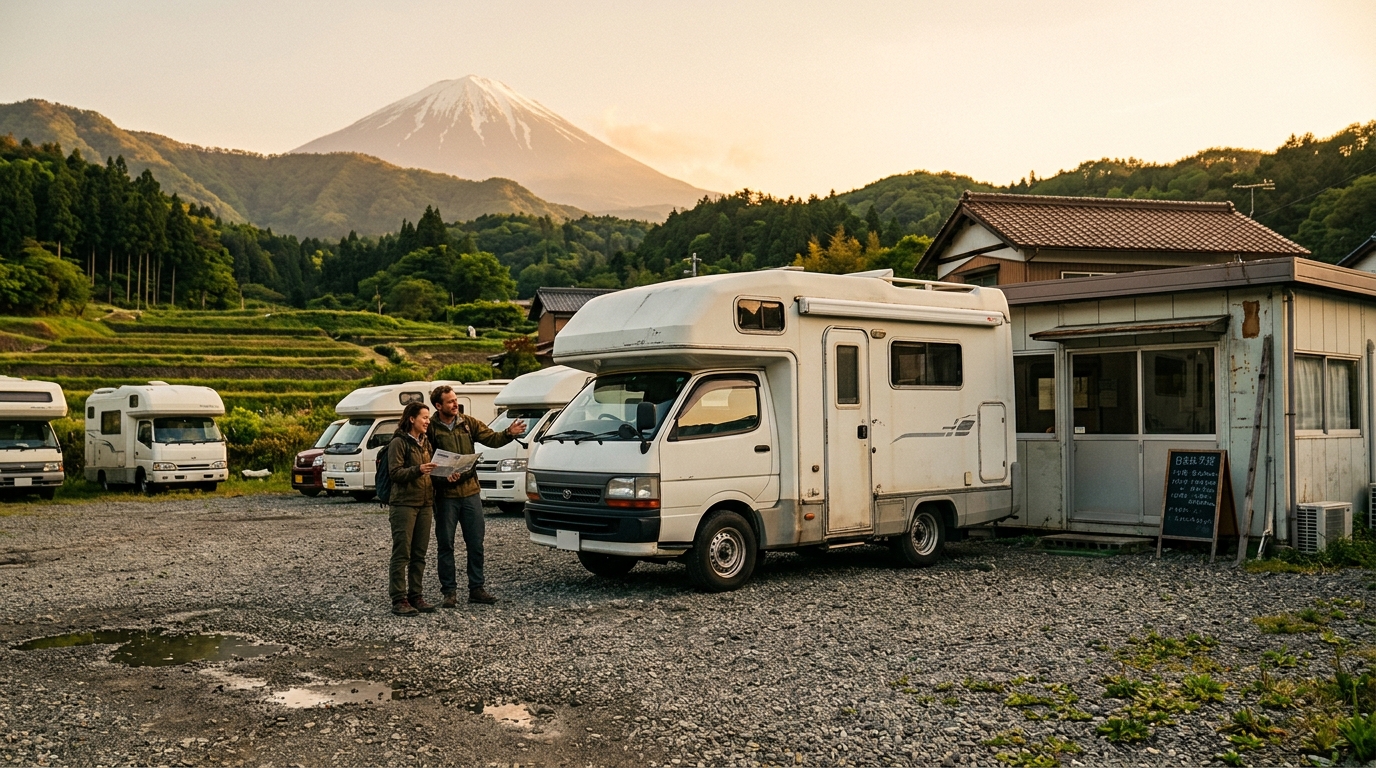
Japan offers diverse RV camping experiences, from scenic coastal sites to tranquil mountain retreats, ensuring every traveler finds their ideal spot. Popular regions for RV camping include Hokkaido for its vast natural parks and impressive wildlife, the Fuji Five Lakes area for iconic views of Mount Fuji and access to hiking, and Kyushu for its volcanic landscapes, numerous hot springs (onsen), and rich history. When planning your route, look for campgrounds near national parks like Fuji-Hakone-Izu, Nikko, or those offering easy access to popular tourist routes to maximize convenience and experience the best of Japan. Even locations like Hiratuska Kanagawa, Izumisano, Kai Yamanashi, Kyoto, Nagano, Nagoya, Nagoyaminami, Osaka, Takamatsu-Kagawa, and Tokyo offer surprising access to scenic camping a short drive away from urban centers.
With a rented motorhome, you have the flexibility to chase the cherry blossoms in spring or immerse yourself in the vibrant autumn foliage. Our Rent&Plan service can even help you craft a bespoke itinerary, ensuring you hit all the highlights while enjoying the freedom of the open road. Exploring "RV Rental Asia - Complete Guide 2026" can also provide a broader context for your journey, if you're planning an extended trip across the continent.
Campground Types in Japan (National, Private, Wild)
Japan features a variety of campgrounds that cater to different preferences, including national parks, private sites, and the invaluable Michi-no-Eki (Roadside Stations). National Park Campgrounds offer immersive nature experiences, often with basic to moderate amenities, requiring bookings especially during peak seasons like Golden Week in early May. Private Campgrounds in Japan range from luxury glamping resorts with extensive facilities like hot springs and restaurants, to family-friendly sites featuring activity centers and often coin-operated laundry machines and showers. These private sites frequently provide a more comprehensive RV experience.
Regarding 'wild camping' or free camping in Japan, it is generally not permitted or is frowned upon due to strict private property laws and cultural norms emphasizing respect for public spaces. However, many 'Michi-no-Eki' (Roadside Stations), numbering over 1,200 nationwide, allow overnight RV parking for a short rest, offering clean restrooms and sometimes local produce for sale. It is important to note that these are for resting, not for setting up a full camp with awnings, tables, or extended stays. Always respect local customs and posted rules regarding overnight stays and waste disposal. For finding campsites and campgrounds during your trip, we recommend using RV PLANET (rvplan.net) - a great resource for locating available spots along your route.
Featured RV Park or Campground in Japan
While specific data for a single featured RV park across all of Japan isn't readily available to highlight, when choosing an RV park in Japan, prioritize locations offering essential amenities like 100V electric hookups, clean restrooms, and shower facilities. Many quality campgrounds in Japan integrate local features, such as onsen (hot springs) or unique regional dining experiences, enhancing the overall travel experience significantly. Look for sites that cater to international visitors, potentially offering multi-lingual staff or information, for a smoother and more comfortable stay.
When searching for campgrounds, particularly near major airports like Narita or Kansai, you might find options offering shuttle services or convenient public transport connections, making your arrival and RV pickup seamless. Private campgrounds often provide comprehensive services, including waste disposal facilities and even access to local attractions. Remember, Bandana RV is composed of true RV specialists, not just a travel agency side department, and we understand the unique needs of RV travelers. Our expertise ensures you get reliable information and support for your journey.
Hookups & Amenities - What to Expect
Most Japanese campgrounds provide essential hookups and amenities, though availability and type can vary significantly by site. Electric hookups are typically 100V with Type A or B outlets, so an adapter might be necessary for foreign appliances; ensure your rented RV is compatible or use provided transformers. Fresh water hookups are generally available, often potable, and you'll want appropriate adapters for connecting your RV's water tank (usually 80-150 liters capacity). Dump stations for grey and black water are common at dedicated RV parks and larger campgrounds, but are less frequently found at smaller sites or Michi-no-Eki, necessitating careful planning for waste disposal. Proper waste disposal, especially strict trash separation rules, is critical in Japan and typically managed via designated bins at campgrounds. On the routes offered through RV PLANET routes, you can itemize and track every expense along the way for easy budgeting.
Many private campgrounds also offer Wi-Fi access (sometimes for a fee) and coin-operated laundry machines, which are incredibly convenient for longer trips. Clean public restrooms and shower facilities- often coin-operated or requiring a fee for hot water- are standard at most Japanese campgrounds. When cooking meals in your RV, you'll appreciate having a well-equipped kitchen. Check out our RV-friendly recipes playlist for inspiration!
Booking Windows & Reservations in Japan
For RV camping in Japan, planning ahead is highly recommended, especially during peak seasons like Golden Week (early May), Obon (mid-August), and the popular autumn foliage periods. Pre-planners should aim to book popular campgrounds several months in advance to secure preferred spots, particularly for national park sites which often release only 25-30% of their spots for reservations, with the remaining being first-come-first-served. This approach can also lead to better rates, with booking 3-6 months in advance potentially saving up to 20% on peak-season rates for your rental motorhome.
However, spontaneous travelers can still find rewarding experiences. Many smaller, less-known campgrounds, or Michi-no-Eki (Roadside Stations) for overnight parking, often have availability even last-minute. If you are traveling on the fly, it's always a good practice to call ahead before driving long distances to confirm a spot. Rest assured, you'll find a place to stay; if not at the first campground, then at the next one. Our dedicated support team is always there for you before, during, and after your booking to assist with any questions about suppliers and vehicle availability.
Nearby Supermarkets & Resupply Points
Resupplying your rented RV in Japan is remarkably convenient, with numerous supermarkets and convenience stores readily available even in many rural areas. Major supermarket chains like Aeon, Ito-Yokado, and Seiyu are widespread and excellent for stocking up on groceries, fresh produce, and all your essential items. These stores often feature incredible selections of local ingredients, perfect for cooking delicious meals in your campervan. For quick snacks, drinks, and ATM access, ubiquitous convenience stores such as 7-Eleven, FamilyMart, and Lawson are a lifesaver. You'll find them on almost every corner in cities and along main roads in the countryside, often open 24/7. This robust network ensures you can easily keep your motorhome well-stocked throughout your journey.
Best RV Class for Camping in Japan
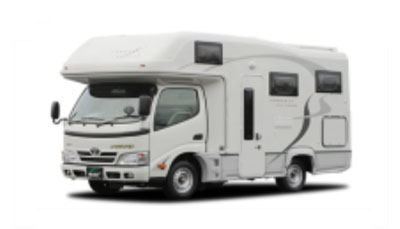
The best RV class for camping in Japan often balances interior space with maneuverability, which is crucial given some of Japan's narrower roads. Class B campervans are highly recommended for their compact size (Bandana's fleet averages 5.8m in length) and ease of navigation, offering comfortable sleeping for around 2-3 adults and consuming approximately 8-10 Liters/100 km. These smaller vehicles, like a "rental denver example Category Van" or "hire campervan example Paradise S/T", are perfect for couples or small families.
For those desiring a bit more space, Class SI - Semi-integrated RVs offer a good balance. These motorhomes (Bandana's fleet averages 6.9m in length, sleeping around 3-4 adults) are still quite manageable, with fuel consumption typically around 10-11 Liters/100 km. Larger Class C Alcove (averaging 7.5m) or Class A Integrated RVs (also averaging 7.5m), while luxurious, might present challenges on some rural roads, mountainous passes, or in tight city centers due to their length and width. Drive slowly and carefully, and you can drive almost anywhere without issues. No need to stress - just use common sense and pay attention. Remember, a standard car driver's license is sufficient for all motorhome classes in Japan.
How to Save on Campgrounds in Japan
To significantly save on campground costs in Japan, consider utilizing campground discount cards often available through rental providers or local tourism offices. Booking your motorhome and campsites during the shoulder seasons- such as spring (excluding Golden Week) or late autumn- can lead to considerably lower rates compared to peak summer or holiday periods. Choosing municipal or regional campgrounds over private resorts or glamping sites often results in more budget-friendly nightly fees, typically ranging from ¥2,000-¥5,000 per night for a spot with basic hookups. Additionally, some campgrounds offer weekly rates that are more economical than multiple nightly bookings, making them ideal for extended road trips. If traveling with a group or another family, sharing hookups or splitting the cost of a larger site can also effectively reduce individual expenses. Planning your RV PLANET routes allows you to itemize and track every expense along the way for easy budgeting.
What's it like driving an RV in Japan?
Driving a rented RV in Japan is a unique and rewarding experience that offers immense freedom, though it requires adapting to specific road conditions and rules. A key consideration is navigating Japan's often narrow roads, especially in rural areas, mountainous regions, and historic towns; selecting a smaller RV class like a campervan (Class B) or a semi-integrated (Class SI) can greatly ease driving. Drive slowly and carefully, and you can drive almost anywhere without issues. No need to stress - just use common sense and pay attention.
Tolls are a major factor: Japan has an extensive network of expressways with significant tolls, which can add up quickly; a 1,000 km trip can easily accumulate ¥10,000-¥20,000+ (approx. $70-$140 USD) in tolls. Consider renting an ETC (Electronic Toll Collection) card with your RV for seamless passage and potential discounts. GPS systems are highly reliable, but also consider using recommended apps like Google Maps or Japan-specific navigation apps with offline map capabilities, especially in areas with spotty connectivity. Observe strict speed limits, typically 80-100 km/h on expressways and 40-60 km/h on general roads. Road signs are generally bilingual (Japanese and English), making navigation easier for international drivers. Parking in cities like Kyoto or Osaka can be challenging and expensive; utilize Michi-no-Eki and dedicated campground parking outside of city centers when possible. Remember, at Bandana, we offer full transparency with no hidden fees, so you'll know exactly what to expect from your rental and any associated costs.
How much does a motorhome rental cost in Japan?
The cost of renting an RV in Japan varies dynamically based on the RV class, rental duration (week-long trips or more are common), season, and included features, but a comprehensive budget should also account for additional significant expenses. Rental costs typically range from ¥15,000 to ¥30,000+ ($100-$200 USD) per day for smaller RVs, increasing for larger models like a "6 Berth Deluxe" or during peak season. Prices are dynamic, similar to flight tickets, changing daily based on availability and supplier decisions, so the final price is set at the actual booking time.
Tolls are a major expense in Japan; a 1,000 km trip can easily accumulate ¥10,000-¥20,000+ ($70-$140 USD) in expressway tolls. Fuel costs can also be substantial; with Bandana's fleet averaging 8-12 Liters/100 km, budget accordingly, noting that diesel is generally cheaper than gasoline. Campsite fees typically range from ¥2,000-¥5,000 ($14-$35 USD) per night for a spot with basic hookups. For food and groceries, expect to spend ¥3,000-¥7,000 ($20-$50 USD) per day if cooking most meals in your rental caravan. Miscellaneous expenses include onsen entry fees, attraction tickets, parking, and potential Wi-Fi device rentals (around ¥1,000 / $7 USD per day for unlimited data). At Bandana, we compare final prices across suppliers, ensuring what you see is what you pay, with no surprise fees at pickup, and you can upgrade to a top-level deductible for extra peace of mind. For comprehensive budgeting and route planning, utilize the RV PLANET routes to itemize and track every expense.
Can you wild camp in Japan?
While direct 'wild camping' in the European or North American sense (pitching a tent anywhere) is generally not permitted or tolerated in Japan due to strict private property laws and strong cultural norms, designated roadside stations ('Michi-no-Eki') and some public parking lots do allow overnight stays for rest. It is crucial to understand that parking overnight at a Michi-no-Eki is primarily for resting and not for establishing a full campsite; this means no extending awnings, setting out chairs, or extensive cooking outside the vehicle. Always dispose of waste properly, separating trash meticulously according to local rules, and minimize noise to show respect for local communities and other travelers. Many Michi-no-Eki now offer clean restrooms and even tourist information, making them invaluable for a quick, respectful overnight stop in your rented campervan. Respect signs indicating 'no overnight parking' or 'no camping' and always prioritize designated campgrounds for multi-night stays and full camping amenities. For detailed route plans that include designated camping spots, consider using RV PLANET to help you plan your journey in Japan.
Is it worth renting an RV in Japan?
Renting an RV in Japan is exceptionally worthwhile for travelers seeking unique, immersive, and off-the-beaten-path experiences that other travel modes don't typically offer, providing unparalleled flexibility. A rented motorhome unlocks remote access to stunning natural parks, secluded beaches, and quaint rural towns that are often inaccessible or difficult to reach by public transport. This mode of travel allows for incredible flexibility and spontaneity; you can alter your itinerary on a whim, chase good weather, or linger longer in places you love, unlike rigid train schedules or fixed hotel bookings.
For families or groups of 4-6 people, RV travel can be significantly more economical than booking multiple hotel rooms and purchasing individual train passes, especially when factoring in the ability to cook your own meals in the onboard kitchen, saving on restaurant costs. Beyond the practicalities, RVing fosters a deeper, more immersive cultural experience, allowing for closer interaction with local communities, experiencing the unique Michi-no-Eki culture, and discovering hidden gems beyond the typical tourist routes. While trains offer speed and convenience for city-to-city travel, and rental cars provide flexibility for day trips, only a rented mobile home combines accommodation and transport, providing a true 'home on wheels' that is superior for extensive exploration of Japan's diverse landscapes and rural charm. As true RV specialists, we at Bandana help tens of thousands of travelers make these dreams a reality, ensuring a seamless booking process.
How many days do you need for an RV trip in Japan?
The ideal duration for an RV trip in Japan typically ranges from 7 to 14 days to fully appreciate the country's diverse landscapes and rich culture without feeling rushed. A week-long trip allows for focused exploration of a specific region, such as Hokkaido's vast national parks, Kyushu's volcanic hot springs, or the iconic Fuji-Hakone area. For a broader journey, like a central Honshu loop or combining two distinct regions, 10 to 14 days provides ample time for leisurely driving (we recommend slow travel, max 100-150 km per day on average), sightseeing, and relaxation.
Shorter trips of 3-5 days are suitable for quick getaways or exploring areas close to major cities like Tokyo or Osaka, but might feel constrained for a full RV experience given the travel times between major attractions. Remember, the beauty of a rented RV is the flexibility to extend your stay in a place you love. Planning a comfortable pace allows you to truly feel the place, connect to the culture, the food, and the scenery. For instance, a quick escape from Narita to a tranquil coastal spot in Hiratuska Kanagawa could be a perfect short trip.
Do you need an international driving permit for an RV in Japan?
Yes, you absolutely need an International Driving Permit (IDP) issued under the 1949 Geneva Convention to legally drive a rented RV in Japan if you are a foreign tourist. The IDP must always be presented along with your valid national driver's license from your home country. It is crucial to obtain your IDP from the authorized body in your country (e.g., AAA or AATA in the US, AA in the UK) before you arrive in Japan, as you cannot get one there. The IDP is typically valid for one year from its date of issue, or until your national license expires, whichever comes first. While a standard car driver's license is sufficient for all motorhome classes, the IDP is your essential companion for legal driving in Japan. Always carry both your national license and your IDP when operating your rental campervan.
Is Japan RV friendly?
Japan is increasingly RV-friendly, offering excellent infrastructure and a welcoming attitude towards travelers, provided visitors adhere to local customs and regulations. RV travelers must be mindful of cultural etiquette, such as keeping noise levels low, especially at Michi-no-Eki, and always respecting private property. Avoiding littering and maintaining a low profile when not in designated camping areas are paramount to ensuring a harmonious travel experience. Adhering to Japan's complex trash separation rules is also critical; campgrounds typically provide clear guidelines and designated bins for burnable, non-burnable, plastics, and glass, making disposal easy when you understand the system.
For seamless travel, securing a tourist SIM card or portable Wi-Fi device is crucial for navigation and communication, as connectivity can vary in remote areas. While Japan is a very safe country, RVers should be prepared for potential natural disasters (earthquakes, typhoons) by monitoring local news and having an emergency kit, just like any traveler. Many campgrounds and attractions are accommodating to families with young children or elderly travelers, and some are becoming pet-friendly, though always check in advance for specific pet policies. The growing network of 'RV Parks' (R V パーク) and Michi-no-Eki, coupled with widespread clean public facilities, makes Japan a very accessible and enjoyable destination for a rented RV adventure. Our 24/7 support means real people are behind you every step of the way, offering peace of mind.
Can foreigners rent an RV in Japan?
Yes, foreigners can absolutely rent an RV in Japan, provided they meet specific requirements, primarily holding a valid International Driving Permit (IDP) and their home country's driver's license. Most rental companies require the primary driver to be at least 21 years old and have held their driver's license for a minimum period, typically one year. There are no young driver surcharges and no vehicle class restrictions based on age when renting through Bandana, making RV travel accessible for younger adults. It is essential to book your rental motorhome well in advance, especially during peak travel seasons, as the RV rental fleet popular with foreigners can be limited. Ensure all required documents, including your passport, national driver's license, and IDP, are in order before arrival and present them at the rental counter. With Bandana's direct partnerships with 50+ leading RV suppliers worldwide, including trusted names like Apollo and Britz, we make finding and booking your ideal campervan or motorhome in Japan simple and transparent.
What is a Michi-no-Eki in Japan?
A Michi-no-Eki (道の駅), literally meaning 'Roadside Station,' is a government-designated roadside facility in Japan that serves as a crucial rest stop, local information center, and hub for regional products. These stations are invaluable for travelers in their rented RVs, typically offering clean restrooms, free parking, tourist information, and often featuring shops selling local produce, crafts, and specialty foods, as well as restaurants or cafes. Many Michi-no-Eki allow overnight parking for RVs and cars as a place to rest, although it's important to remember they are not designated campgrounds for full camping setups.
Michi-no-Eki are integral to Japanese road trip culture, providing a glimpse into local life and regional specialties. Travelers must adhere to etiquette regarding noise levels and proper waste disposal, ensuring these shared spaces remain clean and welcoming for everyone. They are especially useful for spontaneous travelers or those on a budget looking for a convenient and free overnight stop for their rental campervan. With over 1,200 Michi-no-Eki across the country, your Japanese RV adventure will always have a comfortable and interesting stop nearby. Exploring available route plans on rvplan.net can often highlight Michi-no-Eki with unique features or nearby attractions.
🎬 Video coming soon
What You Shouldn't Miss
- **Explore the Fuji Five Lakes Area:** Take your rented RV to the shores of Lake Kawaguchiko for breathtaking views of Mount Fuji, especially during cherry blossom season (April) or autumn foliage (November). Camp at a lakeside site and wake up to Japan's most iconic volcano.
- **Indulge in Onsen Hopping in Kyushu:** Drive your campervan through Kyushu's volcanic landscapes and enjoy a traditional hot spring bath daily. Many campgrounds and Michi-no-Eki have onsen access, offering a unique blend of nature and relaxation.
- **Discover Rural Hokkaido:** Head north with your motorhome to experience Hokkaido's vast, untamed nature. From lavender fields in Furano in summer to spectacular national parks, it's a paradise for slow travel, allowing you to truly connect with the scenery.
- **Immerse Yourself in Michi-no-Eki Culture:** Don't just stop for gas; embrace the unique cultural experience of Japan's roadside stations. Sample local delicacies, buy artisan crafts, and enjoy community events. It's a fantastic way to engage with local communities.
- **Visit Ancient Temples and Modern Cities:** Use your RV as a mobile headquarters to venture into historic sites like Kyoto or modern marvels like Tokyo (parking your RV outside the city center and using public transport). With a rented RV, you have the flexibility to experience both sides of Japan.
- **Enjoy Coastal Drives:** Explore scenic coastal routes, particularly along the Sea of Japan or the Pacific, for fresh seafood and stunning ocean views. Many spots offer fresh local seafood, which you can prepare right in your RV kitchen, making for an unforgettable meal.
Looking for expert insights from Avi Bandana? Top 5 Adventures - recommendations from Avi Bandana
Final Thoughts
Exploring Japan by a rented RV truly opens up a world of discovery, offering a freedom and intimacy with the culture and landscapes that other travel methods simply can't match. From the bustling energy near cities like Tokyo or Osaka to the serene beauty of Hokkaido's plains, your motorhome becomes your personal gateway to adventure. Remember that thoughtful planning, especially around campground bookings and understanding local customs, will ensure a smooth and unforgettable journey.
Whether you're a meticulous planner who loves to organize every detail months in advance, or a spontaneous spirit ready to call ahead for a last-minute spot, Japan's evolving RV infrastructure is ready for you. We're here to support you in finding the perfect rental camper or motorhome, making sure your booking is straightforward, transparent, and exactly what you expect. So, take the wheel and get ready for an incredible Japanese road trip!
Discover top destinations, planning tips, all in one place! Plan a trip itinerary in advance with minimal effort and maximum enjoyment. Compare Motorhome Prices for Japan and start your journey today!