In This Guide
- Where to Camp in Alaska - Top Options
- Campground Types in Alaska (National, Private, Wild)
- Featured RV Park or Campground in Alaska
- Hookups & Amenities - What to Expect
- Booking Windows & Reservations in Alaska
- Nearby Supermarkets & Resupply Points
- Best RV Class for Camping in Alaska
- How to Save on Campgrounds in Alaska
- Can I park my RV anywhere in Alaska?
- What is the 3-3-3 rule for RVs and campers?
- Where is the best place to park an RV for free?
- Is boondocking legal in Alaska?
- What does FF mean in camping?
- What is the best time of year to RV to Alaska?
- How much are campsites in Alaska?
- What is the 200 rule for camping?
- What You Shouldn't Miss
- Why Book with Bandana Caravan
- Final Thoughts
- Frequently Asked Questions
An RV adventure near an Alaska airport offers the ultimate gateway to explore the Last Frontier, blending accessibility with the freedom of the open road. Whether you're landing in Anchorage, Fairbanks, or another major hub, the convenience of picking up a rented motorhome right from the vicinity of the airport means you can start your exploration of Alaska's vast landscapes, wildlife, and unique cultural experiences without delay. For live availability and current prices, start with our RV Rental Alaska - Complete Guide 2026 guide.
Where to Camp in Alaska - Top Options
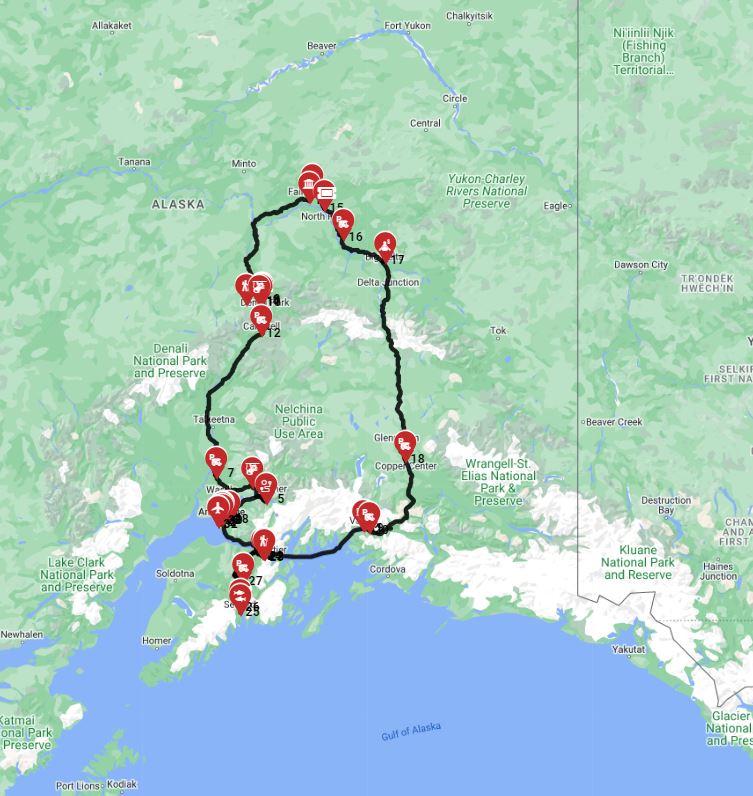
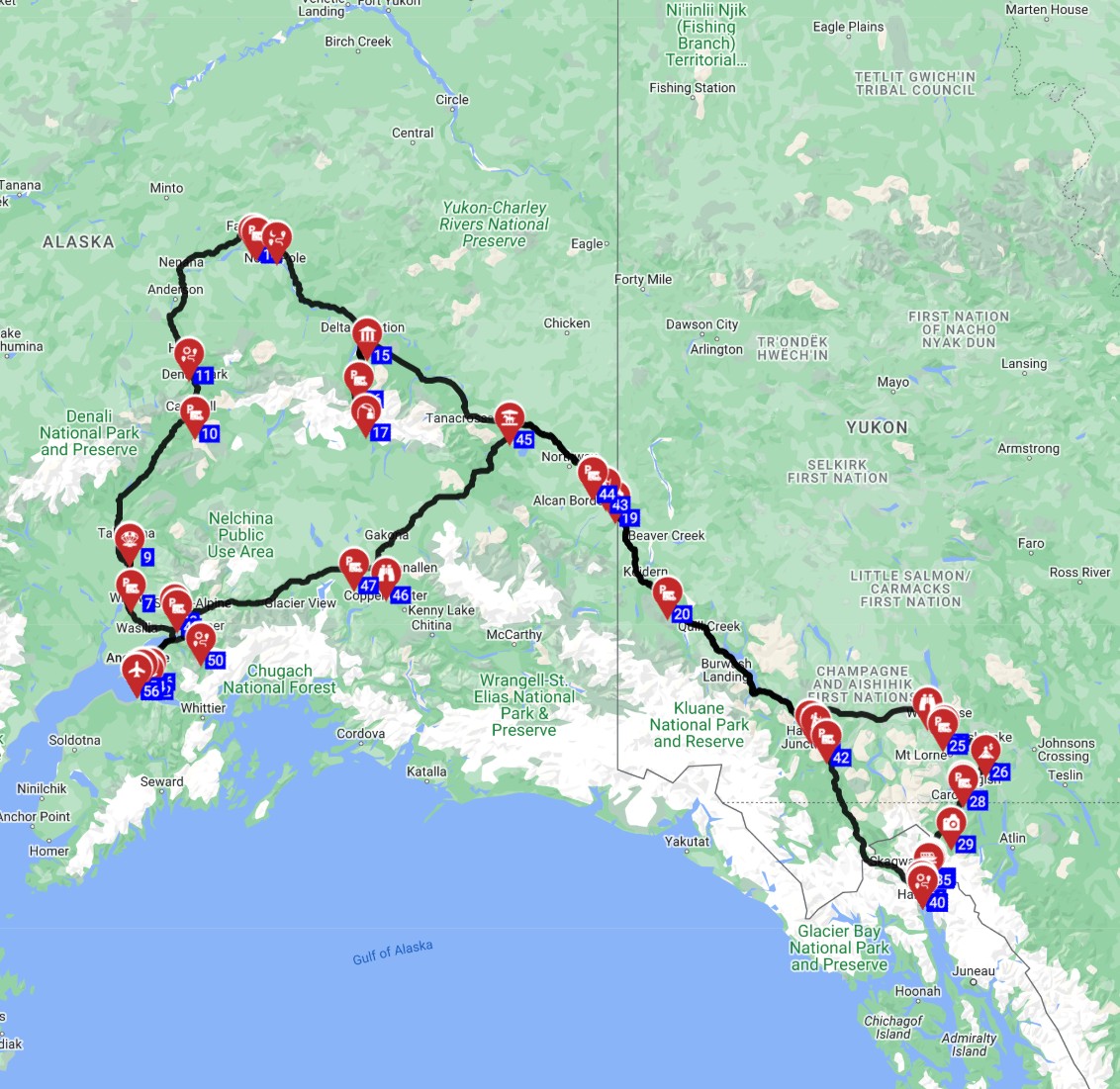
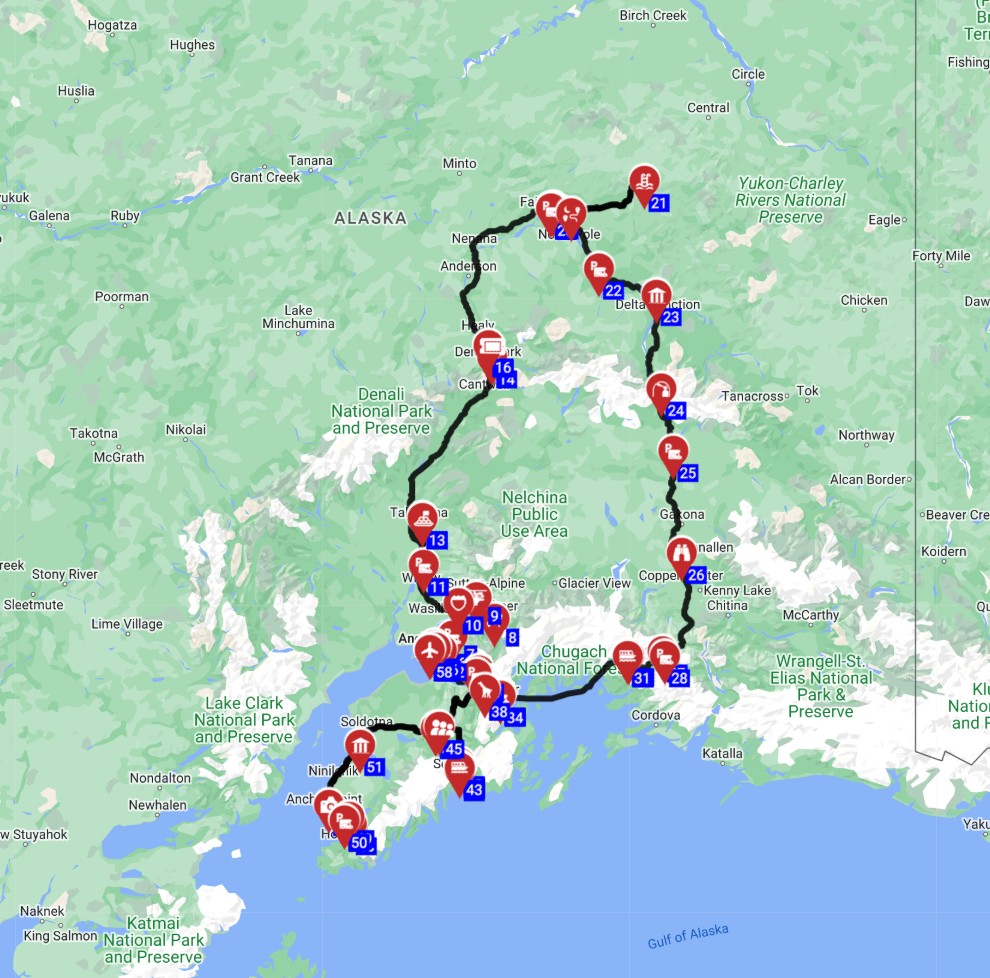
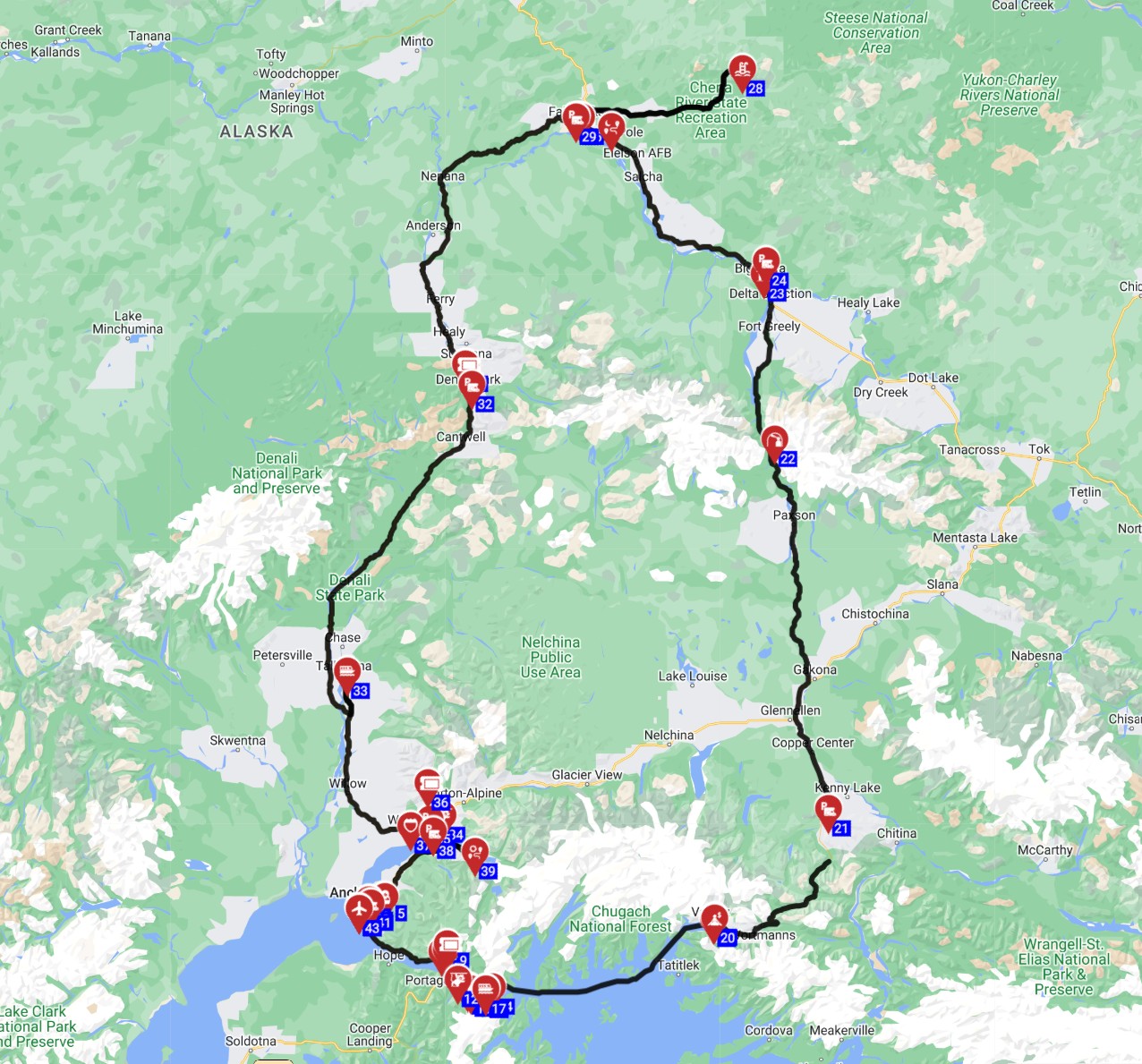
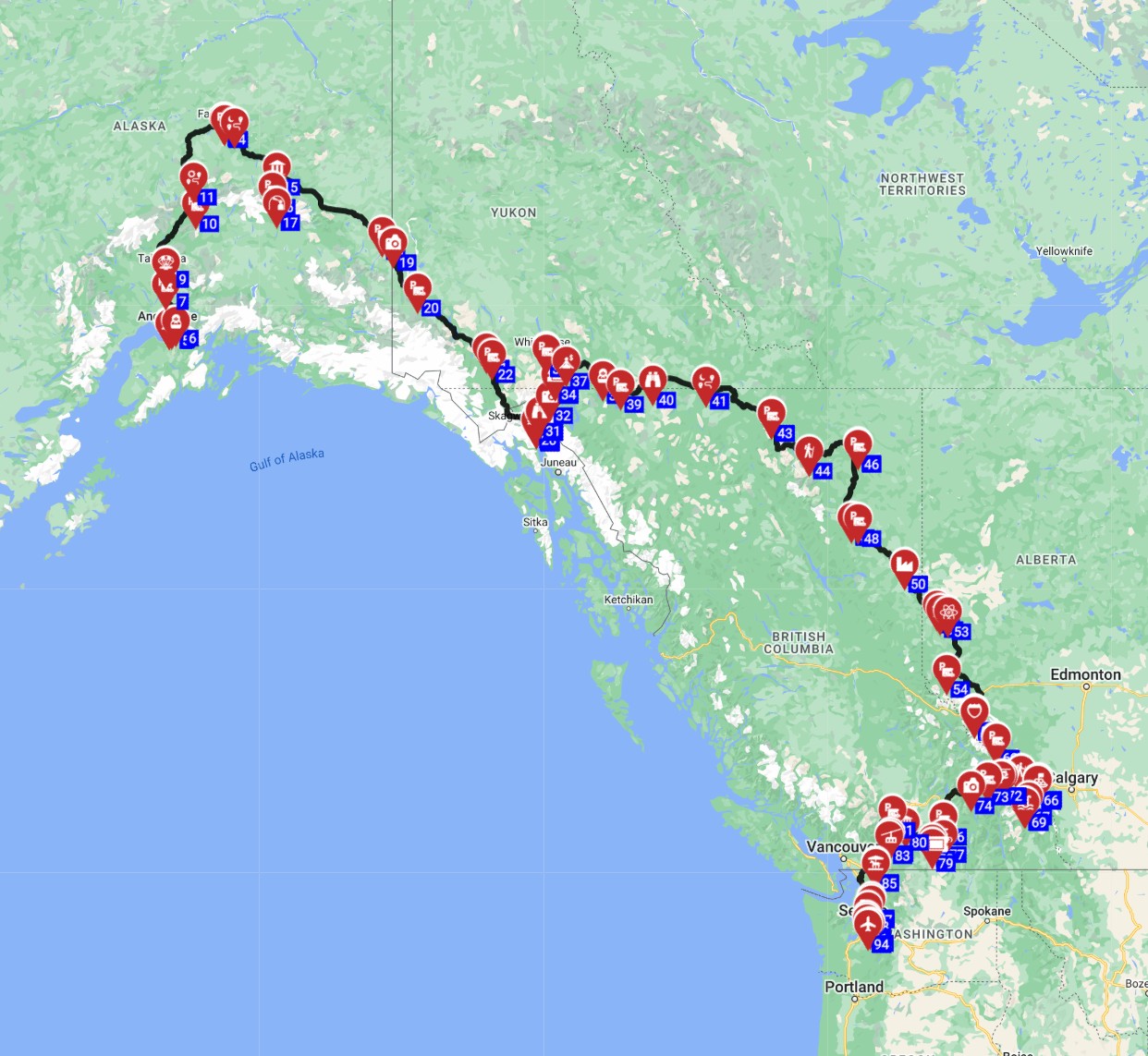
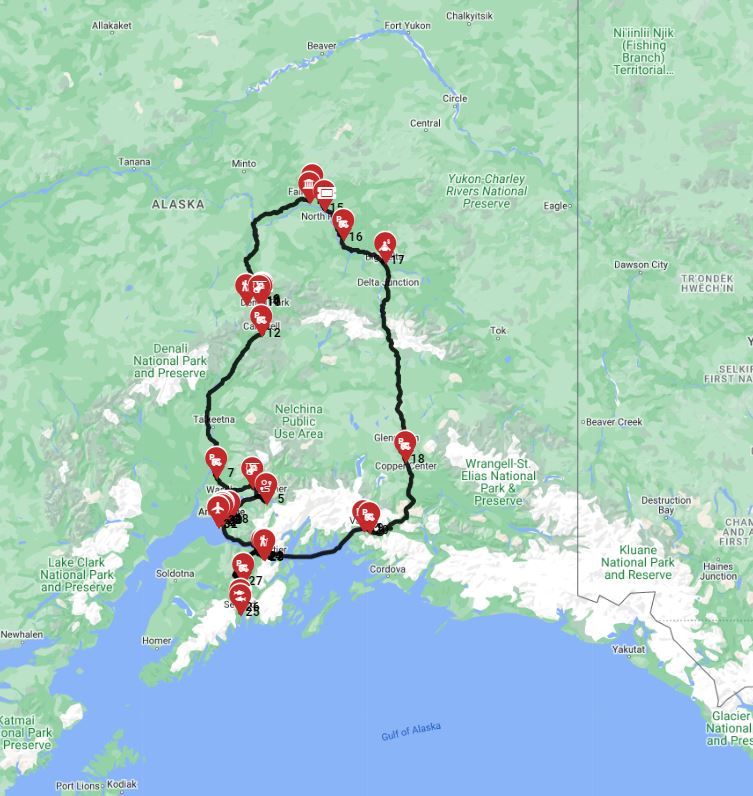
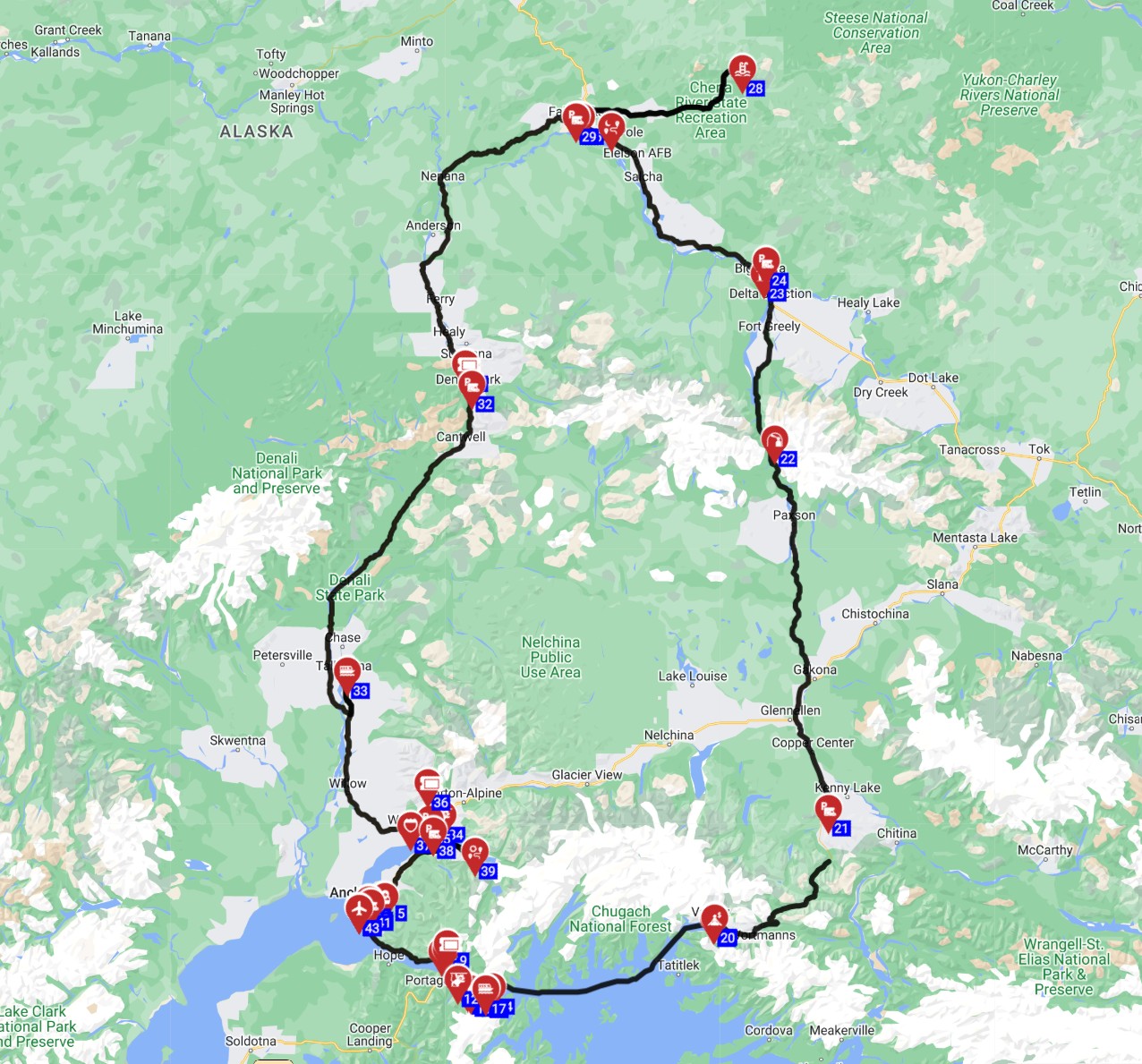
Alaska offers diverse camping experiences, ranging from well-serviced private RV parks near major cities like Anchorage and Fairbanks to remote, primitive sites in state and federal lands. When planning your route, consider regional options such as the Denali area for breathtaking mountain views and extensive hiking trails, the Kenai Peninsula for unparalleled coastal scenery and world-class fishing, or Interior Alaska for an immersive vast wilderness experience. Top options include numerous Alaska state parks, national park campgrounds (which often require early reservations due to high demand), and various private RV parks that provide extensive amenities.
For those starting their adventure from the capital, Anchorage, a popular choice is the
Campground Types in Alaska (National, Private, Wild)
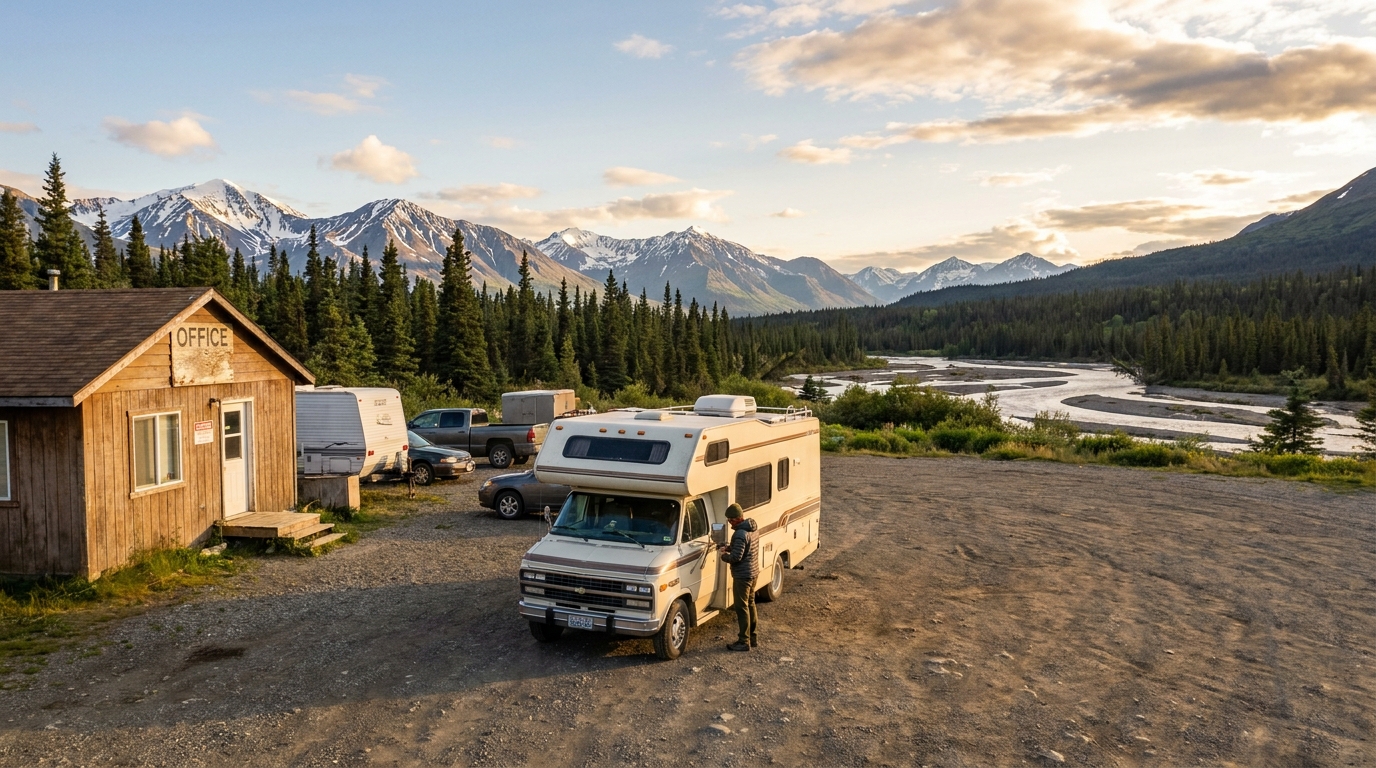
Alaska features a wide range of campground types to suit every preference, including National Park/Forest Service sites, State Parks, private RV parks, and extensive opportunities for wild camping or boondocking. National Park and Forest Service campgrounds are typically scenic, offering basic amenities like vault toilets and potable water, and are highly popular, often requiring advance reservations or operating on a first-come, first-served (FCFS) basis. Alaska State Parks provide a good balance of natural beauty and varying levels of service, from developed sites with some hookups to more primitive options. Private RV parks offer the most amenities, including full hookups, laundry, and showers, at a higher cost, and are generally located closer to towns and services. Wild camping, or boondocking, is legal and widely tolerated on vast areas of public land (like those managed by the Bureau of Land Management-BLM and in National Forests), but it demands complete self-sufficiency, strict adherence to Leave No Trace principles, and awareness of specific Alaskan regulations regarding wildlife, fire restrictions, and waste disposal.
🎬 Video coming soon
For more insights into managing your trip, including finding the best spots, check out our "RV Travel Guide to Alaska - Tips and Top Spots 2026".
Featured RV Park or Campground in Alaska
When selecting a rented RV park in Alaska, prioritize locations that offer a blend of essential amenities and direct access to the state's unparalleled natural wonders. Look for parks with convenient pull-through sites, full hookups (electric, water, sewer), and on-site facilities like coin-operated laundry, clean showers, and potentially a small general store for basic provisions. The most sought-after options typically provide excellent access to popular attractions, extensive hiking trails, prime fishing spots, and often foster a strong sense of community among fellow travelers, making your stay more enjoyable. Always consider parks that are known for their proximity to wildlife viewing opportunities or those that serve as strategic bases for exploring specific regions of Alaska, ensuring your rental motorhome experience is everything you dreamed of. Planning for meals and snacks in your RV kitchen can also save on dining out, and you can find inspiration in our RV-friendly recipes playlist.
Consider exploring Anchorage, one of the top cities for RV rental in Alaska, as a base. From there, you can embark on adventures like the
Hookups & Amenities - What to Expect
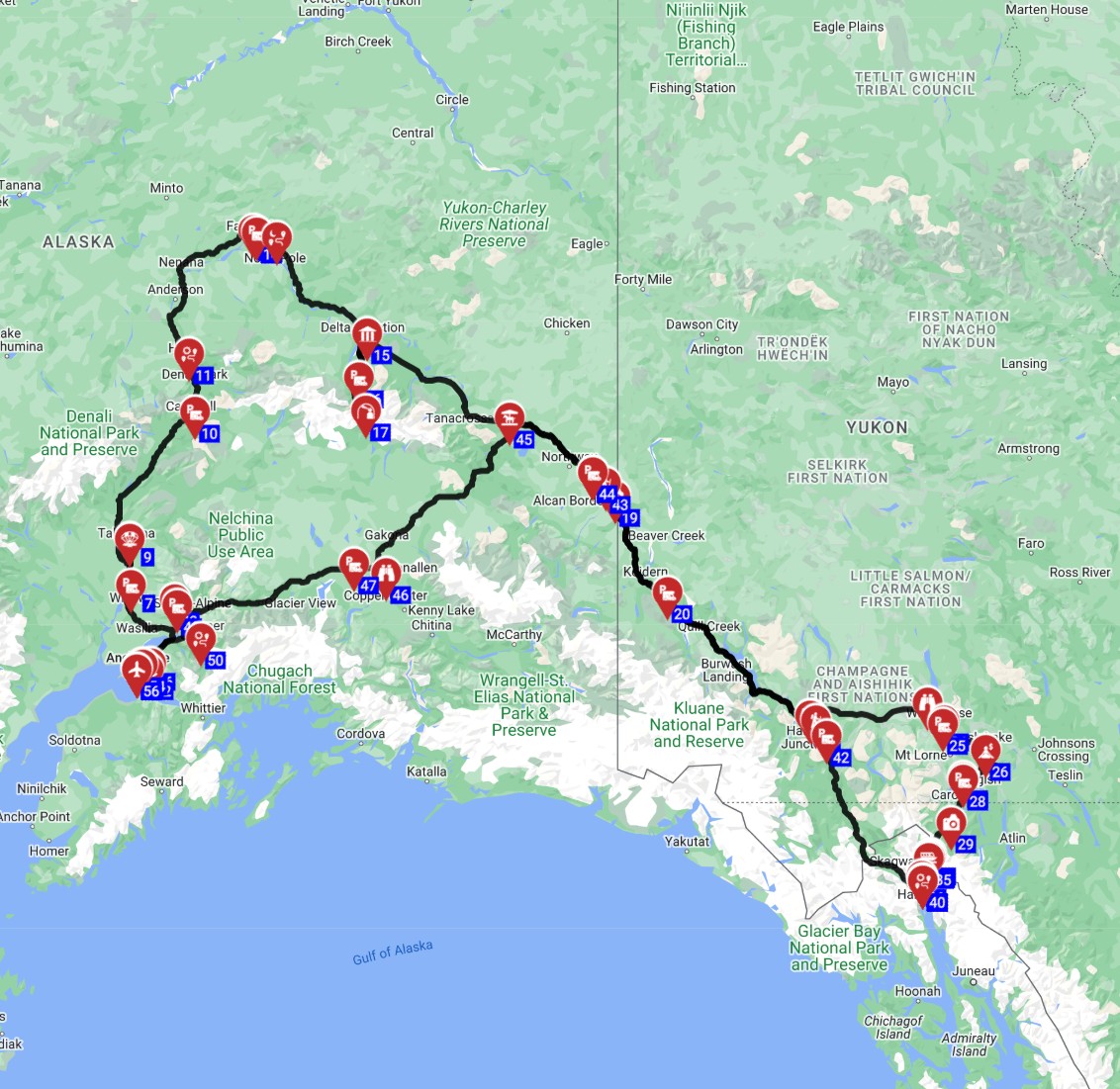
In Alaska, rented RV campgrounds offer various levels of hookups and amenities, ranging from basic dry camping (boondocking) to full-service sites. Full hookups typically include 30 or 50 amp electric service, potable water, and a sewer connection for wastewater disposal, providing maximum convenience. Partial hookups commonly provide electric and water connections, requiring RVers to use designated dump stations for sewer disposal. Beyond hookups, expect standard amenities like coin-operated showers, laundry facilities, and picnic tables at most developed campgrounds. However, it's crucial to manage expectations for modern conveniences: Wi-Fi and reliable cell service can be spotty or entirely non-existent in many remote Alaskan regions, making personal satellite messengers or emergency beacon devices a wise safety consideration for your rented campervan journey. On the routes offered through RV PLANET routes, you can itemize and track every expense along the way for easy budgeting.
For those interested in understanding costs associated with these amenities and other travel expenses, remember that RV PLANET routes allow travelers to itemize and track every expense along the way for easy budgeting.
Booking Windows & Reservations in Alaska
For RV camping in Alaska, travelers who prefer everything organized should aim to book popular national and state park campgrounds 6-12 months in advance, especially for travel during the peak season of June through August, when demand is highest. However, more spontaneous travelers can often find spots at smaller state, BLM, or private campgrounds, which frequently have availability for same-day or next-day booking, but you should always call ahead before driving long distances to confirm. A useful rule to remember is that many national park campgrounds only release 25-30% of their spots for advance reservations, leaving the majority available on a first-come, first-served (FCFS) basis, offering flexibility for those without strict itineraries. You'll almost certainly find a spot; if not at the first campground, then the next one. Just use common sense and pay attention, and call ahead before driving.
Nearby Supermarkets & Resupply Points
For resupply needs while RVing in Alaska, it's essential to plan your stops around larger towns where major supermarket chains like Fred Meyer (Kroger), Safeway, and Carrs are typically located, such as Anchorage, Fairbanks, and Juneau. These larger centers offer a wide selection of groceries and supplies, often at better prices. Smaller communities throughout Alaska will usually feature independent markets or general stores, though selection may be limited, and prices can be significantly higher. It's crucial to budget for food and supplies in advance, especially when venturing into remote areas where resupply points can be hundreds of miles apart, ensuring you have enough provisions for extended periods. We handle the details of your RV rental, so you can focus on planning your resupply strategy and living the journey.
Best RV Class for Camping in Alaska
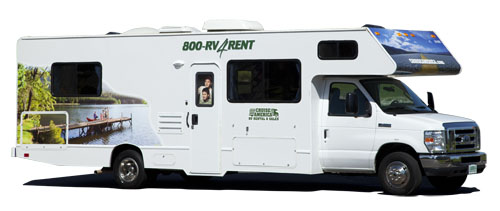
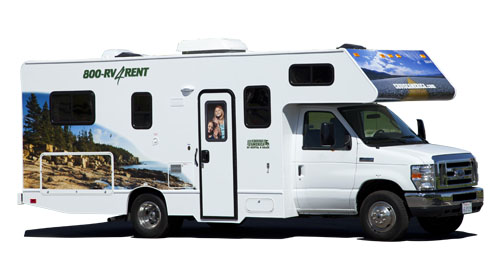
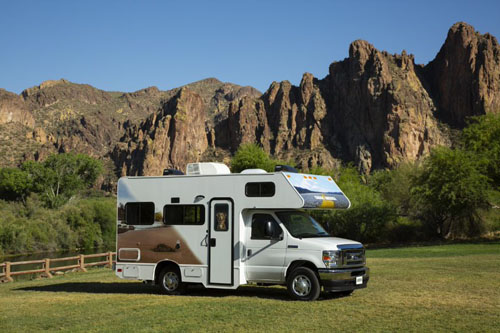
The best RV class for camping in Alaska often balances maneuverability on diverse roads with sufficient comfort and storage for remote travel. Class B Camper Vans, averaging 5.8m in length with sleeping for 3.2 and adults for 2.7, are excellent for navigating Alaska's varied terrain and accessing smaller, often boondocking-friendly sites, with Bandana's fleet typically consuming 10 Liter / 100 Km. These compact rented campervans are easy to drive and park, even in smaller towns, and perfect for couples or solo adventurers. Class C Alcove RVs, with an average length of 7.5m, sleeping for 5.8, and adults for 4.4, offer more space and amenities, making them a popular choice for families with kids or groups of friends, while still being manageable on Alaskan roads, typically consuming 10-12 Liter/100 km from Bandana's fleet. For example, a "cruise america rv rental example Explorer" model might offer a fresh water tank of 82 Liters and a fuel consumption of 11 Liters / 100 Km. Regardless of the rented mobile home class, prepare for Alaskan conditions by ensuring your RV's heating system and water tank insulation are suitable for cooler temperatures and potentially unpaved roads, and always consider bear-resistant food storage protocols.
A standard car driver's license is sufficient for ALL motorhome classes (Class A, Class B, and Class C) in Alaska, so there's no need for special permits to pilot your chosen rented RV.
How to Save on Campgrounds in Alaska
To save on campground costs in Alaska, travelers can leverage Bandana's campground discount cards, which can significantly reduce nightly rates at participating private parks. Traveling during the shoulder seasons (late May and early September) often means lower prices and fewer crowds compared to the peak summer months of July and August. Opt for municipal or regional campgrounds over more expensive private resorts, as they typically offer good value with essential amenities. Consider staying for three or more nights at a single location to take advantage of potential weekly rates, which can be more cost-effective than nightly bookings. Finally, utilizing free boondocking options on public lands where legal and permissible, such as Bureau of Land Management (BLM) areas, can dramatically reduce your accommodation expenses, though this requires full self-sufficiency and careful planning for water and waste.
Can I park my RV anywhere in Alaska?
No, you cannot park your RV just anywhere in Alaska; while the vast public lands offer extensive boondocking opportunities, specific regulations govern where and how you can park, especially concerning private property, national parks, and local ordinances. Parking a rented mobile home is generally restricted to designated campgrounds within National Parks and Monuments, and permission is always required to park on private land. On federal lands like those managed by the Bureau of Land Management (BLM) and in National Forests, dispersed camping is often allowed for short durations (typically up to 14 days), but campers must adhere to strict rules regarding wildlife interaction, fire restrictions, and proper waste disposal. Many Alaskan municipalities have local ordinances prohibiting overnight RV parking on streets or in public parking lots, so always check local regulations before settling for the night. Drive slowly and carefully, and you can drive almost anywhere without issues. No need to stress - just use common sense and pay attention.
What is the 3-3-3 rule for RVs and campers?
The '3-3-3 rule' for RVs and campers is a popular guideline suggesting travelers drive no more than 300 miles a day, arrive at their destination by 3 PM, and stay for at least 3 days. Driving no more than 300 miles (approximately 480 km) a day helps prevent driver fatigue, which is crucial on Alaska's often challenging roads that can feature frost heaves, gravel sections, and narrow passes. Arriving by 3 PM ensures you have ample daylight to find a campsite, especially for first-come, first-served spots, and allows sufficient time to set up your rented campervan and relax before dark. Staying for at least 3 days at a location promotes a more relaxed pace, reduces constant setup and teardown, and allows for deeper exploration of the unique Alaskan environment, enhancing overall safety and enjoyment of your rented motorhome adventure. This aligns with our philosophy to "Travel slowly, max 100-150 km per day on average. Take time to feel the place, connect to the culture, the food, and the scenery."
Where is the best place to park an RV for free?
The best places to park a rented RV for free in Alaska are typically on federal public lands managed by the Bureau of Land Management (BLM) and in some National Forests, where dispersed camping (boondocking) is generally permitted, provided you follow Leave No Trace principles and local regulations. Vast tracts of BLM land, particularly in Interior Alaska, offer numerous opportunities for free overnight parking, allowing for a truly immersive wilderness experience with your mobile home. Specific Alaska State Parks may also offer primitive, first-come, first-served sites for free or a very nominal fee, providing a balance of access and basic amenities. When parking for free, be prepared for complete self-sufficiency as no services (water, sewer, electric) will be available, and always prioritize safety by being prepared for wildlife encounters and ensuring proper waste disposal in remote regions. For finding campsites and campgrounds during your trip, we recommend using rvplan.net – a great resource for locating available spots along your route.
Is boondocking legal in Alaska?
Yes, boondocking, or dispersed camping, is generally legal and widely available on many public lands in Alaska, particularly on Bureau of Land Management (BLM) lands and in National Forests, provided campers adhere to specific regulations, including Leave No Trace principles and local fire bans. While legal on public lands, boondocking is not permitted within National Parks, on private property without permission, or in most developed municipal areas. Key regulations for boondocking in Alaska include respecting 14-day stay limits, packing out all trash, properly disposing of human waste (e.g., 'cat holes' at least 200 feet from water sources), storing food in bear-resistant containers, and strictly observing any active fire restrictions. Responsible tourism is paramount when boondocking in Alaska's fragile ecosystem; minimize your impact on the tundra, stay on established paths, and engage respectfully with local indigenous cultures and communities. The vastness of Alaska means plenty of solitude, but always be prepared for the unexpected.
What does FF mean in camping?
In camping contexts, 'FF' typically stands for 'Full Hookups,' indicating that a campsite provides electric, water, and sewer connections, offering maximum convenience for RV travelers in Alaska. A full hookup site means you have direct access to electricity for power, a potable water line for fresh water, and a sewer connection to dispose of your wastewater without needing to visit a separate dump station. While 'Full Hookups' is the most common meaning, in specific campground directories or local slang, 'FF' could occasionally refer to 'Family Friendly' or 'Fire Friendly' (meaning campfires are allowed), so always confirm the context if unsure. Understanding 'FF' is crucial for planning your Alaska RV rental trip, as it directly impacts your self-sufficiency needs, particularly regarding water tank insulation and heating systems in varying Alaskan conditions. Bandana provides detailed information on included features when you compare final prices across suppliers, ensuring what you see is what you pay, with no surprise fees at pickup.
What is the best time of year to RV to Alaska?
The best time of year to RV to Alaska is generally from late May through early September, offering the warmest weather, longest daylight hours (including the famous Midnight Sun), and full accessibility to roads, campgrounds, and attractions. Peak season (June to August) provides the most reliable weather, with average temperatures in the low 20s Celsius (60s-70s Fahrenheit), all services fully operational, and prime wildlife viewing opportunities, though it also brings larger crowds and higher prices for campsites and activities. Shoulder seasons, particularly late May and early September, offer a quieter experience with fewer crowds, potentially lower costs for your rented camper, and excellent opportunities for specific interests like bear viewing (early summer) or aurora borealis displays (late August/September). When planning, consider the extensive fuel costs associated with driving long distances in Alaska, as well as potential ferry costs if you plan to explore coastal regions like the Inside Passage. For detailed cost breakdowns and trip planning, check out "RV Rental in Alaska - Prices and Best Deals 2026".
How much are campsites in Alaska?
Campsite prices in Alaska vary significantly based on the type of campground, amenities offered, and location, typically ranging from free for dispersed camping on public lands to $30-$70+ per night for private RV parks with full hookups. Dispersed camping on federal lands like BLM or National Forests is generally free, but offers no amenities and requires full self-sufficiency and adherence to strict environmental regulations. State and federal campgrounds usually cost between $15-$30 per night for basic sites, which may include vault toilets and potable water, but often lack electric or sewer hookups. Private RV parks, especially those near popular attractions like Denali National Park or in larger cities such as Anchorage, command higher rates, from $40 to over $70 per night, in exchange for full hookups, showers, laundry facilities, and sometimes Wi-Fi. Many national parks reserve only 25-30% of spots; the rest are first-come-first-serve, offering some flexibility. You can also look into "Weekly RV Rental in Alaska - Pricing 2026" for potential long-term savings.
What is the 200 rule for camping?
The '200-foot rule' in camping is a common guideline, especially on public lands in Alaska, advising campers to set up their tents, build fires, and dispose of waste at least 200 feet (approximately 70 steps or 60 meters) away from water sources, trails, and roads. This rule is a cornerstone of Leave No Trace principles, essential for minimizing environmental impact, safeguarding water quality, and preserving the pristine wilderness experience for others, particularly in Alaska's sensitive ecosystems. Adhering to the 200-foot rule for human waste disposal means digging a 'cat hole' away from water sources to allow natural decomposition, a critical practice in remote Alaskan regions where waste facilities are non-existent. Following this guideline also helps in managing wildlife encounters by creating a buffer zone and preventing animals from becoming habituated to human presence near vital water sources. When operating your rented mobile home, always remember these principles for a responsible adventure.
What You Shouldn't Miss
- Drive the Seward Highway: This 200 km (125-mile) scenic byway from Anchorage to Seward offers stunning coastal and mountain views, with numerous pull-offs for photography and wildlife spotting, including beluga whales in Turnagain Arm.
- Explore Denali National Park: Witness North America's tallest peak, Denali, and search for the "Big Five" wildlife: bears, moose, caribou, wolves, and Dall sheep. While RV access is limited beyond the Savage River Campground (Mile 15), shuttle buses provide deep park access.
- Fish the Kenai River: Head to the Kenai Peninsula, known for world-class salmon and trout fishing. Find a scenic spot for your rented RV near Soldotna or Cooper Landing and enjoy some angling.
- Visit a Glacier: Get up close to massive ice formations like the Matanuska Glacier, which is accessible by road and offers guided treks, or take a boat tour to see tidewater glaciers calving in Prince William Sound.
- Witness the Northern Lights: For late summer or early fall visitors, venture north to Fairbanks, the prime location for aurora borealis viewing, where longer nights increase your chances of seeing the spectacular light show.
Looking for expert insights from Avi Bandana? Top 5 Adventures - recommendations from Avi Bandana
Consider the expansive
Final Thoughts
Embarking on a rented RV adventure near an Alaska airport is more than just a trip; it's an opportunity to connect deeply with one of the world's most stunning natural environments. From the moment you pick up your comfortable motorhome near the airport, you're set for unparalleled freedom to chase the Midnight Sun, witness incredible wildlife, and explore rugged landscapes at your own pace. Remember to plan slowly, savor each moment, and rely on the comprehensive resources like RV PLANET to guide your way.
With Bandana's commitment to full transparency, 24/7 support, and top-level deductible reimbursement, you can set off with confidence, knowing you have a team of true RV specialists behind you. Get inspired for your next trip, discover top destinations, and plan your route itineraries in advance with minimal effort and maximum enjoyment. Alaska is waiting to be explored by you!
Discover your perfect motorhome rental in Alaska today. Compare RV Rental Deals in Alaska - Latest Offers 2026 and find the ideal vehicle for your Alaskan journey.