For live availability and current prices, start with our RV Rental Zambia - Complete Guide 2026 guide.
In This Guide
- Where to Camp in Zambia - Top Options
- Campground Types in Zambia (National, Private, Wild)
- Featured RV Park or Campground in Zambia
- Hookups & Amenities - What to Expect
- Booking Windows & Reservations in Zambia
- Nearby Supermarkets & Resupply Points
- Best RV Class for Camping in Zambia
- How to Save on Campgrounds in Zambia
- What are the specific logistics for larger RVs (motorhomes) beyond typical 4x4 overland vehicles in Zambia?
- Where can I find RV-specific amenities like dump stations, fresh water refill points, and propane (LPG) in Zambia?
- What are the rules for wild camping vs designated campgrounds for RVs in Zambia?
- How much does RV travel cost in Zambia - a detailed budget breakdown?
- What should I consider for long-term RV travel in Zambia?
- What are the RV rental options within Zambia or nearby countries specifically suitable for Zambian travel?
- What are cultural immersion and responsible tourism tips specifically for RV travelers in Zambia?
- What are the route-specific safety and road condition advisories for major RV routes in Zambia?
- What You Shouldn't Miss
- Why Book with Bandana Caravan
- Final Thoughts
- Frequently Asked Questions
Imagine yourself embarking on an unforgettable adventure through the heart of Southern Africa, with the freedom of a rented motorhome as your mobile base. RV camping in Zambia offers an incredible opportunity to explore stunning landscapes, diverse wildlife, and vibrant cultures at your own pace. As true RV specialists, we at Bandana RV have been helping tens of thousands of travelers discover the world by RV since 2001, and Zambia is truly a jewel for this type of exploration. For live availability and current prices, start with our RV Rental Zambia - Complete Guide 2024 guide.
Where to Camp in Zambia - Top Options
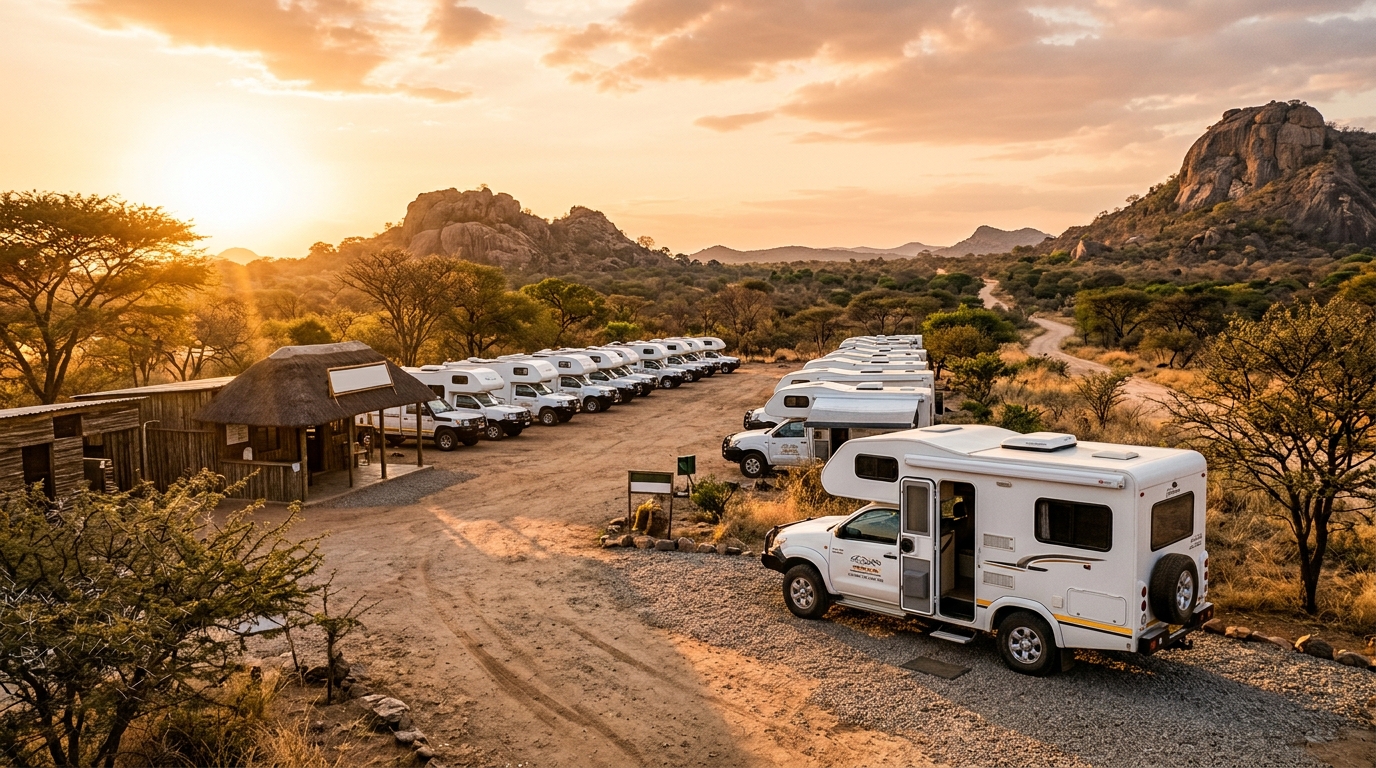
Zambia offers diverse camping experiences from popular tourist hubs like Livingstone to remote national parks such as Kafue and South Luangwa. Key regions for RV camping in Zambia include the Victoria Falls area, offering well-equipped campsites like Victoria Falls Waterfront and Maramba River Lodge, which provide excellent amenities and a wide range of activities. Further north, national parks such as Kafue and South Luangwa offer immersive wildlife viewing opportunities with designated wilderness campsites. Consider areas along the Zambezi River for scenic riverside camping spots that often come with stunning sunset views. When planning your route, prioritize campgrounds that offer secure parking and basic facilities, especially when traveling with a larger rented RV, to ensure a comfortable and worry-free stay.Campground Types in Zambia (National, Private, Wild)
Zambia features a mix of national park campgrounds, private campsites, and opportunities for tolerated wild camping, each with distinct rules and amenities for your rented campervan. National park campgrounds, such as those within Kafue or South Luangwa, typically offer basic facilities like ablution blocks and water, require park entry fees (around $25-$40 USD per person per day) and sometimes pre-booking, focusing on immersive wilderness experiences. Private campsites, often found near major tourist attractions or towns like Livingstone, generally provide more extensive amenities, including hot showers, electricity (220-240V with Type G outlets), and sometimes even Wi-Fi, along with enhanced security measures like perimeter fencing. Wild camping, also known as 'bush camping' or 'freedom camping,' is generally tolerated in non-designated areas outside national parks if you have permission from local communities or landowners, but it is crucial to seek this permission and prioritize safety and 'leave no trace' principles. Legality of wild camping can be ambiguous; always err on the side of caution and opt for designated sites if unsure or unable to secure explicit local consent.Featured RV Park or Campground in Zambia
When selecting an RV park or campground in Zambia, look for establishments that prioritize security, provide essential services, and offer a comfortable base for exploration. An ideal RV-friendly campground would feature level, shaded pitches that can accommodate various motorhome sizes, along with access to potable water and reliable waste disposal facilities. While full dump stations for grey and black water are not universally available, many private sites offer options for careful waste management. Consider sites with secure perimeter fencing, night guards, and clearly marked access points for peace of mind, especially when traveling with your valuable rental RV. Review recent traveler feedback regarding road access, particularly for larger vehicles like a Class C motorhome, and the availability of on-site staff for assistance, ensuring a smooth arrival and stay.Hookups & Amenities - What to Expect
RV hookups and amenities in Zambia vary significantly, ranging from basic facilities in national parks to more comprehensive services at private campgrounds. Electricity is typically 220-240V with Type G (UK-style) three-pin outlets, so travelers should carry appropriate adapters for their rented RV. Water refill points for fresh water are common at most established campgrounds, though quality should be verified and filtered if concerned. Dump stations for grey and black water are less common, primarily found at larger, more modern private RV parks and lodges, requiring careful planning for waste disposal, especially for extended road trips in Zambia. Wi-Fi is generally limited to reception areas or not available at all, particularly in remote park campgrounds, while laundry facilities and hot showers are more reliably found at private sites.Booking Windows & Reservations in Zambia
Planning ahead is crucial for securing preferred RV camping spots in Zambia, particularly during peak seasons (May-October), but spontaneous travel remains feasible. Many popular national park campgrounds only release 25%-30% of their spots for advance reservations, with the remainder typically available on a first-come, first-served basis. For planners, booking several months in advance for high-demand areas (like Victoria Falls or major national parks during the dry season) is recommended to ensure your spot for a rental motorhome. Spontaneous travelers can often find a place to stay, even if it means checking a few different campgrounds in an area; calling ahead before driving long distances is highly advised to confirm availability. While specific sites might be full, the overall availability of camping spots across different types of campgrounds means you will almost certainly find a place, if not at the first campground, then the next one.Nearby Supermarkets & Resupply Points
Major towns in Zambia, such as Lusaka, Livingstone, and Kitwe, offer well-stocked supermarkets and local markets for RV resupply during your adventure. Look for chains like Shoprite or Pick n Pay, which offer a wide range of groceries, fresh produce, and essential household items suitable for stocking your rental camper. Smaller towns and villages will have local markets for fresh produce and basic necessities, providing an opportunity for cultural immersion and discovering local flavors. It's advisable to stock up on non-perishables and specialized items in larger cities before venturing into more remote areas, where options may be limited for your extended road trip in Zambia. When planning your meals and cooking in your RV, remember to visit our RV-friendly recipes playlist for inspiration!Best RV Class for Camping in Zambia
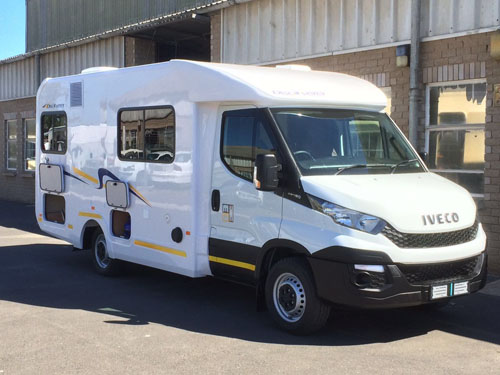
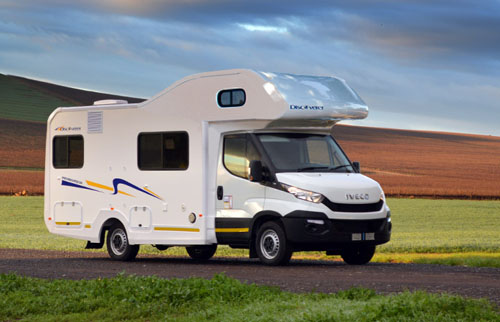
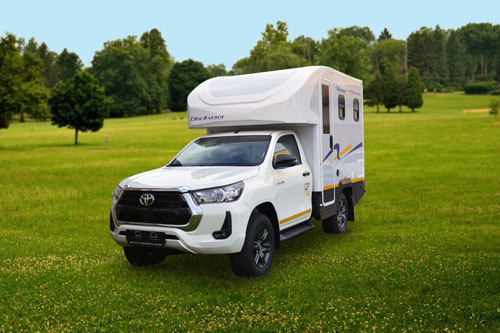
For camping in Zambia, Class B Campervans and Truck Campers (Class TC) are generally the most suitable RV classes due to their maneuverability and capability on varied road conditions. A Class B Campervan, averaging 5.8 meters in length with an approximate fuel consumption of 8-10 Liters/100 km (based on Bandana's global fleet averages), offers excellent agility for both paved and unpaved roads, ideal for accessing remote campsites. Similarly, a Patagonia Camper 4x4 double cab (a Class TC Truck Camper), typically around 5.5 meters, provides robust off-road capability with a fuel consumption of 12-17 Liters/100 km, making it perfect for adventurous travelers seeking deeper wilderness experiences in Zambia. While larger classes like Semi-integrated (avg. 6.9m, 10-11 Liters/100 km) or Alcove (avg. 7.5m, 10-12 Liters/100 km) offer more space and amenities, they are better suited for main tarred roads and well-maintained private campgrounds rather than challenging national park tracks. Consider your itinerary and comfort preference; smaller, more rugged rented RVs excel at boondocking and rough terrains, while larger vehicles offer more home-like amenities but require more planning for access and parking.How to Save on Campgrounds in Zambia
Saving on RV campgrounds in Zambia can be achieved by utilizing strategic booking, flexible travel dates, and choosing less luxurious options. Check with your RV rental provider or tour operators to see if they offer campground discount cards, which can significantly reduce daily rates at participating sites. Booking during the shoulder season (e.g., April-May or October-November) often means lower prices and fewer crowds compared to the peak dry season, offering a more tranquil experience with your rented motorhome. Opt for municipal or regional campgrounds over private resorts, as they typically offer more budget-friendly rates, albeit with fewer amenities. Staying for three or more nights can sometimes unlock weekly rates, providing a better per-night value for your extended road trip in Zambia.What are the specific logistics for larger RVs (motorhomes) beyond typical 4x4 overland vehicles in Zambia?
Specific logistics for larger RVs in Zambia involve careful route planning, understanding road conditions, and identifying suitable facilities. Main roads like the T1 (Livingstone to Lusaka), T2 (Lusaka to Kapiri Mposhi and north), and T4 (Lusaka to Chipata) are generally tarred and suitable for larger motorhomes (Class A, Class C, Semi-integrated). However, many routes to national parks and remote areas are unpaved, corrugated, or sandy, making them challenging for vehicles with lower ground clearance or less robust suspension. Parking for larger rented RVs can be limited in town centers and at some smaller campgrounds, so always confirm availability and maneuverability before arrival. Specialized repair shops for larger motorhomes are scarce, primarily found in major cities like Lusaka or Livingstone, emphasizing the need for thorough pre-trip maintenance and carrying essential spares. Maneuvering larger vehicles on narrow tracks or through village areas requires extra caution and patience, especially during the rainy season when conditions deteriorate significantly. Drive slowly and carefully, and you can drive almost anywhere without issues. No need to stress - just use common sense and pay attention.Where can I find RV-specific amenities like dump stations, fresh water refill points, and propane (LPG) in Zambia?
Finding RV-specific amenities in Zambia, such as dump stations, fresh water refill points, and propane (LPG), requires advance planning as they are not universally available. Dump stations for grey and black water are primarily located at larger, more established private campsites and lodges, particularly those catering to overlanders, rather than national park campgrounds. Fresh water refill points are generally more accessible at most designated campgrounds, but it is always advisable to carry a water filter or purification tablets for safety. Propane (LPG) for cooking and heating can be refilled at gas stations and specialized suppliers in major towns like Lusaka and Livingstone; however, bottle connection types may vary, so carry universal adapters if possible for your rented camper. Always confirm the availability and exact location of these amenities with your chosen campground or a local contact before arriving, especially when traveling in remote regions of Zambia.What are the rules for wild camping vs designated campgrounds for RVs in Zambia?
The rules for wild camping versus designated campgrounds in Zambia differ significantly regarding legality, amenities, and safety considerations for RV travelers. Designated campgrounds, including those in national parks and private sites, are legal, typically offer some level of security and facilities, and often require pre-booking and payment of fees. Wild camping, or 'bush camping,' is generally tolerated outside of national parks and protected areas if you have permission from the landowner or local community, but it is not officially recognized or regulated in most places. When wild camping with your rented RV, ensure you adhere to 'Leave No Trace' principles, minimize your environmental impact, and prioritize personal safety by choosing discreet, secure locations away from main roads and densely populated areas. Permits are strictly required for camping within national parks and protected areas, and unauthorized wild camping within these zones is illegal and can result in fines. For a deeper understanding of planning your routes, including finding camping spots, consider exploring the RV PLANET routes.How much does RV travel cost in Zambia - a detailed budget breakdown?
The cost of RV travel in Zambia is influenced by several factors, including fuel consumption, varied camping fees, permits, and daily expenses, requiring a detailed budget breakdown. Fuel consumption for larger rented RVs like a Class C motorhome can range from 10-12 Liters/100 km, while smaller campervans might achieve 8-10 Liters/100 km (Bandana's global fleet averages), making fuel a significant expense due to vast distances and varied road conditions. Camping fees vary widely: national park campsites can cost $15-$30 USD per person per night (plus park entry fees of $25-$40 USD per day for international visitors), while private lodges might charge $20-$50 USD or more, often including basic amenities. Specific permits for national parks (e.g., vehicle entry, conservation fees) and potential permits for longer stays or larger vehicles should be factored in, sometimes adding $10-$25 USD per day or more. Allocate budget for groceries (which can be more expensive in remote areas), activities (e.g., safaris, Victoria Falls tours), and a contingency fund for unexpected repairs or emergencies. When planning your route and budgeting, remember that on RV PLANET routes, travelers can itemize and track every expense along the way for easy budgeting. For current pricing estimates on a rental motorhome, check our guide to RV Rental in Zambia - Prices and Best Deals 2024.What should I consider for long-term RV travel in Zambia?
Long-term RV travel in Zambia requires careful consideration of visa extensions, internet connectivity, and healthcare access beyond immediate first aid. For stays exceeding typical tourist visa limits (usually 30-90 days), travelers should research and apply for visa extensions well in advance through Zambian immigration authorities. Internet connectivity for digital nomads is best achieved through local SIM cards (from providers like Airtel, MTN, Zamtel) offering mobile data, supplemented by Wi-Fi at larger lodges or cafes in major towns, as coverage can be sporadic in remote areas. Healthcare access beyond basic first aid is limited outside major cities; travelers should have comprehensive travel insurance, carry a well-stocked medical kit, and be aware of emergency contact numbers and medical facilities in key locations. Regular maintenance checks for your rented camper, secure parking arrangements, and building local connections are also vital for a smooth long-term RV journey in Zambia. We often recommend a pace of max 100-150 km per day on average, allowing you to truly feel the place, connect to the culture, the food, and the scenery during your extended road trip.What are the RV rental options within Zambia or nearby countries specifically suitable for Zambian travel?
RV rental options within Zambia typically focus on fully equipped 4x4 overland vehicles, which are ideal for navigating the country's varied terrain. For example, a "Patagonia Camper 4x4 double cab" is a common type of rented RV locally available. For larger motorhome options like Class C or Class A, you might need to look to nearby countries such as South Africa or Namibia, which offer more extensive rental fleets. However, importing these vehicles into Zambia requires understanding cross-border documentation like Carnet de Passages and temporary import permits, which can be complex. Purchasing a motorhome within Zambia is less common due to a smaller market, but options might exist for pre-owned overland vehicles. When considering renting a motorhome or campervan for Zambian travel, prioritize vehicles with good ground clearance, durable tires, and reliable mechanics, due to the varied road conditions across the country. Our guide to RV Rental Africa - Complete Guide 2024 provides a broader overview of options in the continent.What are cultural immersion and responsible tourism tips specifically for RV travelers in Zambia?
For RV travelers in Zambia, cultural immersion and responsible tourism involve respectful interaction with local communities, ethical purchasing, and adherence to local etiquette. Always greet locals respectfully (e.g., 'Muli bwanji' in Nyanja or 'Mwabuka buti' in Tonga), ask permission before taking photos of people, and engage in genuine conversations to foster positive relationships. Purchase goods from local markets and artisans to directly support community economies, and be prepared to bargain politely, as this is a common practice. Observe local customs regarding dress code, particularly in more rural or conservative areas; modest attire is generally appreciated. Practice 'Leave No Trace' principles rigorously with your rented camper, dispose of waste responsibly, and avoid disturbing wildlife or natural habitats, ensuring your presence benefits rather than harms the environment and local culture. Traveling slowly, averaging 100-150 km per day, allows you to truly connect with the people and places you visit.What are the route-specific safety and road condition advisories for major RV routes in Zambia?
Route-specific safety and road condition advisories for RV travel in Zambia necessitate current information beyond general country-level warnings due to significant variations. Major routes like the T1 (Livingstone to Lusaka), T2 (Lusaka to Kapiri Mposhi and north), and T4 (Lusaka to Chipata) are generally tarred but can have potholes, especially during the rainy season (November to April). Roads leading to national parks (e.g., into Kafue, South Luangwa, or Lower Zambezi) are predominantly gravel or dirt tracks, which become challenging with corrugations, sand, and mud, often requiring 4x4 capability for a rented RV. Driving at night is highly discouraged on all routes due to poor visibility, stray animals, pedestrians, and potential security risks; plan your travel to arrive at destinations before dusk. Always consult up-to-date local sources, fellow overlanders, or campground staff for current road conditions, especially during the rainy season, and be prepared for longer travel times than estimated by GPS. Drive slowly and carefully, and you can drive almost anywhere without issues. No need to stress - just use common sense and pay attention.What You Shouldn't Miss
- Victoria Falls (Mosi-oa-Tunya): Experience the awe-inspiring power of one of the Seven Natural Wonders of the World from the Zambian side, offering unique views and activities like Devil's Pool.
- South Luangwa National Park: Widely regarded as one of Africa's finest wildlife sanctuaries, famous for its walking safaris and high concentrations of leopard and elephant.
- Kafue National Park: One of Africa's largest parks, offering diverse habitats and a wide array of wildlife, with many accessible RV-friendly areas for your rented motorhome.
- Lower Zambezi National Park: Enjoy river-based safaris, canoeing, and fishing on the magnificent Zambezi River, often combined with game drives.
- Livingstone City Tour: Explore the historic town of Livingstone, visiting local markets, museums, and learning about the area's rich colonial and cultural heritage.
- Lake Kariba Houseboats: While not an RV experience, consider a short diversion to Lake Kariba for a unique houseboat adventure and incredible tiger fishing.
🎬 Video coming soon
Looking for expert insights from Avi Bandana? Top 5 Adventures - recommendations from Avi Bandana
Final Thoughts
Zambia truly is a destination ripe for discovery with a rented RV or campervan. From the thundering majesty of Victoria Falls to the tranquil wilderness of its national parks, you'll find endless opportunities for adventure and connection with nature. Remember to embrace the local pace, drive slowly, and immerse yourself in the rich culture and incredible scenery. Planning an extended road trip in Zambia offers unparalleled freedom and flexibility. We're here to support you in finding the perfect motorhome rental, ensuring full transparency and peace of mind before you even start your journey. So pack your bags, prepare for an unforgettable adventure, and let Zambia captivate your heart. Discover top destinations, planning tips, all in one place! Find your dream RV and start planning your epic Zambian journey today.On the routes offered through RV PLANET routes, you can itemize and track every expense along the way for easy budgeting.