In This Guide
- Where to Camp in West Europe - Top Options
- Campground Types in West Europe (National, Private, Wild)
- Featured RV Park or Campground in West Europe
- Hookups & Amenities - What to Expect
- Booking Windows & Reservations in West Europe
- Nearby Supermarkets & Resupply Points
- Best RV Class for Camping in West Europe
- How to Save on Campgrounds in West Europe
- What is the best way to plan an RV trip to Europe?
- Which European countries are best for RV travel?
- Is it easy to drive an RV in Europe?
- Do I need an international driver's license to drive an RV in Europe?
- What documents do I need to rent an RV in Europe?
- Is it safe to RV in Europe?
- Are RV parks common in Europe?
- What is the average cost of an RV trip in Europe?
- What You Shouldn't Miss
Imagine waking up to the gentle sounds of the French countryside, or perhaps the crisp alpine air of Switzerland, all from the comfort of your rented motorhome. RV travel in West Europe offers an unparalleled blend of freedom, cultural immersion, and convenience, making it an increasingly popular choice for seniors seeking a relaxed yet adventurous getaway. With Bandana RV, you're not just renting a vehicle; you're unlocking a world of possibilities, supported by true RV specialists who understand the nuances of the open road.
Exploring West Europe at your own pace, with the flexibility of a mobile home, means you can linger longer in charming villages or move on spontaneously when a new vista calls. For live availability and current prices, start with our RV Rental West Europe - Complete Guide 2026 guide.
Where to Camp in West Europe - Top Options
Well-suited for seniors, Western Europe offers a diverse array of camping experiences, from the scenic coastal sites of the French Riviera to picturesque alpine spots in Switzerland and tranquil lakeside retreats in Germany. Consider regions known for their accessibility, gentle terrain, and developed tourist infrastructure, such as the German Black Forest, the Dutch coastline, or the Loire Valley in France. These areas often boast senior-friendly campgrounds with level pitches and easy access to local attractions, providing opportunities for both cultural immersion and comfortable stays.
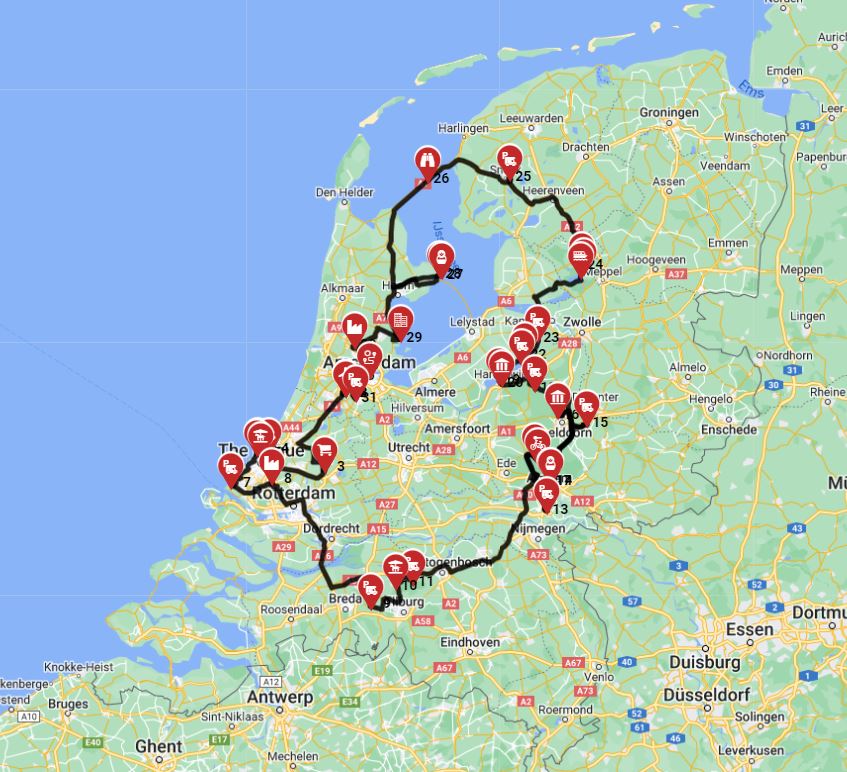
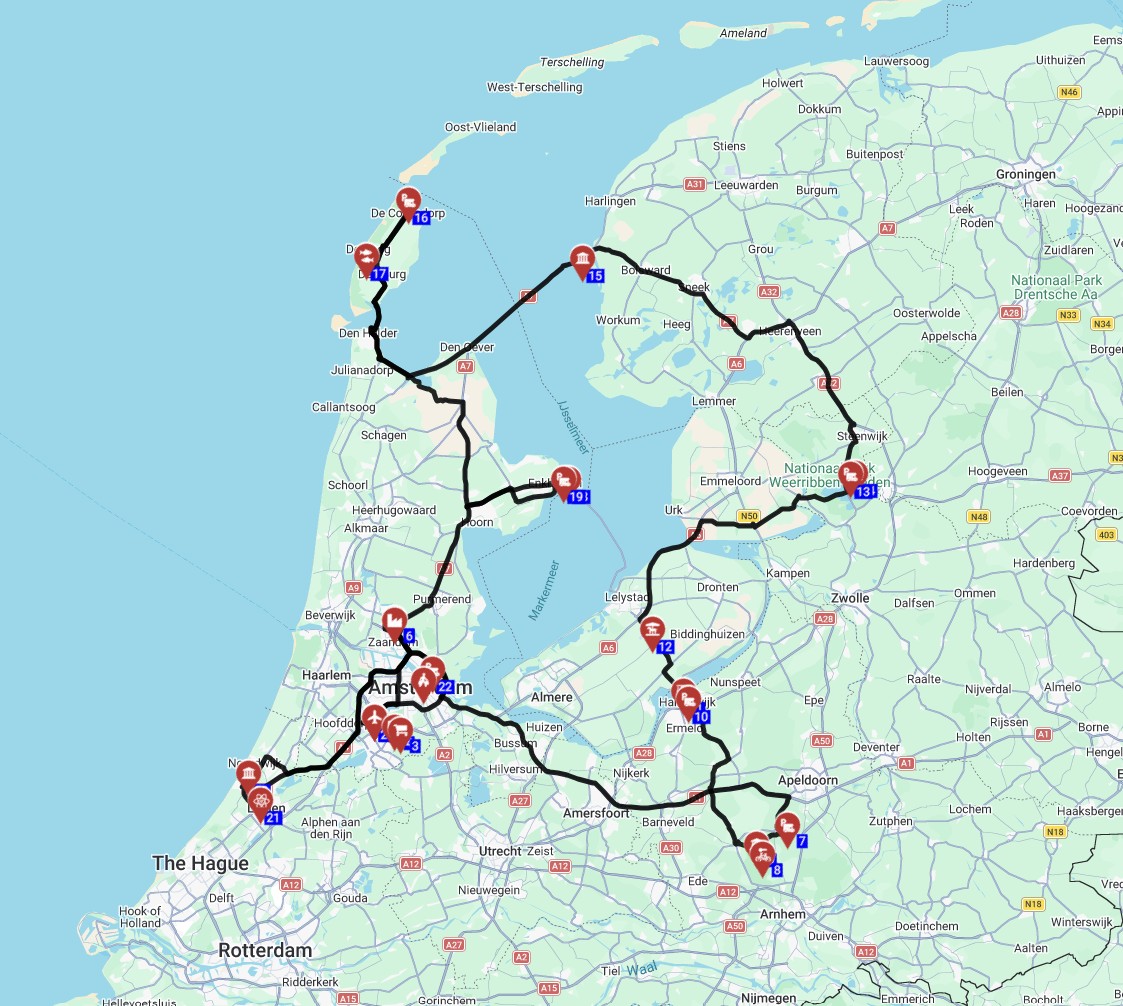
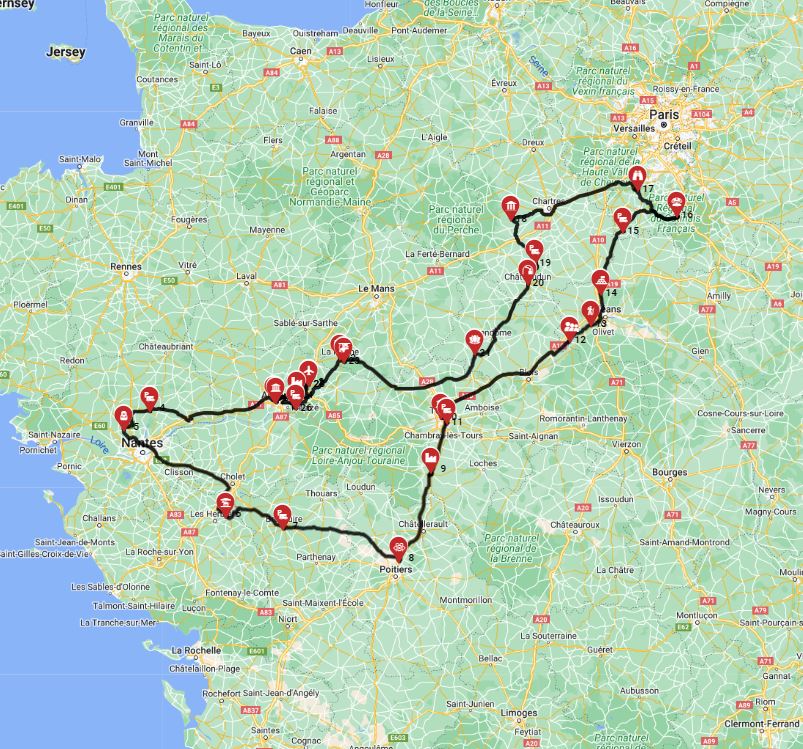
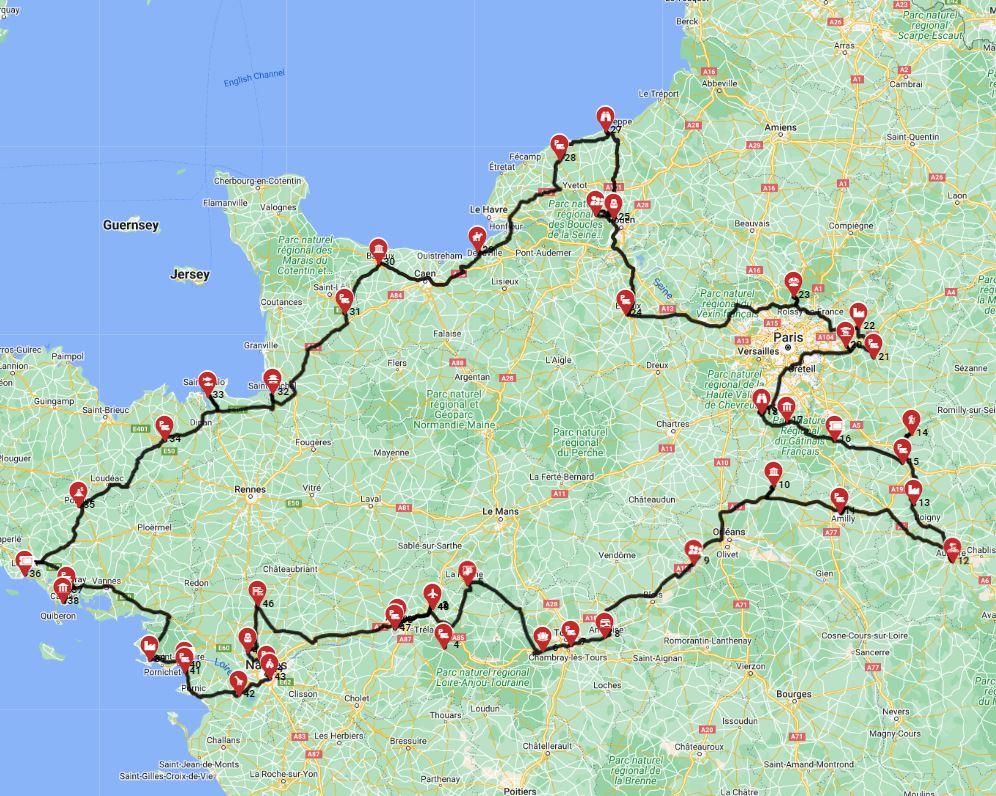
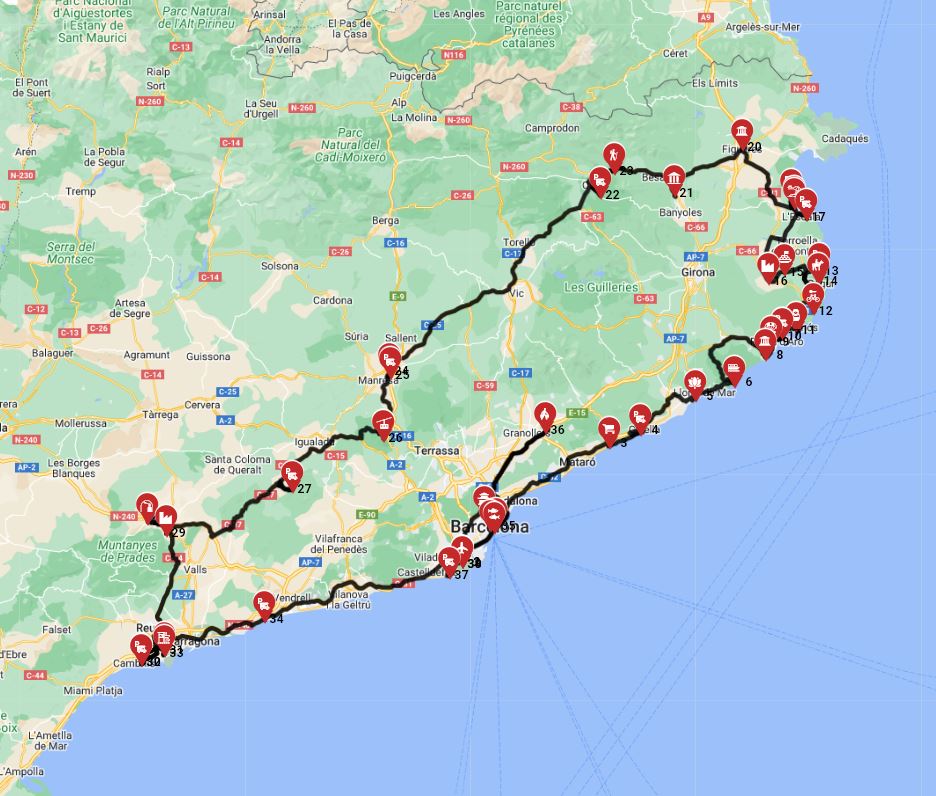
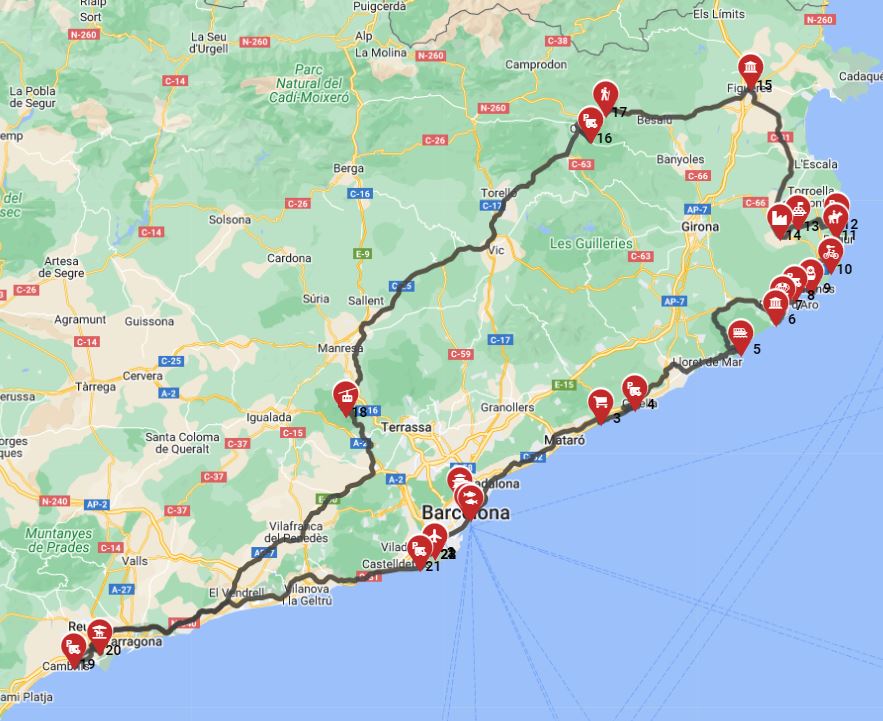
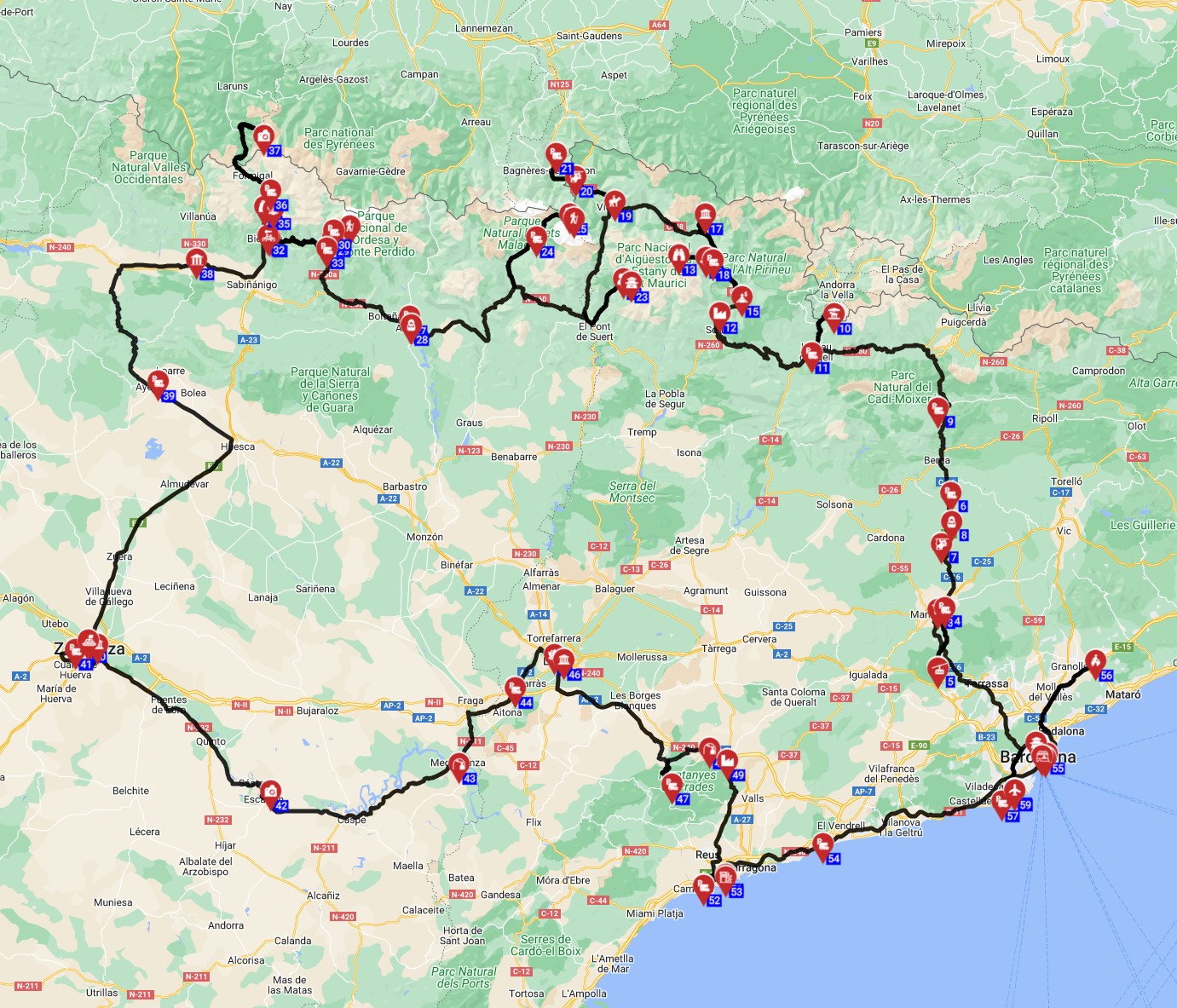
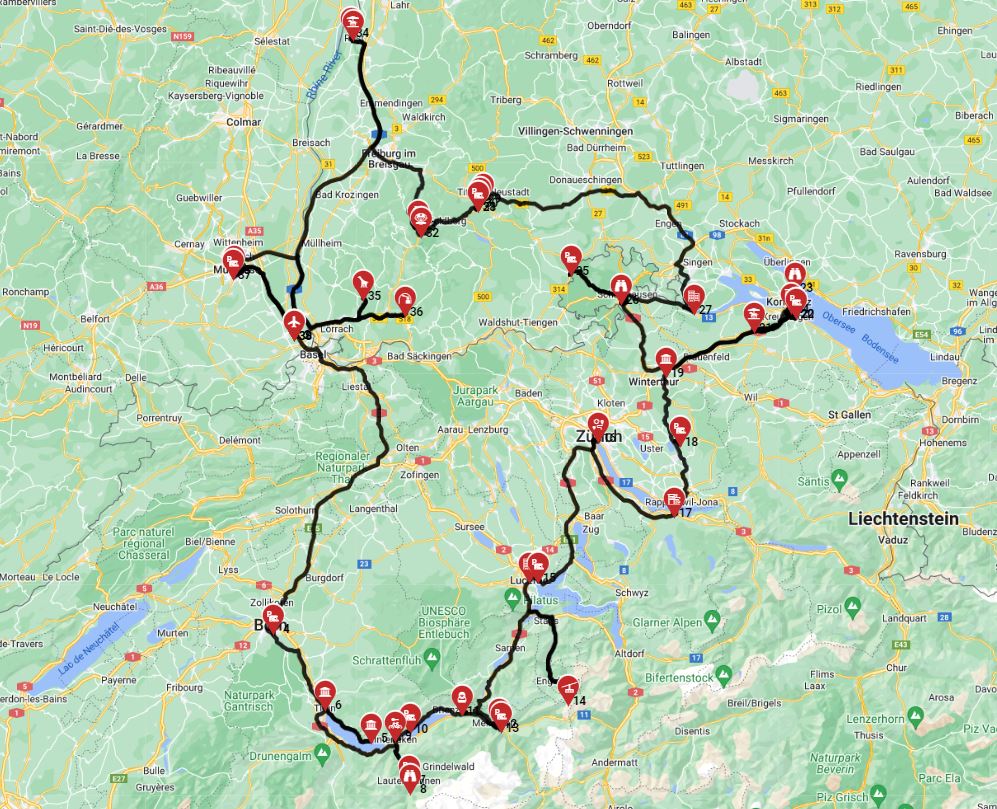
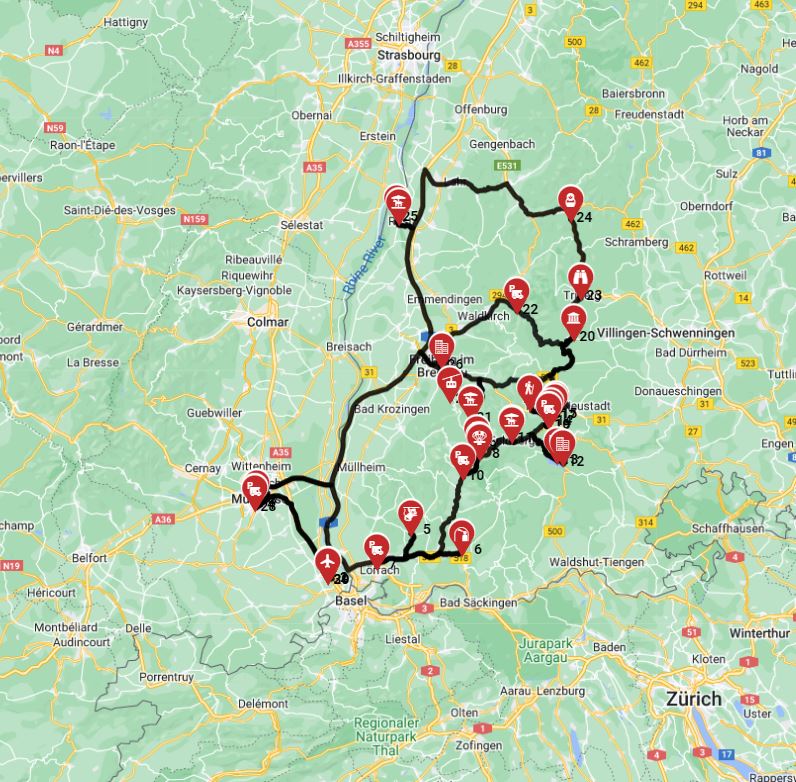
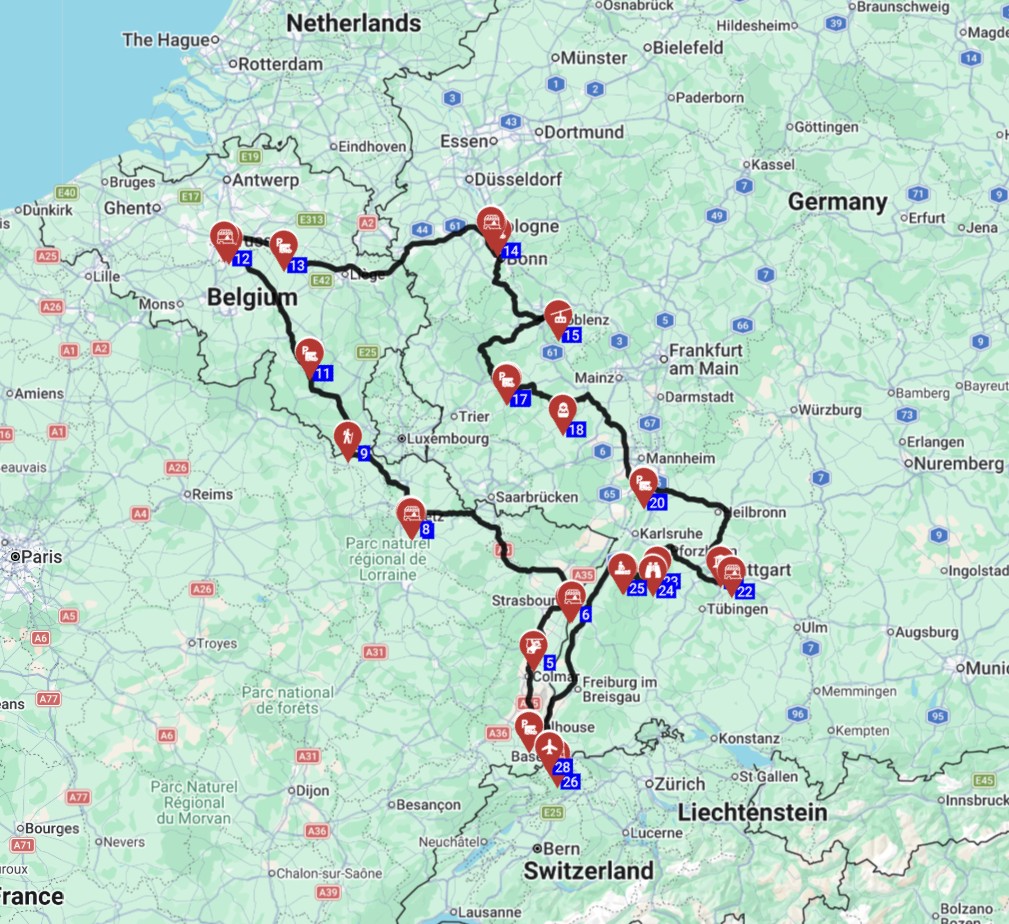
For example, the Rhine Valley in Germany offers numerous accessible campgrounds along the river, perfect for gentle walks and visits to historic castles. In France, the RV PLANET routes can guide you to charming regional campsites, facilitating genuine interaction with local communities and a taste of regional life beyond typical sightseeing.
Campground Types in West Europe (National, Private, Wild)
Western Europe presents three primary campground types: organized private sites offering comprehensive amenities, national/regional park campgrounds emphasizing nature, and wild camping, which varies from legal to strictly prohibited by country. Private campgrounds are the most common and often best-equipped, providing full hookups (230V electricity, fresh water, waste disposal), laundry, showers, and sometimes pools or restaurants, making them ideal for seniors prioritizing comfort and security. National/regional park campgrounds, situated within protected areas, offer a more natural experience with fewer amenities but excellent access to hiking and wildlife, typically requiring reservations.
Wild camping, also known as freedom camping, legality varies drastically; it is generally restricted in countries like Germany, France, and Spain, but more tolerated or permitted in parts of Scandinavia and the Baltics. If considering wild camping, adhere strictly to 'leave no trace' principles, ensure ethical waste disposal, and utilize country-specific resources and apps like Park4Night for legal and responsible practices. Remember, finding campsites during your trip is best done using resources like RV PLANET (rvplan.net), which is a great resource for locating available spots along your route.
Featured RV Park or Campground in West Europe
When selecting an RV park in West Europe, seniors should prioritize locations offering excellent accessibility, comprehensive on-site amenities, and a welcoming community atmosphere. Look for campgrounds with paved, level pitches, accessible restrooms and showers, on-site shops or restaurants, and reliable Wi-Fi connectivity. Many high-quality parks provide shuttle services to nearby towns or public transport access, enhancing convenience for seniors who may prefer not to drive their motorhome into bustling city centers. Prioritize safety and security features, including well-lit areas, secure gates, and a responsive staff, to ensure peace of mind during your stay. A great example of a region with such facilities is the Alsace wine route in France, offering numerous well-equipped campsites integrated with public transport options to charming towns like Colmar.
Hookups & Amenities - What to Expect
RV campgrounds in West Europe generally offer a range of essential hookups and amenities, including 230V electricity, fresh water, and waste disposal, alongside conveniences like Wi-Fi, laundry facilities, and hot showers. For electricity, expect 230V outlets; a CEE blue plug adapter is standard, though a Schuko adapter may also be useful for smaller appliances. Fresh water refill points and grey/black water disposal (for cassette toilets) are widely available, often included in the pitch fee, ensuring you can manage your motorhome's systems easily. While Wi-Fi quality can vary from excellent to basic, especially in more remote areas, consider investing in a local SIM card or a portable Wi-Fi device for consistent internet access and navigation. Many sites also offer modern laundry facilities, clean hot showers, accessible restrooms, and occasionally swimming pools, restaurants, or small grocery shops, enhancing your comfort.
When preparing meals in your rental campervan, having a well-equipped kitchen makes all the difference. Check out our RV-friendly recipes playlist for delicious and easy meal ideas on the road.
Booking Windows & Reservations in West Europe
For seniors planning an RV trip in West Europe, booking popular campsites, especially during peak season, several months in advance is highly recommended, though spontaneous travelers can often find availability by calling ahead or arriving early. Planners should secure their preferred spots, particularly in coastal areas, national parks, or near major attractions, by booking 3-6 months ahead for travel between June and August. During shoulder seasons (April-May, September-October) or in less-traveled regions, same-day or next-day bookings are often possible; always call ahead to confirm availability before driving to a site.
Many national park campgrounds reserve only 25-30% of their spots for advance bookings, with the remaining 70-75% being first-come, first-served. This means you will almost certainly find a place - if not at the first campground, then the next one. Advance booking provides peace of mind and reduces travel day stress for seniors, allowing you to focus on enjoying your journey. For those interested in "Weekly RV Rental in West Europe - Pricing 2026", advance booking can also unlock better rates.
Nearby Supermarkets & Resupply Points
Accessing supermarkets and resupply points is typically straightforward in West Europe, with major chains like Lidl, Aldi, Carrefour, E.Leclerc (France), Rewe (Germany), and Tesco (UK) providing convenient options for RVers to restock groceries and essentials. Most towns and cities feature multiple supermarket options, often with larger stores located on the outskirts that offer ample parking suitable for motorhomes. Look for local markets, known as 'marchés' in France or 'Wochenmärkte' in Germany, for fresh, regional produce, meats, and cheeses, providing a wonderful opportunity for cultural integration. Specialized RV shops or large hardware stores (e.g., Obi, Bauhaus) can also serve as resupply points for vehicle-specific items like gas cylinders or spare parts. On the routes offered through RV PLANET routes, you can itemize and track every expense along the way for easy budgeting.
Best RV Class for Camping in West Europe
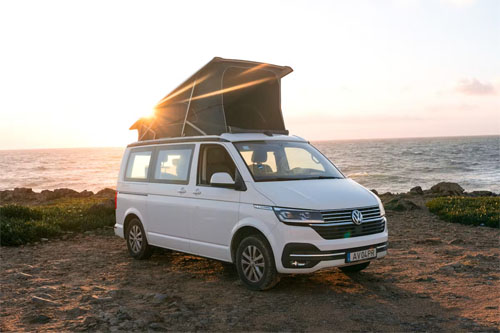
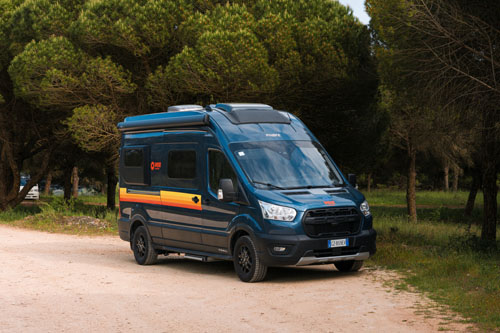
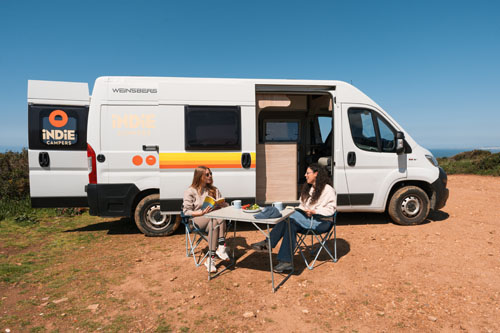
For seniors exploring West Europe, compact and maneuverable RV classes like the Class B Camper Van or Class SI Semi-integrated are often ideal due to their ease of navigation on narrower roads and versatility for both city visits and scenic routes. Bandana's fleet includes excellent options, such as the cruise america example EX-Group A campervan, which averages 5.99m in length with 2 seat belts, 100 Liter fresh water tank and 8 Liters/100 km fuel consumption. These vans are perfect for navigating charming villages, fitting into standard parking spaces, and offering greater agility. Another great choice is a Class SI Semi-integrated model like the K2D, averaging 6.99m in length with 3 sleeping places and 3 seat belts, offering a comfortable balance between interior space and manageable dimensions for longer trips. Remember, a standard car driver's license is sufficient for all motorhome classes (Class A, Class B, and Class C) you'll rent with us. Drive slowly and carefully, and you can drive almost anywhere without issues. No need to stress - just use common sense and pay attention.
How to Save on Campgrounds in West Europe
Seniors can significantly reduce campground expenses in West Europe by utilizing discount cards, traveling during the shoulder season, opting for municipal sites, and leveraging longer-stay discounts. Invest in widely accepted cards like ACSI CampingCard or CampingKey Europe, which offer reduced rates (often €12-€22 per night) at thousands of participating campgrounds during off-peak seasons. Visiting in April-May or September-October for shoulder season travel provides lower campground fees, fewer crowds, and often more pleasant weather. Municipal and regional campgrounds, known as 'Stellplätze' in Germany, are frequently more affordable than large private resorts, often offering good basic amenities at a fraction of the cost. Many campgrounds also provide weekly or monthly rates that offer substantial savings per night compared to daily rates; plan your itinerary to allow for longer stops to maximize these benefits. For those exploring "RV Rental Deals in West Europe - Latest Offers 2026", keep an eye out for seasonal discounts.
What is the best way to plan an RV trip to Europe?
The best way for seniors to plan an RV trip to West Europe involves starting early, selecting a suitable RV type, mapping out a flexible itinerary, and understanding local regulations to ensure a comfortable and enjoyable journey. Begin planning 6-12 months in advance, especially for summer travel, to secure preferred RV models and prime campground spots, giving ample time to research destinations and specific routes. Choose an RV that matches your comfort and driving preferences, considering smaller Class B Camper Vans or Class SI Semi-integrated models for easier navigation in diverse European landscapes, as discussed in our "RV Travel Guide to West Europe - Tips and Top Spots 2026". Develop a flexible itinerary that balances sightseeing with rest days, leveraging navigation apps like Park4Night or Campercontact for real-time information on services and attractions. Thoroughly research driving regulations, Low Emission Zones (LEZs), and local customs for each country, ensuring a seamless experience and using technology solutions to stay informed.
Which European countries are best for RV travel?
For seniors considering RV travel in West Europe, countries like France, Germany, the Netherlands, and Italy are frequently recommended due to their well-developed infrastructure, diverse landscapes, and numerous RV-friendly campgrounds. France offers an extensive network of campsites, 'Aires de Service' (service areas specifically for motorhomes), and unique 'France Passion' farm stays, alongside varied scenery from Mediterranean coasts to alpine regions. Germany boasts excellent road networks, well-maintained 'Stellplätze' (motorhome parking spots), and picturesque routes through regions like the Black Forest and Bavaria. The Netherlands is ideal for flat terrain, cycling, and charming villages, with high-quality, accessible campgrounds. Italy provides stunning cultural sites, delicious cuisine, and diverse landscapes, though driving in cities can be challenging, making smaller rental motorhomes preferable. These countries provide good opportunities for cultural integration, allowing seniors to genuinely interact with locals and experience regional customs. Consider a flexible itinerary, perhaps a "One-Way RV Rental in West Europe - Price Guide 2026" between two major cities to maximize exploration.
Is it easy to drive an RV in Europe?
Driving an RV in West Europe is generally manageable, especially with a smaller vehicle and careful planning, though seniors should be prepared for varying road conditions, including narrower city streets and diverse traffic rules. European motorways (Autobahns in Germany, Autoroutes in France) are typically excellent, but navigating historic city centers often involves narrow, winding streets, sometimes with restricted access for larger vehicles. Drive slowly and carefully, and you can drive almost anywhere without issues. No need to stress - just use common sense and pay attention. Be aware of country-specific road signage and rules, including speed limits (e.g., 130 km/h on French autoroutes, but lower for RVs), right-of-way variations, and the presence of Low Emission Zones (LEZs) which may require vehicle registration or permits. Utilize GPS systems with RV-specific settings to avoid unsuitable roads and consider a compact Class B Camper Van (Bandana's fleet averages 5.8m in length) or Class SI Semi-integrated (averaging 6.9m in length) for enhanced maneuverability. For specific challenges like mountain passes or parking difficulties, allocate extra time and consider using public transport for city excursions, ensuring a relaxed pace. We handle the details, you live the journey, ensuring personal service from day one until your booking is confirmed.
Do I need an international driver's license to drive an RV in Europe?
While an International Driving Permit (IDP) is not legally required in all Western European countries for those holding a valid driver's license from certain non-EU countries, it is highly recommended as a universally recognized translation of your license, facilitating smoother interactions with authorities and rental agencies. For drivers from the USA, Canada, and Australia, a domestic license is often sufficient if it's in English and accompanied by your passport, but an IDP provides an official translation that eliminates potential language barriers. An IDP can be obtained from organizations like AAA or CAA in your home country and is typically valid for one year, serving as crucial supplementary identification. Although not always strictly enforced, having an IDP offers significant peace of mind for seniors, particularly in case of a traffic stop, accident, or dealing with an insurance claim. Remember, a standard car driver's license is sufficient for all motorhome classes (Class A, Class B, and Class C) rented through Bandana.
What documents do I need to rent an RV in Europe?
To rent an RV in West Europe, seniors typically need a valid driver's license (potentially with an International Driving Permit), a passport, a credit card for the security deposit, and confirmation of their rental booking. Ensure your driver's license is valid and unexpired, and most rental companies require drivers to have held their license for a minimum period, often 2-5 years. A passport or national ID card is essential for identification at the rental desk. A major credit card in the primary driver's name is required for the security deposit, which can be substantial (often €1000-€2000), so ensure you have sufficient credit available. Bring your rental voucher or booking confirmation, and be aware that while some general market rental companies may have upper age limits (typically around 75) or charge a senior driver fee, Bandana RV prides itself on transparency with no hidden fees and no age restrictions on vehicle classes for our standard minimum age of 21.
Is it safe to RV in Europe?
RV travel in West Europe is generally considered very safe, but seniors should always practice standard precautions such as securing their vehicle, being aware of their surroundings, and understanding regional safety nuances to ensure a worry-free trip. Most Western European countries have low crime rates, but it's vital to secure your rented RV by locking doors and windows, and avoiding leaving valuables visible. Prioritize staying in official campgrounds, designated 'Aires de Service,' or 'Stellplätze,' which offer better security than remote wild camping spots, especially overnight. Be vigilant for pickpockets in crowded tourist areas and public transport, a common concern in any popular travel destination. Familiarize yourself with local emergency numbers (112 is the universal European emergency number) and specific regional crime trends or secure parking strategies, to enhance overall safety and preparedness. With Bandana, you have 24/7 support for pre-booking comparisons, booking assistance, and post-booking coordination, ensuring you feel supported throughout your planning process.
Are RV parks common in Europe?
RV parks, known variously as campsites, 'Aires de Service' in France, or 'Stellplätze' in Germany, are highly common and well-integrated into the travel infrastructure across West Europe, offering diverse options from full-service resorts to basic overnight spots. You'll find a wide variety of facilities, from large, amenity-rich private campgrounds with pools, restaurants, and entertainment, to more basic municipal sites or simple overnight parking areas with just fresh water and waste disposal. Online resources and apps like Park4Night, Campercontact, and ACSI's dedicated app are invaluable for locating available sites, viewing amenities, and reading reviews, offering real-time connectivity solutions. Many sites cater specifically to motorhomes, often including electric hookups (230V), fresh water points, and grey/black water disposal, making them convenient for self-sufficient travel. For "RV Rental Europe - Complete Guide 2026", you'll find extensive information on these facilities.
What is the average cost of an RV trip in Europe?
The average cost of an RV trip in West Europe for seniors can vary significantly based on travel style, RV class, duration, and time of year, but typically ranges from €100-€250 per day, encompassing rental fees, fuel, campgrounds, food, and activities. RV rental is often the largest cost, varying by season and vehicle size; a Class B Camper Van (Bandana's fleet commonly consumes 8-10 Liter/100 Km) is generally more economical than a larger Class A Integrated (Bandana's fleet consumes 8-11 Liter/100 Km). Fuel costs can be substantial, especially for extensive travel, with Bandana's fleet consuming an average of 8-12 Liters/100 Km depending on the class, so factor in current fuel prices. Expect to pay €20-€50 per night for a serviced pitch at a campground, though budget options like 'Stellplätze' or municipal sites can be less. Self-catering can save a lot on food and activities, while dining out and tourist attractions will increase daily expenses. Remember to budget for ancillary costs such as road tolls, vignettes (for certain motorways), specific city taxes, and a contingency fund for unforeseen repairs or emergencies. To help with budgeting, our RV PLANET routes allow travelers to itemize and track every expense along the way for easy budgeting. For a more detailed breakdown, consider reading "RV Rental in West Europe - Prices and Best Deals 2026" or "Luxury RV Rental in West Europe - Premium Prices 2026".
What You Shouldn't Miss
The Rhine Gorge (Germany): A UNESCO World Heritage site, cruise along the river or drive your campervan through vineyards and past fairy-tale castles.
Loire Valley Châteaux (France): Explore magnificent castles like Chenonceau and Chambord. Many have RV-friendly parking nearby.
The Dutch Coastline (Netherlands): Enjoy flat, easy cycling routes and picturesque towns like Zandvoort, with plenty of coastal campsites.
Swiss Alps scenic drives: Drive your motorhome through breathtaking mountain passes, stopping at charming villages for fondue. Drive slowly, max 100-150 km per day on average, to truly appreciate the views.
Black Forest (Germany): Discover cuckoo clocks, dense forests, and thermal spas, with numerous 'Stellplätze' for convenient overnight stays.
Looking for expert insights from Avi Bandana? Top 5 Adventures - recommendations from Avi Bandana
🎬 Video coming soon
Final Thoughts
A motorhome rental adventure through West Europe for seniors offers an unparalleled way to experience the continent's rich history, stunning landscapes, and vibrant cultures at a comfortable pace. With careful planning and the right resources, like Bandana's transparent booking process and 24/7 support, you can embark on a journey filled with discovery and relaxation. Remember to embrace slow travel, allowing yourself to fully immerse in each destination, taste the local food, and connect with the unique ambiance of every stop.
Whether you dream of a week-long trip along coastal roads or an extended road trip through mountain valleys, the freedom of a rented RV makes it all possible. We compare final prices across 50+ suppliers so you don't have to, making your planning easier. Get inspired for your next trip and discover top destinations, planning tips, all in one place!
So, pack your bags, choose your ideal campervan, and prepare to create unforgettable memories. The roads of West Europe are waiting for your comfortable and exciting adventure!