In This Guide
- Where to Camp in West Canada - Top Options
- Campground Types in West Canada (National, Private, Wild)
- Featured RV Park or Campground in West Canada
- Hookups & Amenities - What to Expect
- Booking Windows & Reservations in West Canada
- Nearby Supermarkets & Resupply Points
- Best RV Class for Camping in West Canada
- How to Save on Campgrounds in West Canada
- How much does an RV rental cost for seniors in West Canada?
- What RV type is best for West Canada's mountain passes and ferries?
- Where are the hidden gem destinations for RVs in West Canada?
- How to find free camping and boondocking spots in West Canada?
- What is cell service and Wi-Fi like in West Canada's remote areas?
- What are the rules for pet travel in West Canada RVs and parks?
- How to practice Leave No Trace while RVing in West Canada?
- Is winter RV travel safe in the Alberta Rockies?
- Where to find local food and prepare RV-friendly meals in West Canada?
Imagine yourself on the open road, the majestic Canadian Rockies unfolding around you, or the tranquil Pacific coastline welcoming your arrival. An RV rental adventure in West Canada for seniors offers unparalleled freedom, comfort, and the ability to travel at your own pace. With Bandana Caravan, your journey is seamless from start to finish, ensuring full price transparency and no hidden fees.
For live availability and current prices, start with our RV Rental West Canada - Complete Guide 2026 guide. We are true RV specialists, not just a side department of a travel agency. We genuinely love helping people discover the joy of motorhome travel, and we're with you before, during, and after your booking, providing the support you need for a truly memorable trip. Our expertise, built since our founding in 2001, helps tens of thousands of travelers explore the world by RV.
Where to Camp in West Canada - Top Options
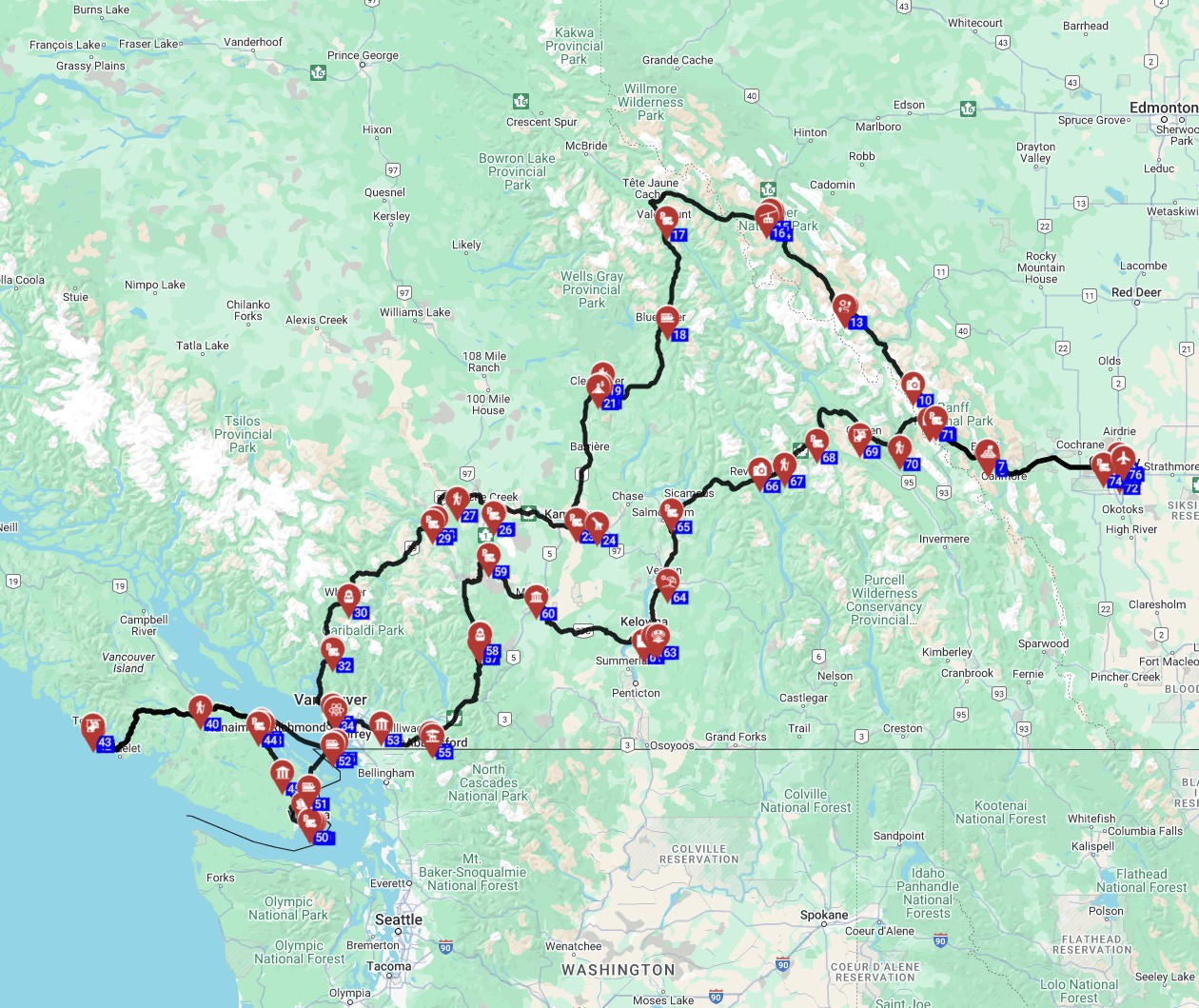
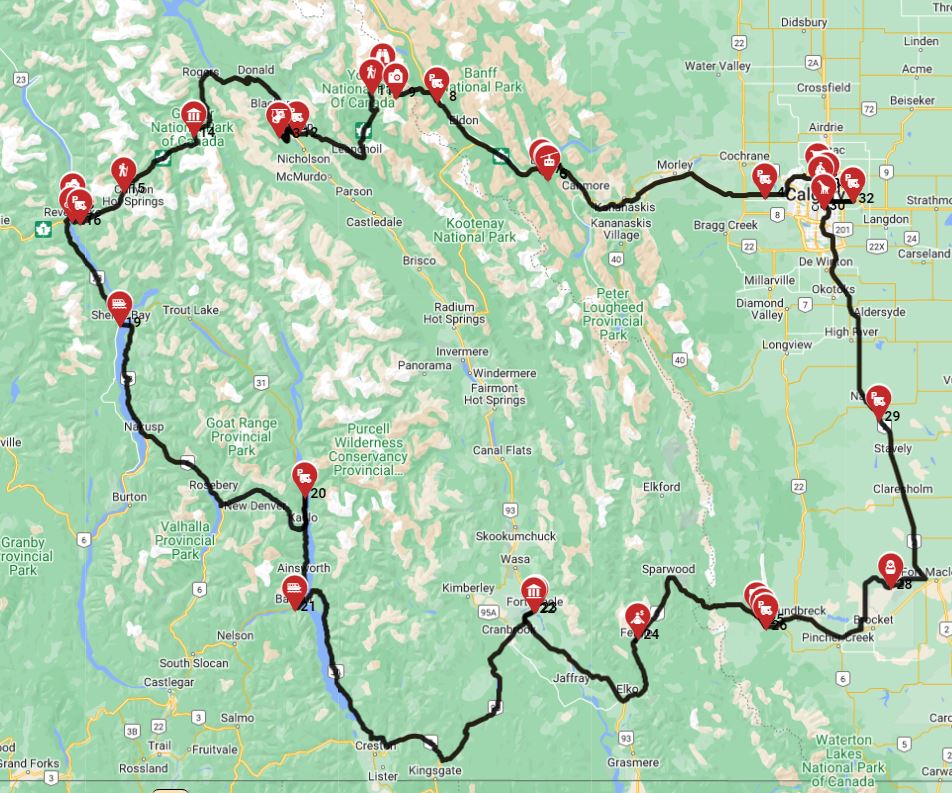
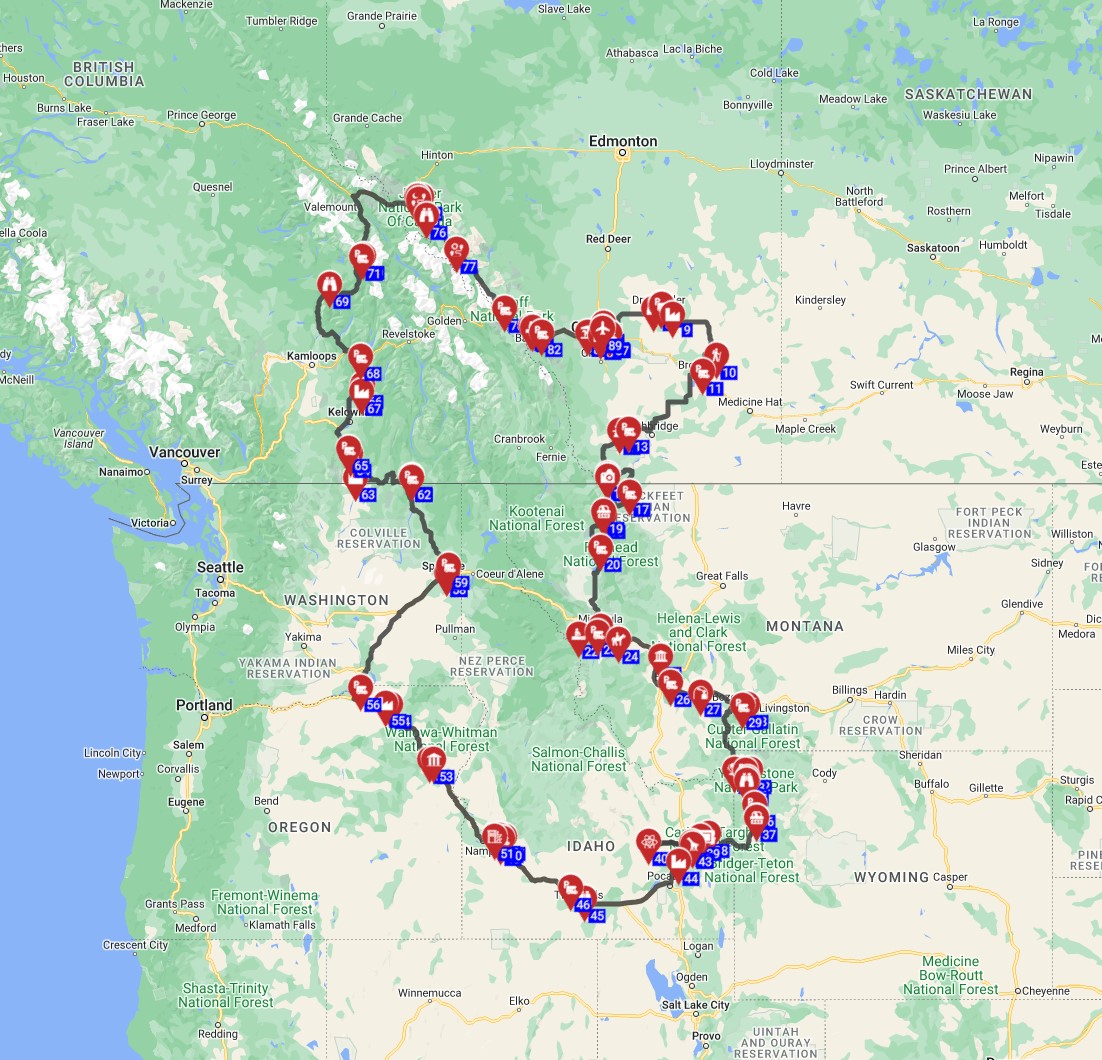
West Canada offers diverse camping experiences, ranging from the dramatic mountainous national parks to the serene coastal provincial parks and well-appointed private resorts. Popular regions for RV camping in West Canada include the iconic Canadian Rockies, featuring destinations like Banff and Jasper National Parks, the scenic wonders of Vancouver Island, and the sunny vineyards of the Okanagan Valley.
These areas provide a harmonious blend of stunning natural beauty, accessible campgrounds with varied amenities, and numerous opportunities for outdoor activities tailored to different activity levels, making them ideal for seniors seeking comfort and adventure. Whether you prefer lakeside relaxation or gentle hiking trails, West Canada has a spot for you.
Campground Types in West Canada (National, Private, Wild)
West Canada features three primary types of campgrounds: National Park sites, Provincial/Private campgrounds, and dispersed camping (often called wild camping or boondocking). National Parks, managed by Parks Canada, offer breathtaking scenic locations and often include interpretive programs, though they typically require advance reservations due to high demand and have strict rules regarding length of stay and amenities.
Provincial parks and private RV parks generally provide more extensive amenities such as full hookups (water, sewer, and electric), Wi-Fi access (though it can be unreliable in more remote areas), and laundry facilities, offering varying levels of solitude and comfort. Boondocking or 'wild camping' on Crown land is legal in many parts of British Columbia and Alberta, providing free, primitive camping away from crowds, which appeals to self-sufficient travelers. Always check local regulations, as rules can vary by region and season.
Featured RV Park or Campground in West Canada
When selecting an RV park in West Canada, seniors should prioritize key features such as accessible sites, smooth paved roads, and convenient access to essential services. Seek out parks that offer full hookups (water, sewer, and electrical connections), meticulously clean washroom facilities, and close proximity to both attractions and crucial amenities like grocery stores or medical services.
Many senior-friendly RV parks across West Canada also provide enhanced amenities such as community lounges, organized recreational activities, and on-site staff assistance, ensuring a comfortable and convenient stay. For example, the Tunnel Mountain Village I Campground in Banff National Park offers 322 electrical sites and a complimentary shuttle to downtown Banff, making it highly accessible.
Hookups & Amenities - What to Expect
In West Canada, most private RV parks and many provincial campgrounds offer a comprehensive range of hookups and amenities designed to ensure your convenience and comfort. You can typically expect electrical hookups (commonly 15, 30, or 50 amp services), fresh water connections, and often sewer hookups at "full service" sites, allowing for a comfortable stay without constant concern about utilities.
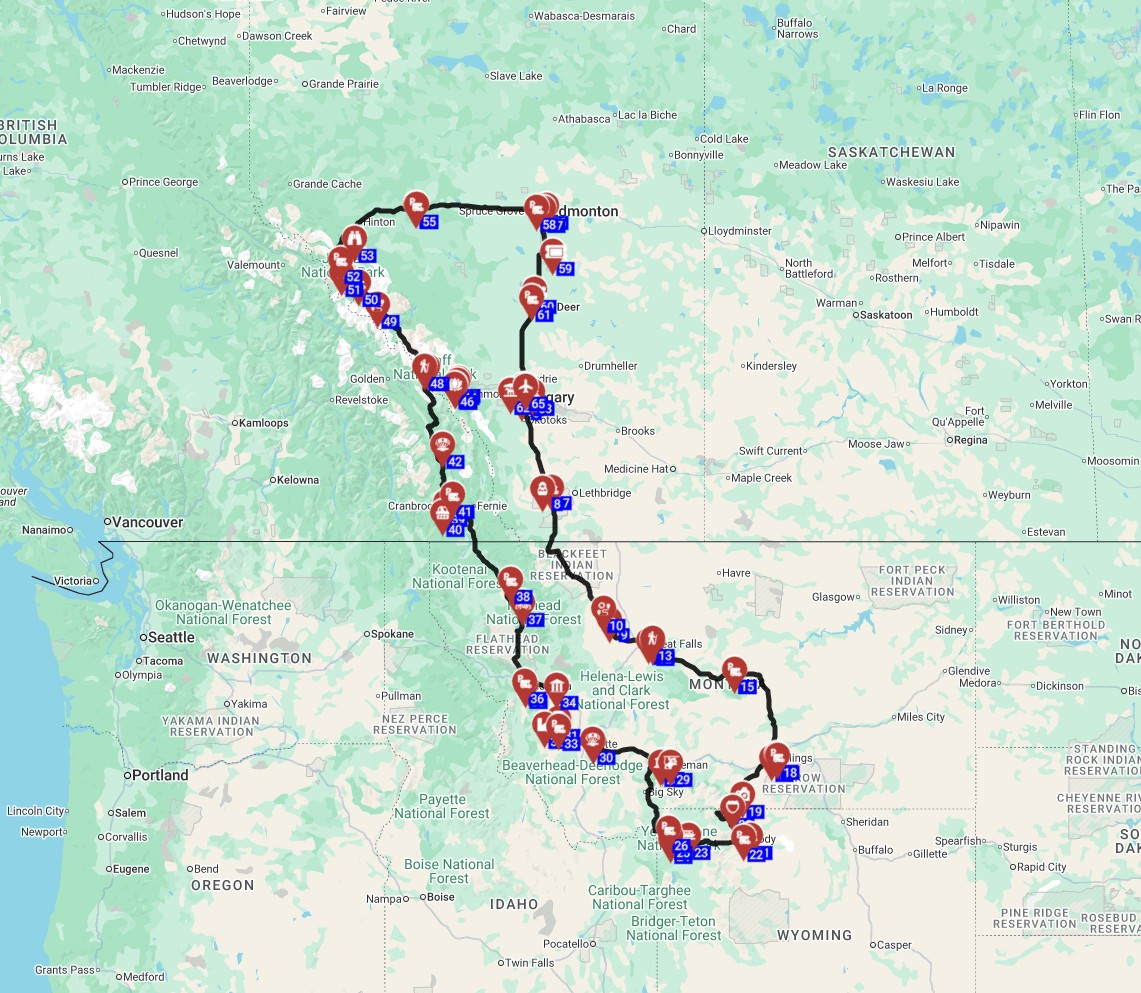
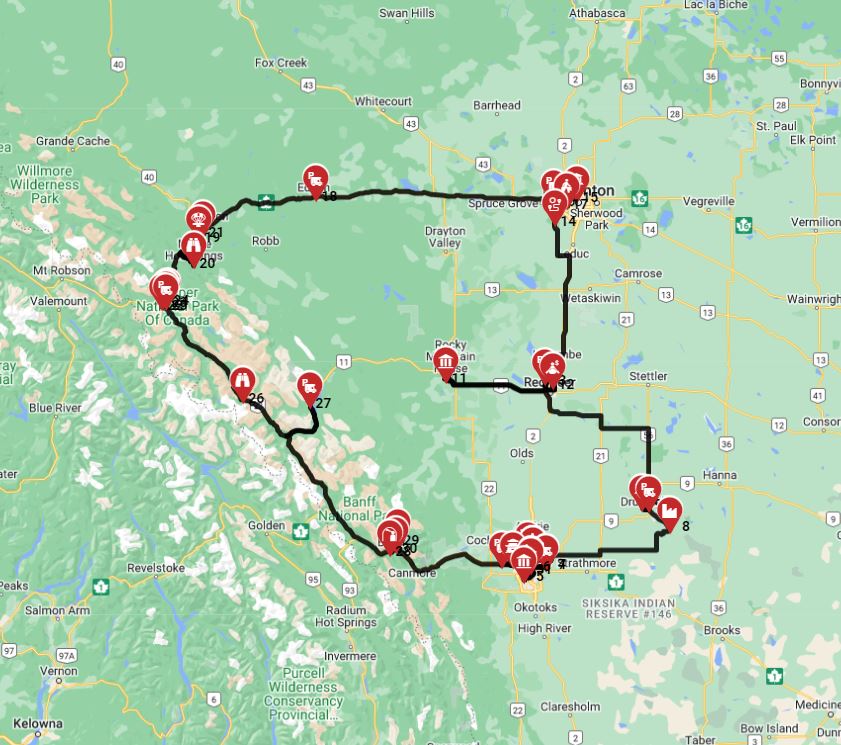
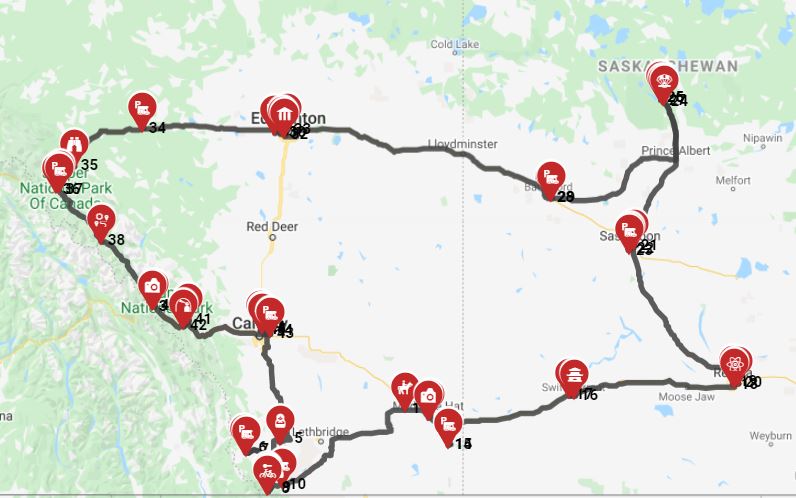
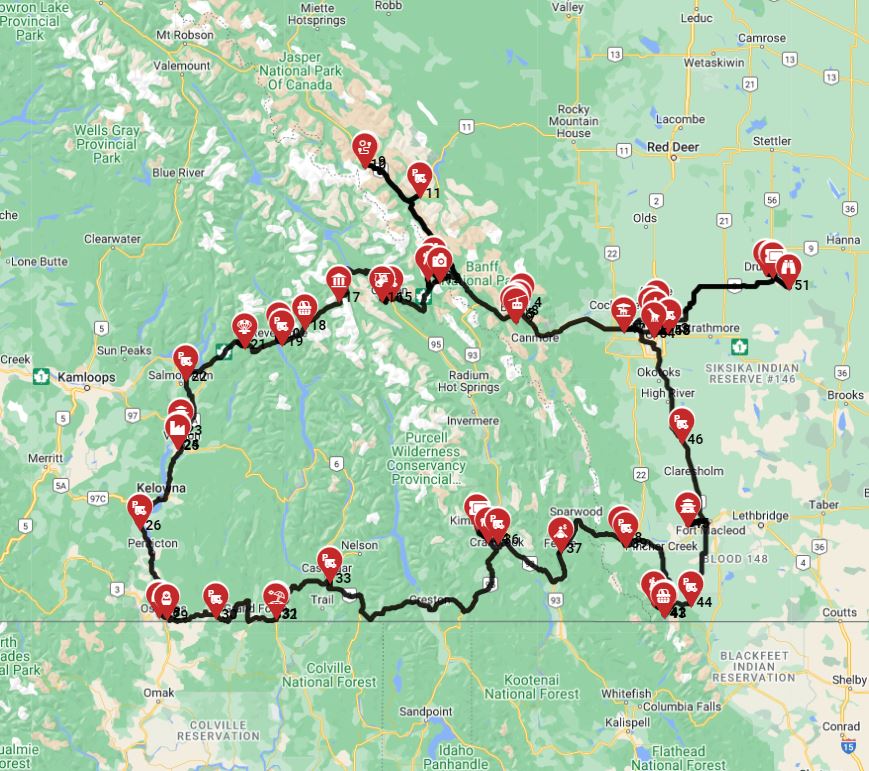
Beyond the basics, common amenities often include clean washrooms with flush toilets and showers, convenient laundry facilities, and sometimes Wi-Fi, though internet connectivity can be spotty or slow in more remote areas. For seniors, it’s advisable to look for accessible facilities, paved or level sites for easy setup, and clear access to essential services like dump stations and potable water refilling points to enhance the overall RV rental experience. On the routes offered through RV PLANET routes, you can itemize and track every expense along the way for easy budgeting.
Booking Windows & Reservations in West Canada
To secure your preferred RV campsites in West Canada, especially for highly sought-after destinations like the National Parks, it's wise for seniors to book well in advance. Parks Canada sites, for example, typically open their reservations several months ahead of the season, often in January or February for the upcoming summer, and these spots can fill up quickly.
However, it’s good to know that many national and provincial park campgrounds reserve approximately 25-30% of their spots for first-come, first-served (FCFS) arrivals. This offers a degree of flexibility for more spontaneous travelers. While you will almost certainly find a place-if not at the first campground, then the next one-it's highly recommended for seniors to call ahead before driving to any campground to ensure availability and confirm accessibility features.
Nearby Supermarkets & Resupply Points
Resupplying your rented RV in West Canada is generally straightforward, as major supermarket chains are widely accessible in towns and cities throughout British Columbia and Alberta. You'll find prominent chains like Save-On-Foods, Safeway, Superstore (Loblaws), and Sobeys, which offer a full range of groceries, fresh produce, and all necessary RV supplies.
In smaller communities or more remote areas, independent grocery stores or general stores will still provide essential provisions, though their selection might be more limited. Planning ahead and stocking up in larger centers is highly advisable before venturing into more secluded regions where extensive options are sparse. For easy budgeting and tracking of all your trip expenses, consider using RV PLANET routes, which allow travelers to itemize every cost along the way.
Best RV Class for Camping in West Canada
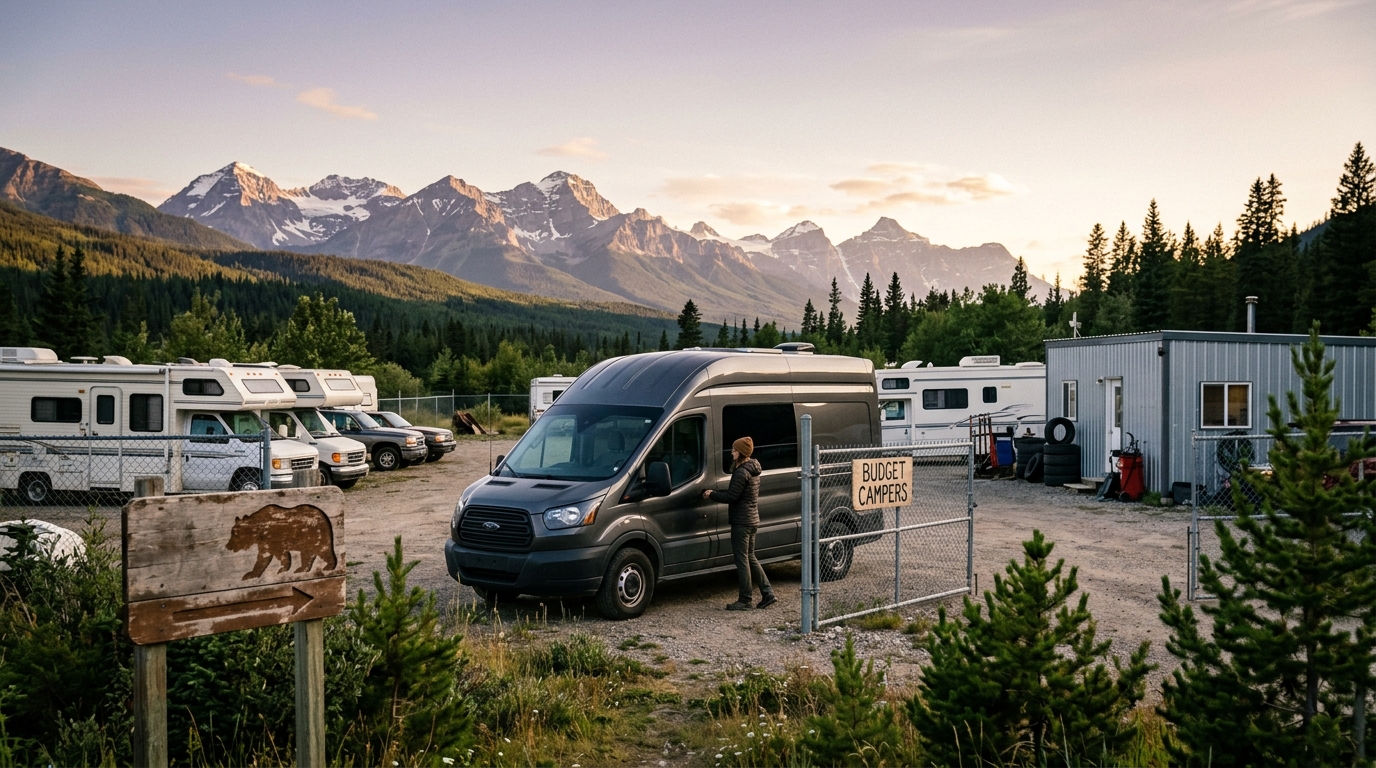
The ideal RV class for seniors camping in West Canada truly depends on your comfort priorities, maneuverability needs, and preferred travel style (whether you lean towards boondocking or rely on full hookups). Class B Camper Vans, averaging 5.8 meters in length and comfortably sleeping 2-3 people, are exceptionally well-suited for navigating winding mountain passes and discovering spontaneous sites, offering excellent fuel efficiency of approximately 8-10 Liters/100 km.
Class SI Semi-integrated RVs (also known as Class C low-profile motorhomes), with an average length of 6.9 meters and sleeping 2-4, strike a great balance. They provide more interior space than a campervan while maintaining moderate fuel consumption of about 10-11 Liters/100 km, making them suitable for both developed campgrounds and some boondocking adventures. For those desiring more generous space and amenities, Class C Alcove RVs, averaging 7.5 meters and sleeping 4-6, are popular, though their larger size requires more careful planning for tighter roads and ferry bookings, typically consuming around 10-12 Liters/100 km. Vehicles like the "24' Class C Motorhome" with a 166 Liter fresh water tank or a "MHC24" (7.3m length, 6 sleepers) offer ample space, while a "Luxury Small" Class C at 6.75m length could provide a more compact yet comfortable option. You can compare various models, such as the "rv rental denver example Category Van" for a smaller, more nimble choice, or a "Motorhome MC6 Gold" for a larger, more luxurious experience.
Remember, a standard car driver's license is sufficient for all motorhome classes, including Class A, B, and C, when renting an RV in West Canada. No special license or additional permits are required. However, for visitors from non-English speaking countries, an International Driving Permit (IDP) is recommended, though not always mandatory.
How to Save on Campgrounds in West Canada
Seniors can significantly reduce their camping costs in West Canada by employing several smart strategies and booking choices. Utilizing campground discount cards or memberships, such as Good Sam or Passport America, often promoted by RV rental providers like Bandana Caravan, can be a major saving lever. These memberships can offer 10-50% discounts on daily rates at participating parks.
Booking your RV rental during the shoulder seasons (late spring: May-June, and early fall: September-October) typically offers lower daily rates and fewer crowds compared to the peak summer months of July and August. Opting for municipal, regional, or provincial campgrounds often provides better value than private resorts, while still offering essential amenities like water and electrical hookups. Additionally, many campgrounds offer discounted weekly rates, so consider staying 3+ nights at one location to maximize these savings and embrace the slow travel philosophy, averaging max 100-150 km per day.
How much does an RV rental cost for seniors in West Canada?
The cost of an RV rental for seniors in West Canada is dynamic and varies widely based on factors like the RV class, rental duration, season, and included amenities. For instance, a Class B campervan like the "rv rental denver example Category Van" might range from $150-$250 CAD per day in shoulder season, while a larger Class C motorhome like the "MHC28" (7.3m length, sleeping 7) could be $250-$400+ CAD per day in peak summer.
Detailed cost breakdowns should account for the base rental fee, insurance, mileage charges (some rentals include limited mileage, others charge per km), fuel costs (e.g., 8-17 Liters/100 km depending on RV class), and campground fees which typically range from $30-$70 CAD per night for a serviced site. Comparing RV rental costs against traditional hotel stays often reveals that RVing can be more economical for longer trips of a week or more, especially when you factor in savings from cooking your own meals onboard. Our transparent pricing means what you see is what you get, with no hidden fees, helping you budget effectively for your West Canada adventure.
What RV type is best for West Canada's mountain passes and ferries?
For navigating West Canada's challenging mountain passes and extensive BC Ferries system, smaller and more maneuverable RV types are generally recommended for seniors. Class B Camper Vans, such as the "Active Classic" or the "Juliette 2-3" (a campervan ideal for a couple), averaging 5.8m in length, offer superior handling on winding mountain roads and are significantly easier to park and turn in tighter spaces. Their compact size makes ferry bookings simpler and often less expensive, as BC Ferries categorizes vehicles by length, with longer vehicles incurring higher fares.
Similarly, Class SI Semi-integrated RVs, like a "K1/25" (a semi-integrated model ideal for a couple), with an average length of 6.9m, provide a good balance of interior comfort and agility. Larger Class C Alcove RVs (avg. 7.5m, sleeping 4-6) and Class A Integrated RVs (avg. 7.5m, sleeping 4-5) can certainly traverse these routes, but they demand more caution, wider turns, and potentially higher ferry fares and longer booking windows, especially during peak season. Driving slowly and carefully, you can drive almost anywhere without issues, no need to stress-just use common sense and pay attention.
How to find free camping and boondocking spots in West Canada?
Finding free camping, or boondocking, in West Canada is achievable on vast tracts of Crown land, particularly throughout British Columbia and Alberta. Resourceful RVers can utilize dedicated apps like iOverlander or websites that focus on dispersed camping to identify legal and accessible spots, which are often found along forest service roads or in designated recreational sites.
Seniors considering boondocking should be aware that these sites typically offer no amenities-meaning no water, electricity, or sewer hookups-requiring complete self-sufficiency and strict adherence to 'Leave No Trace' principles. Always confirm local regulations before parking, as rules for Crown land use can vary significantly, and some areas may have fire bans or access restrictions depending on the season or environmental conditions.
What is cell service and Wi-Fi like in West Canada's remote areas?
Cell service and Wi-Fi connectivity in West Canada's vast and mountainous remote areas can be quite spotty to entirely non-existent, making prior planning essential for seniors. Major carriers like Telus, Bell, and Rogers generally provide good coverage in towns and along main highways, but service quickly diminishes once you venture into national parks, through mountain passes, or into true wilderness regions.
While many private campgrounds do offer Wi-Fi, it's often slow, unreliable, or limited, especially during peak season when bandwidth is strained by many users. For critical communication or safety, especially when exploring truly remote locations, seniors might consider carrying a satellite communication device for emergency use. Always download offline maps and essential information before losing signal, as mentioned in the fun facts about the Icefields Parkway.
What are the rules for pet travel in West Canada RVs and parks?
Traveling with pets in a rented RV through West Canada requires adherence to specific regulations established by national, provincial, and private parks. Generally, pets are welcome in most campgrounds and on many trails, but they must always be kept on a leash, typically no longer than 3 meters (10 feet), and should never be left unattended at your campsite or inside your RV for extended periods.
National Parks often have restricted areas, such as sensitive wildlife habitats or specific trails, where pets are not permitted to protect both wildlife and delicate park ecosystems. It is crucial to always check individual park websites for specific pet policies before arriving to ensure a smooth trip for you and your furry companion. Additionally, ensure your pet's vaccinations are current and they wear proper identification tags.
How to practice Leave No Trace while RVing in West Canada?
Practicing 'Leave No Trace' principles is paramount for RVers in West Canada to protect its delicate ecosystems and ensure sustainable travel for future generations. This fundamental practice involves meticulously packing out all trash, including food scraps and organic waste, and properly disposing of all wastewater and human waste at designated dump stations, never in natural environments.
Always stay on established roads and trails, avoid driving off-road, and camp only in designated sites or on legal Crown land to minimize your environmental impact. Respect local wildlife by observing animals from a safe distance, never feeding them, and securing all food and trash diligently to prevent attracting them to your campsite. By following these simple guidelines, you help preserve the stunning natural beauty of West Canada.
Is winter RV travel safe in the Alberta Rockies?
Winter RV travel in the Alberta Rockies can be an incredibly stunning and unique experience, but it undeniably requires significant preparation and a keen awareness of safety challenges for seniors. It is absolutely essential to ensure your rented RV is properly winterized, which includes having antifreeze in all water systems, and that it is equipped with appropriate winter tires (such as M+S rated or studded tires) or chains for traction on icy roads.
Continuously monitor road conditions through official sources like DriveBC (for British Columbia) and 511 Alberta, as mountain passes can close abruptly due to heavy snowfall or avalanche risk. Many campgrounds in the Rockies close for the winter season, so pre-booking open sites is crucial. Always carry emergency supplies, including extra blankets, non-perishable food, and a shovel, and inform someone of your route and expected arrival times for added safety. Our Rent&Plan service includes pre-planned routes that factor in seasonal conditions, offering additional peace of mind.
Where to find local food and prepare RV-friendly meals in West Canada?
West Canada presents abundant opportunities for seniors to source delicious local food and create unique RV-friendly meals, significantly enhancing the travel experience. Make it a point to visit local farmers' markets, which thrive particularly in agricultural regions like the Okanagan Valley, Fraser Valley, and various towns on Vancouver Island, offering fresh produce, artisan cheeses, and freshly baked goods.
Seek out unique regional ingredients such as fresh BC salmon, tender Alberta beef, wild berries, and locally produced wines or craft beers to truly savor the flavors of the region. Plan simple, one-pot or grill-friendly recipes that efficiently utilize these fresh, seasonal ingredients and require minimal cleanup, which is perfect for cooking in your RV kitchen. For inspiration, check out our RV-friendly recipes playlist to make mealtime a breeze.
What You Shouldn't Miss
- **Explore Banff National Park:** Drive the scenic Bow Valley Parkway, spot wildlife, and visit iconic Lake Louise and Moraine Lake for their stunning turquoise waters.
- **Drive the Icefields Parkway:** This 232 km (144 mile) route between Banff and Jasper offers incredible glaciers, waterfalls, and hiking opportunities.
- **Visit Vancouver Island's West Coast:** Experience the rugged beauty of Pacific Rim National Park Reserve near Tofino and Ucluelet, known for storm watching and temperate rainforests.
- **Discover the Okanagan Valley:** Tour local vineyards and orchards, enjoying fresh produce and world-class wines in a sun-drenched landscape.
- **Experience the Rocky Mountaineer (Day Tour):** For a luxurious rail experience through the Rockies, consider incorporating a day tour from your RV base.
Looking for expert insights from Avi Bandana? Top 5 Adventures - recommendations from Avi Bandana
Final Thoughts
An RV rental adventure in West Canada offers an incredible opportunity for seniors to explore stunning landscapes at a comfortable pace, enjoying the freedom and flexibility that only a motorhome can provide. From the majestic Canadian Rockies to the serene coastlines, every day brings a new vista and a new memory.
With Bandana Caravan, you're choosing a partner dedicated to transparency, support, and helping you craft the perfect trip. Our expertise ensures you have all the information and assistance you need for a worry-free experience, from comparing the best rv rental for deals to planning your ideal route.
So, take the wheel and embark on an unforgettable journey. Discover top destinations, planning tips, all in one place! Plan a trip itinerary in advance with minimal effort and maximum enjoyment. Get inspired for your next trip!
In This Guide
- Where to Camp in West Canada - Top Options
- Campground Types in West Canada (National, Private, Wild)
- Featured RV Park or Campground in West Canada
- Hookups & Amenities - What to Expect
- Booking Windows & Reservations in West Canada
- Nearby Supermarkets & Resupply Points
- Best RV Class for Camping in West Canada
- How to Save on Campgrounds in West Canada
- How much does an RV rental cost for seniors in West Canada?
- What RV type is best for West Canada's mountain passes and ferries?
- Where are the hidden gem destinations for RVs in West Canada?
- How to find free camping and boondocking spots in West Canada?
- What is cell service and Wi-Fi like in West Canada's remote areas?
- What are the rules for pet travel in West Canada RVs and parks?
- How to practice Leave No Trace while RVing in West Canada?
- Is winter RV travel safe in the Alberta Rockies?
- Where to find local food and prepare RV-friendly meals in West Canada?
Imagine yourself on the open road, the majestic Canadian Rockies unfolding around you, or the tranquil Pacific coastline welcoming your arrival. An RV rental adventure in West Canada for seniors offers unparalleled freedom, comfort, and the ability to travel at your own pace. With Bandana Caravan, your journey is seamless from start to finish, ensuring full price transparency and no hidden fees.
For live availability and current prices, start with our RV Rental West Canada - Complete Guide 2026 guide. We are true RV specialists, not just a side department of a travel agency. We genuinely love helping people discover the joy of motorhome travel, and we're with you before, during, and after your booking, providing the support you need for a truly memorable trip. Our expertise, built since our founding in 2001, helps tens of thousands of travelers explore the world by RV.
Where to Camp in West Canada - Top Options
West Canada offers diverse camping experiences, ranging from the dramatic mountainous national parks to the serene coastal provincial parks and well-appointed private resorts. Popular regions for RV camping in West Canada include the iconic Canadian Rockies, featuring destinations like Banff and Jasper National Parks, the scenic wonders of Vancouver Island, and the sunny vineyards of the Okanagan Valley.
These areas provide a harmonious blend of stunning natural beauty, accessible campgrounds with varied amenities, and numerous opportunities for outdoor activities tailored to different activity levels, making them ideal for seniors seeking comfort and adventure. Whether you prefer lakeside relaxation or gentle hiking trails, West Canada has a spot for you.
Campground Types in West Canada (National, Private, Wild)
West Canada features three primary types of campgrounds: National Park sites, Provincial/Private campgrounds, and dispersed camping (often called wild camping or boondocking). National Parks, managed by Parks Canada, offer breathtaking scenic locations and often include interpretive programs, though they typically require advance reservations due to high demand and have strict rules regarding length of stay and amenities.
Provincial parks and private RV parks generally provide more extensive amenities such as full hookups (water, sewer, and electric), Wi-Fi access (though it can be unreliable in more remote areas), and laundry facilities, offering varying levels of solitude and comfort. Boondocking or 'wild camping' on Crown land is legal in many parts of British Columbia and Alberta, providing free, primitive camping away from crowds, which appeals to self-sufficient travelers. Always check local regulations, as rules can vary by region and season.
Featured RV Park or Campground in West Canada
When selecting an RV park in West Canada, seniors should prioritize key features such as accessible sites, smooth paved roads, and convenient access to essential services. Seek out parks that offer full hookups (water, sewer, and electrical connections), meticulously clean washroom facilities, and close proximity to both attractions and crucial amenities like grocery stores or medical services.
Many senior-friendly RV parks across West Canada also provide enhanced amenities such as community lounges, organized recreational activities, and on-site staff assistance, ensuring a comfortable and convenient stay. For example, the Tunnel Mountain Village I Campground in Banff National Park offers 322 electrical sites and a complimentary shuttle to downtown Banff, making it highly accessible.
Hookups & Amenities - What to Expect
In West Canada, most private RV parks and many provincial campgrounds offer a comprehensive range of hookups and amenities designed to ensure your convenience and comfort. You can typically expect electrical hookups (commonly 15, 30, or 50 amp services), fresh water connections, and often sewer hookups at "full service" sites, allowing for a comfortable stay without constant concern about utilities.
Beyond the basics, common amenities often include clean washrooms with flush toilets and showers, convenient laundry facilities, and sometimes Wi-Fi, though internet connectivity can be spotty or slow in more remote areas. For seniors, it’s advisable to look for accessible facilities, paved or level sites for easy setup, and clear access to essential services like dump stations and potable water refilling points to enhance the overall RV rental experience.
Booking Windows & Reservations in West Canada
To secure your preferred RV campsites in West Canada, especially for highly sought-after destinations like the National Parks, it's wise for seniors to book well in advance. Parks Canada sites, for example, typically open their reservations several months ahead of the season, often in January or February for the upcoming summer, and these spots can fill up quickly.
However, it’s good to know that many national and provincial park campgrounds reserve approximately 25-30% of their spots for first-come, first-served (FCFS) arrivals. This offers a degree of flexibility for more spontaneous travelers. While you will almost certainly find a place-if not at the first campground, then the next one-it's highly recommended for seniors to call ahead before driving to any campground to ensure availability and confirm accessibility features.
Nearby Supermarkets & Resupply Points
Resupplying your rented RV in West Canada is generally straightforward, as major supermarket chains are widely accessible in towns and cities throughout British Columbia and Alberta. You'll find prominent chains like Save-On-Foods, Safeway, Superstore (Loblaws), and Sobeys, which offer a full range of groceries, fresh produce, and all necessary RV supplies.
In smaller communities or more remote areas, independent grocery stores or general stores will still provide essential provisions, though their selection might be more limited. Planning ahead and stocking up in larger centers is highly advisable before venturing into more secluded regions where extensive options are sparse. For easy budgeting and tracking of all your trip expenses, consider using RV PLANET routes, which allow travelers to itemize every cost along the way.
Best RV Class for Camping in West Canada
The ideal RV class for seniors camping in West Canada truly depends on your comfort priorities, maneuverability needs, and preferred travel style (whether you lean towards boondocking or rely on full hookups). Class B Camper Vans, such as the "Active Classic" or the "Juliette 2-3" (a campervan ideal for a couple), averaging 5.8m in length and comfortably sleeping 2-3 people, are exceptionally well-suited for navigating winding mountain passes and discovering spontaneous sites, offering excellent fuel efficiency of approximately 8-10 Liters/100 km.
Class SI Semi-integrated RVs (also known as Class C low-profile motorhomes), with an average length of 6.9 meters and sleeping 2-4, strike a great balance. They provide more interior space than a campervan while maintaining moderate fuel consumption of about 10-11 Liters/100 km, making them suitable for both developed campgrounds and some boondocking adventures. For those desiring more generous space and amenities, Class C Alcove RVs, averaging 7.5 meters and sleeping 4-6, are popular, though their larger size requires more careful planning for tighter roads and ferry bookings, typically consuming around 10-12 Liters/100 km. Vehicles like the "24' Class C Motorhome" with a 166 Liter fresh water tank or a "MHC24" (7.3m length, 6 sleepers) offer ample space, while a "Luxury Small" Class C at 6.75m length could provide a more compact yet comfortable option. You can compare various models, such as the "rv rental denver example Category Van" for a smaller, more nimble choice, or a "Motorhome MC6 Gold" for a larger, more luxurious experience.
Remember, a standard car driver's license is sufficient for all motorhome classes, including Class A, B, and C, when renting an RV in West Canada. No special license or additional permits are required. However, for visitors from non-English speaking countries, an International Driving Permit (IDP) is recommended, though not always mandatory.
How to Save on Campgrounds in West Canada
Seniors can significantly reduce their camping costs in West Canada by employing several smart strategies and booking choices. Utilizing campground discount cards or memberships, such as Good Sam or Passport America, often promoted by RV rental providers like Bandana Caravan, can be a major saving lever. These memberships can offer 10-50% discounts on daily rates at participating parks.
Booking your RV rental during the shoulder seasons (late spring: May-June, and early fall: September-October) typically offers lower daily rates and fewer crowds compared to the peak summer months of July and August. Opting for municipal, regional, or provincial campgrounds often provides better value than private resorts, while still offering essential amenities like water and electrical hookups. Additionally, many campgrounds offer discounted weekly rates, so consider staying 3+ nights at one location to maximize these savings and embrace the slow travel philosophy, averaging max 100-150 km per day.
How much does an RV rental cost for seniors in West Canada?
The cost of an RV rental for seniors in West Canada is dynamic and varies widely based on factors like the RV class, rental duration, season, and included amenities. For instance, a Class B campervan like the "rv rental denver example Category Van" might range from $150-$250 CAD per day in shoulder season, while a larger Class C motorhome like the "MHC28" (7.3m length, sleeping 7) could be $250-$400+ CAD per day in peak summer.
Detailed cost breakdowns should account for the base rental fee, insurance, mileage charges (some rentals include limited mileage, others charge per km), fuel costs (e.g., 8-17 Liters/100 km depending on RV class), and campground fees which typically range from $30-$70 CAD per night for a serviced site. Comparing RV rental costs against traditional hotel stays often reveals that RVing can be more economical for longer trips of a week or more, especially when you factor in savings from cooking your own meals onboard. Our transparent pricing means what you see is what you get, with no hidden fees, helping you budget effectively for your West Canada adventure.
What RV type is best for West Canada's mountain passes and ferries?
For navigating West Canada's challenging mountain passes and extensive BC Ferries system, smaller and more maneuverable RV types are generally recommended for seniors. Class B Camper Vans, such as the "Active Classic" or the "Juliette 2-3" (a campervan ideal for a couple), averaging 5.8m in length, offer superior handling on winding mountain roads and are significantly easier to park and turn in tighter spaces. Their compact size makes ferry bookings simpler and often less expensive, as BC Ferries categorizes vehicles by length, with longer vehicles incurring higher fares.
Similarly, Class SI Semi-integrated RVs, like a "K1/25" (a semi-integrated model ideal for a couple), with an average length of 6.9m, provide a good balance of interior comfort and agility. Larger Class C Alcove RVs (avg. 7.5m, sleeping 4-6) and Class A Integrated RVs (avg. 7.5m, sleeping 4-5) can certainly traverse these routes, but they demand more caution, wider turns, and potentially higher ferry fares and longer booking windows, especially during peak season. Drive slowly and carefully, and you can drive almost anywhere without issues. No need to stress-just use common sense and pay attention.
How to find free camping and boondocking spots in West Canada?
Finding free camping, or boondocking, in West Canada is achievable on vast tracts of Crown land, particularly throughout British Columbia and Alberta. Resourceful RVers can utilize dedicated apps like iOverlander or websites that focus on dispersed camping to identify legal and accessible spots, which are often found along forest service roads or in designated recreational sites.
Seniors considering boondocking should be aware that these sites typically offer no amenities-meaning no water, electricity, or sewer hookups-requiring complete self-sufficiency and strict adherence to 'Leave No Trace' principles. Always confirm local regulations before parking, as rules for Crown land use can vary significantly, and some areas may have fire bans or access restrictions depending on the season or environmental conditions.
What is cell service and Wi-Fi like in West Canada's remote areas?
Cell service and Wi-Fi connectivity in West Canada's vast and mountainous remote areas can be quite spotty to entirely non-existent, making prior planning essential for seniors. Major carriers like Telus, Bell, and Rogers generally provide good coverage in towns and along main highways, but service quickly diminishes once you venture into national parks, through mountain passes, or into true wilderness regions.
While many private campgrounds do offer Wi-Fi, it's often slow, unreliable, or limited, especially during peak season when bandwidth is strained by many users. For critical communication or safety, especially when exploring truly remote locations, seniors might consider carrying a satellite communication device for emergency use. Always download offline maps and essential information before losing signal, as mentioned in the fun facts about the Icefields Parkway.
What are the rules for pet travel in West Canada RVs and parks?
Traveling with pets in a rented RV through West Canada requires adherence to specific regulations established by national, provincial, and private parks. Generally, pets are welcome in most campgrounds and on many trails, but they must always be kept on a leash, typically no longer than 3 meters (10 feet), and should never be left unattended at your campsite or inside your RV for extended periods.
National Parks often have restricted areas, such as sensitive wildlife habitats or specific trails, where pets are not permitted to protect both wildlife and delicate park ecosystems. It is crucial to always check individual park websites for specific pet policies before arriving to ensure a smooth trip for you and your furry companion. Additionally, ensure your pet's vaccinations are current and they wear proper identification tags.
How to practice Leave No Trace while RVing in West Canada?
Practicing 'Leave No Trace' principles is paramount for RVers in West Canada to protect its delicate ecosystems and ensure sustainable travel for future generations. This fundamental practice involves meticulously packing out all trash, including food scraps and organic waste, and properly disposing of all wastewater and human waste at designated dump stations, never in natural environments.
Always stay on established roads and trails, avoid driving off-road, and camp only in designated sites or on legal Crown land to minimize your environmental impact. Respect local wildlife by observing animals from a safe distance, never feeding them, and securing all food and trash diligently to prevent attracting them to your campsite. By following these simple guidelines, you help preserve the stunning natural beauty of West Canada.
Is winter RV travel safe in the Alberta Rockies?
Winter RV travel in the Alberta Rockies can be an incredibly stunning and unique experience, but it undeniably requires significant preparation and a keen awareness of safety challenges for seniors. It is absolutely essential to ensure your rented RV is properly winterized, which includes having antifreeze in all water systems, and that it is equipped with appropriate winter tires (such as M+S rated or studded tires) or chains for traction on icy roads.
Continuously monitor road conditions through official sources like DriveBC (for British Columbia) and 511 Alberta, as mountain passes can close abruptly due to heavy snowfall or avalanche risk. Many campgrounds in the Rockies close for the winter season, so pre-booking open sites is crucial. Always carry emergency supplies, including extra blankets, non-perishable food, and a shovel, and inform someone of your route and expected arrival times for added safety. Our Rent&Plan service includes pre-planned routes that factor in seasonal conditions, offering additional peace of mind.
Where to find local food and prepare RV-friendly meals in West Canada?
West Canada presents abundant opportunities for seniors to source delicious local food and create unique RV-friendly meals, significantly enhancing the travel experience. Make it a point to visit local farmers' markets, which thrive particularly in agricultural regions like the Okanagan Valley, Fraser Valley, and various towns on Vancouver Island, offering fresh produce, artisan cheeses, and freshly baked goods.
Seek out unique regional ingredients such as fresh BC salmon, tender Alberta beef, wild berries, and locally produced wines or craft beers to truly savor the flavors of the region. Plan simple, one-pot or grill-friendly recipes that efficiently utilize these fresh, seasonal ingredients and require minimal cleanup, which is perfect for cooking in your RV kitchen. For inspiration, check out our RV-friendly recipes playlist to make mealtime a breeze.
What You Shouldn't Miss
- **Explore Banff National Park:** Drive the scenic Bow Valley Parkway, spot wildlife, and visit iconic Lake Louise and Moraine Lake for their stunning turquoise waters.
- **Drive the Icefields Parkway:** This 232 km (144 mile) route between Banff and Jasper offers incredible glaciers, waterfalls, and hiking opportunities.
- **Visit Vancouver Island's West Coast:** Experience the rugged beauty of Pacific Rim National Park Reserve near Tofino and Ucluelet, known for storm watching and temperate rainforests.
- **Discover the Okanagan Valley:** Tour local vineyards and orchards, enjoying fresh produce and world-class wines in a sun-drenched landscape.
- **Experience the Rocky Mountaineer (Day Tour):** For a luxurious rail experience through the Rockies, consider incorporating a day tour from your RV base.
Looking for expert insights from Avi Bandana? Top 5 Adventures - recommendations from Avi Bandana
Final Thoughts
An RV rental adventure in West Canada offers an incredible opportunity for seniors to explore stunning landscapes at a comfortable pace, enjoying the freedom and flexibility that only a motorhome can provide. From the majestic Canadian Rockies to the serene coastlines, every day brings a new vista and a new memory.
With Bandana Caravan, you're choosing a partner dedicated to transparency, support, and helping you craft the perfect trip. Our expertise ensures you have all the information and assistance you need for a worry-free experience, from comparing the best rv rental for deals to planning your ideal route.
So, take the wheel and embark on an unforgettable journey. Discover top destinations, planning tips, all in one place! Plan a trip itinerary in advance with minimal effort and maximum enjoyment. Get inspired for your next trip!