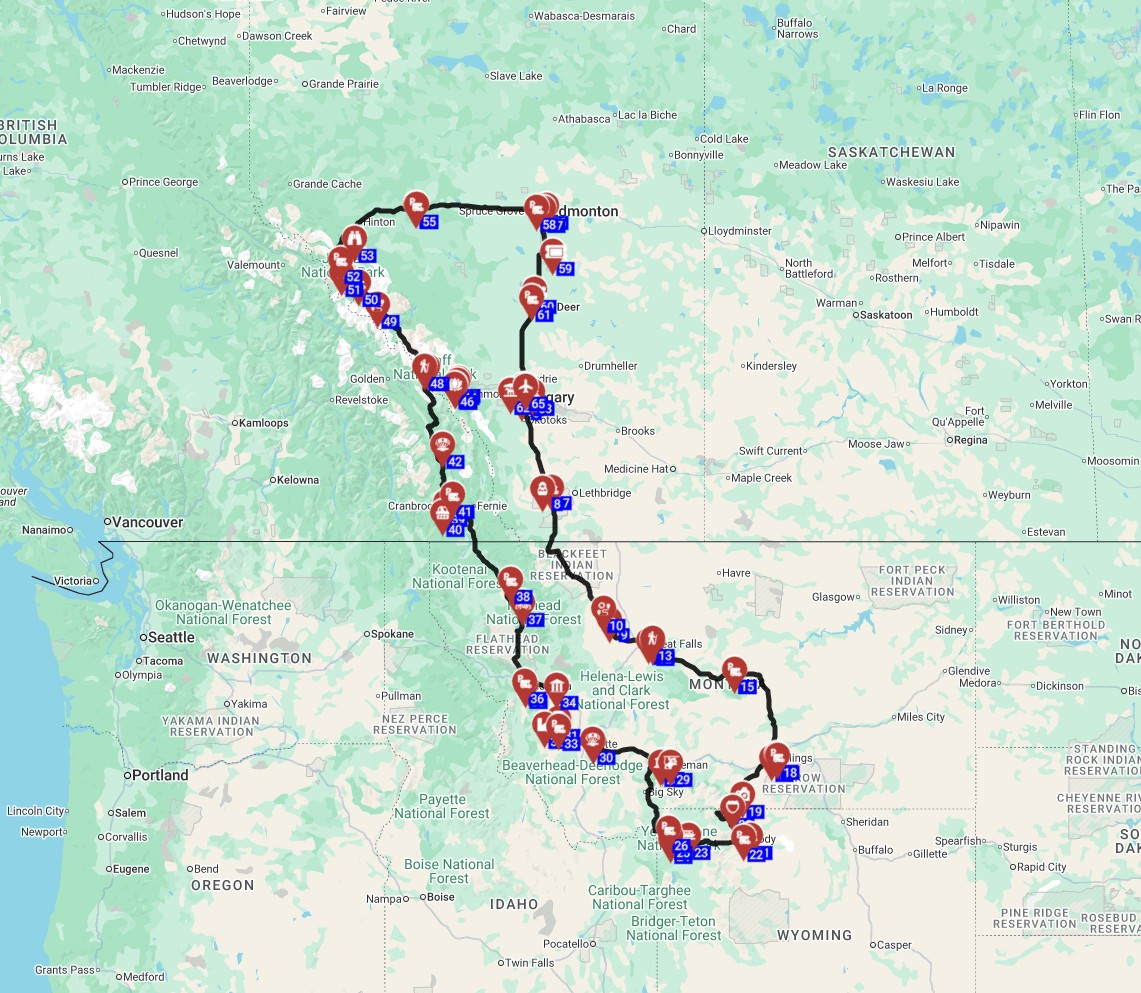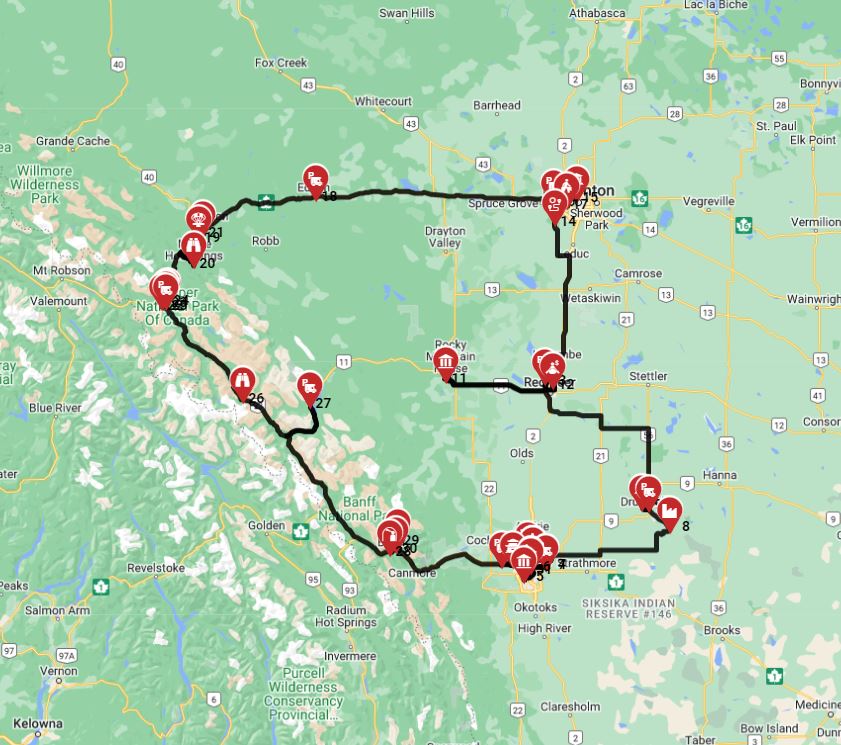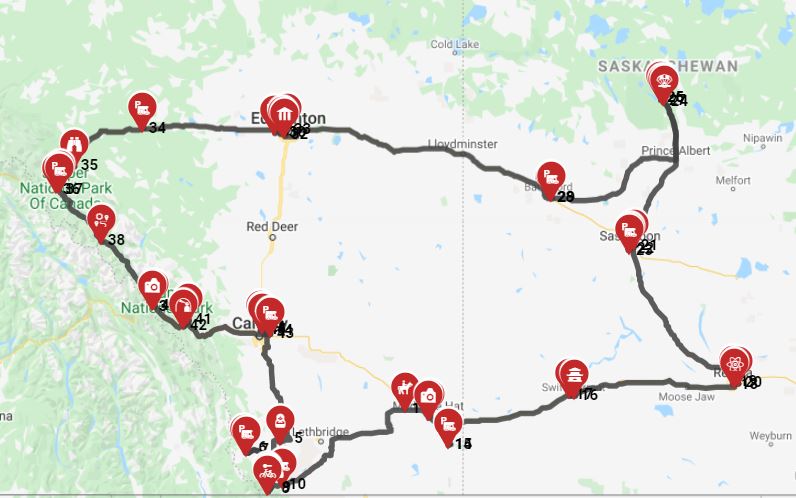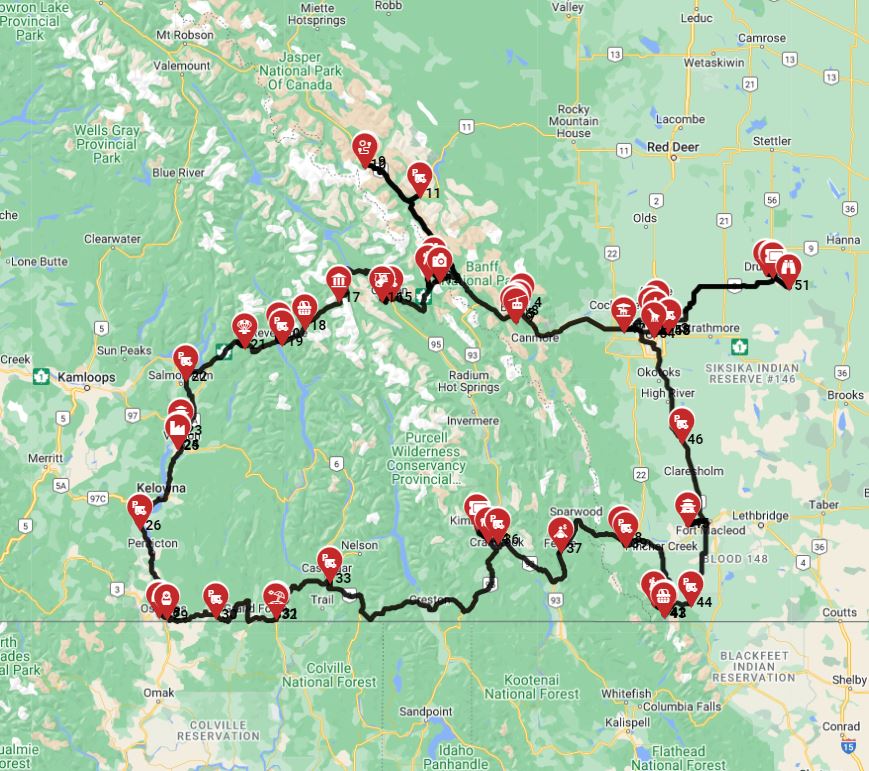
For live availability and current prices, start with our RV Rental West Canada - Complete Guide 2026 guide.
In This Guide
- Where to Camp in West Canada — Top Options
- Campground Types in West Canada (National, Private, Wild)
- Featured RV Park or Campground in West Canada
- Hookups & Amenities — What to Expect
- Booking Windows & Reservations in West Canada
- Nearby Supermarkets & Resupply Points
- Best RV Class for Camping in West Canada
- How to Save on Campgrounds in West Canada
- How much does an RV trip to West Canada cost?
- When is the best time to RV in West Canada?
- What essential logistics should I know for RV travel in West Canada?
- How to stay safe and interact responsibly with wildlife in West Canada?
- How to practice responsible and sustainable RVing in West Canada?
- What are some off-the-beaten-path RV destinations in West Canada?
- Can I travel with pets in an RV across West Canada?
- How can I navigate and park an RV in West Canada's major cities?
Where to Camp in West Canada — Top Options
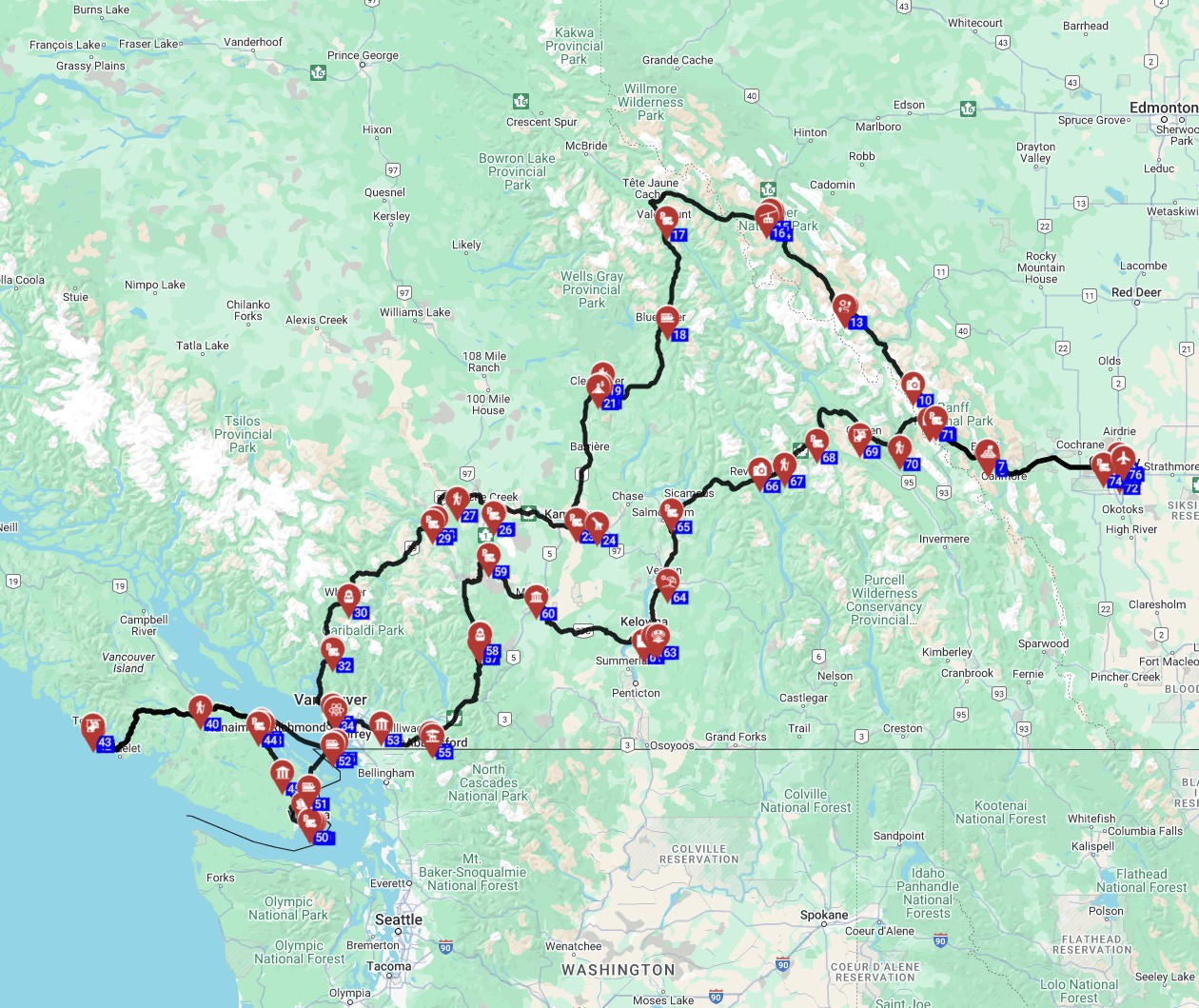
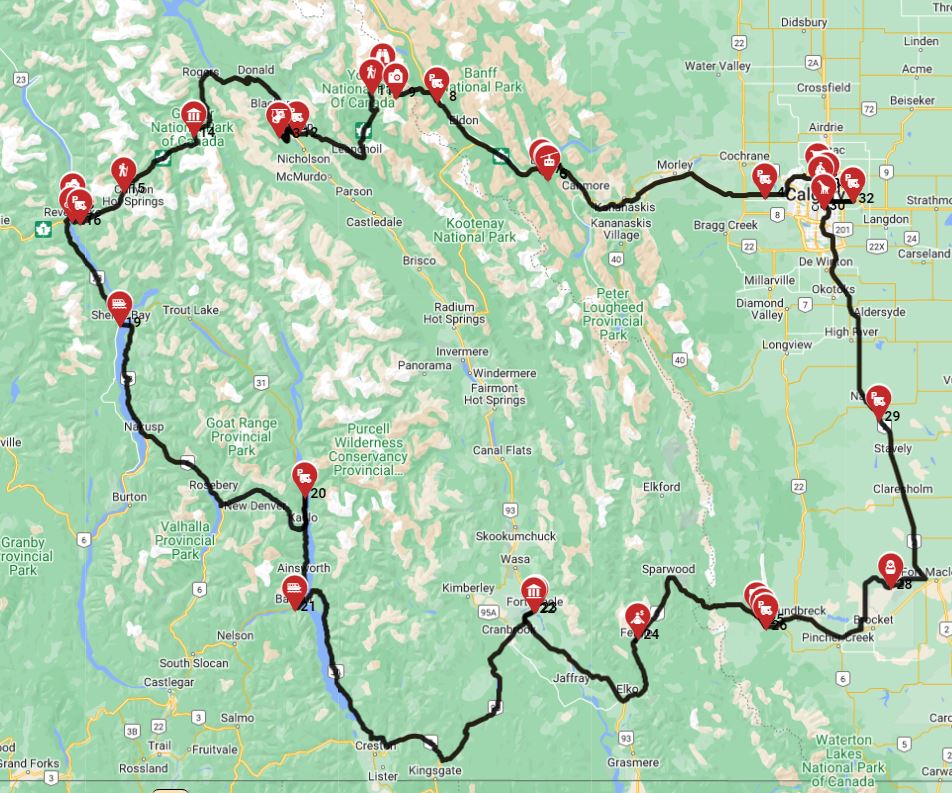
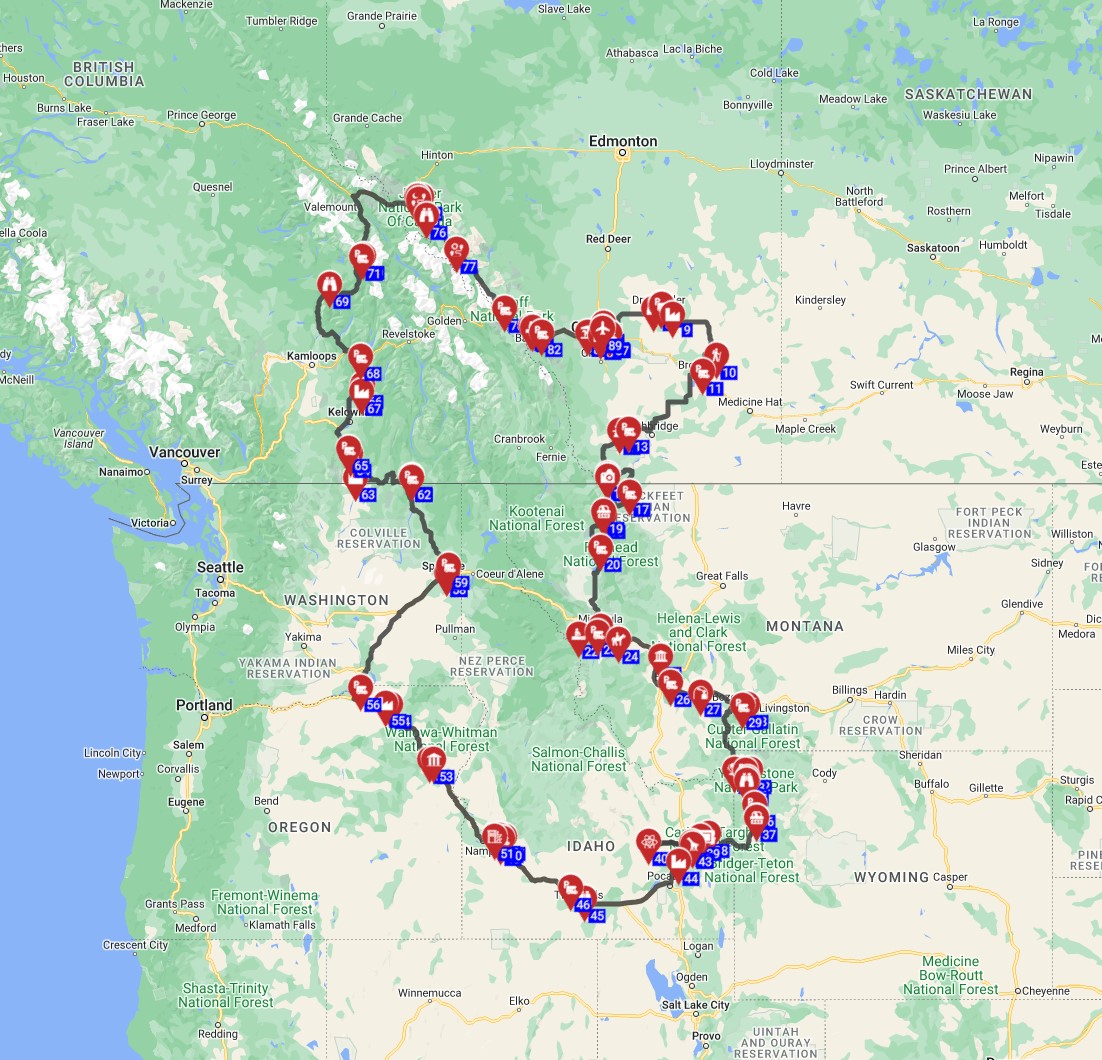
West Canada offers a vast array of camping options, from the iconic Rocky Mountains to the serene Pacific Coast and the expansive prairies. Key regions include Banff and Jasper National Parks, the Okanagan Valley's lakes, Vancouver Island's coastal beauty, and Manitoba's Riding Mountain National Park. Consider provincial parks for excellent facilities outside national park crowds, or private campgrounds for luxury amenities.
Campground Types in West Canada (National, Private, Wild)
RVers in West Canada can choose from well-serviced national park campgrounds, amenity-rich private resorts, or more primitive wild/Crown land camping experiences. National Parks require a Parks Canada Discovery Pass for entry and often offer basic to partial hookups; reservations are highly recommended, especially in peak season. Provincial Parks, managed by each province (e.g., BC Parks, Alberta Parks), offer a balance of amenities and natural beauty with varying service levels. Private Campgrounds typically provide full hookups (water, sewer, electricity), Wi-Fi, laundry, and recreational facilities, often found near towns. Wild Camping (Boondocking/Crown Land Camping) is permitted on designated Crown land in some provinces, allowing for free, primitive camping, but requires strict adherence to Leave No Trace principles and self-sufficiency.
Featured RV Park or Campground in West Canada
While specific recommendations vary by region, look for RV parks offering full hookups, scenic views, and proximity to major attractions, ensuring a comfortable base for exploration. When choosing a featured campground, prioritize those with positive reviews for cleanliness, customer service, and site spaciousness. Amenities to look for include full hookups (30 or 50 amp power, water, sewer), clean washrooms and showers, laundry facilities, and potentially Wi-Fi access.
Hookups & Amenities — What to Expect
Most West Canada campgrounds offer 15, 30, or 50 amp electrical hookups, potable water, and sewage dump stations, with varying availability of Wi-Fi, laundry, and shower facilities. Electrical Hookups are standard voltages compatible with North American RVs; ensure your rental RV's requirements match the site's offerings. Water Hookups for potable water connections are common, but always carry a fresh water hose and a pressure regulator. Sewer Hookups (Dump Stations) are available at many sites; if not, central dump stations are usually available within the campground. Additional Amenities typically include clean washrooms, hot showers, and often laundry facilities; Wi-Fi availability varies greatly and can be unreliable in remote areas. On the routes offered through RV PLANET routes, you can itemize and track every expense along the way for easy budgeting.
Booking Windows & Reservations in West Canada
To secure desirable sites, especially in popular national parks, it is highly recommended to book 4-12 months in advance, though spontaneous travelers can often find spots in provincial or private campgrounds. National Parks reservations open well in advance, typically in January for the summer season, and fill up very quickly; many campgrounds only release 25%–30% of spots for reservations, with the rest being first-come, first-served. Provincial Parks booking windows vary by province but generally open 2-5 months ahead of time. Private Campgrounds offer more flexibility for last-minute bookings, but popular locations still fill quickly during peak season. While challenging for prime spots, you will almost certainly find a place — if not the first campground, then the next; always recommend calling ahead before driving to a specific site.
Nearby Supermarkets & Resupply Points
Major grocery chains like Save-On-Foods, Safeway, Superstore, and Sobeys are readily available in towns and cities across West Canada for stocking up on provisions during an RV trip. Plan your resupply stops in larger towns and cities, as options become limited in remote areas and smaller communities. Beyond major supermarkets, look for local markets, farmers' markets, and smaller convenience stores for fresh produce and essentials.
Best RV Class for Camping in West Canada
The best RV class for camping in West Canada depends on your itinerary, group size, and desired comfort, with Class C Alcove models offering a good balance for families, and Class B Camper Vans ideal for navigating smaller roads and boondocking. For instance, Class B camper vans, averaging 5.8 meters in length and typically sleeping 3.2 people (from Bandana's fleet), are excellent for maneuverability, fuel efficiency (around 8-10 Liters/100 km), and navigating smaller roads or urban areas, making them perfect for couples or small groups seeking flexibility. Class SI motorhomes, averaging 6.9 meters and accommodating about 3.8 people, offer a comfortable balance of space and drivability, consuming around 10-11 Liters/100 km and are suitable for diverse routes, including mountain passes. Class C motorhomes, averaging 7.5 meters and sleeping nearly 6 people, are ideal for families or larger groups needing more living and storage space, with typical fuel consumption around 10-12 Liters/100 km. Larger Class A motorhomes, also averaging 7.5 meters and sleeping around 4.4 people, offer luxury and spaciousness, though their size can be challenging on winding mountain roads, with fuel consumption averaging 8-12 Liters/100 km. For a more versatile option, Truck Campers, averaging 5.5 meters and sleeping about 2.4 people, are suited for adventurous couples, consuming around 12-17 Liters/100 km and offering excellent off-road capabilities.
How to Save on Campgrounds in West Canada
Saving on campground fees in West Canada can be achieved by utilizing Bandana's campground discount cards, booking during shoulder seasons, and opting for municipal or regional parks over private resorts. Inquire about available discount programs that can significantly reduce nightly rates at participating campgrounds across the region. Camping in late spring (May-June) or early fall (September-October) often provides lower rates, fewer crowds, and pleasant weather. Municipal/Regional Parks are frequently more affordable than private resorts or national park sites, often offering good value with essential amenities. Many campgrounds offer weekly or monthly rates that are more economical than booking night-by-night; consider staying 3+ nights for better value.
How much does an RV trip to West Canada cost?
An RV trip to West Canada can range from CAD $1,500 to $4,000+ per week, primarily influenced by RV rental rates, significant fuel consumption over vast distances, varying campground fees, and chosen activity expenses. RV Rental Costs fluctuate based on RV class, season, and duration; expect to pay more for larger, newer models during peak summer months. Fuel Estimates are crucial given the vast distances; for example, a Class C Alcove RV typically consumes 10-12 Liters/100 km, so budget accordingly for your chosen route. Campground Fees typically range from CAD $20-$40 per night in national parks (plus park entry), provincial parks are similar, while private campgrounds can range from $40-$80+ per night for full hookups. Activity and Park Pass Costs should also be factored in; a Parks Canada Discovery Pass (annual) is highly recommended for multiple national park visits, costing CAD $75.25 for an adult or $151.25 for a family/group 2026. Food and Provisioning budget should also account for groceries and dining out, as cooking in your RV can significantly reduce food expenses. For ideas you can prep on the road, watch our RV-friendly recipes playlist on YouTube.
When is the best time to RV in West Canada?
The best time to RV in West Canada is typically from late May to early October, offering milder weather and full accessibility, though specific expectations vary greatly between coastal, mountain, and prairie regions. Late Spring (May-June) is characterized by melting snow in higher elevations, lush landscapes, fewer crowds, and lower prices; however, some mountain passes and higher-elevation campgrounds may still be closed. Summer (July-August) is peak season with the warmest weather, full accessibility to all roads and attractions, but also the busiest campgrounds, highest prices, and potential for wildfire smoke in some areas; mosquito and black fly activity can be high. Early Fall (September-Early October) offers stunning autumn foliage, cooler temperatures, fewer crowds, and reduced bug presence; many services and campgrounds remain open, though some will begin to close by mid-October. Winter (November-April) RVing is limited due to snow, ice, and road closures (especially mountain passes); only specialized winterized RVs and accessible campgrounds are viable, primarily near major cities or ski resorts.
What essential logistics should I know for RV travel in West Canada?
Essential logistics for RV travel in West Canada include securing appropriate National Park passes, understanding inter-provincial travel rules, managing cell service in remote areas, and locating water/dump stations. A Parks Canada Discovery Pass (annual) is crucial if visiting multiple national parks, providing unlimited entry to over 80 Parks Canada places for one fee. While inter-provincial travel between provinces (British Columbia, Alberta, Saskatchewan, Manitoba) is generally seamless, be mindful of differing provincial park booking systems, regulations, and potential time zone changes. Expect limited or no cell service in many remote and mountainous areas; consider downloading offline maps and investing in a satellite messenger for emergencies. Plan routes to include campgrounds with potable water and dump stations; dedicated RV apps can help locate these facilities, as well as sani-dumps at some gas stations and municipal facilities. Always check provincial road condition websites (e.g., DriveBC, 511 Alberta) before travel, especially when navigating mountain passes or during adverse weather.
How to stay safe and interact responsibly with wildlife in West Canada?
Staying safe around wildlife in West Canada requires strict food storage, understanding bear safety protocols, maintaining respectful distances, and being aware of local park regulations for different animal encounters. Bear Safety is paramount: always store food, garbage, and scented items in bear-proof containers or your vehicle; carry bear spray and know how to use it, make noise while hiking, and never approach or feed bears. Maintain Distance when viewing animals (e.g., 30 meters for elk, deer; 100 meters for bears, cougars); approaching wildlife can be dangerous and is often illegal. Adhere to park rules regarding food and cooler storage, especially in areas with high wildlife activity, to prevent attracting animals to your campsite. For remote travel, carry a first-aid kit, extra water, and communicate your itinerary; understand what to do in various wildlife encounters, such as making yourself look big and making noise if a bear approaches.
How to practice responsible and sustainable RVing in West Canada?
Practicing responsible RVing in West Canada involves adhering to Leave No Trace principles, conserving resources, properly disposing of waste, and respecting local communities and Indigenous lands. Follow the seven principles: plan ahead, camp on durable surfaces, dispose of waste properly (pack it in, pack it out), leave what you find, minimize campfire impacts, respect wildlife, and be considerate of other visitors. Conserve water and electricity, especially when boondocking; utilize refillable water bottles and reusable bags to reduce waste. Properly dispose of grey and black water at designated dump stations, never on the ground; separate and recycle waste where facilities are available. Be mindful of noise levels, respect private property, and learn about the history and culture of the Indigenous territories you travel through, supporting local businesses when possible.
What are some off-the-beaten-path RV destinations in West Canada?
Beyond the popular Rockies, West Canada offers hidden RV gems such as the Kootenay Rockies in BC, Dinosaur Provincial Park in Alberta, the Cypress Hills Interprovincial Park on the Alberta-Saskatchewan border, and Whiteshell Provincial Park in Manitoba. Explore the vast Shuswap Lake region in Interior British Columbia for boating and lakeside camping, or the Kootenay Rockies for hot springs, historic towns, and less crowded mountain views. For unique Alberta experiences, visit Dinosaur Provincial Park near Drumheller, a UNESCO World Heritage Site with badlands scenery and rich paleontological history, or Waterton Lakes National Park, a smaller, often less crowded alternative to Banff/Jasper. Discover Saskatchewan's Grasslands National Park, home to unique prairie ecosystems, dark night skies, and bison herds, or Prince Albert National Park, a transition zone from boreal forest to aspen parkland. Experience Manitoba's Riding Mountain National Park, offering diverse landscapes from prairies to forests and lakes, or Whiteshell Provincial Park with its ancient petroforms and extensive waterways.
Can I travel with pets in an RV across West Canada?
Yes, traveling with pets in an RV across West Canada is generally allowed, but requires adherence to specific regulations regarding pet-friendly campgrounds, leash laws, and potential border crossing requirements if coming from the US. Many national, provincial, and private campgrounds welcome pets, but always verify their specific pet policies and any additional fees before booking. Pets must be kept on a leash at all times in campgrounds and public areas, and owners are responsible for cleaning up after their pets immediately. Avoid leaving pets in your RV unattended, especially during warm weather, as temperatures can quickly become dangerous. If traveling from the US, ensure all pet vaccinations (especially rabies) are current, and carry veterinary records or health certificates as required by the Canadian Border Services Agency.
How can I navigate and park an RV in West Canada's major cities?
Navigating West Canada's major cities in an RV requires careful planning for routes, understanding parking restrictions, and often utilizing RV-friendly parking lots or suburban campgrounds rather than attempting urban boondocking. Use RV-specific GPS or mapping apps to identify truck-friendly routes, avoiding low bridges, tight turns, and restricted areas in cities like Vancouver, Calgary, Edmonton, and Winnipeg. Dedicated RV parking is rare in city centers; utilize large shopping mall parking lots, suburban big-box stores (with permission), or park-and-ride facilities on the outskirts. The most practical solution is to book a campground just outside the city core and use public transit or ride-sharing services for urban exploration. Urban 'boondocking' (free overnight parking) is generally not permitted or recommended in major West Canadian cities due to local bylaws and safety concerns; always seek legal and safe parking options.
What You Shouldn't Miss
- Drive the Icefields Parkway (Highway 93) between Banff and Jasper National Parks for unparalleled mountain scenery, with numerous pull-offs for short hikes and wildlife viewing.
- Explore the turquoise lakes of Banff and Jasper National Parks, including Lake Louise and Maligne Lake; consider a scenic boat tour on Maligne Lake.
- Experience the unique badlands landscape of Dinosaur Provincial Park, a UNESCO World Heritage Site in Alberta, perfect for RVers interested in paleontology.
- Cycle through the vineyards and orchards of the Okanagan Valley in British Columbia, stopping at wineries and enjoying lakeside campgrounds.
- Discover the rugged west coast beauty of Vancouver Island, British Columbia, with its temperate rainforests, coastal trails, and charming seaside towns.
- Witness the vastness of Grasslands National Park in Saskatchewan, ideal for spotting bison and enjoying dark night skies perfect for stargazing.
Final Thoughts
West Canada is a breathtaking destination for RV adventurers, offering diverse landscapes and unforgettable experiences. Whether you're drawn to the majestic Rockies, the serene coastlines, or the rolling prairies, renting an RV provides the ultimate freedom to explore at your own pace.
Remember to plan ahead, especially for national park reservations, and embrace the slow travel philosophy to truly connect with the incredible scenery and culture. With Bandana Caravan, you can be confident in finding a reliable rental and planning a seamless journey.
Get inspired for your next trip! Discover top destinations, planning tips, and the joy of RV travel all in one place. Use RV PLANET (rvplan.net) to explore curated itineraries and make your West Canada adventure a reality.