In This Guide
- Where to Camp in Spain - Top Options
- Campground Types in Spain (National, Private, Wild)
- Featured RV Park or Campground in Spain
- Hookups & Amenities - What to Expect
- Booking Windows & Reservations in Spain
- Nearby Supermarkets & Resupply Points
- Best RV Class for Camping in Spain
- How to Save on Campgrounds in Spain
- What do I need to rent an RV in Spain?
- How much does it cost to rent an RV in Spain?
- How much does it cost to travel Spain in an RV?
- Is Spain RV friendly?
- Is it safe to travel Spain in an RV?
- What are the best places to visit in Spain by RV?
- Where can I park an RV in Spain? (Urban Access & Parking Solutions)
- Practical Logistics for Long-Term / Independent RV Travel in Spain
- Seasonal Considerations for RV Travel in Spain
- Pet Travel Guidelines for RVs in Spain
Embarking on a motorhome adventure in Spain is an incredible way to experience its rich culture, diverse landscapes, and delicious cuisine at your own pace. For seniors, the comfort and flexibility of a rented RV offer a unique travel style, combining the convenience of home with the thrill of discovery. Imagine waking up to the gentle sounds of the Mediterranean, enjoying a leisurely breakfast on board your campervan, and then setting off to explore ancient cities or stunning coastlines. As true RV specialists, we at Bandana Caravan understand the desire for stress-free travel, providing full transparency and 24/7 support (pre- and post-booking) to ensure your journey is smooth from start to finish. For live availability and current prices, start with our RV Rental Spain - Complete Guide 2026 guide.
Where to Camp in Spain - Top Options
Spain offers diverse camping options from coastal sites to mountain retreats, catering to various preferences for senior travelers. Consider regions like Andalucía for its cultural richness and warm climate, or Catalonia for stunning coastlines and proximity to cities like Barcelona. While specific campground names are not provided here, look for well-rated private campsites near attractions like the Alhambra in Granada or the beaches of the Costa del Sol. Many regions boast fantastic facilities, offering everything from swimming pools to direct beach access, ensuring a comfortable stay. Remember to travel slowly, averaging max 100-150 km per day, to truly feel the place, connect to the culture, the food, and the scenery.
Campground Types in Spain (National, Private, Wild)
Camping in Spain is predominantly done in designated areas, with private campgrounds offering the most amenities, while wild camping or overnight parking outside official sites has strict regulations.
- Private Campgrounds: These are abundant, well-equipped, and the most reliable option for seniors, offering facilities like 220-230V electricity, fresh water, grey/black water disposal, showers, and often restaurants or pools. Prices typically range from €20-€45 per night.
- National/Regional Park Campsites: Found within protected areas, these offer a more natural experience, though amenities might be more basic; booking ahead is crucial, especially in peak season.
- Wild Camping (Áreas de Servicio/Stellplatz): Legal wild camping for RVs in Spain is generally limited to designated overnight parking spots (Áreas de Servicio or Stellplatz), which often provide basic services like water and waste disposal, but not always electricity.
- Legalities & Etiquette for Overnight Parking: Free camping 'anywhere' is illegal; overnight parking in an RV is tolerated if you are 'parked' (meaning no awnings out, no tables/chairs, leveling jacks etc.), but laws vary by municipality and region.
- Is it easy to wild camp in Spain? It is generally not 'easy' for traditional wild camping; strict laws prohibit it in many natural areas, and fines can be substantial. Focus on Stellplatz or private campgrounds for a hassle-free experience.
- How long can you camp for free in Spain? Free overnight parking in designated Stellplatz areas is typically for 24-48 hours, but never truly 'camping' in the traditional sense.
- Can you just park anywhere in Spain? No, parking regulations are enforced, especially for larger vehicles like RVs. Always look for designated RV parking signs or risk fines and towing.
- Can I sleep in my car in Spain? Sleeping in a car parked legally is generally tolerated, but 'camping' (setting up camp) is not. This applies to motorhomes too - you can often sleep if legally parked, but you cannot 'camp' outside a campsite.
Featured RV Park or Campground in Spain
When choosing an RV park in Spain, look for highly-rated establishments that cater to seniors with amenities like easy access, level pitches, and proximity to local attractions and public transport. A prime example of a desirable RV park would be one offering spacious, shaded pitches with full hookups (typically 220V electricity, water, and waste disposal), accessible bathrooms, and on-site services such as a shop or restaurant, ensuring comfort and convenience for longer stays. Many coastal campgrounds, such as those along the Costa Brava or Costa del Sol, often provide these high levels of comfort.
Hookups & Amenities - What to Expect
In Spain, RV campgrounds typically offer essential hookups and amenities tailored for a comfortable stay, ensuring seniors have access to necessary services.
- Electric Hookups: Expect 220-230V electricity, with a standard European CEE blue plug (a Schuko adapter might be needed for some appliances). Amperage can vary from 6A to 16A; confirm with the campground if you have high power needs.
- Water & Dump Stations: Fresh water points are common, and grey/black water dump stations are standard at most private and many public RV parks.
- Wi-Fi: Wi-Fi is often available, though sometimes at an extra cost or limited to communal areas, and speeds can vary.
- Laundry Facilities: Many mid-to-high range campgrounds provide self-service laundry facilities, which is highly convenient for extended trips.
- Showers & Restrooms: Clean, well-maintained shower and toilet blocks are a standard offering, crucial for comfort and hygiene.
Booking Windows & Reservations in Spain
Securing your preferred RV pitch in Spain, particularly during peak seasons, generally benefits from advance reservations, though spontaneity remains an option for off-peak travel.
- For Planners: Booking 2-3 months ahead is advisable for high season (June-August), major holidays (Easter, Christmas), and popular coastal or national park locations to guarantee availability. Booking early can also secure better rates for your RV Rental in Spain - Prices and Best Deals 2026.
- For Spontaneous Travelers: Outside of peak times, especially in the shoulder seasons (April-May, September-October) or winter, you can often find same-day or next-day availability; however, it's always recommended to call ahead before driving a long distance.
- National Park Rule: Many national park campgrounds typically release only 25%-30% of their spots for advance reservations, with the remainder allocated on a first-come, first-served basis, meaning early arrival is key for these specific sites.
- While you will almost certainly find a place-if not at the first campground, then the next-having a backup plan is wise, especially for seniors who prefer less stress. For finding campsites and campgrounds during your trip, we recommend using RV PLANET (rvplan.net) - a great resource for locating available spots along your route.
Nearby Supermarkets & Resupply Points
Maintaining your RV's pantry and supplies in Spain is straightforward, with a wide array of supermarket chains easily accessible near most camping areas. Look for major Spanish supermarket chains like Mercadona, Carrefour, Lidl, and Dia, which are present across the country and offer a full range of groceries, fresh produce, and household essentials. These stores are typically well-marked and often have ample parking, making them convenient for RV travelers to restock during their journey. Preparing meals in your rented motorhome’s kitchen is a fantastic way to enjoy local ingredients; consider checking out our RV-friendly recipes playlist for inspiration. Remember, on RV PLANET routes, you can itemize and track every expense, including groceries, for easy budgeting. On the routes offered through RV PLANET routes, you can itemize and track every expense along the way for easy budgeting.
Best RV Class for Camping in Spain
Choosing the right RV class for camping in Spain depends on your travel style and comfort preferences, with Class B Camper Vans and Class SI Semi-integrated models often ideal for seniors due to their maneuverability and balanced amenities. We are true RV specialists, not a travel agency side department, so we can genuinely help you find the perfect fit.
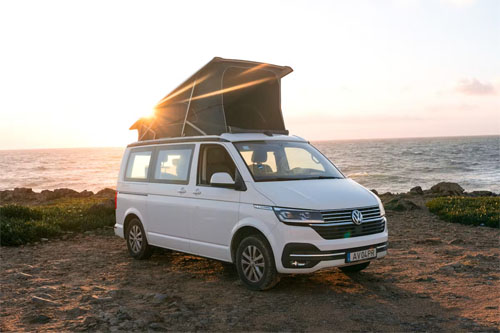
- Class B - Camper Van: For seniors prioritizing ease of driving and access to smaller towns or tighter spots, a Class B Camper Van is excellent. Bandana's fleet typically features Class B vans with an average length of 5.8 meters and sleeping places for 3.2, averaging 2.7 adults, offering efficient fuel consumption around 8-10 Liter/100 km. These compact vehicles, like the "Active Pop Top" (sleeps 4, length 5.99m) or the "Camper 2 - LOKI" (small, winter-ready), are perfect for exploring off-the-beaten-path locations and are easier to park. They often come with a shower and toilet, ensuring all your needs are met.
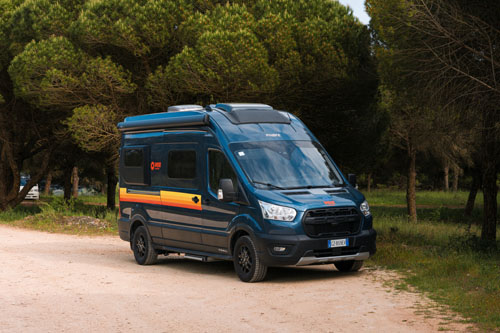
- Class SI - Semi-integrated: Offering a good balance of comfort and maneuverability, Semi-integrated RVs are a popular choice. Bandana's Class SI units typically have an average length of 6.9 meters and provide 3.8 sleeping places for an average of 3.4 adults. With fuel consumption typically around 10-11 Liter/100 km, they provide more living space than a campervan without the bulk of a full-sized motorhome, making them suitable for longer trips and a comfortable experience at campgrounds. Examples include the "2 Berth Tamar" or "Active Standard Select" (medium size, with shower and toilet). These models are often equipped with automatic transmissions for easier driving, as seen in the "Comfort Compact Select."
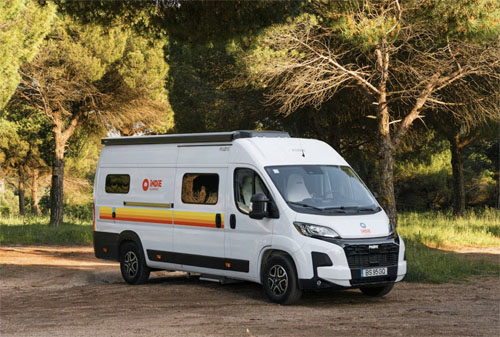
- For those seeking maximum space and comfort at established campgrounds, a Class C Alcove (average length 7.5m, 5.8 sleeping places, such as the "Euro Deluxe") or Class A Integrated (average length 7.5m, 4.4 sleeping places) could be considered, though their larger size can make navigating narrow Spanish roads and urban areas more challenging. Remember, drive slowly and carefully, and you can drive almost anywhere without issues. No need to stress - just use common sense and pay attention.
How to Save on Campgrounds in Spain
Maximizing savings on campgrounds in Spain involves strategic planning, utilizing discount schemes, and opting for specific types of sites, which can significantly reduce the overall cost of an RV trip.
- Utilize Discount Cards: Headline saving levers include campground discount cards like ACSI, CampingCard International (CCI), or ADAC, which offer reduced rates during off-peak and shoulder seasons at participating campgrounds.
- Travel During Shoulder Season: Booking in April-May or September-October avoids peak season pricing and crowds, offering a more serene and budget-friendly experience. This is also a great time to find Cheap RV Rental in Spain - Budget Guide 2026.
- Choose Municipal or Regional Campgrounds: These often provide better value than private resort-style campgrounds, though they might have fewer luxury amenities.
- Stay Longer: Many campgrounds offer weekly rates that are significantly cheaper per night than daily rates; consider booking 3+ nights to qualify for these discounts. Our Weekly RV Rental in Spain - Pricing 2026 guide can help.
- Share Hookups/Group Travel: If traveling with other RVers, inquire about group discounts or shared pitch options to split costs on hookups.
- Budget Breakdown for Campsites: Expect private campgrounds to range from €20-€45 per night depending on location, season, and amenities. Municipal sites or basic Stellplatz options might be €5-€15, or even free for just parking.
What do I need to rent an RV in Spain?
To rent an RV in Spain, particularly for seniors, you will need a valid driver's license, often an International Driving Permit (IDP), a credit card for a deposit, and meet age requirements. As true RV specialists, we ensure full transparency so there are no hidden fees or surprises.
- Driver's License: A standard car driver's license from your home country is sufficient for ALL motorhome classes (Class A, Class B, and Class C). An International Driving Permit (IDP) is recommended for visitors from non-English-speaking countries but is NOT mandatory in most cases.
- Age Requirements: The minimum rental age is 21 years old (not 25). There are NO young driver surcharges and NO vehicle class restrictions based on age with our trusted partners. However, some suppliers may have upper age limits (e.g., 75-80 years old) or require a doctor's note for older drivers; always confirm specific details with your chosen rental provider.
- Credit Card: A major credit card in the main driver's name is necessary for the security deposit, which can range from €700 to €2000.
- Passport/ID: A valid passport or national ID card is required for identification purposes.
- Booking Confirmation: Proof of your reservation and payment details.
- Insurance: Ensure you understand the insurance coverage included with the rental. You can upgrade to a top-level deductible reimbursement for extra peace of mind, an optional upgrade not included by default.
How much does it cost to rent an RV in Spain?
The cost of renting an RV in Spain varies significantly based on RV class, rental duration, season, and booking lead time, but generally ranges from €70 to €200 per day. Prices are dynamic, similar to flight tickets, changing daily based on availability, seasonality, and supplier marketing decisions. The final price is set at the actual booking time.
- RV Class: Smaller Camper Vans (Class B), like a "Category Van" with shower and toilet, are typically cheaper, starting from €70-€120 per day in low season. Larger Alcove (Class C) or Integrated (Class A) motorhomes, such as a 6-berth "Euro Deluxe" or "Luxury", can cost €100-€200+ per day. For couples, smaller RVs like a "2 Berth Hi Top" often suffice, while families might prefer a "Comfort Family 5" or "Category Family 5".
- Season: Prices are highest during peak summer (July-August) and major holidays, and lowest in the winter months (November-March). Shoulder seasons (April-June, September-October) offer a balance of good weather and moderate prices. Exploring our Luxury RV Rental in Spain - Premium Prices 2026 guide can provide insights for higher-end options.
- Rental Duration: Longer rental periods often result in lower per-day rates. For example, a two-week adventure typically offers a better daily value than a week-long trip.
- Inclusions: Confirm what's included (e.g., mileage limits, basic insurance, kitchen kit) and what are extra costs (e.g., linen, outdoor furniture, additional drivers, premium insurance). At Bandana, we compare final prices across 50+ suppliers so you don't have to, ensuring what you see is what you pay.
How much does it cost to travel Spain in an RV?
Beyond the rental fee, the total cost to travel Spain in an RV encompasses fuel, tolls, campsites, food, and activities, generally averaging €80-€150 per day for a senior couple on a moderate budget. To avoid surprises, Bandana offers full transparency on prices with no hidden fees.
- Fuel: Diesel is the most common fuel type for RVs in Spain. Bandana's fleet, for instance, typically consumes 8-12 Liter/100 km, so factor in current fuel prices (e.g., €1.60-€1.80 per liter) for your estimated mileage.
- Tolls (Peajes): Spain has an extensive network of toll roads, especially around major cities and along some coastal routes. These can add a significant amount to your budget if not planned for (e.g., a trip from Barcelona to Seville could incur €50+ in tolls). Consider using non-toll routes (autovías) for cost savings, though they may take longer.
- Campsite Fees: As discussed, these range from €20-€45 per night for private campgrounds, while municipal sites or basic Stellplatz options might be €5-€15.
- Groceries & Dining: Self-catering from supermarkets will save money (€30-€50/day for a couple), while dining out at local restaurants (menu del día) can add €15-€25 per person per meal. On RV PLANET routes, travelers can itemize and track every expense along the way for easy budgeting.
- Activities & Sightseeing: Budget for entry fees to attractions, tours, and local experiences.
- Miscellaneous: Allow for incidentals like laundry, LPG refills, or unexpected repairs.
- A comprehensive budget for a month-long trip could easily range from €2500 to €4500+, depending on luxury level and distance traveled. For more specific cost breakdowns, see our RV Rental in Spain - Prices and Best Deals 2026 page.
Is Spain RV friendly?
Spain is widely considered RV friendly, offering a robust infrastructure of campgrounds and services, particularly appealing for senior travelers due to its diverse landscapes and welcoming culture. If you are looking for RV Rental Europe - Complete Guide 2026, Spain is a fantastic starting point.
- Infrastructure: Spain boasts a good network of 'Áreas de Servicio' (service areas) and numerous private campsites that cater to motorhomes, providing essential amenities.
- Roads: Major highways are generally excellent, though some rural roads can be narrow or winding, requiring careful navigation for larger RVs. Road signage is clear and often includes specific symbols for motorhome services. Drive slowly and carefully, and you can drive almost anywhere without issues. No need to stress - just use common sense and pay attention.
- Climate: With varied climates from sunny coasts to cooler mountains, Spain allows for enjoyable RV travel almost year-round.
- Culture: Spanish culture is welcoming, and the relaxed pace of life can be particularly appealing to seniors. The 'siesta' tradition means some services might close in the early afternoon, so plan your errands accordingly.
Is it safe to travel Spain in an RV?
Traveling through Spain in an RV is generally safe, provided travelers take standard precautions regarding personal belongings, vehicle security, and are prepared for potential emergencies. Bandana is with travelers before, during, and after their booking, offering support and peace of mind.
- General Safety: Spain is a safe country with a low crime rate. However, like any tourist destination, petty crime (pickpocketing, especially in crowded urban areas like Barcelona) can occur. Keep valuables out of sight and stay vigilant.
- Vehicle Security: Always lock your RV, especially when parked or unattended. Use secure campgrounds or designated RV parking areas. Avoid leaving tempting items visible inside the vehicle.
- Driving Safety: Adhere to speed limits, be aware of local driving customs, and take regular breaks. Roads are generally well-maintained, but mountain passes can be challenging for some drivers.
- Emergency Preparedness: Familiarize yourself with local emergency numbers: 112 for all emergencies (police, ambulance, fire). Carry a first-aid kit, essential spare parts (like fuses), and know how to contact your rental company for roadside assistance. For EU citizens, the European Health Insurance Card (EHIC) provides access to state-provided healthcare. Non-EU citizens should have comprehensive travel insurance. Locate hospitals or pharmacies (farmacias) in advance along your route.
What are the best places to visit in Spain by RV?
Spain offers an incredible diversity of destinations perfect for RV travel, ranging from historical cities and coastal havens to picturesque national parks and renowned gastronomy regions, catering to various senior interests. We recommend slow travel, averaging max 100-150 km per day, to truly immerse yourself.
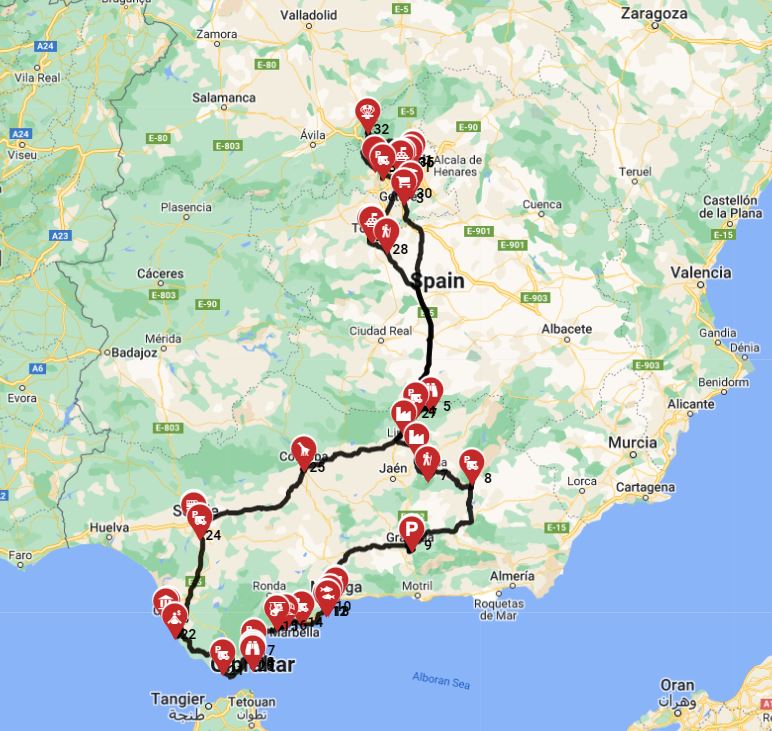
- Andalucía: Explore the cultural heart of Spain, visiting Granada (Alhambra), Seville (Alcázar, Cathedral), and Córdoba (Mezquita). Many RV parks are available on the Costa del Sol and near major cities, often with public transport links.
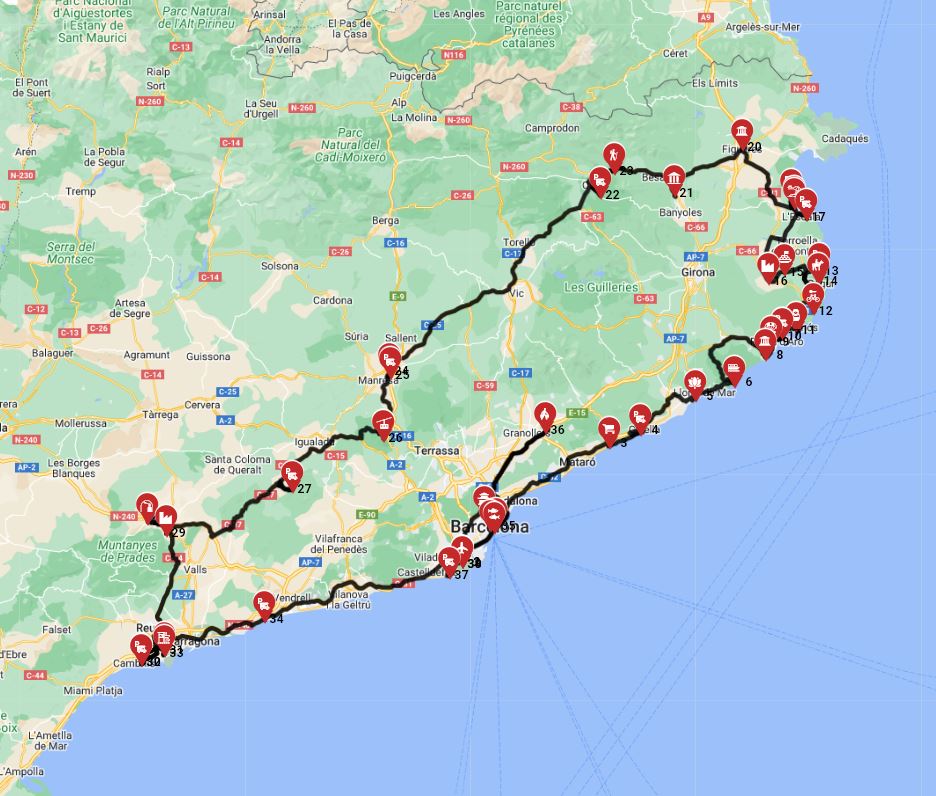
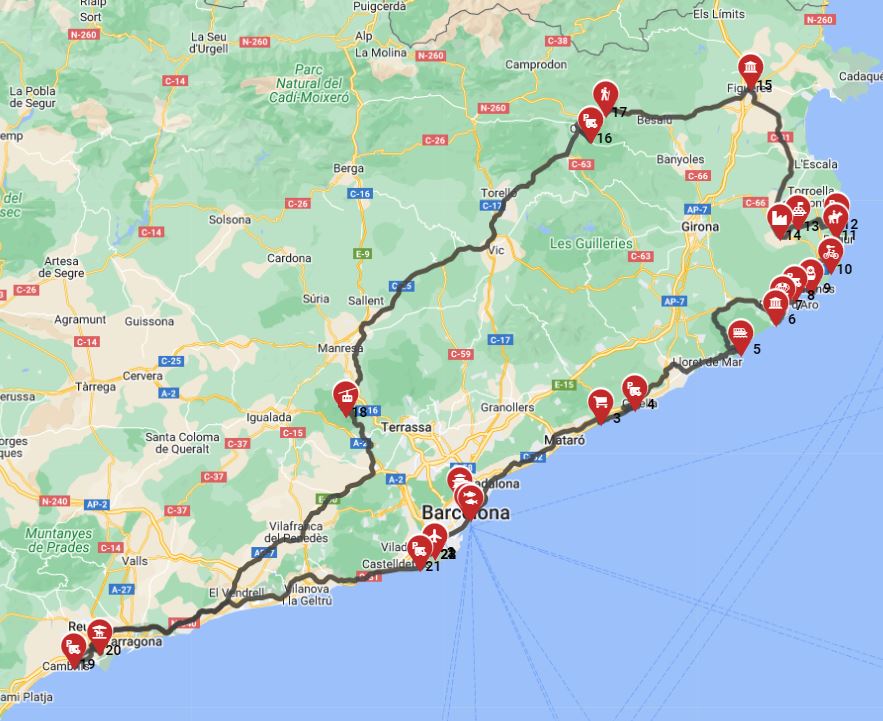
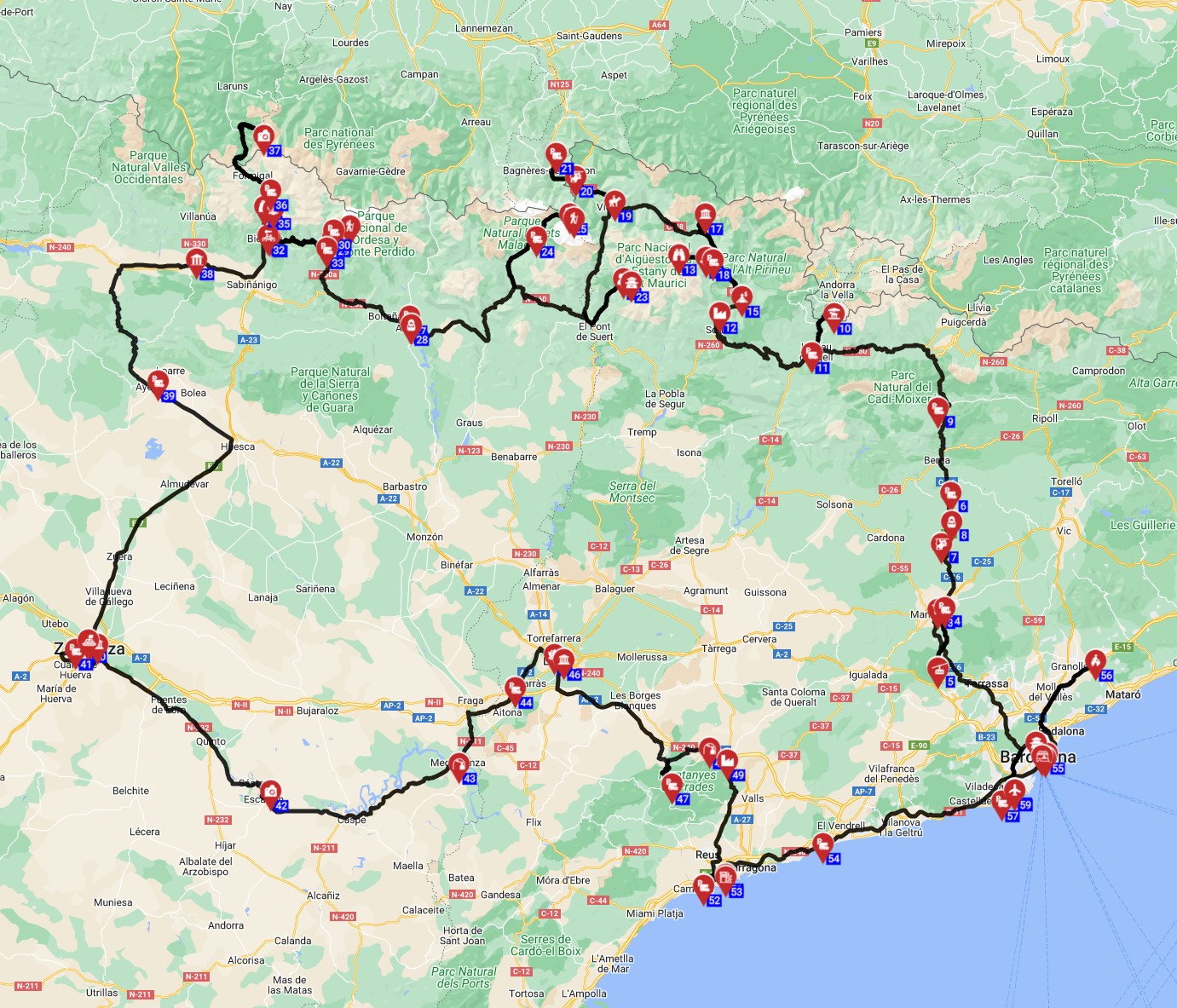
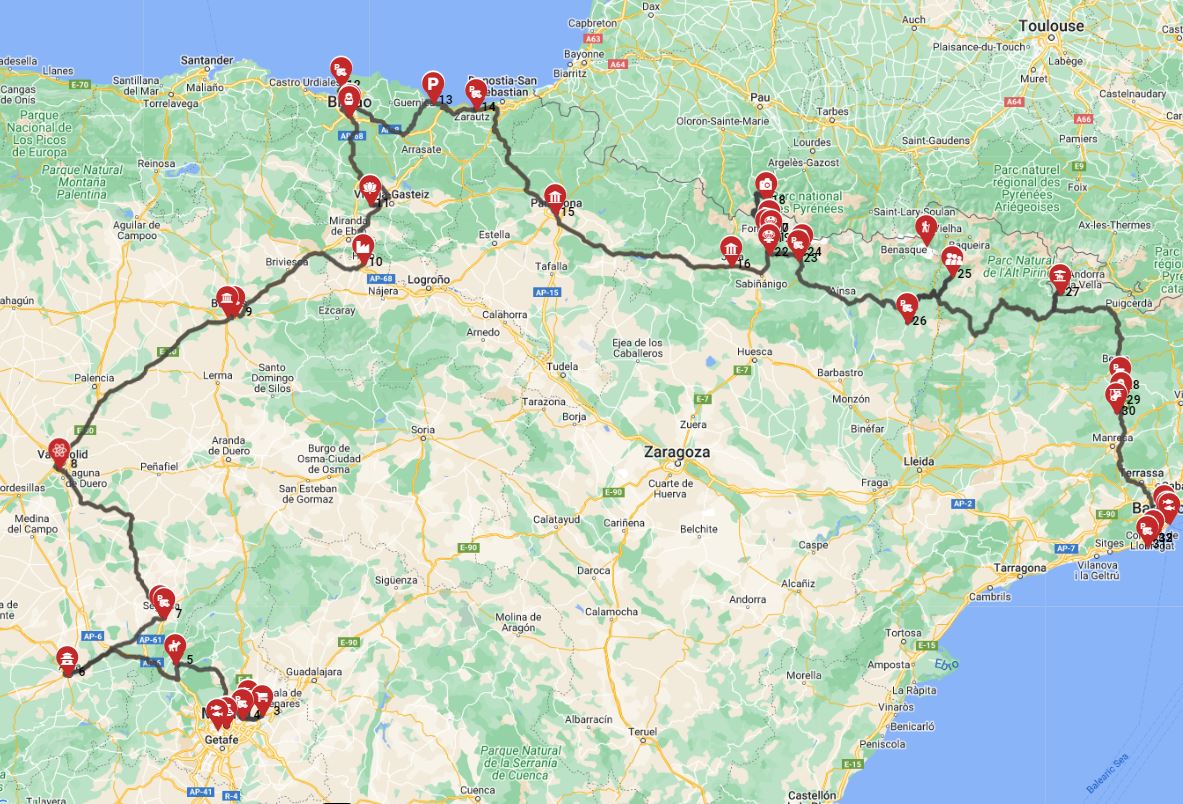
- Catalonia: Enjoy the vibrant city of Barcelona, the stunning Costa Brava coastline, and the Pyrenees mountains. RV parks are plentiful, allowing for a mix of city and nature exploration.
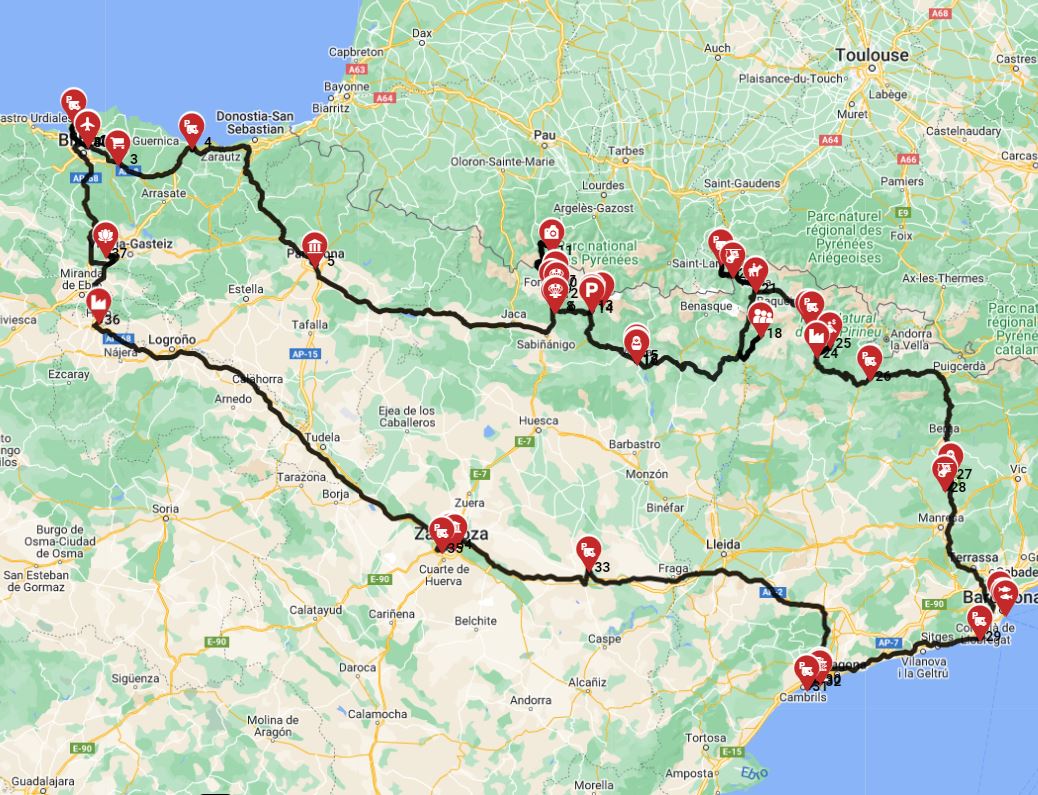
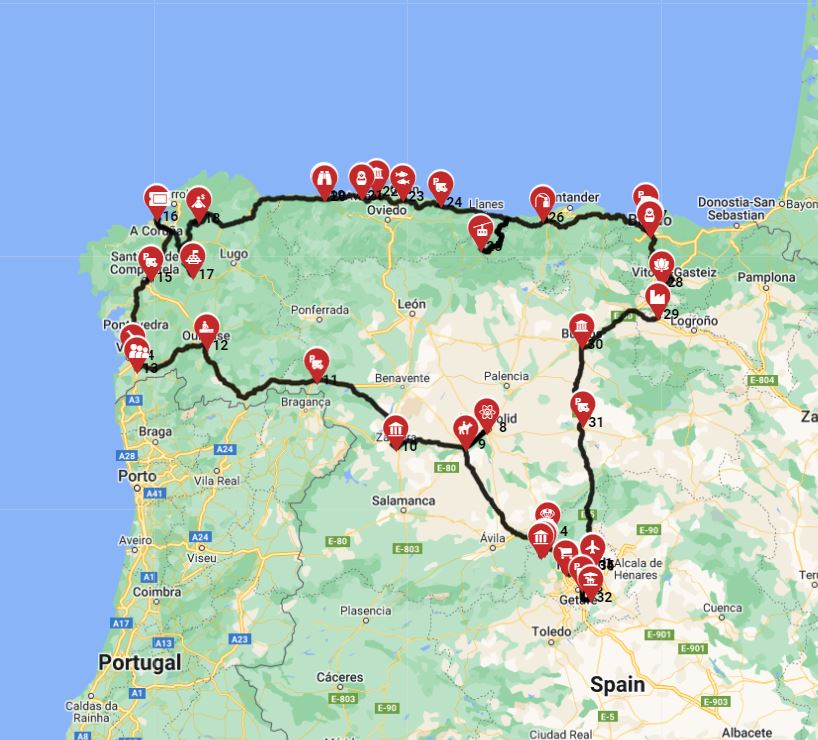
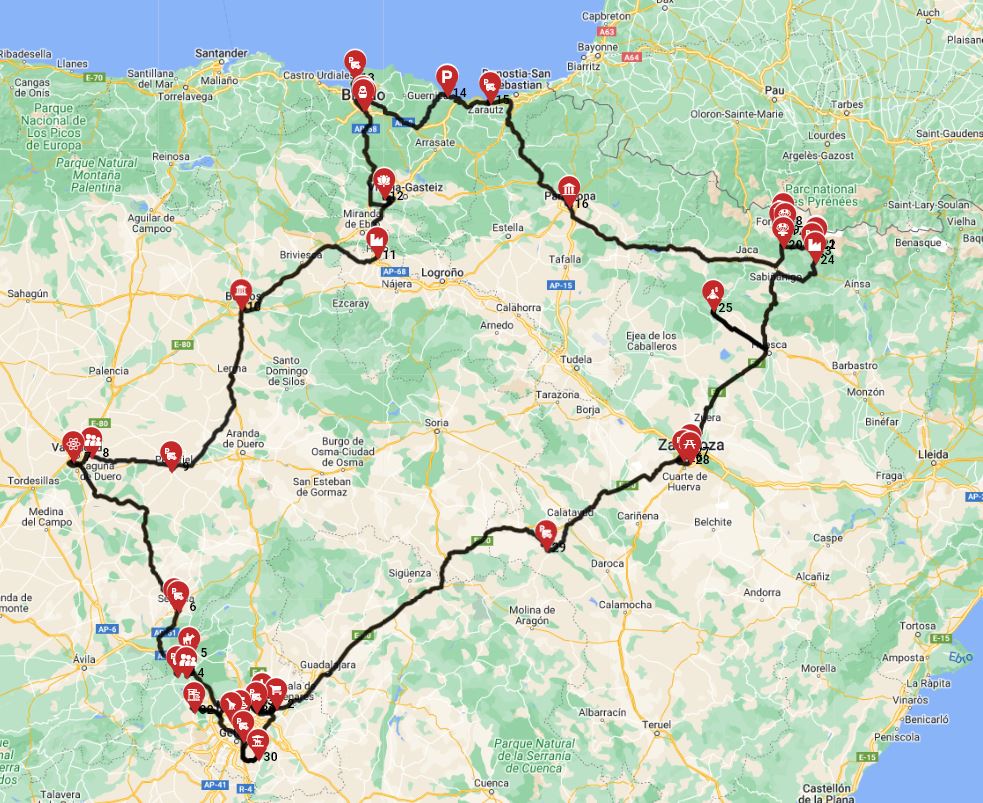
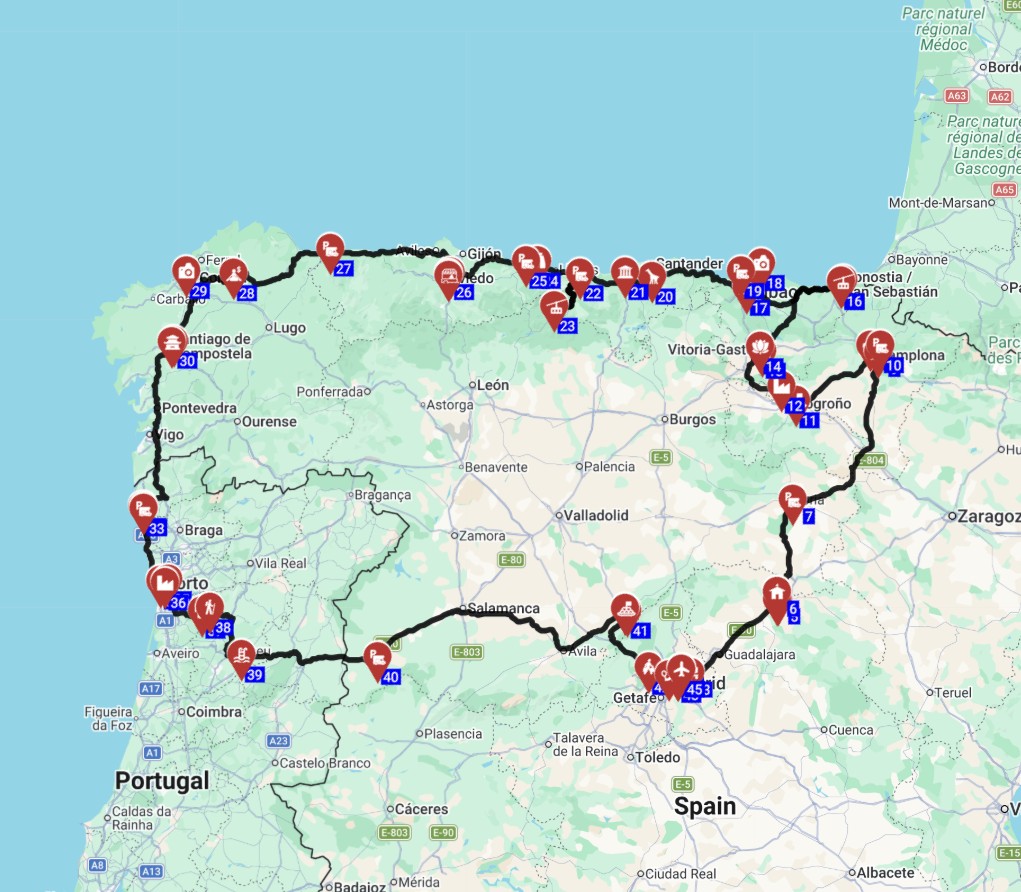
- Northern Spain (Basque Country, Galicia, Asturias): For cooler climates and lush green landscapes, explore the gastronomy routes of the Basque Country (San Sebastián, Bilbao), the rugged coastline of Galicia, or the Picos de Europa National Park for hiking.
- Camino de Santiago by RV: For those interested in historical pilgrimages, the Camino de Santiago offers a unique RV experience, allowing you to follow sections of the famous route, stopping at charming villages and towns along the way. Consider pre-planned routes from RV PLANET (rvplan.net) to make this even easier.
- Wine Regions: Explore the Rioja or Ribera del Duero wine regions, combining scenic drives with winery tours and tastings (ensure a designated driver!).
- Lesser-Known Cultural Festivals: Plan your trip around local 'fiestas' for an authentic Spanish experience; many towns have RV-friendly parking during these events.
Where can I park an RV in Spain? (Urban Access & Parking Solutions)
Parking an RV in Spanish cities requires careful planning due to size restrictions and traffic regulations, but dedicated urban access and park-and-ride solutions exist. Drive slowly and carefully, and you can drive almost anywhere without issues. No need to stress - just use common sense and pay attention.
- Designated RV Parking: Look for 'Áreas de Autocaravanas' or 'Parking para Autocaravanas' signs, which indicate specific parking zones for motorhomes, often on the outskirts of towns or cities.
- Park-and-Ride Options: For major cities like Barcelona, Madrid, or Seville, it's highly recommended to park your RV at a dedicated, secure RV park or campsite on the city's periphery and use public transport (bus, metro) to access the city center. This strategy can save you time and stress.
- Underground Parking: Most underground parking garages in city centers have height and weight restrictions, making them unsuitable for RVs. Always check height clearances before attempting to enter.
- Street Parking: Parking an RV on city streets is often challenging due to limited space and municipal regulations; it's generally best avoided in busy areas.
- Consult Local Maps/Apps: Utilize apps like Park4Night or Campercontact to find verified parking spots and services, often with user reviews and photos. These tools are invaluable for planning your stops.
Practical Logistics for Long-Term / Independent RV Travel in Spain
For seniors embarking on an extended or independent RV journey in Spain, understanding practical logistics for essential services like water, waste, and connectivity is crucial for a comfortable and self-sufficient trip. Bandana offers 24/7 support (pre-booking, booking, and post-booking coordination) to help you prepare.
- Water Fill-ups & Waste Disposal: 'Áreas de Servicio para Autocaravanas' are designated service points found throughout Spain, often free or for a small fee, providing fresh water and grey/black water disposal. Many private campgrounds also offer these services.
- Laundry Facilities: Most well-equipped private campgrounds have on-site laundry facilities. For off-grid travel, look for 'lavanderías' (laundromats) in towns, some of which are self-service.
- Internet Access: For digital nomads or staying connected, a local SIM card (e.g., from Movistar, Vodafone, Orange) with a data plan is highly recommended. Campsite Wi-Fi can be unreliable or chargeable.
- Gas (LPG): European RVs typically use refillable LPG bottles. Locate specific gas stations that can refill these or have a compatible exchange system. Adapter kits may be necessary.
- Local Services: Familiarize yourself with basic Spanish phrases for pharmacies ('farmacia'), doctors ('médico'), and mechanics ('mecánico'). Have a European breakdown cover for roadside assistance.
Seasonal Considerations for RV Travel in Spain
Considering Spain's diverse climate, understanding seasonal advantages and disadvantages is key for seniors planning an RV trip, influencing routes, crowd levels, and service availability. Our true RV specialists can offer personalized advice.
- Spring (March-May): Ideal for general touring, with pleasant temperatures, blooming landscapes, and fewer crowds than summer. Availability of services is high, and prices are moderate.
- Summer (June-August): Popular for coastal regions, but inland areas can be extremely hot. Expect large crowds, higher prices, and competition for pitches. Booking well in advance is essential for your rv rental for rentals in Spain.
- Autumn (September-November): Excellent shoulder season for exploring, with warm temperatures, fewer tourists, and favorable conditions for hiking and cultural visits. Prices are more attractive, and services are still readily available.
- Winter (December-February): Best for exploring the southern regions (Andalucía, Costa Blanca) which remain mild. Northern Spain can be cold and rainy. Many coastal campgrounds remain open, offering quiet stays and often better deals. Some mountain roads or facilities might close.
Pet Travel Guidelines for RVs in Spain
Traveling with pets in an RV in Spain requires adherence to specific guidelines and careful planning to ensure a comfortable and legal journey for your animal companions. Many of our campervan rental options are pet-friendly, check Pet-Friendly RV Rental in Spain - Pricing 2026 for details.
- EU Pet Passport: Pets (dogs, cats, ferrets) entering Spain from another EU country must have an EU Pet Passport, including proof of rabies vaccination.
- Microchip: All pets must be microchipped for identification.
- Worming Treatment: Some countries require a vet-administered worming treatment 1-5 days before entry; check the latest regulations, especially if arriving from outside the EU.
- Pet-Friendly Campsites: Many campgrounds in Spain are pet-friendly, but always confirm their specific pet policies, including any extra fees or breed restrictions, when booking.
- Public Transport & Attractions: Pets are often restricted on public transport and within many indoor attractions. Always check local rules. Smaller dogs might be allowed in carriers on some buses/metros.
- Heat & Hydration: Spain can get very hot; ensure pets have ample water, shade, and never leave them unattended in the RV on warm days.
What You Shouldn't Miss
Spain is a treasure trove of experiences, and with a rented motorhome, you have a mobile headquarters to explore it all. Here are a few must-do experiences for senior travelers:
- Wander the Albaicín in Granada: Park your RV on the city's periphery and take public transport to explore the ancient Moorish quarter of Albaicín. Enjoy spectacular views of the Alhambra at sunset from Mirador de San Nicolás.
- Drive the Andalusian White Villages Route (Ruta de los Pueblos Blancos): Traverse picturesque hilltop villages like Ronda and Grazalema, stopping to sample local olive oil and cheeses. The scenic drives are manageable and offer stunning photo opportunities.
- Experience Gastronomy in San Sebastián: Head north to the Basque Country and indulge in the vibrant pintxos (tapas) scene in San Sebastián. Park your campervan at a nearby Stellplatz and enjoy the culinary delights, taking your time to savor each bite.
- Stroll the Beaches of Costa de la Luz: Discover the expansive, golden beaches of the Costa de la Luz in Andalusia, offering a more relaxed and less crowded coastal experience than other regions. Many campgrounds here offer direct beach access.
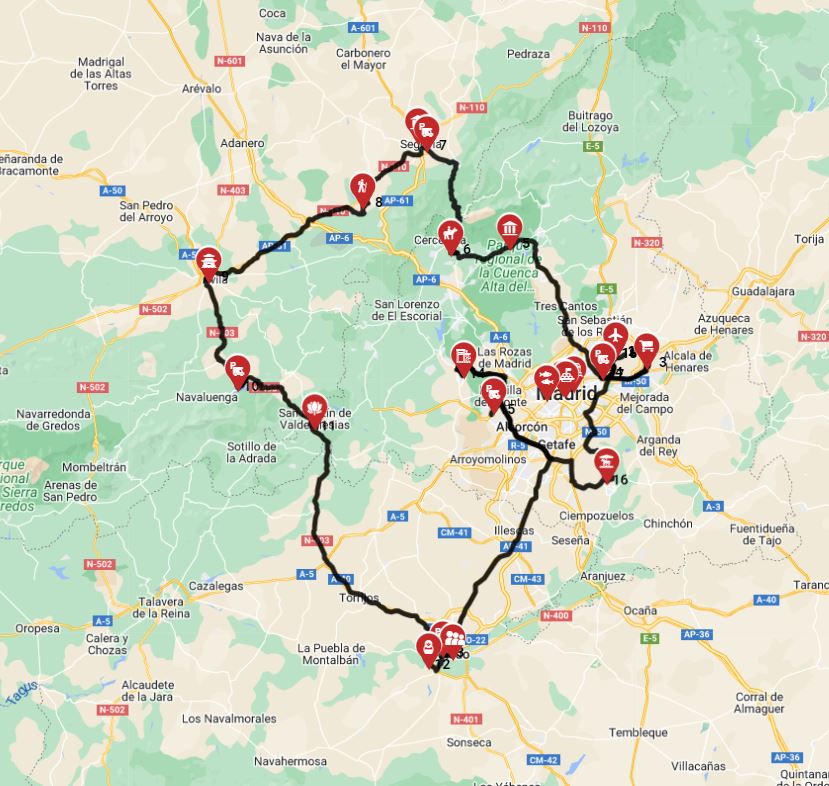
- Explore the Roman Aqueduct of Segovia: Witness this incredible feat of Roman engineering up close. Segovia, a UNESCO World Heritage City, is easily accessible and offers a wealth of history and charm for a leisurely visit.
- Walk a Section of the Camino de Santiago: Even if you don't tackle the whole pilgrimage, walking a short section, perhaps in Galicia, can be a rewarding experience. Your motorhome can provide a comfortable base for daily excursions. RV PLANET (rvplan.net) offers many pre-planned routes with these gems included.
Looking for expert insights from Avi Bandana? Top 5 Adventures - recommendations from Avi Bandana
🎬 Video coming soon
Final Thoughts
RV camping in Spain offers an unparalleled freedom and comfort, especially for seniors looking for a rich, immersive travel experience. From sun-drenched beaches to historic cities and lush green mountains, Spain's diverse landscapes are best explored at your own pace, with the convenience of your home on wheels. With transparent pricing, dedicated support, and tools like RV PLANET to help you plan, your Spanish motorhome adventure is within reach.
So, why wait? Imagine yourself savoring tapas in Seville, exploring the ancient Alhambra, or simply enjoying a quiet evening under the stars. The open road of Spain is calling, promising unforgettable memories and a journey tailored to your desires. Discover top destinations, planning tips, all in one place!
Plan your perfect RV rental for seniors in Spain and embark on the adventure of a lifetime. Check Spain RV Rental Prices Now!