In This Guide
- Where to Camp in South Europe - Top Options
- Campground Types in South Europe (National, Private, Wild)
- Featured RV Park or Campground in South Europe
- Hookups & Amenities - What to Expect
- Booking Windows & Reservations in South Europe
- Nearby Supermarkets & Resupply Points
- Best RV Class for Camping in South Europe
- How to Save on Campgrounds in South Europe
- How much does an RV trip in South Europe cost?
- What are the rules for wild camping and overnight parking in South Europe?
- What are the driving challenges for RVs in South Europe's towns and mountains?
- What type of RV is best for South Europe's diverse terrain and cities?
- How to travel responsibly and sustainably with an RV in South Europe?
- Can I travel with pets in an RV across South Europe?
- Top Cities for RV Rental in South Europe
- Practical Driving Tips for South Europe
- Why Book with Bandana Caravan
- Final Thoughts
- Frequently Asked Questions
Exploring South Europe by rented RV opens up a world of vibrant cultures, breathtaking coastlines, and ancient historical sites, all at your own pace. Imagine waking up to the sound of waves on Portugal's Algarve coast, savoring a fresh Italian espresso in Tuscany, or discovering the hidden coves of Spain's Costa Brava - all from your comfortable mobile home. For live availability and current prices, start with our RV Rental South Europe - Complete Guide 2026 guide.
Where to Camp in South Europe - Top Options
South Europe offers diverse camping experiences from sun-drenched coastal sites to serene mountain retreats, with popular regions including Portugal's Algarve, Italy's Tuscany, and Spain's Costa Brava. When planning your route, look for highly-rated sites near natural parks, such as those bordering the Cinque Terre in Italy or the Picos de Europa in Spain, for breathtaking scenery and abundant outdoor activities. Coastal campgrounds frequently provide direct beach access and opportunities for water sports, while inland sites offer proximity to hiking, cycling, and rich cultural excursions into historical towns. Many of these regions boast campgrounds with top-tier facilities, including swimming pools, restaurants, and excellent sanitation, ensuring a comfortable and memorable stay. We recommend you travel slowly, max 100-150 km per day on average, to truly take time to feel the place, connect to the culture, the food, and the scenery.
Campground Types in South Europe (National, Private, Wild)
South Europe primarily features private and municipal campgrounds, with strict regulations largely prohibiting wild camping across the region. Private campgrounds are abundant, providing a wide array of amenities from basic pitches to resort-style facilities, and are generally the most reliable option for comprehensive services and comfort. Municipal or regional campgrounds often offer more budget-friendly alternatives with essential services, frequently situated near towns or public recreational areas. Wild camping, also known as freedom camping, is generally illegal throughout Spain, Portugal, Italy, France, and Greece, particularly in protected areas and along coastlines, with significant fines enforced; however, tolerated overnight parking in some designated areas or quiet rural spots might be possible if no camping behavior (e.g., awnings extended, chairs out) is displayed, and often requires local permission. For finding campsites and campgrounds during your trip, we recommend using rvplan.net - a great resource for locating available spots along your route.
Featured RV Park or Campground in South Europe
An ideal RV park in South Europe blends essential amenities with local charm and convenient access to regional attractions, making your stay comfortable and immersive. Look for campgrounds that exemplify quality through spacious pitches, reliable electricity and water hookups, modern sanitary facilities, and often additional features like swimming pools, restaurants, or direct beach access. For instance, Camping Park Playa Bara on Spain's Costa Dorada offers extensive facilities including multiple pools, sports areas, and direct beach access, making it a fantastic choice for families. Many top-tier parks are strategically located near historical sites, national parks, or scenic coastlines, serving as an excellent base for exploring the unique cultural and natural beauty of South Europe.
Hookups & Amenities - What to Expect
RV camping in South Europe typically provides standard hookups including electricity (220-240V, requiring a Europlug adapter like CEE 7/4 or CEE 7/7), fresh water, and grey/black water disposal points. Most well-equipped campgrounds offer additional amenities such as Wi-Fi (though speed and reliability can vary, often better in premium sites), laundry facilities, hot showers, and often small on-site shops or cafes. It is advisable to carry appropriate electrical adapters and a sufficiently long water hose to ensure seamless connection at various campsite setups, especially if venturing beyond premium parks. Many sites will also have dedicated areas for cooking, which can be useful when you want to prepare your own meals. If you're looking for inspiration for your on-the-road culinary adventures, check out our RV-friendly recipes playlist.
Booking Windows & Reservations in South Europe
For RV camping in South Europe, securing reservations several months in advance (3-6 months) is highly recommended, particularly for peak season (June-August) or popular destinations like the Amalfi Coast or the beaches of Sardinia. Pre-planners love having everything organized, and booking ahead ensures you get your preferred spot. Spontaneous travelers may find more flexibility during the shoulder seasons (April-May, September-October) or in less frequented areas, but calling ahead to confirm availability before driving is always a wise strategy. While some national park campgrounds may hold a small percentage of spots for walk-ins (often 25-30% in many regions), private campgrounds typically operate on a full reservation system. However, don't stress too much - you will almost certainly find a place; if not at the first campground, then the next one. Just remember to call ahead before driving to avoid disappointment.
Nearby Supermarkets & Resupply Points
Resupplying your rented RV in South Europe is generally convenient, with major supermarket chains readily accessible in most towns and cities. Travelers should look for prominent chains such as Mercadona, Carrefour, Lidl, and Aldi in Spain and Portugal; Coop and Conad in Italy; and Carrefour and Leclerc in France for comprehensive grocery shopping. These larger stores offer a wider selection of fresh produce, specialty items, and often better prices for stocking up on provisions and essential supplies for your kitchen. While many campgrounds offer small on-site shops for basic necessities, planning larger resupply stops at supermarkets will ensure you have everything you need for comfortable RV living. Don't forget to grab some local delicacies to enjoy at your campsite!
Best RV Class for Camping in South Europe
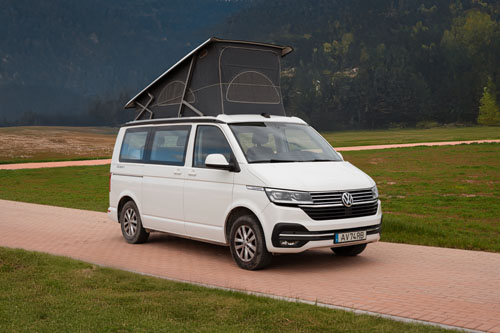
The ideal RV class for camping in South Europe balances maneuverability with comfort, with Class B Camper Vans and Class SI Semi-integrated RVs often being the most practical choices for navigating the region's diverse landscapes. Class B Camper Vans, averaging 5.8 meters in length with typically 2-3 sleeping places and an average load capacity of 37 kg, are perfect for exploring narrow village roads and parking in smaller spaces, offering flexibility for both boondocking and full-hookup sites. These agile vehicles, like the 'rv rental denver example Category Van' which is ideal for a couple and offers a shower and toilet, make city navigation a breeze. Class SI Semi-integrated RVs, averaging 6.9 meters in length with around 4 sleeping places and an average load capacity of 72.2 kg, strike a balance between comfort and agility. Vehicles such as the '2 Berth Tamar' with automatic transmission are suitable for couples or small families wanting more amenities for longer stays. While larger Class C Alcove (averaging 7.5m, 5-6 sleeping places) and Class A Integrated (averaging 7.5m, 4-5 sleeping places) RVs offer more living space, their size can be challenging on some South European roads and in older town centers, though they are excellent for comfortable, longer-term stays at well-equipped campgrounds with ample load capacities (Class C at 42.4 kg, Class A at 209.5 kg). Drive slowly and carefully, and you can drive almost anywhere without issues. No need to stress - just use common sense and pay attention.
How to Save on Campgrounds in South Europe
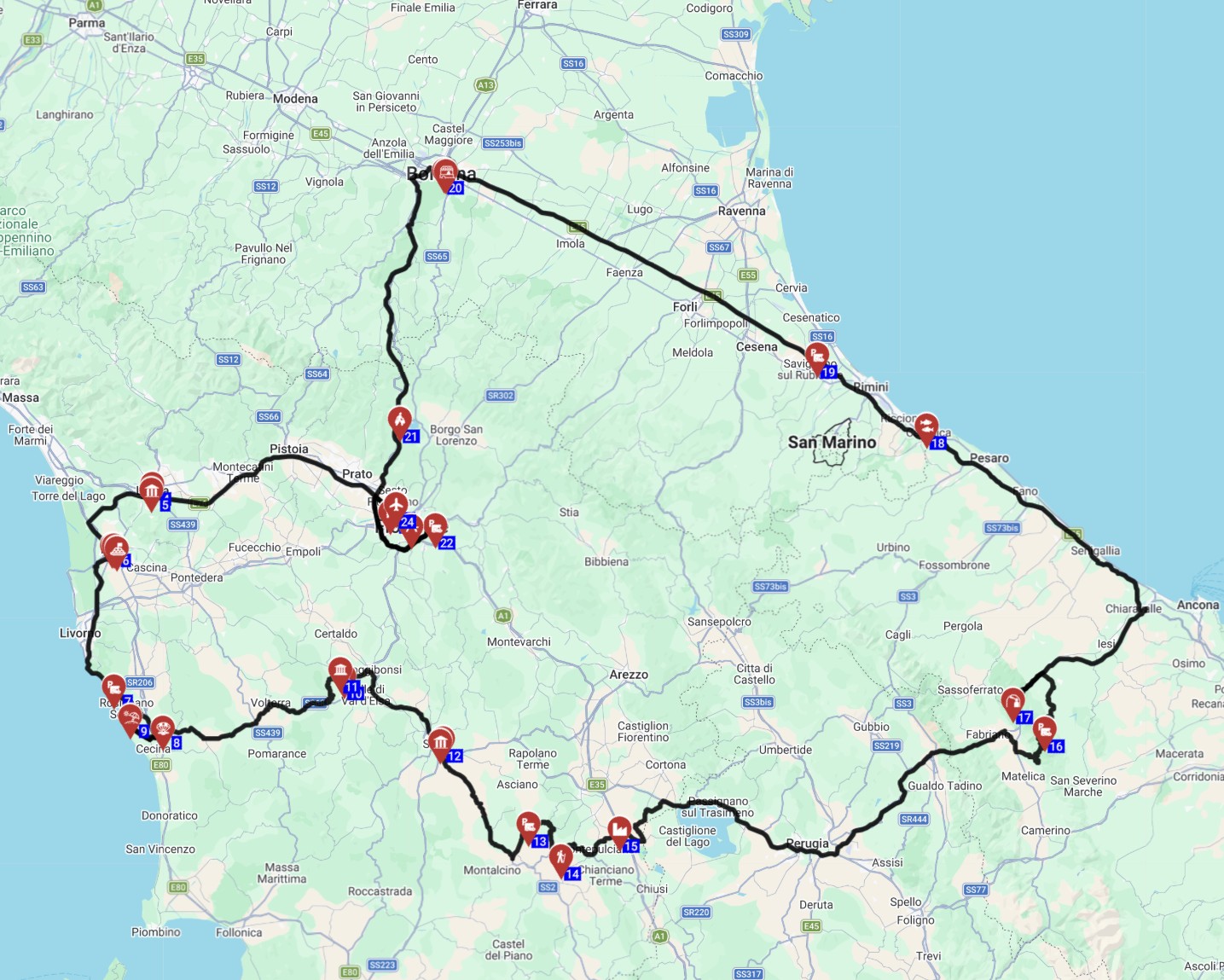
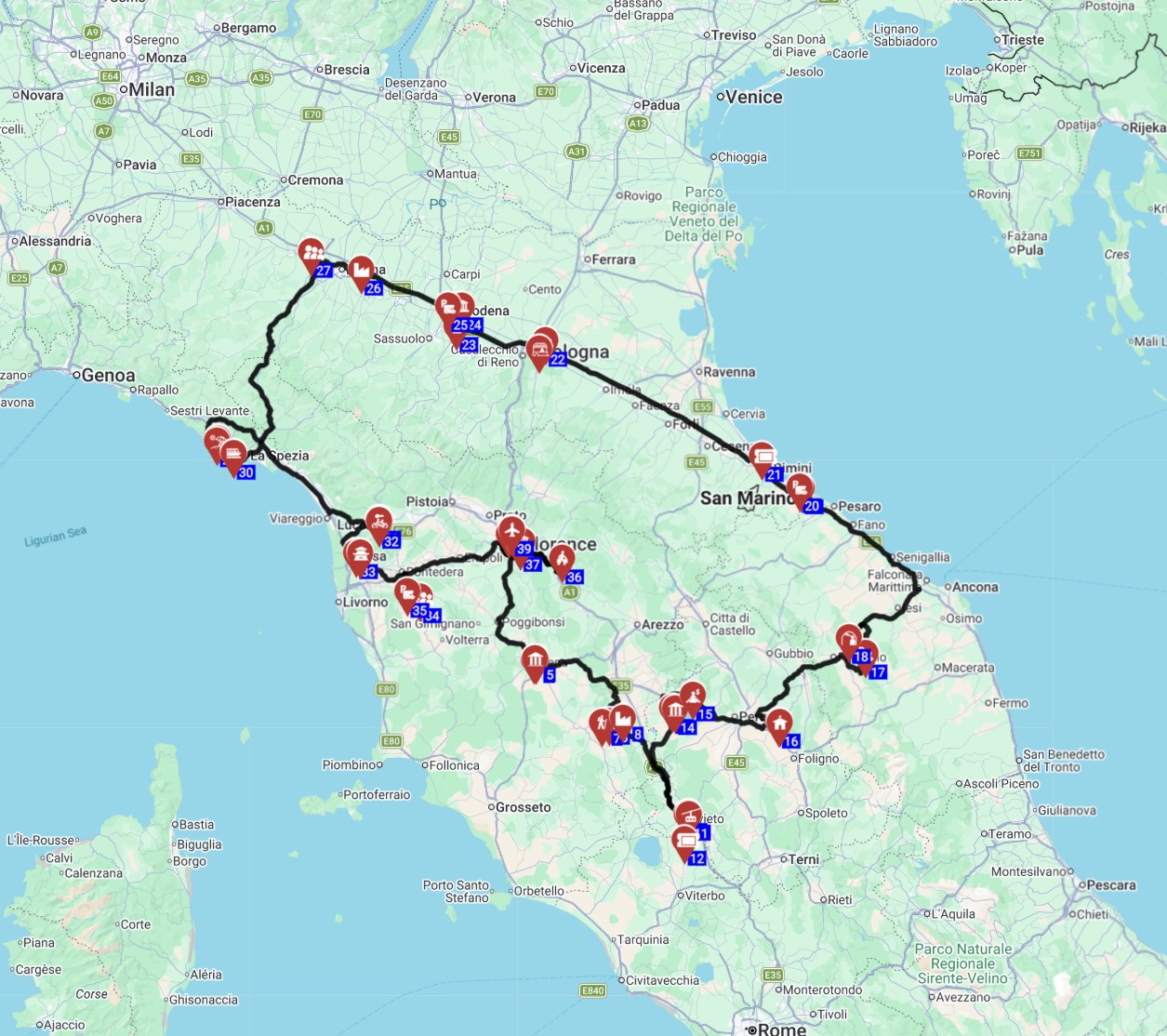
Saving money on campgrounds in South Europe is achievable by leveraging discount cards, opting for shoulder-season travel, and choosing municipal or regional sites over luxury resorts. Utilize widely accepted campground discount cards like ACSI or CampingCard International, which offer reduced rates during off-peak and shoulder seasons at participating campsites across Europe. Traveling during the shoulder season (spring or autumn) not only significantly lowers nightly rates compared to peak summer but also provides a more serene experience with unique regional events and milder weather. Prioritize municipal or regional campgrounds over private resorts for more budget-friendly options, and inquire about weekly rates, which often provide better value for stays of three nights or more. Many Rent&Plan itineraries by rvplan.net also include recommendations for cost-effective camping options, helping you maximize your budget.
How much does an RV trip in South Europe cost?
The overall cost of an RV trip in South Europe encompasses rental fees, significant fuel expenses, road tolls, campsite fees, groceries, and activity costs, all varying based on travel style and duration. Beyond the daily rental rate, which fluctuates dynamically based on availability and seasonality, budget diligently for fuel. A typical Class SI RV from Bandana's fleet consumes around 10-11 Liters/100 km, and fuel prices in South Europe can be higher than in other regions. Factor in country-specific road tolls, prevalent in France, Italy, Spain, and Portugal, along with daily campsite fees that typically range from €20-€60+ depending on amenities and location. Consider additional expenses such as ferry crossings for island destinations (e.g., Greece, Sicily), specialized insurance, and any permits required for specific national parks or activities, alongside a flexible budget for dining out and cultural experiences. Remember that on RV PLANET routes, travelers can itemize and track every expense along the way for easy budgeting, ensuring full transparency in your trip planning. On the routes offered through RV PLANET routes, you can itemize and track every expense along the way for easy budgeting.
What are the rules for wild camping and overnight parking in South Europe?
Wild camping and freedom camping are generally illegal or severely restricted across South Europe, including Spain, Portugal, Italy, France, and Greece, making designated campgrounds the legally compliant and safest option for overnight stays. Country-specific regulations vary, but broadly prohibit overnight stays outside of official campsites, particularly in coastal areas, national parks, and protected natural zones, with strict enforcement leading to fines up to €300 in places like Portugal. Overnight parking may be tolerated in certain rural or non-touristy areas if no camping behavior (e.g., awnings extended, outdoor chairs out) is exhibited and local signage does not forbid it, but always consult local authorities or apps like Park4night for permitted spots. To avoid legal issues and contribute to responsible tourism, always prioritize staying in official campsites or securing explicit permission from private landowners if considering an alternative parking spot. For instance, in Italy, some agriturismi offer informal overnight parking for a fee or if you dine with them.
What are the driving challenges for RVs in South Europe's towns and mountains?
Navigating a rented RV through South Europe presents unique driving challenges, particularly due to the narrow, winding streets of historic towns and the steep, often tight passes found in mountainous regions. Drivers should be prepared for varying local road rules, different signage conventions, and potentially assertive local driving styles, especially in bustling city traffic. Smaller RVs like Bandana's Class B Camper Vans (averaging 5.8m in length, like the 'hire campervan example Paradise S/T') or Class SI Semi-integrated models offer significant advantages in maneuverability for these conditions. Understanding and managing country-specific toll systems - such as electronic tolls in Portugal, 'péages' in France, and the Telepass system in Italy - is crucial to avoid unexpected charges and ensure smooth travel. Careful route planning is essential when approaching medieval towns to avoid roads too narrow for RVs, and mountain passes demand attentive driving due to sharp turns, varying road conditions, and elevation changes. Remember, drive slowly and carefully, and you can drive almost anywhere without issues. No need to stress - just use common sense and pay attention.
What type of RV is best for South Europe's diverse terrain and cities?
The most suitable RV for navigating South Europe's diverse terrain, from ancient city centers to coastal roads and mountain passes, is often a compact and agile vehicle such as a Class B Camper Van or a smaller Class SI Semi-integrated model. Class B Camper Vans (averaging 5.8m in length, ideal for 2-3 people with a compact bathroom) are highly recommended for their superior maneuverability, allowing access to narrow village streets, remote 'hidden gems,' and easier parking in crowded areas. For example, the 'Camper Van' model offers a front air condition and is ideal for a couple, with a shower and toilet. Class SI Semi-integrated RVs (averaging 6.9m in length, with 3-4 sleeping places and more spacious living areas) provide a good compromise, offering enhanced comfort and amenities for couples or small families while still being manageable on most European roads. While larger RVs like Class C Alcove (averaging 7.5m, suitable for 4-6 people) or Class A Integrated (also around 7.5m, offering luxury for 2-4 people) provide more spacious living, their size can significantly limit access to historic city centers and challenging rural roads, requiring more restrictive route planning. For a broader perspective on vehicle options, our "RV Rental Europe - Complete Guide 2026" offers a comprehensive look at what's available across the continent.
How to travel responsibly and sustainably with an RV in South Europe?
Responsible RV travel in South Europe emphasizes minimizing environmental impact, respecting local communities, and actively supporting the regional economy and its cultural nuances. Proper waste disposal is paramount; always use designated grey and black water dump stations at campgrounds or service points, strictly avoiding any disposal in natural environments. Conserve resources by being mindful of water and electricity consumption, using eco-friendly cleaning products, and adhering to marked roads and trails to protect sensitive ecosystems. Engage positively with local communities by purchasing goods from small businesses, dining at local establishments, and making an effort to learn basic local phrases, thereby contributing to sustainable tourism and fostering a welcoming attitude towards motorhomers. By respecting local customs and leaving no trace, we ensure that the beauty of South Europe remains vibrant for future generations of RV travelers.
Can I travel with pets in an RV across South Europe?
Traveling with pets in a rented RV across South Europe is generally feasible but requires meticulous preparation concerning regulations, necessary documentation, and identifying pet-friendly amenities. Pets must possess an EU pet passport, be microchipped, and have current rabies vaccinations; additional requirements, such as tapeworm treatments for entry into specific countries (e.g., Finland, Ireland, though less common in South Europe), may also apply. While numerous campgrounds in South Europe welcome pets, it is essential to confirm their pet policy when booking, as some attractions, national parks, or public transport options may have restrictions. Always ensure your pet has ample water, shade, and regular exercise breaks, especially during warmer periods, and familiarize yourself with local leash laws and pet waste disposal guidelines to ensure a harmonious trip for everyone.
Top Cities for RV Rental in South Europe
South Europe is dotted with incredible cities that serve as perfect starting points or destinations for your RV adventure. Each offers unique cultural experiences and access to stunning natural landscapes. You can find convenient rental locations in many of these vibrant hubs.
- Lisbon, Portugal: A city of seven hills, fado music, and delicious pastries. From here, explore the dramatic coastline of the Algarve or the historic villages of central Portugal.
- Barcelona, Spain: Known for Gaudi's architecture and lively streets. It's an ideal base to discover the beaches of Costa Brava or the Pyrenees mountains.
- Rome, Italy: The Eternal City, rich with ancient history and culinary delights. Head south to the Amalfi Coast or explore the vineyards of Tuscany.
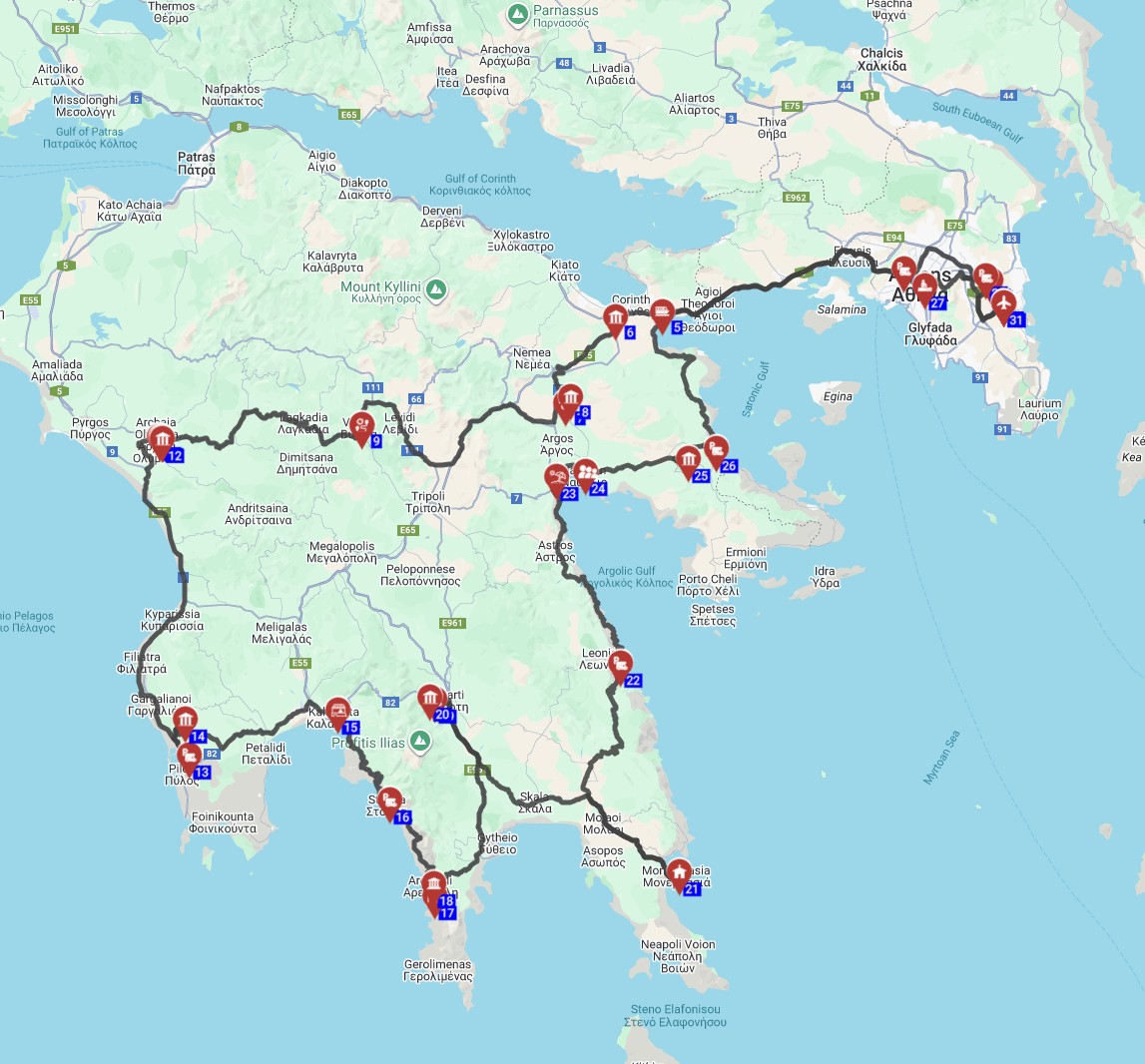
- Athens, Greece: Birthplace of democracy with iconic landmarks like the Acropolis. Use it as a gateway to island-hopping adventures via RV-friendly ferries or explore the Peloponnese.
- Marseille, France: A bustling port city with a rich history and Mediterranean charm. It offers access to the stunning Calanques National Park and the wider Provence region.
- Porto, Portugal: Famous for its wine and riverside beauty. Venture into the Douro Valley or along the scenic northern coast with your rented campervan.
- Valencia, Spain: Combines futuristic architecture with historic charm and beautiful beaches. Explore the orange groves and the less-traveled inland routes.
- Naples, Italy: Gateway to Pompeii, Mount Vesuvius, and the vibrant culture of Southern Italy. It's perfect for exploring the Bay of Naples and its surrounding historical sites.
Remember, comparing campervan hire prices in these cities is easy with Bandana, ensuring you get the best deal for your specific South Europe itinerary.
Practical Driving Tips for South Europe
Driving a rented motorhome in South Europe is an exciting prospect, but a few practical tips can make your journey smoother. Most South European countries drive on the right-hand side of the road, so adjust accordingly if you're from a left-hand drive country. Speed limits vary but are generally 50 km/h in urban areas, 90-110 km/h on rural roads, and 120-130 km/h on highways. Always pay attention to local signage, as these can override general rules. Toll roads are common in France, Italy, Spain, and Portugal. Researching these systems (e.g., electronic transponders in Portugal, 'péages' in France) beforehand can save time and hassle. It's also wise to carry your standard driver's license and consider an International Driving Permit (IDP) if your license is not from an EU country, although it's not always mandatory. For emergencies, 112 is the universal European emergency number. Regarding connectivity, consider purchasing a local SIM card upon arrival, or use an eSIM, for reliable internet and phone service. This will be invaluable for navigation, checking campground availability, and staying connected with loved ones. Remember, Bandana is with travelers before, during, and after their booking, handling the details so you can focus on living the journey.
🎬 Video coming soon
What You Shouldn't Miss
- Portugal's Coastal Roads: Drive the N125 along the Algarve, stopping at picturesque beaches and charming fishing villages for fresh seafood.
- Italy's Tuscan Countryside: Explore the rolling hills, vineyards, and medieval towns like Siena and San Gimignano in your rented RV, savoring local wines and olive oil.
- Spain's Sierra Nevada: Experience mountain grandeur and visit Granada's Alhambra, then head down to the sunny Costa del Sol.
- French Riviera: Cruise the stunning coastal roads from Nice to Monaco, enjoying glamorous towns and turquoise waters.
- Greek Peloponnese Peninsula: Discover ancient Olympia, Mycenae, and Epidaurus, combining history with beautiful beaches and authentic tavernas.
- Italian Lake District: Park your motorhome by the shores of Lake Como or Lake Garda for serene views and charming lakeside towns.
Looking for expert insights from Avi Bandana? Top 5 Adventures - recommendations from Avi Bandana.
Final Thoughts
An RV adventure through South Europe promises an incredible blend of stunning scenery, rich history, and unforgettable culinary experiences. With the freedom of your rented motorhome or campervan, you have the flexibility to explore hidden gems and iconic landmarks at your own pace. By understanding the local camping etiquette and leveraging resources like RV PLANET for route planning, you're all set for a smooth and rewarding trip.
Whether you're seeking a serene coastal escape in Portugal, a cultural immersion in Italy, or a vibrant journey through Spain, South Europe welcomes RV travelers with open arms and a plethora of well-equipped campgrounds. We're here to support you every step of the way, ensuring your booking process is as transparent and straightforward as possible.
So, get inspired for your next trip! Discover top destinations, planning tips, all in one place. Plan a trip itinerary in advance with minimal effort and maximum enjoyment. Your South European motorhome journey awaits!
Compare Motorhome Prices for South Europe