In This Guide
- Where to Camp in Scotland - Top Options
- Campground Types in Scotland (National, Private, Wild)
- Featured RV Park or Campground in Scotland
- Hookups & Amenities - What to Expect
- Booking Windows & Reservations in Scotland
- Nearby Supermarkets & Resupply Points
- Best RV Class for Camping in Scotland
- How to Save on Campgrounds in Scotland
- How much does it cost to rent an RV in Scotland?
- What are the best RV routes in Scotland beyond the NC500?
- When is the best time of year to rent an RV in Scotland?
- Is Scotland good for RV travel with kids and pets?
- What are common challenges when RVing in Scotland and how do I solve them?
- How can I practice responsible RV tourism in Scotland?
- How can I experience local Scottish culture in an RV?
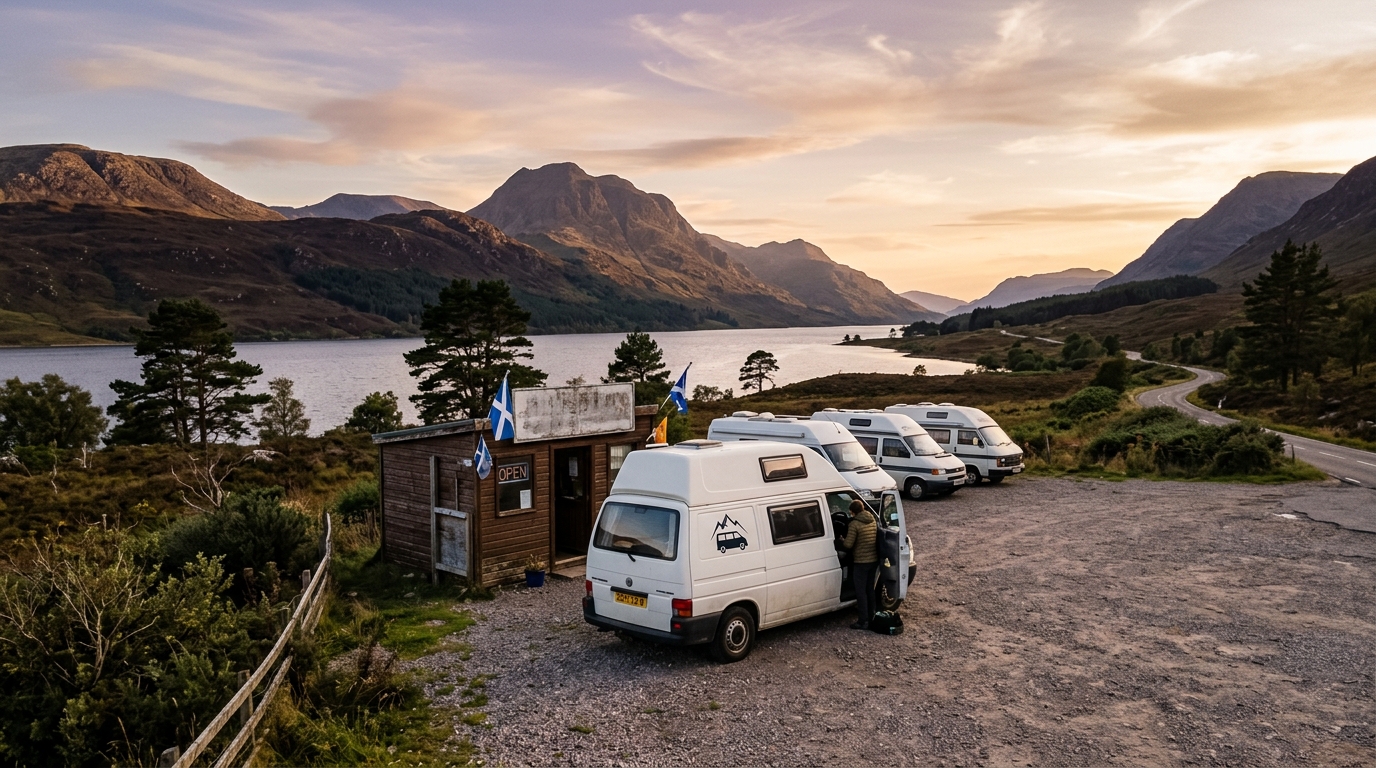
Scotland offers an unparalleled adventure for those exploring its breathtaking landscapes by a rented motorhome or campervan. Imagine waking up to misty lochs, ancient castles, and dramatic mountains right outside your window. This guide is designed to help you navigate RV camping in Scotland, ensuring you find the best campgrounds and make the most of your journey. For live availability and current prices, start with our RV Rental Scotland - Complete Guide 2026 guide.
Where to Camp in Scotland - Top Options
Scotland offers a wealth of camping opportunities, from picturesque coastal spots to tranquil lochside pitches and rugged mountain basecamps. Regions like the Scottish Highlands provide dramatic landscapes perfect for a rented RV adventure, while Cairngorms National Park is ideal for outdoor activities like hiking and wildlife spotting. The Argyll & Bute area boasts scenic coastal drives and opportunities for island hopping with your mobile home. Popular destinations such as sites around Loch Lomond, Glencoe, and the Isle of Skye often require advance booking, especially during peak season, due to their immense popularity. With a rental motorhome, you have the flexibility to chase the best views and find your perfect overnight spot.
Campground Types in Scotland (National, Private, Wild)
Understanding the different types of campgrounds in Scotland is crucial for planning your RV trip. National Parks and Forestry and Land Scotland (FLS) Sites offer pitches, often with basic facilities, within stunning natural settings, particularly within the Loch Lomond & The Trossachs and Cairngorms National Parks. Always check specific rules for RVs and pre-booking requirements for these popular spots. Private Campgrounds & Caravan Parks are the most common type, ranging from basic pitches to full-service parks with amenities like electric hookups, showers, laundrettes, and shops. These are legally regulated and require reservations, especially for larger motorhomes. While wild camping is generally permitted for tents under Scottish access rights, it is NOT legally permitted for RVs or motorhomes without the landowner's explicit permission. 'Wild camping' in a vehicle typically refers to informal overnight parking, which demands extreme discretion, adherence to a strict 'leave no trace' policy, and utilizing resources like the Park4Night app to find suitable spots. Remember, a standard car driver's license is sufficient for all classes of rented motorhomes in Scotland, making it easy for most travelers to hit the road.
Featured RV Park or Campground in Scotland
An ideal RV park in Scotland provides essential amenities with excellent access to local attractions and scenic routes. Consider the Glencoe Mountain Resort Campsite, nestled in one of Scotland's most dramatic glens. This campsite offers stunning views, electric hookups, fresh water, and waste disposal points, plus clean showers and toilets, making it a prime base for exploring the surrounding mountains and lochs. Many highly-rated parks are strategically located near popular tourist areas, such as along the NC500, within National Parks, or close to picturesque lochs, ensuring a memorable and convenient stay with your rented camper. Remember to check for "Luxury RV Rental in Scotland - Premium Prices 2026" for a high-end experience, as some parks cater to more luxurious motorhome rentals with enhanced facilities.
Hookups & Amenities - What to Expect
Most commercial and many Forestry and Land Scotland (FLS) campsites in Scotland provide a comprehensive range of hookups and amenities suitable for motorhome rentals. You can expect electric hookups (EHU), typically 16 Amp and using a blue CEEform connector. If your rented RV is from outside Europe, you will require a UK-compatible adapter. Fresh water access is common, often available at individual pitches or communal points for easy refills. Grey and black water dump stations, often labeled 'chemical disposal points' or 'waste water points', are standard facilities crucial for responsible waste management. Beyond utility hookups, clean showers, toilets, and laundry facilities are routinely available. Many sites also offer Wi-Fi, though coverage and speed can be variable in more remote areas, and small on-site shops or reception areas provide local information and supplies. We compare final prices across 50+ suppliers so you don't have to worry about missing features. On the routes offered through RV PLANET routes, you can itemize and track every expense along the way for easy budgeting.
Booking Windows & Reservations in Scotland
To secure your preferred RV pitch in Scotland, especially in popular destinations like the Isle of Skye or along the North Coast 500 during peak season (June-August), it is highly advisable to book 3-6 months in advance. Many top-rated campsites fill up quickly, particularly for larger motorhome spots. For more spontaneous travelers, some smaller, independent sites and a portion of national park campgrounds (often 25%-30% of spots) operate on a first-come, first-served basis. However, it's always smart to call ahead to confirm availability before driving a significant distance. While spontaneity can be challenging during peak times, if you remain flexible with your location, you will almost certainly find an available spot for the night - if not at your first choice, then at an alternative within a reasonable driving distance. There’s no need to stress about booking 6-12 months in advance; just use common sense and plan a little, and you'll find a spot. You can always check for "Weekly RV Rental in Scotland - Pricing 2026" to plan longer trips effectively.
Nearby Supermarkets & Resupply Points
Resupplying your rented RV in Scotland is generally convenient, with major supermarket chains widely available in towns and cities across the country. Look for large branches of Tesco, Sainsbury's, Asda, Morrisons, Lidl, and Aldi for groceries, fresh produce, and RV essentials such as gas bottles and cleaning supplies. These larger stores usually have ample parking for even a larger Class C motorhome. In more remote areas and villages, local convenience stores and independent shops provide basic provisions; it's always wise to plan ahead and stock up before venturing into sparsely populated regions like parts of the Highlands or the Outer Hebrides. Planning your meals and stocking your RV kitchen is part of the fun, and you can find great inspiration with our RV-friendly recipes playlist.
Best RV Class for Camping in Scotland
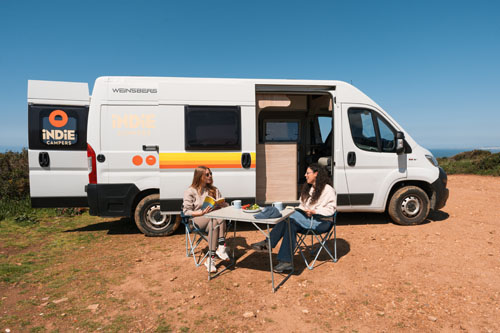
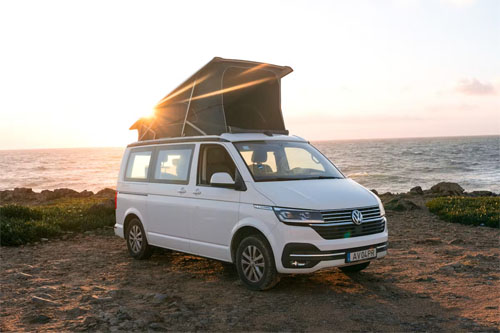
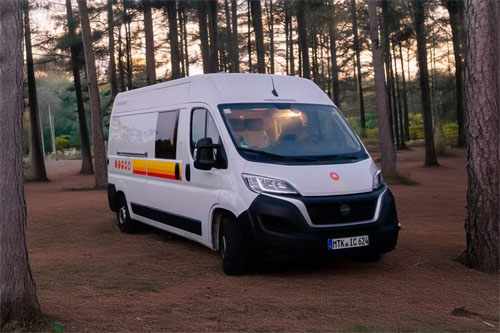
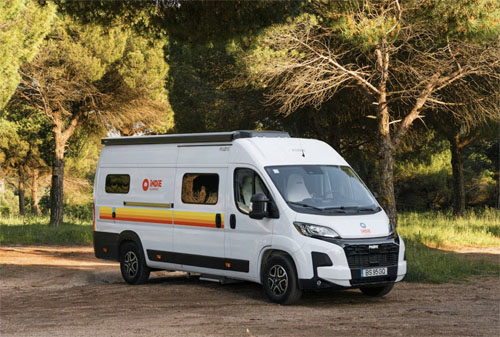
For optimal navigation of Scotland's unique road network, which often features narrow, winding, and single-track roads, smaller and more agile RV classes like Class B Campervans and Class SI Semi-integrated motorhomes are generally the most suitable choices. Class B Campervans (Bandana's fleet averages 5.8m in length, sleeping 3.2 people) excel in maneuverability, ease of parking, and fuel efficiency (typically 8-10 Liter/100 Km), making them perfect for accessing remote beauty spots and easily handling ferry crossings. For example, a 'Combi Van' (approx. 5m length) with a 60L fresh water tank and 80L fuel tank is an excellent choice for a couple or small family exploring the scenic routes. Class SI Semi-integrated motorhomes (Bandana's fleet averages 6.9m in length, sleeping 3.8 people) offer a good balance of comfortable living space and manageable dimensions, making them a popular choice for couples or small families, with typical fuel consumption around 10-11 Liter/100 km. While larger Class C Alcove (7.5m average) or Class A Integrated (7.5m average) RVs provide more interior space, their size can pose significant challenges on Scotland's infrastructure, particularly on unclassified roads and in smaller campsites or village centers. Drive slowly and carefully, and you can drive almost anywhere without issues. No need to stress - just use common sense and pay attention.
How to Save on Campgrounds in Scotland
Utilizing campground discount cards, often available through RV rental providers, is one of the most effective ways to reduce accommodation costs across Scotland. Many campsites offer lower rates for cardholders. Consider traveling during the shoulder seasons (April-May, September-October) when campground rates are typically lower, and you'll encounter fewer crowds compared to the peak summer months. Opt for municipal or regional council-run campgrounds over private resorts, as they often offer good facilities at a more budget-friendly price point. Booking for longer durations, such as 3+ nights, can frequently unlock weekly rates or special discounts. For groups, sharing pitches with multiple rented RVs can help distribute hookup costs. For those looking for pre-planned routes that help itemize and track every expense, RV PLANET routes are an excellent resource for easy budgeting throughout your trip in Scotland.
How much does it cost to rent an RV in Scotland?
The cost of renting an RV in Scotland varies significantly based on the RV class, rental duration, season, and the specific rental provider, typically ranging from £80 to £250+ per day. For example, a Class B campervan, perfect for two, might start from around £80-£120 per day in the off-season. Larger motorhomes, such as a Class C or Class A, accommodating families of 4-6, could range from £150-£250+ per day during the peak summer months. These prices are dynamic, much like flight tickets, and can change daily based on availability and supplier marketing decisions. Beyond the base rental fee, budget for additional expenses including comprehensive insurance (you can upgrade to a top-level deductible for extra peace of mind), fuel (e.g., a Class SI motorhome averages 10-11 Liter/100 km), campground fees, potential ferry crossings, and any optional extras like bedding, kitchen kits, or satellite navigation. For a more detailed breakdown, consider our "RV Rental in Scotland - Prices and Best Deals 2026" guide.
What are the best RV routes in Scotland beyond the NC500?
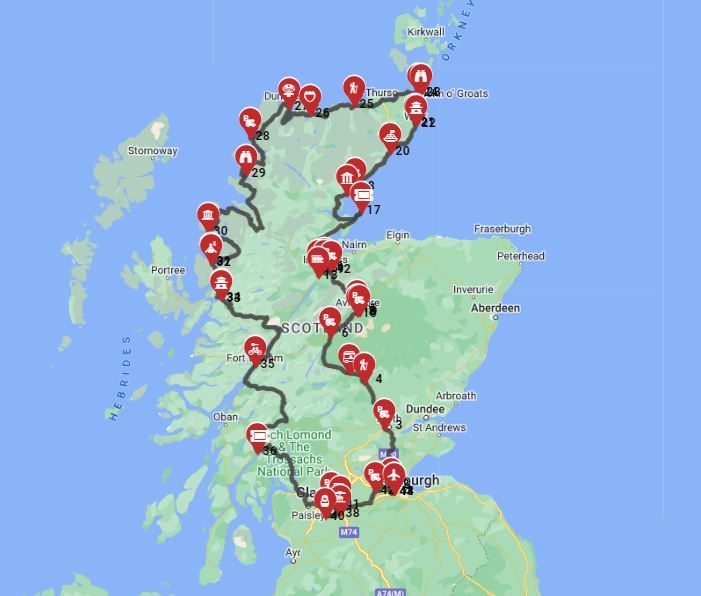
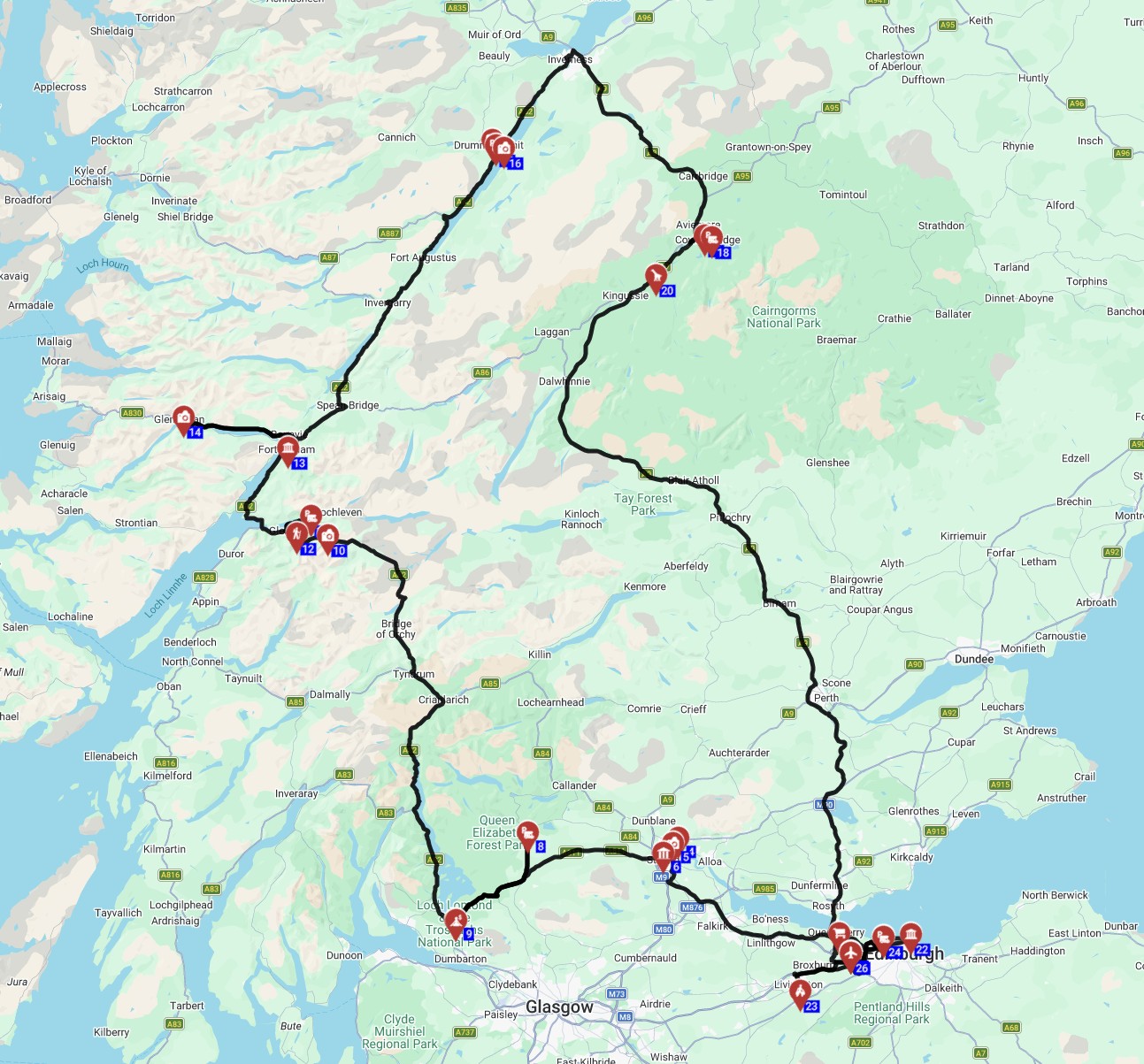
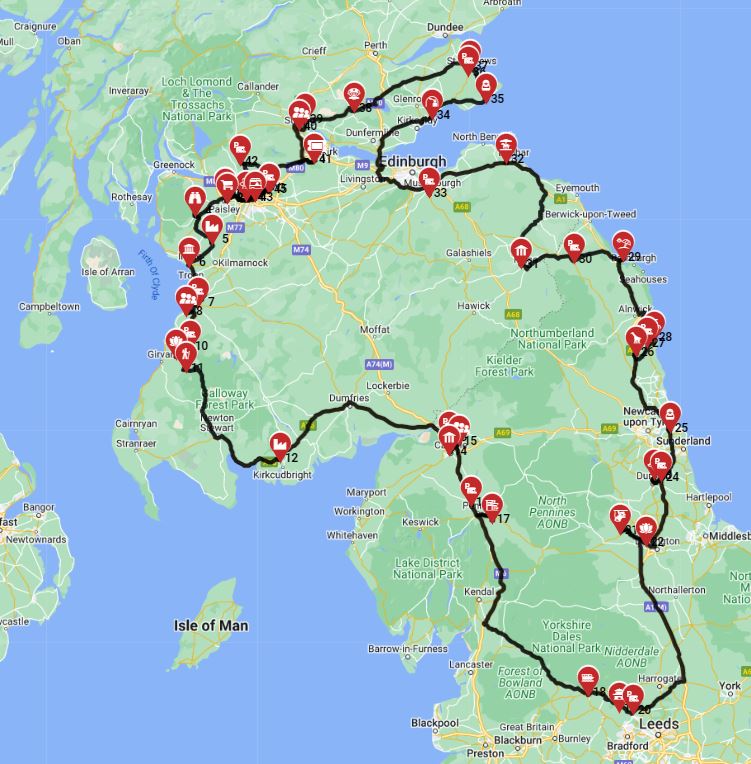
While the North Coast 500 is immensely popular, Scotland offers several other spectacular RV routes that provide diverse scenery and opportunities for cultural immersion. The Argyll Coastal Route guides you through the stunning west coast, past lochs, ancient castles, and charming fishing villages, ideal for seafood lovers and history enthusiasts. Explore the heart of Scotland with the Heart 200, a circular route around Perthshire that takes in parts of the Cairngorms National Park, historic towns, and serene lochs. For coastal charm and historic sites, the Fife Coastal Route is an excellent choice, featuring picturesque beaches and towns like St Andrews. Adventurers can also consider the Outer Hebrides for dramatic island landscapes, though this requires careful ferry planning for your rented RV. Remember to travel slowly, a maximum of 100-150 km per day on average, to truly connect with the culture, food, and scenery of each place.
When is the best time of year to rent an RV in Scotland?
The shoulder seasons (April-May and September-October) are widely considered the best times to rent an RV in Scotland, offering a favorable balance of pleasant weather, fewer tourist crowds, and more attractive rental prices. Spring (April-May) features blossoming landscapes, longer daylight hours, and the opening of most attractions, though some mountain passes may still have snow. Autumn (September-October) provides breathtaking fiery foliage, crisp air, and generally fewer midges, making it perfect for scenic drives and hiking before the colder winter sets in. Summer (June-August) offers the warmest temperatures and longest daylight but comes with peak tourist crowds, higher costs, and the infamous Scottish midges. Winter (November-March) allows for a tranquil, unique experience with snow-capped mountains but demands careful planning due to potential road closures and limited campsite availability. For specific pricing by season, check "Cheap RV Rental in Scotland - Budget Guide 2026".
Is Scotland good for RV travel with kids and pets?
Scotland is an exceptionally welcoming destination for RV travel with both children and pets, offering abundant natural spaces and a growing number of family-friendly attractions and pet-friendly venues. For kids, options range from exploring ancient castles and engaging with interactive heritage sites to wildlife parks (like Highland Wildlife Park), boat trips to spot marine life, and ample beaches for outdoor play. Many campsites also feature playgrounds and dedicated family facilities for your rented motorhome stay. Traveling with pets requires forethought: many pubs, cafes, and some visitor attractions welcome well-behaved dogs, but always confirm policies in advance. Ensure your pet's microchip and vaccinations are up-to-date, and always adhere to local leash laws and 'poop and scoop' regulations. Prioritize safety by securing both children and pets while the RV is in motion, and ensure frequent breaks, adequate water, and comfortable spaces for everyone.
What are common challenges when RVing in Scotland and how do I solve them?
One common challenge for RVers in Scotland is navigating narrow, single-track roads prevalent in the Highlands and Islands. Solve this by driving slowly, utilizing passing places correctly, and opting for smaller, more agile RVs like Class B Campervans (e.g., Bandana’s 'Category Van', averaging 5.8m length, 1.9m width, 8-10 L/100km fuel efficiency). Securing available campsites, especially during peak season, can be difficult; mitigate this by booking well in advance or using apps like Park4Night for last-minute options, and always calling ahead to confirm availability. Dealing with midges (small biting insects) in the summer (May-September) requires preparation with strong insect repellent, midge nets, and planning outdoor activities during windy conditions or midday to avoid peak midge activity. Managing waste and water in remote areas necessitates careful planning; utilize designated dump stations at official campsites and avoid wild camping unless you are completely self-sufficient and committed to stringent 'leave no trace' principles for all waste. Remember, an International Driving Permit (IDP) is recommended for visitors from non-English speaking countries, but it is not mandatory in most cases.
How can I practice responsible RV tourism in Scotland?
Practicing responsible RV tourism in Scotland is paramount for preserving its pristine landscapes and supporting local communities. Strictly adhere to the 'Leave No Trace' principles: take all litter with you, dispose of grey, black, and general waste at designated facilities, and leave every spot cleaner than you found it. Respect wild camping guidelines: remember that explicit permission from landowners is required for overnight vehicle parking outside of designated campsites, as Scottish access rights primarily cover non-motorized wild camping. Support local businesses and communities: frequent local shops, pubs, and restaurants, and purchase local produce and crafts to contribute directly to the local economy and culture. Drive considerately: observe speed limits, use passing places correctly on single-track roads, be mindful of local residents, and choose smaller, more fuel-efficient RVs (e.g., a rented Class B Campervan with 8-10 L/100km fuel consumption) to minimize your environmental footprint. This approach helps ensure Scotland remains beautiful for generations to come, much like the focus of our "RV Rental Europe - Complete Guide 2026".
How can I experience local Scottish culture in an RV?
Experiencing authentic Scottish culture while RVing involves proactively seeking out local interactions and unique regional offerings beyond standard tourist attractions. Visit traditional pubs for live folk music (céilidhs), explore local distilleries for whisky tastings, and attend small village events or Highland Games during your travels. Engage with locals at farmers' markets, craft shops, and community events; don't hesitate to ask for recommendations on hidden gems, traditional eateries, or upcoming local festivities. Parking your rented RV at campsites located near villages or towns that offer good walking or cycling access to local amenities allows you to easily immerse yourself in the community and support local enterprises. Cooking meals with locally sourced ingredients in your RV kitchen can also be a delightful way to connect with Scottish culture. Consider watching our RV-friendly recipes playlist for inspiration on what to prepare on your journey.
What You Shouldn't Miss
- **Isle of Skye:** Drive the dramatic coastal roads, hike the Old Man of Storr, and explore the Fairy Pools. Many campsites on Skye are bookable months in advance, so plan ahead.
- **Loch Lomond & The Trossachs National Park:** Enjoy loch cruises, forest walks, and picturesque villages like Luss, with numerous RV-friendly campgrounds.
- **Whisky Trail (Speyside):** Follow the world's highest concentration of distilleries, offering tours and tastings. Remember to plan for a designated driver or use local transport from your campsite.
- **Edinburgh Castle & Royal Mile:** Park your rented motorhome outside the city and use public transport to explore Scotland's historic capital, including its iconic castle and vibrant old town.
- **Glencoe Valley:** Drive through one of Scotland's most stunning glens, offering incredible photo opportunities and challenging hiking trails, with several well-equipped campsites in the area.
- **Cairngorms National Park:** Explore vast forests, high mountains, and tranquil lochs, perfect for wildlife viewing and outdoor sports. The A93 Snow Road reaches 2,192 feet (668 meters) and offers spectacular views.
Looking for expert insights from Avi Bandana? Top 5 Adventures - recommendations from Avi Bandana
Final Thoughts
Exploring Scotland by a rented RV is an adventure unlike any other. It offers the freedom to chase sunrises over ancient lochs, explore remote castles, and immerse yourself in vibrant local culture at your own pace. With the right planning and a flexible mindset, you'll discover Scotland's magic from the comfort and convenience of your mobile home.
Remember that Bandana RV is here to support you before, during, and after your booking, providing full transparency and expert advice every step of the way. We want your Scottish road trip to be nothing short of spectacular, filled with unforgettable moments and discoveries.
So, why wait? Imagine yourself on the open roads of Scotland, ready to explore its wild beauty. Discover top destinations, planning tips, all in one place, and plan a trip itinerary in advance with minimal effort and maximum enjoyment.
🎬 Video coming soon