In This Guide
- Where to Camp in North East US — Top Options
- Campground Types in North East US (National, Private, Wild)
- Featured RV Park or Campground in North East US
- Hookups & Amenities — What to Expect
- Booking Windows & Reservations in North East US
- Nearby Supermarkets & Resupply Points
- Best RV Class for Camping in North East US
- How to Save on Campgrounds in North East US
- What is the 3 3 3 rule for rving?
- Can I park my RV anywhere in the USA?
- Where can you park RV for free in the US?
- What state is most RV friendly?
- What is the nicest RV park in the United States?
- What is the 4 4 4 rule for RV?
- Is it cheaper to rent an RV or stay in a hotel?
- What is the cheapest way to rent an RV?
- What is the 200 rule for camping?
Where to Camp in North East US — Top Options
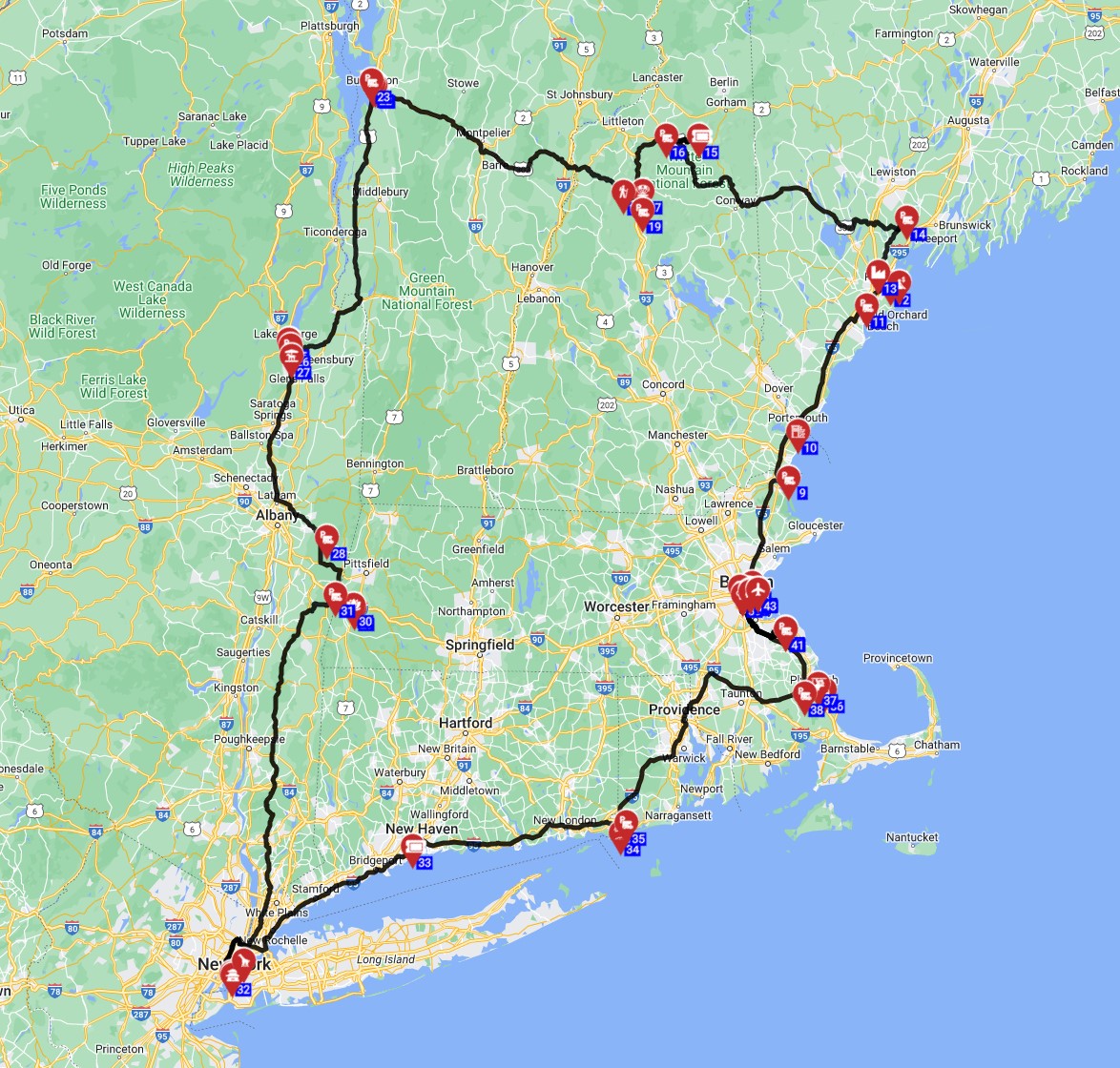
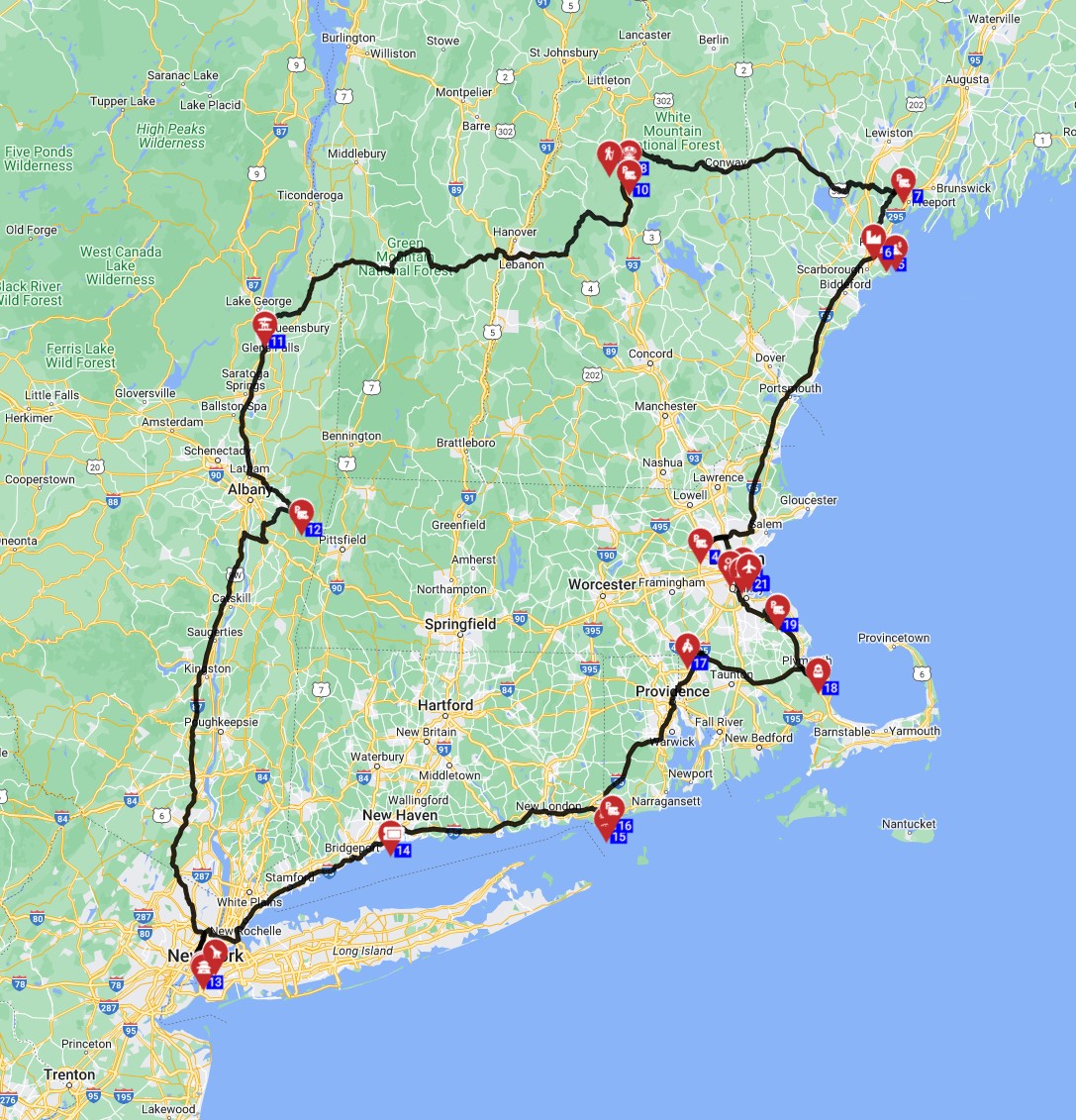
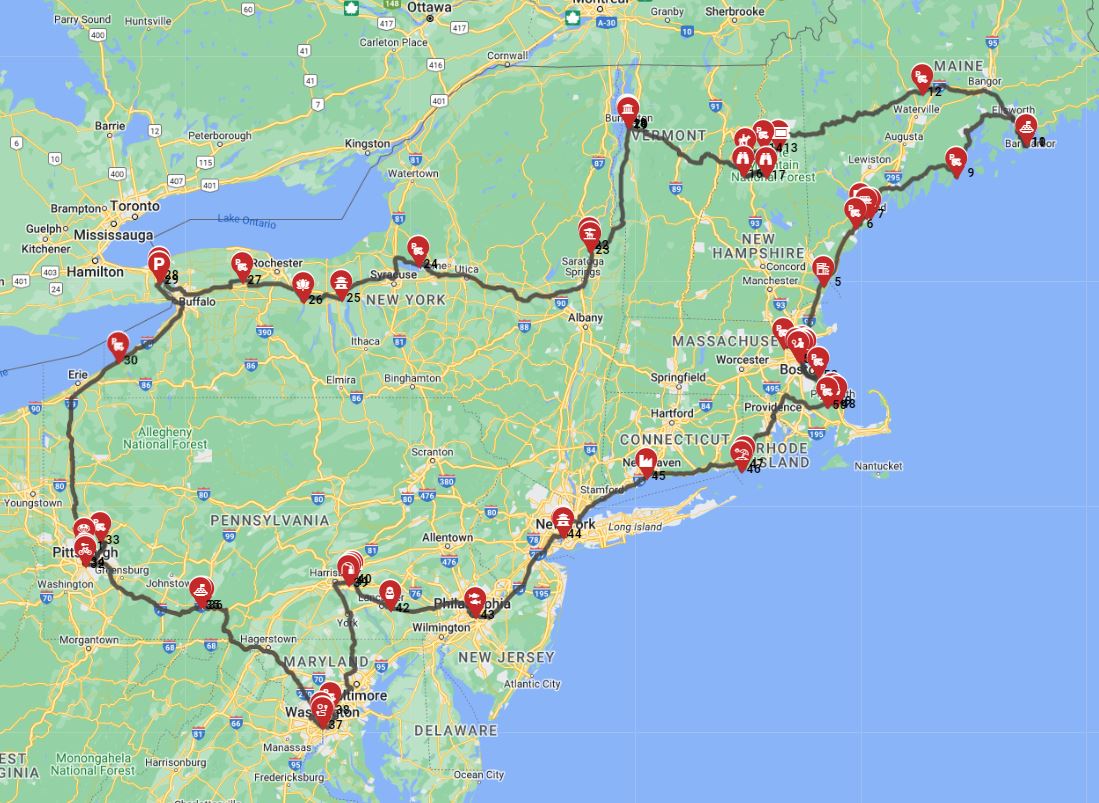
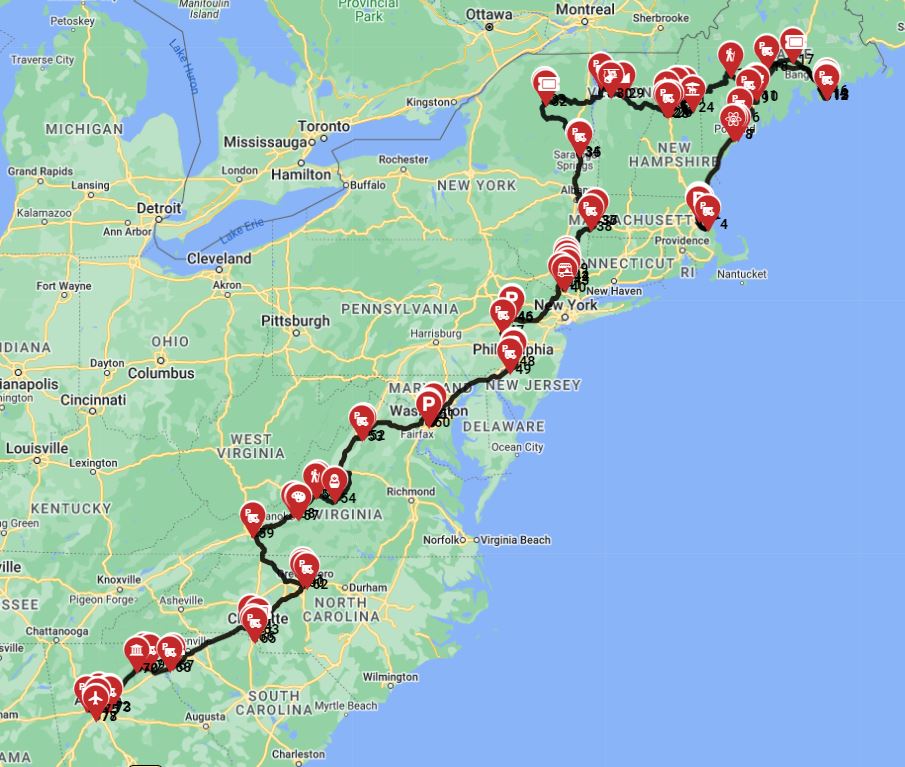
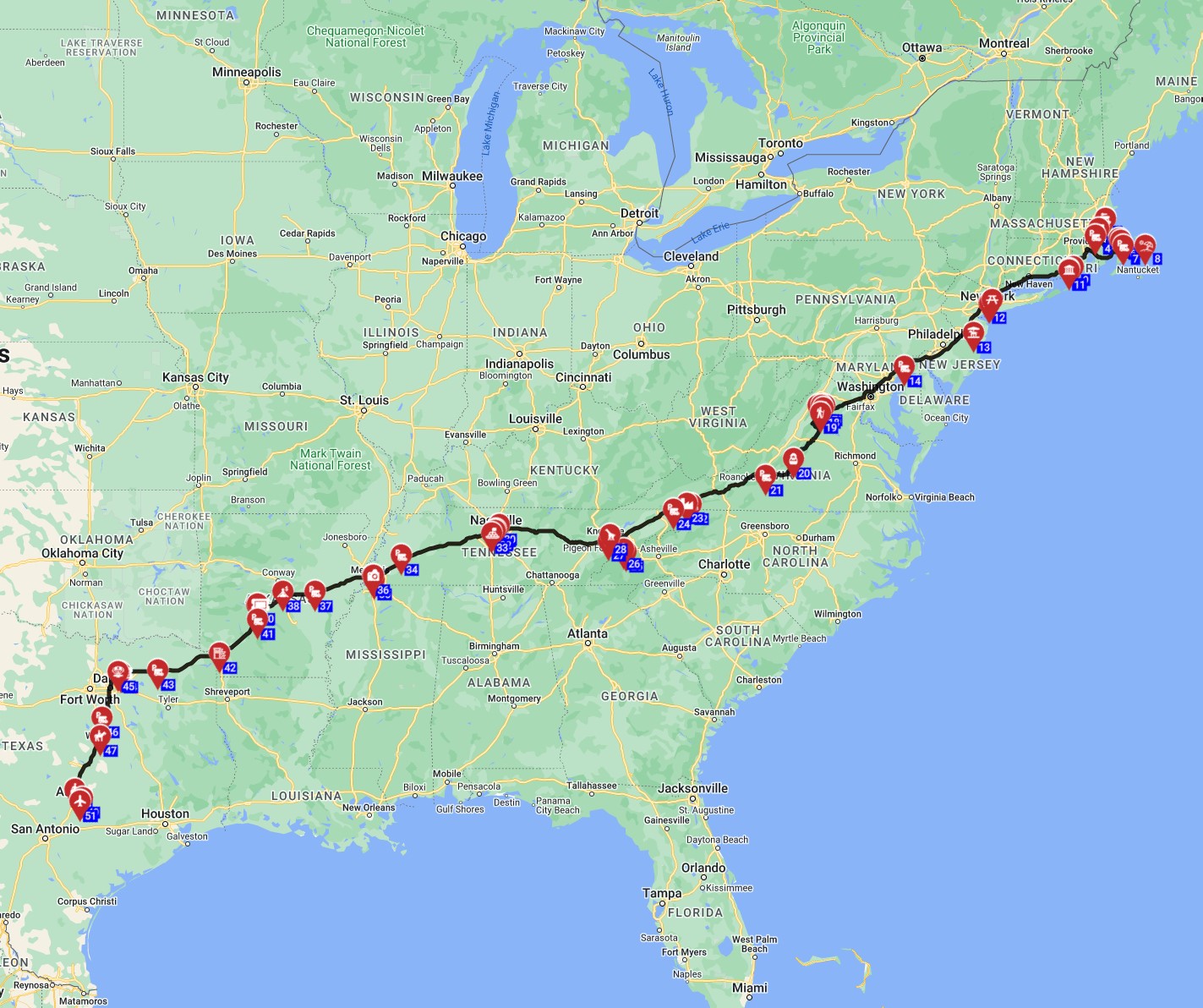
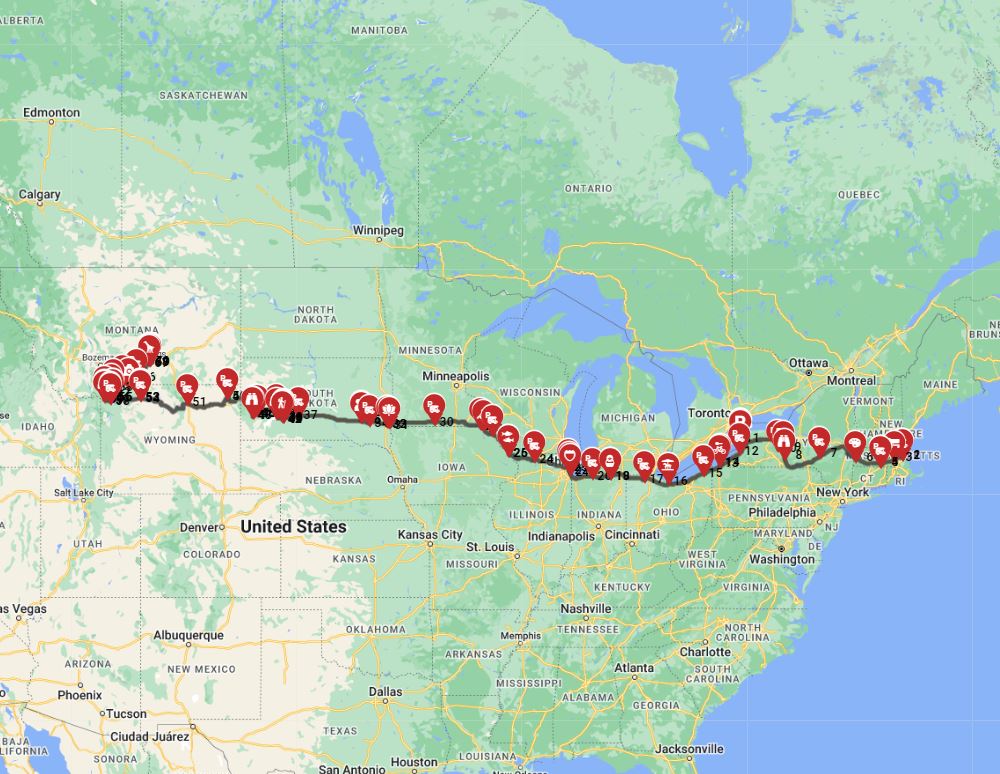
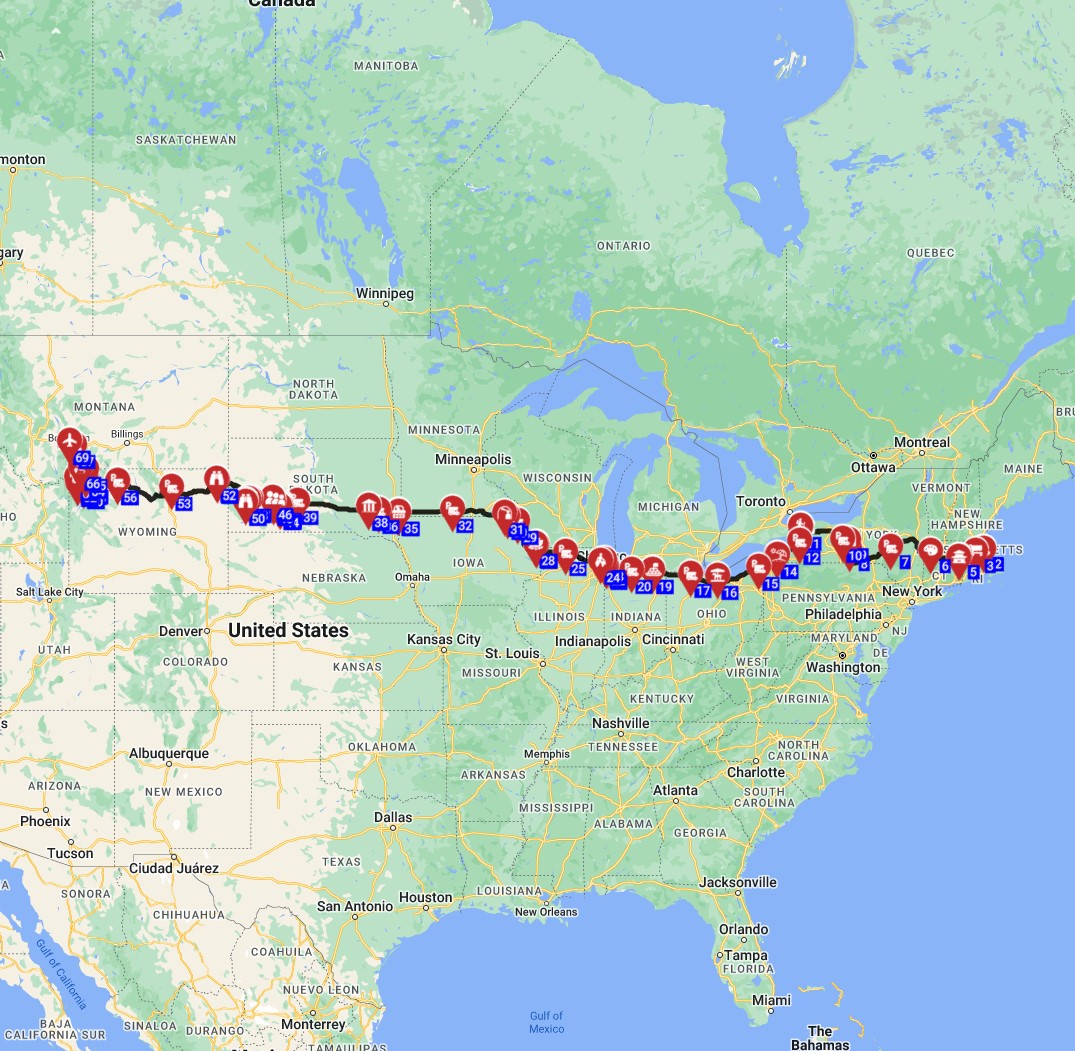
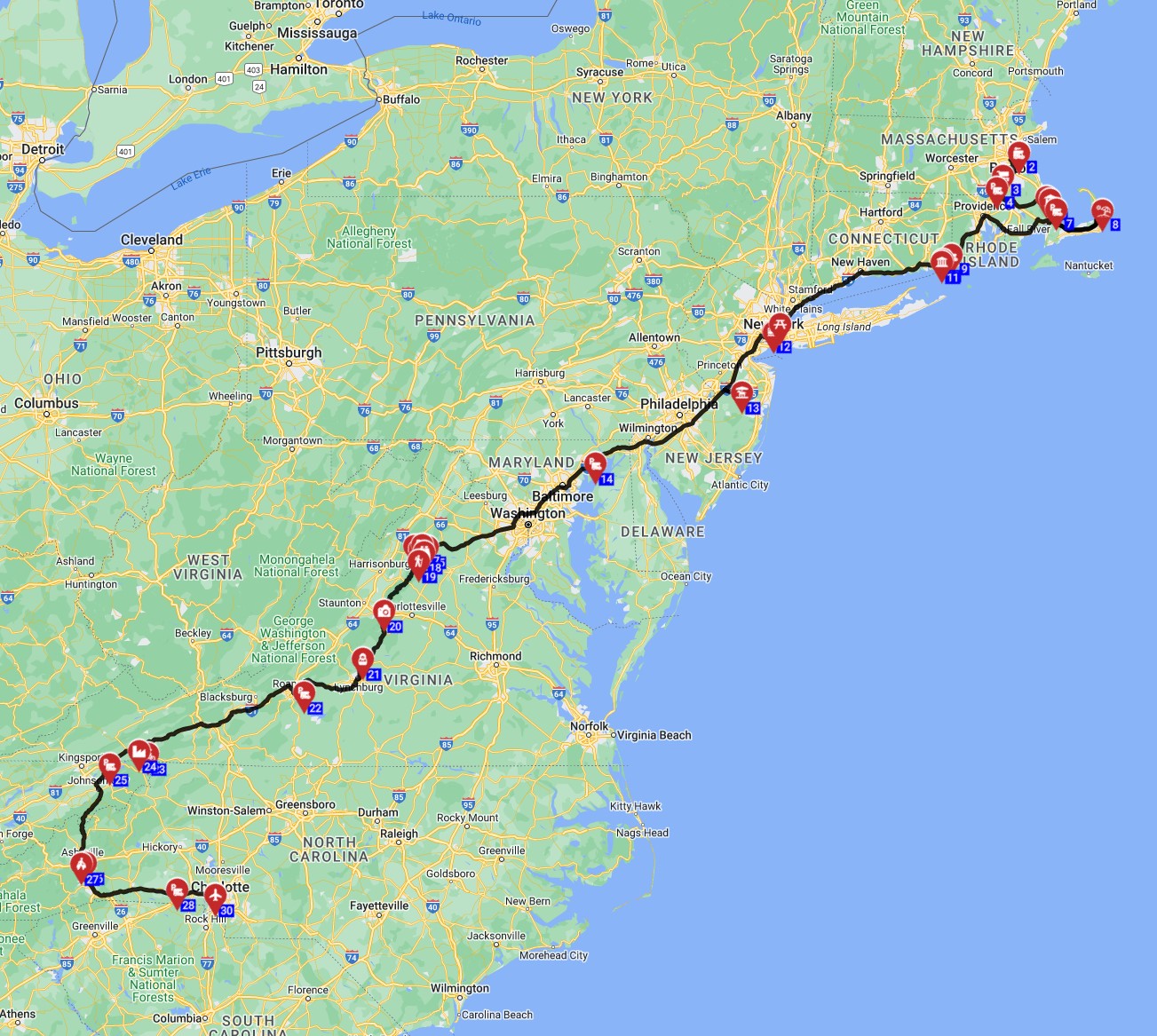
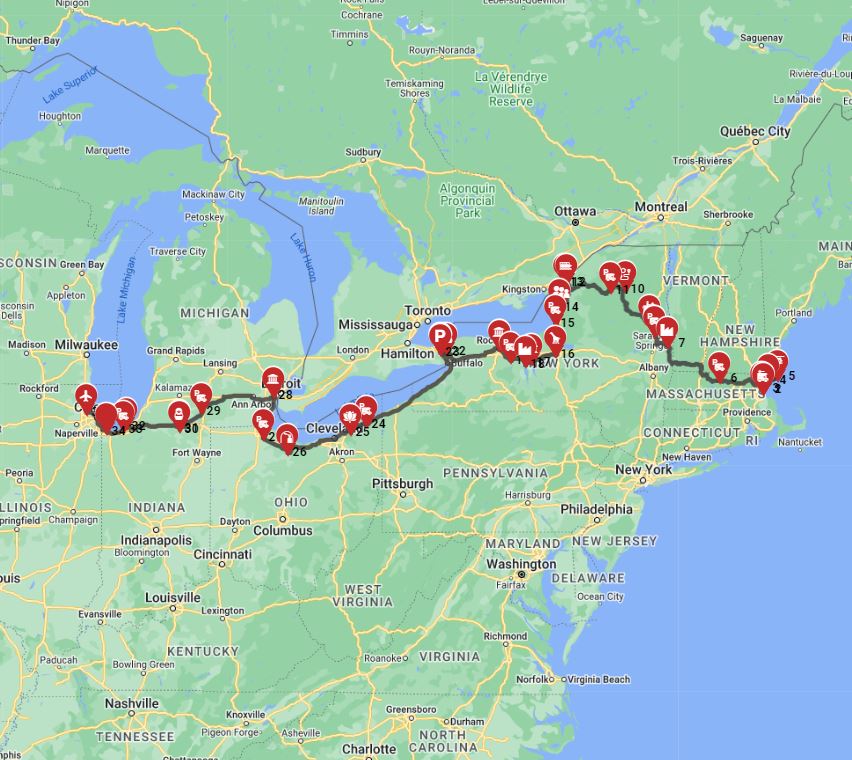
The North East US beckons RV seniors with a treasure trove of camping experiences, from the rugged coastal beauty of Maine to the serene mountain landscapes of Vermont and New Hampshire, and the rich historical tapestry woven throughout New England. For those drawn to the sea, Acadia National Park in Maine offers stunning ocean vistas and access to fresh seafood, while Cape Cod, Massachusetts, provides a classic coastal charm. If mountain tranquility calls, Adirondack Park in New York, the White Mountains of New Hampshire, and the Green Mountains of Vermont present opportunities for gentle hikes, wildlife observation, and breathtaking fall foliage drives. History enthusiasts will find the Hudson Valley in New York and the historic colonial areas of Massachusetts particularly appealing, blending comfortable RV stays with immersive cultural explorations. Consider pre-planned RV PLANET routes that highlight the scenic US-1 coastal drive in Maine or the picturesque byways through Vermont and New Hampshire to truly capture the essence of the Northeast.
Campground Types in North East US (National, Private, Wild)
In the North East US, RV travelers, including seniors, have a variety of campground options to suit different preferences and budgets. National and State Parks, such as those managed by New York State Parks or Maine State Parks, are excellent choices for immersing yourself in natural beauty. They typically offer basic amenities, stunning natural settings, and are often more affordable. However, these popular spots tend to require booking well in advance, sometimes 6-12 months ahead for peak seasons.
Private campgrounds, like those found under the KOA umbrella or independent resorts, generally provide a higher level of amenities. Expect full hookups, Wi-Fi, swimming pools, and organized recreational activities, though these come at a higher price point. They can offer more consistent availability compared to public parks, but booking ahead is still highly recommended, especially for weekend or holiday stays.
The concept of "wild" or dispersed camping, often referred to as boondocking, is quite limited in the densely populated Northeast. While some designated areas within National Forests or specific state lands may permit it, strict rules and permit requirements are common. It's generally not legal to simply park your RV overnight in arbitrary locations. Always research local regulations thoroughly to ensure compliance and avoid fines.
Featured RV Park or Campground in North East US
When selecting an RV park or campground in the North East US, seniors should prioritize locations that offer level sites with easy access to amenities and are conveniently located near attractions of interest. Look for parks that feature paved or well-maintained gravel roads, and pull-through sites, which simplify parking for larger motorhomes. Accessible restroom and shower facilities are also key considerations for comfort.
Good cellular service and reliable Wi-Fi can be important for staying connected and planning daily activities. Many seniors appreciate parks situated near historical sites, lighthouses, wineries, or nature trails with gentle terrain, offering enjoyable excursions without strenuous activity. Taking the time to read customer reviews can provide valuable insights into a park's tranquility, staff helpfulness, and overall site maintenance, all crucial factors for a pleasant senior RV experience.
Hookups & Amenities — What to Expect
Most RV campgrounds in the North East US are well-equipped to cater to RV travelers, providing essential hookups and common amenities to enhance comfort. You can generally expect electricity hookups, with 30-amp service being standard, though 50-amp sites are available at many larger campgrounds—always confirm your RV's power needs and bring appropriate adapters. Fresh water spigots are a universal feature, and many sites offer direct sewer connections for ultimate convenience. For those without a sewer hookup, dump stations are readily available within the campgrounds. On the routes offered through RV PLANET routes, you can itemize and track every expense along the way for easy budgeting.
Wi-Fi availability at campgrounds can be inconsistent, so having a personal hotspot or a robust cellular data plan is a good idea for reliable internet access. Common amenities that contribute to a comfortable stay include well-maintained bathhouses with hot showers, and laundry facilities, which are particularly appreciated during longer trips. For seniors, the availability of full hookups (electricity, water, and sewer) can significantly increase convenience, reducing the need for frequent water tank refills or waste disposal stops.
Booking Windows & Reservations in North East US
Securing an RV campsite in the North East US, especially in popular areas during peak season, often requires planning well in advance. For popular state and national parks, particularly those in the Acadia or Adirondack regions, booking 6 to 12 months ahead is not uncommon for July, August, and the vibrant fall foliage season (mid-September to mid-October). This is because many of these highly sought-after spots only release a portion of their sites for reservations, with the remainder often being available on a first-come, first-served basis.
For those with a more spontaneous travel style, don't despair. While prime locations might be booked, calling campgrounds directly shortly before or even on the day of arrival can often yield available spots, especially at private campgrounds which tend to have more capacity. Many seniors appreciate the peace of mind that comes with confirmed reservations, but retaining a degree of flexibility and making calls en route can lead to pleasant surprises and discovery.
Remember, you'll almost certainly find a place to camp—if not at your first choice, then likely at the next campground. Calling ahead, however, can save valuable driving time and prevent potential disappointment, ensuring a smoother travel experience.
Nearby Supermarkets & Resupply Points
RV travelers exploring the North East US will find that resupplying groceries and essential supplies is generally straightforward, thanks to the abundance of supermarket chains and local stores. Major supermarket brands commonly encountered include Hannaford, Stop & Shop, Shaw's, Price Chopper, and Wegmans, particularly in more populated areas. Walmart Supercenters are also widespread and offer a comprehensive selection of groceries alongside RV supplies.
In more rural regions, don't overlook the charm and quality of local farmers' markets and farm stands. These often provide fresh, seasonal produce and unique regional specialties that can enhance your onboard culinary experiences. Planning your grocery stops around larger towns or cities along your route will typically ensure the most convenient access to a wide variety of shopping options, making meal preparation and provisioning a breeze during your travels. For ideas you can prep on the road, watch our RV-friendly recipes playlist on YouTube.
Best RV Class for Camping in North East US
For seniors venturing into the North East US, choosing the right RV class can significantly enhance comfort and maneuverability, especially given the region's charming, often narrow, historic roads and winding mountain passes. Class B Camper Vans are highly recommended for their compact size and agility. With Bandana's fleet including 255 Class B units averaging 5.8 meters in length and seating 3.2 people, these are exceptionally fuel-efficient (around 10 Liters/100 Km) and ideal for navigating tight streets and parking with ease, making them perfect for couples or solo travelers.
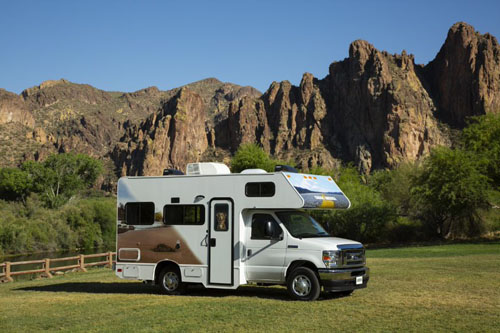
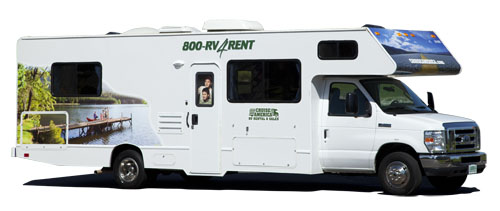
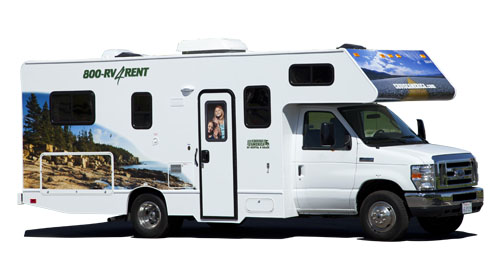
Class C Alcove RVs offer a great balance of living space and manageable driving dimensions. Bandana's Class C fleet comprises 302 units, averaging 7.5 meters in length and sleeping up to 5.8 people. Consuming approximately 10-12 Liters/100 km, they provide ample comfort and amenities for longer journeys while still being relatively easy to handle compared to larger rigs. These are well-suited for couples desiring more room or small families.
Larger RVs, such as Class A (Integrated) or Class SI (Semi-integrated) motorhomes, while offering more luxury and space, can present challenges on the Northeast's historic town streets, winding mountain roads, and in many older campgrounds not designed for larger vehicles. While Bandana offers a range of these larger models, seniors often find the maneuverability and ease of driving offered by Class B and C RVs particularly advantageous in this scenic, yet sometimes challenging, region.
How to Save on Campgrounds in North East US
Saving money on campground fees while RVing in the North East US is achievable through a combination of discount programs, strategic travel timing, and choosing cost-effective campground types. Utilizing discount cards such as the Good Sam Club, Passport America, or the America the Beautiful Pass for federal campgrounds can offer significant savings on nightly rates. Traveling during the shoulder seasons—late spring (April-May) or early fall (late September-October)—is an excellent strategy to avoid peak summer and fall foliage season crowds and benefit from considerably lower rates at many campgrounds.
Opting for municipal, county, or state park campgrounds is generally more budget-friendly than private RV resorts, which often come with a higher price tag for their extensive amenities. Many campgrounds also extend discounts for weekly or monthly stays, making extended trips more economical. While true free boondocking is scarce in the Northeast, exploring legal free overnight parking options where permitted, such as some Walmart locations (always call ahead to confirm policies) or through membership programs like Harvest Hosts or Boondockers Welcome, can offer additional savings.
What is the 3 3 3 rule for rving?
The 3-3-3 rule for RVing is a popular, informal guideline suggesting travelers drive no more than 300 miles a day, arrive at their destination by 3 PM, and stay for a minimum of 3 nights at each location. This rule promotes a more relaxed and enjoyable pace, allowing ample time to truly experience each destination rather than rushing through.
For seniors, adhering to the "drive no more than 300 miles" aspect is particularly beneficial, as it helps prevent driver fatigue and reduces stress, allowing more time to appreciate the scenery and any planned stops along the way. Arriving by 3 PM provides crucial daylight hours for setting up the campsite, exploring the immediate surroundings, and addressing any potential setup issues before dark. The "stay 3 nights" component encourages deeper exploration of the local area, minimizes the constant cycle of packing and unpacking, and can often lead to discovering hidden gems or qualifying for weekly campground discounts, making the overall travel experience more immersive and less taxing.
Can I park my RV anywhere in the USA?
No, you cannot park your RV just anywhere in the USA. Parking regulations for RVs vary significantly by state, county, and municipality, with many areas prohibiting overnight RV parking outside of designated campgrounds. This is especially true in the North East US, where higher population density and less extensive public land often lead to more restrictive laws regarding overnight parking.
Street parking for RVs is rarely permitted, and parking on private property is only permissible with the express permission of the landowner. While some large retail stores, such as Walmart or Cracker Barrel, may allow overnight parking as a courtesy, policies vary greatly by individual store and are subject to local ordinances. It is always imperative to call the specific store management ahead of time to confirm their policy and ensure you are welcome to stay. Ignoring "no overnight parking" signs or local zoning laws can result in fines or even towing, making awareness of local regulations crucial for a hassle-free RV trip.
Where can you park RV for free in the US?
Finding free RV parking in the US primarily involves utilizing federal lands managed by the Bureau of Land Management (BLM) and National Forests, particularly in Western states, or sometimes at specific retail store parking lots. However, it's important to note that these options are significantly more limited in the densely populated North East US. True free boondocking opportunities are scarce in this region due to the scarcity of extensive BLM land or large National Forest areas that permit dispersed camping.
While some Walmart, Cracker Barrel, or casino parking lots might permit overnight stays, policies vary by location and it is always essential to ask management for permission first. Membership programs like Harvest Hosts or Boondockers Welcome offer another avenue, connecting RVers with private landowners (such as wineries, farms, or breweries) who offer free overnight stays, often in exchange for supporting their business through patronage. It's also worth noting that overnight parking at highway rest areas is frequently prohibited or limited to a few hours in many North East states; always check the respective state's Department of Transportation websites for specific regulations before planning such a stop.
What state is most RV friendly?
While states in the Western US like Arizona, Florida, and Texas are often cited for their RV-friendliness due to vast public lands and warmer climates, within the North East US, states like Maine, New Hampshire, and Vermont stand out for their accommodating infrastructures and scenic beauty. These states offer a robust network of campgrounds and well-maintained scenic routes ideal for RV travel.
Maine, with its extensive coastline, Acadia National Park, and numerous private campgrounds, is highly RV-friendly, offering iconic coastal drives and excellent seafood. New Hampshire and Vermont are perfect for those seeking mountain vistas, charming small towns, and plentiful state parks, especially during the spectacular fall foliage season. Upstate New York, particularly the Adirondacks and Finger Lakes regions, provides vast natural areas and a diverse range of camping experiences suitable for various RV sizes. For seniors, RV friendliness extends beyond mere availability to include factors like road quality, accessibility of facilities, and proximity to services and attractions catering to a wide range of activity levels.
What is the nicest RV park in the United States?
Defining the "nicest" RV park in the United States is subjective, as preferences vary widely, from luxury amenities and extensive activities to unparalleled natural beauty. However, within the North East US, several highly-rated parks successfully combine scenic locations with excellent facilities that cater to a discerning RV traveler.
While the most luxurious resorts with spas and golf courses are more common in warmer climates, the Northeast boasts its own exceptional RV destinations. Parks like Sandy Pines Campground in Kennebunkport, Maine, are renowned for their glamping options and unique amenities, while Lake George RV Park in New York is celebrated for its family-friendly atmosphere and comprehensive facilities. For seniors, the "nicest" park often translates to a quiet, meticulously maintained location with easily accessible, level sites, dependable hookups, a welcoming community atmosphere, and proximity to gentle walking trails or enriching cultural sites. Many KOA (Kampgrounds of America) resorts throughout the Northeast also consistently deliver high-quality experiences and a broad spectrum of amenities, making them a reliable choice for a comfortable RV stay.
What is the 4 4 4 rule for RV?
The 4-4-4 rule for RVing is another informal guideline within the RV community, suggesting travelers aim to drive no more than 4 hours a day, arrive at their destination by 4 PM, and stay for a minimum of 4 nights at each location. This rule emphasizes an even more leisurely pace than the 3-3-3 rule, making it particularly appealing for those on extended trips or seeking a deeply relaxing vacation.
Adhering to the "drive no more than 4 hours" principle is ideal for seniors who prefer shorter driving stints, minimizing fatigue and stress associated with long days on the road. Arriving by 4 PM ensures ample daylight for setting up camp, familiarizing yourself with the campground, and unwinding before evening. The recommendation to "stay 4 nights" encourages a more immersive experience at each destination, allowing for unhurried exploration of the local area, engagement with activities, and a more profound connection with the place, transforming the trip from a journey between points to a series of meaningful experiences.
Is it cheaper to rent an RV or stay in a hotel?
Determining whether it's cheaper to rent an RV or stay in a hotel depends heavily on several factors: the length of your trip, the number of travelers, and your overall travel style. RV costs extend beyond the initial rental fee to include fuel, campground fees, propane, and potential food expenses, while hotel costs typically involve room rates, dining out, local transportation, and parking.
For RV rentals, consider that costs typically include the rental fee, fuel (Bandana's Class C motorhomes average 10-12 Liters/100 km consumption), campground fees (which can range from $40-$80/night in the Northeast), propane, and potential dumping fees. Hotel stays involve room rates that fluctuate significantly by location and season, dining expenses for most meals, transportation costs (car rental, ride-shares, public transit), and sometimes parking fees. However, for group travel or longer trips (generally over 7 days), an RV often becomes more cost-effective. The rental and fuel costs can be shared among travelers, and the ability to cook meals onboard significantly reduces food expenses compared to frequent restaurant dining. Furthermore, an RV offers the intangible value of a unique travel experience, flexibility, and a "home away from home" environment that hotels cannot replicate, which often outweighs marginal cost differences for many seniors seeking comfort and convenience.
What is the cheapest way to rent an RV?
The most budget-friendly approach to renting an RV typically involves opting for smaller, more fuel-efficient models, such as Class B camper vans, traveling during the shoulder seasons (spring or fall), and utilizing rental platforms that compare prices across multiple suppliers. This multi-faceted approach can lead to significant savings.
Choosing smaller RVs like Class B Camper Vans—Bandana's models average 5.8m in length and achieve fuel efficiencies around 10 Liters/100 Km—usually results in lower rental rates and drastically reduced fuel costs. These are particularly ideal for seniors prioritizing budget and ease of handling. Traveling during the shoulder seasons (April-May or September-October) allows you to sidestep the peak rental demand and associated price surges common during summer and fall foliage periods, often leading to lower campground fees as well. While booking far in advance (6+ months) can sometimes secure better rates, many rental companies also offer attractive last-minute deals for off-peak travel times. Comparing prices across traditional rental providers and peer-to-peer platforms can sometimes uncover more competitive rates from private owners, further enhancing savings.
What is the 200 rule for camping?
The "200 rule" for camping is not a formally established guideline within the RV community, unlike the more recognized 3-3-3 or 4-4-4 rules. However, some RVers interpret it informally as a reminder to limit daily driving to a maximum of 200 miles, aiming to ensure a truly relaxed and unhurried camping experience.
If adhered to, this informal guideline enforces a very leisurely travel pace, allowing ample time for spontaneous sightseeing, frequent stops, and avoiding any sense of rush or travel stress. For seniors, limiting the daily driving distance—whether to 200, 300, or 400 miles—significantly enhances safety and enjoyment by reducing driver fatigue. It allows the journey itself to become a more integral and pleasant part of the overall vacation, rather than just a means to an end.
What You Shouldn't Miss
- Coastal Maine Scenic Drive: Follow US-1 along Maine's coast, stopping at charming fishing villages like Kennebunkport and Ogunquit, and exploring the historic lighthouses. Consider a visit to Acadia National Park for its stunning coastal views and hiking trails.
- Fall Foliage in Vermont: Drive scenic byways through the Green Mountains, particularly during September and October, to witness the spectacular display of autumn colors. Explore picturesque towns like Stowe and Woodstock.
- Historic Boston Exploration: Dedicate a few days to exploring Boston, Massachusetts, walking the Freedom Trail, visiting historic sites like Faneuil Hall and the Boston Tea Party Ships & Museum, and enjoying the city's vibrant culinary scene.
- Adirondack Park Wilderness: Immerse yourself in the vast wilderness of New York's Adirondack Park. Discover numerous state-run campgrounds, enjoy boating on Lake George, or hike trails with stunning mountain vistas.
- Covered Bridges of New Hampshire: Embark on a scenic drive through New Hampshire to discover its numerous historic covered bridges, a charming and unique aspect of the Northeast's landscape. Remember to check vehicle size restrictions for smaller bridges.
- Newport Mansions & Coastal Rhode Island: Explore the Gilded Age mansions of Newport, Rhode Island, and enjoy the scenic Ocean Drive, which offers beautiful coastal views and easy RV access to charming seaside towns.
Final Thoughts
Embarking on an RV adventure in the North East US as a senior traveler offers an unparalleled opportunity for exploration, relaxation, and making lasting memories. The region's diverse landscapes, rich history, and well-developed campground infrastructure provide a welcoming environment for RV enthusiasts of all ages.
By choosing the right RV, planning your routes thoughtfully, and taking advantage of the tips for saving on campgrounds and navigating the area, your journey through the Northeast can be both comfortable and incredibly rewarding. We encourage you to explore the possibilities and discover the freedom that only an RV trip can offer. Get inspired for your next trip!
Discover top destinations, planning tips, all in one place! Plan a trip itinerary in advance with minimal effort and maximum enjoyment. Compare final prices across suppliers—what you see is what you pay, with no surprise fees at pickup.
Ready to start planning your senior-friendly RV adventure in the North East US? Explore our curated selection of RV rentals and discover the perfect home on wheels for your unforgettable journey.