For live availability and current prices, start with our RV Rental Japan - Complete Guide 2026 guide.
In This Guide
- Where to Camp in Japan - Top Options
- Campground Types in Japan (National, Private, Wild)
- Featured RV Park or Campground in Japan
- Hookups and Amenities - What to Expect
- Booking Windows and Reservations in Japan
- Nearby Supermarkets and Resupply Points
- Best RV Class for Camping in Japan
- How to Save on Campgrounds in Japan
- Is Japan good for RV travel?
- What is the best time to RV in Japan?
- What RVs are available for rent in Japan?
- What do I need to rent an RV in Japan?
- Is it expensive to rent an RV in Japan?
- What are the road rules in Japan for RVs?
- Navigation and Connectivity for RVs in Japan
- What is a Michi-no-Eki in Japan?
- Can you wild camp in Japan?
- Where can I dump my RV waste in Japan?
- Recommended RV-Friendly Routes and Itineraries in Japan for Seniors
- Emergency Preparedness and Support for RV Travel in Japan
Imagine yourself traversing the scenic landscapes of Japan, from the tranquil temples of Kyoto to the majestic peaks of Hokkaido, all from the comfort and convenience of your own rented motorhome. RV travel in Japan offers seniors an unparalleled blend of adventure, flexibility, and comfort, allowing you to explore this incredible country at your own pace. With Bandana Caravan, we're dedicated to making your journey seamless, offering full transparency with no hidden fees and 24/7 support for your pre-booking needs.
As true RV specialists, we understand what makes a trip truly special, especially for seasoned travelers. We've been helping tens of thousands of travelers explore the world by RV since 2001, providing direct partnerships with over 50 leading RV suppliers worldwide. For live availability and current prices, start with our RV Rental Japan - Complete Guide 2024 guide, a comprehensive resource to plan your perfect Japanese adventure.
🎬 Video coming soon
Where to Camp in Japan - Top Options
Japan offers diverse camping experiences, from coastal sites with stunning ocean views to serene mountain retreats and forest clearings, catering to various preferences. Popular choices for seniors often include well-equipped campgrounds near iconic scenic areas like Mount Fuji, the expansive national parks of Hokkaido, or the beautiful coastal regions in Kyushu. These locations frequently provide a balance of natural beauty and necessary amenities, making them ideal for a comfortable RV trip. Prioritize sites known for good accessibility, clean facilities, and proximity to local attractions or essential services for a more relaxing experience in Japan.Campground Types in Japan (National, Private, Wild)
Japan features a mix of well-maintained national and private campgrounds, offering amenities from basic to luxurious. National park campgrounds often provide a more rustic experience with fewer hookups, focusing on immersion in nature, while private sites are typically amenity-rich, including showers, laundry, and electric hookups. Wild camping, or boondocking, is generally not permitted or widely tolerated in Japan; respectful use of designated Michi-no-Eki (roadside stations) or paid campgrounds is crucial. There are over 1,100 official campgrounds and more than 1,200 Michi-no-Eki across the country, providing ample options for overnight stays.Featured RV Park or Campground in Japan
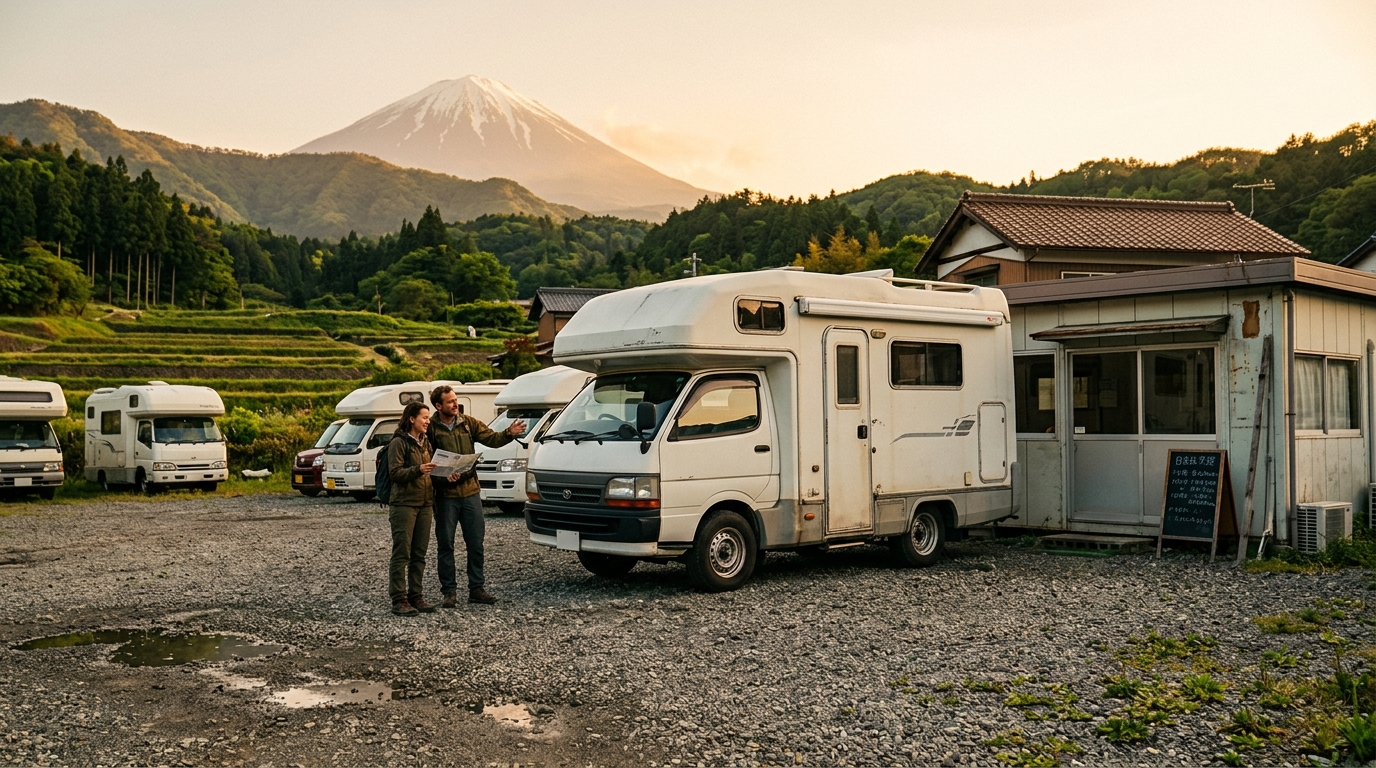
When seeking an RV park in Japan, look for facilities that prioritize convenience, cleanliness, and senior-friendly access. Fujisan Y.H. Campsite, near Mount Fuji, is an excellent example, offering incredible views, clean amenities, and easy access to hiking trails and local shops. Ideal features for any RV park include paved or level gravel sites, accessible restrooms and showers, communal cooking or dining areas, and reliable Wi-Fi. Many top-rated RV parks are strategically situated near major tourist destinations, such as those around Kyoto or Nagano, ensuring easy exploration of cultural sites and natural wonders.Hookups and Amenities - What to Expect
Japanese campgrounds, particularly private ones and many auto-campsites, increasingly offer essential hookups like electricity, fresh water, and waste disposal points for motorhome rentals. Electricity in Japan is 100V with Type A/B outlets, requiring an adapter or converter for many international RVs and appliances. Expect standard amenities such as clean restrooms, hot showers, and laundry facilities, which are usually well-maintained. While Wi-Fi is becoming more common, its availability can vary by location and type of campground, so it's wise to plan for alternative connectivity.Booking Windows and Reservations in Japan
For seniors planning an RV trip to Japan, booking campsites in advance is highly recommended, especially during peak seasons like cherry blossom viewing (late March to early May) or autumn leaf peeping (late September to November). Many national park campgrounds typically release only 25-30% of their spots for advance reservations, with the remainder often available on a first-come, first-served basis. While securing your spot early provides peace of mind, if you're a spontaneous traveler, you will almost certainly find a place by calling ahead before driving to ensure availability, even if it means trying a second or third campground. For more tips on securing your booking, check out our "Last-Minute RV Rental in Japan - What to Expect 2024" guide.Nearby Supermarkets and Resupply Points
For convenient resupply during your motorhome journey in Japan, major supermarket chains like Aeon, Ito-Yokado, or Seiyu are commonly found near urban centers and often close to popular travel routes. These stores offer a wide range of groceries, fresh produce, and essential household items suitable for RV travelers, including ingredients for delicious RV-friendly recipes playlist. Smaller convenience stores (konbini) such as 7-Eleven, FamilyMart, and Lawson are ubiquitous and excellent for quick snacks, drinks, and ATM access throughout Japan. You can also find fresh local ingredients at Michi-no-Eki, often featuring regional specialties.Best RV Class for Camping in Japan
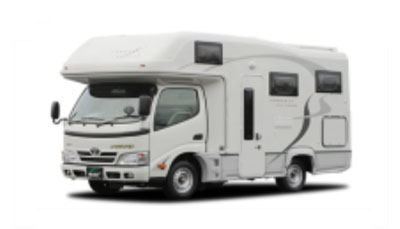
For seniors camping in Japan, a Class B - Camper Van is often the most practical choice due to Japan's narrower roads, smaller parking spaces, and generally compact urban environments. These campervans, like Bandana's global fleet average of around 5.8 meters in length, offer excellent maneuverability and are ideal for couples or small groups, comfortably sleeping 3.2 people and holding 2.7 adults. Alternatively, a Class SI - Semi-integrated RV, with an average length of 6.9 meters, provides more living space and amenities while still being relatively manageable for experienced drivers on Japanese roads. Remember, you can drive almost anywhere without issues - just drive slowly and carefully, using common sense and paying attention.How to Save on Campgrounds in Japan
Utilizing campground discount cards or memberships, such as those that can be researched through RV PLANET (rvplan.net), can significantly reduce accommodation costs during your RV trip in Japan. Booking your campsite during the shoulder seasons (spring before Golden Week in late April, or early autumn in September-October) often results in lower rates and fewer crowds compared to peak travel periods. Opting for municipal or regional campgrounds over private resorts can also provide more budget-friendly options, with some locations offering weekly or long-stay discounts for stays of 3+ nights. Remember that on RV PLANET routes, you can itemize and track every expense for easy budgeting, which helps manage ancillary costs like campground fees. For more strategies on managing your budget, consult our "Cheap RV Rental in Japan - Budget Guide 2024" itinerary.Is Japan good for RV travel?
Japan offers an exceptionally unique and rewarding RV travel experience, combining stunning natural beauty with rich cultural immersion, making it good for seniors seeking adventure and comfort. The country boasts well-maintained roads, a high level of safety, and a dedicated network of Michi-no-Eki (roadside stations) that significantly enhance RV journeys. While navigating some narrower roads and cultural nuances requires awareness, the convenience of having your accommodation and transport combined is ideal for exploring diverse regions at your own pace. With a rented campervan, you have the freedom to follow carefully planned itineraries or deviate spontaneously, discovering hidden gems.What is the best time to RV in Japan?
The best time for seniors to RV in Japan is typically during the spring (late March to May) for cherry blossoms or autumn (late September to November) for vibrant fall foliage, offering pleasant weather and spectacular scenery. Spring and autumn avoid the intense heat and humidity of summer and the heavy snows of winter, which can pose challenges for RV travel, particularly in mountainous regions. Visiting during the shoulder seasons within these periods allows you to experience good weather and fewer crowds at popular destinations like Kyoto, enhancing comfort and accessibility.What RVs are available for rent in Japan?
In Japan, a variety of RVs are available for rent, including compact Class B - Camper Vans, more spacious Class SI - Semi-integrated motorhomes, and the uniquely Japanese 'Kei-campers' based on small Kei trucks or vans. Class B - Camper Vans, like those averaging 5.8 meters in Bandana's global fleet, are popular for their ease of driving and parking, making them suitable for navigating Japan's roads and urban areas like Tokyo or Osaka. For seniors seeking more space, Class SI - Semi-integrated RVs (averaging 6.9 meters) offer enhanced comfort, while Kei-campers provide an ultra-compact option for very nimble travel, though with limited amenities. Whether you're looking for a "Luxury RV Rental in Japan - Premium Prices 2024" or a more budget-friendly option, there's a vehicle for every traveler.What do I need to rent an RV in Japan?
To rent an RV in Japan as a foreigner, you will primarily need a valid International Driving Permit (IDP) issued by your home country, along with your original domestic driver's license. The minimum driver age for renting an RV in Japan is 21 years old. Some rental agencies may also require an official Japanese translation of your domestic license, especially if your IDP is not recognized under specific agreements, so always confirm this in advance with your chosen supplier. Expect to provide a passport, a major credit card for security deposits, and to review insurance options thoroughly, as policies can vary greatly. Bandana Caravan offers top-level deductible reimbursement as an optional upgrade for extra peace of mind.Is it expensive to rent an RV in Japan?
RV rental in Japan can be considered more expensive compared to some other countries, with total trip costs influenced by rental fees, comprehensive insurance, fuel, tolls, and campground fees. Beyond the daily rental rate, which is dynamic and varies based on season and availability, budget for potentially high highway tolls (which can quickly add up, often around ¥1,000-¥3,000 for a single stretch). Fuel costs are also a factor, with Bandana's global fleet average for a Class B motorhome consuming 8-10 Liters/100 Km (roughly $1.30-$1.50 USD per liter). Additional expenses include waste disposal fees at some facilities, occasional parking fees in cities like Kyoto or Nagoya, and the initial security deposit, which is typically refunded upon the RV's safe return. Always compare prices with full transparency through Bandana Caravan to see what you're paying upfront. For detailed pricing structures, explore "RV Rental Deals in Japan - Latest Offers 2024."What are the road rules in Japan for RVs?
RV drivers in Japan must adhere to strict road rules, including driving on the left side of the road and following specific speed limits. Major highways typically have limits of 100 km/h (62 mph), while urban roads are often 40-60 km/h (25-37 mph) and rural roads 50 km/h (31 mph). It's crucial to be aware of vehicle size and weight restrictions, particularly on narrower rural roads, some tunnels, and older bridges, which may not accommodate larger RVs. Drivers should also be mindful of cultural driving etiquette, such as yielding to pedestrians, maintaining polite distances, and avoiding unnecessary honking, ensuring a respectful interaction with local traffic. Drive slowly and carefully, and you can drive almost anywhere without issues. No need to stress - just use common sense and pay attention.Navigation and Connectivity for RVs in Japan
Reliable GPS navigation is essential for RV travel in Japan, with many rental motorhomes offering integrated systems; consider supplementing with a mobile app like Google Maps or Japan Transit Planner. To ensure continuous connectivity, purchasing a local SIM card from providers like NTT Docomo or SoftBank, or renting a pocket Wi-Fi device, is highly recommended for mobile data, which is crucial for navigation, research, and communication. Navigating Japan's road numbering system can be complex, as roads are often identified by number and sometimes by name; familiarizing yourself with highway signs (which are often in both Japanese and English) and using clear GPS instructions will aid in smooth travel.What is a Michi-no-Eki in Japan?
A Michi-no-Eki is a "roadside station" in Japan, offering convenient parking, clean restrooms, local produce and souvenirs, and sometimes restaurants or information centers, serving as a vital resource for RV travelers. While primarily for short rest stops, many Michi-no-Eki allow overnight parking for RVs (often referred to as 'staying over'), though it's important to respect local rules against setting up a full camp (e.g., deploying awnings, setting out chairs, cooking outside). These stations are not campgrounds, meaning they typically lack electrical hookups or waste disposal facilities, but they provide a safe and free option for overnight stays when fully-serviced campgrounds are not available.Can you wild camp in Japan?
True wild camping, or boondocking, is generally not permitted or widely accepted in Japan; instead, RV travelers are expected to use designated campgrounds or approved overnight parking areas like Michi-no-Eki. Japanese culture places a high value on public order and cleanliness, so unauthorized camping is often met with disapproval. While Michi-no-Eki offer a place to park and sleep overnight, they are not intended for full camping setups, emphasizing quiet, minimal impact, and adherence to cultural etiquette. Disposing of gray water, black water, and general trash inappropriately is strictly prohibited and can lead to fines, underscoring the importance of using official facilities for waste management.Where can I dump my RV waste in Japan?
RV waste disposal in Japan is primarily handled at designated dump stations found within serviced campgrounds, some larger RV parks, and a limited number of specialized facilities. It is crucial to plan your route to include stops at locations that explicitly offer gray and black water disposal, as Michi-no-Eki generally do not provide these services. Look for "dump station" or "waste disposal" signs at campgrounds. General trash should be disposed of according to local Japanese rules, which often involve strict sorting and designated collection points, rather than leaving it at roadside stops. Many campgrounds have specific recycling and waste separation requirements, so be prepared to sort your refuse diligently.Recommended RV-Friendly Routes and Itineraries in Japan for Seniors
Curated RV routes for seniors in Japan often focus on regions with well-maintained roads and accessible attractions, such as the Hokkaido loop, the scenic Pacific Coastline of Honshu, or the 'onsen' (hot spring) routes of Kyushu. RV PLANET offers 1,300+ pre-planned routes across 5 continents, including detailed itineraries for Japan, designed by professionals to maximize your enjoyment and minimize stress. These route plans prioritize comfort and ease of navigation, linking Michi-no-Eki with attractions, national parks, and cultural sites while minimizing time on highly congested or excessively narrow roads. Consider itineraries that allow for flexible pacing, incorporating rest days, and highlighting unique experiences like local festivals, traditional crafts, or specific culinary regions. Remember to travel slowly, max 100-150 km per day on average, to fully feel the place, connect to the culture, the food, and the scenery. You can also get a 25% planning discount by using rvplan.net for your travel preparations. For those interested in extended exploration, consider our "Weekly RV Rental in Japan - Pricing 2024" guide for longer trip options.Emergency Preparedness and Support for RV Travel in Japan
For seniors traveling by RV in Japan, understanding emergency procedures for breakdowns, accidents, or natural disasters (like earthquakes) is paramount for peace of mind. In case of a breakdown or accident, contact your rental agency immediately; most provide roadside assistance and can help arrange for English-speaking support. Familiarize yourself with local emergency numbers: 110 for police, 119 for fire/ambulance. Be aware of Japan's well-established earthquake and tsunami warning systems, which provide timely alerts via phone and public broadcasts. Keeping a local SIM card or pocket Wi-Fi charged will ensure you have communication capabilities in any situation.What You Shouldn't Miss
- Cherry Blossom Viewing (Sakura): Witness the breathtaking beauty of cherry blossoms in spring (March-April) at iconic spots like Mount Yoshino or Ueno Park in Tokyo.
- Hokkaido's Natural Wonders: Explore the vast national parks, volcanic landscapes, and pristine lakes of Hokkaido, driving through scenic routes like the Furano Biei Road.
- Onsen Hopping in Kyushu: Immerse yourself in Japan's hot spring culture with visits to traditional onsen towns across Kyushu, enjoying relaxing thermal baths.
- Cultural Immersion in Kyoto: Park your RV just outside the city and explore ancient temples, serene gardens, and traditional tea houses in Kyoto, or visit nearby Nara for its famous deer.
- Michi-no-Eki Exploration: Discover the unique local produce, crafts, and food at various Michi-no-Eki, many offering stunning views or even footbaths.
- Mount Fuji Views: Camp at a site with direct views of Japan's most iconic mountain, such as Fujisan Y.H. Campsite, for an unforgettable sunrise experience.
Looking for expert insights from Avi Bandana? Top 5 Adventures - recommendations from Avi Bandana.
Final Thoughts
RV camping in Japan for seniors truly offers an unforgettable journey, combining the country's rich culture and stunning landscapes with the comfort and flexibility of a home on wheels. From navigating charming rural roads to unwinding at a Michi-no-Eki with an onsen, every day promises a new discovery. We hope this guide empowers you to plan a memorable and comfortable adventure.
At Bandana Caravan, we are with you every step of the way, making the process of finding the perfect RV rental for your Japan adventure simple and transparent. Discover top destinations, planning tips, all in one place! Get ready to create lasting memories on the open road.
Are you ready to experience the magic of Japan with the freedom of an RV? Check Japan RV Rental Prices Now and start planning your comfortable journey today!
On the routes offered through RV PLANET routes, you can itemize and track every expense along the way for easy budgeting.