In This Guide
- Where to Camp in Germany - Top Options
- Campground Types in Germany (National, Private, Wild)
- Featured RV Park or Campground in Germany
- What do you need to know about RVing in Germany?
- Hookups & Amenities - What to Expect
- Booking Windows & Reservations in Germany
- Best RV Class for Camping in Germany
- What is the average cost of an RV trip in Germany?
- How to Save on Campgrounds in Germany
- What is the best month to RV in Germany?
- What are some popular RV routes in Germany?
- What documents do I need to rent an RV in Germany?
- Do you need a special license to drive an RV in Germany?
- What side of the road do you drive on in Germany?
- What is the speed limit for RVs in Germany?
- What are the rules for driving on the Autobahn in Germany?
- Environmental Zones (Umweltzonen) and Stickers
- Can you just park an RV anywhere in Germany?
- What are the rules for camping in Germany?
- Is it easy to wild camp in Germany?
- How do you rent an RV in Germany?
- Are there any age restrictions for RV rental in Germany?
- Can I pick up an RV rental in Germany and return it in a different city?
- Can I use my credit card to pay for an RV rental in Germany?
- Do you need international driving permit for Germany?
- Can I rent an RV in Germany with a US driver's license?
- What is the average gas mileage for an RV in Germany?
- Are RVs allowed on ferries in Germany?
- What should I pack for an RV trip in Germany?
- Nearby Supermarkets & Resupply Points
- What apps are useful for RV travel in Germany?
- Is Germany safe for RV travel?
- What is the best way to travel around Germany for seniors?
Germany, with its stunning castles, lush forests, charming villages, and efficient infrastructure, offers an exceptional experience for seniors looking to explore Europe by a rented motorhome or campervan. Imagine waking up to the serene sounds of nature in the Black Forest or parking your comfortable mobile home just steps away from a historic town square. With a rented RV, you have the freedom to discover Germany at your own pace, creating a memorable and flexible journey. We at Bandana have been helping tens of thousands of travelers explore the world by RV since 2001, providing expert advice and transparent pricing so you can focus on the adventure. For live availability and current prices, start with our RV Rental Germany - Complete Guide 2026 guide.
Where to Camp in Germany - Top Options
Germany offers diverse camping experiences, ranging from bustling coastal parks along the North and Baltic Seas to tranquil lakeside retreats and forested pitches in Bavaria, all providing unique attractions and amenities suitable for seniors. Popular regions for RV camping include the scenic Black Forest, known for its spa towns and hiking trails, the historic Rhine Valley with its vineyards and castles, and the picturesque Bavarian Alps, offering stunning mountain views. Many campsites in these areas cater specifically to the comfort of senior travelers, often featuring paved pitches for easy maneuvering, accessible restrooms, and convenient proximity to cultural sites or public transportation. When selecting a campsite, seniors should prioritize locations that offer easy access and flat pitches, ensuring a stress-free setup and enjoyable stay.
Campground Types in Germany (National, Private, Wild)
In Germany, campground options range from privately run sites with extensive facilities to simpler municipal parks, adhering to strict regulations against wild camping. Private campgrounds, known as 'Campingplätze,' are the most common and ideal for seniors. These sites offer comprehensive amenities such as electricity, fresh water hookups, waste disposal points for grey and black water, hot showers, and often on-site restaurants or small shops. They are typically well-maintained, providing a comfortable and secure environment for a relaxing stay. National Parks and Nature Reserves sometimes feature designated campgrounds, which tend to be more rustic but offer unparalleled natural beauty and direct access to hiking. Booking ahead for these, especially during peak season, is always a good idea.
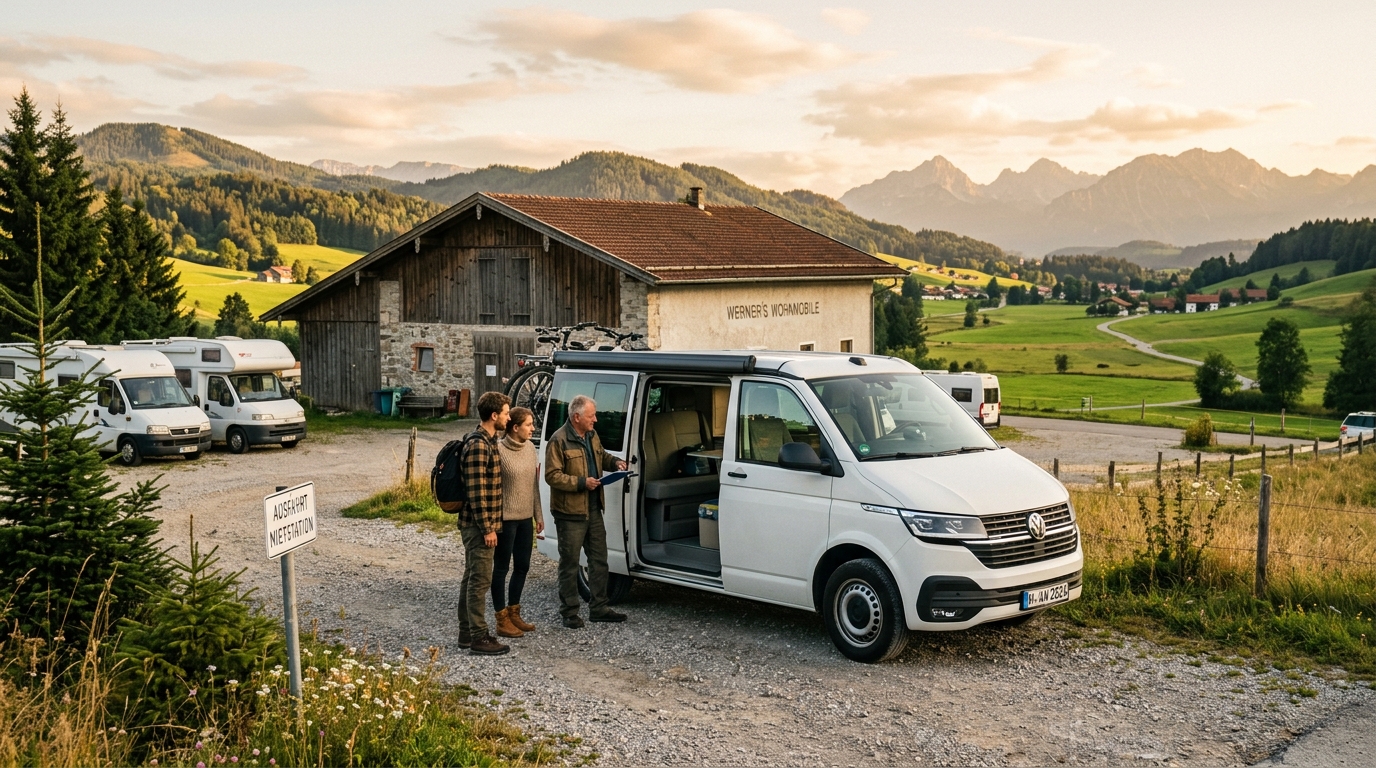
A unique German alternative to traditional campgrounds are 'Stellplätze' (motorhome parking spots), of which there are over 4,000 designated locations across the country. These spots serve as legal overnight parking areas that are generally less equipped than full campgrounds but offer greater convenience and can be found near towns, attractions, or scenic viewpoints. Stellplätze often provide basic services like water and waste disposal, with some even offering electrical hookups for a small fee. It's crucial to understand that wild camping is generally illegal in Germany, with heavy fines for unauthorized overnight stays outside these designated areas. Respecting local laws is paramount to avoid penalties and maintain good relations with the communities you visit.
Featured RV Park or Campground in Germany
When choosing an RV park in Germany, seniors should look for specific features that enhance comfort and accessibility for a truly relaxing trip. An ideal featured RV park prioritizes amenities like paved, level pitches, which make setting up your rented motorhome or campervan much easier and safer. Accessible shower and toilet facilities are also key, often designed with seniors in mind. Many top-rated parks offer additional services such as shuttle transportation to nearby towns or attractions, clear signage for easy navigation, and friendly, available staff to assist with any needs or questions. Proximity to grocery stores, pharmacies, and medical facilities is an additional significant benefit for senior campers, ensuring peace of mind during your adventure. You can find detailed information on such facilities when planning your route through RV PLANET routes, where you can itemize and track every expense for easy budgeting. On the routes offered through RV PLANET routes, you can itemize and track every expense along the way for easy budgeting.
What do you need to know about RVing in Germany?
RVing in Germany offers excellent infrastructure and scenic routes, making it an ideal destination for seniors, but understanding local regulations and customs is key for a smooth trip. Germany boasts a vast network of well-maintained roads, including the famous Autobahn, along with numerous 'Stellplätze' and private campgrounds. Key aspects to be aware of include driving rules, such as specific speed limits for RVs and the need for environmental zone stickers in certain cities. Legal camping practices dictate that wild camping is largely prohibited, so relying on designated sites is essential. Familiarizing yourself with common German phrases, respecting 'Ruhezeit' (quiet hours) at campgrounds, and embracing local shopping habits will greatly enhance your cultural immersion. We specialize in providing transparent rental options, ensuring no hidden fees or surprises throughout your booking process, from comparing vehicles to confirming your trip.
Hookups & Amenities - What to Expect
RV parks in Germany typically provide essential hookups and amenities, ensuring a comfortable stay for seniors. Standard hookups include electricity, usually 220-230V with a CEE plug, meaning an adapter might be needed for non-European vehicles. Fresh water and waste disposal facilities for both grey (grauwasser) and black (schwarzwasser) water are universally available. Many campgrounds offer reliable Wi-Fi, though sometimes for an extra fee, and provide clean laundry facilities, modern showers, and accessible restrooms, all important considerations for senior travelers. Other common amenities may include small on-site shops for basic necessities, restaurants, recreational areas, and sometimes even public transport stops directly at the site, enhancing convenience for all guests. Being true RV specialists, we understand the importance of these details and partner with suppliers like El Monte and Apollo to ensure a comfortable experience.
🎬 Video coming soon
Booking Windows & Reservations in Germany
For seniors planning an RV trip in Germany, booking well in advance, especially for popular destinations or peak season (June-August), is highly recommended to secure preferred spots. While spontaneous travel is possible, pre-planners benefit from reserving 3-6 months ahead, particularly for specific campsites or prime locations like those along the Romantic Road. This ensures peace of mind and often offers better rates. Many national and state park campgrounds, as well as popular private sites, often reserve only 25%-30% of their spots for advance bookings, leaving the majority for first-come, first-served arrivals. Even without a reservation, you'll almost certainly find a place-if not at the first campground, then at a nearby 'Stellplatz' or the next available site. Always call ahead before driving long distances to confirm availability, especially for seniors who value certainty.
Bandana RV offers 24/7 support throughout your booking process, from initial comparison to post-booking coordination, ensuring you always have real people behind you. We compare final prices across 50+ leading RV suppliers worldwide, including Britz, so you don't have to, ensuring full transparency with no hidden fees or surprises.
Best RV Class for Camping in Germany
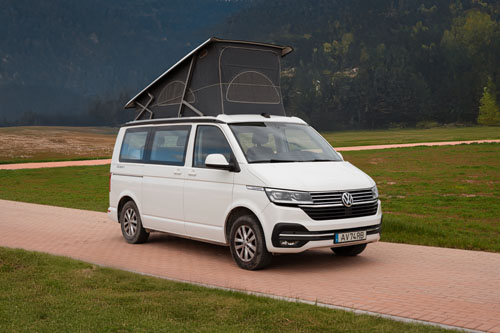
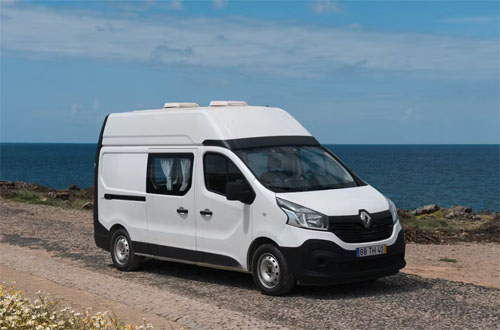
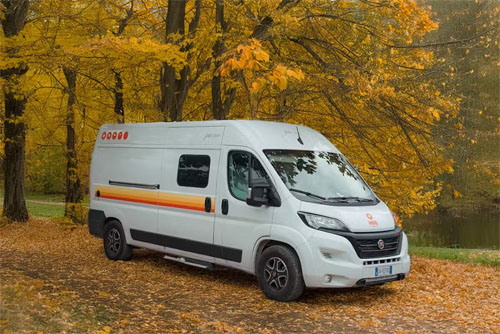
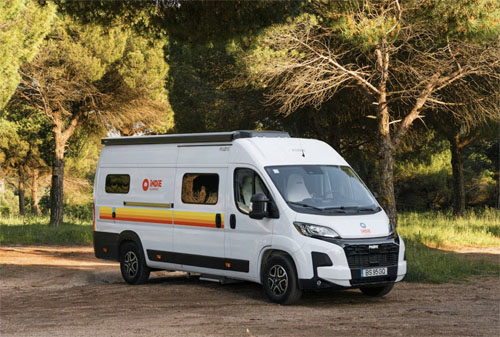
For seniors RVing in Germany, Class B Camper Vans and Class SI Semi-integrated RVs are generally the most suitable due to their superior maneuverability and comfortable amenities. Class B Camper Vans are highly recommended; with an average length of 5.8 meters and seating for approximately 2-3 adults, they are compact, easy to drive on narrower European roads, and offer good fuel efficiency, typically around 8-10 Liters/100 km. Vehicles like the "Luxury rv rentals example Carthago Malibu 600" at 5.99m or the "V2L" at 5.99m are excellent examples of this class, offering a cozy yet complete experience. Class SI Semi-integrated RVs offer more living space without being excessively large; averaging 6.9 meters in length and accommodating 2-4 adults, they provide a comfortable balance of space and drivability. An example would be the "K125" at 6.99m, offering a generous 115 Liter fresh water tank and up to 1 year on the road for modern amenities. Larger Class C Alcove (avg. 7.5m) or Class A Integrated (avg. 7.5m) RVs can be more challenging to navigate on smaller German roads and through historic town centers, potentially adding stress for senior drivers.
What is the average cost of an RV trip in Germany?
The average cost of a week-long RV trip in Germany for seniors can vary widely, but typically ranges from €490 to €840 for a smaller, senior-friendly model, with daily rates generally between €70 and €120. This estimate usually covers the rental itself, but factors like fuel, comprehensive insurance, and campground fees will add to the total. Fuel expenses for a Class B Camper Van or Class SI Semi-integrated RV, with an average consumption of 8-12 Liters/100 km, depend on your mileage and current diesel prices. Campground fees usually range from €15-€40 per night for a standard pitch with hookups, while 'Stellplätze' can be €5-€15 or even free. Remember to budget for food, attractions, and any optional extras like linens or kitchen kits. Prices are dynamic and can change daily based on availability, seasonality, and supplier marketing decisions, so the final price is set at the actual booking time. For managing these costs, planning an itinerary on rvplan.net allows you to itemize and track every expense along the way for easy budgeting.
How to Save on Campgrounds in Germany
To save on campground costs in Germany, leveraging discount cards and strategic booking can significantly reduce expenses for seniors. Consider utilizing campground discount cards such as the ADAC CampCard or Camping Key Europe (CKE), which offer reduced rates and benefits at many participating sites across Germany and Europe. Traveling during the shoulder season (April-May, September-October) often provides lower rates and fewer crowds compared to the peak summer months, making for a more relaxed and cost-effective trip. Opting for municipal or regional campgrounds and the abundant 'Stellplätze' over private luxury resorts can also yield substantial savings, as these often have lower nightly fees while still providing necessary services. Many campgrounds offer weekly rates that are more economical than daily rates, so staying 3+ nights at a single location can be a smart move if your itinerary allows. Plan a trip itinerary in advance with minimal effort and maximum enjoyment using RV PLANET.
What is the best month to RV in Germany?
The best months for seniors to RV in Germany are generally May, June, and September, offering pleasant weather, fewer crowds, and often more favorable rental and campground rates. May and June provide comfortable temperatures, blooming landscapes, and longer daylight hours, ideal for sightseeing and outdoor activities before the peak summer rush. September offers stable, mild weather, the beauty of autumn colors, and the chance to experience regional wine festivals without the intense heat or crowds of August. While July and August are popular, they typically bring higher prices and more competition for campsites. Off-season travel, for instance, to enjoy Germany's famous Christmas markets, requires specific vehicle preparation and an awareness of potential road closures or limited amenities. Our team of true RV specialists is here to help you navigate these choices before, during, and after your booking.
What are some popular RV routes in Germany?
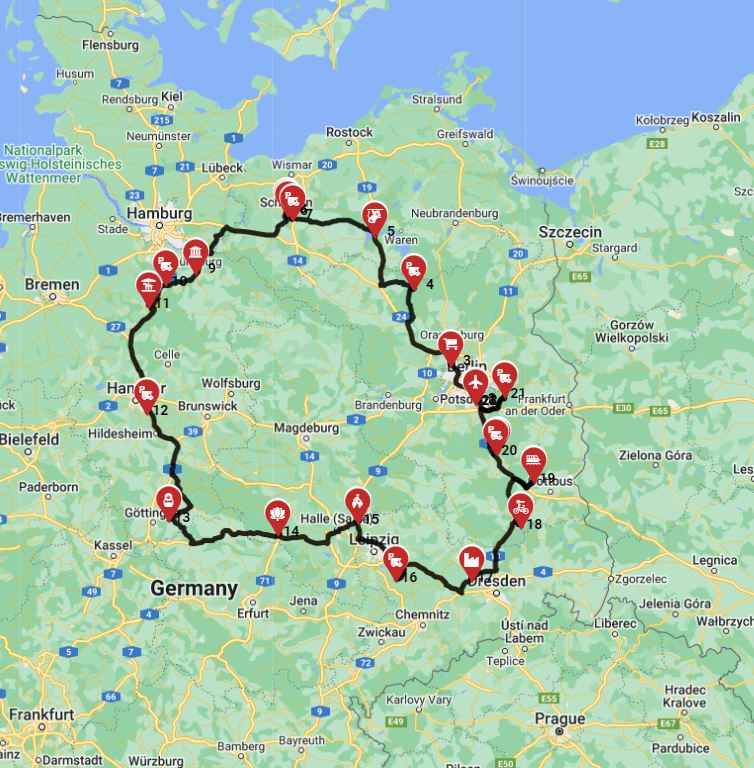
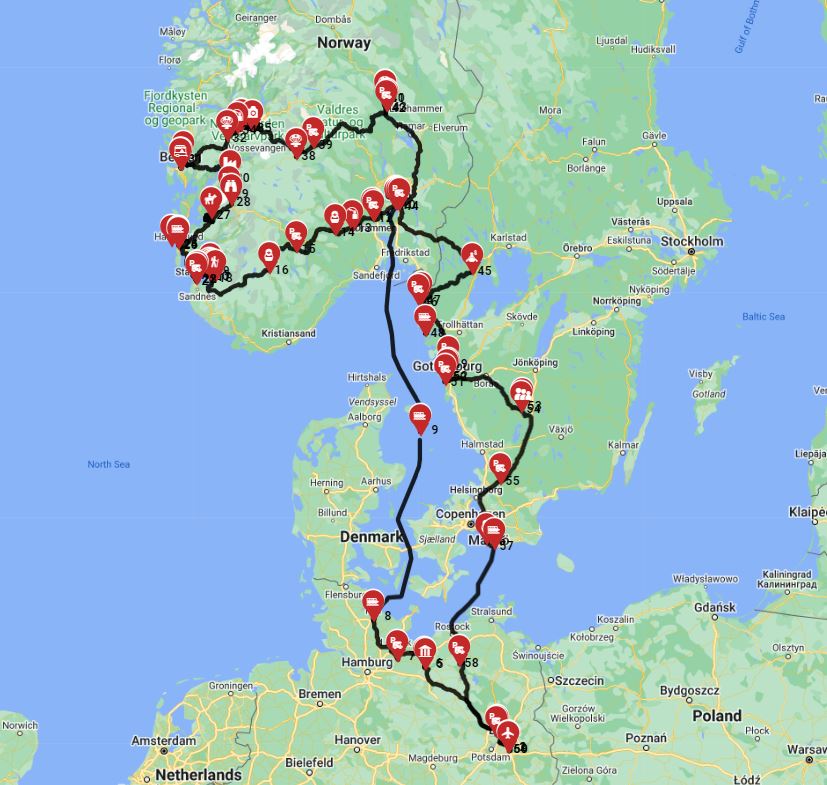
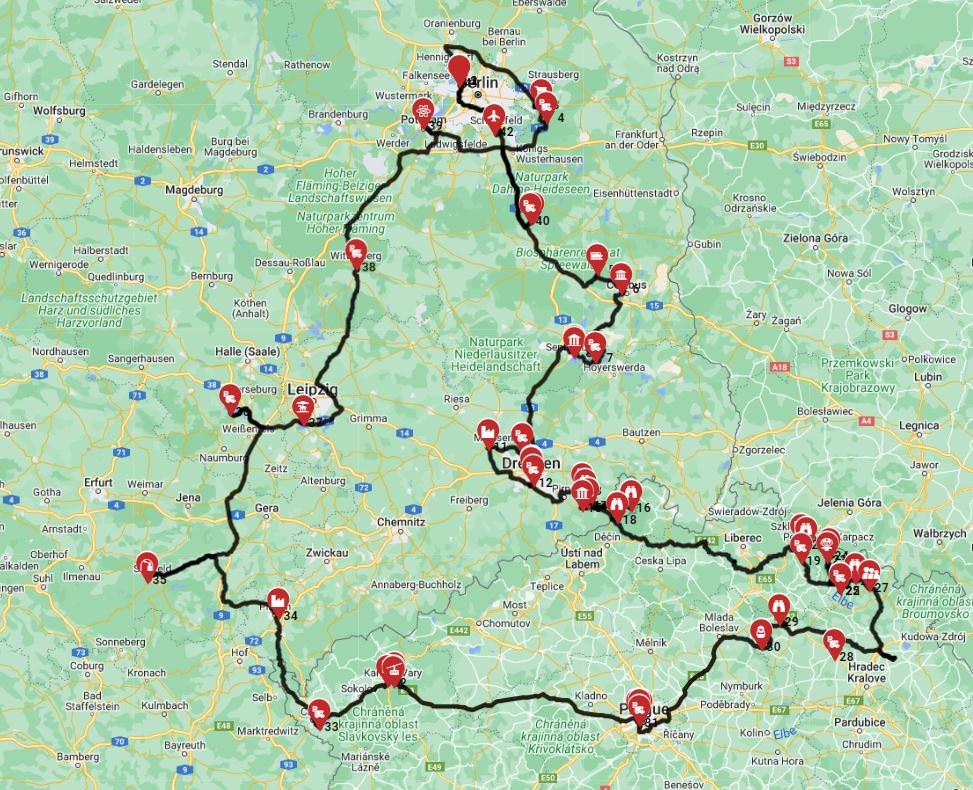
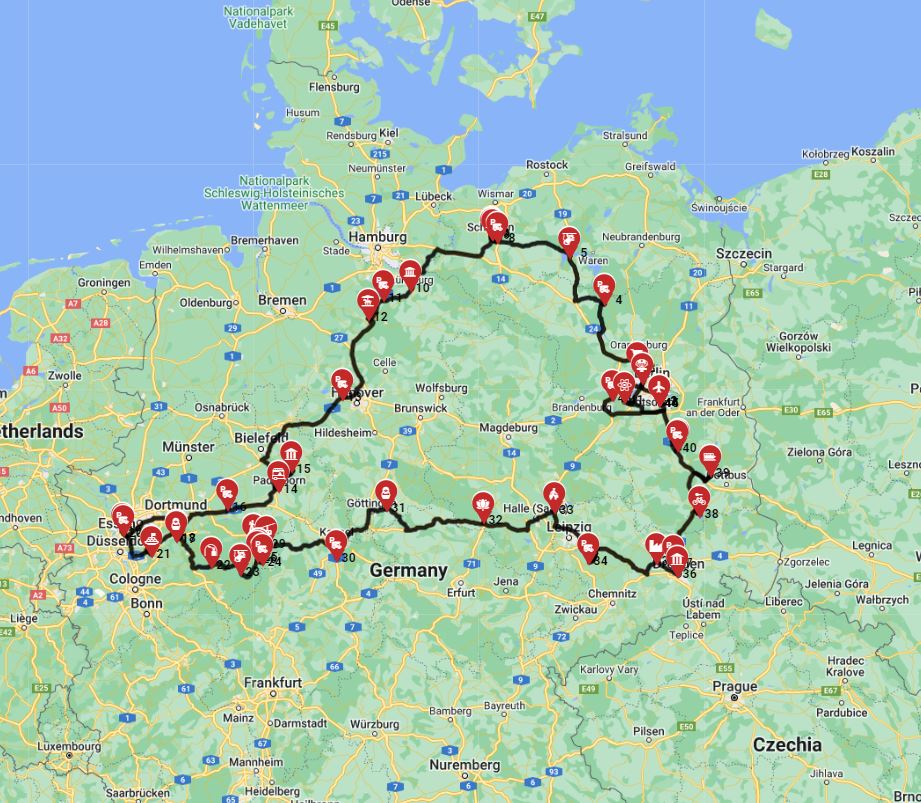
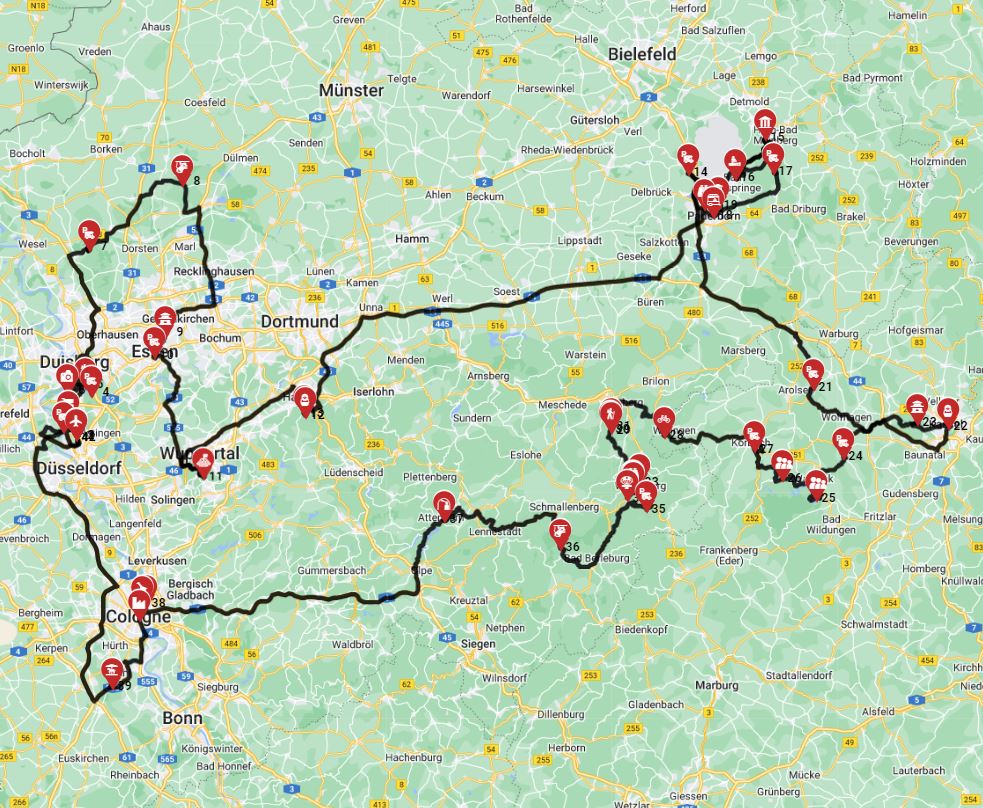
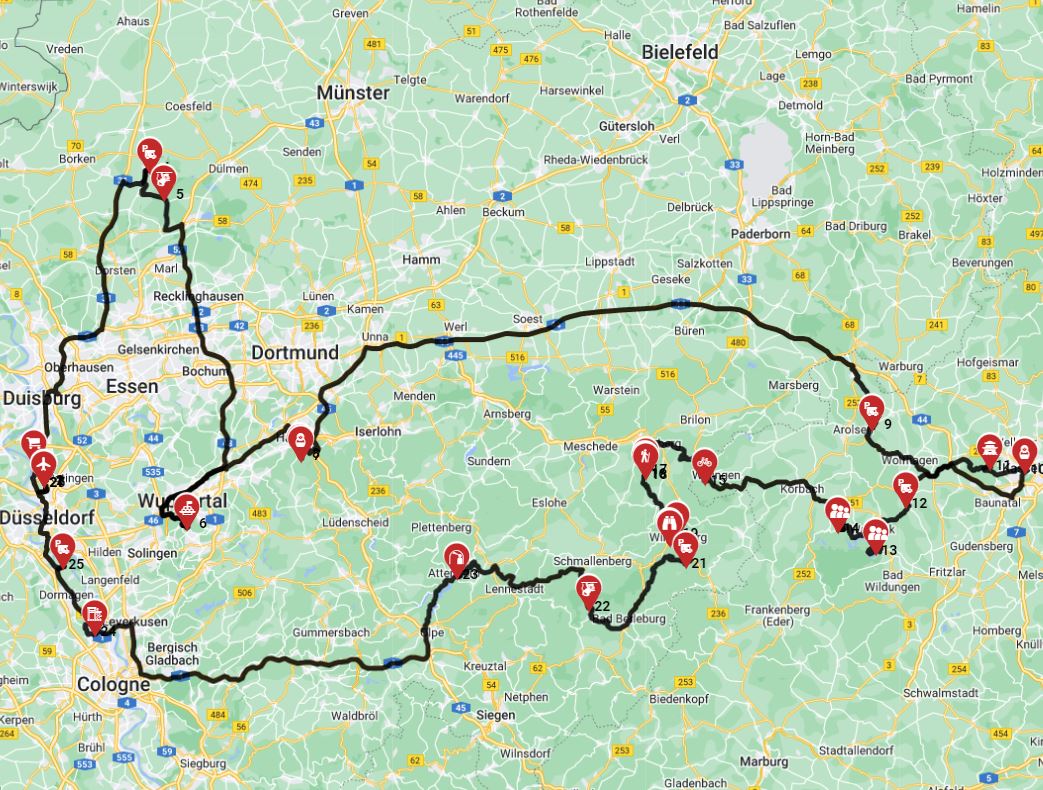
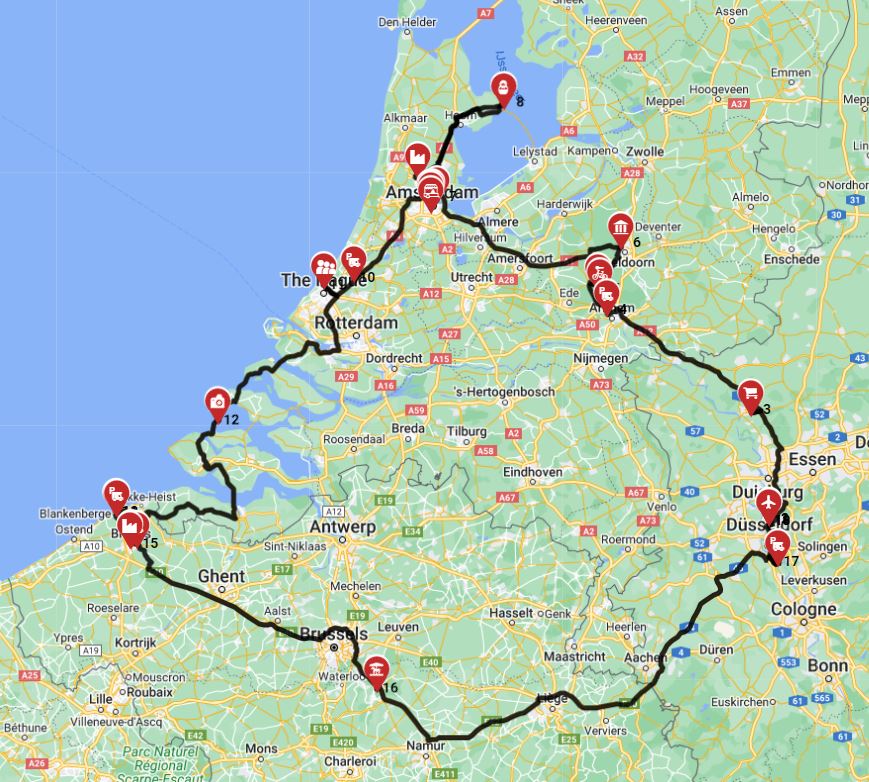
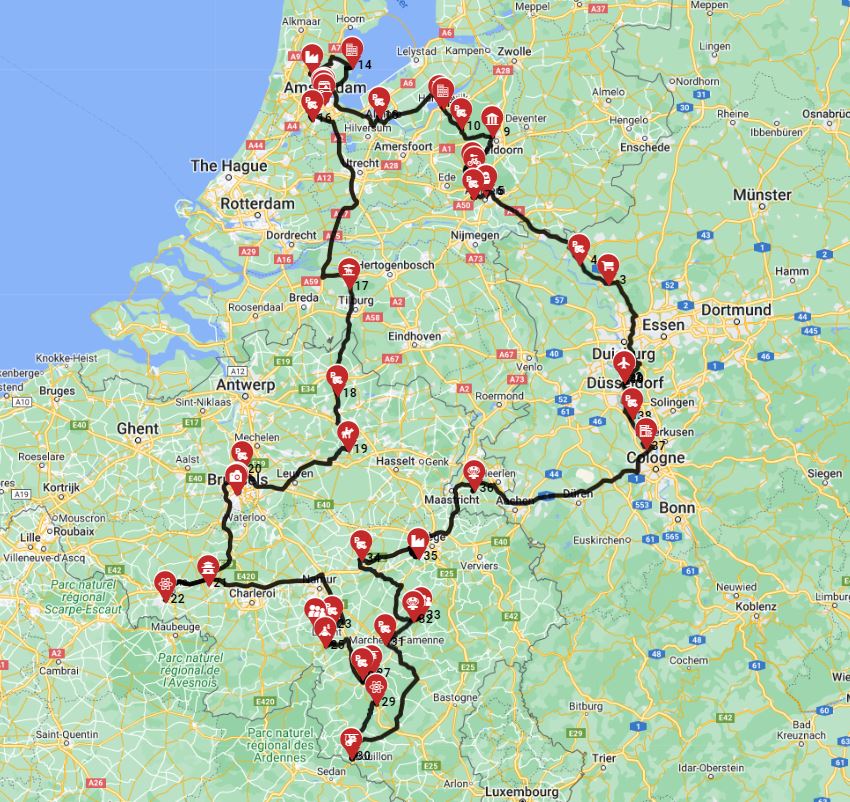
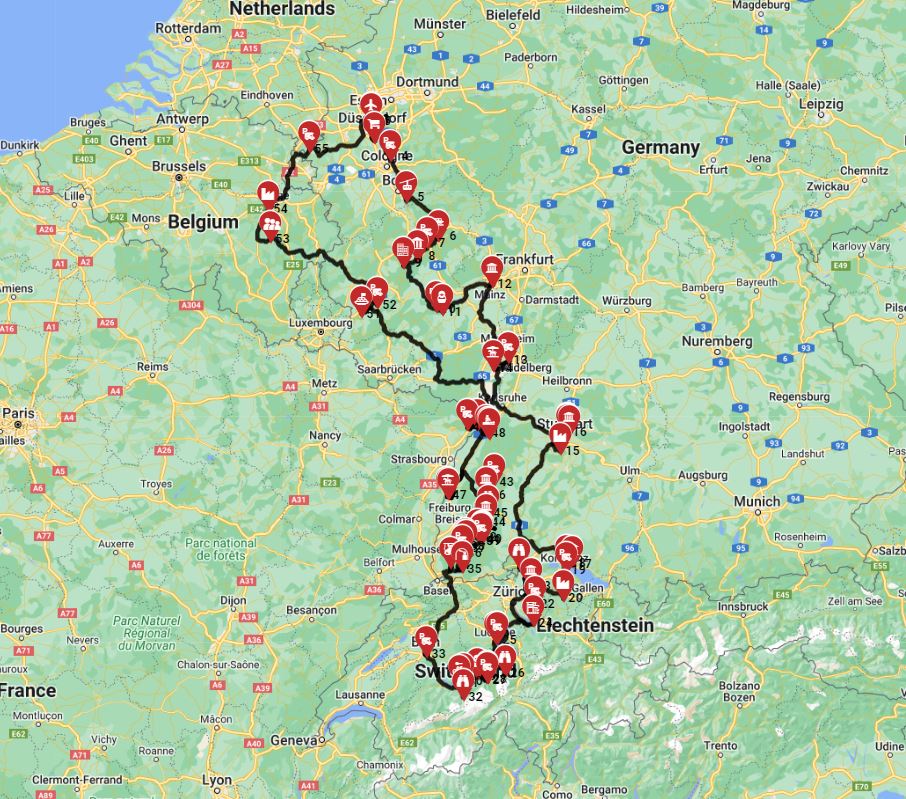
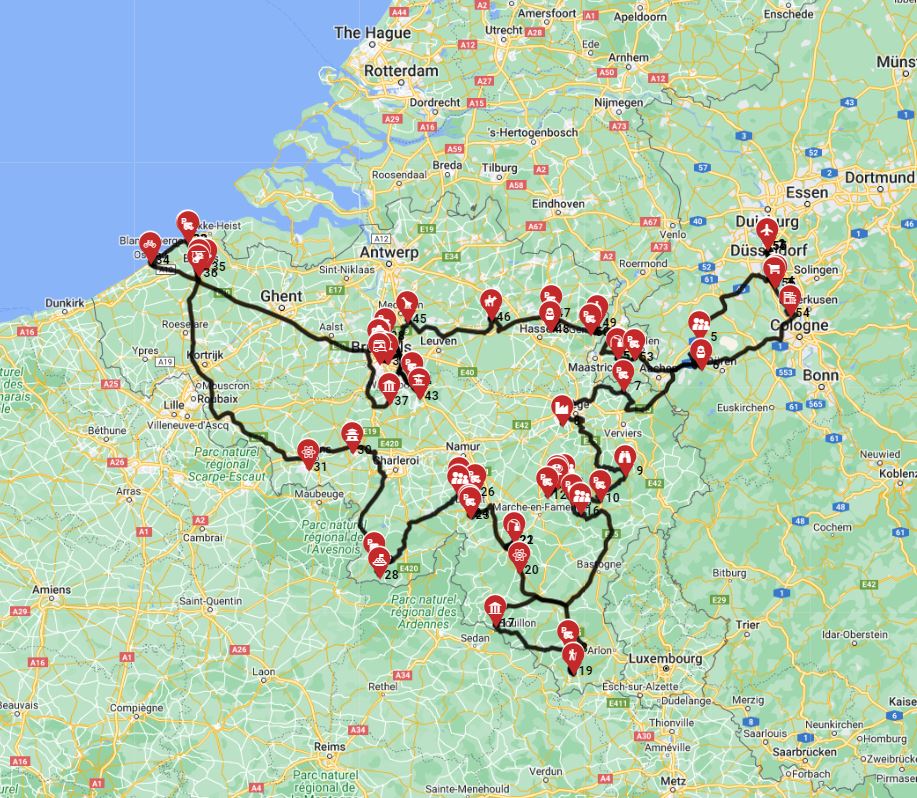
Germany offers several popular and scenic RV routes ideal for seniors, combining natural beauty with cultural exploration. The Romantic Road (Romantische Straße) is arguably the most famous, stretching from Würzburg to Füssen, showcasing picturesque medieval towns like Rothenburg ob der Tauber and the iconic Neuschwanstein Castle, with numerous RV parks along the way. The German Alpine Road (Deutsche Alpenstraße) offers breathtaking mountain vistas, charming villages, and sparkling lakes, perfect for those who enjoy stunning landscapes and fresh air. Other notable routes include the Castle Road (Burgenstraße) for history buffs, the Wine Route (Deutsche Weinstraße) for culinary delights, and the Fairytale Road (Deutsche Märchenstraße), which appeals to those seeking enchanting stories and quaint towns. For a comprehensive experience, consider the Dusseldorf Roundtrip - Germany / Netherlands / Belgium itinerary, an 8-day route covering 1076.2 km, including 1 amusement park, 1 aquarium, and 2 family activities, ideal for a varied adventure.
Another excellent option for seniors is the Frankfurt Roundtrip - North Germany - Including Hamburg & Berlin, a 15-day journey spanning 2230.1 km. This route includes diverse attractions such as 1 animals show, 1 botanical garden, 2 hiking areas, and 2 museums, offering a rich blend of nature and culture. These professionally pre-planned routes are available through our Rent&Plan service on RV PLANET, where you can also receive a 25% planning discount when using rvplan.net for your itinerary. We are true RV specialists, not just a travel agency side department, ensuring expert recommendations and support.
What documents do I need to rent an RV in Germany?
To rent an RV in Germany, seniors typically need a valid driver's license (an International Driving Permit is often recommended), a passport, and a credit card for payment and the security deposit. A valid national driver's license from your home country is usually sufficient if it's in English or accompanied by an official German translation. However, an International Driving Permit (IDP) is highly recommended as it provides a standardized translation and is recognized globally, simplifying interactions with authorities or rental companies. Your passport (or EU ID card) will be required for identification, and a major credit card in the primary driver's name is essential for rental payment and the refundable security deposit, which can range from several hundred to a few thousand Euros. It is always best to confirm specific document requirements with your rental provider beforehand to avoid any surprises. We are committed to full transparency, so you'll always know exactly what documents are needed.
Do you need a special license to drive an RV in Germany?
For most RVs suitable for seniors in Germany, a standard Class B driver's license (or equivalent from your home country) is sufficient, provided the vehicle's maximum permissible weight does not exceed 3,500 kg. The majority of Class B Camper Vans and Class SI Semi-integrated RVs, like those averaging 5.8m and 6.9m from Bandana's fleet, fall within this 3,500 kg limit, making them accessible to standard license holders. Vehicles such as the "Combi Van" (5m) or "EcoLine 2" (7.4m) typically meet these requirements. If you plan to rent a larger RV, such as some Class C Alcove or Class A Integrated models with a maximum permissible weight exceeding 3,500 kg, you may require a higher license category, like C1 or C, which should be checked carefully with the rental company. Always confirm the specific weight (zGG/zulässiges Gesamtgewicht) of the RV you intend to rent against your driver's license entitlements to ensure compliance.
What side of the road do you drive on in Germany?
In Germany, you drive on the right-hand side of the road, and vehicles are typically left-hand drive, which is important for seniors to remember if accustomed to driving on the left. This aligns with most of mainland Europe, and traffic laws require passing on the left. Familiarity with driving on the right is crucial for safety, especially when navigating roundabouts, merging onto the Autobahn, or making turns. For seniors accustomed to left-hand driving, taking extra time to adjust, perhaps by practicing in less busy areas, is advisable before embarking on longer journeys. Drive slowly and carefully, and you can drive almost anywhere without issues. No need to stress-just use common sense and pay attention.
What is the speed limit for RVs in Germany?
The speed limits for RVs in Germany vary based on the vehicle's maximum permissible weight and the type of road. For most rented RVs up to 3.5 tons, which are common and ideal for seniors (e.g., Class B and SI campervans): in built-up areas, the limit is 50 km/h (31 mph). Outside built-up areas, including country roads and Autobahns without explicit limits, the speed limit is 100 km/h (62 mph). For RVs over 3.5 tons but under 7.5 tons: in built-up areas, it's 50 km/h (31 mph); outside built-up areas, 80 km/h (50 mph); and on Autobahns, 100 km/h (62 mph) if specially marked, otherwise 80 km/h. Always observe posted signs, as limits can change, especially in construction zones or environmentally sensitive areas. We recommend slow travel, averaging a maximum of 100-150 km per day, allowing you to truly feel the place, connect to the culture, the food, and the scenery.
What are the rules for driving on the Autobahn in Germany?
Driving on Germany's Autobahn requires adherence to specific rules, including maintaining safe distances, using the left lane for passing only, and being prepared for high speeds, which is important for senior drivers. While sections of the Autobahn have no explicit speed limit for passenger cars, rented RVs are subject to specific speed limits as outlined above (typically 100 km/h for RVs up to 3.5t). Always keep to the rightmost lane unless overtaking, and move back immediately after passing; the left lane is strictly for faster vehicles. Maintain a sufficient safety distance, often referred to as 'halber Tacho' (half your speedometer reading in meters), from the vehicle in front. Be aware of environmental zones ('Umweltzonen') in cities that require an 'Umweltplakette' (environmental sticker) to enter. Drive slowly and carefully, and you can drive almost anywhere without issues. No need to stress-just use common sense and pay attention.
Environmental Zones (Umweltzonen) and Stickers
Germany has established over 50 'Umweltzonen' (environmental zones) in various cities, designed to reduce particulate matter and nitrogen oxide pollution. To enter these zones, your rented RV, regardless of its country of origin, must display a 'Feinstaubplakette' (fine dust sticker). These stickers indicate your vehicle's emission class (green, yellow, or red) and are mandatory for designated urban areas. Driving into an environmental zone without the correct sticker can result in a hefty fine, often around €100. It's crucial for foreign RVers, especially seniors, to purchase this sticker in advance from TÜV or DEKRA inspection stations, or even online, before entering Germany. This essential detail is often overlooked but easily managed with a little preparation, ensuring a smooth and compliant journey through German cities.
Can you just park an RV anywhere in Germany?
No, you cannot just park a rented RV anywhere in Germany for an overnight stay; while parking for a short rest to restore driving fitness is generally permitted, setting up camp or staying overnight outside designated areas is largely illegal. Germany has strict laws against 'wild camping' and free overnight parking, which can result in fines if caught. The legal alternatives for overnight parking include official campgrounds ('Campingplätze') and the extensive network of dedicated 'Stellplätze' (motorhome parking spots), which are numerous and well-signposted throughout the country. Stellplätze offer convenient and legal places to stop, often providing basic amenities like waste disposal and sometimes electricity for a minimal fee or even free. Some private landowners may grant permission for a one-night stay, but this must be explicitly requested and granted beforehand. Always opt for designated spots to ensure a legal and worry-free experience.
What are the rules for camping in Germany?
The rules for camping in Germany emphasize designated areas, quiet hours, and environmental protection, ensuring a pleasant experience for all, especially seniors. Camping is strictly permitted only in official campgrounds ('Campingplätze') or designated motorhome parking areas ('Stellplätze'); wild camping is illegal and strictly enforced, carrying significant fines. Campgrounds typically enforce 'Ruhezeit' (quiet hours), usually from 13:00-15:00 and 22:00-07:00, during which noise should be kept to a minimum to respect fellow campers. Environmental responsibility is paramount: dispose of waste properly in designated areas, do not litter, and respect natural habitats. Most sites have dedicated areas for waste, grey water, and black water disposal, making it easy to comply with environmental regulations. This organized approach to camping helps maintain the beauty of Germany's landscapes for everyone to enjoy.
Is it easy to wild camp in Germany?
No, it is generally not easy and largely illegal to wild camp in Germany, with strict regulations and potential fines for unauthorized overnight parking outside designated areas. Instead of wild camping, Germany offers a robust network of 'Stellplätze' (motorhome parking spots) that provide legal and often free or low-cost alternatives for overnight stays. These Stellplätze are typically found in or near towns, offering basic amenities like waste disposal and sometimes electricity, and are specifically designed for RVs. While sleeping in your rented RV to restore driving fitness might be tolerated in a regular parking spot for one night, setting up camp-such as putting out chairs, awnings, or tables-is strictly forbidden outside official campgrounds or Stellplätze. Relying on this well-developed network ensures a legal, convenient, and stress-free journey for seniors.
How do you rent an RV in Germany?
Renting an RV in Germany is a straightforward process, beginning with an online search and reservation through comparison platforms like Bandana, selecting a suitable vehicle, and completing necessary paperwork. Start by choosing your desired dates and pick-up/drop-off locations, then filter available motorhomes and campervans by class (e.g., Class B or SI for seniors), sleeping capacity, and amenities. After selecting your rented RV, you'll typically need to provide personal details, driver's license information, and payment. Ensure you understand the insurance options, mileage limits, and any security deposit requirements. Upon arrival for pickup, a comprehensive handover will cover vehicle operation, safety features, and local driving regulations, ensuring seniors are comfortable before embarking on their journey. Our team provides 24/7 support for all your pre-booking and post-booking needs, ensuring a smooth and confident start to your adventure. We offer bookings in 30+ currencies with full price transparency, meaning no hidden fees or conversion commissions.
Are there any age restrictions for RV rental in Germany?
Yes, while there's typically no upper age limit for RV rentals in Germany, most rental companies have a minimum age requirement, usually 21 years old. It's essential for senior renters to check the specific terms and conditions of each rental provider regarding any maximum age limits or additional insurance requirements for older drivers. Some companies might require a medical certificate for drivers over a certain age, or impose an additional daily surcharge on insurance for senior drivers. However, many suppliers cater to experienced older drivers without issue. For instance, the Class B Camper Van, "Juliette 2-3," is suitable for younger and older drivers. Always confirm these details directly with the rental company when booking through Bandana to avoid any surprises and ensure a smooth rental experience. Bandana provides top-level deductible reimbursement as an optional upgrade for extra peace of mind, regardless of age.
Can I pick up an RV rental in Germany and return it in a different city?
Yes, one-way RV rentals are available with most suppliers in Germany, allowing you to pick up your rented motorhome in one city and return it in another. This flexibility is ideal for seniors who want to explore different regions without backtracking. A drop-off fee may apply, depending on the route, distance, and specific rental company, typically ranging from €150-€500. For example, picking up in Berlin and dropping off in Munich would likely incur a fee. It is crucial to arrange one-way rentals in advance during the booking process, as availability can be limited, especially during peak season. Bandana compares final prices across over 50 leading RV suppliers worldwide, ensuring full transparency about any additional fees associated with one-way rentals.
Can I use my credit card to pay for an RV rental in Germany?
Yes, major credit cards such as Visa, MasterCard, and American Express are widely accepted for paying RV rentals and security deposits in Germany, providing convenience and security for seniors. It is standard practice for rental companies to require a credit card in the primary driver's name for the security deposit, which is typically held as a pre-authorization rather than charged directly. Ensure your credit card has sufficient available credit to cover the security deposit, which can range from several hundred to a few thousand Euros, depending on the vehicle class and supplier. While some companies might accept debit cards for the rental payment, a credit card is almost universally required for the security deposit. Always check with your rental provider for their specific payment policies through Bandana, your true RV specialists who provide full transparency and no hidden fees.
Do you need an International Driving Permit for Germany?
While not always strictly mandatory for all nationalities, obtaining an International Driving Permit (IDP) for Germany is highly recommended for seniors, as it provides a standardized translation of your national driver's license. If your national driver's license is issued by an EU country or is in English and clearly legible, it is often sufficient for driving a rented RV in Germany. However, an IDP, valid for one year and easily obtained in your home country (e.g., from AAA or your local motoring association), eliminates potential language barriers with authorities or rental companies and can be beneficial in insurance claims. For licenses not in English or an EU language, an IDP or an official German translation is legally required. It's a small step that can save a lot of potential hassle, offering extra peace of mind for your trip. We are with travelers before, during, and after their booking to clarify such requirements.
Can I rent an RV in Germany with a US driver's license?
Yes, you can generally rent an RV in Germany with a valid US driver's license, provided it is current and accompanied by an International Driving Permit (IDP) for ease of understanding. While US driver's licenses are usually accepted for short-term tourist stays, an IDP serves as an official translation and is strongly recommended to avoid any misunderstandings with local authorities or rental agencies. Ensure your US license is for the correct vehicle class-a standard Class D license is sufficient for most standard RVs up to 3.5 tons. Also, check for any age restrictions from the rental company, although Bandana ensures the minimum age is 21 with no young driver surcharges. It's advisable to carry both your US driver's license and your IDP at all times while driving in Germany, along with your passport for identification.
What is the average gas mileage for an RV in Germany?
The average gas mileage for a rented RV in Germany varies by class and driving conditions, but based on Bandana's fleet averages, seniors can expect roughly 8-12 Liters per 100 kilometers for most senior-friendly models. Class B Camper Vans generally offer the best fuel efficiency, often achieving 8-10 Liters/100 km, making them economical for longer trips. Examples include the "luxury rv rentals example Carthago Malibu 600" at 5.99m. Class SI Semi-integrated RVs typically consume 10-11 Liters/100 km, providing a good balance between space and fuel economy, like the "K125" at 6.99m. Larger RVs, such as Class C Alcove models, might see consumption of 10-12 Liters/100 km or more. Factors like driving speed (especially on the Autobahn), terrain, and vehicle load significantly impact mileage. Diesel is the predominant fuel type for RVs in Germany. Remember that on RV PLANET routes, travelers can itemize and track every expense, including fuel, for easy budgeting.
Are RVs allowed on ferries in Germany?
Yes, rented RVs are generally allowed on ferries in Germany, particularly for crossing rivers like the Rhine or reaching islands such as Fehmarn or Rügen, but booking in advance and confirming specific vehicle dimensions is crucial. When booking a ferry, you'll need to provide the exact length, height, and sometimes weight of your RV to ensure proper pricing and allocation of space. Ferry operators typically have different pricing tiers for vehicles based on their dimensions, so having accurate measurements for your rental RV-for example, a Bandana Class B at 5.8m or a Class SI at 6.9m-is important. While river ferries are often 'turn up and go,' ferries to larger islands, especially during peak season, should be booked well in advance to secure a spot and avoid long waits. It's always a good idea to confirm details with the ferry operator directly.
What should I pack for an RV trip in Germany?
For an RV trip in Germany, seniors should pack essentials like comfortable clothing for varying weather, important documents, practical RV gear, and personal comfort items. For clothing, layered options, a waterproof jacket, comfortable walking shoes, and warmer items are advisable even in summer for cooler evenings or higher elevations. Essential documents include your passport, driver's license (plus IDP), RV rental documents, insurance details, and travel health insurance information. For RV essentials, a European electrical adapter (CEE plug), reflective vests (mandatory in Germany for all vehicle occupants in case of breakdown), a first-aid kit, and navigational aids like a GPS or smartphone apps are crucial. For personal comfort, bring prescription medications (with copies of prescriptions), a travel pillow, favorite snacks, and any specific items for accessibility or personal hobbies. When planning meals, don't forget to pack ingredients for some RV-friendly recipes playlist to enjoy cooking on board.
Nearby Supermarkets & Resupply Points
Resupplying groceries and essentials in Germany is convenient for seniors, with major supermarket chains easily accessible near most towns and cities. Look for popular chains such as Lidl, Aldi, Edeka, Rewe, and Netto, which are ubiquitous across Germany and offer a wide range of products at various price points. Many larger campgrounds or 'Stellplätze' are located within a short drive or even walking distance of these supermarkets, making it easy to stock your rented RV's pantry. Local weekly markets (Wochenmärkte) also provide an excellent opportunity for seniors to purchase fresh, regional produce and experience local culture, typically found in town centers. Engaging in the German tradition of 'Brötchen holen' (getting fresh bread rolls) from a local bakery every morning is a delightful way to immerse yourself in daily life and ensure fresh breakfast items are always on hand.
What apps are useful for RV travel in Germany?
Several smartphone apps can significantly enhance an RV trip for seniors in Germany, aiding with navigation, finding campsites, and understanding local information. Campsite and 'Stellplatz' finders like 'park4night,' 'ADAC CampGuide,' or 'promobil Stellplatz-Radar' are indispensable for locating campgrounds and Stellplätze with detailed information on amenities and user reviews. For navigation, Google Maps, Apple Maps, or dedicated RV navigation apps like 'Sygic Truck & RV Navigation' (which accounts for vehicle dimensions) are crucial for efficient route planning. Google Translate can assist with language barriers, while local weather apps keep you informed about conditions. Traffic information apps like 'Waze' or real-time traffic features in navigation apps provide updates on Autobahn congestion and potential delays, helping seniors plan routes more effectively and ensuring a smooth journey.
Is Germany safe for RV travel?
Yes, Germany is considered a very safe country for RV travel, offering excellent infrastructure, low crime rates, and a welcoming environment for tourists, making it an ideal destination for seniors. Roads are well-maintained, emergency services are efficient and responsive, and campgrounds are generally secure and well-managed. As with any travel, basic precautions are advisable: secure your rented RV when leaving it unattended, do not display valuables, and be aware of your surroundings in urban areas. Following local driving laws, adhering to designated camping areas, and having comprehensive travel insurance further contribute to a safe and worry-free experience. Bandana provides 24/7 support during your booking process and offers top-level deductible reimbursement as an optional upgrade, giving you peace of mind throughout your planning.
What is the best way to travel around Germany for seniors?
For seniors, traveling around Germany by RV is often considered one of the best ways, offering unparalleled flexibility, comfort, and the ability to explore at your own pace. A rented RV allows seniors to carry all their necessities, maintain their routine, and access scenic areas not easily reached by public transport or traditional car rentals. Compared to trains or buses, a motorhome or campervan provides a private space for relaxation and rest, which can be particularly beneficial for longer journeys or those with mobility considerations. The extensive network of campgrounds and 'Stellplätze' provides convenient and safe overnight stops throughout the country, making RV travel a highly appealing option for a comprehensive German experience. Remember to travel slowly-max 100-150 km per day on average-to truly feel the place, connect to the culture, the food, and the scenery.
What You Shouldn't Miss
- **The Romantic Road's Fairytale Castles:** Drive the scenic Romantic Road (Romantische Straße) from Würzburg to Füssen, visiting iconic Neuschwanstein Castle and medieval Rothenburg ob der Tauber.
- **Rhine Valley Wine Tasting and Cruises:** Experience the picturesque Rhine Valley, famous for its vineyards, historic castles, and tranquil river cruises, with numerous riverside campsites.
- **Black Forest Exploration:** Explore the serene Black Forest, renowned for its dense evergreen forests, charming villages, cuckoo clocks, and delicious Black Forest cake.
- **Bavarian Alps and Lakeside Retreats:** Journey through the breathtaking German Alpine Road (Deutsche Alpenstraße), stopping at idyllic lakes like Eibsee and Königssee, and enjoying mountain air.
- **Berlin's History and Culture:** Discover Germany's vibrant capital, Berlin, with its rich history, world-class museums, and diverse culinary scene, utilizing easily accessible city campgrounds and Stellplätze.
- **"Brötchen holen" Tradition:** Embrace the local German tradition of "Brötchen holen" by seeking out local bakeries near your Stellplatz or campground for fresh bread rolls every morning.
Looking for expert insights from Avi Bandana? Top 5 Adventures - recommendations from Avi Bandana.
Final Thoughts
RV camping in Germany offers a truly unique and comfortable way for seniors to explore this beautiful country. With its welcoming campgrounds, efficient infrastructure, and a wealth of cultural and natural attractions, a rented motorhome or campervan provides the flexibility to create an itinerary perfectly tailored to your pace and interests. From the historic grandeur of its cities to the serene beauty of its alpine roads and Black Forest trails, Germany by RV promises a journey of discovery and relaxation.
At Bandana, we are committed to making your RV rental experience as seamless and enjoyable as possible. With our transparent pricing, extensive selection from 50+ suppliers, and dedicated support, you can embark on your German adventure with complete confidence. Let us handle the details, so you can truly live the journey.
Get inspired for your next trip! Discover top destinations, planning tips, all in one place, and plan a trip itinerary in advance with minimal effort and maximum enjoyment with Bandana.