In This Guide
- Where to Camp in France - Top Options
- Campground Types in France (National, Private, Wild)
- Featured RV Park or Campground in France
- Hookups & Amenities - What to Expect
- Booking Windows & Reservations in France
- Nearby Supermarkets & Resupply Points
- Best RV Class for Camping in France
- How to Save on Campgrounds in France
- What is the best time of year to RV in France?
- How much does it cost to rent an RV in France?
- Can you wild camp in France in an RV?
- What are the rules for RV camping in France?
- What are the essential items for an RV trip to France?
- What type of RV is best for seniors in France?
- Is it easy to drive an RV in France?
- How do I find RV parks in France?
- Are there age restrictions for RV rental in France?
Where to Camp in France - Top Options
France provides an incredibly diverse array of camping experiences, from the refreshing coastal sites in Brittany to serene vineyards nestled in the Loire Valley, or invigorating mountainous retreats within the Alps. Senior travelers seeking comfort and convenience will find exceptional options in regional parks for tranquility and nature, or in private campgrounds that offer a wider range of amenities. Popular regions for RVers include the picturesque Dordogne, known for its prehistoric caves and charming villages, the stunning French Riviera with its glamorous coastline, and the historic Normandy coast, rich in WWII history and beautiful beaches. Remember to travel slowly, averaging a maximum of 100-150 km per day, allowing ample time to truly feel the place, connect with the local culture, savor the food, and soak in the scenery.
Campground Types in France (National, Private, Wild)
France offers several distinct types of RV parking and camping options, catering to every preference, including official campgrounds, municipal sites, private parks, and 'Aires de Services.' Official campgrounds, such as those found in national or regional parks or operated by private chains like Campings.com, provide full facilities including electricity (typically 220-240V with a CEE blue two-pin connector), fresh water, grey/black water disposal points, showers, and often on-site shops or restaurants, which are ideal for senior travelers seeking comfort and convenience. Municipal campgrounds, run by local councils, are generally more basic and budget-friendly, often located conveniently close to towns or villages. Private campgrounds vary greatly, from simple pitches to full-service resorts with swimming pools and entertainment, perfect for seniors who prefer extensive amenities. While wild camping, or 'camping sauvage,' is generally prohibited in France outside of designated areas, overnight parking in a self-contained RV is often tolerated if done respectfully and without setting up camp; always verify local regulations, especially near coastal areas or protected natural sites.
Featured RV Park or Campground in France
When choosing an RV park in France, senior travelers should prioritize features such as paved, level pitches, easy access to all facilities, and close proximity to local attractions or public transport. Look for parks that offer accessible restrooms and showers, quiet zones for peaceful evenings, and on-site services like grocery stores or restaurants to minimize driving during your stay. Many highly-rated campgrounds throughout France, such as Camping Les Châteaux near the Loire Valley Châteaux or Camping Les Prairies de la Mer along the Côte d'Azur, provide these comprehensive amenities, creating a comfortable and convenient base for your explorations. Our RV Rental in France for Couples - Pricing 2024 guide can provide more specific recommendations for cozy, comfortable options.
Hookups & Amenities - What to Expect
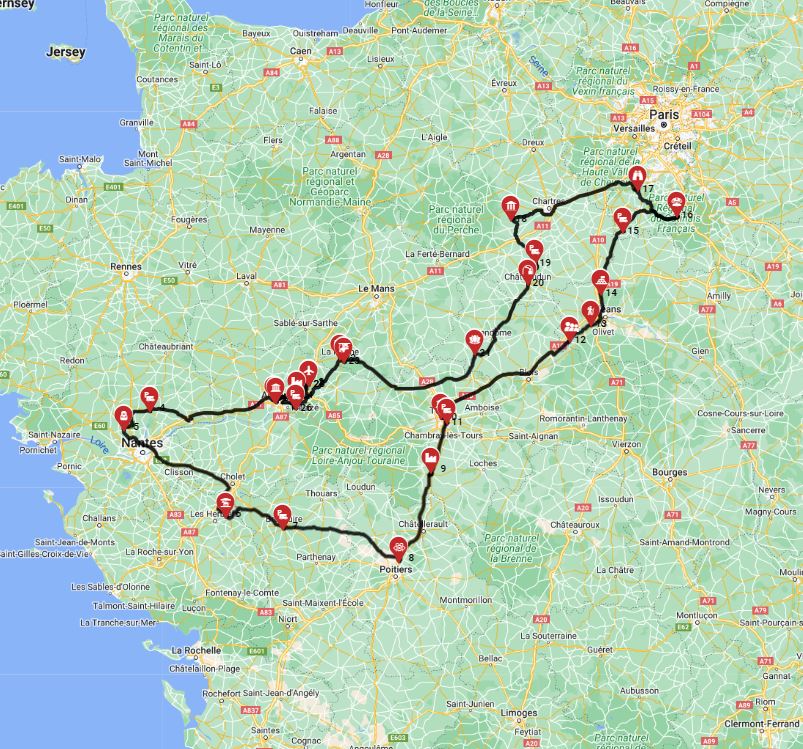
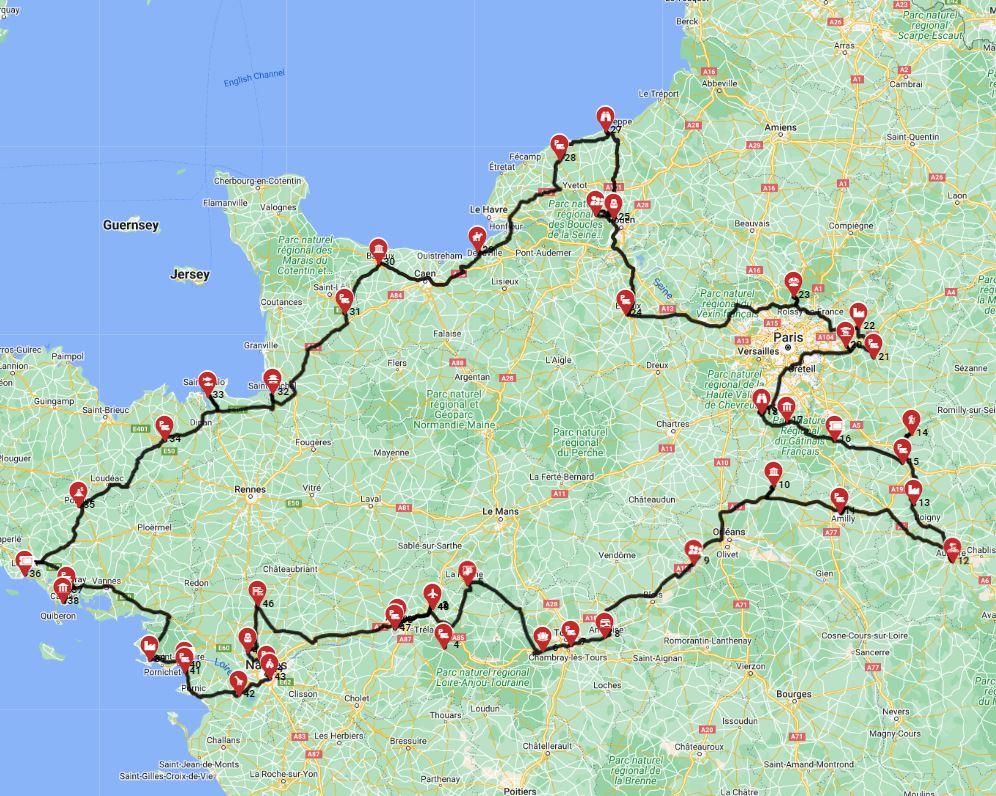
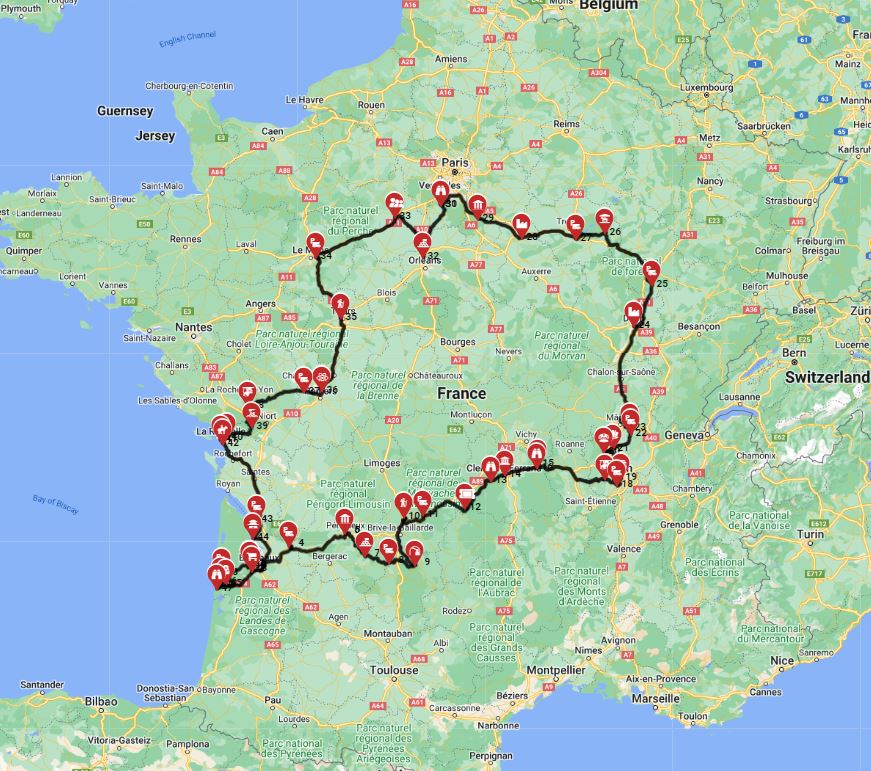
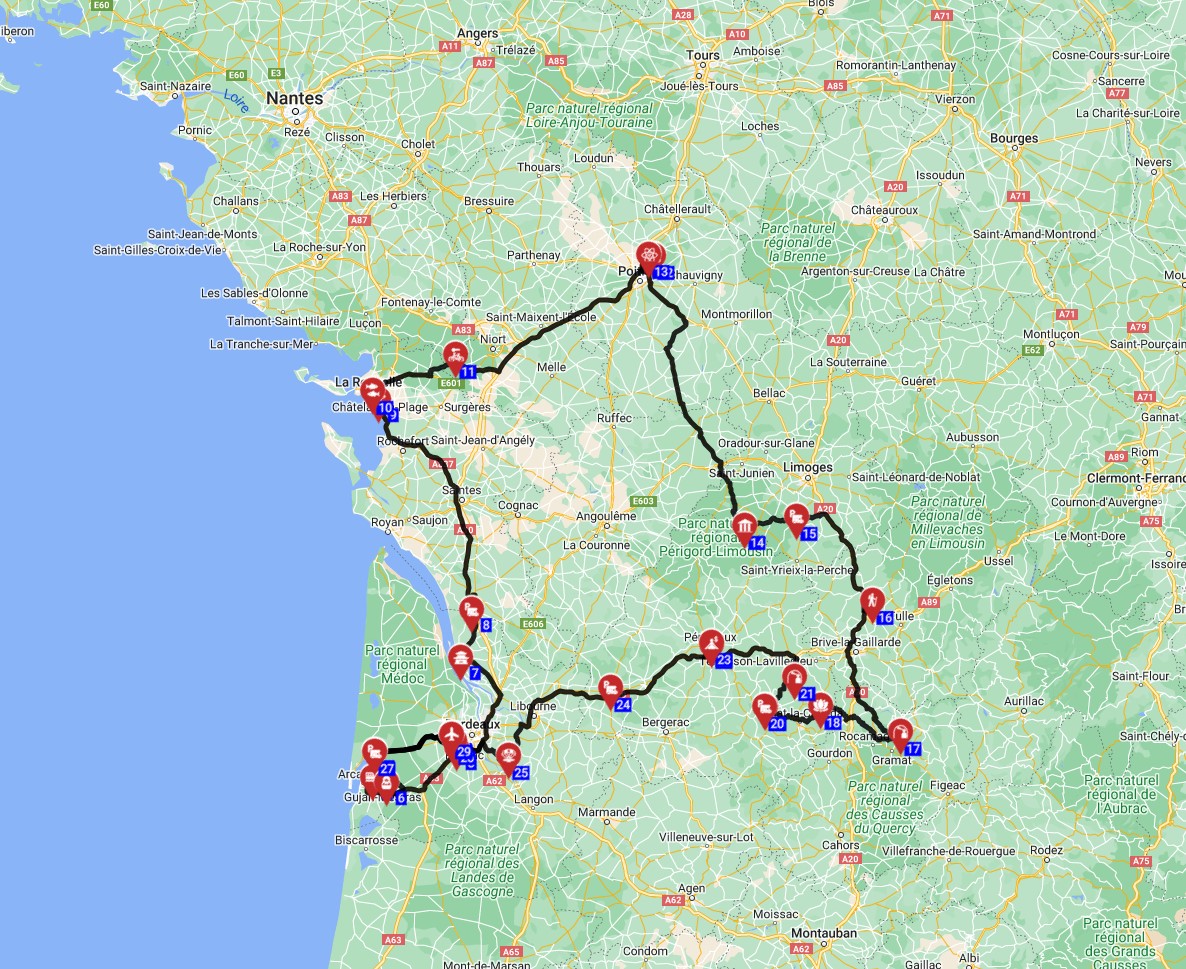
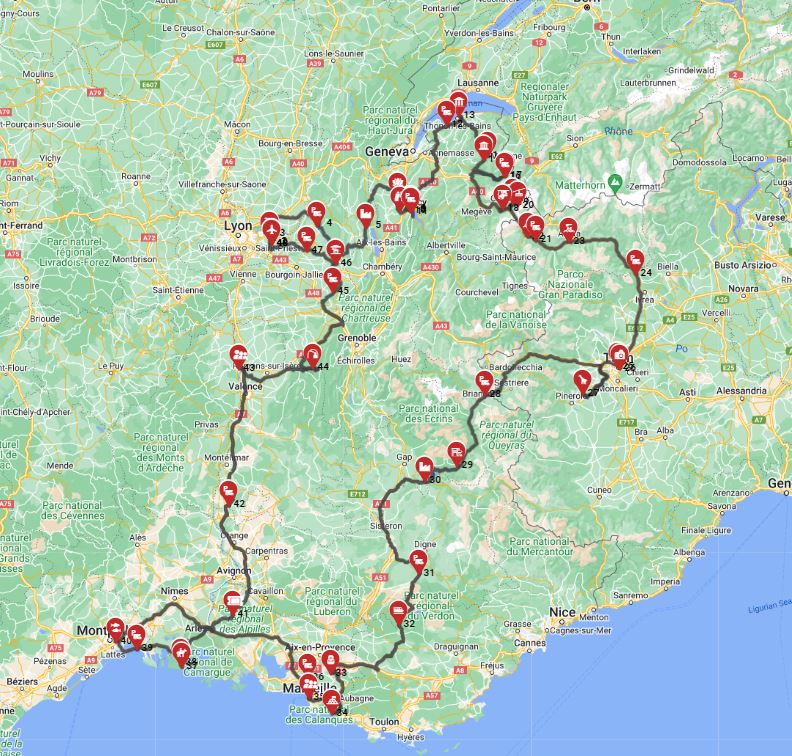
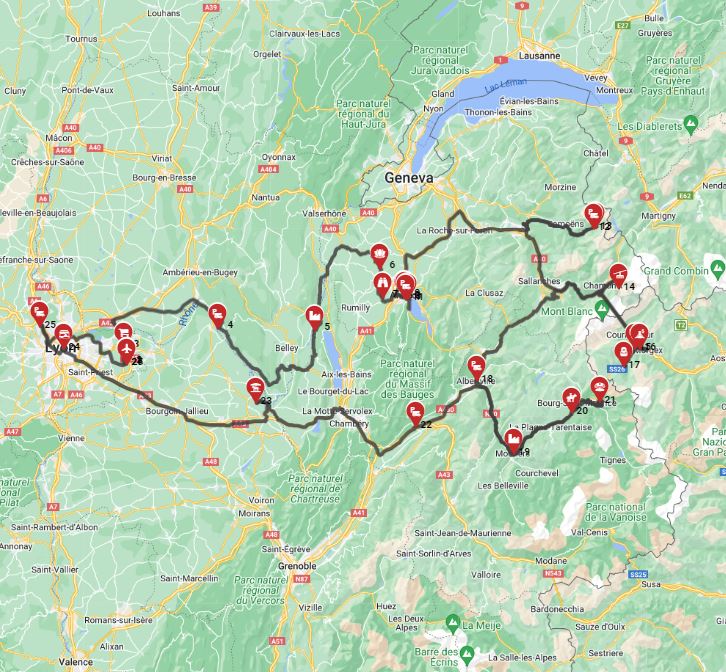
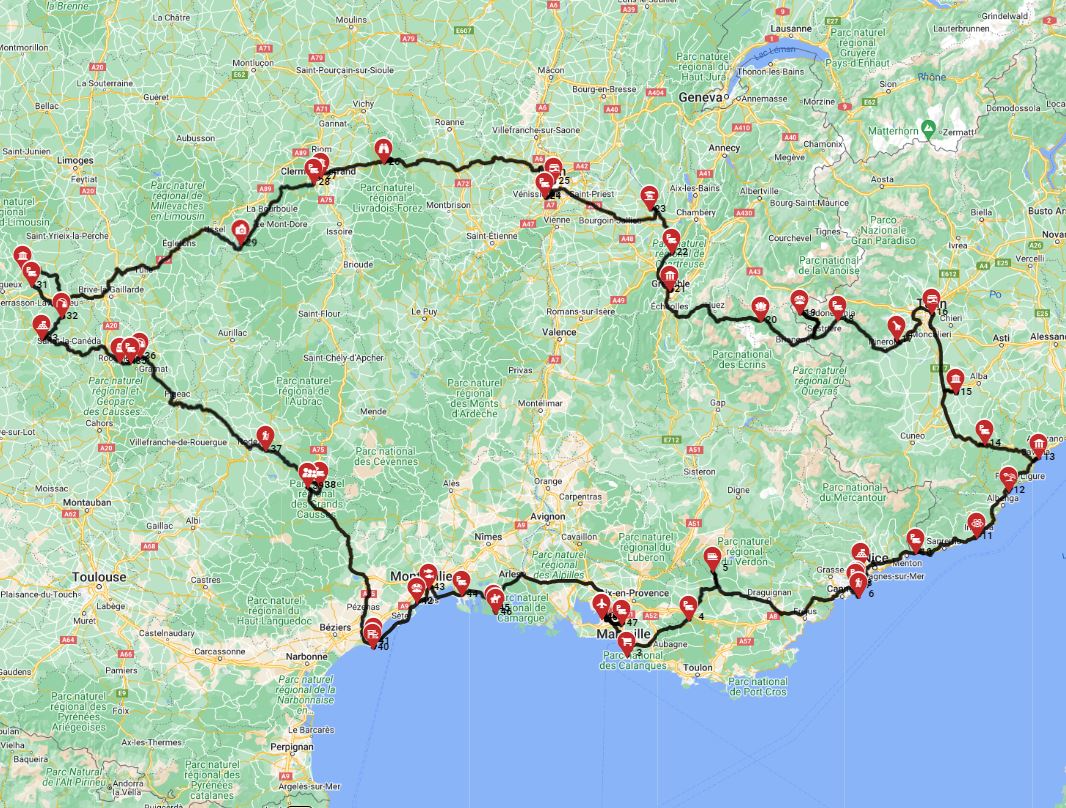
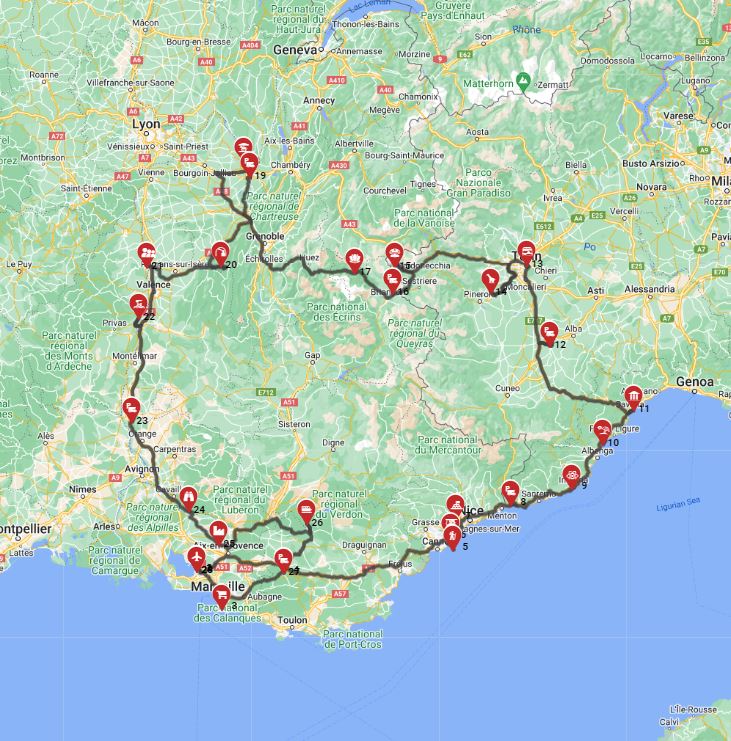
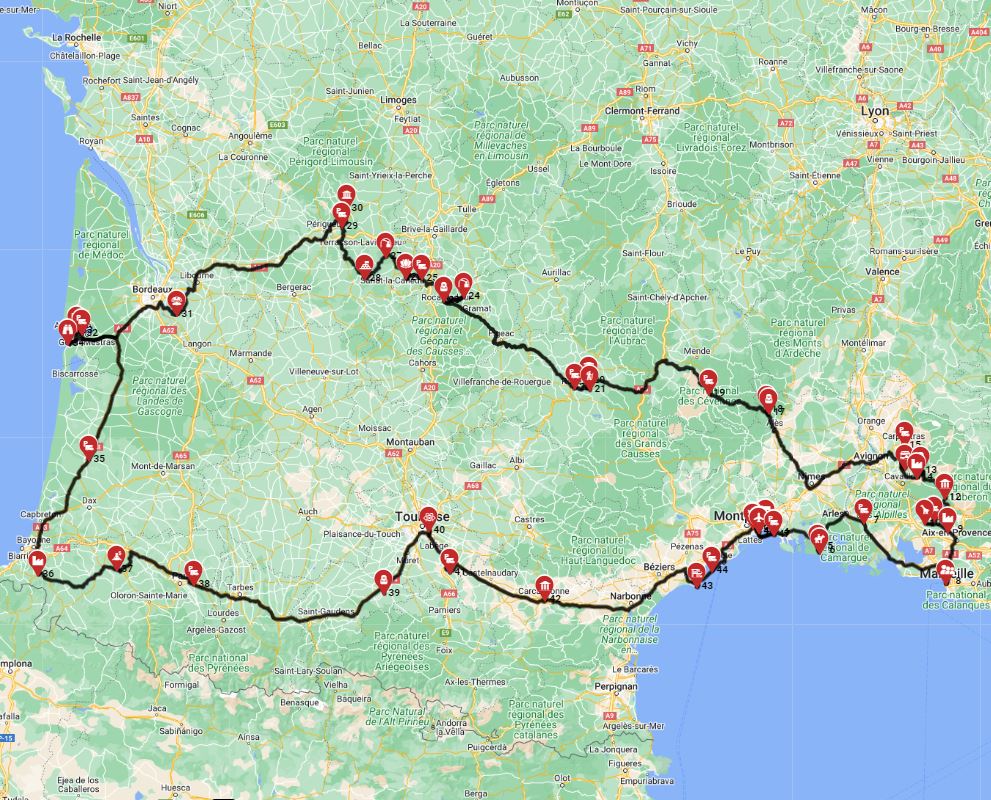
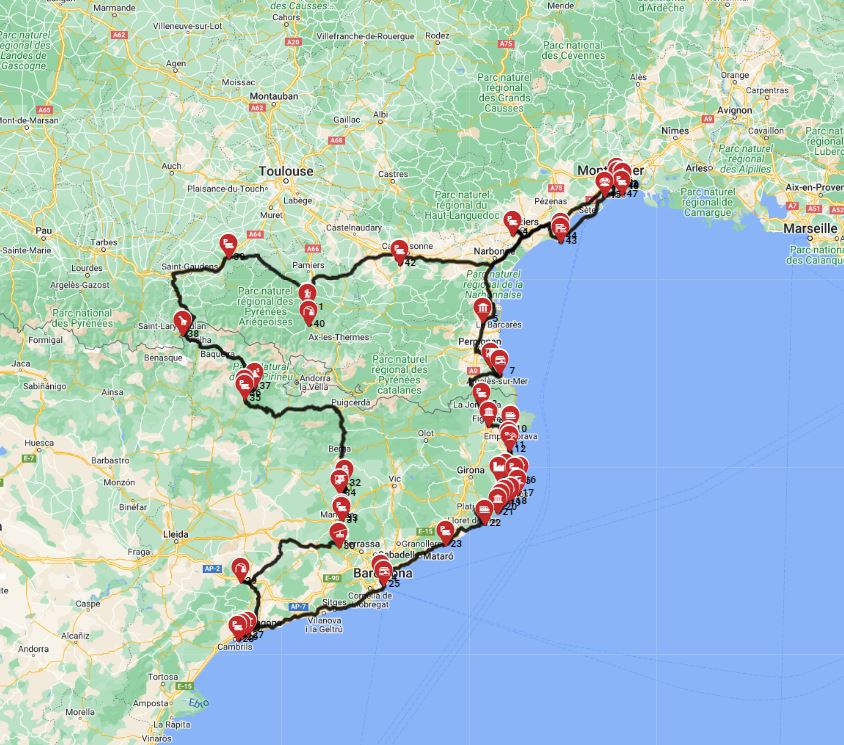
Most French campgrounds consistently offer standard hookups, including electricity (typically 220-240V with a CEE blue two-pin connector), fresh water, and convenient grey/black water disposal points (dump stations). Wi-Fi is increasingly prevalent at campgrounds, often available for free in communal areas or for a small fee at individual pitches, ensuring you stay connected. Expect clean, modern restroom and shower facilities at almost all reputable sites; many also feature laundry facilities with washers and dryers for a small charge. Additional amenities frequently include swimming pools, on-site restaurants, fresh bread delivery services in the mornings, and often designated pet-friendly areas, all designed to cater to the comfort and needs of senior travelers. On the routes offered through RV PLANET routes, you can itemize and track every expense along the way for easy budgeting.
Booking Windows & Reservations in France
For senior RVers planning a week-long trip or extended road trip to France, reserving campsites well in advance is highly recommended, especially during peak season (July-August) and for popular regions like the Côte d'Azur or Loire Valley. Many campgrounds, particularly those in national parks or highly sought-after areas, operate on a hybrid system, releasing a portion (typically 25-30%) of their spots for advance reservations, with the remaining available on a first-come, first-served basis. While spontaneous travel is certainly possible, especially during the quieter shoulder seasons (May-June, September-October), it is always a wise practice for seniors to call ahead to a campground before driving long distances to confirm availability and prevent any disappointment. Rest assured, you'll generally find a spot; if one campground is full, the next one nearby often has space, particularly outside of the most major tourist hubs.
Nearby Supermarkets & Resupply Points
Resupplying your rented RV in France is exceptionally convenient, as major supermarket chains like Carrefour, Leclerc, Auchan, and Intermarché are widely available across the country, typically situated on the outskirts of most towns and cities. These large supermarkets offer extensive selections, including fresh produce, delectable local specialties, and all the RV-friendly supplies you might need, making it incredibly easy for seniors to stock up comfortably. Smaller 'superettes' or vibrant local markets (marchés) found in village centers are excellent for picking up daily necessities and truly immersing yourself in the local culture, though their operating hours may be more limited. Additionally, many campgrounds provide small on-site shops for basic provisions, especially during high season, offering an easy option for seniors to grab essentials without needing to drive. To assist with budgeting, remember that on RV PLANET routes, travelers can itemize and track every expense along the way.
Best RV Class for Camping in France
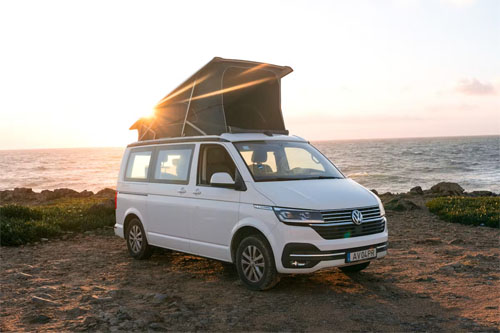
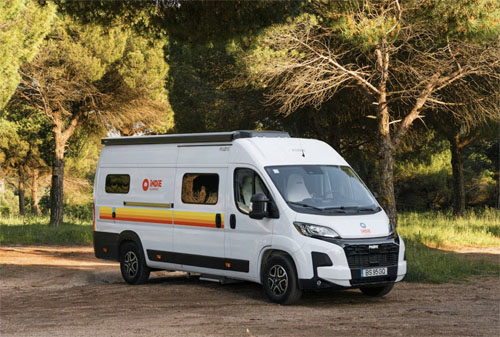
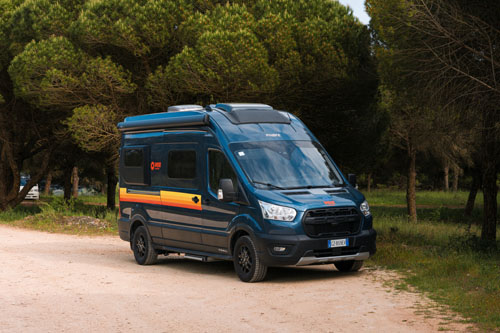
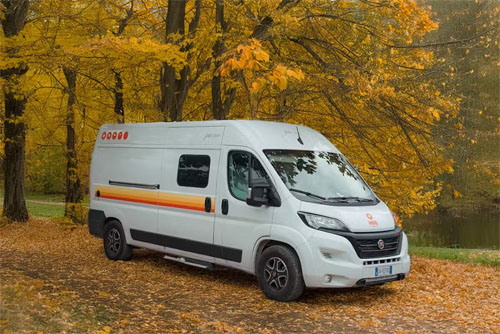
For seniors camping in France, a Class B Camper Van or a Class SI Semi-integrated RV often strikes the ideal balance of comfort, maneuverability, and ease of driving on French roads. Class B Camper Vans, typically averaging around 5.8 meters in length with 2-3 sleeping places, are nimble and far easier to navigate through smaller villages, winding country roads, and even city streets, while still providing essential amenities like a compact kitchen and bathroom for 2-3 adults, similar to the "hire campervan example Paradise S/T". Class SI Semi-integrated RVs, with an average length of 6.9 meters and around 3-4 sleeping places, offer more generous living space and enhanced comfort without being excessively large, making them suitable for longer trips or those desiring more amenities. Both classes generally offer good fuel efficiency, with Camper Vans typically consuming 8-10 Liters/100 km and Semi-integrated models around 10-11 Liters/100 km, making them economical choices for extensive travel in France.
How to Save on Campgrounds in France
Seniors can significantly reduce their camping costs in France by proactively researching and utilizing campground discount cards, which often provide substantial savings at participating sites across the country. Planning your trip during the shoulder seasons-late spring (May-June) and early autumn (September-October)-not only means encountering fewer crowds but also generally results in considerably lower campsite fees compared to the peak summer months. Opting for municipal or regional campgrounds over larger, private resort-style parks often yields substantial savings while still providing essential amenities and a more authentic local experience. Many campgrounds also offer weekly rates that are more economical than daily rates, so planning stays of three or more nights at a single location can yield further savings. For more insights into managing your expenses, consider our "Cheap RV Rental in France - Budget Guide 2024".
What is the best time of year to RV in France?
The best time of year for seniors to embark on an RV trip in France is generally during the shoulder seasons-late spring (May-June) and early autumn (September-October)-which consistently offer pleasant weather, notably fewer crowds, and often lower costs. During these quieter times, the benefits include easier access to popular attractions, more readily available campsite pitches, and a more relaxed pace of travel, perfect for enjoying the French countryside. While challenges during off-season travel might include some smaller facilities or restaurants being closed, particularly in very rural areas or specific coastal towns, major tourist routes and cities remain well-serviced. For spring, the Loire Valley and Provence are ideal for mild temperatures and blooming landscapes; in autumn, regions like Bordeaux or Alsace offer beautiful fall foliage and memorable wine harvest experiences, providing rich cultural immersion.
How much does it cost to rent an RV in France?
The cost to rent an RV in France varies significantly, based on factors such as the RV class, rental duration, season, and specific amenities included, typically ranging from €70 to €200+ per night. Beyond the rental fee, a realistic budget for an RV trip should carefully account for fuel (diesel, averaging 10-12 Liters/100 km for most motorhomes), highway tolls (which can be significant on major routes), 'aires de services' fees (some are free, others charge a small fee), and attraction entry costs. A comprehensive budget breakdown for seniors should also cover groceries (which can be economical if you embrace cooking in your rented RV, using our RV-friendly recipes playlist for inspiration), campsite fees (from €15 for municipal sites to €50+ for resort parks), and any optional insurance top-ups like Bandana's top-level deductible reimbursement. To provide a realistic financial plan, expect daily operational costs (fuel, tolls, camping, etc.) to add an additional €50-€100+ per day on top of your rental fee, depending on your travel intensity and choices. For more specific pricing details, consult our "RV Rental in France - Prices and Best Deals 2024" guide.
Can you wild camp in France in an RV?
While traditional 'wild camping' (setting up tents or extensive outdoor living with awnings and chairs) is largely prohibited in France, especially in coastal areas, national parks, and private land without permission, overnight parking in a self-contained RV is often tolerated, particularly in designated areas or if done discreetly and respectfully. It's crucial to understand the distinction: 'parking' for the night is different from 'camping,' and only the former might be permissible in some non-campsite locations. France has a unique and highly convenient system of 'Aires de Services' or 'Aires de Camping-Car' – dedicated parking areas specifically for RVs, some free and others paid, which offer basic but essential services like water, waste disposal, and sometimes electricity. These aires are your best legal option for free or low-cost overnight stays outside of official campgrounds, clearly outlining legal overnight parking options versus illegal roadside camping. Always look for signs indicating 'Interdit de camper' (No camping) or 'Stationnement camping-car autorisé' (RV parking authorized) to ensure compliance.
What are the rules for RV camping in France?
RV camping in France is governed by specific rules that aim to balance traveler freedom with environmental protection and local peace, emphasizing respect for local customs and regulations. Key rules include adhering to speed limits (which can vary for RVs, often 110 km/h on motorways and 80 km/h on secondary roads) and understanding specific road signs for campervans. While driving your rented RV, be aware of limited access zones in certain historic city centers; for these areas, it's often more relaxed to park on the outskirts and use public transport. French etiquette for RVers involves maintaining quiet, properly disposing of all waste at designated 'Aires de Services,' and being considerate of local residents, especially when parking overnight outside of official sites. For foreign RVers, an International Driving Permit (IDP) is recommended alongside your national driver's license, and ensuring your comprehensive travel insurance covers international travel and RV rentals is crucial for peace of mind. Engaging with locals using basic French phrases (e.g., 'Bonjour', 'Merci') and participating in market shopping truly enhances cultural immersion and often leads to more authentic culinary experiences.
What are the essential items for an RV trip to France?
Essential items for a comfortable RV trip to France include a European travel adapter (specifically a CEE blue two-pin connector for electricity), sufficient bottled water, and a robust GPS system with up-to-date European maps. Packing lightweight, layered clothing suitable for varying weather, comfortable walking shoes for exploring, and a well-stocked first-aid kit is particularly crucial for senior travelers. Do not forget important documents such as your passport, an International Driving Permit (IDP) (recommended, though not always mandatory), comprehensive travel insurance, and copies of your RV rental agreement and vehicle registration. Additional useful items include a French phrasebook or translation app, insect repellent, sun protection, and any personal comfort items that help make your rented motorhome feel like a cozy home on the road. For more packing tips, consider checking out our "RV Rental in France - Prices and Best Deals 2024" guide.
What type of RV is best for seniors in France?
For seniors traveling in France, the best RV type is typically a Class B Camper Van or a Class SI Semi-integrated model due to their ease of driving, comfortable amenities, and superior maneuverability. Class B Camper Vans, like an "rv rental denver example Category Van" (averaging 5.8m long), are excellent for navigating narrow country lanes and parking in charming towns, offering a superb balance of compactness and essential living facilities perfect for a couple, with average sleeping places of 2-3. Class SI Semi-integrated RVs, such as the "2 Berth Rover" (averaging 6.9m long), provide more interior space, a larger bathroom, and often a fixed bed, which can be a significant comfort for seniors on longer journeys, comfortably accommodating 2-4 adults. When choosing the right RV size, always consider your comfort level with driving larger vehicles, the number of travelers, and your planned itinerary-smaller campervans are ideal for winding mountain roads or city access, while slightly larger semi-integrated models suit open countryside exploration. Drive slowly and carefully, and you can drive almost anywhere without issues. No need to stress - just use common sense and pay attention.
Is it easy to drive an RV in France?
Driving a rented RV in France is generally quite manageable, especially on the excellent network of major highways, but it can present unique challenges in historic city centers or very rural areas with narrow roads, requiring careful navigation and planning. Comprehensive practicalities for foreign RVers include diligently understanding French road signs, adhering to specific speed limits (which are typically lower for RVs compared to cars, often 110 km/h on motorways and 80 km/h on secondary roads), and being mindful of height and weight restrictions. Specific insurance considerations for non-EU vehicles or rentals should be reviewed thoroughly with Bandana RV to ensure adequate coverage for accidents, theft, and breakdowns; most rental companies offer comprehensive packages, and you can upgrade to a top-level deductible for extra peace of mind. Navigating city driving can be challenging due to smaller streets and limited parking; planning to park your motorhome on the outskirts and utilizing France's efficient public transport system is often a more relaxed and enjoyable option for seniors. Familiarize yourself with emergency procedures, including knowing the European emergency number (112) and carrying mandatory safety vests and a warning triangle in your vehicle. For those looking for pre-planned routes that simplify navigation, explore the options on RV PLANET (rvplan.net).
How do I find RV parks in France?
Finding RV parks and 'Aires de Services' in France is made remarkably easy through a variety of dedicated apps, websites, and guidebooks, providing numerous options from full-service campgrounds to basic overnight parking spots. Key digital resources include popular apps like Park4night and Campercontact, which offer extensive databases of locations, user reviews, and essential services, and official guides from organizations such as the French Federation of Camping and Caravanning (FFCC). France's unique 'Aires de Services' system is invaluable for RVers; these designated areas, distinct from wild camping or official campsites, offer essential services like fresh water, waste disposal, and sometimes electricity, with clear etiquette guidelines on short-term stays and proper usage. Always look for clear signage along major routes for 'Camping-Car' or 'Aire de Services' which will direct you to these convenient facilities, providing practical solutions for both planned stays and spontaneous overnight stops. For finding campsites and campgrounds during your trip, we recommend using RV PLANET (rvplan.net) - a great resource for locating available spots along your route.
Are there age restrictions for RV rental in France?
While specific age restrictions for RV rental in France can vary slightly by individual rental company, most require drivers to be at least 21 years old to rent a motorhome or campervan. It is important to note that unlike some other destinations, there are generally no young driver surcharges and no vehicle class restrictions based on age in France for drivers 21 and over. However, seniors should always verify the exact age policies with their chosen rental provider through Bandana RV before finalizing a booking, as some may still impose an upper age limit (typically around 75 or 80) for insurance reasons, although this is becoming less common. It is also standard for rental companies to require a valid driver's license held for a minimum number of years (e.g., 2-3 years) regardless of age, so ensure your license meets this criterion. Always remember, a standard car driver's license is sufficient for ALL motorhome classes (Class A, Class B, and Class C), with an International Driving Permit recommended for non-English speaking visitors, but not strictly mandatory in most cases, ensuring a smooth booking process for your French RV adventure.
What You Shouldn't Miss
- **The Lavender Fields of Provence:** Experience the breathtaking sight and scent of blooming lavender from mid-June to mid-July. Park your campervan near Valensole or Sault and immerse yourself in the vibrant purple landscapes.
- **The Châteaux of the Loire Valley:** Explore magnificent castles like Château de Chambord and Chenonceau. Many regional campgrounds offer excellent bases for day trips to these historic wonders, often within a 50 km radius.
- **D-Day Landing Beaches, Normandy:** For history buffs, a poignant journey along the Normandy coast to sites like Omaha Beach and the American Cemetery is a must. Integrate this into an extended road trip for a powerful and educational experience.
- **Alsace Wine Route:** Drive your rented motorhome along France's oldest wine route, stretching over 170 km, stopping at picturesque villages like Eguisheim and Riquewihr for wine tastings and local gastronomy.
- **Dordogne Valley's Prehistoric Caves:** Discover ancient art in caves like Lascaux IV near Montignac. The region is rich in natural beauty and offers numerous campsites, perfect for a slow travel pace.
- Looking for expert insights from Avi Bandana? Top 5 Adventures - recommendations from Avi Bandana.
🎬 Video coming soon
Final Thoughts
Embarking on a rented RV journey through France is a truly delightful way for seniors to experience this diverse and beautiful country at their own pace. With excellent camping infrastructure, charming towns, and stunning landscapes around every corner, your motorhome becomes your personal gateway to discovery. Imagine the freedom of changing your view daily, from coastal cliffs to rolling vineyards, without the hassle of packing and unpacking.
Bandana RV is here to make your dream French RV vacation a reality. Our commitment to full transparency, expert advice, and supportive service means you can book with confidence, knowing you're in the hands of specialists who truly understand RV travel. So, pack your bags, prepare your itinerary, and get ready to create unforgettable memories on the open roads of France.
Ready to find your ideal motorhome for an unforgettable adventure? Compare RV Rental Prices for France Now and discover the perfect rented caravan for your journey. Happy travels!