In This Guide
- Where to Camp in France — Top Options
- Campground Types in France (National, Private, Wild)
- Featured RV Park or Campground in France
- Hookups & Amenities — What to Expect
- Booking Windows & Reservations in France
- Nearby Supermarkets & Resupply Points
- Best RV Class for Camping in France
- How to Save on Campgrounds in France
- Detailed breakdown of RVing costs and budget planning
- Comprehensive guide to French driving regulations for RVs
- In-depth explanation of 'Aires de Services'
- Seasonal considerations for RV travel in France
- Logistical comparison: renting an RV in France vs. bringing your own
- Practical advice on navigation tools and apps for RVs in France
- Cultural nuances, etiquette, and essential French phrases for RV travelers
- Specific safety and security tips for RV travelers in France
France, a country celebrated for its diverse landscapes, rich history, and exquisite cuisine, truly comes alive when explored by a rented RV or campervan. Imagine waking up to the sounds of waves crashing on the Atlantic coast, the serene silence of an Alpine valley, or the gentle rustle of grapevines in Bordeaux. With a motorhome rental, this dream becomes your daily reality. At Bandana RV, we believe in full transparency, providing you with honest, upfront information to ensure no hidden fees or surprises spoil your adventure. For live availability and current prices, start with our RV Rental France - Complete Guide 2026 guide.
Where to Camp in France — Top Options
France provides a rich tapestry of camping destinations, ranging from the sun-drenched beaches of the Mediterranean to the rugged peaks of the Alps and the tranquil vineyards of the countryside, offering unparalleled freedom for your motorhome rental adventure. Coastal regions like Brittany and the Côte d'Azur beckon with picturesque seaside pitches, perfect for those dreaming of ocean breezes and fresh seafood. Adventurers will find their calling in mountainous areas such as the French Alps or Pyrenees, which cater to hikers, cyclists, and nature enthusiasts with stunning views and challenging trails. Meanwhile, inland regions like the Loire Valley or Dordogne are ideal for cultural and gastronomic exploration, allowing you to park your rented campervan amidst historic châteaux or rolling vineyards.
Campground Types in France (National, Private, Wild)
France offers a variety of camping environments for your motorhome rental, primarily categorized into private or municipal campgrounds, national park sites, and highly restricted areas for wild camping, each with distinct rules and amenities to suit different travel styles. Private campgrounds are often the most amenity-rich, offering extensive facilities such as swimming pools, restaurants, and entertainment programs, typically rated with stars from one to five. Municipal campgrounds, run by local councils, are generally more basic, affordable, and often conveniently located closer to town centers, perfect for experiencing local life. National Park sites, sometimes known as 'Campings à la Ferme' (farm camping), may offer unique, rustic experiences, often with limited amenities and strict rules designed to preserve the natural environment. However, wild camping or bivouacking in an RV is generally illegal in France, though bivouacking (pitching a tent from dusk till dawn without a vehicle) may be tolerated in some remote areas with explicit permission or specific local regulations. RV wild camping is largely prohibited, so always aim for official sites or designated *aires*.
Featured RV Park or Campground in France
When planning an RV trip in France, finding the right campground means looking for key features such as comprehensive hookups, family-friendly facilities, and proximity to scenic routes or cultural sites. Many top-rated campgrounds across France, from the bustling Camping Le Capeyrou in the Dordogne to the tranquil Les Embruns in Brittany, offer a blend of natural beauty and essential services. For instance, Camping Le Capeyrou provides 120 fully serviced pitches, a swimming pool, and direct access to medieval villages, ideal for families seeking cultural immersion. You can easily discover these highly-rated sites and read traveler reviews by using popular RV community apps like Park4Night or Campercontact. Prioritize sites that offer essential services like electricity (typically 230V European standard), fresh water, and convenient waste disposal to ensure a comfortable stay in your rented motorhome. Consider locations that provide easy access to local attractions or unique regional experiences, such as wine tasting tours in Bordeaux or exploring the D-Day landing beaches in Normandy, for a truly enriching adventure.
Hookups & Amenities — What to Expect
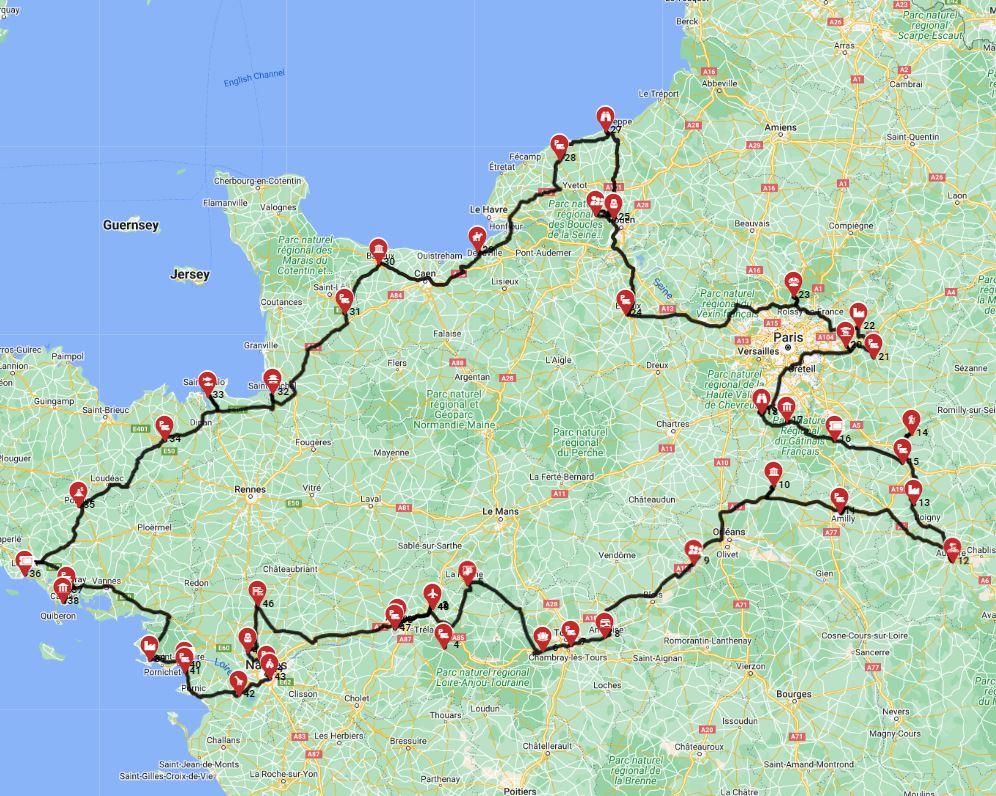
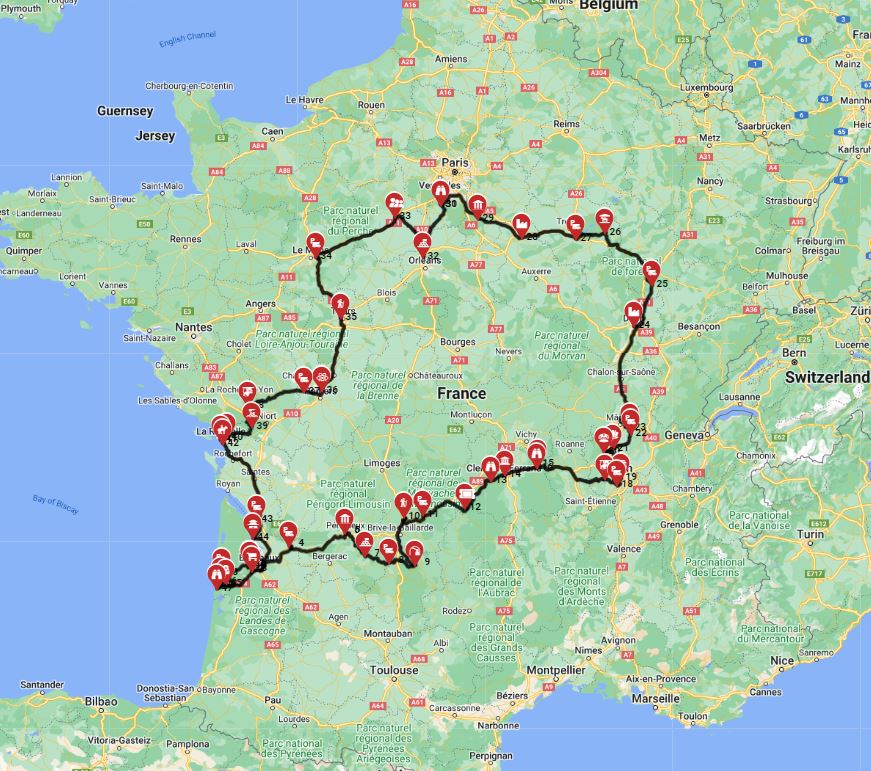
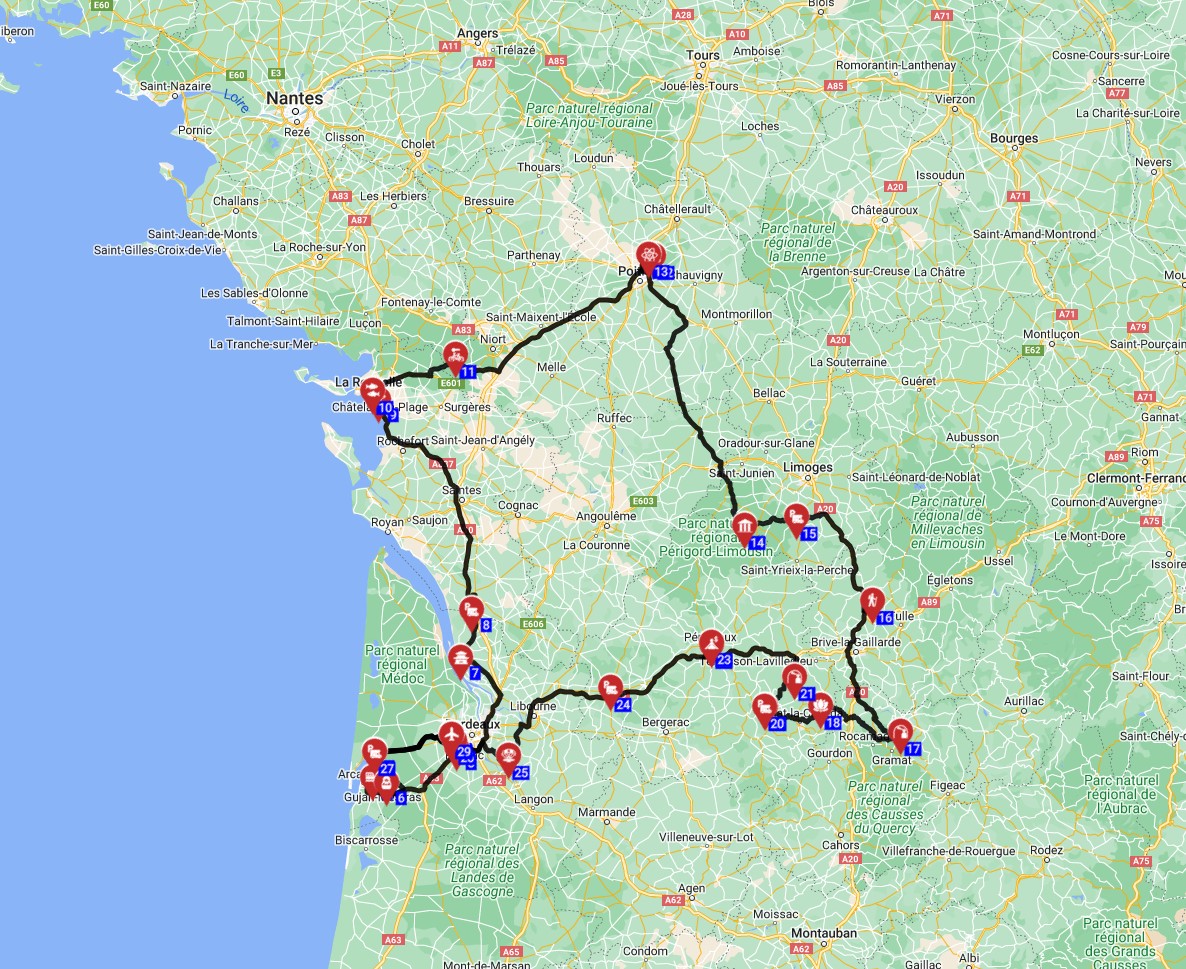
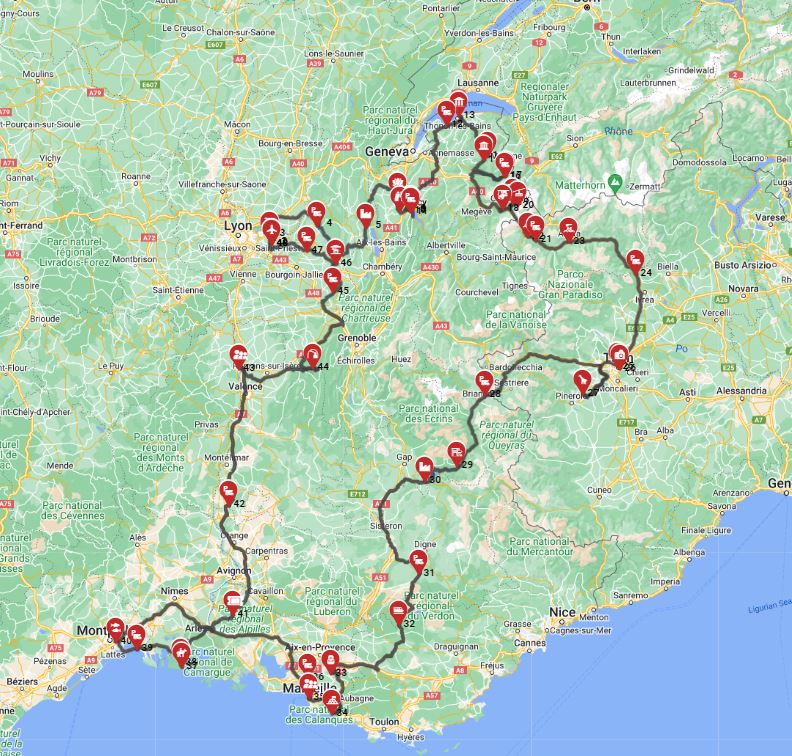
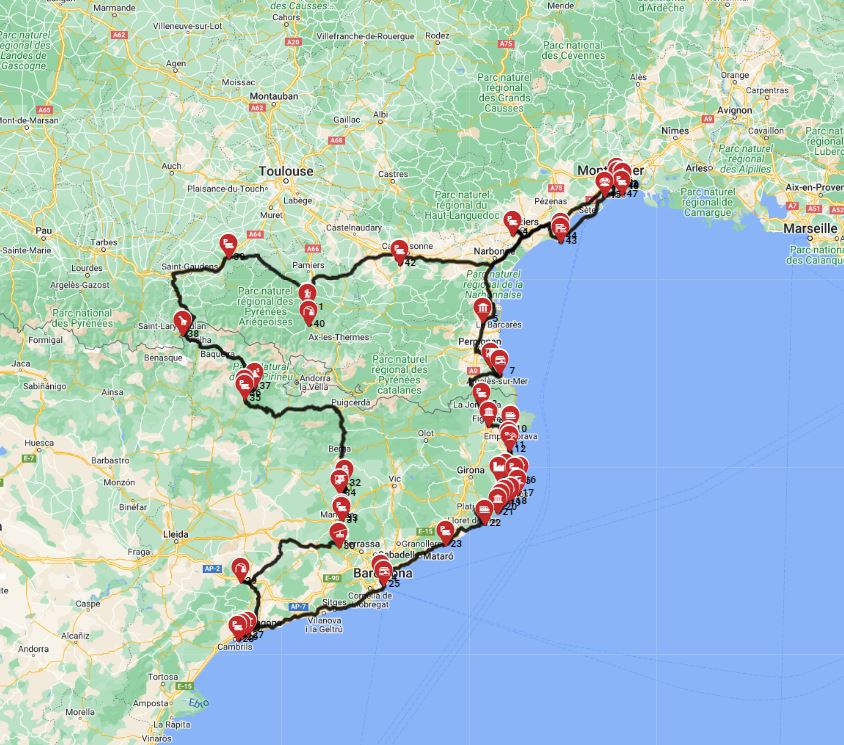
When camping in a rented RV in France, travelers can generally expect well-maintained facilities offering essential hookups such as electricity, fresh water access, and waste disposal points. Electricity is commonly available at most pitches, typically providing 230V with 6-16 amp connections; ensure you bring an adapter for European two-pin plugs (CEE 7/7 or CEE 7/17) to connect your campervan seamlessly. Fresh water taps are common throughout campgrounds, and dedicated grey water and black water dump stations are standard for convenient waste management. Beyond these essentials, many French campgrounds enhance your stay with amenities like Wi-Fi (often paid or limited to reception areas), hot showers, laundry facilities, and sometimes even swimming pools, playgrounds, or on-site shops. These amenities make your extended road trip comfortable and enjoyable, whether you're traveling in a Class B campervan or a larger Class C motorhome. On the routes offered through RV PLANET routes, you can itemize and track every expense along the way for easy budgeting.
Booking Windows & Reservations in France
Securing an RV pitch in France varies based on your travel style; planners should book popular campgrounds months ahead, especially for peak season, while spontaneous travelers can often find spots last-minute, though calling ahead is prudent. For peak season, which includes July and August, it is essential to book popular coastal or highly sought-after campgrounds 3-6 months in advance. During the shoulder season, from April to June and September to October, booking a few weeks to a month ahead is usually sufficient to guarantee a spot. If you prefer off-season travel, it's often possible to arrive without a reservation, as many smaller sites and municipal campgrounds operate on a first-come, first-served basis. Remember that many national and state parks reserve only 25-30% of their spots for online reservations, leaving the majority available for walk-ins. You'll find a spot; if not at the first campground, then the next one. Always call ahead before driving to confirm availability for your rented motorhome.
Nearby Supermarkets & Resupply Points
RV travelers in France will find convenient resupply options at major supermarket chains like Carrefour, Leclerc, Auchan, and Super U, which are prevalent throughout the country and typically offer parking suitable for RVs. These large hypermarkets are usually located on the outskirts of towns and provide comprehensive selections of groceries, fresh produce, and other travel essentials. For a more authentic experience, explore local *marchés* (markets) found in almost every town, offering fresh produce, artisanal cheeses, and regional specialties perfect for preparing meals in your rented campervan. Smaller, more budget-friendly stores such as Intermarché, Lidl, and Aldi are also widely available, though their parking areas might be tighter for larger Class C motorhomes. Planning your meals and stocking up from these diverse options is easy, allowing you to enjoy delicious RV-friendly recipes playlist on the go.
Best RV Class for Camping in France
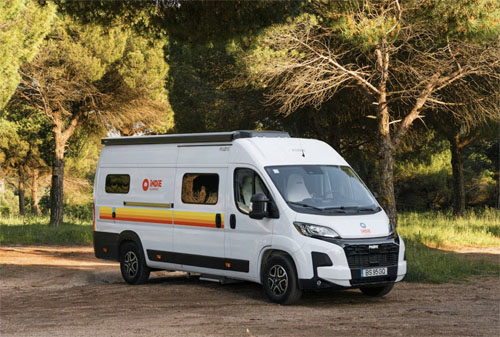
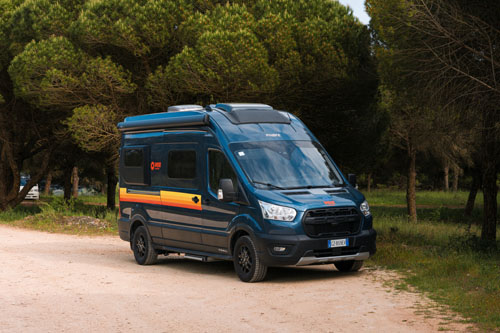
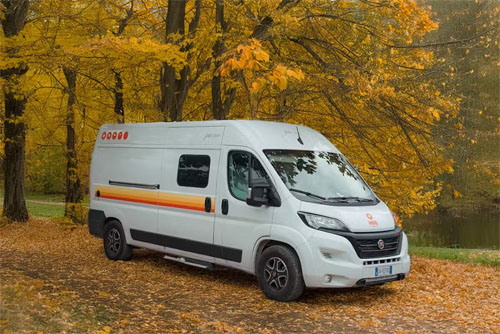
The ideal RV class for camping in France largely depends on your travel style and desired comfort, with compact Class B Camper Vans and versatile Class SI - Semi-integrated models often providing the best balance for navigating French roads and campsites. Class B Camper Vans, averaging 5.8m in length with about 3.2 sleeping places, are excellent for navigating narrow country roads and city centers, offering flexibility for exploring diverse regions. For those seeking more space and amenities, a Class SI - Semi-integrated motorhome, with an average length of 6.9m and typically 3.8 sleeping places, offers a good compromise between interior comfort and maneuverability, making it suitable for extended trips and compatible with most campgrounds. While larger Class C - Alcove (averaging 7.5m with 5.8 sleeping places) or Class A - Integrated (averaging 7.5m with 4.4 sleeping places) motorhomes offer more spacious living areas, their size can be challenging on smaller roads and in older village centers, requiring careful route planning. Drive slowly and carefully, and you can drive almost anywhere without issues. No need to stress - just use common sense and pay attention.
How to Save on Campgrounds in France
Saving money on campgrounds in France can be achieved through several strategies, including leveraging discount cards, booking during off-peak seasons, and choosing municipal sites over more expensive private resorts. Utilizing campground discount cards like ACSI, CampingCard International, or ADAC can offer reduced rates during off-peak and shoulder seasons at hundreds of participating sites across the country, potentially saving you 15-25% on nightly fees. Traveling during the shoulder season (April-May or September-October) also avoids peak pricing and significantly fewer crowds, enhancing your experience in a rented RV. Opting for municipal campgrounds often provides basic, well-maintained pitches at significantly lower prices (e.g., €15-€30 per night) compared to private, resort-style campgrounds which can easily exceed €50. Furthermore, many campgrounds offer weekly rates that are more economical than nightly bookings, encouraging longer stays. Lastly, take advantage of France's extensive network of *aires de services*, many of which offer free or very low-cost overnight parking, though amenities are typically more basic.
Detailed breakdown of RVing costs and budget planning
Budgeting for a motorhome trip in France requires considering multiple expenses, including fuel, extensive road tolls, varied accommodation costs for campsites or *aires de services*, food, attractions, and crucial insurance coverage. Fuel is a significant expense, with diesel (Gazole) being common for most European RVs. Bandana's Class SI and C motorhomes typically consume 10-12 Liters/100 km, while Class B Camper Vans average 8-10 Liters/100 km, so factor in current fuel prices which fluctuate. French motorways (autoroutes) operate a comprehensive toll system, which can accumulate significantly, so budget for these, or plan routes using toll-free national roads (N-roads) to save money. Campsites can cost anywhere from €15-€50+ per night depending on location and amenities, whereas *aires de services* can be free, €5-€15 for services, or €10-€20 for overnight parking. Cooking in your rented RV can save substantially on food costs compared to dining out, by shopping at local supermarkets and markets. Budget for entry fees to France's countless museums, châteaux, and other tourist sites. Finally, ensure your rental RV includes comprehensive insurance coverage for France, including roadside assistance for complete peace of mind. Remember, with RV PLANET routes, travelers can itemize and track every expense along the way for easy budgeting.
Comprehensive guide to French driving regulations for RVs
Navigating France in a rented RV requires a thorough understanding of local driving regulations, encompassing mandatory Crit'Air stickers for urban low emission zones, strict adherence to vehicle dimension and weight limits, and specific winter driving requirements in mountainous regions. The Crit'Air sticker is mandatory for all vehicles, including foreign-registered RVs, to enter designated low emission zones (ZFE-m) in many French cities such as Paris, Lyon, Marseille, and Strasbourg. You must purchase this sticker online in advance, as fines apply for non-compliance. Be acutely aware of your rented RV's height, width, and weight, as certain roads, bridges, and tunnels have restrictions; using a GPS system optimized for RVs can help avoid unsuitable routes. Speed limits for RVs over 3.5 tonnes are generally lower than for passenger cars, typically 90 km/h on motorways and 80 km/h on national roads, so always pay attention to signage. For winter driving, from November 1 to March 31, winter tires or snow chains are mandatory in designated mountainous areas. Always check local signage and weather forecasts to ensure compliance and safety for your European motorhome adventure.
In-depth explanation of 'Aires de Services'
France's *aires de services* are dedicated service and parking areas for RVs, offering essential amenities like water and waste disposal, with specific etiquette for use, and they serve as legal alternatives to generally prohibited wild camping or unauthorized overnight parking. These ubiquitous sites, numbering over 10,000, range from simple parking spots with basic services (fresh water, grey and black water dump points) to more equipped sites that allow overnight stays, sometimes with coin-operated electricity hookups. Proper usage etiquette is crucial: always keep sites clean, dispose of waste properly, and limit your stay to designated durations, typically 24-48 hours. Be mindful of noise, especially during quiet hours, to ensure a respectful experience for everyone. Finding *aires de services* is easy with indispensable resources like apps such as Park4Night and Campercontact, which provide locations, available amenities, photos, and user reviews. It's important to remember that wild camping in France is generally illegal, and overnight parking in non-designated areas is often prohibited, especially along coasts, in natural parks, and within city limits, with fines for violations. Sticking to official campgrounds or *aires* ensures a hassle-free journey for your rented campervan.
Seasonal considerations for RV travel in France
Planning an RV trip to France requires careful consideration of seasonal variations, as the best times to visit specific regions depend on desired weather, crowd levels, and the opening and closing dates of campsites and attractions. Spring (April-May) offers pleasant temperatures, blooming landscapes, and fewer crowds, making it ideal for exploring central France, such as the Loire Valley, though some higher mountain passes may still be closed. Summer (June-August) is peak season, bringing hot weather, especially in the South, and large crowds to popular destinations. During this period, booking campsites well in advance is essential. Autumn (September-October) provides mild weather, vibrant fall colors, and fewer tourists, making it excellent for vineyard regions like Bordeaux and Burgundy or for hiking in your rented motorhome. Be aware that some smaller campsites and attractions may begin to close towards late October. Winter (November-March) is colder, with snow in mountainous areas, and many campsites, particularly coastal ones, will be closed. This season is best suited for winter sports in the Alps or city breaks, offering fewer RV-specific camping options.
Logistical comparison: renting an RV in France vs. bringing your own
The choice between renting an RV in France or bringing your own involves distinct logistical considerations, primarily regarding vehicle compliance, necessary adapters, insurance coverage, and the complexities of ferry travel if coming from outside mainland Europe. When you choose a rented RV from a Bandana partner, the vehicle is typically compliant with French regulations, and often sized appropriately for European roads. Bringing your own RV, especially from North America, requires verifying dimensions against European standards, ensuring emissions compliance, and potentially adjusting headlights for right-hand driving. Rental RVs come equipped for European power (230V) and gas connections, whereas bringing your own vehicle necessitates specific power adapters (CEE 7/7 or CEE 7/17) and potentially gas cylinder adapters. Basic French insurance is usually included in rental agreements, but for your own RV, you must confirm your international policy covers France comprehensively, including roadside assistance and specific RV clauses. Furthermore, bringing your own RV from regions like the UK or Ireland involves booking ferries, which can be costly and require specific vehicle category selection based on length and height. Renting locally in France avoids these complexities and ensures you hit the road with minimal fuss.
Practical advice on navigation tools and apps for RVs in France
Effective RV navigation in France relies on specialized tools and apps designed to account for vehicle dimensions, helping travelers avoid common pitfalls like low bridges, narrow roads, and unsuitable routes. Investing in an RV-specific GPS system, such as a Garmin Camper or TomTom Go Camper, is highly recommended as it allows you to input your rented RV's height, weight, and length to route you away from restricted areas. While general navigation apps like Google Maps or Waze are useful for overall directions, always cross-reference them with RV-specific apps for road suitability, especially in rural or historic areas. Crucially, RV community apps like Park4Night and Campercontact are invaluable resources for finding *aires de services*, campgrounds, and even user-contributed wild camping spots, often accompanied by user comments warning of road difficulties, low clearances, or tight turns. Carrying a detailed physical road map as a backup is also a smart move, especially for rural areas where mobile signal might be weak, ensuring you always have a way to find your path.
🎬 Video coming soon
Cultural nuances, etiquette, and essential French phrases for RV travelers
Enriching a motorhome journey through France significantly benefits from an awareness of local cultural nuances, adherence to common etiquette, and the use of essential French phrases to facilitate positive interactions and experiences. Always start interactions with a polite 'Bonjour' (Good day) or 'Bonsoir' (Good evening) and 'Monsieur' or 'Madame,' depending on who you are addressing. A simple 's'il vous plaît' (please) and 'merci' (thank you) go a long way, as French people highly appreciate efforts to speak their language, however basic. Dining etiquette is generally more formal; wait to be seated, keep your hands visible but off the table, and avoid loud conversations. At *aires de services* and campgrounds, be a considerate neighbor: keep noise down, especially during designated quiet hours, and always leave your pitch tidy. Learning basic phrases for asking directions ('Où est...?' - Where is...?), ordering food, shopping, and handling emergencies will significantly enhance your experience and make your RV rental trip smoother and more enjoyable. Travel slowly, max 100-150 km per day on average, and take time to feel the place, connect to the culture, the food, and the scenery.
Specific safety and security tips for RV travelers in France
Ensuring safety and security during a rented RV trip in France involves proactive measures such as robust theft prevention, familiarity with breakdown procedures, and having immediate access to crucial emergency contacts. Always lock your RV, even when stopping briefly for a photo opportunity or a quick break. Do not leave valuables visible, and consider additional security measures like steering wheel locks or alarm systems, especially when parking overnight in urban or isolated areas. For overnight stays, choose well-lit, busy campgrounds or secure *aires de services* rather than isolated rest stops on motorways. In case of a breakdown, ensure your rental RV comes with comprehensive roadside assistance coverage and keep the rental company's emergency number readily available. In an emergency situation, always wear a reflective vest and place a warning triangle to alert other drivers. Remember, for all emergencies (Police, Ambulance, Fire), dial 112, a free number that works throughout Europe from any phone. Keep a physical list of important contacts, including the rental company and your insurance provider, in your campervan for easy access.
What You Shouldn't Miss
- Drive the Route des Grandes Alpes: Traverse over 700 km of breathtaking mountain passes, including the highest paved road in Europe, Col de la Bonette, offering stunning vistas and exhilarating driving for your motorhome.
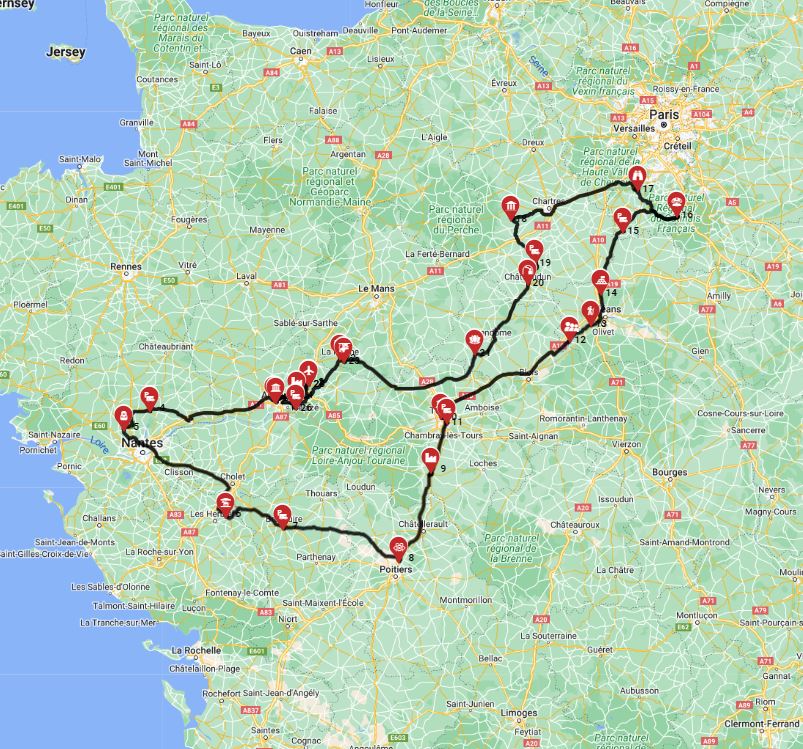
- Explore the Loire Valley Châteaux: Park your RV near magnificent castles like Chenonceau, Chambord, and Villandry, and enjoy cycling through picturesque villages and vineyards.
- Relax on the French Riviera: Discover glamorous coastal towns such as Nice and Saint-Tropez, enjoy the Mediterranean beaches, and savor fresh seafood.
- Wander through Provence's Lavender Fields: Visit in early summer to witness the iconic purple landscapes and charming hilltop villages like Gordes and Roussillon.
- Indulge in Dordogne's Prehistoric Caves and Cuisine: Explore the famous Lascaux caves and enjoy local gastronomic delights, including truffles and foie gras, readily available at regional markets.
- Discover Normandy's D-Day Landing Beaches: Pay tribute at historical sites like Omaha Beach and the American Cemetery, combining somber history with beautiful coastal scenery.
Looking for expert insights from Avi Bandana? Top 5 Adventures - recommendations from Avi Bandana
Final Thoughts
A motorhome rental adventure in France truly is an unforgettable way to immerse yourself in the country's breathtaking landscapes, rich culture, and world-renowned cuisine. From the sun-kissed coasts to the majestic peaks and historic vineyards, having your own mobile home allows you unparalleled flexibility and the chance to create your own pace. With Bandana RV, you're not just booking a vehicle; you're securing a partner dedicated to making your journey smooth and enjoyable.
We handle the details, so you can focus on living the journey. Our commitment to full transparency, 24/7 support, and offering expertly curated itineraries means you can travel with confidence, knowing every aspect of your trip, from booking to breakdown, is covered. So, whether you're dreaming of a week-long trip through Normandy or a two-week adventure across the South of France, your perfect RV is waiting.
Don't just dream about it – make it a reality. Compare Motorhome Prices for France now and start planning an experience that will stay with you long after you've returned home.