For live availability and current prices, start with our RV Rental Europe - Complete Guide 2026 guide.
In This Guide
- Where to Camp in Europe - Top Options
- Campground Types in Europe (National, Private, Wild)
- Featured RV Park or Campground in Europe
- Hookups & Amenities - What to Expect
- Booking Windows & Reservations in Europe
- Nearby Supermarkets & Resupply Points
- Best RV Class for Camping in Europe
- How to Save on Campgrounds in Europe
- Can you park a motorhome anywhere in Europe?
- What is the 3-3-3 rule for RV travel?
- Is Europe RV friendly?
- What is the 333 rule for campervan?
- Is rving a thing in Europe?
- What is the 3 3 3 rule for RV travel?
- Which European country has the best campsites?
- Can you sleep anywhere in a campervan in Europe?
- What is the best app for campsites in Europe?
- What is the 28 day rule regarding camping?
- What You Shouldn't Miss
- Why Book with Bandana Caravan
- Final Thoughts
- Frequently Asked Questions
Where to Camp in Europe - Top Options
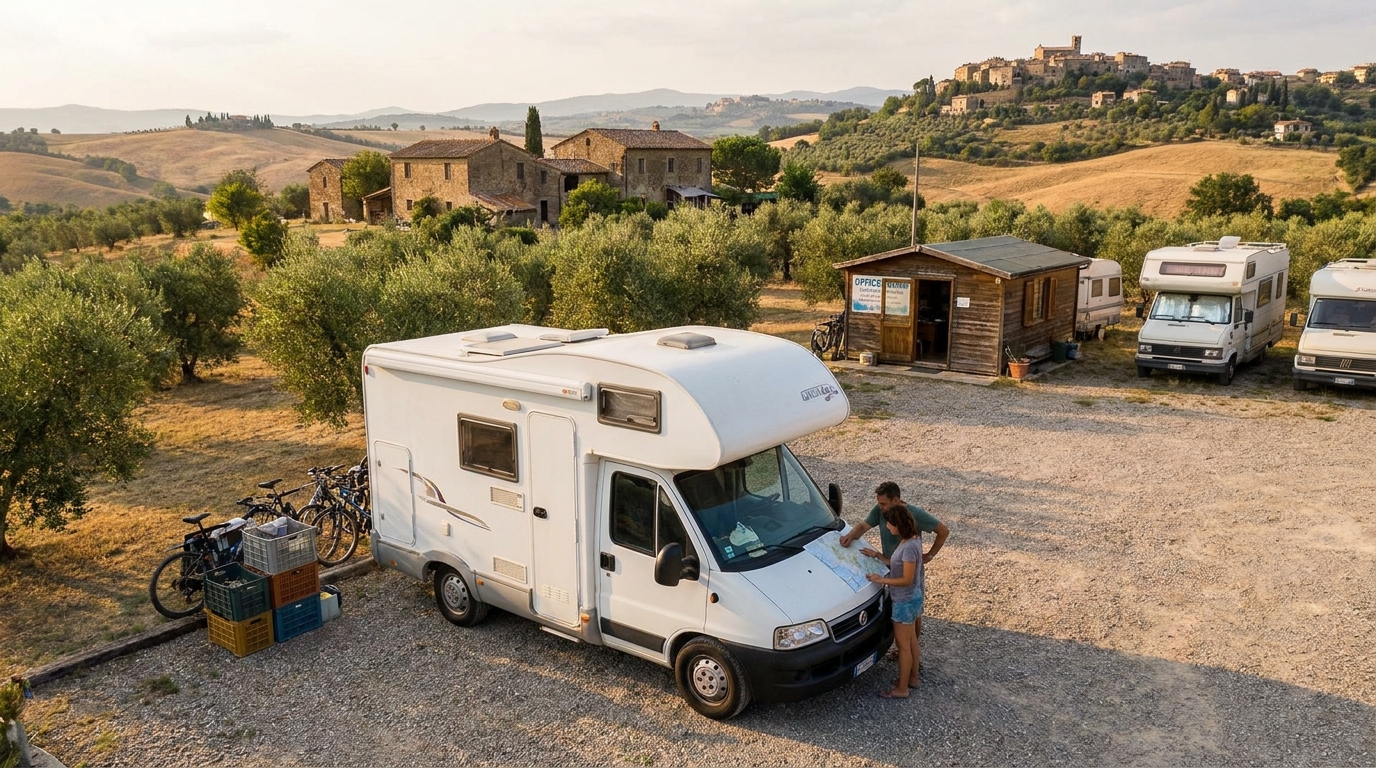
Europe offers an incredible diversity of camping experiences, from dramatic mountain landscapes to serene coastal retreats and convenient city-adjacent parks. Imagine yourself waking up to the crisp air of the Dolomites in Italy, with towering peaks just outside your rented motorhome, or enjoying breakfast by the sea along the vibrant French Riviera. You can easily explore stunning national parks across regions like the Dolomites (Italy) or the French Alps for immersive nature experiences with thousands of kilometers of hiking trails. Discover coastal campsites along the Mediterranean or Atlantic for direct beach access and breathtaking sea views. For urban adventurers, privately-owned campgrounds near major cities like Paris, Rome, or Barcelona offer convenient access to iconic urban sights via public transport, proving that a rented RV in Europe truly is a mobile home base for any adventure. For live availability and current prices, start with our RV Rental Europe - Complete Guide 2024 guide, which provides comprehensive information to kickstart your journey.Campground Types in Europe (National, Private, Wild)
When exploring Europe with a rented campervan, understanding the different types of campgrounds is key to a smooth trip. **National/Municipal Campgrounds** are often found in scenic areas, providing basic to moderate facilities like water, toilets, and sometimes showers at typically lower costs, though securing a spot can be competitive during peak season. These are fantastic for connecting with nature without breaking the bank. **Private Campgrounds** are the most common type, offering a wide range of amenities from essential electric hookups, water, and waste disposal points to luxurious pools, restaurants, and entertainment programs; these usually come with a higher price tag but offer maximum comfort and convenience. Finally, **Wild Camping/Boondocking** refers to parking and staying overnight outside official campsites. Its legality varies significantly across Europe; generally, it's tolerated or legal in Scandinavia (with strict restrictions on environmental impact), but largely prohibited in Southern, Western, and Central Europe, often resulting in fines. Always research country-specific and local regulations rigorously, and always respect private property to ensure a hassle-free journey.Featured RV Park or Campground in Europe
When selecting an RV park in Europe, prioritize sites that strike a balance between a scenic location and essential amenities, along with convenient access to local attractions or public transport. For example, Camping Village Roma Capitol near Rome offers excellent facilities including pools and shuttle services to the city center, allowing you to experience urban sights easily with your rented RV. Always check for campgrounds with strong positive reviews regarding cleanliness, staff helpfulness, and site accessibility for your specific motorhome size. For longer stays or family trips, look for additional amenities like laundry services, on-site shops for groceries, and children's play areas, enhancing your comfort and convenience. Planning your route and finding the right campsites can be streamlined with resources like RV PLANET (rvplan.net), which offers detailed information on locations and facilities to help you itemize and track every expense along the way for easy budgeting.Hookups & Amenities - What to Expect
When camping with your rented RV in Europe, you can expect reliable infrastructure for your essential needs. For electricity, anticipate 220-240V hookups, which will likely require a European CEE 7/4 or CEE 7/7 "Schuko" plug adapter (or often a specific blue CEE 17 connector, which some campgrounds provide). Amperage can vary, typically between 6A-16A, so your appliances should be compatible. Fresh water taps are commonly available, and dedicated "Grauwasser" (grey water) and "Schwarzwasser" (black water) dump stations, often located at a "service point," are standard across most campgrounds for convenient waste disposal. Regarding propane, refills can sometimes be challenging due to varying bottle types and connection systems; consider carrying adapters or a spare bottle, or inquire about exchange services upon arrival. For staying connected, Wi-Fi is increasingly common, though often paid and potentially slower than you're used to; purchasing a local SIM card for reliable mobile data is a smart choice for better connectivity. You'll frequently find other useful amenities such as laundry facilities, hot showers (sometimes coin-operated), clean toilets, and on-site shops or restaurants, making your RV camping experience comfortable and enjoyable. Looking for delicious meals you can prepare right in your motorhome? Check out our RV-friendly recipes playlist!Booking Windows & Reservations in Europe
For RV camping in Europe, securing your spot depends largely on the season and your travel style. During **peak season** (typically summer, July-August), campsites, especially in highly popular regions like the Amalfi Coast, French Riviera, or renowned national parks, can be fully booked months in advance, making reservations crucial for peace of mind. If you prefer to be a pre-planner who likes everything organized, booking 3-6 months ahead is highly recommended. However, during the **shoulder season** (spring: April-June; autumn: September-October), you'll find much more flexibility, often allowing for same-day or next-day bookings, and sometimes even better rates. Many national park campgrounds typically release only 25-30% of their spots for advance reservations, leaving the majority available for first-come, first-served arrivals, which can fill up quickly early in the morning. For spontaneous travelers, while challenging during peak times, you will almost certainly find a place—if not at the first campground, then at the next village's site. It’s always a good idea to call ahead before driving long distances to confirm availability, ensuring your rented motorhome adventure remains stress-free.Nearby Supermarkets & Resupply Points
Staying well-stocked is easy when you rent an RV in Europe, as supermarkets and resupply points are widely accessible. Major grocery chains like Lidl and Aldi are found across many European countries, offering a wide array of budget-friendly options for your daily needs and RV cooking ingredients. For more extensive selections, including fresh produce, local specialties, and sometimes even specific RV-related supplies, look for larger hypermarkets such as Carrefour, Auchan, or Edeka Center. Many campsites are conveniently located within a short drive or even walking distance of a local market or grocery store; always inquire at the campground reception upon arrival for the best local recommendations. Having a well-equipped kitchen in your rented motorhome, such as one with a 90 liter refrigerator and 4 burner gas stove like the "cruise america rv rental example Explorer", ensures you can prepare delicious meals with ease, making every stop feel like home.Best RV Class for Camping in Europe
Choosing the right size of rented RV significantly enhances your camping experience in Europe. **Class B Camper Vans** are highly maneuverable and are often the top choice due to their compact size, with an average length of 5.8 meters according to Bandana's fleet data. These vehicles are perfect for navigating Europe's often narrow streets, fitting into smaller campsites, and finding urban parking with ease; they typically sleep 3.2 people and are excellent for boondocking or exploring remote areas, offering common fuel consumption around 8-10 Liters/100 km. For travelers seeking more space and comfort without sacrificing too much agility, **Class SI Semi-integrated Motorhomes** are an excellent option. These RVs average 6.9 meters in length, providing ample room for couples or small families (averaging 3.8 sleeping places), and strike a good balance between interior amenities and manageable driving dimensions, with typical fuel consumption of 10-11 Liters/100 km. While larger Class C Alcove or Class A Integrated RVs offer more spacious living, they can be challenging on Europe's often narrower roads and in older city centers, potentially limiting access to certain campgrounds or parking areas. Remember, you can drive slowly and carefully, and you can drive almost anywhere without issues. No need to stress - just use common sense and pay attention.How to Save on Campgrounds in Europe
Saving money on campground fees in Europe is achievable with smart planning and a few insider tips. Many rental providers, including Bandana Caravan, offer access to RV campground discount cards (e.g., ACSI Camping Card, ADAC CampCard) which provide reduced rates, especially outside of the peak summer months. Traveling during the shoulder season (spring or autumn) generally offers significantly lower rates, fewer crowds, and often more pleasant weather than the high summer season. Opting for **municipal/regional campgrounds** can also lead to savings, as these publicly-run sites are usually more affordable than private resorts, though they may offer fewer luxury amenities. For extended road trips, staying longer at one location can be beneficial, as many campgrounds offer discounted weekly or monthly rates, encouraging longer stays and reducing daily costs. If you're traveling with another rented RV, some sites even allow sharing electric hookups on a single pitch, further splitting the cost. These strategies help you manage overall trip costs, and for detailed budgeting and itinerary planning, consider utilizing RV PLANET routes at rvplan.net to itemize and track every expense.Can you park a motorhome anywhere in Europe?
No, you cannot generally park a rented motorhome anywhere in Europe, as legality varies significantly by country and local municipality. While some Nordic countries, such as Norway, Sweden, and Finland, have a "right to roam" that typically permits wild camping for a night or two under certain conditions, most Western and Southern European countries (e.g., France, Spain, Italy, Germany) prohibit or heavily restrict it outside of designated campsites. Even in countries where wild camping might be tolerated, local ordinances can have specific bans, especially in popular tourist areas or national parks, often leading to significant fines. Many countries offer designated overnight parking spots for RVs, such as "aires de service" in France, "Stellplätze" in Germany and Austria, or "aree di sosta" in Italy; these spots often provide basic services like water and waste disposal but usually not full hookups. Always avoid parking on private land without explicit permission, and be aware that many European cities have Low Emission Zones or Restricted Traffic Zones (ZTLs) that large vehicles, including RVs, may not enter without specific permits, which can impact where you can park.What is the 3-3-3 rule for RV travel?
The "3-3-3 rule" is a widely recommended guideline for RV travel designed to promote a relaxed pace and maximize enjoyment on your road trip, applicable to Europe and beyond. This rule suggests limiting your daily travel distance to **300 miles (approximately 500 km)** to prevent driver fatigue, allow for spontaneous stops, and reduce the stress of long hauls, especially on unfamiliar European roads. The second part recommends arriving at your campsite by **3 PM** to ensure you have ample daylight to navigate, set up your rented motorhome, and explore the immediate surroundings before dark, which is crucial for securing a good spot or settling into a new location. Finally, the rule encourages staying for at least **3 nights** at each location to prevent "RV burnout" from constant packing and unpacking, allowing you to fully relax, explore the area in depth, and genuinely connect to the culture, the food, and the scenery without feeling rushed. This slow travel philosophy, recommending max 100-150 km per day on average, is something we at Bandana Caravan fully support.Is Europe RV friendly?
Yes, Europe is very RV friendly, offering an extensive infrastructure that caters well to motorhome and campervan travel. The continent boasts a dense network of campsites, dedicated RV parking spots (such as Stellplätze and aires de service), and service stations, making it relatively easy to find places to stay and resupply. While major highways are generally excellent, it’s true that many charming historic towns and rural roads can be narrow or winding, which might be more challenging for larger RVs; however, with a comfortable Class B campervan like the "V3" (6.36 meters long) or a mid-sized Class SI Semi-integrated motorhome, you'll navigate with ease. Drive slowly and carefully, and you can drive almost anywhere without issues. No need to stress - just use common sense and pay attention. Travelers should be mindful of environmental zones (ZTLs), tolls, and required vignettes in some countries. Fuel (diesel and petrol) is generally more expensive in Europe than in North America, so budgeting is essential; for instance, Bandana's fleet of Class B Camper Vans and Class SI Semi-integrated RVs typically consume 8-11 Liters/100 km. Despite these considerations, the vast variety of experiences, from Alpine vistas and Mediterranean coasts to historic cities and serene forests, makes RV travel in Europe an incredible adventure.What is the 333 rule for campervan?
The 3-3-3 rule is universally applicable across various RV types, including compact campervans, promoting a relaxed and enjoyable travel pace for all. For campervan users, adhering to the 3 PM arrival time is particularly beneficial for securing smaller, more private spots that might be quickly taken in popular areas, especially during busy seasons. Staying for multiple nights at each location allows campervan occupants to fully utilize their compact living space, settle in comfortably, and explore local attractions in depth without feeling rushed or needing to pack up daily. This approach aligns perfectly with slow travel, allowing you to immerse yourself in the journey. For example, planning an extended week-long trip, rather than just a quick weekend, enables you to truly experience a destination.Is rving a thing in Europe?
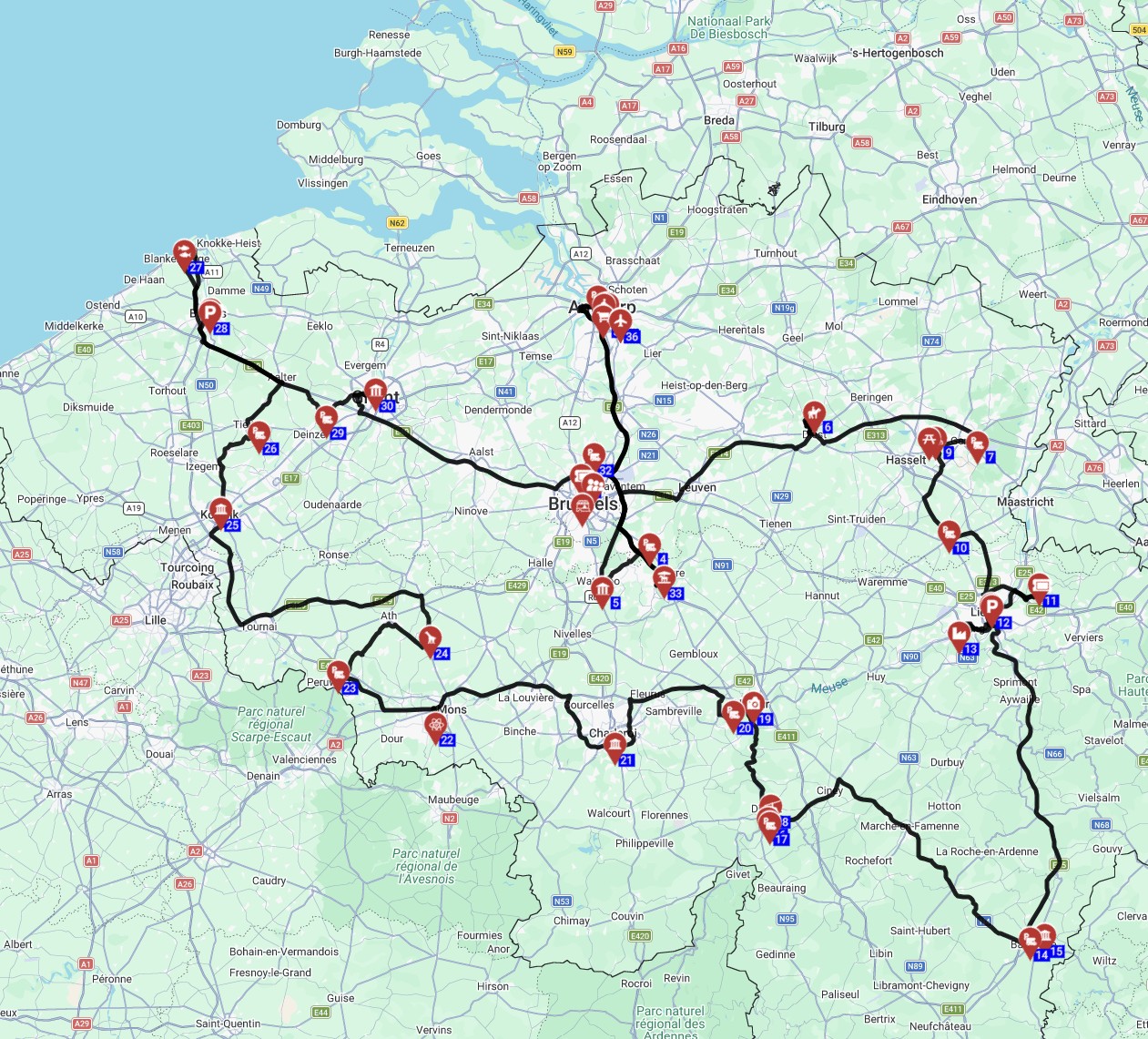
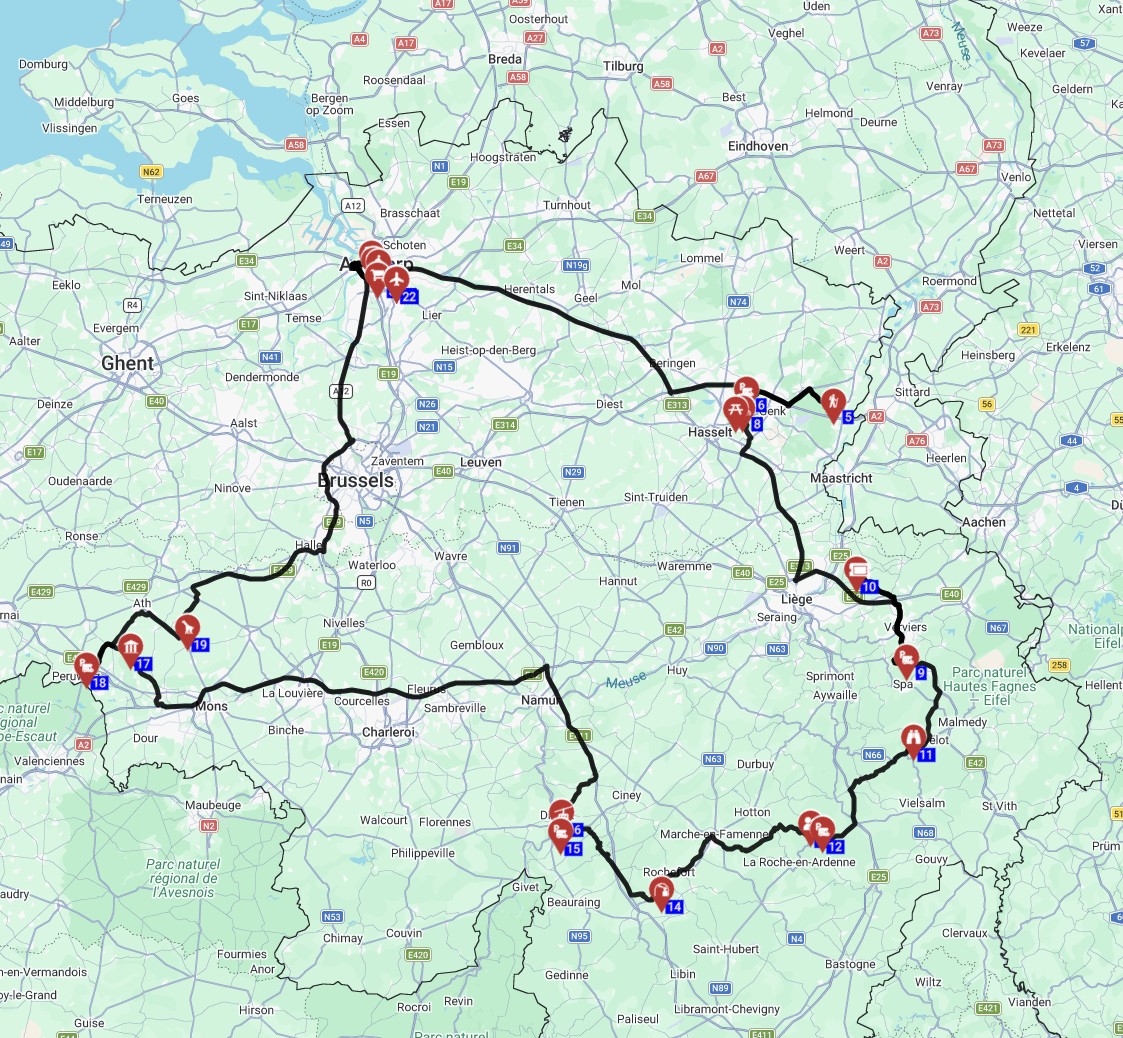
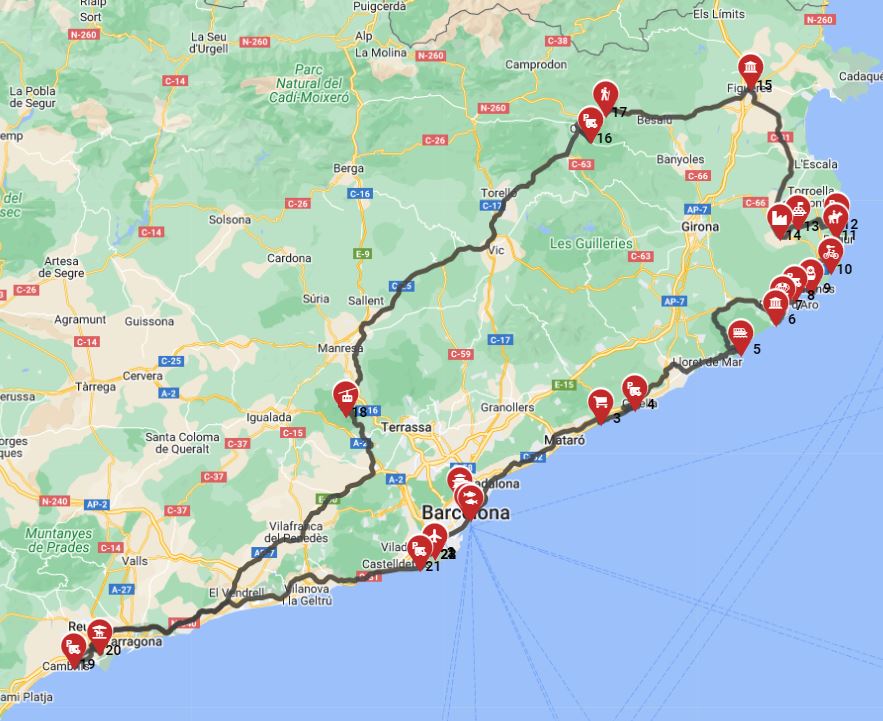
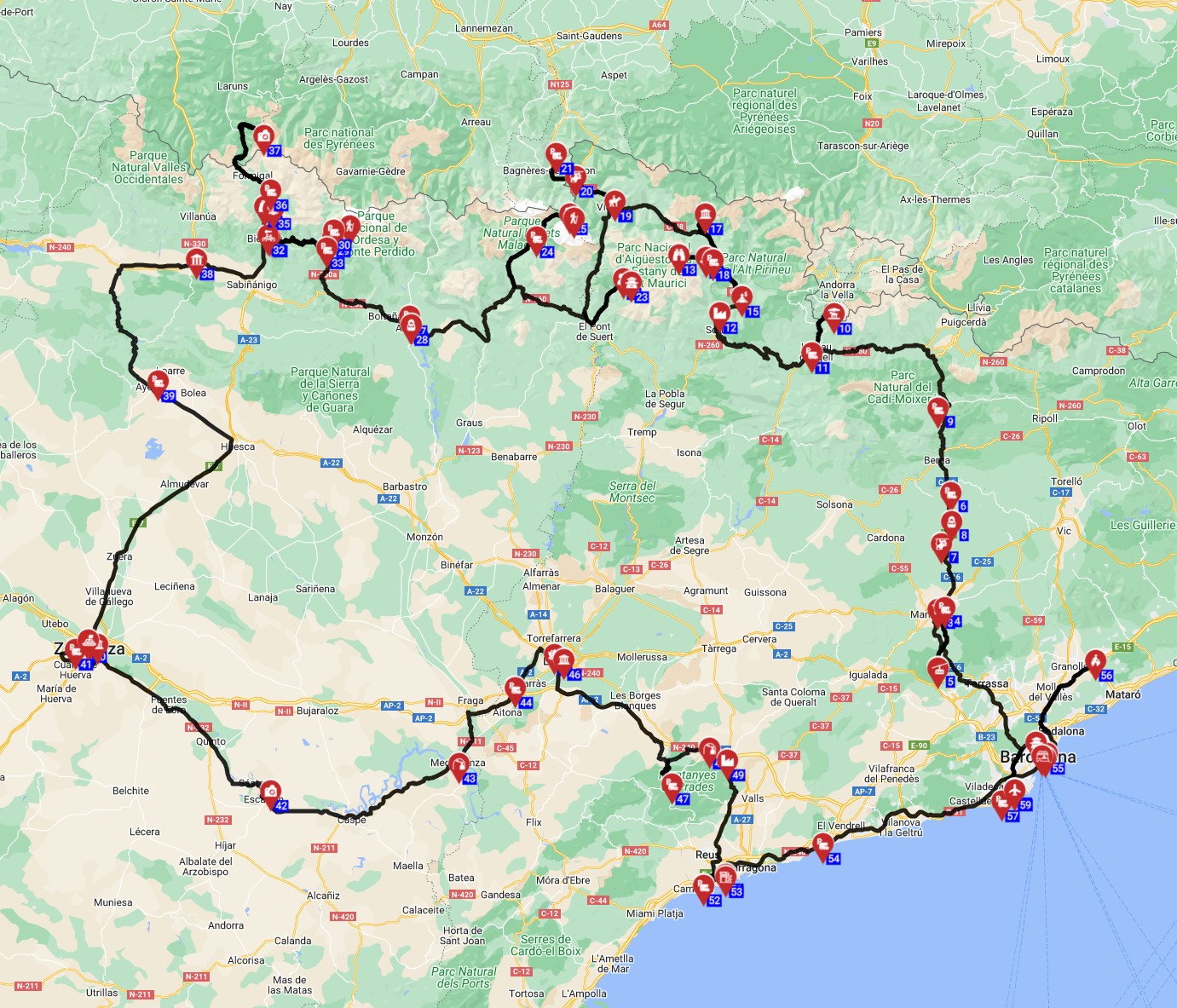
Yes, RVing is very much a "thing" in Europe, representing a significant and popular leisure activity across many countries. Countries like Germany, France, the Netherlands, and the UK have a vibrant RV culture, complete with dedicated clubs, magazines, and events, showcasing its widespread acceptance. Europe also boasts a robust market for RV manufacturing, sales, and rentals, indicating consistent demand from both local and international travelers. You'll encounter a diverse community of RVers on the road, from families on summer holidays exploring national parks to retired couples embarking on extended road trips for months, all utilizing the extensive network of European campsites and RV parks. This thriving culture makes renting a motorhome in Europe an accessible and enriching way to travel. For those eager to discover Europe's charms and family delights, consider the "Toulouse Round trip - European Charms & Family Delights" route plan, which covers 2088.7 km over 15 days, featuring 1 amusement park, 2 caves, and 4 traditional visits.What is the 3 3 3 rule for RV travel?
The 3-3-3 rule for RV travel is an effective strategy for maximizing enjoyment and ensuring safety during your adventure, especially when renting a motorhome in Europe. This rule is designed to prevent rushing through your trip, allowing for more spontaneous discoveries and deeper exploration of destinations. Limiting daily driving hours to approximately 300 miles (500 km) reduces the risk of driver fatigue, which is crucial for safe operation of an RV on diverse European roads. An early arrival at your campsite by 3 PM simplifies the setup process, allows you to pick a preferred spot, and provides ample time to plan activities for the following days. Staying for at least 3 nights at each location lets you fully immerse yourself, avoiding the "pack-up-and-move" stress and encouraging you to truly feel the place, connect to the culture, the food, and the scenery. This mindful approach ensures a memorable and relaxed holiday.Which European country has the best campsites?
While "best" is subjective and depends on your travel style, several European countries are renowned for their exceptional RV camping facilities and experiences. **France** is widely known for its vast number of campsites, ranging from luxurious resorts with water parks to rustic municipal sites, often perfectly situated near stunning coastlines, charming villages, and historic attractions. France also boasts a comprehensive network of "aires de service" designed specifically for motorhomes. **Germany** is praised for its excellent organization, cleanliness, and family-friendly facilities; German campsites (often called Campingplätze or Wohnmobilstellplätze) are typically well-maintained and offer good amenities, including a strong network of "Stellplätze" for convenient overnight parking. **Italy** offers breathtakingly scenic campsites, particularly along its Mediterranean coast, within the dramatic Dolomites, and conveniently near major cities, frequently providing a vibrant atmosphere and delicious local food experiences. The Netherlands is also renowned for its highly organized and bike-friendly campsites, while Croatia boasts beautiful coastal sites with crystal-clear waters. Depending on your preferences, Europe truly offers a campsite for every type of rented RV adventure.Can you sleep anywhere in a campervan in Europe?
No, generally you cannot sleep anywhere in a rented campervan in Europe without potential legal consequences, as regulations on wild camping vary significantly. While Nordic countries, like Norway and Sweden, might have more lenient rules allowing overnight stays in natural areas under specific conditions, the majority of European nations prohibit or severely restrict sleeping outside official campgrounds or designated RV parking areas. You should always look for "Stellplätze" in Germany and Austria, "aires de service" in France, or "aree di sosta" in Italy, which are legal, often free or low-cost, overnight parking areas specifically for RVs. These spots typically offer minimal amenities, such as water and waste disposal, but are safe and legal. Ignoring local wild camping laws can result in significant fines and, in some cases, require you to move your vehicle immediately. Prioritizing legal and safe parking options is crucial for ensuring your security and respecting local laws, which in turn benefits the entire RV community.What is the best app for campsites in Europe?
For finding campsites and campgrounds during your trip in Europe, several excellent apps are widely used and highly recommended by RV enthusiasts. **Park4Night** is an outstanding resource for locating all types of overnight stops, including wild camping spots (where legally permitted), designated RV parking areas, and official campsites; its strength lies in its extensive user contributions and reviews, offering a wealth of practical information. Another highly popular option is **Campercontact**, which features a vast database of official motorhome sites and campgrounds across Europe, complete with detailed information, photos, and user reviews, making it ideal for both route planning and finding reliable spots on the go. **ACSI Campsite Europe** primarily focuses on ACSI-inspected campgrounds, many of which offer discount cards for off-peak season savings; it's known for its reliable information and quality standards, often with offline functionality. Additionally, standard navigation apps like Google Maps are always useful for general navigation and locating nearby services, while specific national park apps can provide regional camping information. We recommend using RV PLANET (rvplan.net) for comprehensive route planning, campsite searches, and managing your travel budget across Europe.What is the 28 day rule regarding camping?
The "28-day rule" is a specific planning law primarily applicable to the UK, and it does not universally apply across all of Europe, though similar local restrictions might exist in other countries. This rule pertains to the temporary use of land, generally stating that land can be used for camping or caravanning without requiring planning permission for up to 28 days in any calendar year. It implies that the rented RV or campervan is not permanently sited and is moved regularly. The context of this rule is most relevant for private landowners or small businesses wishing to host RVs for short periods without establishing a full-blown commercial campsite. It's crucial to understand that this rule is distinct from broader wild camping laws; it refers to the legal use of private land for temporary stays rather than pitching up in public or undesignated areas. Always check local laws and regulations for the specific European country and region you plan to visit with your rented motorhome to avoid any surprises.What You Shouldn't Miss
- **The Julian Alps in Slovenia:** Experience breathtaking mountain scenery and crystal-clear rivers, with plenty of well-equipped campsites to explore the Triglav National Park.
- **The Scottish Highlands:** Embrace the freedom of remote landscapes, enjoying stunning lochs and ancient castles, with many wild camping opportunities (where permitted) and welcoming campsites.
- **Portugal's Algarve Coast:** Discover golden beaches and dramatic cliffs, perfect for a relaxed week-long coastal trip with numerous campgrounds offering excellent facilities and ocean views.
- **The Romantic Road, Germany:** Drive through picturesque medieval towns and fairy-tale castles like Neuschwanstein, finding charming Stellplätze and camping parks along the route.
- **Croatia's Dalmatian Coast:** Island-hop with your campervan or motorhome, enjoying historic cities like Split and Dubrovnik, and stunning beachfront campsites.
- **Norway's Fjordlands:** Navigate dramatic fjords and verdant valleys, leveraging Norway's generous wild camping rules or staying at scenic campgrounds for unparalleled natural beauty.
Looking for expert insights from Avi Bandana? Top 5 Adventures - recommendations from Avi Bandana
Final Thoughts
Exploring Europe by rented RV offers an unparalleled sense of freedom and discovery. Imagine the open road leading you from the dramatic fjords of Norway to the sun-kissed beaches of Croatia, all from the comfort of your mobile home. With a vast array of camping options, from basic national parks to amenity-rich private resorts, Europe is truly designed for memorable RV adventures. Remember to travel slowly, averaging a maximum of 100-150 km per day, allowing you to truly immerse yourself in the local culture, savor the food, and appreciate the stunning scenery. We at Bandana Caravan are here to support your journey every step of the way. As true RV specialists, we offer full transparency, 24/7 pre-booking and post-booking support, and top-level deductible reimbursement options to ensure peace of mind. Let us help you compare motorhome prices for Europe and plan an unforgettable adventure. Life is now - embrace the open road!On the routes offered through RV PLANET routes, you can itemize and track every expense along the way for easy budgeting.