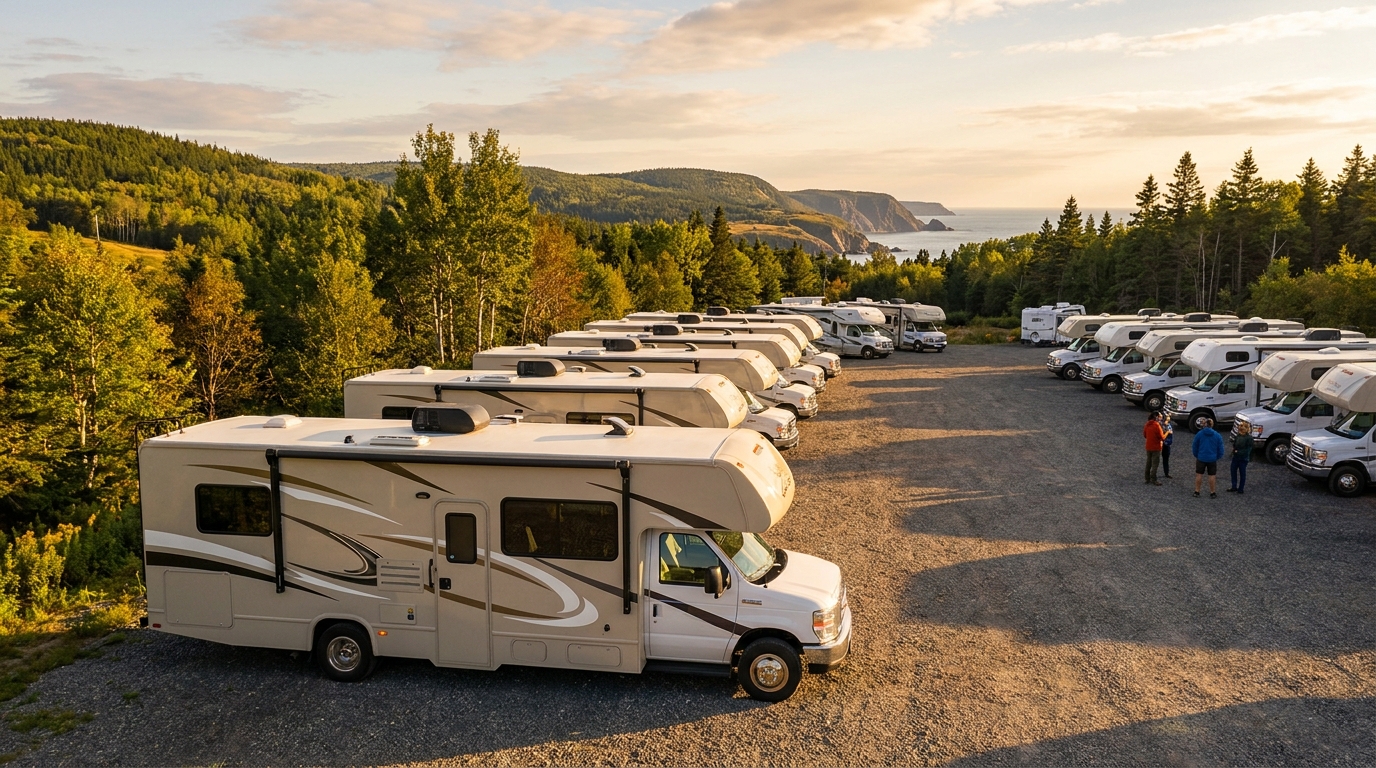
For live availability and current prices, start with our RV Rental East Canada - Complete Guide 2026 guide.
In This Guide
- Where to Camp in East Canada - Top Options
- Campground Types in East Canada (National, Private, Wild)
- Featured RV Park or Campground in East Canada
- Hookups & Amenities - What to Expect
- Booking Windows & Reservations in East Canada
- Nearby Supermarkets & Resupply Points
- Best RV Class for Camping in East Canada
- How to Save on Campgrounds in East Canada
- Where can I park my RV for free in Canada?
- What is the 3-3-3 rule for RV travel?
- Can you park an RV anywhere in Canada?
- How much does it cost to park an RV in Canada?
- What is the 3-3-3 rule for RV camping?
- What is the 10-year rule for RVs in Canada?
- What is the best place to visit in Eastern Canada?
- Can Americans RV in Canada?
- How much does it cost to rent an RV in Canada?
- What is the cheapest way to rent an RV?
- What You Shouldn't Miss
- Why Book with Bandana Caravan
- Final Thoughts
- Frequently Asked Questions
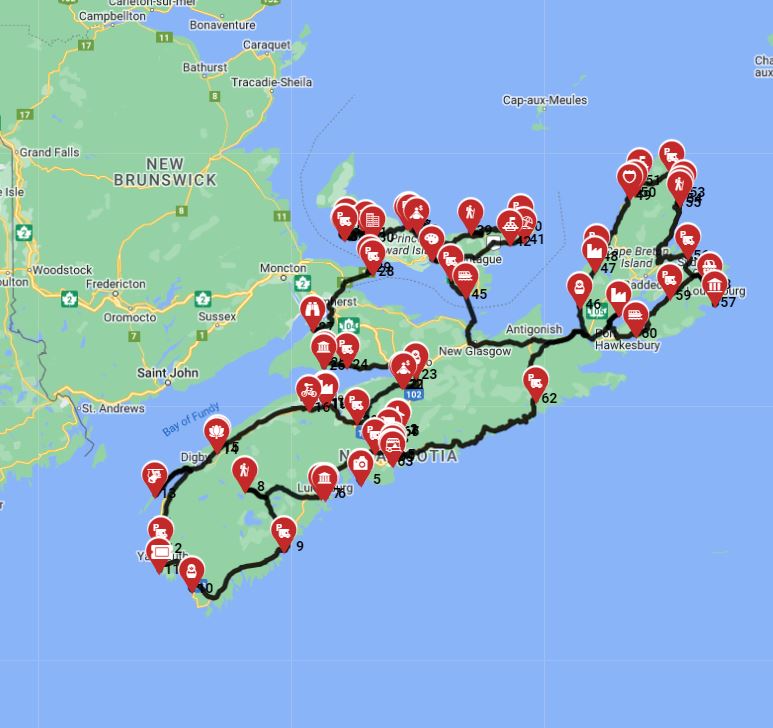
East Canada offers a breathtaking tapestry of coastal beauty, historical charm, and serene natural landscapes, making it an ideal destination for seniors seeking comfort and adventure in a rented RV. Imagine waking up to the sound of ocean waves, brewing your coffee in your cozy motorhome, and stepping outside to witness stunning sunrises over rugged cliffs. This region, encompassing provinces like Nova Scotia, New Brunswick, Prince Edward Island, and Newfoundland and Labrador, provides diverse experiences perfectly suited for a leisurely, enriching road trip.
Exploring East Canada in a campervan or motorhome offers unparalleled freedom and flexibility, allowing you to travel at your own pace and truly immerse yourself in the local culture and scenery. For live availability and current prices, start with our RV Rental East Canada - Complete Guide 2024. We at Bandana RV understand that comfort and peace of mind are paramount, especially for senior travelers. That's why we focus on full transparency with no hidden fees and provide reliable support, ensuring your journey is as smooth as the open road ahead.
Where to Camp in East Canada - Top Options
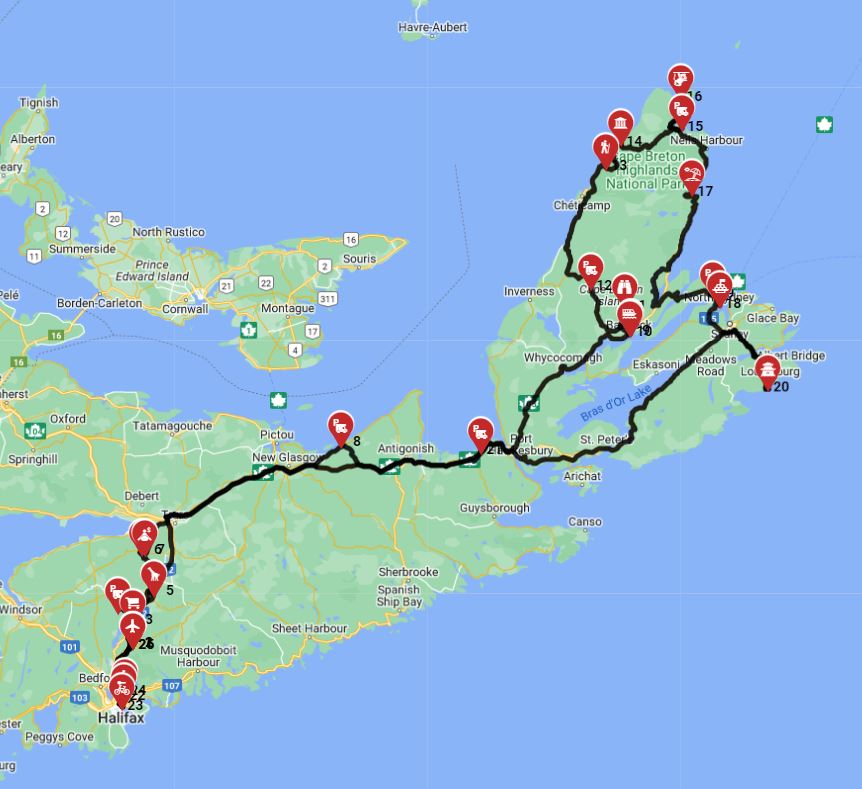
East Canada offers diverse camping experiences ranging from coastal views to serene forests, with options to suit every preference for senior travelers. Provincial parks like Fundy National Park in New Brunswick or Cape Breton Highlands National Park in Nova Scotia provide breathtaking scenery and well-maintained facilities, often including accessible sites and restrooms. Fundy National Park, for example, features over 300 campsites, many with electrical hookups, and offers easy access to tidal observation points.
Private campgrounds across the region generally offer more extensive amenities, such as full hookups, Wi-Fi, and recreational activities like organized events or heated pools, which are ideal for seniors seeking comfort and convenience. Specific regions like the Bay of Fundy, the world's highest tides, the scenic Cabot Trail in Nova Scotia, or the picturesque coastline of Prince Edward Island are particularly popular. These areas offer a mix of natural beauty and rich cultural experiences, from charming fishing villages to vibrant Acadian communities, perfect for slow travel at around 100-150 km per day.
Campground Types in East Canada (National, Private, Wild)
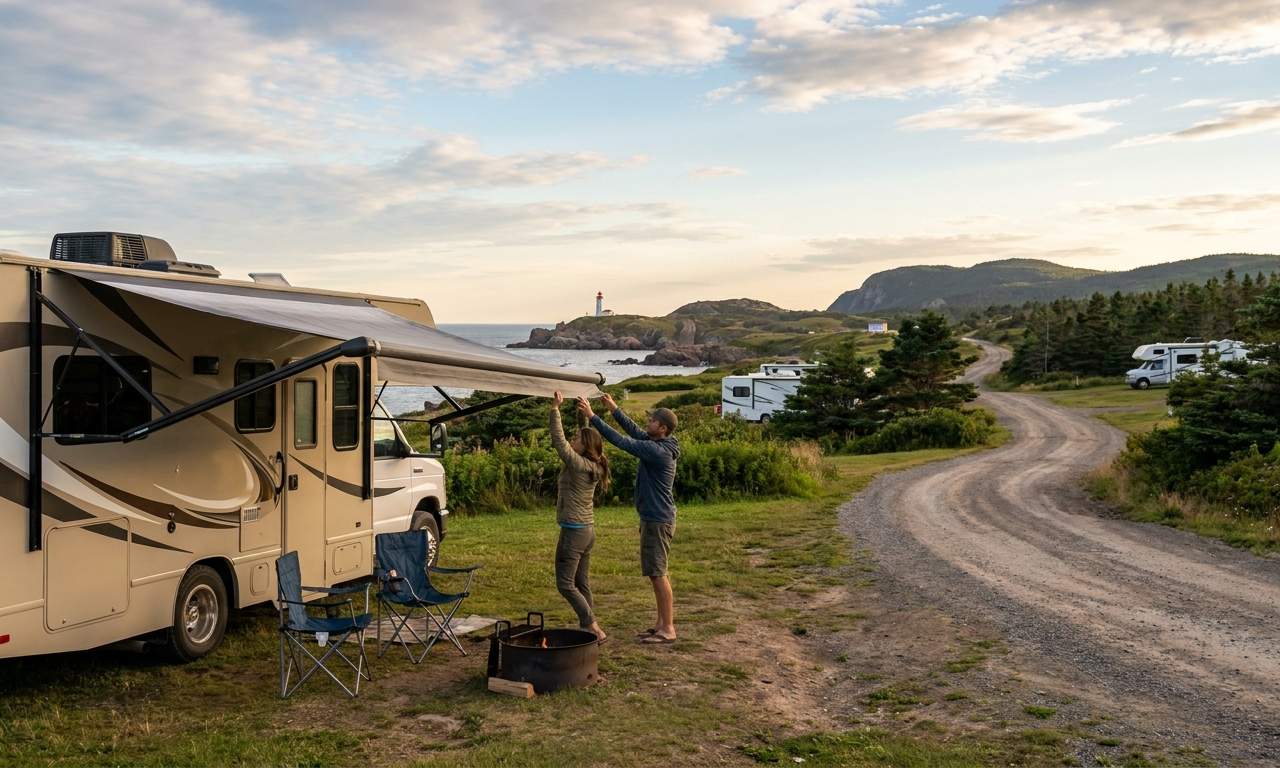
East Canada's camping landscape includes National Parks, Provincial Parks, private campgrounds, and opportunities for wild camping, each offering distinct experiences for RVers. National and Provincial Parks, such as Gros Morne National Park in Newfoundland or Kouchibouguac National Park in New Brunswick, provide access to iconic natural landscapes with typically basic to moderate amenities, including potable water and flush toilets at many sites. These parks usually require reservations, especially during peak season, but many reserve 25-30% of their spots for first-come, first-served arrivals, providing flexibility.
Private campgrounds, on the other hand, often feature more extensive amenities, including full hookups (50, 30, or 15 amp electrical service), laundry facilities, and recreational programs, making them suitable for seniors prioritizing comfort and convenience. Wild camping, also known as boondocking, on Crown land is generally permitted in many parts of Canada, including some areas of East Canada. However, it requires thorough research into provincial regulations and adherence to leave-no-trace principles, as these spots often lack services like fresh water or dump stations. Always call ahead to the local tourism office or park authority to confirm regulations before planning to wild camp. On the routes offered through RV PLANET routes, you can itemize and track every expense along the way for easy budgeting.
Featured RV Park or Campground in East Canada
When selecting an RV park in East Canada, features that enhance comfort and accessibility are crucial for seniors. Look for parks offering paved roads, level sites for easy parking, and easily accessible restrooms with hot showers. An ideal RV park for seniors might also provide full hookups (water, sewer, and electricity), on-site general stores, laundry facilities, and social activities such as bingo nights or potlucks, ensuring a relaxing and convenient stay.
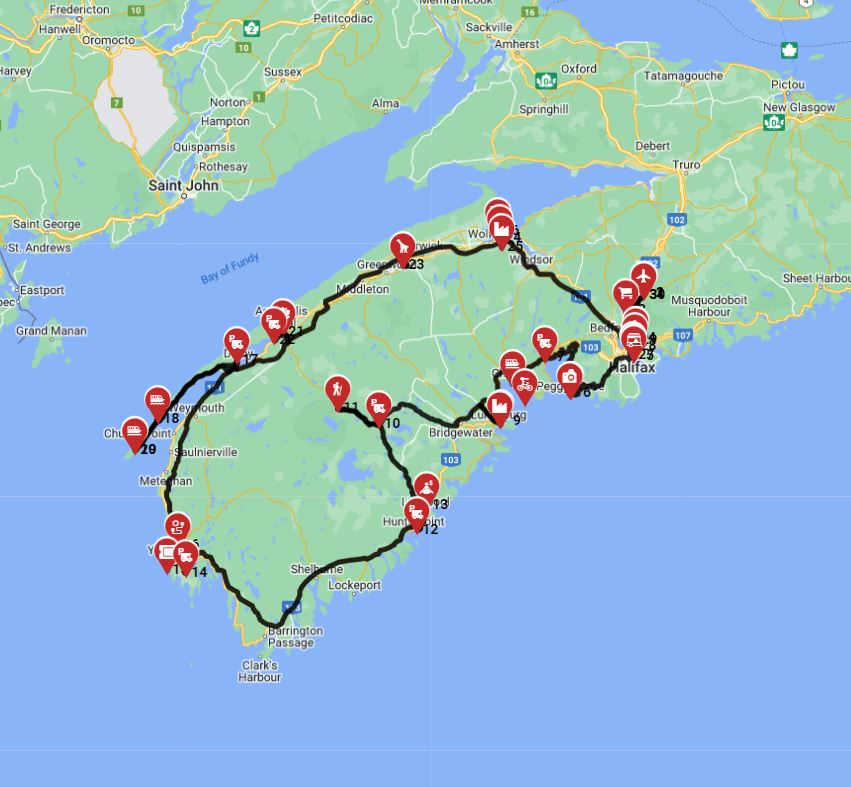
Many top-rated parks in regions like Nova Scotia's South Shore or Prince Edward Island's North Shore boast scenic waterfront sites and are conveniently located near cultural attractions and essential services. For instance, Cavendish Campground in Prince Edward Island National Park offers 227 sites with 15-amp and 30-amp hookups, flush toilets, and showers, along with easy access to the famous red sand beaches. Always prioritize parks with good cell service and Wi-Fi, which are important for staying connected, especially in more remote areas found in provinces like Newfoundland or rural Nova Scotia, and consider personal hotspots as a backup.
Hookups & Amenities - What to Expect
Most RV campgrounds in East Canada offer a range of hookups to ensure a comfortable stay. These typically include 15, 30, and 50 amp electrical service (North American standard), fresh water connections, and sewer dump stations. Full-service sites, providing all three connections, are common in private campgrounds and many provincial and national parks, greatly enhancing comfort for longer stays. Imagine cooking delicious meals in your rented RV kitchen with all the conveniences of home, then easily handling cleanup thanks to your hookups. For some RV-friendly recipes, check out our RV-friendly recipes playlist.
Beyond utility connections, you can generally expect amenities like clean restrooms, hot showers, and often laundry facilities, which are highly valued by senior RVers. Wi-Fi connectivity, however, varies; while some campgrounds offer reliable service, it can be spotty in more remote areas, especially in provinces like Newfoundland and Labrador or rural Nova Scotia. For consistent connection, consider personal hotspots or satellite options, particularly if you need to stay connected for work or personal reasons.
Booking Windows & Reservations in East Canada
For peak season RV travel in East Canada, particularly to popular National Parks or scenic coastal areas, seniors should plan to book campsites well in advance, often 3-6 months out, as desirable spots fill quickly. While advance booking secures your preferred location and offers peace of mind, many campgrounds and parks, including some National Parks, reserve 25-30% of their sites for first-come, first-served (FCFS) arrivals. This offers a spontaneous option for travelers who prefer a flexible itinerary.
If you're traveling during the shoulder seasons (late spring or early fall), flexibility is greater, and you can often find same-day or next-day reservations without much difficulty; however, it's always wise to call ahead before driving a long distance, especially with a larger motorhome. For seniors, a balanced approach that combines key advance bookings with some flexibility for last-minute discoveries is often ideal, reducing stress and maximizing enjoyment. For comprehensive itineraries, consider the pre-planned routes from RV PLANET (rvplan.net) which can help you organize your trip with minimal effort.
Nearby Supermarkets & Resupply Points
Resupplying your rented RV in East Canada is generally convenient, with major supermarket chains like Sobeys, Atlantic Superstore (a Loblaws brand), and Foodland found in most towns and cities. These stores are typically well-stocked and offer a wide range of groceries, including fresh produce, meats, and pantry staples, ensuring you can keep your RV kitchen well-supplied for your entire trip. It's advisable to stock up in larger centers, such as Halifax, Moncton, or St. John's, before heading to more rural or remote areas like parts of Newfoundland or the interior of New Brunswick, where options may be limited to smaller convenience stores.
Many provincial and national parks have small convenience stores, but these often carry limited selections at higher prices, so they are best for emergency items rather than major resupply. Look for local markets and specialty stores in smaller communities for unique regional produce and products, like fresh seafood in coastal towns or artisan cheeses in farming communities, adding a delicious cultural dimension to your resupply stops. When planning your budget for these ancillary costs and more, remember that RV PLANET routes allow you to itemize and track every expense for easy budgeting.
Best RV Class for Camping in East Canada
For seniors seeking a balance of maneuverability and comfort in East Canada, a Class B Camper Van or a Class SI Semi-integrated RV often proves ideal. Class B Camper Vans, typically around 5.8 to 6.5 meters in length, with sleeping for 2-3 adults, are easy to drive on East Canada's coastal roads and fit into smaller campsites, even those in older provincial parks. These vehicles also offer good fuel efficiency, often around 10 Liters/100 km, which is a significant consideration on longer journeys.
Class SI Semi-integrated RVs, such as the "2 Berth Rover" or similar models, typically 6.9 to 7.5 meters long and sleeping 3-4 adults, provide more living space and amenities while still being manageable for parking and driving on diverse terrain. They offer a comfortable load capacity of approximately 70-80 kg for personal belongings and usually achieve a fuel consumption around 10-11 Liters/100 km. While larger Class C Alcove models (e.g., "MHC24" with sleeping for 6) offer more space, their size can be less convenient for navigating charming small towns or booking last-minute ferry crossings to islands like Prince Edward Island or Newfoundland. Remember, a standard car driver's license is sufficient for all motorhome classes, including Class A, Class B, and Class C, for your rented RV.
How to Save on Campgrounds in East Canada
To save on campground costs in East Canada, several strategies can significantly reduce your overall trip expenses. Consider utilizing discount cards such as a Parks Canada Discovery Pass if you plan to visit multiple national parks, which offers unlimited entry for a year. Booking during the shoulder seasons (May-June and September-October) often yields lower nightly rates and fewer crowds, making for a more relaxed and cost-effective experience with your rented RV.
Choosing municipal or regional campgrounds over private resorts can also result in substantial savings, as they typically offer more basic amenities at a lower price point, often starting from $25-$40 CAD per night. Look for weekly rates, which many campgrounds offer when you stay for 3 or more nights, providing an average discount of 10-15%. Additionally, if traveling with friends or family in a group, consider sharing hookup costs at multi-site options to further reduce your per-night expenses. Bandana Caravan's partnerships with 50+ leading RV suppliers worldwide, including El Monte and Cruise America, means we can help you find the best deals and transparent pricing for your motorhome rental, ensuring no hidden fees or surprises.
Where can I park my RV for free in Canada?
Parking an RV for free in Canada is possible primarily on Crown land where permitted, at designated rest areas, some retail parking lots (e.g., Walmart, Cabela's with permission), and specific municipal areas, though regulations vary by province and municipality in East Canada. Extensive 'boondocking' on vast tracts of Crown land, particularly in provinces like New Brunswick and Nova Scotia, requires researching specific provincial land use regulations and often a permit for extended stays. Always check local government websites or contact the Department of Natural Resources for current information.
Apps like iOverlander or websites like Campendium can help locate potential free overnight parking spots, including truck stops, rest areas, and retailer lots that explicitly allow RV parking. When considering these options for your rented motorhome, always confirm local bylaws and seek permission before parking, as unauthorized overnight parking can result in fines. Ensure your chosen spot is safe, level, and that you diligently follow leave-no-trace principles, keeping the environment pristine for others.
What is the 3-3-3 rule for RV travel?
The '3-3-3 rule' for RV travel, often recommended for safety and comfort, especially for seniors, suggests driving no more than 300 miles (or 300 kilometers) in a day, arriving at your destination by 3 PM, and staying for at least 3 nights. This rule promotes a more relaxed pace, significantly reducing driver fatigue and allowing ample time to set up camp in daylight, which is particularly beneficial for seniors. It prevents hurried travel and the stress of navigating unfamiliar roads or setting up in the dark.
Sticking to approximately 300 units of distance (miles or kilometers, whichever you prefer) prevents over-exertion and leaves room for unexpected delays or scenic detours. Staying for 3 nights at each location minimizes the constant packing and unpacking of your rented camper, allowing you to thoroughly explore the local area, enjoy campground amenities, and truly connect to the culture, the food, and the scenery. This philosophy aligns perfectly with our advice to travel slowly, maximizing your enjoyment of East Canada.
Can you park an RV anywhere in Canada?
No, you cannot park an RV anywhere in Canada; parking regulations for RVs are governed by a patchwork of federal, provincial, and municipal laws, which vary widely across East Canada. Overnight parking on public streets is generally prohibited unless explicitly allowed by local bylaws, and private property always requires the owner's permission before you can park your rented motorhome there. Designated RV parks, campgrounds, and some rest areas are the primary legal and safe places for overnight RV parking.
Unauthorized overnight parking can lead to fines, towing, or other legal issues, so it's crucial to be informed. Before parking your rented caravan in any non-designated spot, always check local signage, consult municipal websites, or inquire with local authorities to avoid legal issues and ensure a peaceful night's rest. Planning your stops in advance using resources like RV PLANET (rvplan.net) can help you identify legal and comfortable overnight parking options across East Canada.
How much does it cost to park an RV in Canada?
The cost to park an RV in Canada typically ranges from $25 to $75 CAD per night, depending on the type of campground, location, amenities, and time of year. Basic sites in provincial or national parks with limited hookups (e.g., electricity only) might start at $25-$40 CAD, offering a more rustic experience. In contrast, full-service sites at private resorts in popular tourist areas of East Canada, such as those along the Cabot Trail or on Prince Edward Island, can easily exceed $60-$75 CAD per night, especially during the peak summer months.
Some areas, particularly in remote regions or during the shoulder season (late spring or early fall), may offer cheaper rates, while urban campgrounds or those with premium amenities like pools, Wi-Fi, and recreational facilities can be more expensive. When budgeting for your RV trip, factor in potential additional costs such as national or provincial park entrance fees (e.g., a Parks Canada Discovery Pass is $75.25 CAD for seniors), reservation fees ($11.50 CAD online), or charges for extra services like dump stations or additional vehicles. These ancillary costs are easy to track when using RV PLANET routes for planning.
What is the 3-3-3 rule for RV camping?
The '3-3-3 rule' for RV camping, particularly beneficial for seniors, encourages a relaxed and enjoyable journey by recommending driving no more than 300 miles (approximately 480 kilometers) a day, arriving at your camp by 3 PM, and staying for at least 3 nights. This approach to camping minimizes stress by avoiding rushed travel, allowing sufficient time to safely navigate and settle into your rented motorhome at your campsite during daylight hours. It helps prevent arriving after dark, when setup can be more challenging and stressful.
Adhering to the 300-unit travel limit prevents fatigue and provides flexibility for unexpected stops or leisurely exploration along your route through East Canada. Staying for at least 3 nights at each location transforms camping from a series of pit stops into a more immersive experience, offering ample opportunity to relax, enjoy campground amenities, explore local attractions, and connect with fellow travelers. This mindful pace truly allows you to savor the beauty and culture of your chosen destinations.
What is the 10-year rule for RVs in Canada?
The '10-year rule' for RVs in Canada primarily refers to policies at some private campgrounds that restrict RVs older than 10 years from staying, often to maintain a certain aesthetic or quality standard within the park. This rule is not universal across all campgrounds; many parks, especially provincial and national ones like those in East Canada, do not have such age restrictions, focusing instead on the RV's condition and cleanliness. This policy is more commonly found in upscale private resorts striving for a particular look and feel.
For seniors renting an RV from Bandana Caravan, this rule is generally less of a concern, as our partner rental fleets typically consist of newer models, with many being less than 3 years old. However, it's crucial to be aware of if you are booking a private campground directly or considering alternative rental options. Always check a specific campground's policies before booking, particularly if you have an older RV, to avoid any surprises upon arrival and ensure a smooth check-in process for your mobile home.
What is the best place to visit in Eastern Canada?
Eastern Canada boasts numerous incredible destinations for seniors, offering a blend of natural beauty, rich history, and vibrant culture. Top choices often include Nova Scotia's iconic Cabot Trail, Prince Edward Island's picturesque coastline, and the historical charm of Quebec's Gaspésie Peninsula. The Cabot Trail in Cape Breton, Nova Scotia, provides stunning coastal drives, opportunities to enjoy traditional Celtic music, and immerse yourself in Acadian culture, with accessible viewpoints and charming towns. It's truly an experience for the senses.
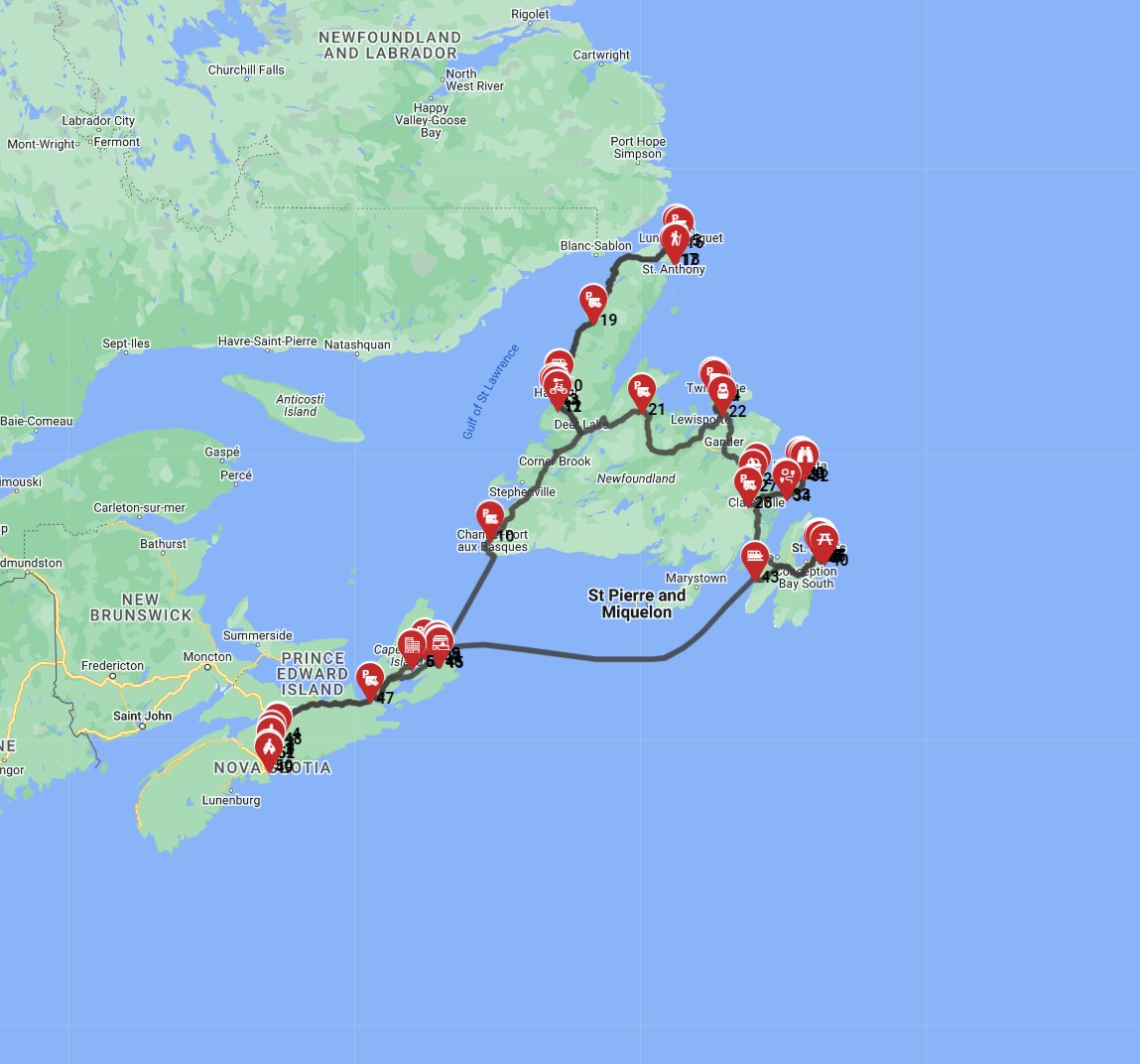
Prince Edward Island is renowned for its unique red sand beaches, the Anne of Green Gables heritage sites, and delicious seafood, all easily accessible with a rented RV. For a blend of rugged beauty and ancient history, Newfoundland and Labrador's Gros Morne National Park, a UNESCO World Heritage site, and the Viking settlement at L'Anse aux Meadows are unparalleled. While ferry bookings (e.g., to Newfoundland) require careful planning, the rewards are immense. New Brunswick offers the dramatic Bay of Fundy, famous for the highest tides in the world and unique rock formations at Hopewell Rocks, providing accessible boardwalks and viewing platforms for seniors to witness this natural wonder.
Can Americans RV in Canada?
Yes, Americans can RV in Canada, provided they have the necessary documentation, comply with Canadian customs and immigration regulations, and ensure their vehicle meets Canadian safety standards and insurance requirements. Essential documentation includes a valid passport for all travelers, proof of vehicle registration, and valid vehicle insurance. It's highly recommended to obtain a Canadian Non-Resident Inter-Provincial Motor Vehicle Liability Insurance Card (or equivalent proof of Canadian coverage from your insurer) before you cross the border with your rented motorhome.
Logistical planning should also include understanding Canadian fuel types (often sold in liters and with different octane ratings than in the USA), potentially acquiring a Canadian phone plan or eSIM for better coverage, especially in remote areas of East Canada, and being aware of specific weight restrictions on some smaller roads or ferries. Always declare all goods at the border, be aware of restrictions on firearms, certain food items, and cannabis, and plan routes carefully. For more details on cross-border travel, our "RV Rental USA - Complete Guide 2024" provides a broader overview, while "One-Way RV Rental in East Canada - Price Guide 2024" can help with specific route planning into or out of the region.
How much does it cost to rent an RV in Canada?
The cost to rent an RV in Canada typically ranges from $100 to $400 CAD per night, influenced by the RV class, rental season, duration of the trip, and included amenities or insurance packages. Smaller Class B Camper Vans or Class SI Semi-integrated models, ideal for couples or two travelers, might start closer to the $100-$200 CAD range per night, especially during the shoulder season (May-June, September-October) or for longer rentals. For example, a "V2L" Class B campervan could offer attractive rates for a week-long trip.
Larger Class C Alcove or Class A Integrated RVs, or rentals during peak summer months (July and August), can easily cost upwards of $250-$400+ CAD per night. Remember to budget for additional costs such as fuel (averaging 10-12 Liters/100 km for many models, or 20-25 Liters/100 km for larger Class A vehicles like the "rv rentals utah example Sunrise Escape"), mileage fees, insurance upgrades, generator usage fees (if applicable), preparation fees, and provincial sales taxes. Bandana Caravan offers full price transparency, so you'll see the total cost upfront without any hidden fees when comparing options for your East Canada adventure.
What is the cheapest way to rent an RV?
The cheapest way to rent an RV often involves strategic planning and flexibility. Booking during the shoulder seasons (spring or fall) in East Canada, such as May-June or September-October, generally yields lower rental rates than the peak summer months. Opting for smaller, more fuel-efficient models, like a Class B Camper Van or a compact Class C motorhome, will reduce both rental costs and significant fuel expenses. Renting for longer durations, such as a two-week adventure, can also reduce the average nightly rate, as many suppliers offer discounted weekly or monthly rates.
Taking advantage of early bird discounts, often available 3-6 months in advance, or looking for last-minute deals if your travel dates are flexible can also provide significant savings. While Bandana Caravan specializes in transparent comparison from major suppliers like El Monte and Cruise America, you can also explore peer-to-peer rental platforms, though always thoroughly review insurance and support options. To save on overall trip costs, carefully plan your route with RV PLANET routes to minimize fuel consumption, utilize free parking options where safe and legal, and cook most meals in your RV rather than eating out.
What You Shouldn't Miss
- **Drive the Cabot Trail, Nova Scotia:** This 298 km (185 mile) scenic highway on Cape Breton Island is consistently ranked among the world's most beautiful drives, offering dramatic coastal views, hiking trails, and Celtic culture. Be sure to stop at the numerous scenic lookouts and charming Acadian villages.
- **Explore the Bay of Fundy, New Brunswick:** Witness the world's highest tides (up to 53 feet) at destinations like Hopewell Rocks, where you can walk on the ocean floor at low tide. Take a tidal bore rafting tour for an exhilarating experience as the tide rushes in.
- **Visit Gros Morne National Park, Newfoundland:** A UNESCO World Heritage site, this park offers incredible geological features, including fjords, ancient mountains, and the Tablelands, a rare exposed piece of Earth's mantle. Enjoy boat tours, hiking, and stunning scenery with your rented camper.
- **Indulge in Prince Edward Island's Charm:** Explore the island's famous red sand beaches, visit Green Gables Heritage Place, and savor fresh seafood like lobster and oysters. The Confederation Trail, a 435 km (270 mile) rail trail, is perfect for leisurely walks or cycling.
- **Discover Historic Halifax, Nova Scotia:** Park your motorhome outside the city and explore Halifax's vibrant waterfront, historic Citadel Hill, and diverse culinary scene. Take a ferry to Dartmouth for a different perspective of the harbor.
- **Witness Icebergs in Newfoundland's Iceberg Alley:** If traveling in spring or early summer, drive along the northeast coast of Newfoundland for a chance to spot massive icebergs floating down 'Iceberg Alley.' Communities like Twillingate offer prime viewing opportunities and boat tours.
🎬 Video coming soon
Looking for expert insights from Avi Bandana? Top 5 Adventures - recommendations from Avi Bandana.
Final Thoughts
Embracing a motorhome adventure in East Canada is an incredible way for seniors to experience the region's unparalleled beauty and rich culture at a comfortable, unhurried pace. From the dramatic tides of the Bay of Fundy to the charming coastal villages of Prince Edward Island and the majestic fjords of Gros Morne, a rented RV offers the flexibility and amenities needed for a truly memorable trip. Remember to travel slowly, averaging no more than 100-150 km per day, allowing yourself ample time to connect with each place you visit.
With careful planning for campgrounds and resupply points, along with the right size of campervan or motorhome, your East Canada road trip promises to be an enriching and relaxing experience. We handle the details, so you can live the journey, supported by our commitment to transparency and our genuine expertise in RV travel. So, pack your bags, prepare your itinerary with RV PLANET (rvplan.net), and get ready to discover the magic of East Canada.
Check East Canada RV Rental Prices Now and embark on your next great adventure!