For live availability and current prices, start with our RV Rental East Canada - Complete Guide 2026 guide.
In This Guide
- Where to Camp in East Canada — Top Options
- Campground Types in East Canada (National, Private, Wild)
- Featured RV Park or Campground in East Canada
- Hookups & Amenities — What to Expect
- Booking Windows & Reservations in East Canada
- Nearby Supermarkets & Resupply Points
- Best RV Class for Camping in East Canada
- How to Save on Campgrounds in East Canada
- Can you park up anywhere in an RV in Canada?
- What is the 3 3 3 rule for RV travel?
- Where can I park my RV for free in Canada?
- How much does it cost to park an RV in Canada?
- What is the 3 3 3 rule for RV camping?
- What is the best place to visit in Eastern Canada?
- What is the 10-year rule for RVs in Canada?
- Can a US citizen go camping in Canada?
- How to book RV campsites in Canada?
- Do you need to book campsites in Canada?
Where to Camp in East Canada — Top Options
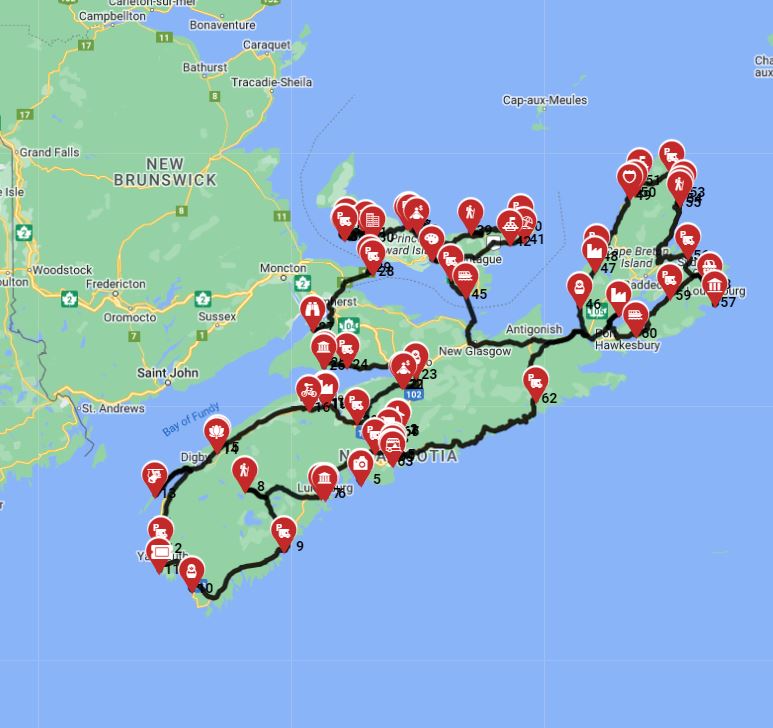
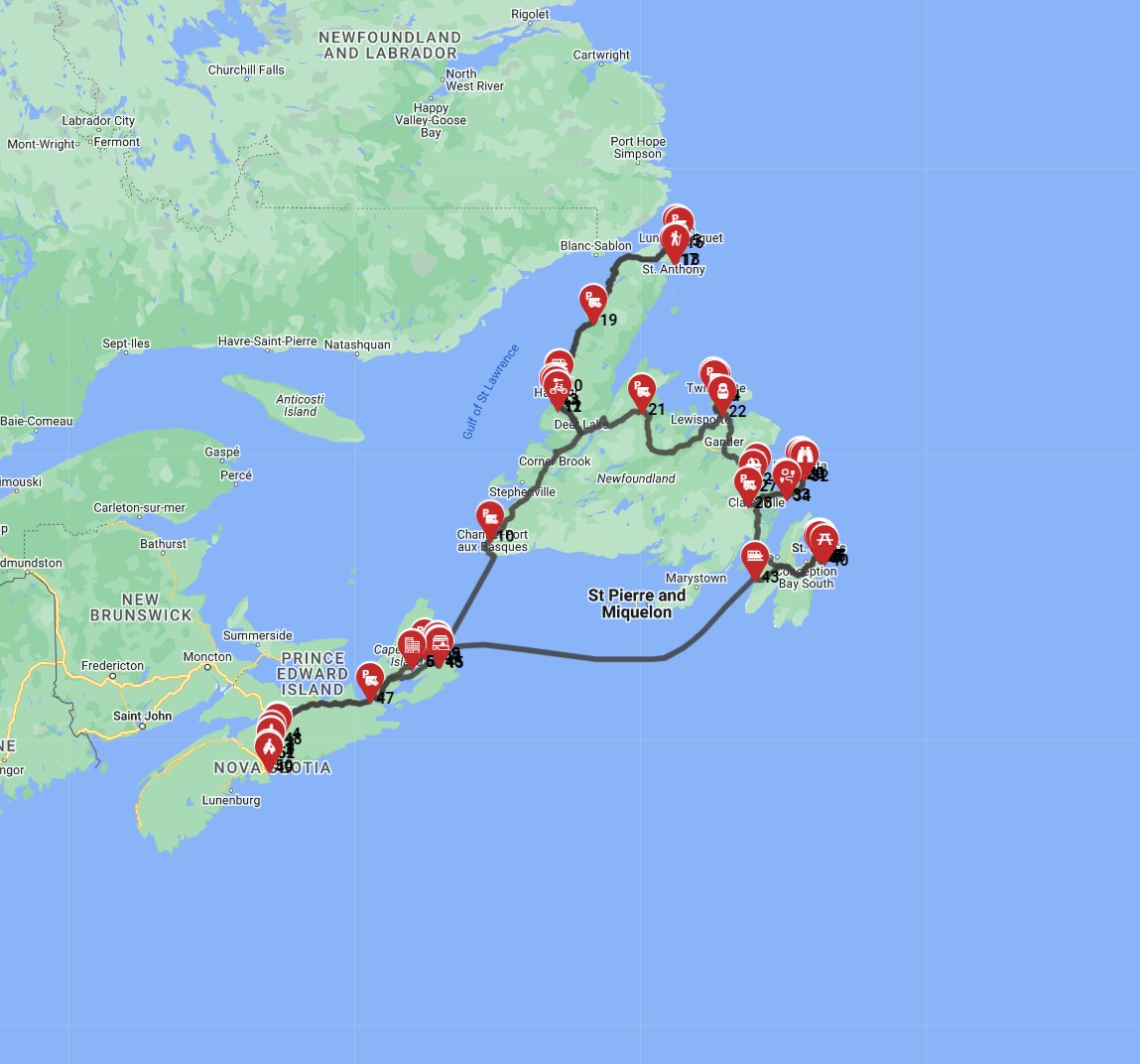
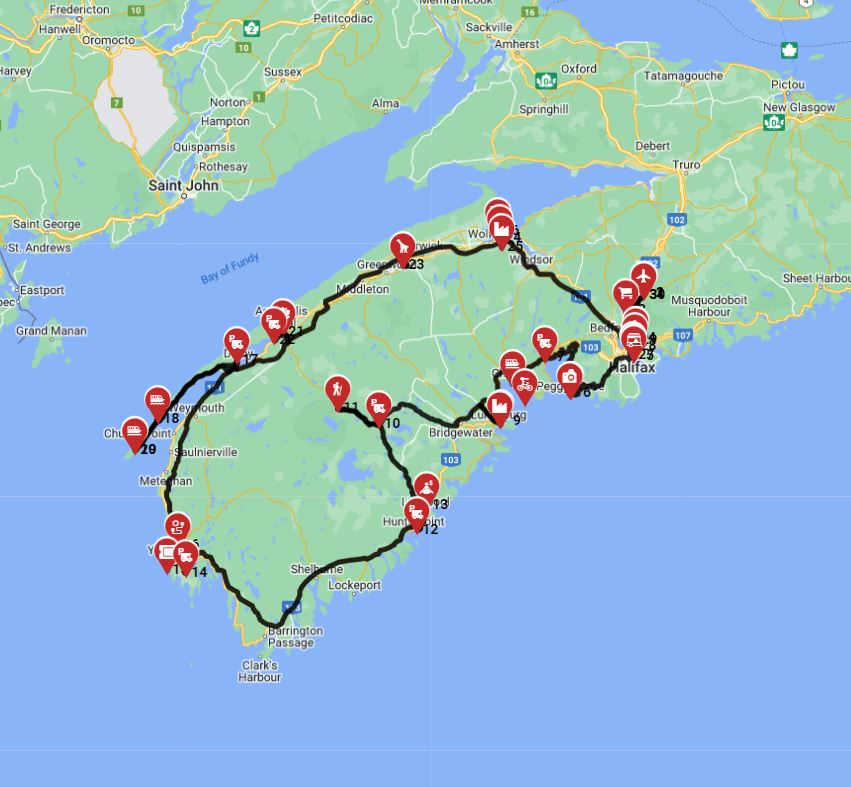
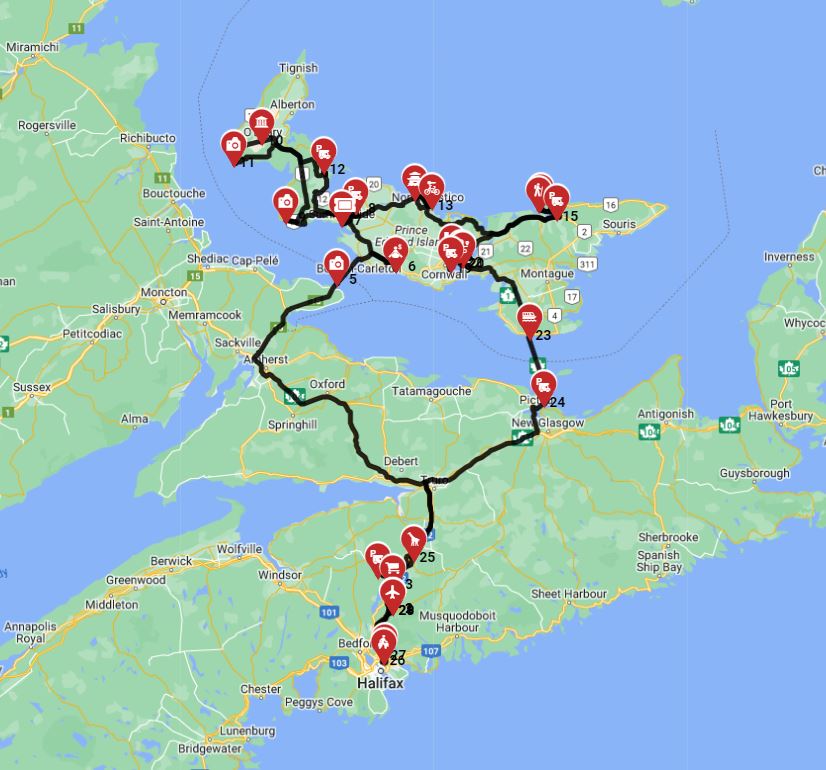
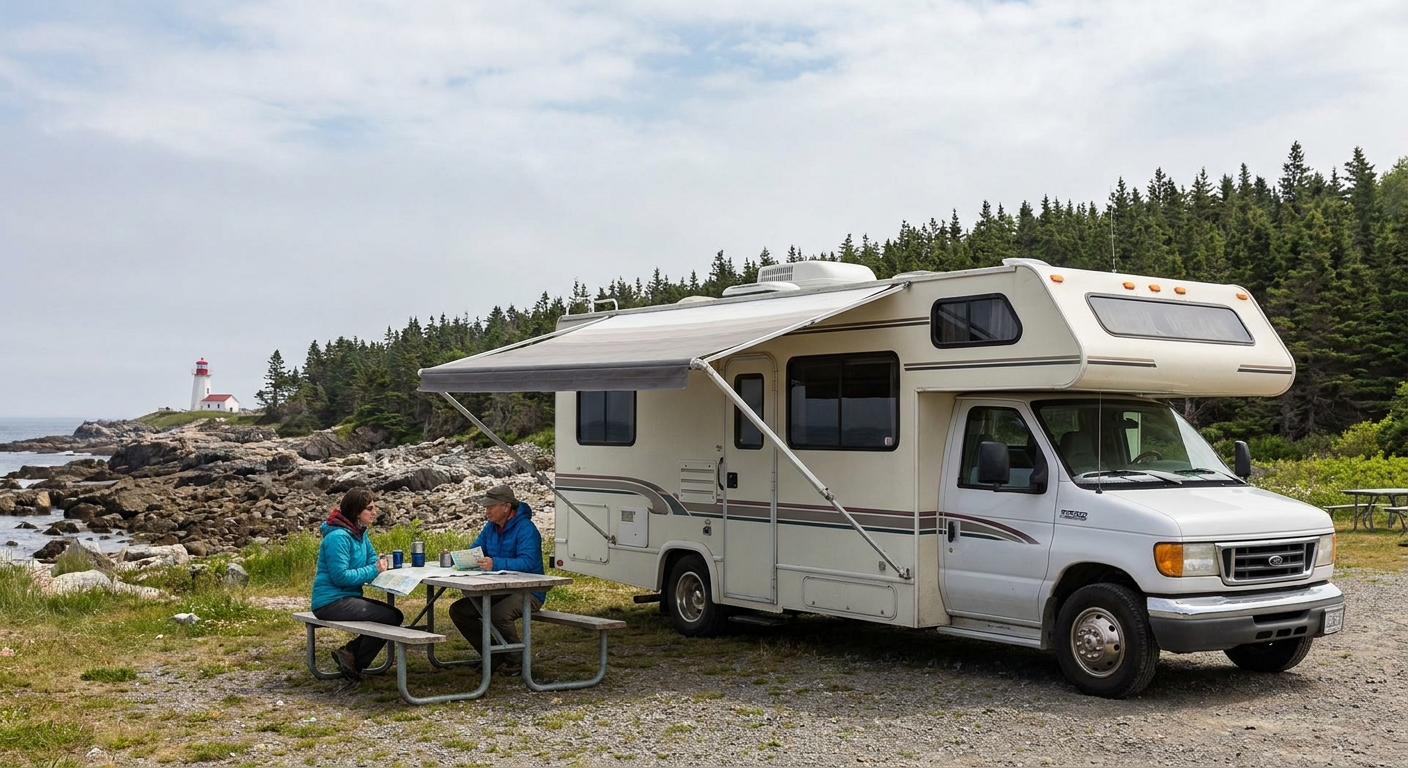
East Canada beckons RV adventurers with its diverse landscapes, stretching across the maritime provinces of Nova Scotia, Prince Edward Island, and New Brunswick, and extending into the French-Canadian charm of Quebec and the rugged beauty of Newfoundland & Labrador. When choosing your camping spot, explore a variety of options, from the well-maintained sites in provincial parks like those managed by Parks Canada in national parks such as Cape Breton Highlands or Gros Morne, to a multitude of private campgrounds catering to every need.
To truly immerse yourself in the local culture, consider parking your rented RV near charming fishing villages, seeking out regional seafood delicacies, and discovering hidden gems that lie beyond the typical tourist trails. These authentic experiences often lead to the most memorable RV journeys.
Campground Types in East Canada (National, Private, Wild)
East Canada offers a rich tapestry of camping experiences, from the nature-centric sites of National and Provincial Parks to the amenity-rich private campgrounds and the more elusive opportunities for wild camping. Each type caters to different preferences, whether you're seeking solitude in nature or convenient access to creature comforts.
National and Provincial Parks, often managed by Parks Canada or provincial park systems, typically provide natural settings with varying levels of service, from basic to semi-serviced sites. These popular spots frequently require advance reservations during the busy peak season and strictly enforce environmental regulations to preserve their natural beauty. For those who prefer more comprehensive amenities like swimming pools, playgrounds, and reliable full hookups (water, sewer, electricity), private campgrounds and RV resorts are a great choice, often accommodating a wider range of RV sizes, from compact Class B camper vans to larger Class A integrated motorhomes.
While the allure of wild camping or boondocking is undeniable, it's important to note that this practice is largely restricted on public land across East Canada. Dispersed camping is generally only permitted on specific Crown land areas or private property with explicit owner permission. If this is your preferred camping style, smaller RVs, such as Class B camper vans or truck campers, are more suitable due to their maneuverability and lower impact. Always remember that many campgrounds across East Canada welcome pets, but it's essential to check specific park or campground policies regarding leash laws, designated pet areas, and waste disposal.
Featured RV Park or Campground in East Canada
When selecting a standout RV park in East Canada, the ideal location strikes a balance between providing essential amenities and offering convenient access to the region's renowned attractions and stunning natural beauty.
Look for parks that offer complete service hookups, including reliable electricity (30-amp and potentially 50-amp for larger motorhomes), fresh water connections, and sewer hookups. Clean shower and laundry facilities, along with dependable Wi-Fi, contribute significantly to a comfortable base for your East Canada RV adventure. Proximity to scenic routes, hiking trails, or quaint local towns enhances the overall experience, making your chosen campground a true highlight of your trip.
Hookups & Amenities — What to Expect
When planning your RV camping trip in East Canada, understanding the typical hookups and amenities available at campgrounds will help you choose the best sites for your rented RV. Most established campgrounds offer a range of services to cater to different needs.
Serviced sites commonly provide 30-amp electrical hookups, which are suitable for most RVs. Larger private resorts or RV parks often feature 50-amp service, ideal for bigger motorhomes that require more power. Basic sites might only offer 15-amp outlets, usually sufficient for smaller camper vans or minimal electrical needs. Fresh water hookups are standard at serviced sites, and dump stations for gray and black water tanks are usually accessible, even at unserviced campgrounds. While many private campgrounds offer reliable Wi-Fi, remember that connectivity can be inconsistent in more remote national or provincial parks. For consistent service, consider having alternative internet solutions like a cellular hotspot or satellite device. On the routes offered through RV PLANET routes, you can itemize and track every expense along the way for easy budgeting.
Beyond hookups, expect to find essential amenities at most well-maintained campgrounds, including clean washrooms, hot showers, laundry facilities, picnic tables, and fire pits, enhancing your comfort and convenience during your stay.
Booking Windows & Reservations in East Canada
Securing an RV campsite in East Canada often hinges on advance booking, particularly for coveted spots in national and provincial parks during the peak summer season. However, spontaneous travelers can still find opportunities through first-come, first-served options or by exploring private campgrounds with more flexible availability.
For National Parks, the Parks Canada Reservation Service typically opens bookings months ahead, often in January for summer access, and popular sites tend to fill up rapidly. Provincial park systems, such as those in Nova Scotia or Quebec's Sepaq network, have their own reservation schedules, generally launching in late winter or early spring. These systems are crucial for guaranteeing your preferred location and hookups. Spontaneous travelers might find better luck with private campgrounds, which often maintain more open availability, or by seeking out the 25-30% of national park sites designated as first-come, first-served, especially outside of peak periods. While you'll almost certainly find a place to park your RV, calling ahead to confirm availability, especially when traveling with a larger vehicle, is always a wise step.
Nearby Supermarkets & Resupply Points
For RVers venturing through East Canada, convenient resupply points are essential for stocking up on groceries and other necessities to keep your mobile kitchen well-supplied throughout your journey.
Major supermarket chains like Loblaws (operating under various banners such as Atlantic Superstore and Provigo) and Sobeys are widely available across the region, particularly in larger towns and cities. Walmart Supercentres also offer extensive grocery selections. Additionally, many communities feature smaller independent grocers and local markets where you can find fresh produce and regional specialties, though their inventory might be more limited. Strategic planning of your route to include these resupply stops will ensure your East Canada RV adventure is both delicious and well-provisioned.
Best RV Class for Camping in East Canada
Choosing the right RV class for your East Canada camping trip depends heavily on your travel style and priorities. Each class offers distinct advantages, from nimble camper vans to spacious integrated motorhomes.
Class B Camper Vans, averaging around 5.8 meters in length and typically sleeping 3.2 people, are ideal for solo travelers or couples seeking agility and fuel efficiency (averaging 8-10 L/100 km). They excel at navigating narrower roads and offer ease of parking, making them perfect for more secluded campsites or boondocking. Class SI Semi-integrated RVs, averaging 6.9 meters and sleeping around 3.8 people, provide a great balance of living space and maneuverability, suitable for small families wanting modern comforts without excessive bulk, with fuel consumption around 10-11 L/100 km.
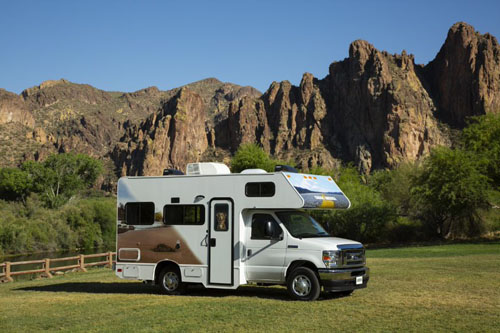
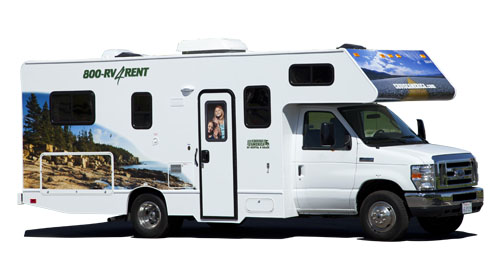
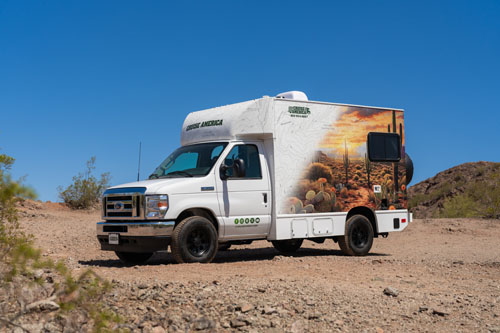
For families or groups needing more sleeping capacity and amenities, Class C Alcove RVs (averaging 7.5 meters, sleeping 5.8) are a popular choice, offering designated sleeping areas and ample storage for longer trips, with fuel consumption around 10-12 L/100 km. The most luxurious option, Class A Integrated RVs, also averaging 7.5 meters but sleeping around 4.4 people, offer spacious interiors, often with multiple slide-outs, and significant load capacity (average 209.5 kg). These are best suited for full-hookup sites and less rugged terrain due to their size, with fuel consumption typically ranging from 8-12 L/100 Km. Lastly, Class TC Truck Campers, averaging 5.5 meters and sleeping about 2.4 people, combine the versatility of a truck with RV convenience, ideal for accessing remote areas but generally less fuel-efficient (12-17 L/100 km).
How to Save on Campgrounds in East Canada
Savvy RV travelers can significantly reduce their overall trip costs by utilizing smart strategies for saving money on campgrounds in East Canada. Booking during the shoulder seasons, opting for less amenity-rich sites, and leveraging discount programs are effective methods.
Consider utilizing campground discount cards offered by various travel associations or rental partners, which can provide substantial savings on daily rates at participating private and provincial campgrounds. Traveling during the shoulder seasons—late spring (early June) or early fall (September to early October)—often means lower rates, fewer crowds, and pleasant weather compared to the peak summer months. Municipal or regional campgrounds are typically more budget-friendly than private RV resorts while still providing essential amenities. Many campgrounds offer discounted weekly rates for stays of three or more consecutive nights, presenting a significant saving over booking single nights.
Can you park up anywhere in an RV in Canada?
Generally, no, you cannot park an RV just anywhere in Canada. While specific regulations vary by province and municipality, wild camping or overnight parking on public land is largely restricted and often requires permits, making designated campgrounds the primary legal option for overnight stays.
National and Provincial Parks have strict rules against unauthorized overnight parking or camping outside of designated campsites. Many municipalities also have bylaws prohibiting overnight RV parking on streets, in public lots, or at rest areas, so always check local signage or municipal websites for specific regulations. While some businesses, like certain Walmart or casino locations, may tolerate overnight parking for self-contained RVs for a single night's rest, this is not guaranteed and typically lacks amenities. It's always best to seek permission from management. Dispersed camping, or 'random camping,' might be permitted on designated Crown (public) lands in some provinces, particularly in more remote areas, but it requires self-sufficiency and adherence to strict leave-no-trace principles and local regulations, including fire bans.
What is the 3 3 3 rule for RV travel?
The "3-3-3 rule" for RV travel is a popular guideline designed to promote a more relaxed, safe, and immersive road trip experience. It suggests travelers aim to drive no more than 300 miles (or kilometers) per day, arrive at their campsite by 3 PM, and plan to stay for a minimum of 3 nights at each location.
Adhering to the 300-mile limit helps prevent driver fatigue, allows ample time for spontaneous scenic stops, and reduces the stress of long hauls, especially on unfamiliar East Canadian roads. Arriving by 3 PM ensures campers have sufficient daylight to navigate to their campsite, set up their RV, connect hookups, and get acquainted with their surroundings before dark. Staying for at least 3 nights transforms a road trip into a true camping experience, encouraging deeper exploration of local attractions, relaxation, and a chance to truly unwind without the constant pressure of packing up and moving.
Where can I park my RV for free in Canada?
Finding free RV parking in Canada is limited and generally confined to private property with owner permission, some designated truck stops or rest areas for short overnight rests, or specific Crown land areas where 'random camping' is legally permitted, though availability and legality vary significantly by province.
Crown land, particularly in more remote regions, may allow 'random camping' according to specific provincial regulations, but these spots typically offer no services and require complete self-sufficiency. Some businesses, such as select Walmart or casino locations, might permit overnight RV parking, but it is crucial to always seek explicit permission from management first, as policies can change. Certain truck stops or provincial rest areas may allow short-term overnight parking for self-contained RVs primarily for resting, but this is not a substitute for camping and lacks amenities. Always research local bylaws and provincial regulations, as unauthorized free camping can result in fines.
How much does it cost to park an RV in Canada?
The cost to park an RV in Canada varies widely, depending on the location, amenities, and type of campground, ranging from approximately $25-$50 CAD per night for basic unserviced provincial or national park sites to $50-$100+ CAD per night for full-hookup private campgrounds or RV resorts with extensive amenities.
National and Provincial Parks typically charge between $25-$50 CAD for unserviced sites and $35-$65 CAD for serviced sites (electricity, water), often with additional fees for park entry passes (like the Parks Canada Discovery Pass). Private campgrounds and RV resorts generally offer more comprehensive services and amenities, with prices ranging from $40-$100+ CAD per night for full hookups, influenced by location, amenities offered (pools, Wi-Fi, cable TV), and the season. Backcountry or dispersed camping, if legally permitted on Crown land, is often free but comes with the trade-off of no services and the need for complete self-sufficiency.
Beyond parking fees, the overall cost of an RV trip in East Canada also includes expenses for fuel (which varies by RV class, consuming 8-17 L/100km), groceries, attraction entrance fees, potential ferry costs (particularly if traveling to PEI or Newfoundland), and comprehensive RV insurance, all of which can add significantly to your travel budget.
What is the 3 3 3 rule for RV camping?
The "3-3-3 rule" for RV camping is a widely adopted guideline that encourages a more balanced and enjoyable travel pace. It advises RVers to limit their daily driving to a maximum of 300 miles (or kilometers), aim to arrive at their campsite by 3 PM, and plan to stay at each location for at least 3 nights.
This driving limit helps prevent driver fatigue and allows for more spontaneous exploration of scenic routes and attractions, which is particularly beneficial when navigating the picturesque landscapes of East Canada. Arriving by 3 PM ensures campers have ample daylight to set up their site, connect utilities, and familiarize themselves with the campground before sunset, reducing stress and enhancing safety. Committing to at least 3-night stays at each destination transforms a road trip into a more immersive camping experience, allowing for deeper exploration of local areas, relaxation, and a chance to truly appreciate the surroundings without the constant rush of moving to a new location.
What is the best place to visit in Eastern Canada?
Eastern Canada is brimming with incredible destinations for RVers, offering diverse experiences from dramatic coastlines to historic cities and breathtaking national parks.
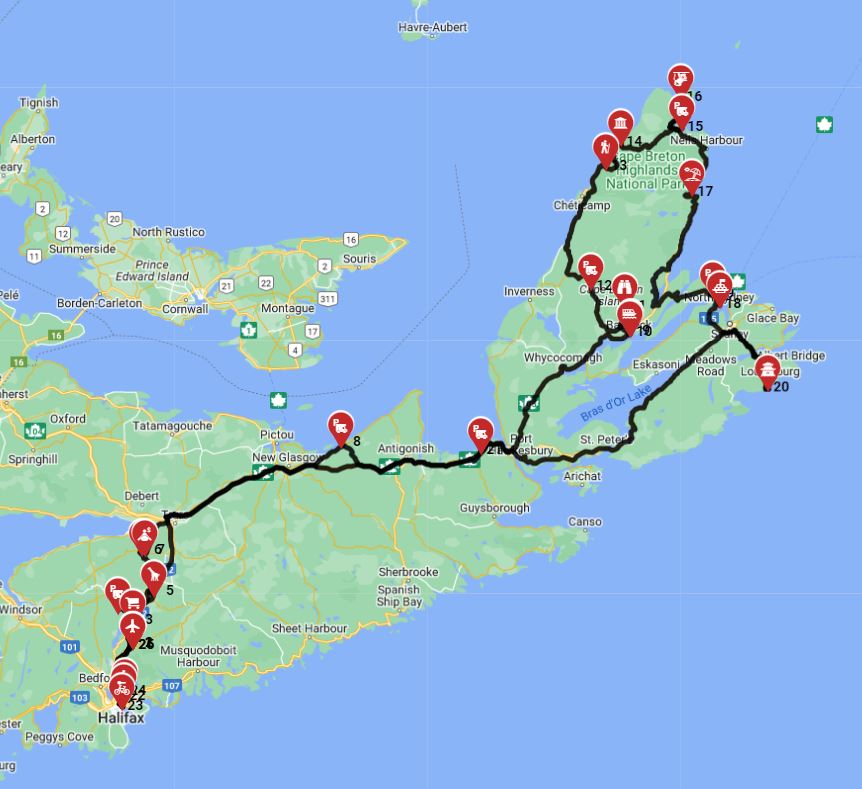
For a quintessential East Coast RV adventure, consider the Cabot Trail on Cape Breton Island, Nova Scotia, celebrated for its stunning coastal vistas, vibrant Celtic culture, and fresh seafood. Nearby, Cape Breton Highlands National Park offers exceptional hiking and whale-watching opportunities. Prince Edward Island (PEI) is perfect for RV exploration, boasting charming red sand beaches, iconic lighthouses, and the beloved Anne of Green Gables heritage sites. Further east, Gros Morne National Park in Newfoundland, a UNESCO World Heritage site, provides a gateway to dramatic fjords, towering cliffs, and unique geological wonders, with boat tours offering an immersive experience of its rugged wilderness.
On Quebec's Gaspésie Peninsula, RVers can circle the scenic route, enjoying a blend of mountains, sea, and rich Québécois culture, with highlights like Percé Rock and Forillon National Park. Along the Bay of Fundy, New Brunswick offers the spectacle of the world's highest tides, explore unique rock formations at Hopewell Rocks, and indulge in fresh lobster rolls. Each season in Eastern Canada offers a different charm: spring brings fewer crowds and vibrant flora, autumn paints the landscapes with stunning foliage (especially on the Cabot Trail), while summer provides warm weather and full access to all attractions. Early winter RVing can be challenging due to potential road closures and limited services, so plan accordingly.
What is the 10-year rule for RVs in Canada?
The "10-year rule" for RVs in Canada primarily refers to restrictions implemented by certain National Parks and private campgrounds, where vehicles older than 10-15 years might be subject to inspection or denied entry.
This policy is not a federal law but rather a guideline adopted by specific campgrounds to maintain aesthetic standards or ensure modern amenity levels within their facilities. The enforcement often depends more on the RV's overall condition and appearance rather than its precise age; a well-maintained older RV may still be accepted. Therefore, it is crucial to verify specific age restrictions directly with any campground or park you plan to visit, especially if your rented RV is over 10 years old, as policies can vary significantly.
Can a US citizen go camping in Canada?
Yes, US citizens can absolutely go camping in Canada, provided they meet standard Canadian entry requirements, possess valid identification, and adhere to all relevant customs, immigration, and RV travel regulations.
A valid US passport is required for all US citizens entering Canada by air and is highly recommended for land or sea entry, although an Enhanced Driver's License or NEXUS card can also be used at land borders. Be prepared to declare all goods, including food, alcohol, and tobacco, as strict rules apply to certain items like raw meat or firewood crossing the border. Crucially, US RV insurance policies may not offer sufficient liability coverage in Canada; it's vital to obtain a Canadian Non-Resident Inter-Province Motor Vehicle Liability Insurance Card, often called a "Canadian ID card" or "Pink Card," from your insurer before your trip. Have all documents readily accessible and be honest with customs officials about declarations. Familiarize yourself with Canadian driving laws, including speed limits posted in km/h and right-of-way rules, before crossing the border.
How to book RV campsites in Canada?
Booking RV campsites in Canada is typically straightforward, involving online reservation systems for national and provincial parks or direct contact with private campgrounds through their websites or phone numbers.
For National Parks managed by Parks Canada, utilize the Parks Canada Reservation Service online. It’s recommended to create an account, purchase a Discovery Pass if applicable, and book well in advance, as popular sites fill up quickly. Each province has its own distinct reservation system for its provincial parks (e.g., Nova Scotia Provincial Parks, New Brunswick Parks, or Sepaq for Quebec), usually accessible via their respective government websites. Most private RV parks also have their own booking portals on their websites or provide contact information for phone reservations. Online directories like RV Life Campgrounds or Campendium can assist in finding and linking to these private campgrounds. When booking, be ready with your desired dates, your RV's length, and your preferred hookup requirements, especially for travel during the busy summer months.
Do you need to book campsites in Canada?
While not always strictly mandatory, it is highly recommended to book campsites in Canada, particularly if you plan to visit during peak season (July-August), explore popular national or provincial parks, or require specific amenities.
Booking in advance ensures peace of mind, guarantees your preferred location and hookups, and helps you avoid the stress of searching for an available site, especially after a long day of driving. During peak summer months and at popular destinations, campgrounds can fill up completely, often months ahead of time. Some campgrounds do offer a limited number of first-come, first-served (FCFS) sites, but these can be competitive, especially on weekends or during high season. If you prefer a spontaneous RV trip, consider traveling during the shoulder seasons (spring or fall) or focusing on less-traveled areas where FCFS options or walk-in availability are more common. Regardless of your booking style, it's always a good practice to call ahead and confirm availability, especially when traveling with an RV.
Final Thoughts
Embarking on an RV adventure in East Canada is an incredible way to experience the diverse beauty and rich culture of this region at your own pace. From the dramatic coastlines to the charming historic towns, a rented RV provides the perfect blend of freedom and comfort for exploring.
Remember that planning is key, especially for popular routes and seasons. By booking your campsite in advance, understanding the amenities available, and preparing for the unique aspects of Canadian travel, you'll set yourself up for a smooth and unforgettable journey. Get inspired for your next trip and discover top destinations and planning tips all in one place!
Ready to hit the road? Compare RV rental prices across numerous suppliers and find the perfect motorhome for your East Canada adventure. Plan your trip itinerary in advance with minimal effort and maximum enjoyment.
For ideas you can prep on the road, watch our RV-friendly recipes playlist on YouTube.