In This Guide
- Where to Camp in California - Top Options
- Campground Types in California (National, Private, Dispersed)
- Featured RV Park or Campground in California
- Hookups & Amenities - What to Expect for Your California RV Trip
- Booking Windows & Reservations in California
- Nearby Supermarkets & Resupply Points in California
- Best RV Class for Camping in California
- How to Save on Campgrounds in California
- When Is The Best Time To RV Camp In California?
- How Much Does An RV Trip In California Cost Beyond Rentals?
- What Are Unique RV Experiences In California Beyond Mainstream Spots?
- Can I do extended RV rentals in California?
- RV Travel Tips For Families, Solo Adventurers, And Pet Owners In California
- What Are Common RV Challenges In California And How To Overcome Them?
- How To Practice Sustainable RV Camping And Leave No Trace In California?
California, with its vast landscapes and diverse ecosystems, offers some of the most iconic and varied RV camping experiences in the United States. From sun-drenched beaches and towering redwood forests to majestic national parks and serene deserts, a rented motorhome provides the ultimate freedom to explore this incredible state at your own pace. At Bandana RV, we're true RV specialists, with over two decades of experience helping tens of thousands of travelers discover the joy of the open road since 2001. We believe in full transparency, which means no hidden fees or surprises throughout your booking and rental process.
For live availability and current prices, start with our RV Rental California - Complete Guide 2026 guide, offering comprehensive insights into planning your perfect California adventure.
🎬 Video coming soon
Where to Camp in California - Top Options
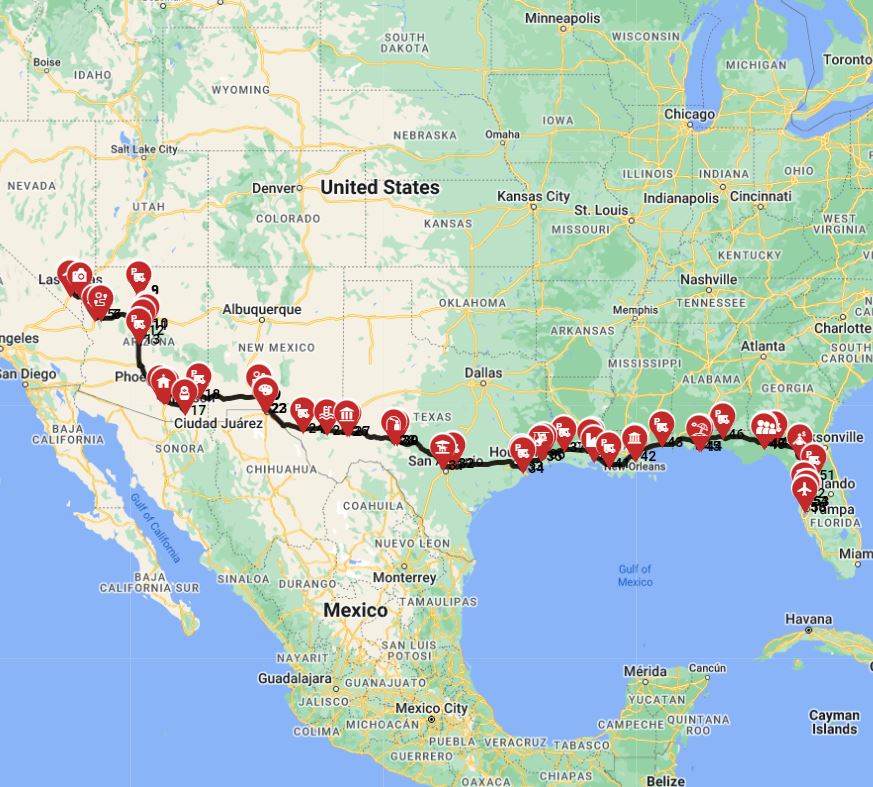
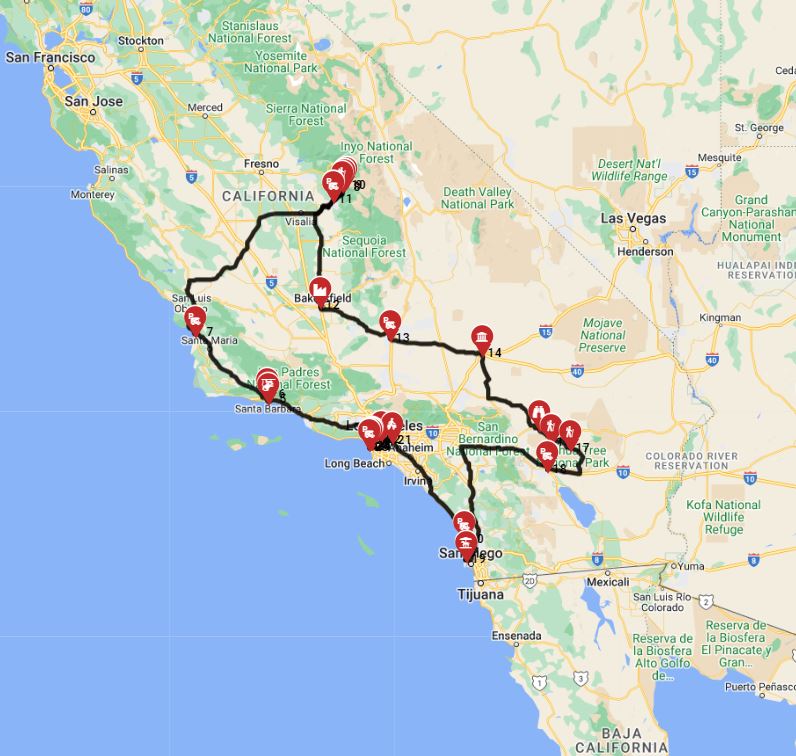
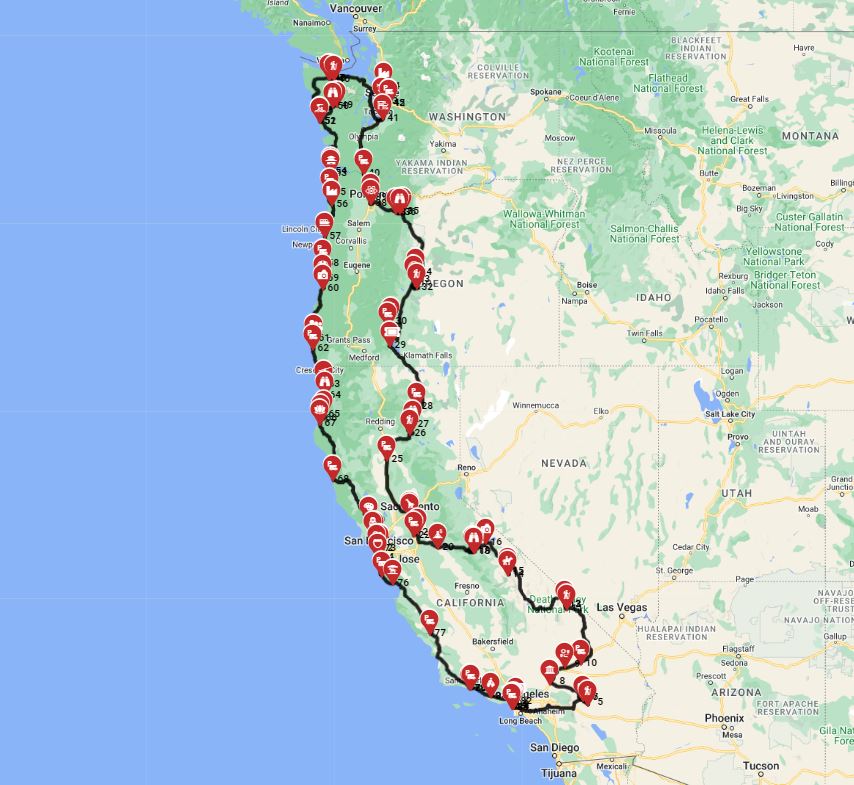
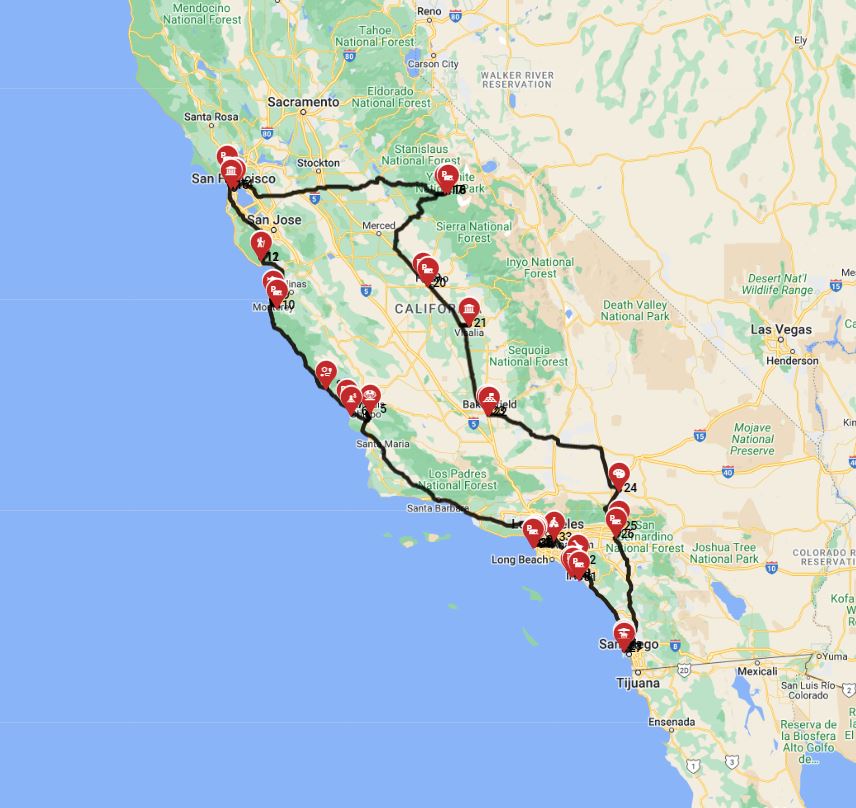
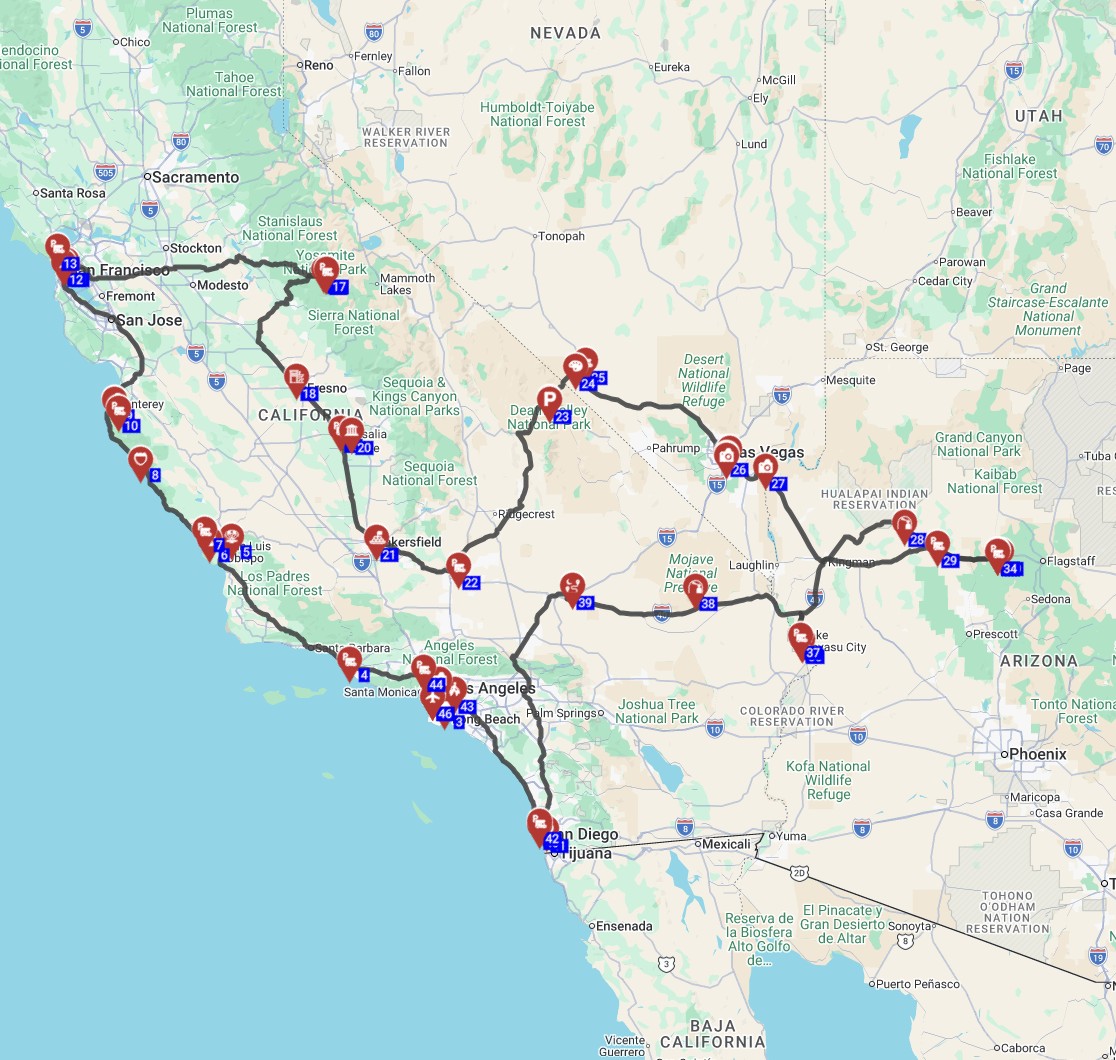
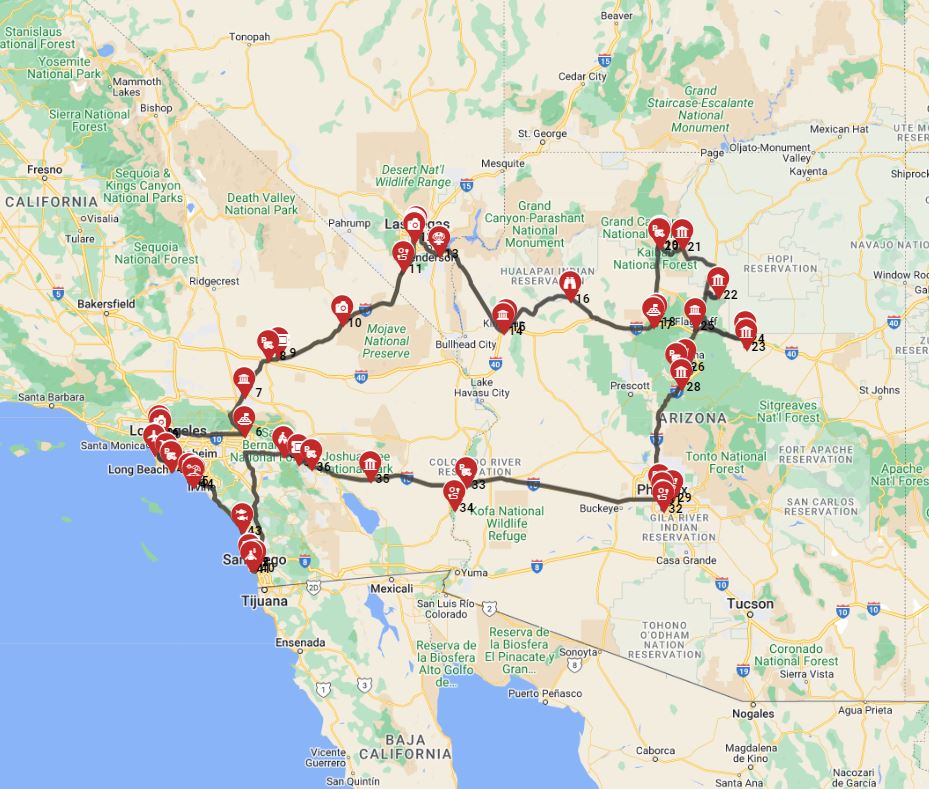
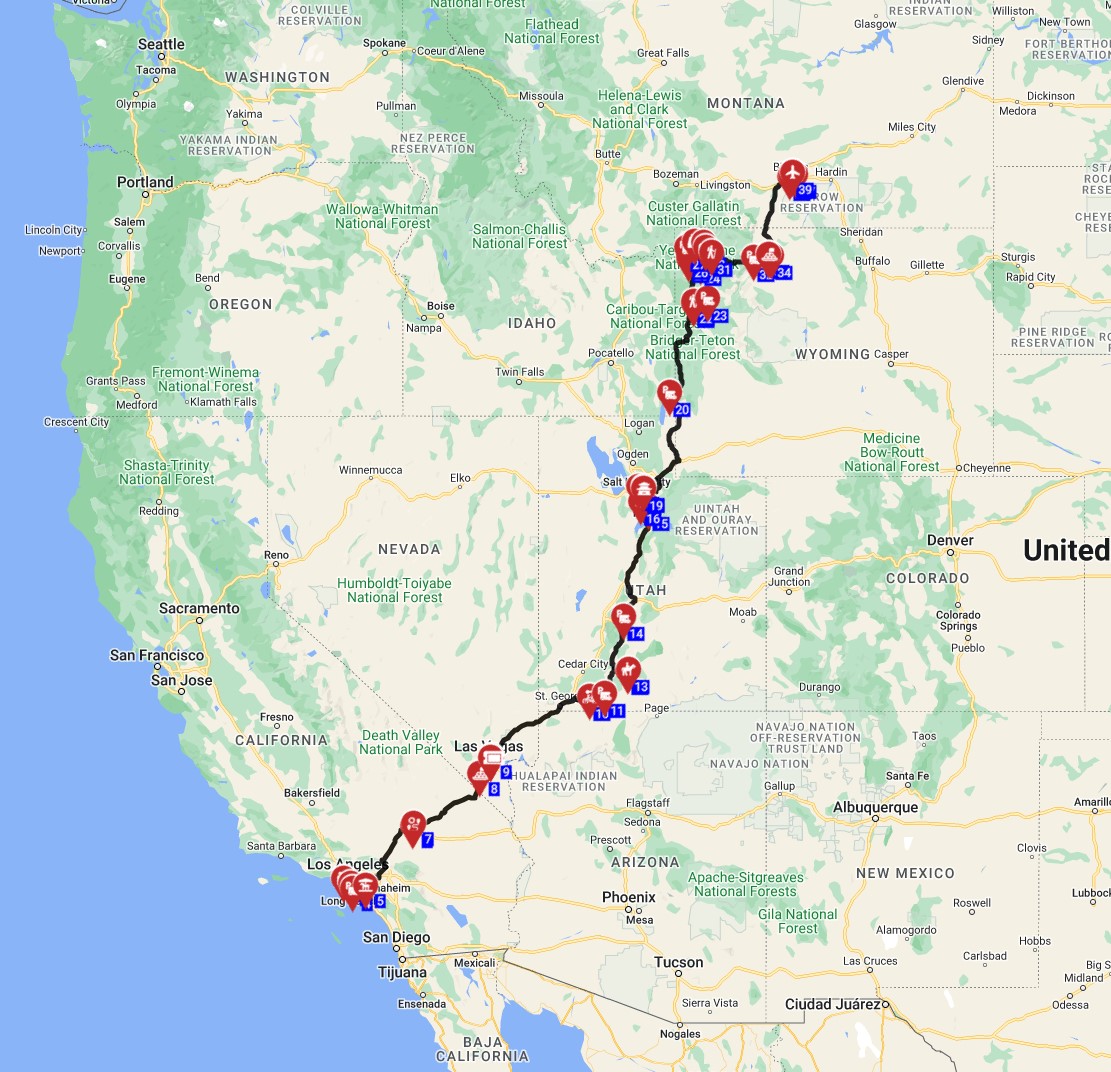
California offers diverse RV camping experiences, from coastal sites to mountain retreats and desert oases, providing endless possibilities for your rented RV adventure. Popular regions include the scenic coastline, such as the dramatic vistas along Big Sur, the vast wilderness of national parks like Yosemite and Joshua Tree, and tranquil forested areas around Lake Tahoe. Campgrounds are available across various settings, catering to different preferences for amenities and natural environments. Always check specific park regulations and reservation requirements, especially for popular destinations like those within a RV PLANET route, where demand can be extremely high. For example, our 25-day "
Campground Types in California (National, Private, Dispersed)
California's camping options for a rented motorhome include National Parks, State Parks, private RV resorts, and opportunities for dispersed camping or boondocking, providing a wide array of choices for every traveler. National and State Parks offer stunning natural beauty, often with basic amenities like picnic tables and fire rings, but typically require reservations far in advance due to high demand, especially in competitive areas like Yosemite or Big Sur where spots fill minutes after release. Private RV parks and resorts provide a wider range of amenities, including full hookups (30 or 50 amp electric, water, sewer), Wi-Fi, laundry facilities, and sometimes even swimming pools or recreational rooms, with varied pricing and booking flexibility. Dispersed camping (boondocking) is legal in many National Forests and Bureau of Land Management (BLM) lands in California, offering free, primitive camping, but requires strict adherence to Leave No Trace principles and local fire restrictions. Always verify legality and specific rules for boondocking locations, as regulations can vary significantly by area and change frequently, making careful research essential for a successful trip.
Featured RV Park or Campground in California
When choosing an RV park in California for your rented campervan, look for locations that match your desired experience and amenities to ensure a comfortable and enjoyable stay. Consider factors like proximity to iconic attractions, available hookups (electric, water, sewer), on-site facilities such as clean showers, laundry, and a convenience store, and positive guest reviews for an informed decision. Many top-rated RV parks in California offer stunning views, direct beach access, or serve as convenient bases for exploring national parks like Joshua Tree or Redwood National and State Parks, providing a comfortable blend of nature and modern conveniences. Always check their official websites for current rates, specific RV size restrictions, and real-time availability before booking, especially during peak travel seasons, to avoid any surprises.
Hookups & Amenities - What to Expect for Your California RV Trip
RV campgrounds in California typically offer a range of hookups and amenities, varying from basic sites in remote natural settings to full-service resorts, to enhance your rented campervan experience. Full hookups generally include 30 or 50 amp electric service, a fresh water connection, and a sewer dump hookup, which are standard features for most Class A, Class B, and Class C motorhomes. Many parks also provide shared amenities such as clean restrooms with flush toilets, hot showers, laundry facilities, and Wi-Fi access, though internet connectivity can be unreliable in more remote national or state park areas. Some campgrounds, particularly those in state or national parks, may offer only partial hookups (electric and water) or dry camping (no hookups), requiring your RV to be more self-sufficient with its fresh water tank (e.g., a "cruise america rv rental example Explorer" has an 82-liter fresh water tank) and waste water tanks.
Booking Windows & Reservations in California
Booking RV campsites in California, especially in popular national and state parks, often requires significant advance planning due to extremely high demand, particularly during peak seasons. Planners should aim to book 6 to 12 months ahead for peak seasons (June-August) at sought-after destinations like Yosemite National Park, as competitive sites can fill within minutes of their release. Many national park campgrounds release only 25-30% of their spots for advance reservations, with the remaining 70-75% often available on a first-come, first-served basis, offering a lifeline for spontaneous travelers. For more flexible trips, consider visiting during shoulder seasons (April-May or September-October), exploring less-known campgrounds, or opting for municipal and regional parks. Always call ahead before driving to confirm availability, especially if you're traveling without a reservation, and remember, you'll find a spot-if not at your first choice, then at the next suitable campground along your route. You can easily find available spots using resources like RV PLANET (rvplan.net).
Nearby Supermarkets & Resupply Points in California
Resupplying your rented RV in California is remarkably convenient, with major supermarket chains and local stores widely available near popular travel routes and urban centers, ensuring you can keep your kitchen stocked. Look for well-known chains such as Safeway, Ralphs, Vons, Albertsons, and Trader Joe's for a full range of groceries and fresh produce. In more remote or rural areas, smaller independent markets or general stores can serve as vital resupply points, though selections may be more limited and prices potentially higher. Planning your route with an eye on towns and cities will ensure easy access to fuel, fresh water refills, and all necessary provisions for your RV adventure. For example, preparing meals like pasta or hearty stews in your RV kitchen can be a delightful and cost-effective way to enjoy your trip. Check out our RV-friendly recipes playlist for inspiration! On the routes offered through RV PLANET routes, you can itemize and track every expense along the way for easy budgeting.
Best RV Class for Camping in California
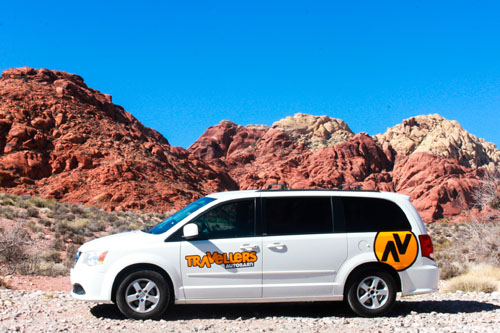
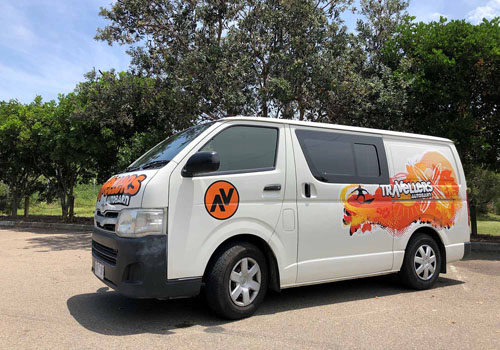
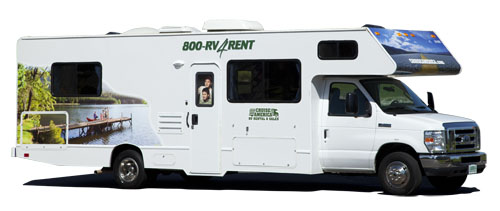
The best RV class for camping in California depends heavily on your group size, desired amenities, and preferred camping style, whether you plan to boondock or stick to full hookup sites. For couples or solo travelers prioritizing flexibility and accessing tighter spots for boondocking or navigating smaller state park roads, a Class B - Camper Van is often ideal. Bandana's fleet includes options averaging 5.8m in length and typically sleeping 3 people, offering excellent maneuverability and fuel efficiency (e.g., the "Category Van" averages 8-10 Liter/100 Km). Families or groups seeking more space, comfort, and comprehensive amenities for traditional campground stays might prefer a Class C - Alcove motorhome, which typically averages 7.5m in length and sleeps 5-6 people from Bandana's global fleet, with models like the "24 Class C Motorhome" offering spacious interiors. Consider factors like vehicle length for national park road restrictions (e.g., some narrow mountain roads have length limits) and fuel consumption (Class C motorhomes average 10-12 Liter/100 Km) to match your RV rental to your California itinerary.
How to Save on Campgrounds in California
Saving on RV campground costs in California is achievable through strategic planning and utilizing available discounts, allowing you to stretch your travel budget further. Leverage campground discount cards, such as those offered by Bandana's rental partners, which can provide significant savings of 10-20% on daily rates at participating private RV parks. Booking during shoulder seasons (spring and fall) or off-peak times can drastically reduce prices by 20-40% compared to peak summer rates and help you avoid the largest crowds. Opting for municipal or regional campgrounds over private RV resorts often results in lower nightly fees, typically $25-$50 less, though amenities might be more basic. Consider staying 3 or more nights to qualify for weekly rates, which are often 15-20% more economical than daily bookings, or explore sharing larger group sites with other RVers where permitted to split costs. Additionally, many Bureau of Land Management (BLM) and National Forest lands offer free dispersed camping, completely eliminating nightly fees if you are self-sufficient.
When Is The Best Time To RV Camp In California?
The best time to RV camp in California depends heavily on your desired region and activities, with shoulder seasons (April-May and September-October) often offering ideal weather and fewer crowds. Spring (April-May) provides pleasant temperatures across most of the state, perfect for exploring deserts blooming with wildflowers, the mild coastlines, and southern forests without extreme heat or peak tourist density. Summer (June-August) is prime for high-elevation destinations like the Sierra Nevada mountains, including Yosemite National Park, but typically brings higher prices, crowded campgrounds, and intense heat in desert regions. Winter (November-March) offers unique opportunities for snow sports in the mountains (e.g., Lake Tahoe) and mild, often sunny weather along the southern coast and deserts, but be aware of potential road closures due to snow and specific regional winter activities. Always consider wildfire season, which typically runs from late summer to fall, and check air quality and park closures before planning trips during these months, as conditions can change rapidly.
How Much Does An RV Trip In California Cost Beyond Rentals?
Beyond the RV rental cost, an RV trip in California typically includes significant expenses for fuel, campground fees, food, activities, and potential permits, requiring detailed budgeting. Average daily expenses can range significantly based on travel style; expect to budget $50-$150+ per day for campgrounds (less for boondocking), $50-$100+ for fuel depending on mileage and RV class (e.g., Bandana's Class C motorhomes average 10-12 Liter/100 Km), and $30-$70+ for food. Free camping (boondocking) on public lands (National Forests, BLM) can effectively eliminate campground fees, but verify legality and specific regulations for each location in California to avoid fines. Factor in costs for national park entrance fees (e.g., a $35 fee for a private vehicle to enter Yosemite, valid for 7 days), specific activity permits (e.g., wilderness permits), and unexpected supplies like propane or dump fees. Budgeting for shoulder season travel and utilizing campground discount cards are effective strategies to reduce overall trip costs. You can itemize and track every expense along the way for easy budgeting on RV PLANET routes, ensuring full transparency in your trip finances.
What Are Unique RV Experiences In California Beyond Mainstream Spots?
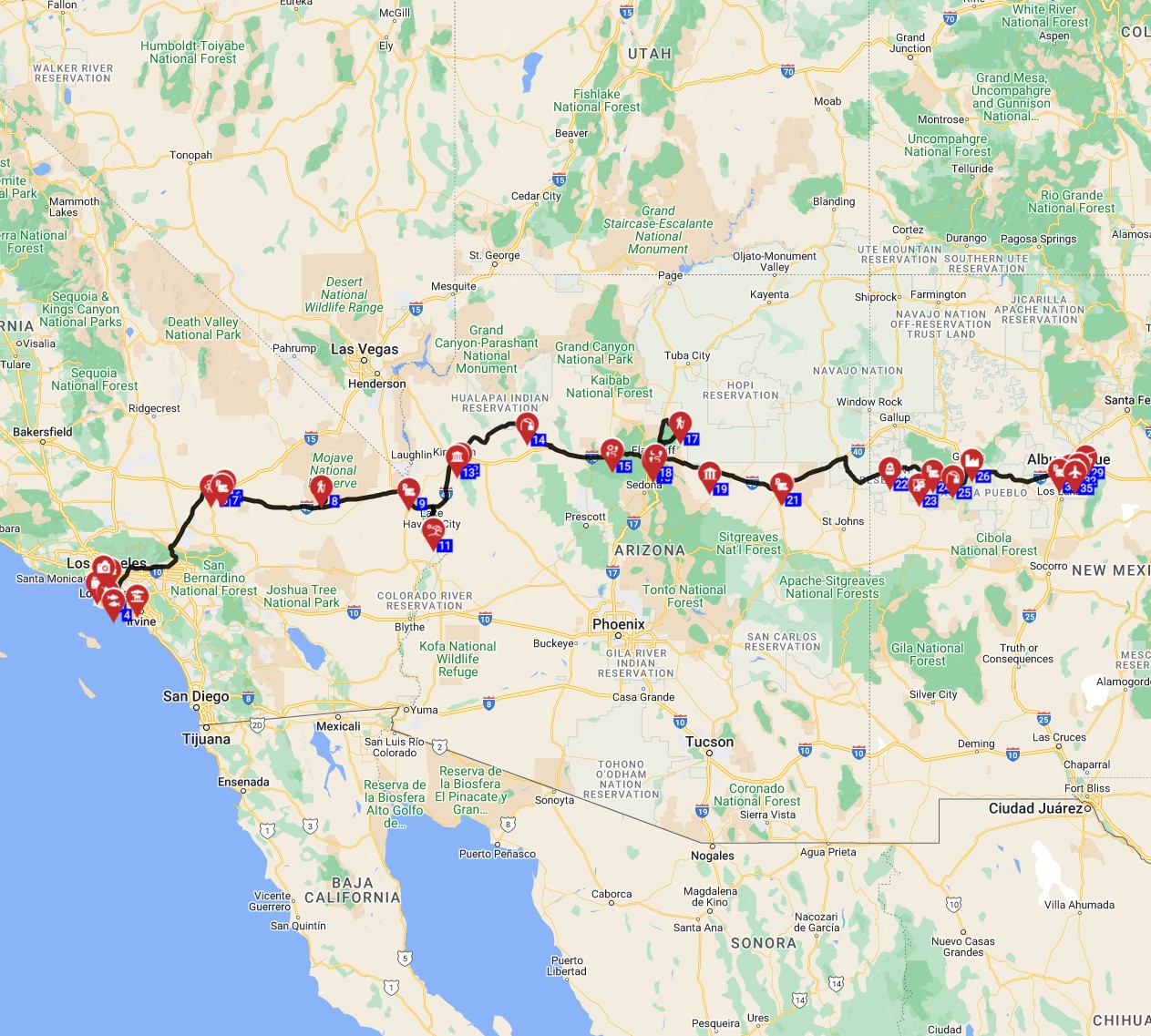
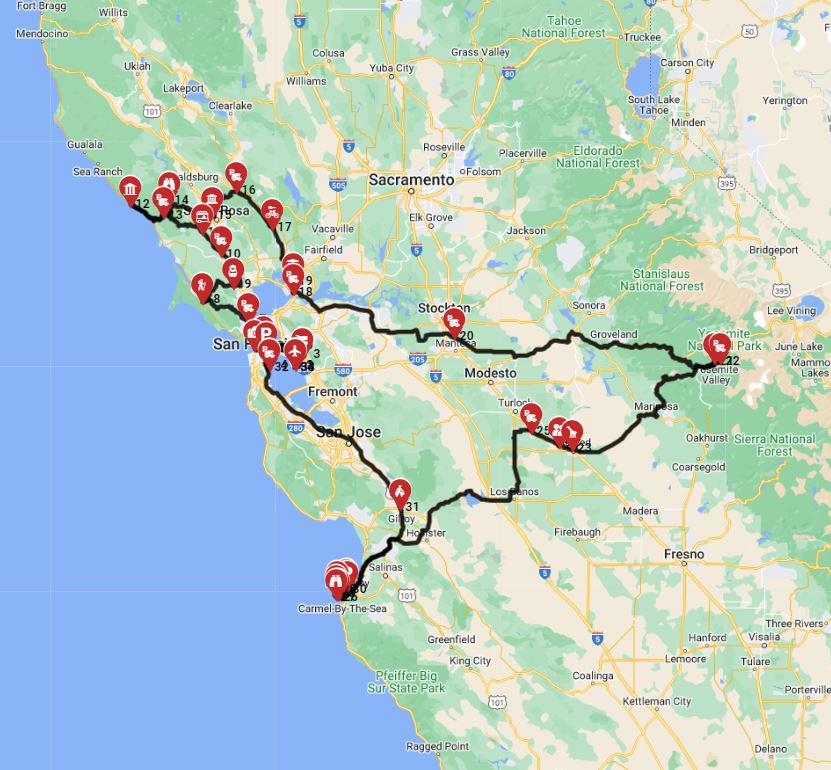
Beyond iconic destinations, California offers numerous unique RV experiences, hidden gems, and quirky roadside attractions for adventurous travelers seeking a less trodden path in their rented camper. Explore lesser-known state parks like Anza-Borrego Desert State Park for stunning spring wildflowers and unparalleled stargazing opportunities, or discover the secluded giant redwood groves of Humboldt Redwoods State Park. Seek out offbeat attractions such as the colorful, spiritual folk art of Salvation Mountain in the Sonoran Desert, the preserved 'ghost town' of Bodie State Historic Park near the Sierra Nevada, or the eccentric, evolving art installations of Slab City. Look for unique local events like small-town harvest festivals in wine country, regional art fairs in desert communities, or specific stargazing events in designated dark sky preserves. Utilize boondocking opportunities on BLM land to access truly remote and undisturbed natural beauty, discovering your own hidden vistas and quiet spots, making your California RV trip truly one-of-a-kind. Our 18-day "
Can I do extended RV rentals in California?
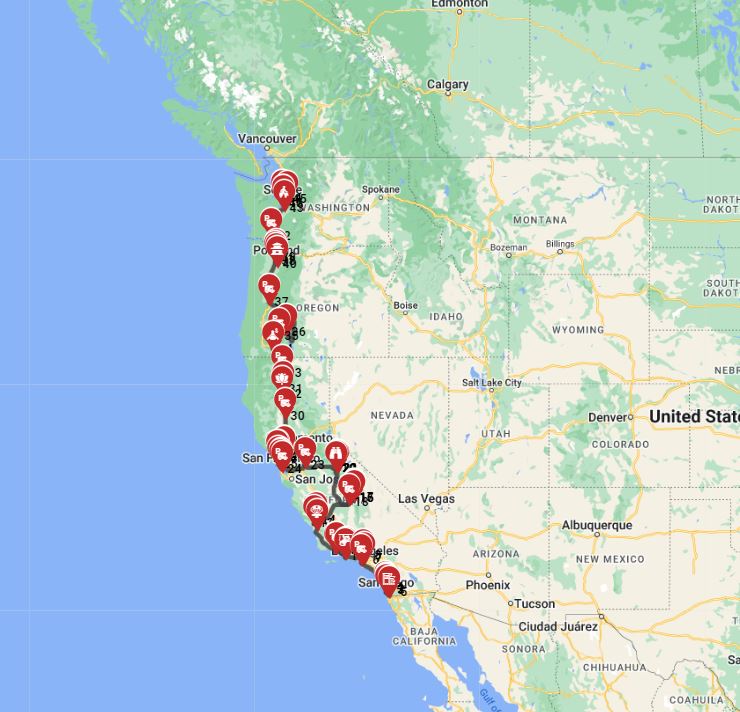
Extended RV rentals are a fantastic way to experience the vastness of California, offering a mobile home base for longer vacation adventures rather than permanent living. Many Bandana RV partners offer competitive rates for week-long trips or even month-long rentals, allowing you to truly immerse yourself in the destination without the commitment of ownership. When planning an extended rental, consider the vehicle class that best suits your needs: a compact Class B campervan like the "Active Pop Top" (5.99m length) might be perfect for a couple on a budget, while a larger Class C motorhome like the "MHC28" (7.3m length) with multiple beds and a bigger fresh water tank (160 liters) can comfortably accommodate a family for an entire month. Planning is key for longer trips, including mapping out your resupply points for fuel and groceries, and researching long-term camping options, which range from private campgrounds with monthly rates to extended stays on public lands. Remember, a standard car driver's license is sufficient for all motorhome classes, and the minimum rental age is 21 with no age-based vehicle restrictions or surcharges for younger drivers, making extended rented RV travel accessible to many.
RV Travel Tips For Families, Solo Adventurers, And Pet Owners In California
Tailoring your RV travel strategy to your specific demographic enhances the California experience for families, solo adventurers, and pet owners, ensuring everyone enjoys the journey. For families, choose rented RVs with ample sleeping (e.g., Bandana's Class C motorhomes average 5.8 sleeping places, like the "rv rentals utah example Sunrise Escape" which sleeps 5) and living space, prioritize campgrounds with playgrounds and family-friendly activities, and plan kid-friendly stops at beaches or educational museums. Solo adventurers should focus on safety and connectivity; select a maneuverable RV (like Bandana's Class B Camper Van, averaging 5.8m in length) for easier parking, ensure reliable communication devices, and consider campgrounds with strong community vibes or designated solo traveler sections. Pet owners must research truly pet-friendly campgrounds and trails, not just those allowing pets; look for off-leash areas, water access, and local vets, and always have current vaccination records and waste bags. Regardless of demographic, always check specific park rules for age, pet, or activity restrictions before arrival, especially in California's diverse natural areas, to prevent any unexpected issues during your trip.
What Are Common RV Challenges In California And How To Overcome Them?
RVing in California presents unique challenges, including diverse road conditions, fire season awareness, water conservation, and maintaining reliable connectivity in remote areas, all requiring proactive solutions for a smooth journey. Navigating diverse road conditions demands awareness of steep mountain passes (check for snow chains during winter months), coastal fog (reduces visibility), and intense desert heat (monitor engine temperature and tire pressure); always adjust driving speed slowly and carefully. Fire season (typically late summer to fall) requires constant vigilance: monitor fire alerts through local news, adhere strictly to burn bans, and have an evacuation plan, as some parks may close suddenly due to wildfire risk. Water conservation is crucial, especially in drought-prone California; take shorter showers, utilize campground facilities when available, and employ water-efficient cooking methods to extend your fresh water supply (e.g., a "DVC" campervan has a 114-liter fresh water tank). Maintaining reliable connectivity in remote areas can be difficult; consider portable Wi-Fi hotspots, satellite communicators for emergencies, or downloading maps and entertainment offline before heading out, as cellular service can be spotty. Drive slowly and carefully, and you can drive almost anywhere without issues. No need to stress - just use common sense and pay attention.
How To Practice Sustainable RV Camping And Leave No Trace In California?
Practicing sustainable RV camping and adhering to Leave No Trace principles is vital in California's diverse and sensitive ecosystems, ensuring these beautiful places remain pristine for future travelers. Plan ahead and prepare by researching specific regulations for waste disposal, campfire restrictions (which are common in California due to fire risk), and sensitive wildlife areas before your trip. Travel and camp on durable surfaces, sticking strictly to designated campsites and existing roads to protect fragile vegetation and prevent soil erosion. Dispose of waste properly by packing out all trash, utilizing designated dump stations for grey and black water, and never littering. Minimize campfire impacts by using established fire rings, keeping fires small, and ensuring they are completely out before leaving, especially during California's frequent fire seasons. Respect wildlife by observing from a distance, never feeding animals (which can alter their natural behavior), and storing food securely in your rented motorhome to prevent attracting pests or larger predators. By following these guidelines, your California RV adventure can be both memorable and environmentally responsible.
What You Shouldn't Miss
- **Yosemite Valley:** Drive your rented motorhome into this iconic valley for views of El Capitan and Half Dome, with numerous campgrounds accommodating RVs up to 35 feet.
- **Big Sur's Scenic Highway 1:** Experience breathtaking coastal drives and stunning viewpoints; book state park campgrounds like Pfeiffer Big Sur or Kirk Creek well in advance.
- **Joshua Tree National Park:** Explore the unique desert landscape where two distinct desert ecosystems meet, with several RV-friendly campgrounds offering primitive and developed sites.
- **Redwood National and State Parks:** Wander among the world's tallest trees; numerous parks offer RV camping, allowing you to wake up surrounded by these ancient giants.
- **Lake Tahoe:** Enjoy crystal-clear waters and mountain activities, with many RV parks and national forest campgrounds offering scenic spots, especially popular in summer and fall.
- **Death Valley National Park:** Discover the stark beauty of North America's lowest point, with campgrounds accommodating RVs and offering incredible stargazing.
Looking for expert insights from Avi Bandana? Top 5 Adventures - recommendations from Avi Bandana.
Final Thoughts
California truly offers a world of adventure for every RV traveler, from stunning coastlines to majestic mountains and serene deserts. With a rented motorhome or campervan, you unlock the freedom to explore at your own pace, creating unforgettable memories with every mile. Remember our philosophy: travel slowly, aiming for a maximum of 100-150 km per day on average, to truly connect with the culture, the food, and the breathtaking scenery.
At Bandana RV, we're dedicated to making your journey seamless and enjoyable. Our commitment to full transparency, 24/7 support (for pre-booking and coordination), and expert knowledge ensures you're in good hands every step of the way. We want your California RV camping experience to be everything you dream of, and more.
Ready to start planning your epic California road trip? Discover your ideal campervan or motorhome rental in California and begin your adventure today.