In This Guide
- Where to Camp in Boston - Top Options
- Campground Types in Boston (National, Private, Wild)
- Featured RV Park or Campground in Boston
- Hookups & Amenities - What to Expect
- Booking Windows & Reservations in Boston
- Nearby Supermarkets & Resupply Points
- Best RV Class for Camping in Boston
- How to Save on Campgrounds in Boston
- Where can I park my RV in Boston?
- What is the 3-3-3 rule when RVing?
- Where is the best place to park an RV for free?
- Can you park an RV on the street in Massachusetts?
- How do I reserve a campsite in Massachusetts?
Boston, Massachusetts, offers a captivating blend of colonial history, vibrant culture, and stunning coastal beauty, making it an ideal destination for a rented motorhome adventure. While RV camping directly in the heart of the city isn't typically an option, the surrounding areas provide excellent campgrounds with convenient access to all that Boston has to offer. For live availability and current prices, start with our RV Rental Boston - Complete Guide 2026 guide.
Where to Camp in Boston - Top Options
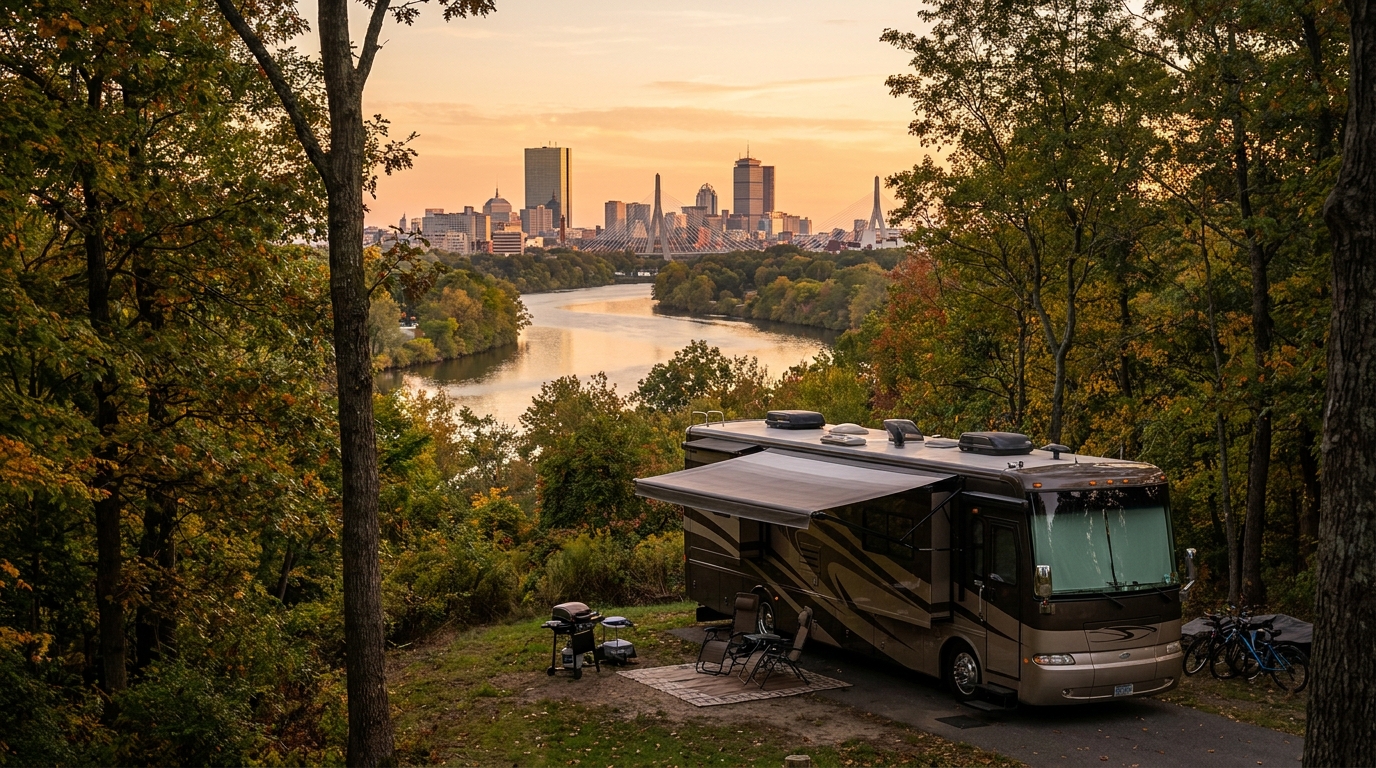
RV camping directly within Boston's city limits is generally not available, meaning options are found in surrounding towns and regions, typically within a 20-60 minute drive of the urban core. To efficiently explore the city, consider campgrounds located south along the coast (e.g., near Cape Cod), north towards New Hampshire, or west into Central Massachusetts, prioritizing proximity to MBTA commuter rail stations. For example, Wompatuck State Park in Hingham or Harold Parker State Forest in North Andover provide a natural retreat with potential public transport links. Look for parks in the greater Boston area that offer shuttle services or direct access to public transit for easier city exploration without the need to move your rented RV. Evaluating campgrounds based on public transportation access into Boston, amenities for extended stays (like a week-long trip or two-week adventure), and security for peace of mind while exploring the city is key.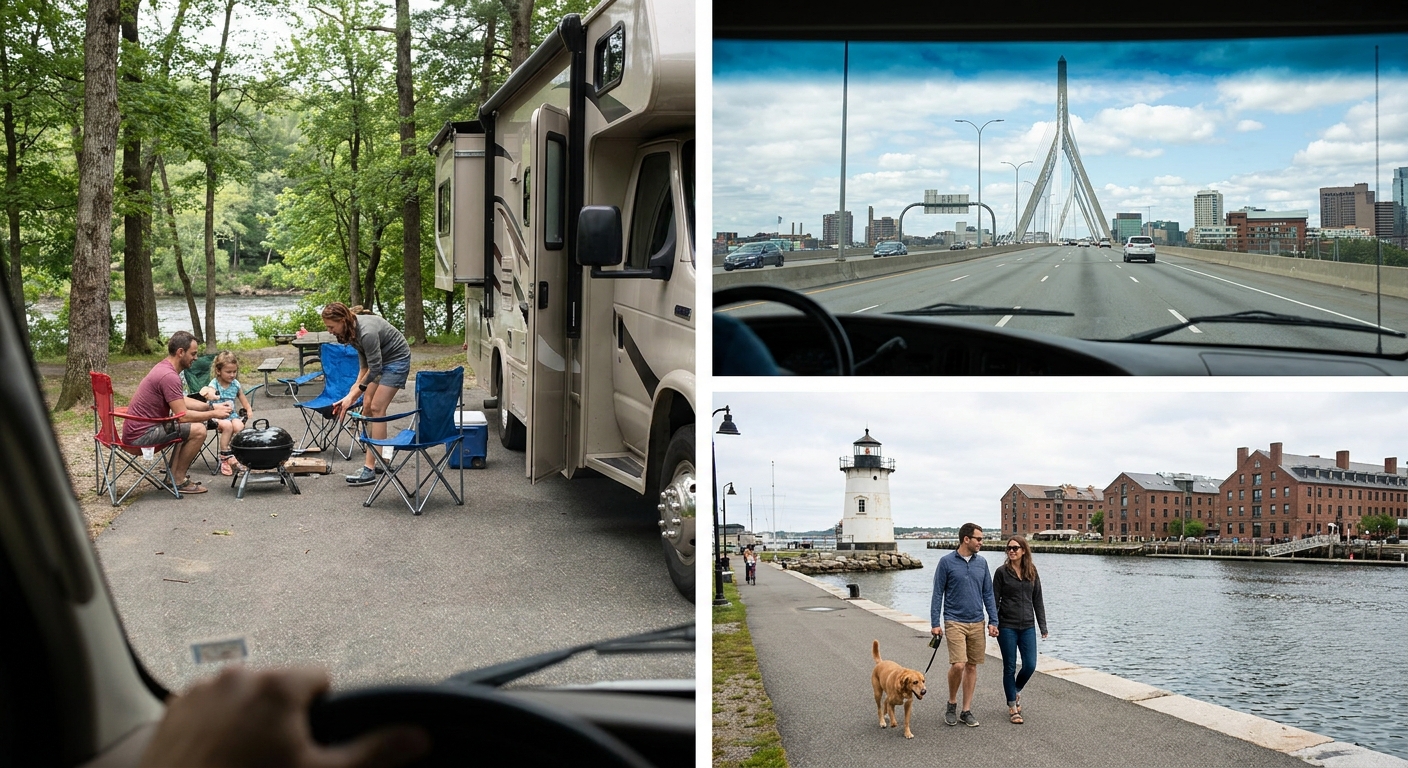
Campground Types in Boston (National, Private, Wild)
In the Boston area, private campgrounds are the predominant type of RV accommodation, offering a range of amenities and services tailored for motorhome travelers. Massachusetts State Parks, managed by the Department of Conservation and Recreation (DCR), offer some camping options, typically further from the immediate city center but often accommodating various RV sizes. For example, Nickerson State Park on Cape Cod offers 400 wooded campsites suitable for a rented camper. National Park sites near Boston, such as Minute Man National Historical Park, generally do not offer RV camping directly on-site but may have visitor centers with limited day-use parking. True 'wild camping' or boondocking is largely illegal and impractical within Boston and its dense surrounding suburbs; legal overnight parking is restricted to designated campgrounds or permitted private properties. For planning routes that include diverse camping experiences, RV PLANET routes allows travelers to itemize and track every expense, including campsite fees, along the way for easy budgeting.Featured RV Park or Campground in Boston
When choosing a featured RV park near Boston, look for facilities that balance proximity to the city with essential amenities and strong transportation links. An ideal option would be the Boston/Cape Cod KOA Holiday in Middleboro, roughly an hour south of Boston, which typically offers full hookups (30 or 50 amp electric, fresh water, and sewer connections), clean restrooms, laundry facilities, and often shuttle services or easy access to the MBTA commuter rail. Another strong contender is Normandy Farms Family Camping Resort in Foxboro, recognized for its resort-style amenities and convenient access to I-95. Prioritize parks that are within a reasonable drive of a Massachusetts Bay Transportation Authority (MBTA) commuter rail or subway station, enabling convenient day trips into downtown Boston without navigating city traffic with your RV. These parks receive positive reviews for their management, cleanliness, and helpfulness regarding local transit information and security measures, crucial for a worry-free week-long trip.Hookups & Amenities - What to Expect
Most private RV parks near Boston will offer essential hookups, including 30 or 50 amp electric service, fresh water connections, and sewer hookups for grey and black water tanks. Typical amenities across Boston-area campgrounds often include restrooms with hot showers, laundry facilities, and Wi-Fi access, though connection speed and reliability can vary. Larger parks, like a "rent an rv for a week example Active Classic" campground might also feature recreational areas, swimming pools, or even planned activities, especially useful for families on a two-week adventure. Always confirm specific hookup types and available amenities directly with the campground when booking, as some sites may offer partial hookups or differ in their Wi-Fi coverage. Propane refill stations are typically available at larger RV parks or nearby gas stations, which is crucial for heating and cooking inside your rented camper. If you enjoy preparing meals on the road, check out our RV-friendly recipes playlist for inspiration!Booking Windows & Reservations in Boston
For RV rentals in Boston, particularly during peak season (late spring through fall, generally May to October), it is highly recommended to book your campsite well in advance, often 3-6 months out, especially for popular coastal or state park locations. Massachusetts State Park campgrounds (DCR) typically open their reservation windows several months ahead of the season, and spots, especially for weekends and holidays, fill quickly. While many national parks might reserve only 25-30% of spots for online booking, leaving the rest for first-come, first-served, this model is less common for private RV parks near Boston. If traveling spontaneously, you will almost certainly find a place- if not at your first-choice campground, then at a nearby alternative. Always call ahead to confirm availability before driving to a site to save time and fuel.Nearby Supermarkets & Resupply Points
RV travelers near Boston will find numerous supermarket chains within a short drive of most campgrounds for convenient resupply, ensuring your rented motorhome kitchen remains fully stocked. Look for major grocery retailers such as Stop & Shop, Market Basket, Hannaford, and Whole Foods, which are widely available across Massachusetts suburbs. For specific locations, you can consult your chosen campground's information or use GPS. Many campgrounds also have small convenience stores for basic necessities, but for a full grocery stock-up, a larger supermarket will be required. It's advisable to plan your resupply stops around your campground location upon arrival, as navigating larger RVs in suburban parking lots can sometimes be challenging. Planning your route and stops in advance with tools like RV PLANET can help streamline these logistics.Best RV Class for Camping in Boston
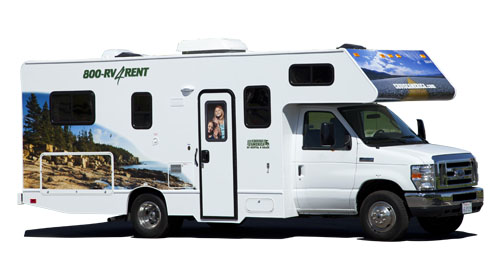
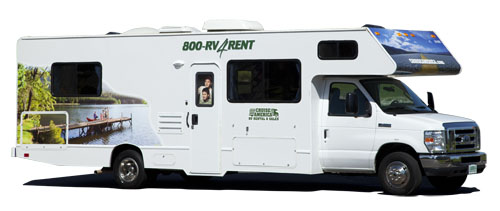
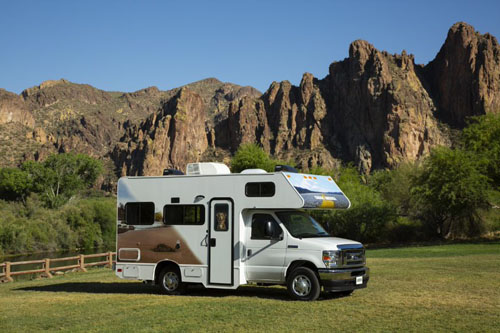
For navigating the Boston area and accessing campgrounds, smaller rented RV classes offer significant advantages in maneuverability and parking ease. Class B Camper Vans, such as the "rv rental denver example Category Van" or "Active Standard Auto" models, averaging 5.8 meters (~19 feet) in length and sleeping around 3 people, are ideal for their compact size, making them easier to drive on narrower roads and potentially allowing for easier parking at public transit hubs outside the city. Class SI - Semi-integrated RVs, averaging 6.9 meters (~23 feet) long and sleeping around 4 people, provide a good balance of comfort and relative maneuverability for families, suitable for campgrounds slightly further out from the city center. Larger Class C Alcove (avg. 7.5m, 6 sleeping places) or Class A Integrated (avg. 7.5m, 4 sleeping places) RVs offer more living space but will be more challenging to drive and park when visiting Boston's urban core, making them better suited for staying at remote campgrounds and utilizing public transport. Remember, you can drive almost anywhere without issues, just drive slowly and carefully, paying attention to your surroundings and any signage. No need to stress - just use common sense.How to Save on Campgrounds in Boston
Utilizing campground discount cards, such as those often offered by RV rental providers like Bandana partners, can be a significant way to reduce your overnight camping costs in Boston. Booking your RV trip during the shoulder season (late spring or early fall) instead of peak summer (July and August) can result in lower nightly rates, often saving 10-20% on prices that can range from $50-$100 per night, and also means fewer crowded campgrounds in the Boston area. Choosing municipal or regional campgrounds over private resorts, when available, often provides a more budget-friendly option, though amenities might be more basic. Staying for three or more nights at a single location can sometimes qualify you for weekly rates, offering a discount compared to daily rates, and reduces the hassle of moving your rented RV frequently. For flexible travelers, our "Cheap RV Rental in Boston - Budget Guide 2026" offers more tips on finding the best deals.Where can I park my RV in Boston?
Legal, dedicated RV parking within Boston's immediate city limits is extremely limited or non-existent, requiring most RV travelers to park at campgrounds outside the city. The best strategy for exploring Boston by rented RV is to secure a campsite at an RV park in a surrounding town, such as the Boston/Cape Cod KOA Holiday or Normandy Farms Campground, and commute into the city using public transportation like the MBTA commuter rail. These popular choices offer amenities and sometimes provide shuttle services or proximity to MBTA commuter rail stations for direct access to downtown Boston without navigating city traffic with a large motorhome. When parking outside Boston for day trips, always look for secured parking lots near public transit hubs that explicitly allow RV parking, and prioritize security measures like locking all doors, closing windows, and not leaving valuables in plain sight.What is the 3-3-3 rule when RVing?
The 3-3-3 rule for RVing suggests driving no more than 300 miles (approximately 480 km) a day, arriving at your campsite by 3 PM, and staying for a minimum of 3 nights. While this is a general guideline for relaxed RV travel, applying the 3-3-3 rule when visiting a dense urban area like Boston often requires adaptation. When traveling to Boston with a rented RV, prioritize the 'arrive by 3 PM' and 'stay 3 nights' aspects; once you've reached a suitable campground outside the city, longer stays minimize the need for frequent RV movement and difficult navigation. For city exploration, shorter daily 'drives' from the campground to a public transit station (e.g., a 15-20 minute drive to an MBTA commuter rail station) are acceptable, allowing you to maximize your time exploring Boston without violating the spirit of the rule's emphasis on leisurely travel and avoiding rushed driving. Remember to travel slowly, averaging no more than 100-150 km per day, to truly feel the place and connect with the culture.Where is the best place to park an RV for free?
Legitimate free overnight RV parking is exceedingly rare and generally not recommended for safety or legality reasons in Boston and its surrounding metropolitan area. Some big-box stores like Walmart or certain shopping centers may allow overnight RV parking in their lots with prior permission, but policies vary by location and are subject to change; always call the specific store manager beforehand to confirm. Designated rest stops or service plazas on major Massachusetts highways, such as along I-90 (the Mass Pike), might permit short-term overnight parking (e.g., a few hours to sleep), but this is not intended for extended stays or camping. Casinos, like Encore Boston Harbor, sometimes offer large parking areas that may tolerate RV parking, though this should always be confirmed directly with the casino management and is primarily for patrons. For peace of mind and essential amenities, a paid campground is almost always the best option when RV camping in Boston. Our "RV Rental Deals in Boston - Latest Offers 2026" guide can help you find affordable solutions.🎬 Video coming soon
Can you park an RV on the street in Massachusetts?
Parking an RV on the street in Massachusetts, especially overnight, is generally restricted or prohibited by local municipal ordinances, particularly in Boston and its dense suburbs. Many towns have regulations against parking oversized vehicles, commercial vehicles, or any vehicle for more than a set number of hours (e.g., 24-72 hours) on residential streets. Attempting to park a rented RV on Boston streets will likely result in fines, towing, or other penalties due to narrow streets, limited parking, and residential parking permit requirements. For instance, notorious low bridges on Storrow Drive and Memorial Drive (under 10 feet clearance) make large RVs especially vulnerable to damage and legal issues in the city. Always consult local city or town ordinances, readily available on municipal websites, to understand specific parking rules for large vehicles before attempting to park an RV on any public street.How do I reserve a campsite in Massachusetts?
To reserve a campsite in Massachusetts, most state parks managed by the Department of Conservation and Recreation (DCR) require booking through their online reservation system, typically available months in advance. These coveted spots, especially for weekends and holidays from May to October, fill up quickly. Private RV campgrounds near Boston, such as those mentioned in our "RV Driving in Boston for Seniors - Comfort Routes 2026" article, can be reserved directly through their individual websites or via third-party booking platforms. For popular destinations and peak season, it is crucial to book as early as possible, often as soon as reservation windows open, due to high demand. Always confirm the campground's cancellation policy, check-in/check-out times, and specific site requirements (e.g., RV length limits, hookup availability) before finalizing your reservation. A standard car driver's license is sufficient for all motorhome classes, so you won't need special permits to rent your RV.What You Shouldn't Miss
- Freedom Trail Walk: Embark on a self-guided 4 km (2.5 mile) walking tour through Boston's historic sites, including the Old State House, Paul Revere House, and Faneuil Hall.
- Whale Watching Tour from Boston Harbor: Take a 3-4 hour cruise from the New England Aquarium's Central Wharf to Stellwagen Bank Marine Sanctuary, home to humpback, fin, and minke whales.
- Exploring the North End: Wander through Boston's oldest residential neighborhood, savor authentic Italian cuisine, and visit the historic Old North Church, built in 1723.
- Day Trip to Cape Ann: Drive your rented campervan north (about 1 hour) to picturesque coastal towns like Rockport and Gloucester, known for their charming harbors, art galleries, and fresh seafood.
- Harvard University Campus Tour: Take a student-led tour of the historic Harvard Yard in Cambridge, just a short MBTA ride from downtown Boston.
- Lexington and Concord Loop: Visit Minute Man National Historical Park (about 30 minutes west of Boston) to experience the sites of the first battles of the American Revolutionary War.
Final Thoughts
Exploring Boston and its historic surroundings in a rented motorhome offers incredible freedom and flexibility. Imagine waking up in a peaceful Massachusetts campground, enjoying breakfast from your own mobile kitchen, then hopping on the MBTA to dive into the bustling city streets and historical landmarks. It's a blend of urban adventure and natural tranquility that only RV travel can provide. With Bandana RV, you're not just renting a vehicle; you're gaining a partner dedicated to making your journey seamless. From transparent pricing to comprehensive support before and after your booking, we're here to ensure your Boston RV adventure is everything you dreamed of. Remember to plan your camping spots in advance, especially during peak seasons, and embrace the local public transport for effortless city exploration. Find Motorhome Rentals in BostonOn the routes offered through RV PLANET routes, you can itemize and track every expense along the way for easy budgeting.