In This Guide
- Where to Camp in Asia - Top Options
- Campground Types in Asia (National, Private, Wild)
- Featured RV Park or Campground in Asia
- Hookups & Amenities - What to Expect
- Booking Windows & Reservations in Asia
- Nearby Supermarkets & Resupply Points
- Best RV Class for Camping in Asia
- How to Save on Campgrounds in Asia
- What is the 3-3-3 Rule for RV Camping and What is the 4-4-4 Rule for RV Travel?
- Which Countries are Best and Most RV Friendly for Travel in Asia, and Which Have the Best Campsites?
- What is the 10 Year RV Rule and Why is it Important for RV Travel?
- Is Wild Camping Legal in Asia?
- What You Shouldn't Miss
Where to Camp in Asia - Top Options
Japan's extensive Michi-no-Eki (roadside station) network, with over 1,000 government-sanctioned locations, provides safe and often free overnight parking with amenities, making it a prime destination for RVers in Asia. These facilities are incredibly convenient and user-friendly. South Korea also stands out, offering a robust selection of well-maintained national park campgrounds and private auto-camping sites with modern facilities, which are ideal for families seeking a comfortable RV trip. As you expand your search for the perfect RV camping spots in Asia, Thailand and Malaysia are emerging destinations that feature a growing number of private campgrounds near popular tourist areas and beaches, although infrastructure for larger motorhomes might be less consistent than in more developed countries. Consider regions like Taiwan, with its beautiful mountain campsites and excellent road quality, or explore the developing RV scene in parts of Vietnam and Indonesia for more adventurous travelers. For live availability and current prices for your journey, start with our RV Rental Asia - Complete Guide 2026.Campground Types in Asia (National, Private, Wild)
National park campgrounds in Asia often provide basic facilities and stunning natural surroundings within regulated environments, typically requiring reservations in advance, especially during peak seasons. Private campgrounds and resorts across the continent usually offer more extensive amenities, such as full hookups, laundry services, and recreational facilities, catering to RVers seeking enhanced comfort. Wild camping, also known as boondocking or freedom camping, is generally restricted or discouraged throughout much of Asia, with its legality varying significantly by country and often requiring prior permission from landowners or local authorities. However, Japan's renowned Michi-no-Eki network serves as a popular and legal alternative to traditional wild camping, providing free overnight parking for motorhomes with readily available toilet and sometimes shower facilities. Always adhering to local customs and environmental guidelines is crucial for ethical and sustainable RV travel, especially when exploring less developed or remote areas of Asia.Featured RV Park or Campground in Asia
When selecting an RV park in Asia, look for establishments that clearly advertise full hookups, including reliable electricity (typically 220-240V), fresh water, and grey/black water dump stations, alongside robust Wi-Fi and secure parking facilities. An ideal featured RV park would also offer convenient amenities like clean shower blocks, laundry services, and possibly a small convenience store or on-site restaurant, all contributing to a more comfortable and self-sufficient extended trip. Proximity to local attractions, significant cultural sites, or breathtaking natural landscapes is a significant advantage, enabling travelers to easily immerse themselves in authentic Asian experiences. Before booking, ensure the park can comfortably accommodate the size of your rented motorhome or campervan, as some Asian campgrounds may be designed for smaller vehicles. You can often find detailed information and reviews for such spots on platforms like rvplan.net.Hookups & Amenities - What to Expect
RV hookups in Asia vary considerably by country and campground type; travelers should generally expect 220-240V electricity, though plug types differ significantly across the continent (e.g., Type A/B in Japan, Type C/F in Korea), necessitating universal adapters for your rented motorhome. Freshwater access and grey/black water dump stations are typically common and well-maintained in private campgrounds but can be less ubiquitous or standardized in national parks or more rural areas. Reliable internet connectivity via Wi-Fi is often available in private campgrounds, hotels, and urban centers, but can be spotty or non-existent in remote camping locations, making a local SIM card a valuable consideration for continuous online access. Most well-equipped private RV parks will offer standard laundry facilities and hot showers, contributing significantly to a more comfortable week-long trip or extended stay. Understanding local practices for waste disposal and electricity consumption is vital for a smooth and respectful RV experience in Asia's diverse environments, and for tracking these expenses, remember that RV PLANET routes allow you to itemize every cost.Booking Windows & Reservations in Asia
For planners, booking RV campsites in popular Asian destinations or during peak seasons (such as cherry blossom season in Japan or summer holidays in South Korea) should be done several months in advance to secure preferred spots. Spontaneous travelers, however, often find ample flexibility during the shoulder seasons (spring or autumn) or by targeting municipal and regional campgrounds, where same-day or next-day bookings are frequently possible. It's important to know that many national park campgrounds in Asia often release only 25-30% of their spots for advance reservations, leaving the majority available on a first-come, first-served basis. You will almost certainly find a place to stay; if not at your first-choice campground, then at a nearby alternative, especially outside of major holidays. Always call ahead to your intended campground before driving there, particularly if you are traveling with a larger RV like a Class C Alcove motorhome, to confirm availability and vehicle suitability.Nearby Supermarkets & Resupply Points
Major urban centers across Asia offer a variety of well-stocked supermarkets for convenient resupply, including international chains like Carrefour or local giants such as Aeon (Japan), Emart (South Korea), or Tesco Lotus (Thailand), ensuring you can find almost everything you need for your rented campervan. Look for hypermarkets or large grocery stores in the vicinity of towns and cities, as these typically stock a comprehensive range of food, household items, and personal care products for your journey. Additionally, local markets are excellent resources for fresh produce, regional delicacies, and offer an immersive cultural experience, though they may require cash and a few basic local language phrases. Planning your resupply stops is essential, especially when venturing into more rural or remote areas where options may be limited, to maintain adequate provisions and enjoy preparing RV-friendly recipes playlist onboard your RV journey.Best RV Class for Camping in Asia
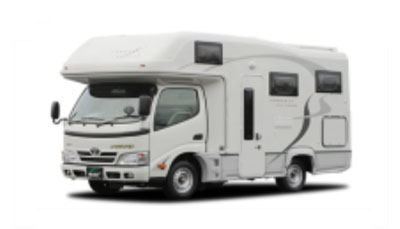
For navigating Asia's diverse road conditions and often narrower streets, Class B Camper Vans are highly recommended. Bandana offers a fleet of these vehicles, many averaging around 5.8 meters in length and boasting impressive fuel consumption of 8-10 Liters/100 km. These compact campervans, which can accommodate an average of 3.2 sleeping places and 2.7 adults, provide excellent maneuverability for both urban exploration and accessing remote campsites, making them ideal for boondocking or minimalist camping, especially when considering a "rv rental denver example Category Van" style. Class SI Semi-integrated motorhomes, with an average length of 6.9 meters and fuel consumption typically between 10-11 Liters/100 km, offer a good balance of comfort and reasonable size for couples or small families (averaging 3.8 sleeping places, 3.4 adults), providing a slightly more spacious option than a standard campervan hire example Active Classic. While larger RVs like Class C Alcoves (averaging 7.5m, 10-12 L/100km, with features like "3 double beds" and "roof air condition") or Class A Integrated units (averaging 7.5m, 11-12 L/100km, like a "Class A - Thor ACE 30" model) certainly provide more space and amenities, their size can be a challenge on some Asian roads and in smaller campgrounds. The choice ultimately depends on your comfort needs, planned itinerary (urban versus rural focus), and tolerance for navigating potentially challenging road conditions and parking situations. Drive slowly and carefully, and you can drive almost anywhere without issues. No need to stress - just use common sense and pay attention.How to Save on Campgrounds in Asia
Utilizing campground discount cards or memberships, sometimes available through rental providers, can be the most significant saving lever for your RV adventure in Asia, offering reduced rates at participating parks. Traveling during the shoulder season (typically spring or autumn) generally results in significantly lower campground fees and fewer crowds compared to peak summer or major holiday periods, which is a key consideration for "RV Rental Deals in Asia - Latest Offers 2026". Opting for municipal, regional, or state-run campgrounds typically provides more budget-friendly rates than private resort-style parks, though you might find amenities to be simpler. Many campgrounds, especially in developed RV-friendly countries like Japan, offer weekly or monthly rates that significantly reduce the nightly cost; plan to stay 3 or more nights in a single location to take advantage of these savings. If permitted and feasible, consider sharing hookups with another RV group, as some parks may offer discounted rates for cooperative arrangements, further reducing your per-night cost for a rented motorhome. Remember to consult "RV Rental in Asia - Prices and Best Deals 2026" for overall trip budgeting.What is the 3-3-3 Rule for RV Camping and What is the 4-4-4 Rule for RV Travel?
The 3-3-3 rule for RV camping, sometimes expanded to the 4-4-4 rule, is a widely adopted guideline for safe and enjoyable RV travel that advises driving no more than 300-400 kilometers (or miles) per day, stopping by 3-4 PM, and staying at least 3-4 nights in one location. This rule is primarily designed to prevent driver fatigue, allowing for safer travel and ensuring adequate time to set up camp before dark. Arriving at a campground by mid-afternoon provides sufficient time to select a good site, get the RV leveled and hooked up, and still enjoy the surroundings. Staying for multiple nights at a single location allows for deeper exploration of the local area, reduces travel stress, and often qualifies for discounted weekly rates at campgrounds. While originating in Western RV culture, these principles are universally beneficial for RV travel in Asia, promoting a more relaxed pace and greater appreciation for cultural immersion. Remember, we always recommend slow travel, aiming for max 100-150 km per day on average, to truly feel the place.Which Countries are Best and Most RV Friendly for Travel in Asia, and Which Have the Best Campsites?
Japan and South Korea are widely considered the most RV-friendly countries in Asia, boasting excellent infrastructure, dedicated RV parks, and clear guidelines for rented motorhome travel, with Japan's Michi-no-Eki network being a standout for its quality campsites and rest areas. These countries offer developed road networks, accessible fuel stations, and relatively easy navigation, making vehicle logistics less daunting for international travelers. Thailand and Malaysia are emerging as popular destinations for RV travel, providing a mix of private campgrounds near scenic beaches and national parks, though road quality and specific RV services can vary more significantly. For a more authentic experience, consider destinations like Taiwan, known for its beautiful mountainous campsites and well-maintained roads, or parts of Vietnam for adventurous routes, though these may require more detailed planning regarding local driving laws and permits. The "best campsites" are subjective, but Japan and South Korea generally offer the most modern facilities, English-friendly services, and widespread availability of hookups and amenities, facilitating comfortable RV experiences across Asia. For one-way options, check "One-Way RV Rental in Asia - Price Guide 2026".What is the 10 Year RV Rule and Why is it Important for RV Travel?
The "10-year RV rule" refers to a policy, primarily observed in some private RV parks and campgrounds in North America, that restricts recreational vehicles older than 10 years from staying to maintain a certain aesthetic standard or perceived quality. This rule is significantly less common and often more flexible in many Asian destinations, where the emphasis might be more on vehicle condition and roadworthiness rather than strict age limitations. For RV travelers renting in Asia, this rule is generally not a concern as rental fleets, like those from our direct partnerships with 50+ leading RV suppliers worldwide including El Monte, Cruise America, Apollo, and Britz, typically consist of newer vehicles. However, those embarking on longer trips or bringing their own older RVs should always verify specific campground policies if traveling to locations where this rule might implicitly or explicitly apply. The importance of the rule stems from parks aiming to prevent older, potentially rundown RVs from detracting from the park's appearance or amenities, which some guests prioritize.Is Wild Camping Legal in Asia?
The legality and practical realities of wild camping or boondocking in Asia vary significantly by country and specific region, with many nations having strict regulations or only tacitly tolerating it in remote, non-private areas. This emphasizes the critical need for thorough local research before attempting it. In countries like Japan, formal wild camping on public land is generally prohibited, but the extensive network of Michi-no-Eki (roadside stations) provides legal and safe overnight parking alternatives with basic amenities like clean restrooms. For other Asian countries, explicit laws against wild camping are common, and camping on private land without explicit permission is illegal; seeking prior permission from landowners is often the only legal way to wild camp. Safety and security concerns, including local stability, wildlife encounters, and potential for natural disasters, are important considerations when contemplating wild camping in Asia, necessitating careful planning and acute local awareness. Ethical and sustainable RV travel practices, such as "Leave No Trace" principles, are paramount to minimizing environmental impact and respecting local communities, whether you are in designated campgrounds or attempting to wild camp with your rented campervan.🎬 Video coming soon
What You Shouldn't Miss
- Japan's Cherry Blossom Routes: Experience the ephemeral beauty of spring by touring Japan during cherry blossom season (late March to early April), parking your motorhome near iconic spots like Mount Fuji or the Philosophers' Path in Kyoto.
- Central Asia's Silk Road Journey: Embark on an epic week-long trip across the historical Silk Road, traversing parts of Uzbekistan and Kyrgyzstan, where vast landscapes and ancient cities offer a truly unique cultural immersion.
- Thailand's Coastal Drives: Drive a rented campervan along Thailand's picturesque southern coasts, discovering hidden beaches and vibrant local markets in areas like Krabi or Hua Hin, with plenty of opportunities to savor fresh seafood.
- Taiwan's Mountain Escapes: Explore Taiwan's stunning national parks, such as Taroko Gorge, with your RV, enjoying scenic mountain roads and well-maintained campsites offering breathtaking views and hiking trails.
- Jordan's Ancient Wonders: Venture into Jordan to witness the ancient city of Petra and the dramatic desert landscapes of Wadi Rum, finding comfortable RV stops that allow for exploration of these UNESCO World Heritage sites.
- South Korea's Temple Stays: Combine your RV rental experience with unique temple stays in South Korea, parking near serene Buddhist temples and participating in cultural programs.
Looking for expert insights from Avi Bandana? Top 5 Adventures - recommendations from Avi Bandana
Final Thoughts
Embarking on an RV adventure through Asia offers an unparalleled opportunity to discover diverse cultures, breathtaking landscapes, and unforgettable experiences at your own pace. Whether you're exploring the ancient temples of Japan or the bustling markets of South Korea, a rented motorhome provides the freedom and flexibility to truly immerse yourself in your chosen destinations. Remember to embrace the spirit of slow travel, allowing yourself the time to savor every moment, connect with local traditions, and indulge in the incredible cuisine. With careful planning for campgrounds, understanding local driving customs, and choosing the right size RV for your journey, you're set for an incredible trip. Bandana Caravan is here to support you every step of the way, offering transparent pricing and expert advice to ensure your RV camping in Asia is nothing short of spectacular. Get inspired for your next trip!Find RV Rentals in Asia now and start planning your unforgettable adventure!
On the routes offered through RV PLANET routes, you can itemize and track every expense along the way for easy budgeting.