In This Guide
- Where to Camp in Alaska - Top Options
- Campground Types in Alaska (National, Private, Wild)
- Featured RV Park or Campground in Alaska
- Hookups & Amenities - What to Expect
- Booking Windows & Reservations in Alaska
- Nearby Supermarkets & Resupply Points
- Best RV Class for Camping in Alaska
- How to Save on Campgrounds in Alaska
- Can I park my RV anywhere in Alaska?
- What is the 3-3-3 rule for RVs and campers?
- Where is the best place to park an RV for free?
- Is boondocking legal in Alaska?
- What does FF mean in camping?
- What is the best time of year to RV to Alaska?
- How much are campsites in Alaska?
- What is the 200 rule for camping?
- What You Shouldn't Miss
- Why Book with Bandana Caravan
- Final Thoughts
- Frequently Asked Questions
Where to Camp in Alaska - Top Options
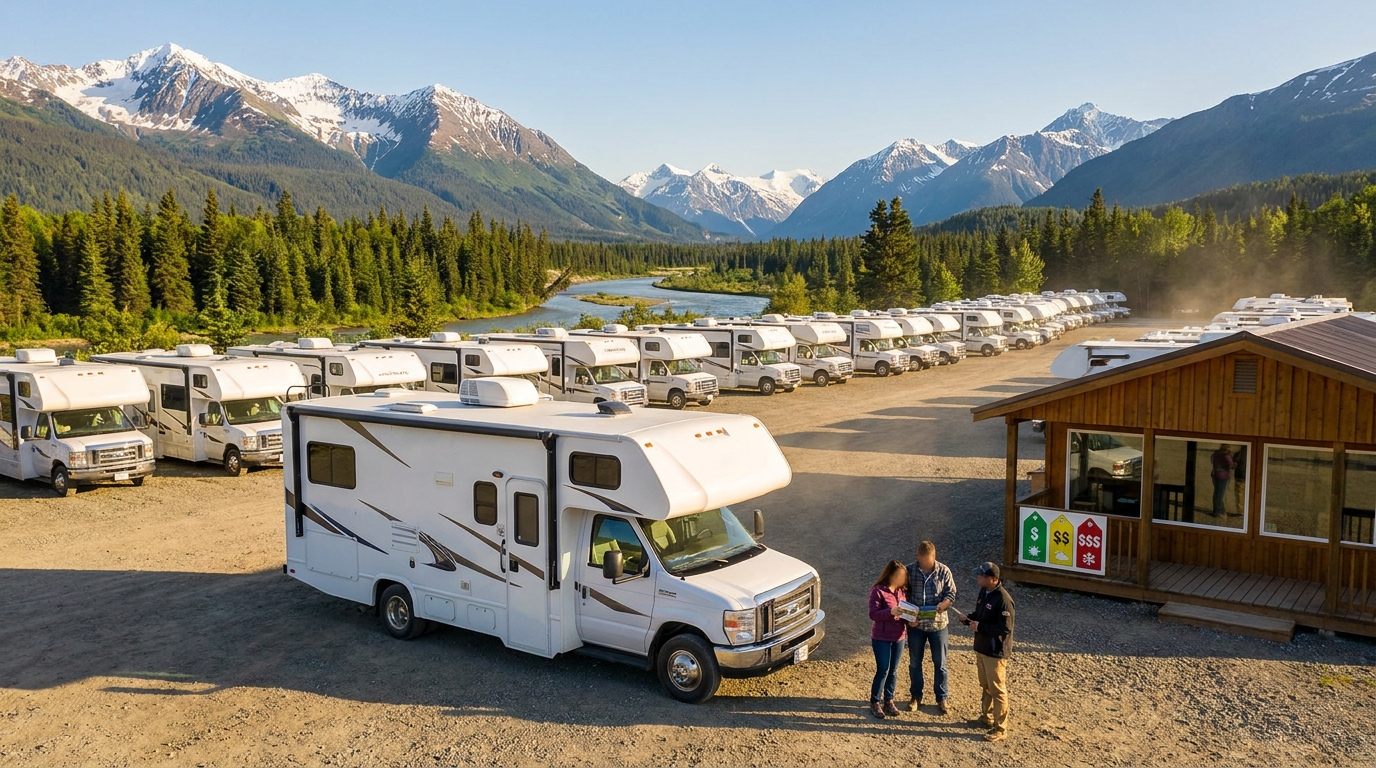
Alaska offers a diverse array of camping options, from iconic national parks to serene state parks and remote wilderness areas. Denali National Park and Preserve provides iconic camping experiences, though spots are highly competitive and often require reservations months in advance due to its popularity, with only the first 15 miles of the park road typically accessible by private vehicles. The Kenai Peninsula, known for its stunning coastal and mountainous landscapes, offers numerous state parks and private campgrounds perfect for exploring glaciers and marine life. Interior Alaska, particularly around Fairbanks, features many state recreation sites and offers gateways to more remote camping adventures. Exploring these regions with a rented motorhome or campervan allows you to create your mobile home base, letting you discover every hidden gem at your leisure.
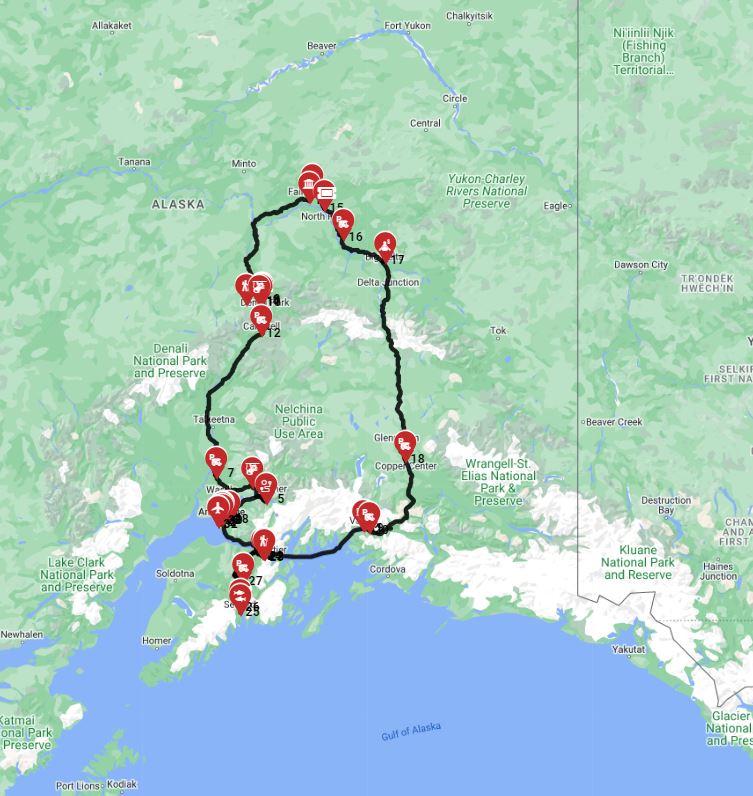
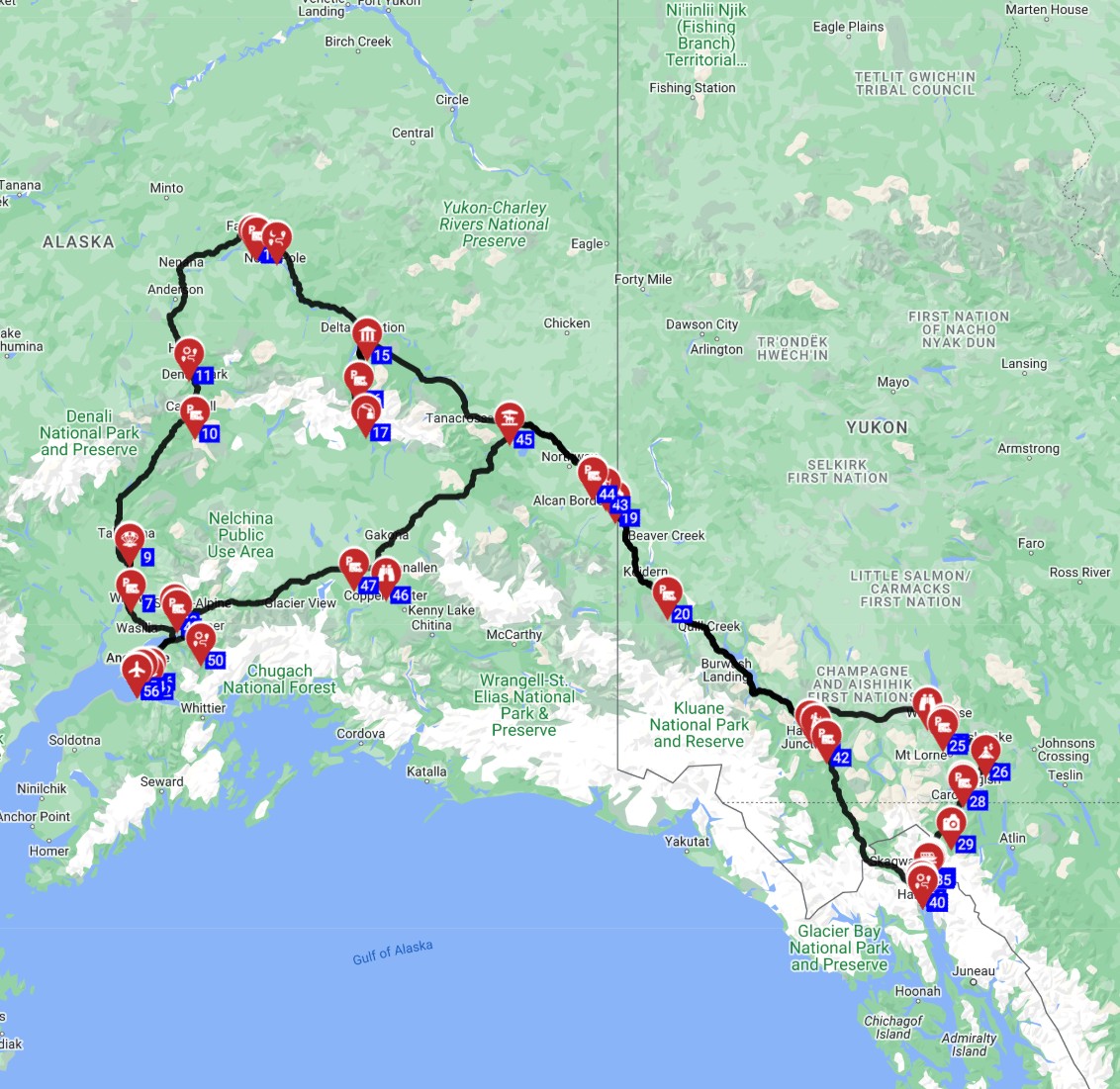
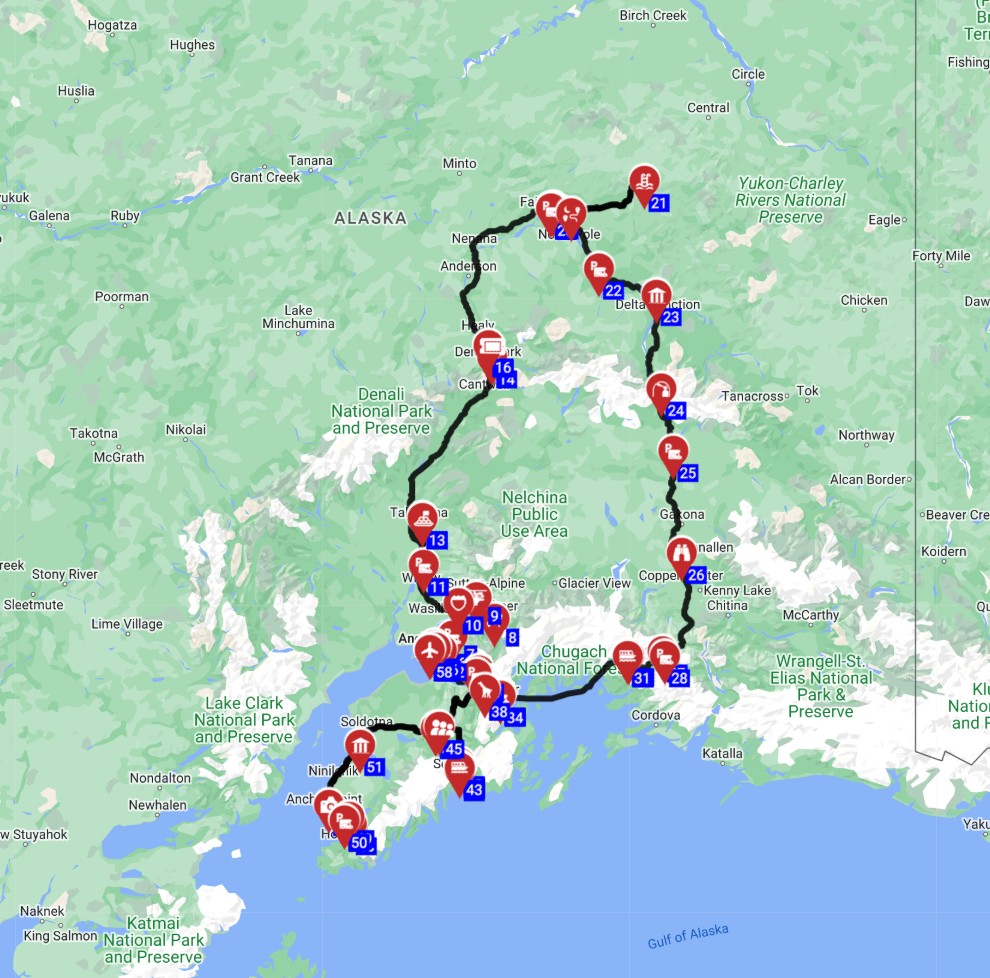
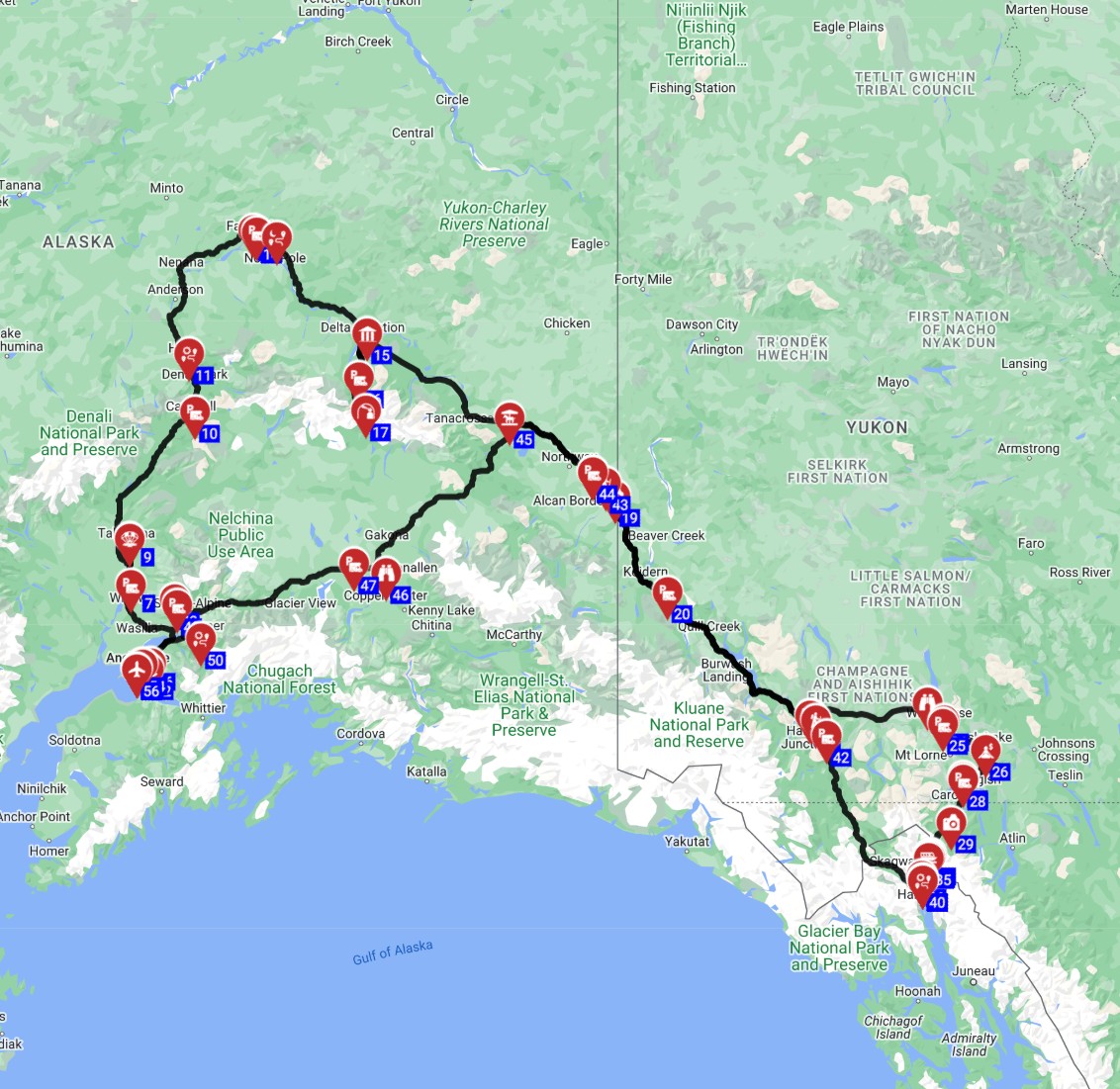
Consider a pre-planned route like the
Campground Types in Alaska (National, Private, Wild)
In Alaska, campers can choose from three primary types of campgrounds: national/state parks, private RV parks, and wild camping spots. National and State Park campgrounds provide scenic locations, opportunities for ranger programs, and often require reservations, blending natural beauty with basic facilities. Private RV parks, frequently found in larger towns and popular tourist areas, typically offer comprehensive amenities such as full hookups (water, sewer, electric), Wi-Fi, laundry, and often charge higher nightly rates. Wild camping, also known as dispersed camping or boondocking, is both legal and common on vast public lands managed by agencies like the Bureau of Land Management (BLM) and the U.S. Forest Service (USFS), offering a free, primitive experience that demands self-sufficiency and strict adherence to Leave No Trace principles.
Featured RV Park or Campground in Alaska
When selecting an RV park in Alaska, prioritizing amenities and location is key for a comfortable experience. Look for features such as proximity to major attractions, ensuring easy access to sights like Denali or the Kenai Fjords. Confirm the availability of full hookups (30 or 50 amp electric service, potable water, and sewer dump stations) for maximum convenience. Clean restroom and shower facilities are essential, as are on-site amenities like laundry services which can make a big difference on an extended road trip. Reviews regarding cleanliness and customer service are excellent indicators of a quality park. Some RV parks also offer guided tours or shuttle services to nearby points of interest, such as the Denali RV Park in Healy, which provides shuttles into Denali National Park, significantly enhancing your travel experience without needing to move your rental motorhome. We handle the details, you live the journey - personal service from day one until your booking is confirmed. On the routes offered through RV PLANET routes, you can itemize and track every expense along the way for easy budgeting.
Hookups & Amenities - What to Expect
When RV camping in Alaska, hookup availability and amenities vary significantly by campground type. Most private RV parks throughout Alaska, especially in cities like Anchorage and Fairbanks, offer full hookups, which typically include 30 or 50 amp electric service, potable water connections, and sewer dump stations. In contrast, many state and National Park campgrounds, while offering stunning natural settings, provide fewer amenities, with options often limited to basic dry camping (no hookups) or sites with water and electric hookups but no sewer. Connectivity is another important consideration; Wi-Fi and reliable cell service can be spotty to non-existent in remote Alaskan areas, even at some developed campgrounds, so it's wise to plan for offline navigation and entertainment. Laundry facilities and hot showers are standard at private RV parks, whereas state and national park campgrounds might offer coin-operated showers or none at all, requiring careful planning for an extended trip in your rented motorhome.
Booking Windows & Reservations in Alaska
For popular campgrounds in Alaska, especially within Denali National Park or on the Kenai Peninsula during the peak summer months of July and August, it is highly recommended to book 6 to 12 months in advance. Many national park campgrounds operate on a system where only 25%–30% of spots are reservable online, with the remaining 70-75% available on a first-come, first-served (FCFS) basis, offering a lifeline for spontaneous travelers. If you're a pre-planner who likes everything organized, locking in your reservations early, possibly even a year out, can save you money and stress. However, spontaneous travelers often find success by calling ahead the same day or the day prior for state recreation sites or private RV parks, particularly during the shoulder seasons of May, early June, and September, where crowds are thinner and prices might be lower. Rest assured, with a little flexibility, travelers with an RV rental in Alaska will almost certainly find a comfortable spot to stay, even if it means checking a few options.
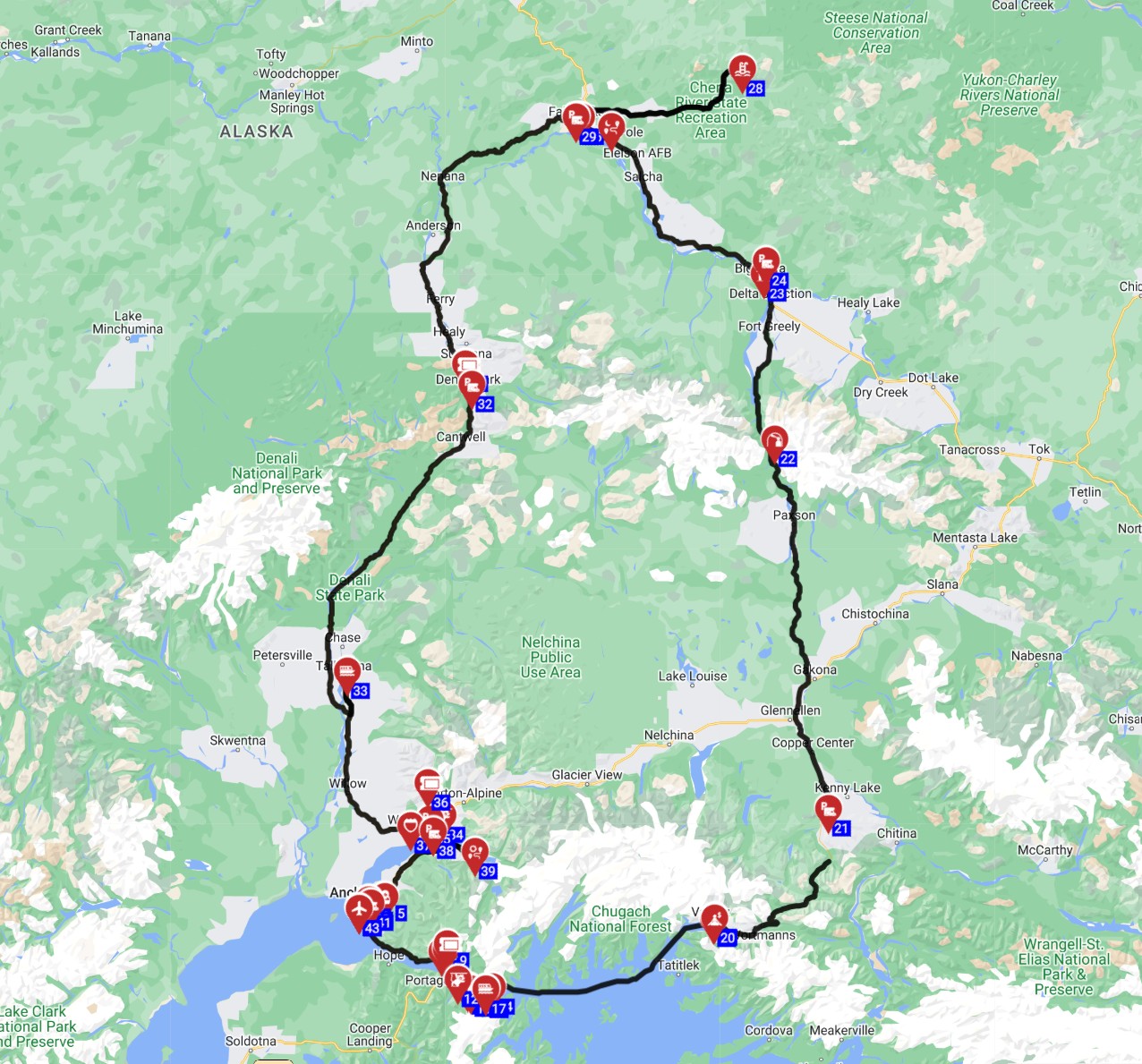
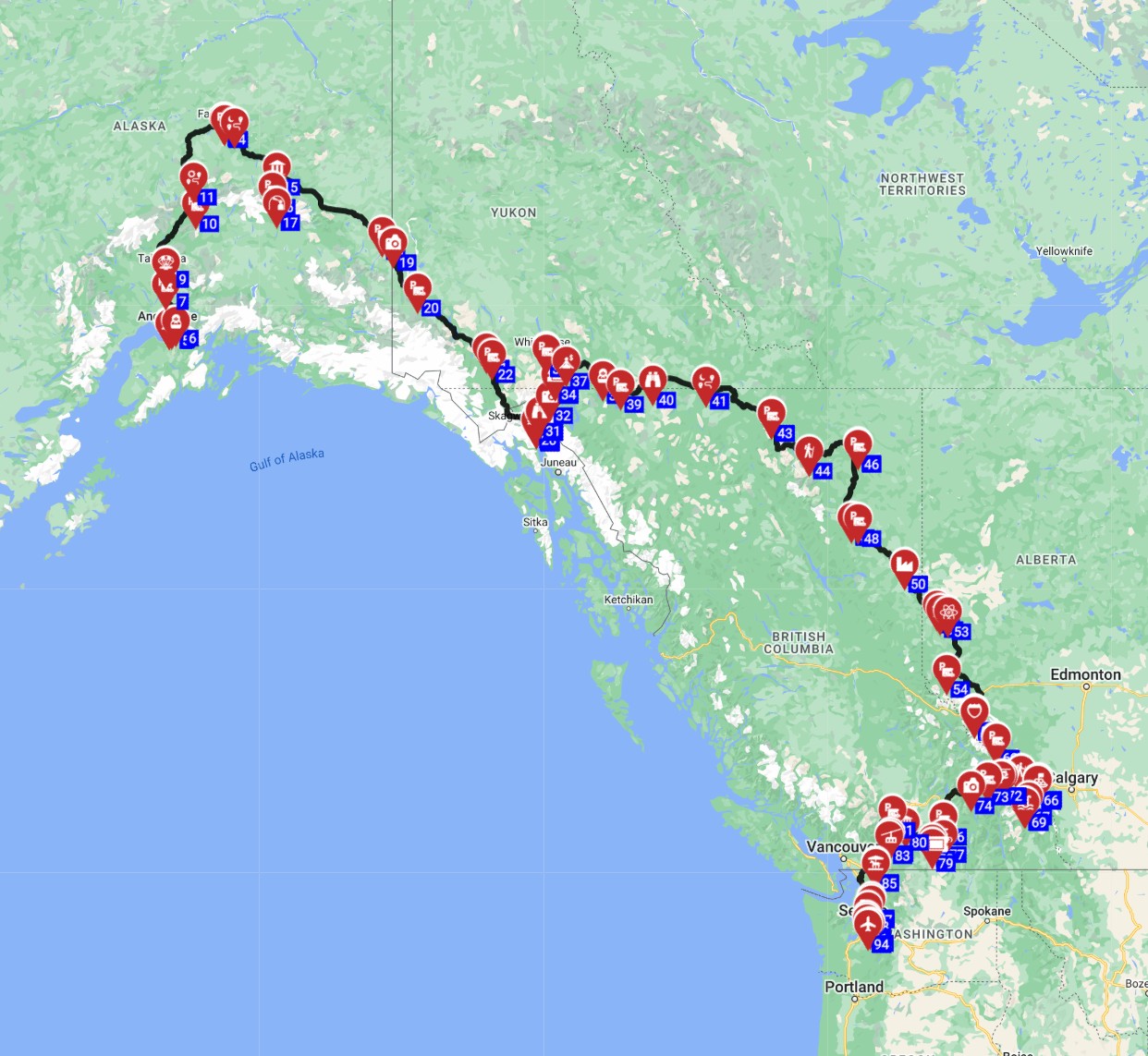
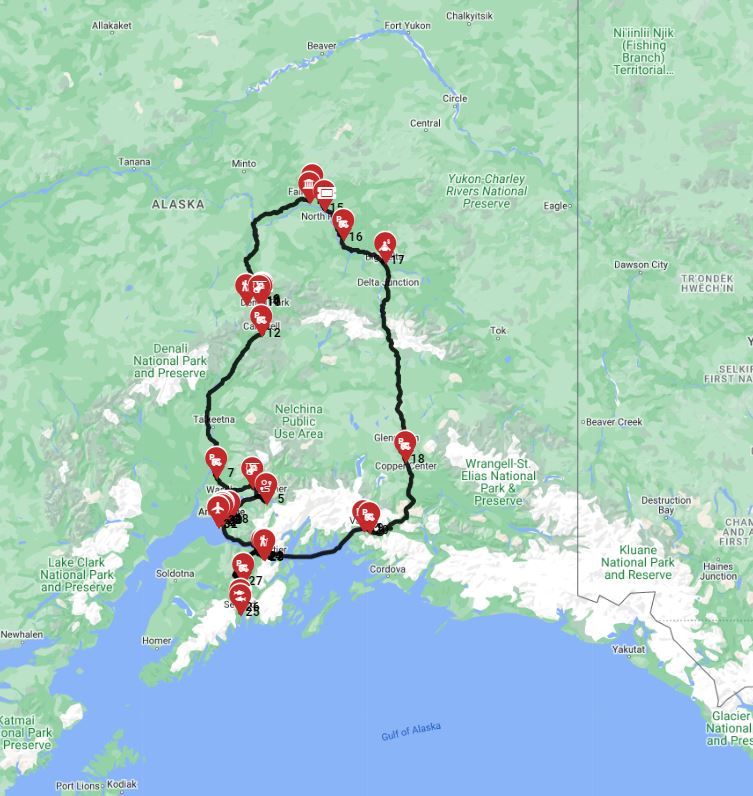
Discover top destinations and planning tips all in one place with our diverse route plans. For example, the
Nearby Supermarkets & Resupply Points
Major towns across Alaska, including Anchorage, Fairbanks, and Juneau, are equipped with large supermarket chains such as Fred Meyer (a Kroger affiliate), Carrs-Safeway, and Walmart, providing extensive options for comprehensive resupply during your RV trip. As you venture into smaller communities along popular RV routes, you'll find local grocery stores, though it's important to note that their selection may be more limited and prices generally higher due to the increased costs of transportation. For extended boondocking trips or travel to very remote areas, stocking up on all essential groceries and supplies in larger cities before departing is highly advisable. Additionally, remember to check for specialized outdoor retailers for camping gear, propane refills for your rented motorhome, and any specific adventure supplies you might need. When planning your budget and tracking expenses for your Alaskan adventure, keep in mind that RV PLANET routes allow travelers to itemize and track every expense along the way for easy budgeting.
Best RV Class for Camping in Alaska
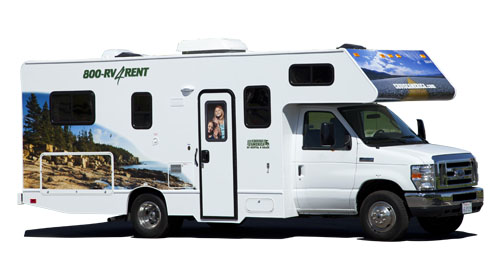
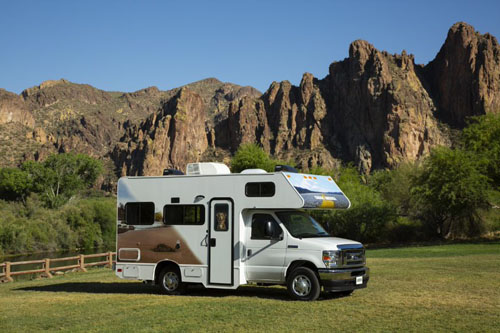
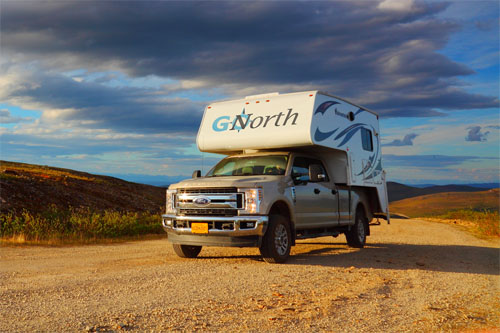
The best RV class for camping in Alaska largely depends on your travel style and group size. For couples or solo adventurers who prioritize maneuverability and access to more remote or winding roads, a Class B Campervan is often the ideal choice. These compact units, like some of our rental models averaging 5.8 meters in length and designed to sleep 3.2 people, offer excellent fuel economy (typically 8-10 Liter/100 km) and are easier to navigate and park. Families or groups seeking more spacious living areas and home-like amenities for a comfortable road trip will often prefer a Class C Motorhome. These models, which typically average 7.5 meters in length and can comfortably sleep 5.8 people, provide ample storage, a full kitchen, and a bathroom, with a common fuel consumption of 10-12 Liter/100 km. While Class A motorhomes also offer significant space, Class C models strike a great balance of comfort and accessibility for many Alaskan routes. For those looking to go off-grid on rugged Alaskan terrain, a Truck Camper could be an option, but Bandana RV specializes in motorhomes and campervans for your comfort. No matter the size, drive slowly and carefully, and you can drive almost anywhere without issues. No need to stress - just use common sense and pay attention.
How to Save on Campgrounds in Alaska
To save money on campgrounds in Alaska, several strategies can significantly reduce your overall trip costs. Utilizing any campground discount cards or memberships, such as those sometimes offered by your RV rental provider or national organizations, can lead to substantial reductions in nightly rates at participating private and state parks. Planning your RV trip during the shoulder seasons (May, early June, or September) often means lower campground rates and fewer crowds compared to the peak summer months. Opting for state, borough, or municipal campgrounds generally provides more budget-friendly rates for sites with basic amenities compared to the higher costs of private RV resorts. Consider booking longer stays, such as 3+ nights, as many parks offer weekly rates that are more economical than consecutive nightly fees. Finally, embrace boondocking or dispersed camping on public lands like those managed by the BLM and USFS where permitted, as this offers a completely free camping experience and allows you to enjoy the vast Alaskan wilderness without charge. This approach, combined with Bandana's full transparency on rental costs, ensures no hidden fees or surprises.
Can I park my RV anywhere in Alaska?
No, you cannot legally park your rented RV just anywhere in Alaska; strict regulations govern where overnight parking and camping are permitted to protect the state's natural resources and ensure public safety. Generally, overnight parking and camping are restricted to designated campgrounds, approved dispersed camping areas on public lands, or private property with explicit permission from the owner. Roadside parking for overnight stays is typically prohibited outside of emergency situations and is frequently subject to local ordinances, particularly within city limits and along major highways. Always consult local regulations and signage, as rules can vary by specific land management agencies (e.g., National Park Service, BLM, State Parks) and municipal areas. Understanding these rules is crucial for a smooth and compliant RV adventure in Alaska.
What is the 3-3-3 rule for RVs and campers?
The '3-3-3 rule' for RV and campervan travel is a popular guideline designed to promote a more relaxed and enjoyable road trip experience. This rule suggests that you drive no more than 300 miles (approximately 480 km) in a day, arrive at your destination by 3 PM, and stay for at least 3 nights. Adhering to this guideline for your rented motorhome journey through Alaska can significantly reduce driving fatigue, allowing you ample time for setup and enjoyment of each location. It minimizes the stress often associated with constant movement, providing a healthier, more immersive way to connect with the culture, food, and stunning scenery of Alaska, perfectly aligning with our recommendation to travel slowly, averaging a maximum of 100-150 km per day.
Where is the best place to park an RV for free?
The best places to park a rented RV for free in Alaska typically include designated dispersed camping areas on public lands, such as those managed by the Bureau of Land Management (BLM) and the U.S. Forest Service (USFS), or specific business parking lots that explicitly permit overnight stays. When seeking free camping, always look for BLM and USFS lands, which are abundant in Alaska, especially along less-traveled roads; however, it's crucial to verify local regulations for any fire restrictions, length of stay limits (often 14 days), and specific no-camping zones before setting up. Some large retail stores, most notably Walmart, may allow overnight RV parking as a courtesy for self-contained units, but always confirm with store management upon arrival, as policies can vary by location. Free parking can also be found at some rest areas or pullouts, though these are generally intended for short-term stops, and extended overnight stays might be prohibited, so always check signage carefully.
Is boondocking legal in Alaska?
Yes, boondocking, also widely known as dispersed camping or dry camping, is generally legal and quite common in Alaska, primarily on vast public lands managed by agencies such as the Bureau of Land Management (BLM) and the U.S. Forest Service (USFS), provided you strictly adhere to specific regulations. When engaging in boondocking with your rented campervan, it is absolutely crucial to practice Leave No Trace principles, which includes packing out all trash, minimizing your environmental impact, and ensuring proper disposal of all waste. Always be acutely aware of local fire restrictions, particularly during dry seasons, and follow comprehensive bear safety protocols, such as storing food in bear-resistant containers and keeping a clean camp, to ensure safety for both campers and wildlife. Boondocking is typically not permitted on private property without explicit owner permission, within developed campgrounds unless specifically designated, or within most city limits, making it essential to confirm local rules for every potential stop.
What does FF mean in camping?
In the context of camping, 'FF' is a common abbreviation that typically stands for 'First-Come, First-Served,' meaning that campsites are available without prior reservation and are assigned to the first arrivals until all spots are occupied. Many popular campgrounds in Alaska, especially within state and national parks, designate a significant portion (often 70-75%) of their sites as FCFS, which presents a valuable opportunity for spontaneous travelers who prefer not to book months in advance. To secure an FCFS site for your rented motorhome, it is generally advisable to arrive early in the day, particularly during peak season, as these coveted spots can fill up quickly. This system offers flexibility, but also requires a bit of strategic timing to ensure you find a place to stay.
What is the best time of year to RV to Alaska?
The best time of year to take your rented RV to Alaska is generally during the summer months, spanning from mid-June to mid-September, when the weather is at its mildest, daylight hours are longest, and all major roads, campgrounds, and attractions are fully operational. June offers the longest daylight, with many areas experiencing nearly 24 hours of sun, while July and August typically provide the warmest temperatures and optimal conditions for wildlife viewing and accessing all services. The shoulder seasons of May and early June or early to mid-September can also be excellent choices, offering fewer crowds, potentially lower prices for RV rentals and campsites, and stunning spring or fall colors, though some services or roads may have limited hours or begin to close as the season transitions. Always be sure to check a "RV Travel Guide to Alaska - Tips and Top Spots 2026" for specific timing advice.
How much are campsites in Alaska?
Campsite prices in Alaska exhibit a wide range, depending heavily on the type of campground and the amenities provided. Typically, costs can vary from completely free for dispersed boondocking spots on public lands to $20-$30 per night for basic sites in state or national parks, and $40-$70+ for private RV parks that offer full hookups and additional amenities. State and federal campgrounds generally represent the most budget-friendly options, with basic sites often priced in the $15-$30 range, while private RV resorts, particularly those in popular tourist areas like Denali or the Kenai Peninsula, can cost $50-$80 or more per night. Factors such as location, the availability of hookups (electric, water, sewer), on-site amenities (showers, laundry, Wi-Fi), and the specific time of year (peak season being the most expensive) all influence the final price for your RV rental stay.
When preparing meals in your RV kitchen, you'll love the freedom of cooking on the road. Check out our RV-friendly recipes playlist for inspiration that fits perfectly with your Alaskan adventure.
What is the 200 rule for camping?
The '200 rule' for camping is a general guideline often emphasized within Leave No Trace principles and wildlife safety protocols, advising campers to maintain a distance of at least 200 feet (approximately 70 yards) from specific features. When applied to water sources like lakes, rivers, or streams, it means camping at least 200 feet away to protect water quality from human waste and chemicals, and to allow wildlife unimpeded access to drink. For wildlife safety, particularly regarding large animals like bears in Alaska, a greater distance of 200 yards (not feet) is often recommended to avoid startling animals and to ensure the safety of both campers and the local fauna, stressing proactive measures like securing food and trash. This rule also extends to maintaining a respectful distance from established trails and other campers, promoting a more harmonious outdoor experience and minimizing human impact on the environment.
What You Shouldn't Miss
- Drive the Alaska Highway: Experience the epic journey from Canada into Alaska, covering thousands of kilometers of stunning wilderness and small towns.
- Explore Denali National Park: While private vehicles have restricted access (first 15 miles), taking a park bus offers unparalleled wildlife viewing opportunities, including grizzly bears, moose, and caribou.
- Visit the Kenai Peninsula: Discover Seward and Homer, offering glacier cruises, fishing charters, and vibrant arts communities, with numerous state campgrounds along the way.
- Witness the Northern Lights: For RVers visiting in late August or September, the long nights in Interior Alaska (near Fairbanks) provide excellent chances to see the aurora borealis dance across the sky.
- Take a Ferry to Juneau: Experience Alaska's unique capital city, inaccessible by road, by taking a scenic ferry ride through the Inside Passage with your rented RV.
Looking for expert insights from Avi Bandana? Top 5 Adventures - recommendations from Avi Bandana
🎬 Video coming soon
Final Thoughts
An RV camping trip in Alaska promises an adventure filled with stunning natural beauty and unparalleled freedom. Whether you're a seasoned RVer or embarking on your first motorhome rental journey, Alaska offers a comfortable and accessible experience, especially for seniors seeking memorable moments. Remember to embrace the slow travel philosophy, averaging 100-150 km per day, allowing yourself to truly feel the place, connect to the local culture, savor the food, and immerse yourself in the awe-inspiring scenery.
With careful planning for campgrounds, amenities, and essential supplies, your Alaskan RV rental will become your cozy home on wheels, taking you to places most only dream of. Bandana RV is here to support you every step of the way, providing transparency, expert advice, and a wide selection of vehicles to ensure your journey is seamless and joyful. So, pack your bags, prepare for endless daylight (or magnificent auroras), and get ready to create stories that will last a lifetime in the Great Land.
Plan a trip itinerary in advance with minimal effort and maximum enjoyment. Discover your perfect RV in Alaska today!